

Can simple, daily movement really steady your hormones and change how you feel? Many people assume only meds or surgery shift endocrine issues, but gentle practice and breath can powerfully calm stress pathways and support gland function.
Hormonal imbalances often appear during puberty, pregnancy, perimenopause, and menopause. Stress, poor sleep, and lifestyle choices make symptoms like mood swings, fatigue, irregular cycles, acne, and weight shifts worse.
This guide explains the science behind how practice lowers cortisol, improves circulation to hormone-producing glands, and activates the rest-and-digest nervous system. Expect practical steps, safe modifications, and routines that prioritize consistency over intensity.
Whether you’re managing PCOS, thyroid concerns, menopause symptoms, or stress-related disruption, these accessible strategies pair breath, movement, and mudras to support whole-body health. Learn step-by-step cues, safety notes, and targeted sequences — and see a related sequence study at this Yoga Journal guide.
Key Takeaways
- Small, consistent sessions reduce cortisol and support endocrine regulation.
- Targeted movement improves blood flow to glands and aids whole-body shifts.
- Breathwork and relaxation activate parasympathetic tone for steadier energy.
- Strategies are low-risk and practical for beginners and busy people.
- Use these tools alongside medical care for conditions like PCOS and thyroid issues.
What Is Hormonal Imbalance? Signals, Root Causes, and Why It Matters
Hormonal imbalance shows up in cycles, mood, sleep, skin, and metabolism. Understanding symptoms and triggers helps you choose the right tools to support your endocrine system.
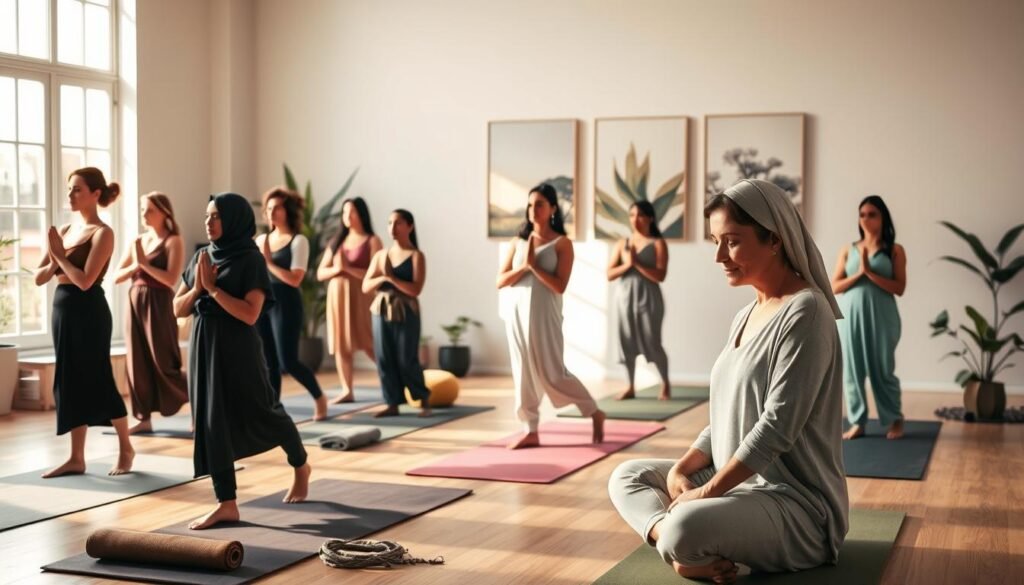
Small, recurring symptoms—irregular cycles, fatigue, acne, sleep loss, and mood swings—often mark a wider disruption. These signs span reproductive, physical, mental, and metabolic health and can appear together or alone.
Chronic stress raises cortisol and shifts estrogen, progesterone, and thyroid levels. Poor sleep and high caffeine, processed foods, and low movement worsen inflammation and insulin resistance. Lynn Jensen reminds us that the whole endocrine network matters: one gland’s strain affects the rest.
Common symptom clusters
| Category | Typical Symptoms | What to watch |
|---|---|---|
| Reproductive | Irregular cycles, PMS, cramps, fertility challenges | Cycle length shifts, heavy bleeding |
| Physical | Weight gain, acne, hair changes, fatigue | Persistent weight or skin changes |
| Mental & Metabolic | Mood swings, brain fog, insulin or thyroid shifts | Ongoing mood or energy decline |
Chronic stress is a primary disruptor—high cortisol competes for hormonal building blocks. Addressing stress, sleep, and lifestyle is foundational. For a clear look at how the endocrine system connects movement and glands, see this endocrine system overview.
How Yoga Balances Hormones: Stress, Glands, and Blood Flow
Movement that calms the breath can shift the stress response and improve delivery of nutrients to endocrine organs. This reduces cortisol and helps the body regulate hormones more effectively.
Lowering cortisol starts with activating the parasympathetic nervous system. Slow breathing, gentle holds, and mindful attention cue this “rest-and-digest” response. That change eases tension and gives glands space to recover.
Which glands respond and how
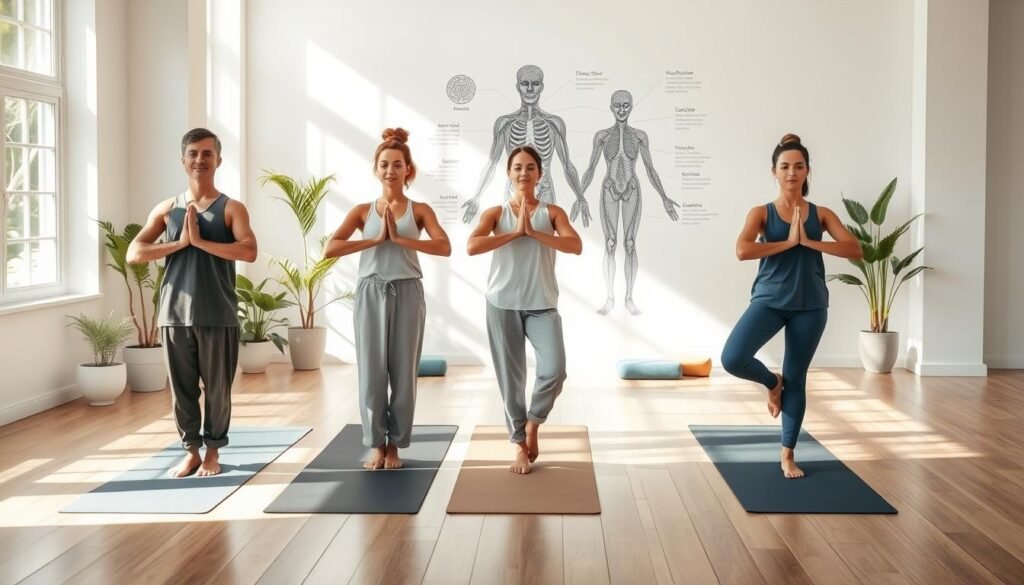
Specific actions can stimulate endocrine hubs: Shoulder Stand gently influences the thyroid, Camel supports adrenals and thyroid, Cobra encourages ovarian blood flow, and Bridge helps the pituitary and thyroid.
How circulation and twists aid detox
Twists compress tissues, then release, sending fresh, oxygenated blood back into organs. That wash improves nutrient delivery and clears metabolic byproducts. Over time, improved blood flow supports healthier hormone signaling across the system.
- Yoga calms the stress response, supports hormonal signaling, and improves circulation to glands.
- Poses can target endocrine hubs—thyroid, adrenals, pituitary, and ovaries—while breath anchors the nervous system.
- Choose gentle variations and brief daily practice; consistency beats intensity.
| Gland/Organ | Example Action | Practical Benefit |
|---|---|---|
| Thyroid | Inversions like Shoulder Stand; supported neck care | May improve local circulation and metabolic signaling |
| Adrenals | Heart openers (Camel), slow breath | Lower cortisol and improve stress resilience |
| Pituitary & Ovaries | Bridge, Cobra, pelvic-friendly twists | Better blood flow to reproductive hubs and hormonal communication |
| Whole system | Consistent gentle practice and relaxation | Supports coordinated gland function and steady energy |
Safety note: Prioritize comfort and accessible modifications to reduce stress rather than create it. For more guidance on building a steady routine that supports endocrine health, see this women’s hormonal balance guide.
Yoga Poses for Hormonal Balance
A handful of accessible postures can calm the nervous system while improving pelvic and thyroid circulation. These selections focus on safe alignment, simple cues to lift chest or protect the neck, and options when the lower back or hips are sensitive.
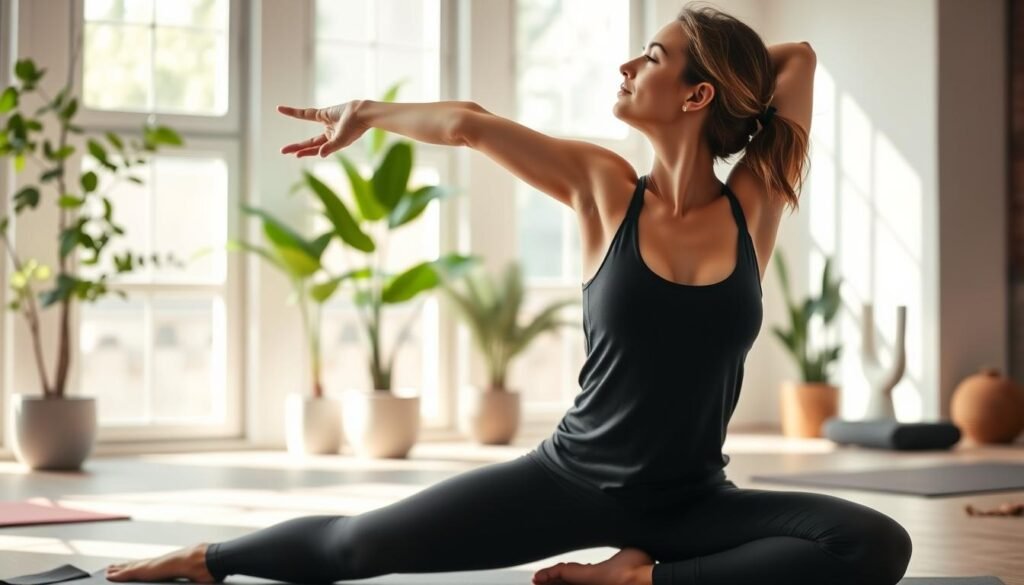
Cobra Pose (Bhujangasana) — Place hands beneath shoulders, draw elbows in, and lift chest on an inhale. Keep pubic bone grounded and press the tops of the feet into the mat. Use Sphinx on forearms if the lower back is tender. Benefits: supports adrenals and reproductive organs and gently opens chest.
Camel Pose (Ustrasana) — Knees hip-width, place hands on low back or heels, lift chest while keeping hips stacked over knees. Rise slowly to avoid dizziness. This stimulates the thyroid region and aids digestion.
- Butterfly (Baddha Konasana) — Sit tall, bring soles together, lengthen spine, fold if comfortable. Sit on a blanket if hips feel tight. This eases pelvic tension common with PCOS.
- Bridge Pose (Setu Bandhasana) — Press feet into the floor, engage legs, lift pelvis; interlace hands under the back or rest the sacrum on a block. Supports the pituitary and thyroid while strengthening the back and hips.
Child’s Pose — Sink hips toward heels, rest forehead and arms, breathe slowly to lower cortisol and calm the mind.
Supine Spinal Twist — Hug one knee, rotate it across the body, extend the opposite arm. This supports digestion and liver detox and can ease menstrual discomfort.
| Pose | Key Cue | Primary Benefit |
|---|---|---|
| Shoulder Stand (Sarvangasana) | Support mid-back with hands; align chest and legs | Stimulates the thyroid gland; avoid during menstruation or neck issues |
| Legs-Up-the-Wall (Viparita Karani) | Scoot hips to the wall, extend legs up, relax arms | Improves pelvic blood flow and relaxation, ideal in the evening |
| Savasana (Corpse Pose) | Rest fully, soften hands and legs, breathe into the belly | Deep rest where hormonal repair and energy recovery occur |
| Cobra Pose | Place hands under shoulders, lift chest on inhale | Opens chest and supports adrenal and reproductive organs |
Quick practice tip: Start with 3–5 minutes each of a chest-opening and a restorative posture. For a targeted routine that focuses on PMS and cycle support, see this sequence that emphasizes gentle chest openers and pelvic.
Mudras That Support Hormonal Health
Simple hand gestures can shift your state—mudras pair well with breathing to calm the mind and steady the system. Use a short, focused practice of 10–30 minutes to support hormones and nervous-system regulation when you can’t do a full movement session.
Short, focused hand practices alter prana and provide an accessible route to calm and gland support. Mudras work best when combined with slow breath or a brief meditation.

Prithvi Mudra — grounding and thyroid support
Touch the ring finger to the thumb. Hold this seal during seated breathwork for 15–30 minutes.
Benefit: Supports thyroid stability and gives a sense of strength in the body and head.
Prana Mudra — vitality and reproductive support
Touch the ring and little fingers to the thumb. Practice for 15–30 minutes when energy dips.
Benefit: Boosts vitality, supports immune tone, and gently aids reproductive organs.
Shakti Mudra — pelvic support and menstrual comfort
Interlace ring and little fingers and fold thumbs inside the palms. Hold for 10–15 minutes while breathing softly.
Caution: Traditional guidance recommends avoiding this during menstruation.
Vayu Mudra — calm the nervous system
Fold the index finger toward the thumb base and apply light pressure. Use 10–15 minutes, two to three times daily.
Benefit: A quick tool to soothe anxiety and bring immediate relaxation.
“Small gestures can create a measurable shift in how you feel; the hands are a simple bridge between breath and balance.”
| Mudra | How to place | Timing | Main effect |
|---|---|---|---|
| Prithvi | Ring finger to thumb | 15–30 min | Grounding, thyroid support |
| Prana | Ring + little fingers to thumb | 15–30 min | Vitality, reproductive organs |
| Shakti | Ring & little fingers joined; thumbs inside palms | 10–15 min | Pelvic comfort, menstrual support |
| Vayu | Index folded to thumb base | 10–15 min, 2–3x/day | Calms nervous system, reduces anxiety |
Practical tip: Keep your hands relaxed at heart level or on your thighs to avoid tension in the shoulders. Try morning practice for energy and evening sessions for relaxation; consistency builds lasting balance and supports long-term health.
Pranayama to Reset the Nervous System and Endocrine Balance
Targeted pranayama tunes the nervous system, which helps the endocrine system settle into steadier patterns. These breathing tools lower stress chemistry fast and create steady energy that supports gland function.
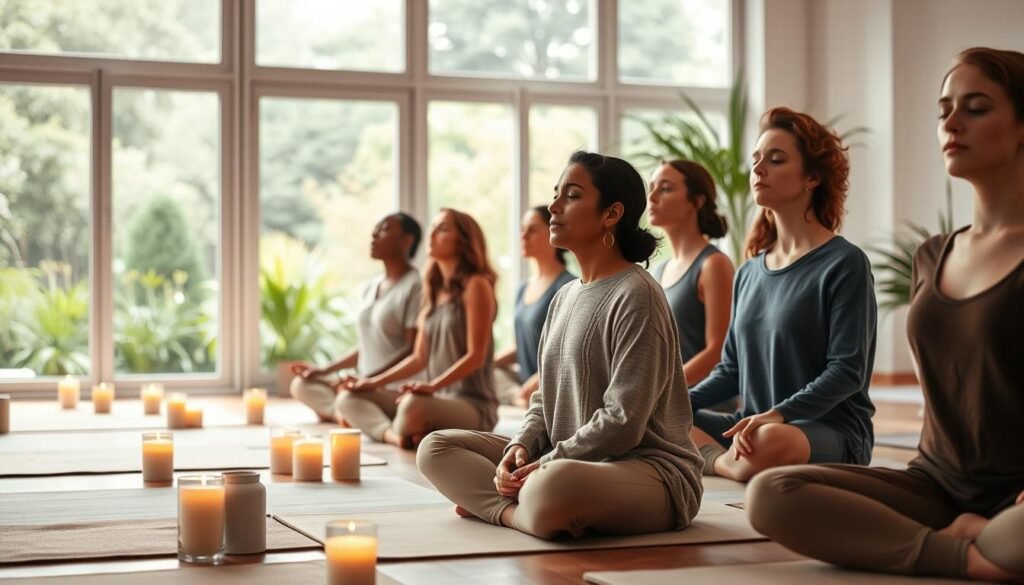
Alternate Nostril Breathing (Nadi Shodhana)
Why: Balances brain hemispheres and calms the nervous system.
How: Sit tall, soften shoulders. Use the right thumb and ring finger to alternate nostrils. Continue 5–10 minutes. Start with 3–5 minutes on busy days.
Bee Breath (Bhramari)
Why: Lowers cortisol and soothes the mind and head.
How: Close eyes, gently press cartilage near the ear, hum on each exhale for 5–10 rounds. Evening practice is ideal to reduce stress and promote relaxation.
Ocean Breath (Ujjayi)
Why: Supports thyroid-friendly respiration and steadies energy during movement or rest.
How: Slightly narrow the throat to make an ocean sound. Breathe evenly for 5–10 minutes. Combine with Prithvi or Prana mudra for added grounding or vitality.
- Breathing techniques are fast-acting tools for the nervous system. They lower stress chemistry and create steady energy to support endocrine balance.
- Use Nadi Shodhana for balance, Bhramari to quiet the head and reduce stress, and Ujjayi to stabilize energy during or outside a yoga practice.
Safety note: If you feel lightheaded, stop and breathe naturally. If you want further routine ideas that link breath and movement, see a focused guide on breath-centered practice or this overview of nervous-system work that explains calming sequences.
Targeted Practices for Specific Hormonal Conditions
Match practice to the condition to speed symptom relief and support key glands and organs. Targeted work improves pelvic and neck circulation, lowers stress chemistry, and helps steady hormones.
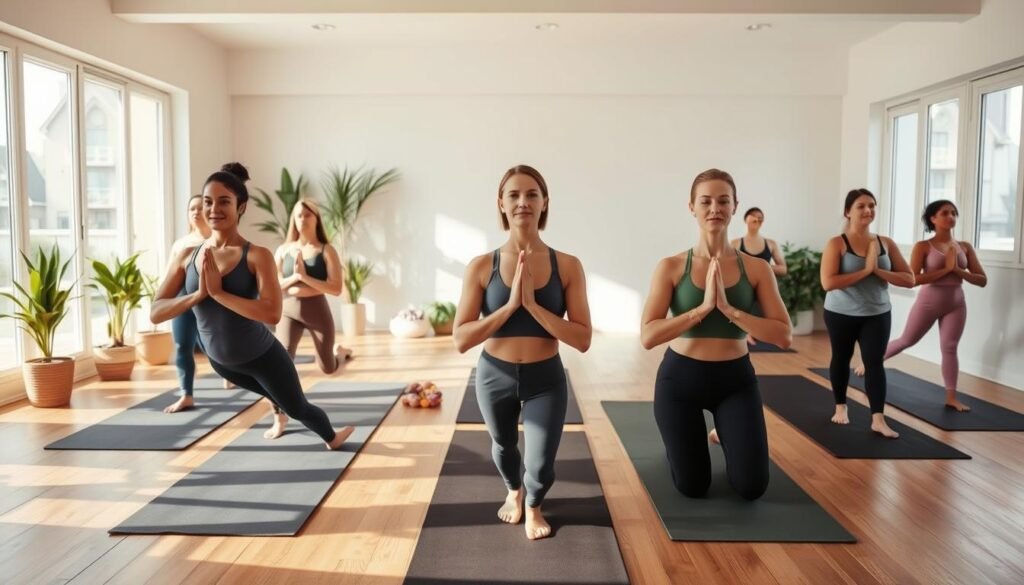
PCOS / PCOD
Why it helps: Regular practice can improve insulin sensitivity and ovarian circulation. A 2021 review of 74 studies found measurable benefit in managing PCOD symptoms.
Try: Butterfly, Cobra, Boat, and gentle Supine Twist. Aim 30–45 minutes, 4–5 times weekly to reduce weight gain and cycle disruption.
Thyroid support
Use morning routines that stimulate the thyroid gland without strain. Supported Shoulder Stand, Bridge, Camel, and Fish work well when the neck is protected.
Combine with Ujjayi breathing to steady energy and ease an imbalance in the thyroid.
Menopause & perimenopause
Choose cooling, restorative sequences to reduce hot flashes and improve sleep.
Legs-Up-the-Wall, Child’s Pose, Supported Bridge, Savasana, and Shitali breathing are useful for daily 30-minute sessions.
Hormonal acne
Forward folds, twists, and mindful Savasana support detox pathways. Daily breathwork lowers stress that can worsen breakouts.
Fertility & reproductive health
Prioritize pelvic circulation and calm. Butterfly, Supta Baddha Konasana, and Legs-Up-the-Wall after intimacy help relaxation. Avoid intense core work and inversions during ovulation and early pregnancy.
“Match poses and breath to your condition for faster relief; calm consistency beats intensity.”
| Condition | Key Actions | Session Notes |
|---|---|---|
| PCOS/PCOD | Pelvic openers, twists, breathwork | 30–45 min, 4–5×/week; track weight and cycle |
| Thyroid | Neck-safe inversions, chest openers, Ujjayi | Morning practice; support neck during inversions |
| Menopause | Restorative cooling, Shitali, Savasana | Daily 30 min to reduce hot flashes and aid sleep |
| Acne | Twists, forward folds, breath calming | Daily breathwork to lower stress-driven breakouts |
| Fertility | Pelvic circulation, relaxation | Avoid strong core and inversions in sensitive windows |
Progress tip: Log symptoms weekly to spot what relieves weight changes, sleep loss, or skin shifts—then repeat the wins.
For guided sequences that pair breath and movement, see a focused practice at breath-centered practice or an ayurvedic overview on natural hormone care here.
Build Your Daily Hormonal Balance Yoga Routine
A predictable morning and evening sequence helps the body learn how to shift between activation and restoration. Short, consistent sessions improve results more than occasional long workouts.
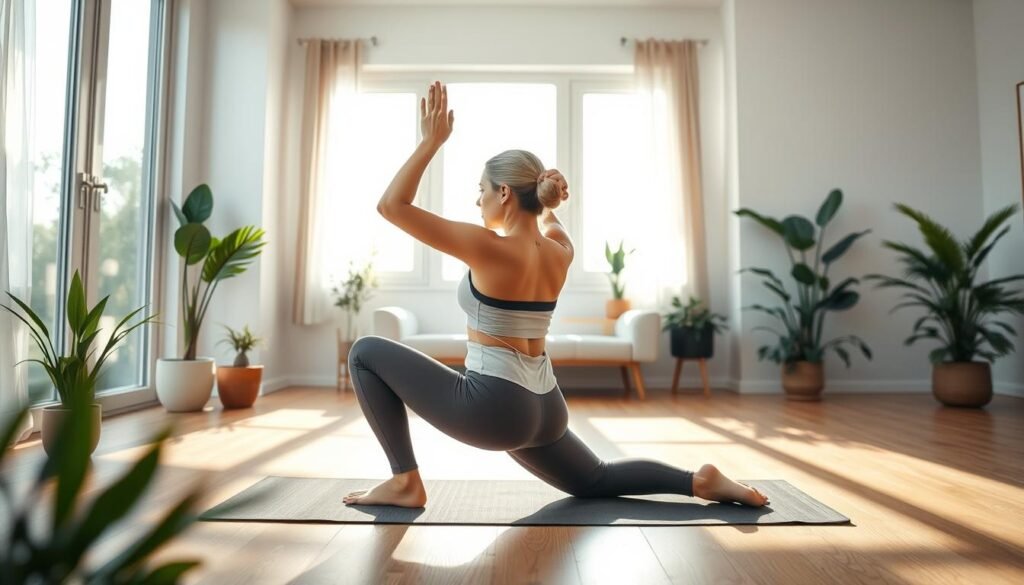
Morning energizing 20-minute flow
Morning 20-minute flow: mobilize the spine with Cat-Cow (2 rounds) to wake the back. Follow with Cobra (2) and Camel (2) as gentle chest openers that support the thyroid area.
Open hips with Butterfly (3), then lift into Bridge (3) to strengthen the back and encourage neck-friendly circulation. Finish with Nadi Shodhana (5 minutes) and Prithvi Mudra (3 minutes) to steady breath and hands.
Evening calming 20-minute flow
Evening 20-minute flow: begin in Child’s Pose (3 minutes) to soften the back and hips. Move into a slow Supine Spinal Twist (4 minutes) to aid digestion and nervous-system relaxation.
Hold Legs-Up-the-Wall (8 minutes) to soothe that system and improve pelvic return. Close with Savasana plus Bhramari (5 minutes) for deep rest and stress reduction.
Weekly schedule and consistency
Aim for 4–5 sessions per week and alternate morning and evening flows to balance stimulation and relaxation. Keep knees, hips, and hands supported with props like a blanket under the knees, a block under the sacrum in Bridge, or a strap in Butterfly to protect flexibility and joints.
Progression: increase holds by 10–20 seconds each week and prioritize steady breath over intensity. Track sleep quality, menstrual comfort, mood, and cravings to guide adjustments.
- Short, consistent sessions improve results more than occasional long workouts. Use a clear morning flow to energize and an evening wind-down for relaxation and recovery.
- Track how your system responds across the week; adjust poses and timing to support sleep, stress, and steady recovery.
For a breath-centered sequence that pairs well with these routines, see a focused practice at breath-centered practice. If you need gentle hip and psoas options to support the evening flow, review guidance from a physical therapist here.
Safety, Modifications, and What to Avoid During Imbalance
Smart adjustments prevent strain and help the system recover instead of provoking more symptoms. Safety first—choose the version that calms your system: reduce intensity, shorten holds, and focus on breath.
When symptoms flare, pick gentle options that support recovery rather than challenge it. During menstruation avoid inversions (Headstand, Shoulder Stand), deep twists, intense core work, and hot flows. Favor mild forward folds, Child’s Pose, Supine Spinal Twist, and passive Legs-Up-the-Wall.
Thyroid and overactivity
Support the neck in backbends and inversions and avoid extreme neck extension in Fish if you are hyperthyroid. Keep shoulder alignment stable and use props under the shoulders when needed to protect the neck.
PCOS and cortisol management
Skip fast-paced, high-intensity styles that raise stress. Favor slow flows, breathwork, and poses that boost pelvic circulation. Protect the back, knees, and hips with extra cushioning and shorter holds.
“Aim to leave practice calmer with fewer symptoms rather than exhausted.”
- During menstruation: skip inversions and deep twists; use bolsters and blankets to protect the back and hips; elevate legs passively if helpful.
- Joint care: distribute pressure through hands and legs evenly; pad knees and maintain a neutral spine in transitions.
- When in doubt: consult a certified teacher and stop if you feel pain, dizziness, or worsening symptoms.
| Scenario | Avoid | Prefer |
|---|---|---|
| Menstruation | Headstand, Shoulder Stand, hot flows, hard core | Child’s Pose, Supine Twist, Legs-Up-the-Wall (passive) |
| Thyroid concerns | Extreme neck extension (unsupported) | Supported Shoulder Stand, gentle chest openers, Ujjayi breath |
| PCOS / high stress | Fast-paced classes, long holds that spike cortisol | Restorative work, pelvic circulation, slow breath |
For guided safety tips and personalized adjustments, see guided safety tips and consult a trained instructor to tailor practice to your health.
Conclusion
A steady, thoughtful routine reduces stress chemistry and gives endocrine glands time to recover. Short, calm daily sessions beat intensity when you want lasting hormonal balance and sustainable health.
Bring it together: focus on brief morning and evening flows that combine gentle pose work, breath, and mudras. Start with the 20-minute templates and use supportive props to protect the neck and back.
Track sleep, mood, cycle comfort, and energy across 2–4 weeks. If symptoms rise, scale back and favor restorative options. For practical sequences and stretches, see this guide on yoga for hormonal balances and a helpful set of releases that target emotional hotspots at emotional-release stretches.
Long-term view: progress gently, prioritize form over depth, and let consistency—small, steady practice—recalibrate your system for lasting balance.
FAQ
What signs indicate an endocrine or hormonal imbalance I should watch for?
Common signals include persistent fatigue, unexplained weight gain or loss, irregular menstrual cycles, mood swings or anxiety, hair thinning, low libido, and digestive changes. These symptoms often span reproductive, metabolic, physical, and mental health — if several appear together, consult a clinician for lab testing and a personalized plan.
How can an at-home practice help lower stress and support hormones?
A short, consistent routine that emphasizes breathwork and restorative positions can lower cortisol and activate the parasympathetic nervous system. Practices like alternate nostril breathing, bee breath, and gentle forward folds or supported backbends encourage relaxation, improve sleep quality, and reduce nervous-system-driven hormonal disruption.
Which gentle chest-opening movements support adrenal and reproductive health?
Poses that open the chest and mobilize the spine — such as cobra and bridge variations — enhance circulation to the thorax and pelvis and may ease tension around adrenal and reproductive organs. Use mindful alignment and props to avoid strain and focus on slow, diaphragmatic breathing to maximize benefit.
Are inversions safe if I have thyroid issues or high blood pressure?
Inversions like shoulder stand can stimulate the thyroid but may not suit everyone. People with uncontrolled high blood pressure, glaucoma, or certain cardiac conditions should avoid or modify inversions. If you have thyroid disease, work with a clinician and a certified therapist to use neck-safe cues and appropriate supports.
A 15–20 minute flow that includes pelvic openers (butterfly), gentle twists, bridge variations, and legs-up-the-wall can improve pelvic blood flow and reduce stress. Pair movement with diaphragmatic breath and consider adding prana and shakti mudras to support reproductive vitality and metabolic balance.
How does twisting and spinal rotation support liver detox and menstrual ease?
Supine spinal twists mobilize the torso, gently compress and release abdominal organs, and promote circulation through the liver and digestive tract. This can ease menstrual cramping and support natural detox pathways; perform twists slowly and avoid deep compression during early menstruation.
Which restorative practices are best for perimenopause and menopause hot flashes?
Cooling, restorative practices work well: legs-up-the-wall, supported bridge, and extended savasana with calming breath reduce sympathetic activation. Incorporate ocean breath and restorative poses in a cooler environment, and prioritize hydration and slow paced transitions to manage temperature fluctuations.
Can brief breathwork sessions influence menstrual regularity?
Yes. Regular alternate nostril breathing (Nadi Shodhana) helps balance autonomic output and may support menstrual regularity by reducing chronic stress and improving hormonal signaling. Practice 5–10 minutes daily and combine with lifestyle measures like consistent sleep and nutrition for best results.
What modifications should I use during menstruation or with pelvic pain?
During menses, avoid intense inversions and deep abdominal compressions. Favor gentle forward folds, supported child’s pose, supine twists within comfort, and pelvic openers with props. Use props under knees and hips to reduce strain, and listen to pain signals — never push through sharp discomfort.
How often should I practice to see meaningful changes in energy and mood?
Aim for consistency over intensity: 15–30 minutes most days (4–6 times weekly) yields measurable improvements in stress, sleep, and mood within 4–8 weeks. Balance energizing morning sessions with restorative evening routines to support circadian rhythm and endocrine resilience.
What role do mudras and brief hand gestures play in supporting endocrine health?
Mudras like prithvi (grounding), prana (vitality), and shakti (pelvic comfort) are short, focused tools that can modulate autonomic tone and mental state. While evidence is emergent, many people find they enhance focus, reduce anxiety, and complement movement and breath practices when used consistently.
Should I combine these practices with medical treatment for conditions like hypothyroidism or PCOS?
Yes. Movement, breathwork, and restorative techniques are complementary to medical care; they help manage symptoms, improve quality of life, and support metabolic and stress-related pathways. Always coordinate with your endocrinologist or primary care provider before changing medications or starting an intensive regimen.
Are there specific safety tips for neck-sensitive individuals doing thyroid-stimulating movements?
Protect the neck by keeping length in the cervical spine, avoiding deep compressive weight on the throat, and using props such as folded blankets or a small bolster. Favor supportive variations of backbends and consult a certified yoga therapist for tailored neck-safe progressions.
How does improved circulation from these routines affect weight management?
Improved blood and lymph circulation supports nutrient delivery, hormonal signaling, and metabolic efficiency. When combined with balanced nutrition and regular cardiovascular activity, these practices can aid weight management by reducing stress-driven eating and improving insulin sensitivity.