


Curious if a short, gentle routine can truly help your body feel clearer and more energized? I wanted a simple, science-forward way to support immune function and reduce sluggishness without a gym or gadgets.
What I found surprised me: targeted breath, light joint movements, and gentle inversions can guide fluid toward the thoracic outlet under the collarbones and help the whole system work more efficiently.
This is a practical how-to on a calm practice that focuses on diaphragmatic breathing as an internal pump, light pressure near joints, and an ordered sequence that moves from the torso to the limbs and back to the outlet.
Expect short, approachable steps, safety cues, and options for different bodies. If you want clear timing and simple props, this flow can fit into a busy week and may leave you feeling lighter after minutes of mindful movement.
For a deeper look at the rise of nervous-system-focused routines, see this short guide on related methods: nervous system workouts explained.
Key Takeaways
- Short, breath-led movement can assist fluid return and support immune function.
- Start by creating space near the thoracic outlet, then move through torso and limbs.
- Diaphragmatic breathing acts like an internal pump for deeper channels.
- Gentle compression around joints and mild inversions add gravity and pressure support.
- Practice simple sequences with clear timing and safety cues for best results.
Why I Tried Lymphatic Yoga Right Now
I wanted a simple, evidence-informed way to support my immune system without complicated gear or long workouts. This felt like a practical way to use breath and movement to help the body’s passive drainage channels work more effectively.
I was drawn to a routine that targets accessible node areas such as the neck, armpits, and abdomen. Practitioners note these spots cluster where mild pressure and movement can have outsized effects.
Stress lowers immune resilience, so a calm, breath-led practice offered a two-for-one: a nervous-system downshift and direct support for fluid return. I also needed something gentle for low-energy days.
- I wanted a short method that fits a busy schedule and can be done between tasks.
- Gentle sequences encourage consistency, which matters more than intensity.
- Even one clear pose sequence can feel clarifying when you’re congested or puffy.
“A brief, targeted routine felt like an approachable nudge rather than a full workout—easy to repeat and noticeable after minutes.”
For a practical primer on how this practice is taught in clinical and wellness circles, see a concise guide to yoga for node health and an expert explanation of how the method works: an expert explainer.
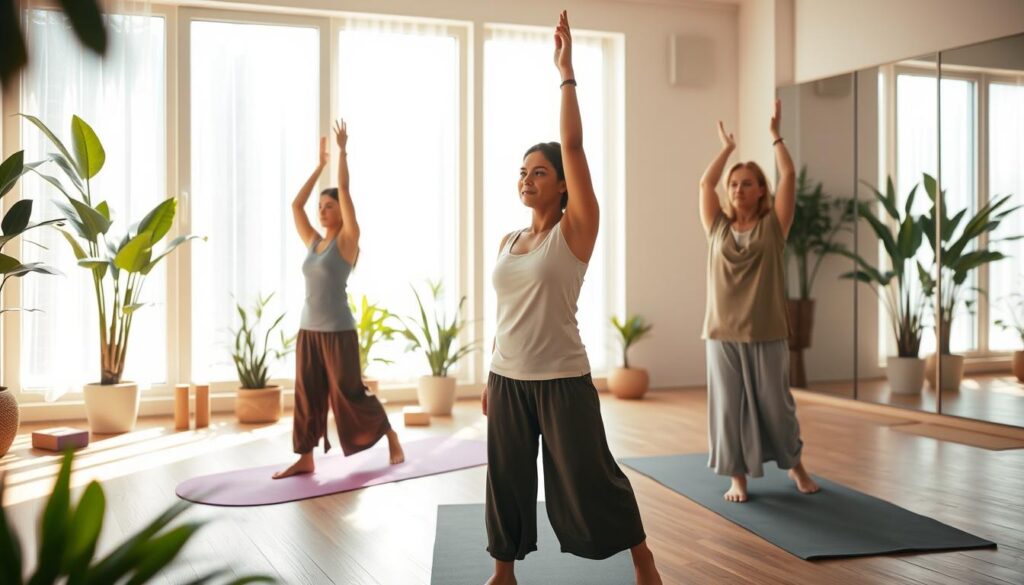
What the Lymphatic System Does and Why It Matters for Your Immune Health
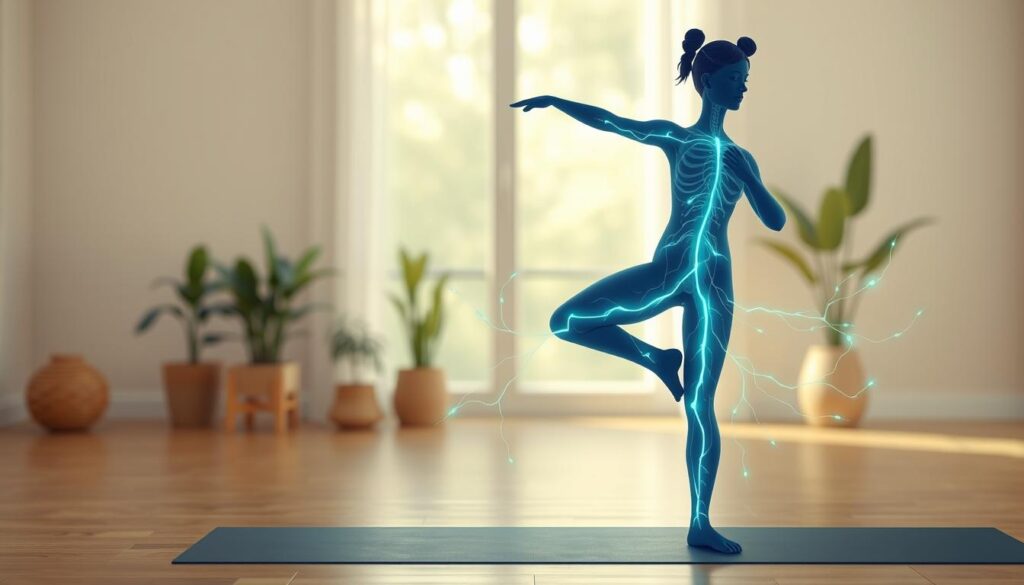
Gentle movement and breath help the body’s clean-up network move waste and keep immune signaling responsive.When flow is steady, fluids don’t pool, toxins return to the bloodstream for processing, and nodes can relay accurate immune cues.
Gentle motion plus deep breaths can nudge fluid through vessels and support the system that clears tissue waste. The network gathers excess fluid from tissues, filters waste in small hubs, and sends messages that tune immune response.
The clean-up crew: fluids, waste, and immune signaling
The system carries fluid and cellular waste away from tissue so the bloodstream can process it. One-way valves in vessels and pressure changes from movement push lymph toward the heart.
Where nodes congregate: neck, armpits, abdomen, and groin
Nodes form a web across the body, with key clusters under the skin at the neck and armpits and deeper nodes in the abdomen near the digestive tract. Working these areas with light touch and movement helps flow through major filters.
- Movement matters: muscle motion and breathing create pressure differentials that propel fluid.
- Connective tissue role: fluid travels through tissue matrices, so small shifts change how well the system drains.
- Targeted minutes count: a short routine focused on neck and shoulders or the abdomen can influence overall flow.
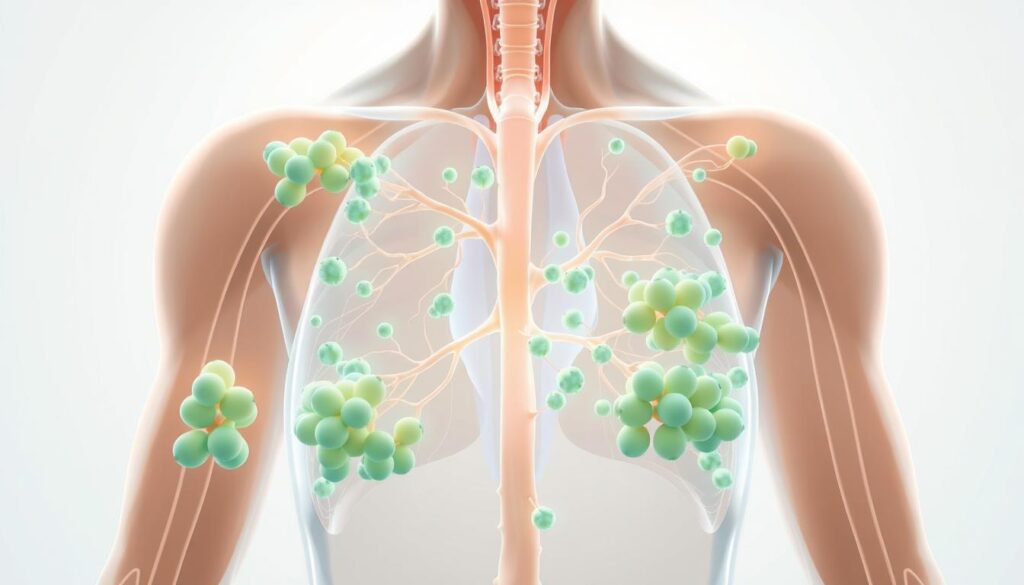
| Area | What it does | How gentle practice helps |
|---|---|---|
| Neck | Drains head and face; key outlet toward thoracic duct | Light compression and breath create upward flow |
| Armpits | Filters limb and chest fluids | Arm swings and shoulder rolls reduce stagnation |
| Abdomen | Deep nodes process gut-related waste and signal immune tone | Diaphragmatic breathing and gentle twists stimulate flow |
| Groin | Handles lower-body drainage | Leg movement and light compression encourage return toward the heart |
Curious to learn practical sequences that target these areas? See a concise guide to yoga for node health for simple, targeted options.
How Lymphatic Yoga Supports Flow, Drainage, and Immune Function
Small, repeatable actions create meaningful change: targeted motion, chest expansion, and mild compression move fluid without strain. Pairing paced breathing with simple poses helps the body use pressure shifts and gravity to assist return toward central channels.
Below are the mechanical ways a short routine helps the system work more efficiently.
Pressure differentials at joints and one-way valves
Superficial nodes sit near joints. Gentle range-of-motion generates local pressure changes that bathe nodes and push lymph through one-way valves in the vessels.
Breath as the central pump
Diaphragmatic breathing acts as a deep pump. Each inhale and exhale shifts abdominal and chest pressure, mobilizing deeper channels and amplifying overall flow.
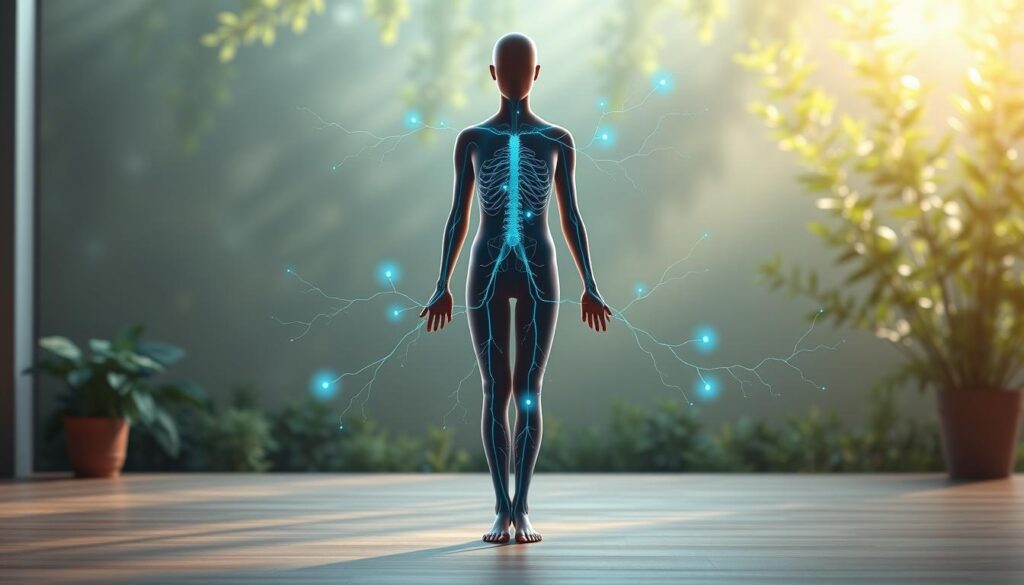
Inversions, twists, and gentle compression
Elevating the legs, light twists, and soft compressions squeeze then release tissues. That alternation boosts superficial circulation and aids lymphatic drainage without force.
- Movement near joints supports one-way valve action toward the chest.
- Short breath-led pacing keeps the nervous system calm while promoting steady flow.
- Tiny shifts on each side of the body can be more effective than big, strained shapes.
See a short guide for practical sequences that use these principles in a simple routine.
Step-by-Step Lymphatic Drainage Yoga Flow You Can Do in Minutes
Start with two minutes of belly-led breathing to prime the internal pump and set a steady pace for the sequence. This short setup creates subtle pressure changes that help the rest of the moves work.
Diaphragmatic breathing: set the pump and pace
Lie on your mat with one hand on the belly and one on the chest. Breathe for 1–2 minutes, feeling the abdomen rise on each inhale and soften on each exhale.
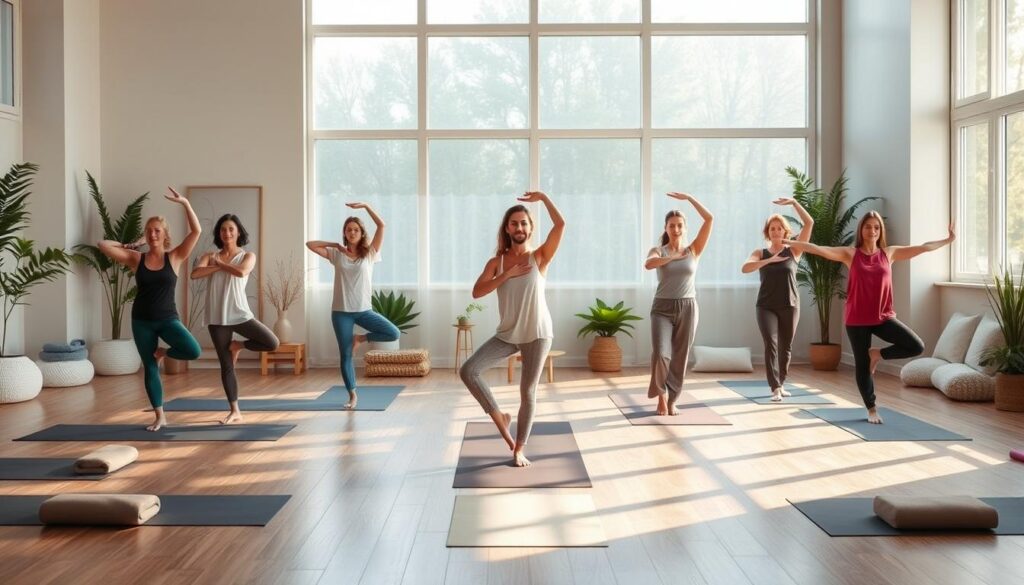
Easy Seated neck and thoracic outlet booster
Sit tall on a mat or chair. Place the right hand behind you and the left on the right leg.
Exhale into a gentle twist to the right while turning the head forward; inhale to lift the chin and feel a light under-skin tug at the right neck. Repeat five times per side to help clear the outlet and encourage flow.
Abdominal stimulation: towel roll or Sphinx
Place a 2–3 inch towel roll under the soft belly and prop on forearms. Breathe for 1–2 minutes, letting the abdomen press into and yield around the roll.
Or try Sphinx pose and focus on subtle belly motion with each breath to stimulate internal channels and visceral movement.
Low-lunge pumping for chest, arms, and shoulders
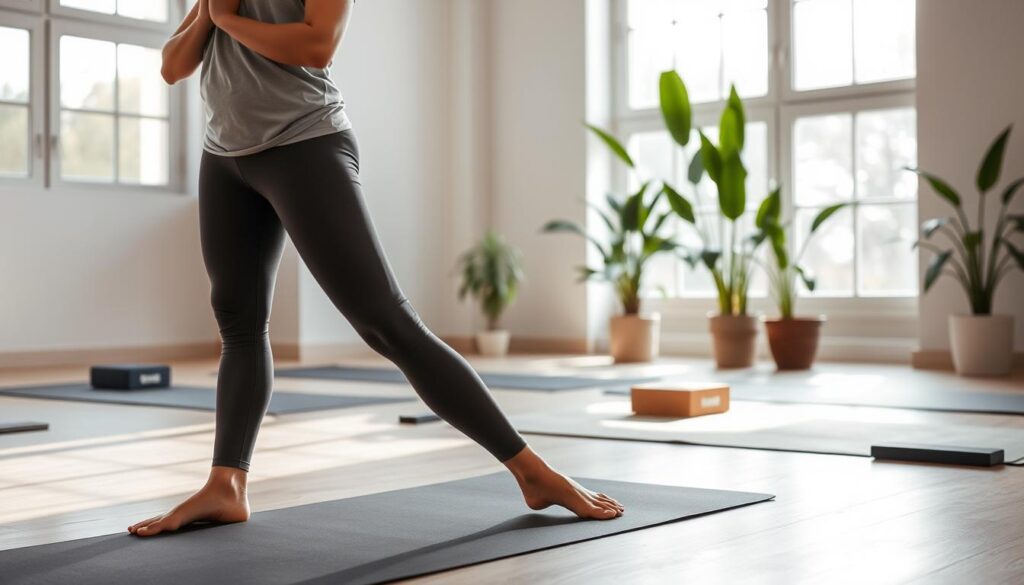
From a low lunge with the back knee padded, inhale to sink the hips and lift the hands to cactus above the heart while clenching fists; exhale to release. Do five slow cycles per side to encourage movement through the chest, arms, and shoulder.
Bridge variations and mild inversion
Lie on the mat with knees bent. Press into the feet and lift hips for gentle torso compression. Hold for five breaths; optionally clasp hands beneath you to open the chest before lowering slowly.
Finish: Legs Up the Wall and supine twist
Roll to one side and swing legs up a wall. Place a 3–4 inch towel under the pelvis if that feels better. Stay 3–5 minutes to let gravity assist return toward the heart.
Then let knees windshield-wiper side to side for ~2 minutes, rest in savasana, and notice how the body responds.
- Tip: keep ranges gentle and breathing steady—quality of movement matters more than depth.
- Facial drainage exercises pair well with this short flow if you want to focus on the head and neck.
| Step | Action | Time / Reps |
|---|---|---|
| Diaphragmatic breathing | Supine, hand on belly to set pump | 1–2 minutes |
| Easy Seated neck booster | Twist with head movements to clear outlet | 5 reps per side |
| Abdominal stimulation | Towel roll or Sphinx focusing on belly motion | 1–2 minutes |
| Low-lunge pumping | Cactus arms, clench fists on inhale, release on exhale | 5 cycles per side |
| Bridge | Lift hips, optional clasp under for chest opening | 5 breaths |
| Finish sequence | Legs Up the Wall, then supine twist | 3–5 minutes; ~2 minutes |
Lymphatic Yoga Benefits You’ll Notice Throughout the Body
Small, regular, breath-led movement can make tissues feel lighter and more mobile without high intensity.These changes show up first in places where nodes and vessels cluster: the neck, chest, torso, and legs.
Small, repeated movements paired with full, calm breaths tend to produce subtle changes you can feel across your whole body.
From neck and shoulders to torso and legs: signs flow is improving
Early signals are usually simple and easy to track. Expect a lighter feeling around the neck and shoulders and less tightness in the chest after a few sessions.
Legs often feel less heavy following mild inversions or legs-up work. Gentle twists and soft compression can make tissue feel less sticky and more responsive, increasing overall mobility.
- Lightness at the neck and shoulders and a decongested chest or torso.
- Reduced heaviness in the legs after short inversions or elevation.
- Subtle mobility gains as tissues respond to repeated, gentle motion.
- Clearer energy and less fatigue from calm breath work—an efficient way to support immune health day to day.
Less is more: why gentleness supports sustainable immune health
Gentle practice often outperforms intense sessions for this subtle system. Avoid force; the network responds to steady, repeatable cues rather than strain.
With regular practice, post‑exercise puffiness eases faster and recovery days feel more restorative. Expect ups and downs; consistency matters more than one long session.
For practical sequences that target chest and node areas, see a concise guide on yoga for node health or consult an expert explainer on how certain poses stimulate glands and circulation: pose effects on the endocrine system.
| Area | What you may notice | Why it matters |
|---|---|---|
| Neck & shoulders | Lighter, less puffy | Clears the outlet toward central channels |
| Torso & chest | Decongested, easier breath | Improves internal pressure shifts and flow |
| Legs | Less heaviness | Gravity + elevation aids return |
Safety, Contraindications, and When to Talk to Your Provider
Before you begin, check for health conditions that change how your body handles pressure and position. If you have a major illness or recent treatment, professional clearance is essential to stay safe.
Safety matters because simple moves and mild inversions alter internal pressure and flow. That change usually helps most people, but it can be risky for those with certain conditions.
Known illness, injury, cancer, or lymphedema: essential precautions
If you have lymphedema, recent cancer treatment, active infection, or a new injury, speak with your healthcare provider before starting or advancing this routine.
A provider can advise on safe ranges and whether manual work or elevation is appropriate for swollen or tender areas. Avoid aggressive self‑massage on enlarged nodes.
Intensity, duration, and pain-free range: how to practice safely
Keep all movements pain-free. Stop if you feel sharp pain, dizziness, or unusual tenderness. Tenderness is a signal, not a reason to push on.
Be cautious with inversions if you have heart issues, uncontrolled blood pressure, or glaucoma—get medical clearance first. Start short, then monitor responses for 24–48 hours.
- Reduce holds or skip inversions if fatigue or swelling increases.
- Hydration and easy walking often help recovery and show tolerance.
- When unsure, partner with your provider to tailor the sequence to your condition.
| Condition | Concern | Suggested action |
|---|---|---|
| lymphedema | Risk of increased swelling or infection | Consult provider; avoid deep self‑massage; use gentle, breath‑led moves |
| Recent cancer treatment | Fragile tissues, altered drainage | Get medical clearance; follow tailored protocols from your provider |
| Active infection | Spreads or worsens with movement | Pause practice until cleared; treat infection first |
| Heart or blood pressure issues | Adverse response to inversions or rapid pressure shifts | Seek clearance; prefer seated/lying breath work and gentle mobility |
Curious about complementary stretches for emotional tension? Try this short sequence for release: 5 stretches that target and release common emotional.
Make It Yours: Timing, Props, and Progress Tracking
Start with a clear order: open the thoracic duct outlet first, move through the torso and limbs, then finish back at the outlet. This approach helps your body use small pressure shifts efficiently and keeps the practice safe and focused.
Short on time? Try a 5–10 minute mini‑flow: 60–90 seconds of diaphragmatic breathing, a quick neck/clavicle sequence, one minute of belly roll or Sphinx, then Legs Up the Wall to finish. This compact routine fits on a mat and still offers meaningful support.
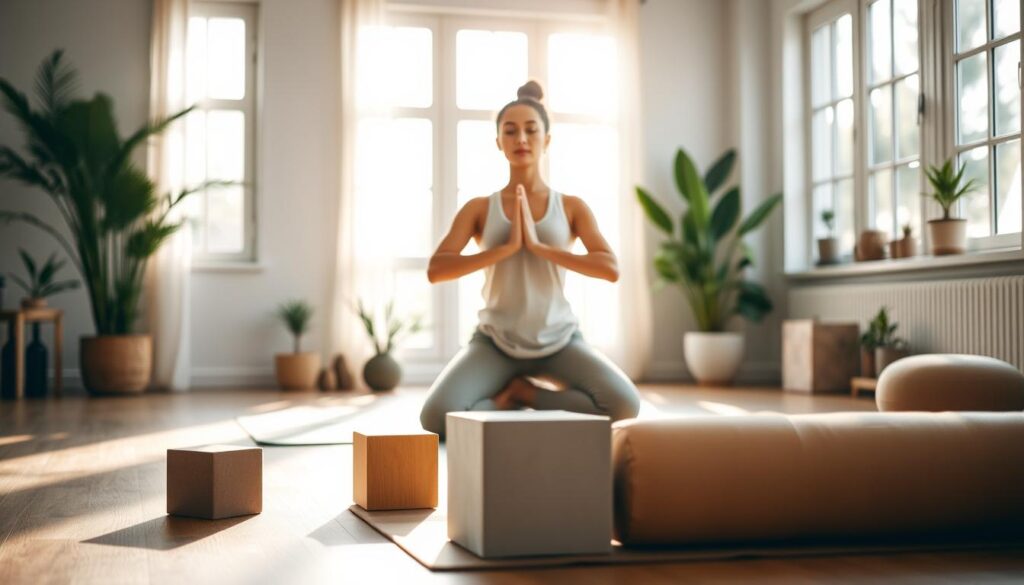
- Useful props: a 2–4 inch towel roll under the pelvis or belly, a bolster or pillow, your mat, and a wall for legs elevation.
- Hands and arms: keep them soft and relaxed in every shape to avoid tension that can counter gentle flow.
- Modify on your side if supine poses feel uncomfortable; adjust leg angle at the wall to find ease.
Track simple markers: morning energy, sense of congestion, neck and torso mobility, and recovery after workouts. If effects fade or soreness persists, reduce range or focus on breath-only sessions for a few days.
- Rotate focus areas across the week—neck day, abdomen day, legs/inversion day—to vary stimulus without extra intensity.
- Anchor the practice to daily habits: after a walk, before a shower, or as a wind‑down before bed.
Conclusion
A compact, breath-led sequence that opens the thoracic outlet and moves through torso and limbs can help move fluid toward the heart through vessels with one‑way valves.
Practice gently and consistently; small daily sessions often yield clearer tissue, steadier energy, and better recovery over time.
A simple routine—diaphragmatic breath, light compression, mild inversions, and gentle twists—offers a practical way to support the body’s return flow without strain.
Keep sessions short, repeatable, and tuned to your comfort. If you have lymphedema, recent cancer treatment, heart concerns, or other health issues, check with a provider before trying inversions or deeper compression.
Think of this practice as one part of self‑care: paired with sleep, nutrition, and movement, it helps clear waste, regulate fluid, and support the immune system throughout the body.
FAQ
What is the point of a lymphatic-focused yoga flow?
A lymph-focused movement routine uses breathing, gentle movement, and positional changes to encourage fluid movement through the body’s lymph vessels and nodes. By combining diaphragmatic breath with light compressions, twists, and mild inversions, the practice aims to assist drainage from areas like the neck, armpits, torso, and legs, support immune signaling, and reduce tissue fluid build-up without high-intensity exertion.
How often should I practice a short drainage flow to see results?
Start with 3–5 sessions per week of 5–15 minutes each, then adjust based on how you feel. Consistency matters more than duration: regular gentle practice helps maintain mobility, supports the thoracic duct outlet and chest area, and encourages steady lymph return to the heart. Track energy, reduced congestion, and improved range of motion to judge progress.
Can breath really move lymph, or is that a myth?
Breath matters. Diaphragmatic breathing creates pressure changes in the chest and abdomen that help pull lymph toward the thoracic duct and central circulation. Think of the diaphragm as a pump: slow, deep inhales and long exhales enhance flow in deeper lymphatic vessels and support drainage from the neck and torso.
Are inversions necessary for lymphatic drainage?
Inversions can help by using gravity to encourage return from the legs and lower torso, but full head-down poses aren’t required. Supported bridge poses, legs-up-the-wall, and gentle reclined twists deliver many benefits with lower intensity and less strain, making them accessible and safe for most people.
Is this safe if I have lymphedema, recent surgery, or cancer?
If you have lymphedema, active cancer, recent surgery, or known vascular issues, consult your healthcare provider or a certified lymphedema therapist before trying a flow. These conditions require individualized assessment; certain manual drainage techniques, compression garments, or adapted movements may be recommended to avoid increasing fluid in affected tissue.
What poses or moves are best for neck and shoulder drainage?
Gentle neck rotations, seated lymphatic boosters (light rhythmic taps and slow neck sweeps), shoulder rolls, and supported chest-openers encourage flow toward cervical and supraclavicular nodes. Pair each movement with slow diaphragmatic breaths and short pauses to let one-way valves and joint pumps work efficiently.
How do I avoid overworking the system during a flow?
Keep intensity low, prioritize comfort, and follow a pain-free range of motion. Use gentle compression and slow transitions rather than fast, forceful actions. If you notice increased swelling, discomfort, or disproportionate fatigue, stop and consult your provider—especially for any localized swelling in limbs.
What props help make a short routine more effective and comfortable?
A bolster or folded towel for under the lumbar spine, a wall for legs-up support, and a mat for secure footing are all useful. Props allow mild compression in bridge variations, support the thoracic outlet during chest-openers, and make diaphragmatic breathing easier to sustain.
How will I know the practice is working—what signs should I expect?
Early signs include lighter-feeling limbs, reduced neck or shoulder tightness, clearer sinus drainage, improved mobility, and modest boosts in energy or recovery after workouts. These changes are subtle and accumulate with consistent practice rather than after a single session.
Can this practice replace professional manual lymphatic drainage or medical treatment?
No. Self-directed flows complement but do not replace certified manual lymphatic drainage, medical therapy for lymphedema, or treatment for underlying conditions. Use the practice as a supportive tool and coordinate with your clinician or certified therapist for personalized care plans.
Are there contraindications for people with high blood pressure or heart conditions?
People with uncontrolled hypertension, recent cardiac events, or certain heart conditions should consult their cardiologist before doing inversions or breath-holding techniques. Gentle diaphragmatic breathing and mild positional work are often safe, but medical clearance keeps practice safe and effective.
How can I track improvement without specialist equipment?
Track subjective measures: energy levels, sleep quality, soreness after workouts, and perceived congestion or puffiness in the face, arms, and legs. Take simple photos or notes on limb circumference at the same time of day if swelling is a concern, and log mobility improvements for shoulders, hips, and the torso.



Don’t Miss These Picks