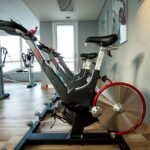


Many women reach their 40s or 50s feeling as if the old rules stopped working. The scale may creep up, the waistline may change, sleep may get worse, and the usual “just eat less and move more” advice may suddenly feel out of touch. That does not mean you failed. Midlife body changes are common, and they are shaped by more than willpower alone.
This is where realistic expectations matter. Menopause-related weight change is usually not a story of dramatic, unstoppable gain. It is more often a mix of slower muscle loss, more abdominal fat storage, disrupted sleep, stress, routine changes, and the long arc of aging. A better goal is often better body composition, steadier energy, and stronger daily function, not chasing a perfect number on the scale.
“The most useful midlife plan is rarely the most extreme one. It is the one you can keep doing when life is busy, sleep is imperfect, and progress is slower than you hoped.”
Key takeaways
- Menopause-related body changes are common, but they are not the same as personal failure.
- Body composition matters more than scale weight alone. A stable weight with more muscle and less abdominal fat can still be meaningful progress.
- Sleep, stress, hunger, and recovery often have a bigger effect than people expect.
- Strength training, regular walking, and protein-forward meals are practical starting points for many women.
- Medications or hormone therapy may help some women, but they are not a substitute for a broader plan.
What realistic expectations actually look like
A realistic expectation is not “nothing will change.” It is also not “everything is downhill now.” For many women, the most accurate middle ground is this: small to moderate changes are common, and a meaningful amount is still modifiable.
You may notice that fat distribution changes even if total weight does not change much. You may also notice that recovery feels slower, sleep problems affect appetite, and old dieting tactics feel harder to sustain. In practice, success often looks like better strength, fewer cravings, a smaller waist measurement, better stamina, or more consistent routines.
| What many women expect | What is usually more realistic |
|---|---|
| Fast scale loss with a harder diet | Slower progress, with better results from consistency than restriction |
| One “fix” for weight gain | A mix of sleep, strength work, food quality, stress management, and time |
| Cardio alone will solve it | Strength training usually deserves a bigger role |
| If weight does not drop quickly, nothing is working | Changes in waist fit, energy, muscle, and appetite still count |
Understanding the menopause transition
Perimenopause is the transition leading up to menopause, when hormone levels fluctuate and symptoms can become unpredictable. Menopause is reached after 12 months without a period, and postmenopause refers to the years after that point. These stages matter because the body changes happening in this window can affect hunger, sleep, exercise tolerance, and day-to-day decision-making.
Common symptoms that can affect daily routines
Hot flashes, night sweats, poor sleep, irritability, fatigue, joint discomfort, and shifts in mood can all change how easy it is to stick with healthy habits. That does not make the habits unimportant. It just means the plan has to match reality.
- Sleep disruption can drive next-day cravings and lower exercise motivation.
- Fatigue can make meal prep and training feel harder than usual.
- Stress can lead to more grazing, more caffeine, and less recovery.
How much weight gain is typical, and what drives it
Midlife weight gain is often described as if it is automatic, but the reality is more nuanced. Average changes are usually modest and vary a lot from one woman to another. What changes more consistently is where fat is stored, especially around the abdomen as estrogen levels fall.
Why abdominal fat gets more attention
Abdominal fat, especially visceral fat around internal organs, matters more for metabolic health than simple scale weight alone. This is one reason waist measurements, energy patterns, blood pressure, and routine labs can sometimes tell a more useful story than body weight by itself.
Aging versus hormones
It is not useful to blame everything on hormones or everything on age. Both play a role. Aging can reduce muscle retention and recovery. Hormonal shifts can affect fat distribution, sleep, and appetite. Together, they can change the body without meaning your metabolism is “broken.”
Sleep, stress, and hunger: the overlooked cycle
One of the biggest reasons midlife weight management feels harder is that poor sleep and chronic stress often change appetite before they change anything else. After a bad night, many people feel hungrier, less patient, and more likely to snack without much thought.
How poor sleep affects appetite
Frequent awakenings, especially from night sweats or hot flashes, can leave you tired and more reactive the next day. That often shows up as more cravings, more “food noise,” and a stronger pull toward quick comfort foods.
Caffeine, stress, and decision fatigue
Late caffeine, long workdays, and constant mental load can create an unhelpful loop. You sleep worse, then rely on more stimulation, then feel more wound up by evening. In that setting, even smart nutrition advice becomes harder to follow.
Small changes that can help
Short post-meal walks, cooler sleep conditions, and a steadier wind-down routine may help some women protect sleep and reduce next-day appetite swings. These are not dramatic strategies, but they are often more realistic than another aggressive diet reset.
Why old weight-loss tactics often stop working after 40
The classic “eat less, move more” message is not completely wrong, but it is usually too incomplete for this stage of life. When muscle is easier to lose, recovery is slower, and hunger is less predictable, harder is not always better.
Muscle loss and recovery debt
Too much high-intensity exercise without enough recovery can leave women drained, sore, and more likely to overeat later. A better plan is often built around resistance training, moderate cardio, walking, and enough rest to keep going.
Why strict diets backfire
Rigid food rules can create an all-or-nothing cycle. A few “off plan” meals start to feel like failure, which makes it harder to stay steady. In midlife, adequacy-first eating is often more effective than punishment-based eating.
Strength, muscle, and metabolism deserve a bigger role
If there is one shift that helps many women most, it is moving away from a scale-only mindset and toward a muscle-and-function mindset. Strength training supports lean mass, daily function, and long-term metabolic health. It also gives many women a more stable goal than trying to eat less forever.
What good strength work looks like
It does not have to be complicated. Squats, hinges, rows, presses, lunges, carries, and other compound patterns can train large muscle groups efficiently. The exact version can be adjusted based on joint comfort, experience level, and what equipment you actually have.
Balancing strength, cardio, and recovery
Most women do not need to stop cardio. They usually need a better balance. Walking and moderate aerobic work are still useful, but they should not crowd out strength training or recovery time.
For women building a simple home routine, beginner-friendly resistance bands can lower the barrier to getting started. The Fit Simplify Resistance Loop Exercise Bands set is one accessible option to check on Amazon if you want a compact tool for basic at-home resistance work.
These bands are best viewed as a habit-building option, not a complete replacement for heavier progressive strength training.

- High End Exercise Bands. Our 12"³ By 2"³ Heavy Duty Loop Resistance Bands Come In 5 Varying Resistance Levels. This Makes Them Perfect Whether You Are Just Starting To Workout Or A Seasoned Workout Warrior. Our Extra Light And Light Bands Are Great For Beginners, While Our Medium, Heavy And Extra Heavy Exercise Bands Are Targeted For More Intermediate And Advanced Strength Training.
- Great With Any Workout. This Resistance Band Set Can Be Integrated Seamlessly With Various Popular Workout Program. Or Use Them For General Exercise, Stretching, Strength Training, Power Weight Programs. The Included Carry Bag Makes It Easy To Take Your Bands With You And Do Any Workout Away From Home Or Your Home Gym.
- Multiple Uses. While These Resistance Bands Are Often Used For Sports And Fitness, Physical Therapists Love These Physical Therapy Bands (Rehab Bands) To Help Them Rehabilitate Their Patients. Our Stretch Bands Work For People Suffering From Leg, Knee And Back Injuries. They Are Also Perfect For Use By Women After Pregnancy And Birth To Keep Their Bodies In Shape.
- Superior Quality. All Of Our Exercise Resistance Bands Are Thoroughly Tested Before We Ship Them Out To You. This Ensures Your Bands Are Easy On Skin And Will Provide You With A Worry Free Experience. The Instruction Booklet Includes Dozens Of Different Illustrated Exercises That Demonstrate How To Use Our Resistance Bands For Legs, Arms, Back, Shoulders, Ankles, Hips And Stomach.
Nourish, don’t punish: practical nutrition that supports stability
Food quality matters, but perfection is not required. A pattern built around protein, fiber-rich carbohydrates, and whole-food fats is often more helpful than trying to white-knuckle hunger. The goal is not to eat as little as possible. The goal is to make it easier to stay steady.
Protein can help with muscle and satiety
Protein-rich meals can support muscle retention and may help some women feel fuller for longer. Spreading protein across the day is often more practical than trying to make up for it in one meal.
For readers who struggle to hit protein targets consistently, a simple whey isolate can be a convenience option rather than a centerpiece. Isopure Zero Carb 100% Pure Whey Isolate fits most naturally here as a support tool for meal-by-meal intake. You can check latest price on Amazon if that kind of option would make your routine easier.
It is still worth keeping expectations grounded: a protein powder may help with convenience, but it is not a menopause treatment and it does not replace a well-rounded eating pattern.
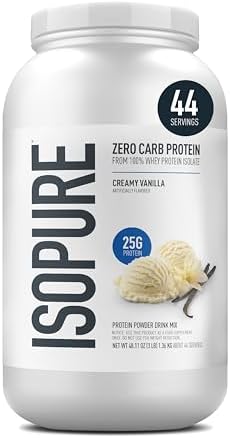
- One 3 lb container (44 servings) of Isopure 100% pure whey isolate protein powder in delicious Creamy Vanilla flavor
- 25 grams of 100% pure whey protein isolate powder is the ideal choice for men and women looking to maintain a high-protein intake to meet their daily protein needs
- Stick to your wellness goals with a zero carb protein powder designed to help you maximize your protein needs without adding unnecessary carbs to your daily meals
- With 0 grams of sugar, this creamy vanilla flavored whey protein powder still tastes delicious when mixed with 6-8 fl oz of your favorite beverage
Fiber and whole-food fats help meals feel more complete
Beans, lentils, fruit, vegetables, whole grains, nuts, seeds, olive oil, and avocado often make meals feel steadier and more satisfying. This matters because a plan that reduces constant hunger is usually easier to repeat.
Simpler meals can be a real advantage
When energy is low, simpler meals are often better than ambitious ones that never happen. A protein source, a high-fiber carbohydrate, produce, and a practical fat source is usually enough for a solid foundation.
| Area to focus on | Helpful starting move | What to avoid |
|---|---|---|
| Strength training | 2 to 3 weekly sessions built around basic movement patterns | Trying to do intense workouts every day |
| Daily movement | Short walks, including after meals when possible | Assuming formal workouts are the only movement that counts |
| Protein intake | Include a protein source at each meal | Saving most of your intake for dinner |
| Sleep support | Keep a steady wake time and calmer evening routine | Using more caffeine to compensate for chronic poor sleep |
| Diet mindset | Build repeatable meals and realistic portions | Using harsh rules that trigger rebound eating |
Medications, hormones, and clinical support
Some women do benefit from medical support, but it is important to keep the role of these tools in perspective. GLP-1 medications may help eligible patients with appetite and blood sugar management, but they also involve cost, side effects, and long-term planning. Menopausal hormone therapy may help some women with symptoms such as hot flashes or sleep disruption, but it is not a direct weight-loss treatment.
The most grounded view is this: medical options may help some women, but they work best when they sit inside a broader plan built around symptoms, exercise, food patterns, sleep, and follow-up care.
Evidence-based strategies you can actually start now
Set goals around behaviors, not just outcomes
Most women do better when they track a few controllable actions instead of waiting for the scale to cooperate. Weekly strength sessions, daily walking, a consistent bedtime routine, and meal structure are often more useful metrics than weighing yourself every day.
Use small habits that reduce friction
- Take a short walk after one or two meals.
- Put protein into the meals that are usually weakest.
- Choose a bedtime routine that is simple enough to repeat.
- Schedule recovery days on purpose instead of treating them like failure.
Run mini-experiments instead of chasing perfect plans
Try one change for two weeks and see what happens. You might test an earlier caffeine cutoff, an afternoon protein snack, more strength work and less high-intensity cardio, or a consistent wake time. This approach usually teaches you more than starting six new habits at once.
FAQ
Is weight gain during menopause inevitable?
No. Some change is common, but the pattern and amount vary widely. Many women can still improve body composition, strength, and waist measurements with steady habits.
Why does my waist change even when the scale barely moves?
Midlife often changes fat distribution, especially around the abdomen. That is one reason body composition and waist fit can matter more than scale weight alone.
Should I focus more on strength or cardio?
Both matter, but strength training often deserves more attention than it gets. Walking and moderate cardio are useful, but they should not crowd out muscle-building work or recovery.
Can poor sleep really affect appetite that much?
Yes, it can. Poor sleep often makes cravings, hunger, and impulse eating harder to manage the next day, especially during stressful weeks.
Are strict diets a good idea in midlife?
Usually not for the long term. Very rigid dieting often increases hunger, stress, and rebound eating, which makes consistency harder.
Not necessarily. Food quality, protein intake, strength work, sleep, and walking usually deserve attention first. Supplements are better treated as optional support tools, not primary solutions.
Can hormone therapy or GLP-1 medication fix the problem on their own?
No. They may help some women, but neither replaces the need for a broader plan. These options should be discussed with a clinician who can look at symptoms, risks, goals, and follow-up needs.
When should I talk to a clinician?
It is sensible to check in when symptoms are severe, weight changes are rapid or confusing, or there are concerns about blood sugar, lipids, blood pressure, sleep, or treatment options.
Conclusion
A realistic menopause plan is not about doing everything perfectly. It is about building a routine that supports muscle, sleep, appetite stability, and long-term health without turning your life into a full-time weight-loss project.
The most useful expectation is not rapid transformation. It is steady improvement. When you focus on strength, daily movement, practical meals, and recovery, progress may be slower than flashy promises suggest, but it is usually more durable, more humane, and more worth keeping.