

Eating during menopause can feel confusing when every diet seems to come with a long list of rules. A menopause anti-inflammatory meal plan does not need to be strict, bland, or built around foods you do not enjoy.
The more useful approach is to build steady meals around fiber-rich plants, enough protein, healthy fats, and mostly minimally processed foods. This kind of eating pattern may support overall wellness during menopause, but it should not be treated as a cure for hot flashes, weight changes, joint discomfort, or hormone shifts.
A simple menopause anti-inflammatory meal plan focuses on vegetables, fruits, beans, lentils, whole grains, nuts, seeds, olive oil, fatty fish, eggs, yogurt, tofu, poultry, and other protein-rich foods. The goal is not perfection. The goal is to make most meals balanced enough to keep you satisfied and consistent.
The easiest structure is: protein + colorful plants + high-fiber carbohydrate + healthy fat. Use that formula for breakfast, lunch, and dinner, then adjust portions, flavors, and foods based on your appetite, culture, budget, and medical needs.
Key takeaways
- Anti-inflammatory eating is a pattern, not a rigid diet. One meal will not make or break your progress.
- Protein matters during menopause because it supports fullness and helps make meals more satisfying.
- Fiber-rich foods such as beans, berries, oats, vegetables, and whole grains can make the plan feel more filling.
- Healthy fats from olive oil, nuts, seeds, avocado, and fish can fit well into this style of eating.
- Medical conditions matter. If you have diabetes, kidney disease, digestive issues, a history of disordered eating, or take medications, get personal guidance before changing your diet heavily.
“The most useful menopause meal plan is the one you can repeat on normal days, not just on perfect days.”
Why anti-inflammatory eating is often discussed during menopause
Menopause can bring changes in sleep, appetite, body composition, mood, and energy. Food cannot control every part of that process, but a steadier eating pattern may support day-to-day routines and overall health.
An anti-inflammatory meal plan usually means eating more whole and lightly processed foods, while reducing frequent reliance on sugary snacks, refined grains, fried foods, and ultra-processed meals. This does not mean those foods are forbidden. It means they are not the base of the plan.
What this plan should not promise
It is important to keep expectations realistic. This plan should not be presented as a way to “fix hormones,” “melt menopause weight,” or “cure” symptoms. Menopause symptoms can have several causes, and some need medical care.
A food-first plan can still be useful. It may make meals steadier, improve overall diet quality, and help you feel more in control of daily choices without turning eating into another source of stress.
The simple meal-building formula
Use this formula when you are not sure what to eat:
- Start with protein: eggs, Greek yogurt, fish, chicken, turkey, tofu, tempeh, beans, lentils, or cottage cheese.
- Add plants: leafy greens, broccoli, peppers, tomatoes, carrots, berries, citrus, apples, or seasonal vegetables.
- Add fiber-rich carbs: oats, quinoa, brown rice, sweet potatoes, whole-grain bread, beans, or lentils.
- Add healthy fat: olive oil, avocado, nuts, seeds, or fatty fish.
- Use flavor: herbs, spices, lemon, vinegar, garlic, ginger, or low-sugar sauces you enjoy.
This keeps the plan flexible. A Mediterranean-style bowl, a simple omelet, lentil soup, salmon with vegetables, or yogurt with berries can all fit the same structure.
Anti-inflammatory foods for menopause meals
The table below gives a simple way to think about food categories. It is not a strict list of “good” and “bad” foods. It is a practical guide for building meals more often around foods that support a balanced pattern.
| Food group | Examples | How to use it in meals |
|---|---|---|
| Protein | Fish, eggs, Greek yogurt, tofu, poultry, beans, lentils | Add one protein source to each main meal for fullness and structure. |
| Colorful plants | Leafy greens, berries, peppers, tomatoes, broccoli, carrots | Use at least one fruit or vegetable at meals when possible. |
| High-fiber carbohydrates | Oats, quinoa, brown rice, sweet potatoes, beans, whole grains | Choose fiber-rich carbs more often than refined carbs. |
| Healthy fats | Olive oil, nuts, seeds, avocado, salmon, sardines | Use small amounts to make meals satisfying and flavorful. |
| Flavor builders | Garlic, ginger, herbs, spices, lemon, vinegar | Add flavor without relying only on heavy sauces or excess sugar. |
A simple one-day menopause anti-inflammatory meal plan
This sample day is meant as a flexible example, not a prescription. Adjust portions based on appetite, activity level, health needs, and guidance from your clinician or dietitian.
| Meal | Simple option | Easy swap |
|---|---|---|
| Breakfast | Oats with Greek yogurt, berries, chia seeds, and walnuts | Eggs with spinach and whole-grain toast |
| Lunch | Lentil and vegetable bowl with olive oil dressing | Chicken or tofu salad with beans and avocado |
| Snack | Apple with nut butter | Plain yogurt with cinnamon and berries |
| Dinner | Salmon with roasted vegetables and quinoa | Bean chili with vegetables and a side salad |
| Evening option | Herbal tea with a small protein-rich snack if hungry | Cottage cheese, yogurt, or a few nuts |
How to make the plan feel less restrictive
A restrictive plan usually fails because it asks for too much change at once. A better method is to keep familiar meals and improve the structure.
Use the “add first” method
Before cutting foods out, add what the meal is missing. Add protein to a light breakfast. Add vegetables to lunch. Add beans or lentils to soup. Add olive oil, nuts, or avocado when a meal feels too plain.
This method feels easier because it does not start with punishment. It starts with making meals more complete.
Keep two or three repeat meals
You do not need a different recipe every day. Most people do better with a few repeat meals that are easy to shop for and prepare.
- One breakfast you can make in five minutes
- One lunch that works as leftovers
- One dinner that uses a protein, vegetables, and a high-fiber carb
- One snack that has protein or fiber
If your week is busy, meal-prep support can make the plan easier to repeat. For example, clear glass containers can help keep cooked protein, chopped vegetables, and leftovers visible in the fridge. Readers who want that kind of practical support can see this meal-prep storage option on Amazon.
Meal prep without making food boring
Meal prep does not have to mean eating the same dry chicken and vegetables every day. A more realistic method is to prepare ingredients, then mix them in different ways.
Prep ingredients, not full meals
- Cook one protein, such as salmon, tofu, chicken, beans, or lentils.
- Prepare one grain or starchy vegetable, such as quinoa, brown rice, or sweet potatoes.
- Wash or chop two vegetables.
- Keep one sauce or dressing ready, such as olive oil with lemon and herbs.
Those ingredients can become a bowl, salad, soup, wrap, or quick dinner. This keeps the plan structured without making it feel repetitive.
Where a storage container can help
For readers who often lose track of leftovers or skip balanced meals because nothing is ready, a simple container set can support the routine. The point is organization, not health magic.

- LEAK-PROOF AND AIRTIGHT: Rubbermaid Brilliance Glass Food Storage Containers have crystal-clear lids that are 100% airtight and leak-proof, plus odor and stain resistant
- EASY STORAGE AND REHEATING: Glass containers have vented, microwave-safe lids for easy, splatter-resistant microwaving
- SPACE SAVING: Space-saving, modular Rubbermaid containers are perfect for stacking and organization
- OVEN-SAFE: Glass bases are oven-safe up to 450 degrees F, so they double as glass cookware and serveware
Use containers for chopped vegetables, cooked beans, leftover fish or poultry, fruit, or snack portions. Follow the current product instructions for heating, freezing, washing, and general use.
Foods to limit without creating strict rules
Some foods are easier to keep as occasional choices because they do not keep you full for long or can crowd out more nourishing options. That includes sugary drinks, frequent desserts, refined snack foods, fried foods, and heavily processed meals.
You do not need to remove every favorite food. A more useful question is: What does this meal need so I feel better afterward? Sometimes the answer is more protein. Sometimes it is more fiber. Sometimes it is simply a calmer portion and no guilt.
What to watch for during menopause
Menopause is not only about food. Sleep, stress, strength training, medications, thyroid health, blood sugar, alcohol intake, and overall medical history can affect how you feel.
Talk with a qualified clinician if symptoms are severe, sudden, or interfering with daily life. Also get personal nutrition guidance if you have diabetes, kidney disease, heart disease, digestive conditions, food allergies, a history of disordered eating, or take medications that affect appetite, blood sugar, or nutrient needs.
A helpful planning resource
Some readers prefer a single article and a simple grocery list. Others want a more guided menopause-specific nutrition reference they can return to while planning meals.
The Menopause Diet Plan: A Natural Guide to Managing Hormones, Health, and Happiness may be useful for readers who want more structured menopause nutrition ideas. It should be used as an educational planning companion, not as a replacement for medical advice or individualized nutrition care.
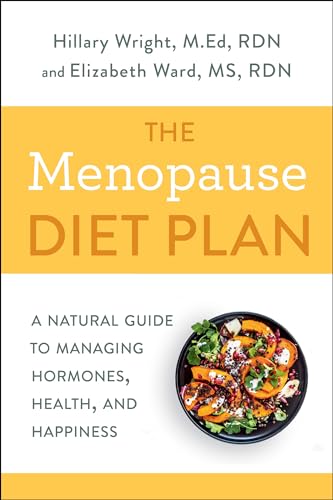
If you want to review the listing details first, you can view The Menopause Diet Plan on Amazon.
FAQ
What is the best anti-inflammatory breakfast for menopause?
A good breakfast includes protein, fiber, and healthy fat. Oats with Greek yogurt, berries, chia seeds, and walnuts is one simple option. Eggs with vegetables and whole-grain toast can also work well.
Can an anti-inflammatory meal plan reduce menopause symptoms?
It may support overall wellness, but it should not be treated as a guaranteed symptom solution. Hot flashes, sleep changes, weight changes, and mood shifts can have several causes and may need medical guidance.
Do I need to avoid carbs during menopause?
No. Many people do better by choosing higher-fiber carbohydrates more often, such as oats, beans, lentils, quinoa, fruit, and sweet potatoes. Portion size and meal balance still matter.
Is this meal plan good for weight loss?
It may support better meal structure and fullness, but it is not a guaranteed weight-loss plan. Weight changes during menopause can be affected by sleep, activity, muscle mass, medications, hormones, and overall calorie intake.
Should I take supplements for menopause inflammation?
Do not start supplements for menopause or inflammation claims without checking safety, medication interactions, and your personal health needs. This article focuses on food-first meal planning rather than supplement use.
Conclusion
A menopause anti-inflammatory meal plan works best when it feels repeatable. Build meals around protein, colorful plants, fiber-rich carbs, and healthy fats, then leave room for normal life.
The plan does not need to be perfect to be useful. Start with one steady breakfast, one easy lunch, and one dinner formula you can repeat. From there, small changes can become a routine that feels supportive instead of restrictive.