


Can one straightforward, food-first approach ease mood swings and give steady energy while you care for a new baby?
This short, practical plan focuses on support, not pressure. It complements professional care and gives step-by-step nutrition strategies you can start today without counting or cutting entire food groups.
Your body needs nourishment in this recovery period to help steady hormones, sleep, and stress responses. The approach here is simple: small, consistent changes beat perfection—especially when time and bandwidth are limited.
We preview what this resource covers: what postpartum anxiety can look like, how food affects symptoms, key nutrients that help, easy meals and snacks, and what to limit for steadier energy and fewer jitters.
Build-your-plate rule: protein + slow carbs + healthy fats + leafy greens. No perfection required—just progress that fits real life and the U.S. food landscape.
Key Takeaways
- Focus on a food-first plan that supports calmer days without strict rules.
- Small, consistent changes matter more than perfect meals.
- Pairing protein, slow carbs, healthy fats, and greens can boost mood and energy.
- The plan complements professional care and adapts to busy schedules.
- Evidence-informed steps aim to improve mental health and recovery in the present period.
Understanding Postpartum Anxiety vs. Postpartum Depression in the Present Postpartum Period
Many people experience sharp shifts in mood and thinking after birth. Recognizing the difference between high-alert worry and low mood helps tailor care and practical steps.

Postpartum anxiety shows up as racing thoughts, hypervigilance, panic attacks, and insomnia that do not match the baby’s sleep pattern. These symptoms can cause physical signs too, like a racing heart or nausea.
By contrast, postpartum depression tends to bring persistent low mood, fatigue, loss of interest, appetite changes, and trouble bonding with the baby. Many mothers experience both conditions at once, which can blur symptoms and delay help.
| Feature | High-alert anxiety | Low-mood depression |
|---|---|---|
| Typical symptoms | Racing thoughts, panic, sleeplessness | Sadness, low energy, withdrawal |
| Physical signs | Heart palpitations, nausea, restlessness | Fatigue, appetite change, slowed activity |
| Why nutrition matters | Blood sugar balance and calming neurotransmitters | Nutrient sufficiency (omega-3s, vitamin D, B vitamins) |
| Care focus | Stabilize routine, watch triggers, track patterns | Support energy, monitor bonding, evaluate labs |
Bold summary: PPA often feels like your mind is stuck in overdrive—racing thoughts, hypervigilance, and insomnia—while PPD leans toward low mood, hopelessness, and withdrawal. Both are serious, both are treatable, and both deserve care.
- If symptoms last more than two weeks or disrupt daily life, plan to speak with a doctor or therapist.
- In the U.S., call or text 988 for immediate crisis support if you feel unsafe.
- Track when symptoms spike (time of day, meals, sleep) to spot nutrition or sleep links you can adjust.
For a clear comparison and further reading, see is it postpartum depression or postpartum. Getting early healthcare and emotional support reduces risk and speeds recovery for mothers and families.
How Nutrition Supports Mental Health After Birth
When estrogen and progesterone fall sharply after birth, the brain’s chemistry can feel off balance. Rapid changes can affect serotonin and GABA pathways that help regulate calm and sleep. Simple food choices can help steady those shifts.
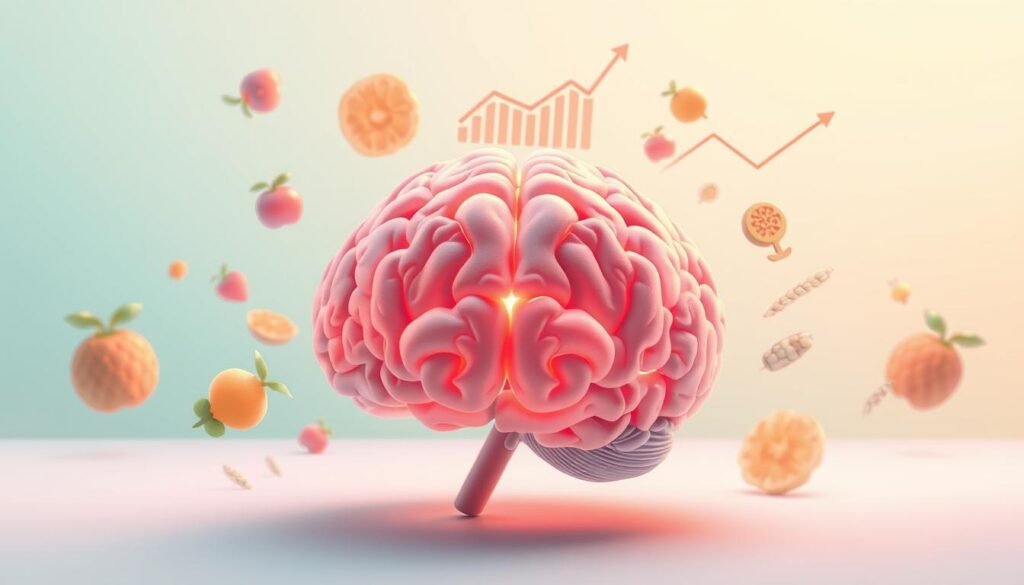
Hormone shifts, inflammation, and the brain: nutrition’s stabilizing role
Rapid hormone shifts after birth influence neurotransmitters that regulate calm and sleep. Nutrient-rich meals supply the raw materials the brain needs to rebuild balance. Low vitamin D links to higher depressive symptoms and increased inflammation, so vitamin status matters.
“Nutrient sufficiency, especially vitamin D and omega-3s, can lower inflammatory signaling that affects brain function.”
Blood sugar balance as an anxiety trigger you can control
Balanced meals steady energy and mood, while long gaps or coffee-only mornings can spike stress hormones. When blood glucose dips, the body releases cortisol and adrenaline. Those hormones can cause shakiness, a racing heart, and dizziness that imitate anxiety.
Aim to eat within an hour of waking and every 3–4 hours after. Pair carbs with protein and healthy fats to avoid sharp spikes and drops.
| Issue | What changes | Diet action |
|---|---|---|
| Hormone drops | Lower serotonin/GABA activity | Include tryptophan-rich protein (eggs, dairy, legumes) |
| Inflammation | Raises brain signaling linked to low mood | Boost omega-3s and vitamin D; limit ultra-processed foods |
| Blood sugar dips | Cortisol/adrenaline spikes | Choose mixed meals: protein + slow carbs + healthy fats |
How this complements care: Eating patterns are not a cure for depression or anxiety, but they can reduce symptom intensity and support medical and therapy work. For evidence on vitamin D and mood, see vitamin D and mood research. For practical swaps to steady energy, try these simple food swaps.
Postpartum Anxiety Nutrition Guide
A focused, food-first plan can supply the building blocks your brain needs during recovery. Prioritize a handful of key nutrients and simple meal pairings to steady mood, sleep, and energy without added rules.

Key nutrients at a glance
Prioritize B vitamins (B6, B12), omega-3s (EPA/DHA), vitamin D, zinc, iron, and magnesium. These nutrients support neurotransmitters, lower inflammation, and help stabilize mood and energy.
- B vitamins: support serotonin production, energy metabolism, and nervous system function. Aim for eggs, dairy, legumes, and whole grains.
- Omega-3s (EPA/DHA): vital for brain membranes and anti-inflammatory action; include fatty fish or a trusted fish oil if needed.
- Vitamin D: helps modulate inflammation and brain signaling; many people have low levels after birth.
- Zinc & iron: both concentrate in the brain; low zinc links to mood changes and iron depletion worsens fatigue and cognitive fog.
- Magnesium: supports GABA activity and sleep quality; nuts, seeds, and leafy greens are easy sources.
Food-first pairings that actually fit busy days
Start meals with protein, add a slow carb and a healthy fat. This mix reduces blood sugar dips that trigger cortisol and a racing heart.
Repeat simple combos you like, batch-cook proteins, and keep quick add-ons (olive oil, avocado, nuts) handy. For evidence-informed reading on practical care, see this postpartum resource and consider lifestyle quizzes like the one at this fitness quiz to tune activities to your needs.
Build Your Plate: The Simple, Non-Restrictive Meal Framework
A single plate pattern can simplify meals while supporting mood, sleep, and recovery. Use one repeatable template to steady blood sugar and make everyday cooking easier.

What to include on every plate
Use a simple template: protein + slow carbs + healthy fats + leafy greens. This mix reduces blood sugar swings that can mimic or intensify anxiety.
Three meal ideas and two snack pairings
- Breakfast: scrambled eggs with spinach and avocado on whole-grain toast; or Greek yogurt with chia, berries, and a drizzle of nut butter.
- Lunch: salmon salad over greens with quinoa and olive oil; or rotisserie chicken bowl with brown rice, black beans, salsa, and sliced avocado.
- Dinner: sheet-pan chicken thighs with sweet potato and broccoli; or tofu stir-fry with edamame over brown rice.
- Snacks: apple with cheddar or peanut butter; hummus with whole-grain pita and carrots; trail mix with pumpkin seeds and dark chocolate.
Breastfeeding and hydration
Drink water often and honor hunger cues—feeding a baby can raise calorie and fluid needs. Consider electrolyte add-ins if you live in a hot climate or sweat heavily.
Keep meals repeatable: batch-cook proteins, pre-wash leafy greens, and portion nuts and seeds so the easier choice is the better choice. For more on balancing foods and diet patterns, see this simple food chart for practical swaps and planning.
Food Sources That Help: What to Eat More Often
Choose foods that reliably fuel the brain and calm the stress response throughout the day. Favor whole, nutrient-rich sources that are easy to add to meals and snacks.

Where to get omega-3s
Fatty fish such as salmon, sardines, and mackerel are top sources of EPA and DHA, which show mood benefits in some studies. Aim for 2–3 servings per week and choose lower-mercury options like salmon and sardines.
Plant sources—chia seeds, walnuts, and ground flax—add ALA daily and fill gaps when fish isn’t on the menu.
B vitamins and folate foods
Combine eggs, dairy, lean meats, legumes, and whole grains to cover B6, B12, and folate. These nutrients support neurotransmitter production and steady energy.
Vitamin D and safe options
Include fatty fish and eggs, and try UV-treated mushrooms or fortified milks in low-sun months. If levels are low, discuss testing with your provider.
Zinc, iron, and plant pairings
Choose beef, poultry, or shellfish a few times weekly. For plant-based choices, use lentils, chickpeas, pumpkin seeds, and spinach with vitamin C sources to boost iron absorption.
Gut-supporting picks
Daily yogurt or kefir and occasional sauerkraut help the gut-brain axis. Fermented foods can support digestion and overall health.
Smart swaps: trade ultra-processed snacks for mixed nuts and seeds, and swap sugary cereals for overnight oats with walnuts and berries to reduce sugar swings.
| Target nutrient | Top animal sources | Top plant sources | Quick tip |
|---|---|---|---|
| Omega-3 (EPA/DHA) | Salmon, sardines, mackerel | Chia, flax, walnuts | Rotate canned salmon or sardines for convenience |
| B vitamins & folate | Eggs, dairy, lean meat | Legumes, whole grains, leafy greens | Add fortified cereal when pressed for time |
| Vitamin D | Fatty fish, eggs | UV-treated mushrooms, fortified plant milks | Use fortified milk daily in low-sun seasons |
| Zinc & iron | Beef, poultry, shellfish | Lentils, chickpeas, pumpkin seeds, spinach | Pair plant iron with a citrus fruit or pepper |
For practical meal plans and swaps that fit busy days, see a balanced diet resource and the evidence review on broader diet patterns at the alkaline diet science page.
What to Limit for Calmer Days
Keep added sugar and ultra-processed snacks in check to reduce inflammation and blood sugar volatility that can trigger anxious spikes and energy crashes.
Skip coffee on an empty stomach; eat first or pair it with protein and fats to blunt cortisol surges and reduce shakiness.

Ultra-processed foods and added sugar
Packaged sweets, sugary drinks, and many refined snacks cause quick glucose spikes followed by crashes. Those swings raise cortisol and can worsen mood and irritability.
Tip: Read labels for hidden sugar in bars and flavored yogurts. Choose snacks with fiber and protein to steady hunger and calm the nervous system.
Excess caffeine and coffee on an empty stomach
Drinking coffee before you eat can amplify cortisol and create jittery feelings that mimic anxiety. If you need caffeine, pair it with a protein-rich bite or try half-caf or tea on high-stress days.
Western diet patterns and depression risk
Diet patterns high in red and processed meats link to a higher risk of depressive symptoms after birth. Favor fish, poultry, beans, and whole grains most days to lower that risk and support long-term health.
| What to limit | Why it matters | Short-term effect | Practical swap |
|---|---|---|---|
| Added sugar & sweets | Fuel inflammation and rapid glucose shifts | Energy crashes, irritability | Fruit + nuts |
| Packaged snacks & soda | Low fiber, high glycemic load | Hunger soon after eating | Popcorn with olive oil |
| Coffee on empty stomach | Boosts cortisol and jitters | Heart racing, shakiness | Pair with eggs or Greek yogurt |
| High red/processed meat | Linked to higher depression risk | Long-term mood effects | Rotate fish, beans, poultry |
For clinical insight on diet and mood after birth, see this diet and depression treatment. Curious about supplement or product effects? This pre-workout infographic can help you read labels smarter.
Supplements, Safety, and Healthcare Coordination
Consider supplements when food alone can’t fill gaps—common additions include vitamin D, omega-3s (EPA/DHA), magnesium, iron, and zinc, individualized by labs and symptoms.
When levels are low, targeted vitamins and minerals can support mood, sleep, and energy—but safe use depends on testing and clinical oversight.

When food isn’t enough: key vitamins and minerals
Vitamin D: exists as D3 (the form your body makes) and D2 (plant-derived). Both raise blood levels, though D3 is often preferred. Low vitamin D levels link to higher depressive symptoms, so discuss testing before starting supplements.
Omega‑3s (EPA/DHA): fish oil can support mood in some studies. Choose third‑party tested brands and review dosing with your clinician, especially if breastfeeding or on medication.
Iron & zinc: supplement when labs show deficiency. Iron deficiency can worsen fatigue and panic‑like symptoms; zinc supports brain function and mood.
Magnesium: may help sleep and stress regulation. Forms like glycinate are gentler on the stomach and often recommended for calming support.
Testing and monitoring
Coordinate with your healthcare team; labs help identify low levels that may be amplifying anxiety or low mood and guide safe dosing and follow-up.
Ask for periodic blood work (vitamin D, iron studies, and related markers). Keep a record of medications, a prenatal/postnatal multivitamin, and any supplements so your provider can avoid overlap or interactions.
Medications, therapy, and nutrition: an integrated approach
Nutrition pairs well with therapy and, when indicated, medication—using “and,” not “or,” increases the chance you feel better sooner and sustain progress.
Work with your clinician to align supplements with therapy and medical care. Regular check‑ins and lab monitoring make supplementation safer and more effective.
Conclusion
A simple plate pattern and a few reliable foods give daily support for mood and energy. Small, consistent steps—balanced meals, key nutrients, and sensible swaps—help reduce symptoms and speed recovery.
Postpartum depression and anxiety are common, real, and treatable. Nutrition and routine can steady blood sugar, lower inflammation, and supply the nutrients the brain needs after birth.
Prioritize protein, slow carbs, healthy fats, greens, fish or plant omega‑3s, and watch vitamin D, iron, zinc, magnesium, and B vitamins. Note when symptoms spike and pair food with coffee or sleep shifts to spot patterns.
Make one change today—eat within an hour, add fish this week, or prep a grain-and-greens base. For practical meal ideas and tips, see these postpartum nutrition tips.
FAQ
How soon after birth can dietary changes help calm racing thoughts and worry?
Nutrition can start helping within days to weeks by stabilizing blood sugar, supporting sleep, and supplying key nutrients like B vitamins, magnesium, and omega‑3s. Improvements depend on baseline nutrient status, sleep, and stress. If symptoms are severe or include thoughts of harming yourself or your baby, contact your clinician or call/text 988 immediately.
Which specific nutrients should I prioritize to support mood and brain function?
Focus on B vitamins (especially B6, B12, and folate), vitamin D, omega‑3 fatty acids (EPA/DHA), iron, zinc, and magnesium. These nutrients support neurotransmitter synthesis, reduce inflammation, and help regulate energy. Aim to get them from whole foods first and use supplements under medical guidance if labs show deficiency.
Can changing what I eat really reduce anxiety-like symptoms such as insomnia or panic?
Yes—diet influences sleep, blood sugar stability, and inflammation, all of which affect anxiety symptoms. Simple shifts like pairing protein with slow carbs, adding healthy fats and greens, and avoiding high‑sugar, ultra‑processed snacks can reduce spikes in stress hormones and improve sleep quality over time.
Are there safe fish choices for breastfeeding mothers who want omega‑3s?
Choose low‑mercury fatty fish such as salmon, sardines, and trout two to three times per week. Limit high‑mercury species like swordfish, king mackerel, and tilefish. If you don’t eat fish, consider an EPA/DHA supplement made from fish oil or algae—check with your healthcare provider for dose and brand recommendations.
How much caffeine is safe if I’m feeling jittery or have trouble sleeping?
Limit intake to moderate amounts—generally under 200–300 mg per day—and avoid coffee or caffeinated drinks on an empty stomach or late in the day. If caffeine worsens heart palpitations or insomnia, cut back further and replace with decaf or herbal options.
Do probiotics or fermented foods help mood and recovery after birth?
Fermented foods like yogurt, kefir, sauerkraut, and kimchi can support a healthy gut microbiome, which influences the gut‑brain axis and may help with mood regulation. Use them as part of a varied diet; for targeted probiotic strains or clinical concerns, discuss options with your clinician.
When should I consider supplements, and which ones are commonly recommended?
Consider supplements if dietary intake is low, you’re breastfeeding, or lab tests show deficiencies. Commonly recommended supplements include vitamin D3, iron (if deficient), a high‑quality prenatal or postnatal multivitamin with B vitamins, magnesium for sleep, and EPA/DHA fish oil. Always coordinate with your provider to avoid interactions and overdosing.
How can I balance calorie and nutrient needs while breastfeeding without feeling restricted?
Use a flexible plate model: include a source of protein, a slow carbohydrate, healthy fats, and leafy greens at meals. Snack on nutrient‑dense choices like nuts, yogurt, hummus with veggies, or whole‑grain toast with peanut butter. Focus on quality and consistency rather than strict limits to support energy and milk supply.
Are there foods I should avoid because they worsen mood or inflammation?
Limit ultra‑processed foods, high added sugars, and frequent fast food, which can promote inflammation and blood sugar swings. Also reduce excess intake of processed red meats. These patterns are associated with higher risk of low mood and fatigue; replacing them with whole foods supports recovery.
How does blood sugar control affect worry or panic symptoms?
Rapid drops or spikes in blood sugar can trigger adrenaline and cortisol release, which mimic or worsen panic and irritability. Eating regular balanced meals and including protein and fiber at each meal helps maintain stable glucose and calmer physiology.
Can testing help me know which nutrients I’m missing?
Yes. Common lab checks include hemoglobin/iron studies, vitamin D (25‑OH), B12, and a general metabolic panel. Work with your primary care provider, obstetrician, or a registered dietitian for appropriate testing and interpretation, especially if you’re breastfeeding or have symptoms.
How should nutrition fit with therapy or medication for mood and anxiety?
Treat nutrition as a supportive pillar alongside therapy and medications when needed. Eating well can improve medication response and reduce side effects, but it’s not a substitute for evidence‑based mental health care. Use an integrated approach: “and,” not “or.”
What are quick meal or snack ideas for busy moms to steady mood and energy?
Try hard‑boiled eggs with whole‑grain toast and avocado, Greek yogurt with berries and walnuts, canned salmon on a whole‑grain cracker with spinach, or hummus with carrots and pumpkin seeds. Keep prepped options in the fridge to reduce decision fatigue.
When do I need urgent help for my mental health?
Seek immediate help if you have thoughts of harming yourself or your baby, severe panic that won’t subside, or inability to care for yourself or your child. In the U.S., call or text 988 or contact emergency services. Reach out to your clinician or a trusted support person right away for any severe or escalating symptoms.
How can I work with my healthcare team on nutrition and mental health?
Share symptoms and dietary patterns with your OB/GYN, primary care provider, or pediatrician; ask for lab testing if indicated. Request a referral to a registered dietitian or mental health professional experienced in perinatal care. Coordinated care ensures safe supplements, appropriate medications, and realistic meal plans.