


Ever notice that you crave chocolate before your period, feel bloated after a salty meal, or struggle with low energy when your period starts? Hormone changes can affect your appetite, digestion, mood, and energy throughout the month. What you eat may make some of these symptoms easier to manage.
Simple food swaps can support your menstrual health without following a strict diet. Choosing whole grains instead of sugary breakfast foods, eating more iron-rich meals, and replacing some salty snacks with fresh foods can help you get the nutrients your body needs.
These changes won’t stop every cramp or eliminate PMS. However, a balanced diet can support steadier energy, healthy digestion, and adequate nutrient intake. This guide explains which foods to choose, what to limit, and how to build satisfying meals throughout your cycle.
Key Takeaways
- Start with one food swap. Small changes are easier to maintain than restrictive eating plans.
- Prioritize iron-rich foods. Menstrual bleeding increases iron loss, especially during heavy periods.
- Include magnesium, calcium, and omega-3 fats. These nutrients support normal body functions, and some have been studied for menstrual symptoms.
- Choose fiber-rich carbohydrates. Oats, beans, fruits, and whole grains support digestion and help provide lasting energy.
- Pay attention to personal triggers. Salty foods, caffeine, and certain meals may worsen bloating or discomfort for some people.
Helpful Products at a Glance
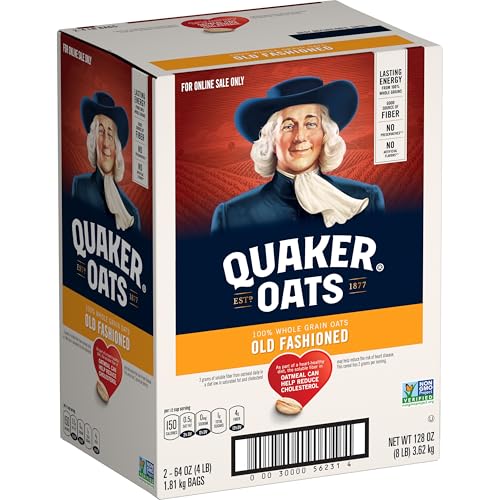
Quaker Old Fashioned Rolled Oats: A convenient whole-grain breakfast option for replacing sugary cereals. This listing contains two large 64-ounce bags, so it is better suited to households that regularly eat oats.
- Heart Healthy Whole Grains: Quaker Oats are 100 percent Whole Grains; Diets rich in whole grain foods and other plant foods and low in saturated fat and cholesterol may help reduce the risk of heart disease
- Good Source of Fiber: Quaker Oats provide a good source of fiber to support a healthy digestive system; See nutrition facts for total fat per serving
Traditional Medicinals Organic Ginger Aid Tea: A caffeine-free herbal option when you want a warm drink instead of coffee or soda. Ginger tea may feel soothing, although it has not been proven to relieve menstrual cramps.
- Relieves occasional indigestion and prevents nausea associated with motion.
- Non-GMO Verified. All Ingredients Certified Organic. Kosher. Caffeine Free

How Your Menstrual Cycle Affects Cravings, Energy, and Mood
Estrogen and progesterone change throughout your menstrual cycle. These hormones help regulate reproductive functions and can also influence appetite, sleep, and how you feel.
Your cycle has several overlapping stages. Although people experience them differently, understanding the usual pattern can help you recognize changes in your body.
- Menstrual phase: Your period begins as estrogen and progesterone levels are low. Cramps, fatigue, and digestive changes may occur.
- Follicular phase: Estrogen generally rises as your body prepares an egg for release. Some people notice improved energy or mood.
- Ovulation: Hormonal changes trigger the release of an egg. Energy and appetite can vary during this time.
- Luteal phase: Progesterone rises after ovulation and falls if pregnancy doesn’t occur. Food cravings, breast tenderness, bloating, and mood changes may become more noticeable before your period.
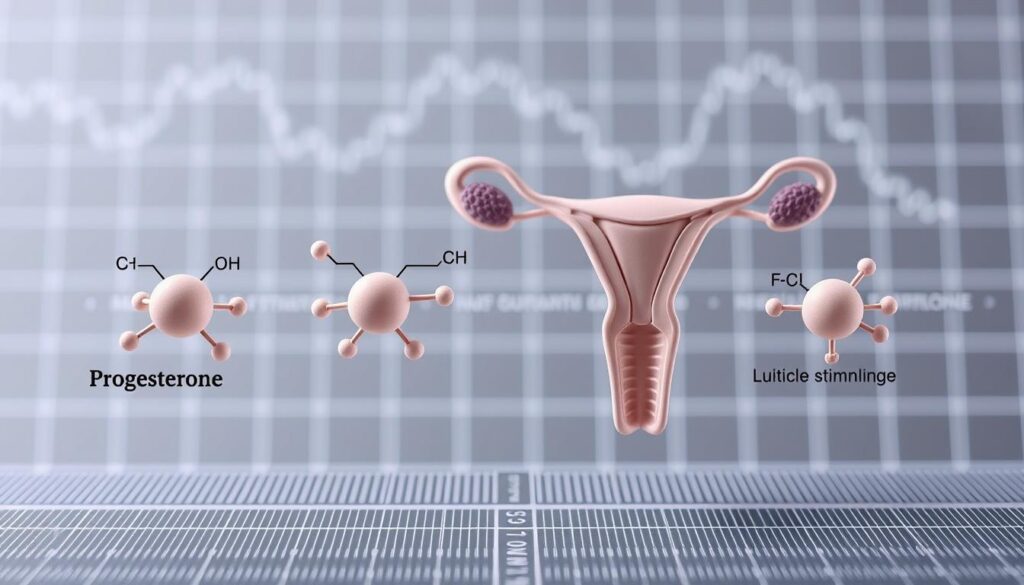
You don’t need a completely different diet for each phase. Eating balanced meals throughout the month is more useful than following rigid cycle-based food rules.
If cravings increase before your period, try combining carbohydrates with protein or healthy fats. For example, eat an apple with peanut butter instead of relying on candy alone. You can also read more about why period cravings happen.
Eat This, Not That: 7 Easy Food Swaps for Your Period
You don’t have to give up your favorite foods. These swaps offer simple ways to improve your meals while keeping them enjoyable and affordable.
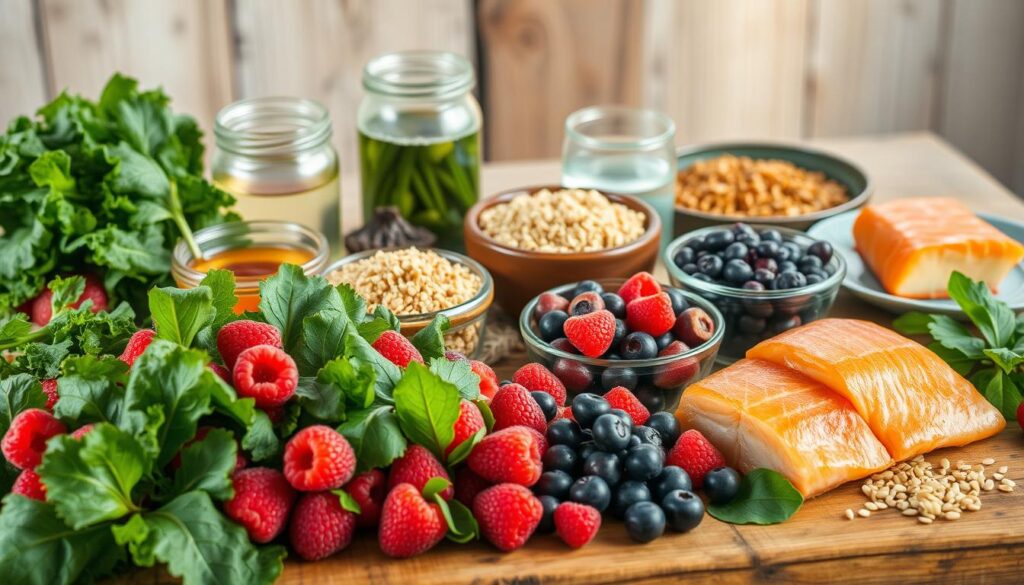
1. Swap Sugary Candy for Dark Chocolate and Nuts
When chocolate cravings strike, try a small piece of dark chocolate containing 70% cocoa or more with a handful of almonds.
Dark chocolate provides some magnesium and iron, while almonds add healthy fats and protein. This combination can make your snack more satisfying. However, eating dark chocolate hasn’t been clearly proven to relieve menstrual cramps.
2. Swap Salty Chips for Fruit or Unsalted Snacks
Salty processed snacks can contribute to high sodium intake, which may make bloating feel worse for some people.
Try watermelon, kiwi, oranges, unsalted nuts, or homemade popcorn with minimal added salt. Fruit also provides water, vitamins, and fiber. If you want something crunchy, roasted chickpeas are another option.
3. Swap Some Red-Meat Meals for Fatty Fish
Salmon, sardines, and mackerel contain omega-3 fatty acids called EPA and DHA. These fats support normal body functions and have been studied for their possible effects on menstrual pain.
Research on omega-3 supplements suggests possible benefits for cramps, but eating fish has not been shown to produce the same results in every person. Aim to include seafood as part of a varied diet rather than treating it as a pain remedy.
Don’t automatically eliminate red meat. Lean red meat can be a useful source of iron, especially for people who struggle to meet their iron needs.
4. Swap Sugary Breakfast Cereal for Oatmeal
Oats contain fiber and complex carbohydrates that provide energy and support digestion. They also make an easy base for fruit, yogurt, seeds, or nuts.
Instead of a heavily sweetened cereal, prepare oatmeal with milk or fortified soy milk, cinnamon, and berries. Add Greek yogurt or nuts for extra protein.
If you eat oatmeal regularly, Quaker Old Fashioned Rolled Oats are a straightforward pantry option. The verified listing includes two 64-ounce bags, making it practical for frequent use but unnecessarily large for someone who only wants to try oatmeal occasionally.
You can also buy a smaller container of plain rolled oats at your local grocery store. The nutritional advantage comes from choosing whole-grain oats, not from purchasing a particular brand.
- Heart Healthy Whole Grains: Quaker Oats are 100 percent Whole Grains; Diets rich in whole grain foods and other plant foods and low in saturated fat and cholesterol may help reduce the risk of heart disease
- Good Source of Fiber: Quaker Oats provide a good source of fiber to support a healthy digestive system; See nutrition facts for total fat per serving
- Made with 100 percent Whole Grains
- 8 pound box of Quaker Old Fashioned Oats
5. Swap Rich Desserts for Yogurt and Berries
Plain yogurt with live cultures provides protein and often calcium. Greek yogurt is especially useful when you want a more filling snack.
Add berries, sliced banana, or a little cinnamon for flavor. Yogurt supports general nutrition and may contribute to gut health, but probiotic yogurt isn’t a proven treatment for PMS or vaginal health problems.
6. Swap Low-Fiber Sides for Beans and Vegetables
Replace part of a low-fiber meal with lentils, beans, leafy greens, or vegetables. These foods supply fiber, minerals, and plant protein.
For example, add black beans to a rice bowl or serve lentil soup with whole-grain toast. Increase fiber gradually and drink enough water if you’re prone to gas or bloating.
7. Swap Sugary Drinks for Water or Unsweetened Tea
Soda and sweetened coffee drinks can add significant amounts of sugar without offering much lasting fullness.
Try plain water, sparkling water with citrus, or unsweetened herbal tea. These options help you stay hydrated without adding extra sugar. You can still enjoy your usual drinks occasionally.
Build a Period-Friendly Plate With 5 Important Nutrients
Rather than focusing on individual superfoods, aim for meals that provide several useful nutrients together. This approach supports your health throughout the month.
Iron: Support Healthy Red Blood Cells
Iron helps your body make hemoglobin, the protein that carries oxygen in your blood. Menstrual bleeding causes iron loss, and heavy periods can increase the risk of deficiency.
Useful iron sources include:
- Lentils, beans, and chickpeas
- Tofu and iron-fortified cereals
- Spinach and other leafy greens
- Lean beef, poultry, and seafood
Pair plant-based iron with vitamin C-rich foods such as oranges, tomatoes, strawberries, or bell peppers. Vitamin C helps your body absorb this form of iron more effectively.
According to the NIH Office of Dietary Supplements, women ages 19–50 generally need 18 mg of iron daily, although individual requirements vary. Persistent fatigue, dizziness, or heavy bleeding may warrant blood tests, including a complete blood count and ferritin.
Magnesium: Support Normal Muscle and Nerve Function
Magnesium helps muscles and nerves work normally. It is found in pumpkin seeds, almonds, spinach, beans, and whole grains.
Eating magnesium-rich foods is a sensible nutritional habit. However, evidence that magnesium supplements reliably reduce period pain remains limited, so don’t assume extra magnesium will prevent cramps.
Calcium: Support Bones and Normal Muscle Function
Calcium is often overlooked in menstrual nutrition. It supports healthy bones and normal muscle activity, and research suggests adequate calcium intake may help some PMS symptoms.
Choose yogurt, milk, calcium-fortified plant milk, calcium-set tofu, or other calcium-rich foods. The American College of Obstetricians and Gynecologists (ACOG) discusses calcium and other dietary approaches for managing PMS.
Omega-3 Fats: Include Fish and Plant Sources
Salmon, sardines, and mackerel provide EPA and DHA. Walnuts, chia seeds, and ground flaxseed contain another omega-3 fat called ALA.
These foods can be part of a heart-healthy eating pattern. Research into omega-3 supplementation for menstrual pain is promising but not definitive, and plant ALA isn’t a direct replacement for fish-derived EPA and DHA.
Fiber and Protein: Keep Meals Satisfying
Fiber supports regular bowel movements and helps manage blood sugar after meals. Protein contributes to fullness and tissue maintenance.
A useful plate-building guide is:
- Half your plate: Vegetables and fruit
- One-quarter: Beans, tofu, chicken, fish, or another protein
- One-quarter: Brown rice, quinoa, whole-grain pasta, or another grain
- Add healthy fats: Olive oil, avocado, nuts, or seeds as appropriate
Adjust portions to your appetite and activity level. You don’t need to measure every bite or force yourself to eat more than feels comfortable.
What Foods and Drinks Should You Limit During Your Period?
Some foods may make particular symptoms more uncomfortable, but reactions differ. Instead of banning entire food groups, pay attention to patterns in your own cycle.
High-Sodium Processed Foods
Packaged soups, instant noodles, salty chips, and some frozen meals can contain large amounts of sodium. Choosing lower-sodium versions may help if you notice swelling or bloating after salty meals.
Large Amounts of Added Sugar
Sugary drinks and sweets can cause a quick rise in blood glucose. Eating them alongside a balanced meal rather than on an empty stomach may help moderate that rise.
Fruit, yogurt, and whole grains offer carbohydrates along with helpful nutrients. You don’t need to eliminate desserts to eat well.
Excessive Caffeine and Alcohol
Caffeine may worsen anxiety, breast tenderness, or sleep problems in some people with PMS. Others tolerate their regular coffee without noticeable changes.
Alcohol can interfere with sleep and may worsen some symptoms. If either drink seems to affect you, try reducing it before and during your period.
Foods That Trigger Digestive Discomfort
Spicy meals, fried foods, and large portions can aggravate reflux, nausea, or digestive discomfort in sensitive people. They aren’t universal menstrual triggers.
Choose simpler meals when your stomach feels unsettled, but avoid unnecessarily removing nutritious foods that you tolerate well.
Simple Meals and Snacks to Eat During Your Period
Planning a few flexible meals can make food choices easier when you’re tired or dealing with cramps. You don’t need a special menstrual diet or complicated recipes.
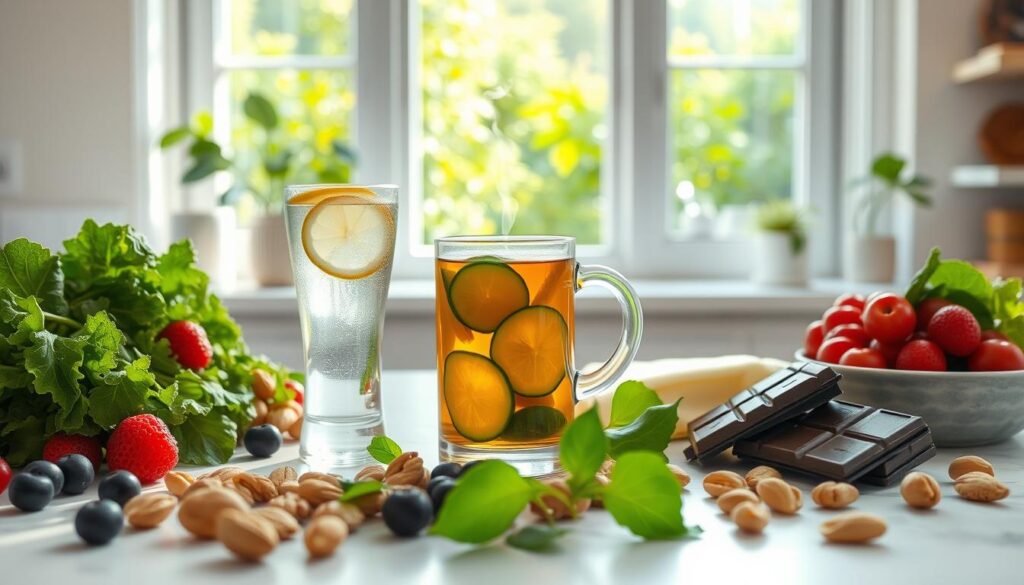
Breakfast: Oatmeal With Fruit and Nuts
Cook plain rolled oats with milk or fortified soy milk. Top with berries, chopped walnuts, and cinnamon. This provides whole grains, fiber, and a mix of useful nutrients.
Lunch: Lentil and Spinach Bowl
Combine cooked lentils, spinach, brown rice, tomatoes, and olive oil. Squeeze lemon over the bowl to add flavor and vitamin C, which supports plant-iron absorption.
Dinner: Salmon or Tofu With Vegetables
Serve baked salmon or seasoned tofu with roasted vegetables and quinoa. Add herbs, garlic, or turmeric for flavor rather than relying on a heavy sauce.
Snacks: Choose Something Satisfying
- Plain Greek yogurt with berries
- Apple slices with peanut butter
- Almonds and a small piece of dark chocolate
- Whole-grain crackers with hummus
- Chia pudding made with milk or yogurt
Preparing cooked grains, washed vegetables, or canned beans ahead of time can make these meals easier. On days when your appetite is low, smaller meals may feel more comfortable.
Can Ginger Tea Help With Period Cramps or Nausea?
Ginger is a common ingredient in cooking and herbal drinks. Some research suggests ginger supplements may reduce menstrual pain, but many studies were small or had quality limitations.
Importantly, those supplement findings don’t prove that an ordinary cup of ginger tea will relieve cramps. Tea strength and ginger intake may differ considerably from the amounts studied.
Still, an unsweetened ginger tea can be a pleasant caffeine-free drink when you’re feeling uncomfortable. You can prepare it at home by steeping slices of fresh ginger in hot water or use a packaged herbal tea.
Traditional Medicinals Organic Ginger Aid Tea offers a convenient option with 16 tea bags per box. It is intended as an herbal digestive tea, not a menstrual pain treatment. Its ginger flavor may appeal to people who enjoy warming, spicy drinks, although ginger can cause heartburn or stomach discomfort in some people.
There is no need to buy this tea if fresh ginger and hot water work well for you. The National Center for Complementary and Integrative Health also recommends checking for possible interactions when using ginger or other herbal products alongside medication.
- Relieves occasional indigestion and prevents nausea associated with motion.
- Non-GMO Verified. All Ingredients Certified Organic. Kosher. Caffeine Free
- Consistently high-quality herbs from ethical trading partnerships
- Taste: Slightly sweet and lemony with mild, spicy notes
Other Ways to Feel More Comfortable During Your Period
Food is only one part of menstrual comfort. Regular sleep, movement, and symptom management may make a meaningful difference, especially when cramps or fatigue interfere with your routine.
Depending on how you feel, try these approaches:
- Apply gentle heat: A heating pad or warm water bottle against your lower abdomen can ease cramps. Use a protective layer and follow heating-product safety instructions.
- Move comfortably: Walking, stretching, or other gentle activities may help some people feel better.
- Stay hydrated: Drink regularly, especially if you have diarrhea, vomiting, or increased fluid needs.
- Protect your sleep: Aim for a consistent sleep schedule and rest when fatigue becomes noticeable.
- Track symptoms: Record pain, bleeding, cravings, digestion, and sleep for a few cycles to identify patterns.
These strategies are consistent with several of the self-care approaches discussed in ACOG’s guidance on painful periods.
Know when symptoms need more than dietary changes. Severe pain, bleeding that soaks through a pad or tampon every hour for several hours, fainting, or worsening symptoms deserve medical attention. Persistent heavy bleeding or fatigue may be linked to iron deficiency or conditions such as fibroids or endometriosis.
Frequently Asked Questions
What are the best foods to eat during your period?
Choose a variety of iron-rich foods, whole grains, vegetables, fruit, proteins, and healthy fats. Lentils, spinach, oats, yogurt, nuts, and fish are useful examples. No single food is necessary for a healthy period.
Can changing your diet actually reduce period cramps?
Some dietary approaches, including adequate calcium intake and omega-3 supplementation, have shown potential benefits in studies. However, results vary, and changing your diet alone may not provide enough relief for painful periods.
Does dark chocolate help with menstrual cramps?
Dark chocolate contains magnesium and some iron, but there isn’t strong evidence that eating it consistently reduces cramps. Enjoy it as a satisfying snack rather than relying on it for pain relief.
Are nuts and seeds good for PMS?
Yes, they can be nutritious additions to your diet. Pumpkin seeds and almonds provide magnesium, while walnuts, chia seeds, and flaxseed contribute healthy fats. Their nutritional value is established, but direct PMS symptom relief isn’t guaranteed.
Can plant-based eaters get enough iron during their period?
Yes. Lentils, beans, tofu, fortified grains, and leafy greens are useful iron sources. Pair them with vitamin C-rich foods. People with heavy periods or persistent fatigue may need iron testing, regardless of whether they eat meat.
Should I avoid caffeine during my period?
Not necessarily. If your usual caffeine intake doesn’t worsen sleep, anxiety, breast tenderness, or other symptoms, complete avoidance may not be needed. Reduce it if you notice a consistent connection.
Does eating more fiber balance estrogen?
Fiber supports digestion and normal bowel movements, and it can influence how certain substances are processed in the digestive tract. However, eating more fiber isn’t a proven way to correct a hormone imbalance or regulate an irregular menstrual cycle.
Do I need to change my diet for every menstrual phase?
No. A balanced eating pattern works throughout the month. Adjust your meals based on appetite, activity, symptoms, and personal preferences instead of following strict phase-specific rules.
Conclusion: Start With One Simple Food Swap
You don’t need a perfect diet to support menstrual health. Start with one change you can maintain, such as replacing sugary cereal with oatmeal, adding lentils to lunch, choosing a lower-sodium snack, or including fish more regularly.
Build meals around protein, fiber-rich carbohydrates, colorful produce, and healthy fats. Include enough iron and calcium, drink water regularly, and notice which foods leave you feeling comfortable.
Most importantly, use food as one part of caring for yourself—not as a replacement for effective treatment when menstrual symptoms are severe.
On your next grocery trip, choose one easy swap and try it for a few weeks. Pay attention to your energy, digestion, and comfort, then keep the changes that genuinely work for you.



Don’t Miss These Picks