

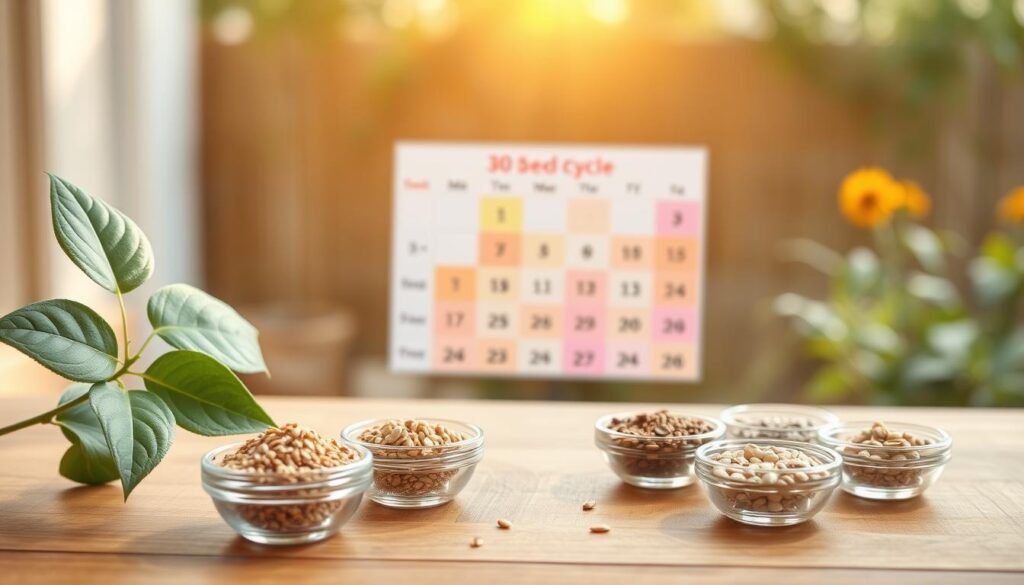
Can a simple daily habit of specific seeds really change how your cycle feels? This question matters because many women seek gentle, food-first ways to ease PMS, skin issues, and irregular periods.
Seed cycling pairs flax and pumpkin in the first half of a typical 28-day menstrual cycle, then sunflower and sesame after ovulation or day 15. The routine suggests 1–2 tablespoons of freshly ground, raw seeds each day to help the body manage shifting estrogen and progesterone levels.
Think of it as “food as medicine”: easy additions to smoothies, oats, or yogurt that fit busy lives. Many report subtle changes in energy and mood after one month, with clearer patterns after two to three cycles.
Safety note: this method complements clinical care and does not replace prescriptions. If you have allergies or complex conditions, consult a clinician before starting.
Key Takeaways
- Pair specific seeds with cycle phases: flax + pumpkin days 1–14; sunflower + sesame days 15–28.
- Aim for 1–2 tablespoons of freshly ground seeds daily to boost nutrient absorption.
- Many women notice small improvements in mood, skin, or regularity within 1–3 months.
- Use this as a complementary practice — consult a clinician for complex concerns.
- Track day one of bleeding and ovulation to time the switch accurately.
- Simple recipes make daily use sustainable for busy schedules.
- For a closer look at the evidence, read this review on the topic.
Why Seed Cycling for Hormone Support is Trending Now
A growing movement favors simple, food-based routines to help manage monthly hormonal shifts. Many women are choosing pantry-friendly approaches that add targeted nutrients without complex supplements.
Interest has surged because people want non-pharmaceutical ways to ease PMS and other cycle symptoms. Flax lignans, vitamin E, zinc, selenium, magnesium, and essential fatty acids all play roles in reproductive health and liver detox pathways. Fiber in seeds also helps move estrogen through the gut microbiome.
Formal studies specifically labeled “seed cycling” are limited, but research on seed-derived nutrients is stronger. That distinction matters: anecdotal reports are common, and the nutrient science gives a plausible basis to try a careful, daily trial.
The method appeals because it needs little prep and uses affordable pantry items. Clear phase timing and easy mixing into foods make adherence realistic for busy women. Modern stress, poor sleep, and processed diets can strain hormone metabolism; adding these nutrients targets that gap.

Users often report steadier energy, clearer skin, and softer PMS within 1–3 months. That said, this is a supportive practice, not a cure-all—pair it with sleep, movement, and balanced nutrition. Read a cultural overview at why it’s trending or a personal month-long diary at one user’s 30-day diary.
What Seed Cycling Is and How It Helps the Menstrual Cycle
This approach pairs two ground seeds with each half of a typical cycle to deliver targeted nutrients when the body shifts. It’s a practical, food-based pattern meant to complement medical care, not replace prescriptions.
How it works:
- Days 1–14: 1–2 tablespoons each of freshly ground flax seeds and pumpkin seeds. Flax lignans and fiber support healthy estrogen metabolism; pumpkin adds zinc and antioxidants.
- Days 15–28: 1–2 tablespoons each of freshly ground sunflower seeds and sesame seeds. These provide vitamin E, magnesium, selenium, and healthy fats to favor luteal-phase balance.
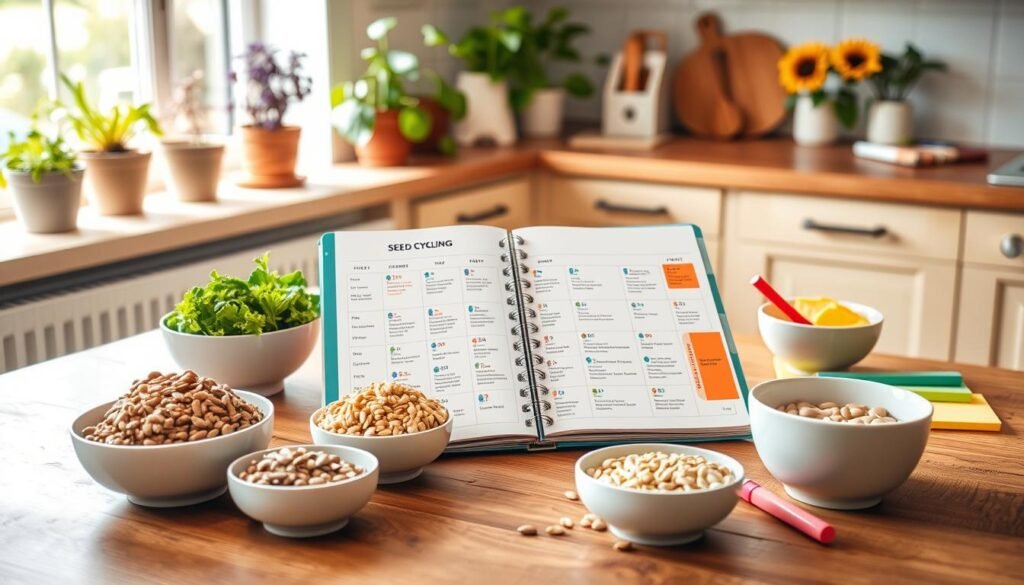
Why grinding matters: Breaking hulls improves absorption of fats and micronutrients. Fiber in the mix helps move excess hormones through the gut.
“Small, consistent changes in diet can nudge nutrient status and cycle rhythm over time.”
Personalize the timing to your own cycle and ovulation. For an overview and practical timing tips, see what is seed cycling.
Quick Start: Your Beginner-Friendly 30-Day Seed Cycling Plan
Start your month with a simple, repeatable plan that maps pantry seeds to cycle phases. This gives a clear routine: one set of ground seeds in the first half of your cycle and another set in the second half.
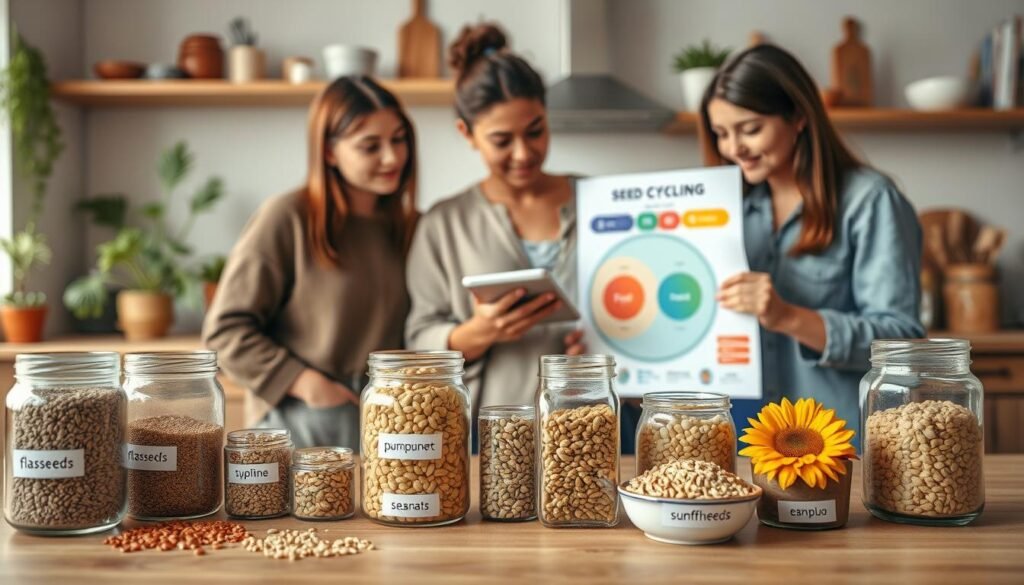
Days 1–14: Follicular phase
Flax seeds + pumpkin seeds: Take 1–2 tablespoons of each, freshly ground and raw, each day. Start on day one of bleeding to match the follicular phase and estrogen-focused goals.
Days 15–28: Luteal phase
Sunflower seeds + sesame seeds: Switch after ovulation or on day 15. Use 1–2 tablespoons of each, freshly ground, to provide vitamin E, magnesium, and healthy fatty acids tied to progesterone-friendly support.
Daily dose and practical tips
- Dose: Begin with 1 tablespoon of each seed if you’re sensitive. Move to 2 tablespoons as tolerated.
- Mid-cycle start: Join at any time—match the seeds to the phase you’re in today.
- Grind fresh: Use a coffee grinder and batch small amounts weekly. Store short-term in the fridge or freezer.
- Timing: Mornings with smoothies or oats are convenient, but consistency matters more than exact clock time.
- Easy vehicles: Mix into yogurt, oatmeal, salads, or a simple “seed cream.”
- Non-28-day cycles: Switch after confirmed ovulation rather than sticking strictly to calendar days.
- Track results: Log symptoms and cycle data for 1–3 months to see trends and adjust amounts.
Step-by-Step: How to Do Seed Cycling Each Day
A step-by-step daily plan removes guesswork and helps track changes over time. Use a simple routine to match the right ground mix to each phase of your menstrual cycle. Small, repeatable actions make it easy to spot trends in energy, skin, and mood.
How to mark day one and switch after ovulation
Day one is the first day of active flow. Mark it in a journal or app to start the follicular phase. If you track ovulation using LH strips, basal temperature, or cervical mucus, switch the seeds the day after ovulation.
What to do if your cycle isn’t 28 days
If you don’t track ovulation, use day 15 as a default switch while you learn your pattern. For very short or long cycles, adjust timing to actual ovulation rather than the calendar.
- Start small: Begin with 1 tablespoon per seed and increase to 2 tablespoons as digestion allows.
- Fresh grind: Grind same-day or batch 3–5 days to keep oils fresh.
- Pair with food: Mix into smoothies, oatmeal, or yogurt for better tolerability.
- 14-14 rhythm: If cycles vary widely, try a 14-day split until ovulation tracking is consistent.
- Log results: Note flow, cramps, skin, sleep, and mood to track hormone-related trends.
- Missed day? Resume the next day—consistency over weeks matters more than perfection.
“Keep it simple: mark day one, watch for ovulation signs, grind fresh, and log changes each month.”
Follicular Phase Focus: Estrogen Levels, Lignans, and Pumpkin-Flax Power
The first half of your cycle primes follicles with a steady rise in estrogen and a chance to add targeted nutrients. Simple pantry additions can support healthy estrogen metabolism and give follicles what they need to mature.
The follicular phase (days 1–14) centers on rising estrogen as follicles develop. Efficient estrogen metabolism helps set the stage for strong ovulation and a balanced next phase.
How lignans may support healthy estrogen pathways
Flax lignans act as gentle modulators of estrogen. Lignans in ground flax seeds bind and influence estrogen activity, and some studies link them to changes in luteal characteristics.
Include 1–2 tablespoons each of freshly ground flax and pumpkin daily in this phase to deliver lignans, fiber, and plant fats.
Pumpkin seed zinc and antioxidants for ovarian health
Pumpkin seeds are rich in zinc, antioxidants, and tryptophan. Zinc helps balance androgens during follicle maturation, while antioxidants protect ovarian tissue.
Fiber in the mix aids gut transit and helps carry excess estrogen out of the body. Pair your ground mix with complex carbs and protein at breakfast—think oatmeal or a yogurt bowl—to stabilize energy and satiety.
- Track mid-cycle signs like cervical fluid and libido to gauge rising estrogen levels.
- Use smoothies, oats, or yogurt to disperse ground seeds evenly.
- Maintain steady sleep, hydration, and movement to amplify nutrient effects.
“Small, consistent dietary steps during the follicular phase can help nutrient status and cycle rhythm over time.”
Luteal Phase Support: Progesterone Levels with Sunflower-Sesame
When ovulation ends the luteal window begins; this is the time to nourish rising progesterone. The goal in this phase is steady progesterone to help mood, sleep, and a lighter premenstrual experience.
Key nutrients and what they do
Sunflower delivers vitamin E, magnesium, calcium, and selenium that help liver pathways process excess estrogen and support healthy progesterone levels.
Sesame seeds add lignans, minerals, antioxidants, and helpful fats that can ease inflammation and offer benefits that extend into perimenopause and menopause.
Practical daily guidance
Take 1–2 tablespoons each of raw, freshly ground sunflower and sesame after ovulation. Pair them with magnesium-rich meals like leafy greens or cacao to complement luteal needs.
- Phase goal: steady progesterone supports calm mood, better sleep, and fewer tender breasts.
- Signs of adequate support: more stable mood, less breast tenderness, and smoother sleep.
- Stay hydrated and keep fiber: regular elimination helps hormone balance as progesterone rises.
Vitamin E and essential fatty acids can be soothing for PMS-related discomfort. Sprinkle the ground mix over grain bowls, blend into a tahini-style sauce, or stir into yogurt for easy daily intake.
For a closer look at nutrient effects and liver pathways, see this concise review on lignans and metabolic processing: lignan and nutrient research.
Prep, Storage, and Freshness: The Right Way to Use Ground Seeds
How you grind, store, and portion seeds changes how much benefit you actually get. Simple prep preserves delicate oils and keeps daily dosing consistent across a cycle.
How to grind, raw vs. toasted, and why timing matters
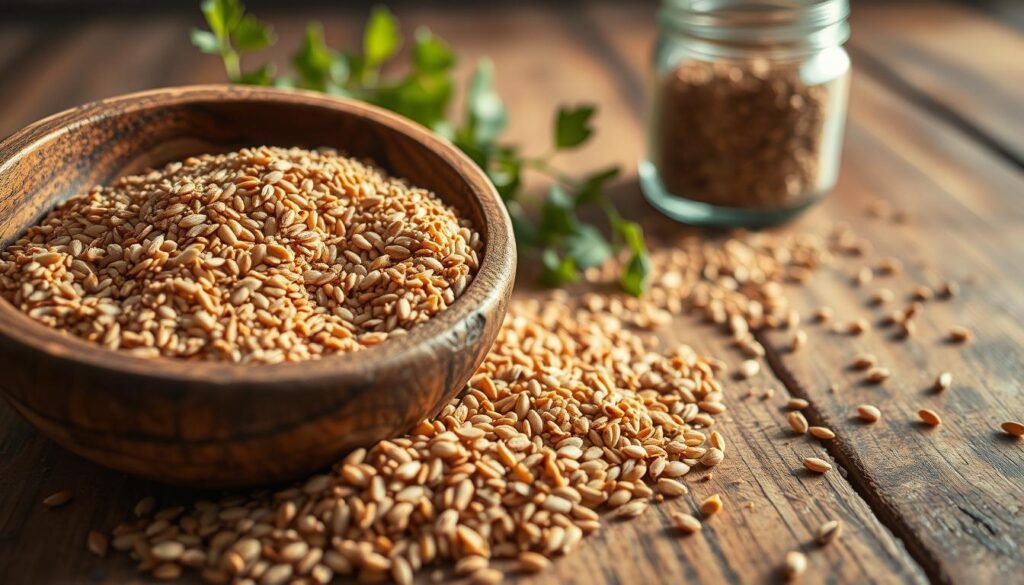
Use whole, raw, organic seeds and grind them close to consumption. Heat from toasting damages fragile fatty acids and reduces nutrient potency. Grind in small batches to keep oils fresh.
Storage, seed cream, and freezer-friendly options
Store ground portions in airtight jars in the fridge for up to one week. Freeze extra portions in labeled cubes for quick use.
- Buy whole and grind fresh: measure 1–2 tablespoons of each daily to hit consistent dosing.
- Avoid toasted: raw grinding protects lignans and fats in flax seeds and pumpkin seeds.
- Seed cream trick: soak, blend, and freeze portions to drop into smoothies or oats.
- Clean your grinder: wipe and dry to prevent rancid flavors and cross-contamination.
- Pre-mix jars: prepare a follicular jar (flax + pumpkin) and a luteal jar (ground sunflower + sesame) and label clearly.
For a practical plan and more tips on daily use, see this seed cycling guide.
Easy Ways to Eat Your Seeds: Smoothies, Salads, Oatmeal, and More
Small tweaks at breakfast or snack time are the fastest path to consistent intake. These five-minute ideas fit busy mornings and make it simple to hit daily portions.
Small changes help you get steady nutrients, fatty acids, and fiber that can nudge menstrual cycle patterns and ease symptoms over time.
Five-minute ideas for breakfast, lunch, and snacks
- Breakfast: Blend a smoothie with 1–2 tablespoons each of ground flax and pumpkin, or stir those tablespoons into warm oatmeal with cinnamon. Try this overnight oats recipe: overnight oats recipe.
- Lunch: Mix ground sunflower and sesame into dressings, sprinkle over grain bowls, or add to soups for texture and extra nutrients.
- Snacks: Layer yogurt parfaits, chia pudding, or no-bake energy bites with pre-measured mixes to hit your daily portions quickly.
- Savory: Make raw pumpkin seed pesto, use untoasted tahini, or stir sesame-rich blends into sauces for pasta and roasted veg.
Portioning tip: Pre-measure daily servings into small jars so a grab-and-go routine becomes automatic. Pair mixes with fruit and protein for steadier blood sugar and better satiety.
“Track favorite combos and build a short ‘wins’ list—this makes consistency feel effortless.”
Adjustments for Irregular, Short, or Long Cycles
If your cycle varies month to month, align intake with ovulation rather than fixed dates. Use simple tracking tools to match the right mix to each phase and keep dosing steady even as lengths shift.
When should you switch the mix?
Switch the day after confirmed ovulation, not strictly by calendar count. Use an ovulation kit, basal temperature, or cervical mucus signs to confirm the day of ovulation.
Small timing moves—shifting the switch by a few days—can better match your biological phase and improve the rhythm of nutrient timing.
A 14-14 rhythm when cycles vary
If tracking is new or your cycle is unpredictable, try a 14-14 split as a practical starting point. This gives consistent phases while you learn your own pattern.
Keep portions steady during both halves; consistent intake builds a reliable nutritional signal even when phases change.
- Switch the day after confirmed ovulation rather than using fixed calendar days.
- Use ovulation prediction kits, basal temperature, and cervical mucus tracking to increase accuracy.
- Journal cycles for three months to spot patterns and refine timing.
- If periods are absent or highly irregular, see a clinician—conditions like PCOS or thyroid issues need evaluation.
- Maintain sleep, stress management, and nutrient-dense meals while you track progress.
| Situation | Action | Tracking tools | Notes |
|---|---|---|---|
| Unpredictable lengths | Use 14-14 rhythm | Cycle app, journal | Temporary, learn pattern |
| Clear ovulation signs | Switch day after ovulation | OPKs, BBT, mucus | Best phase alignment |
| Amenorrhea or very irregular | Seek medical evaluation | Clinician tests | Use nutrient plan as gentle rhythm builder |
| Travel or stress-related shifts | Be flexible; keep doses steady | Short-term journaling | Adjust timing by days, not panic |
“Be patient and compassionate—progress is often stepwise, not linear.”
A clinical review can help when cycles remain irregular. For phase-based activity ideas that match ovulation timing, see this guide on workouts and phases: best workouts by phase.
Seed Cycling for PCOS, Acne, and PMS Symptoms
If you’re managing PCOS or persistent acne, small dietary shifts can help steady androgens and ease symptoms. These changes work best as part of a broader plan that includes medical guidance.
How pantry seeds help androgen and estrogen balance:
- Fiber and lignans: ground flax and pumpkin add fiber that aids estrogen elimination and lignans that may shift androgen markers in PCOS.
- Minerals and zinc: zinc from pumpkin helps balanced testosterone, which can reduce acne and support hair health.
- Fatty acids: omega-3s and a good omega-6 ratio lower inflammation and may improve insulin sensitivity.
Pairing with lifestyle
Adequate sleep, strength training, and nutrient-dense meals multiply benefits. Track skin, cramps, mood, and cycle length to spot trends over 1–3 cycles.
Practical notes and timeline
Begin gently: 1 tablespoon per seed, build up as tolerated. Improvements in skin and PMS usually appear slowly across months. Work with a clinician for labs, thyroid checks, and tailored plans—these foods are complementary, not cures.
“Small, consistent changes often yield steady, meaningful shifts over time.”
Safety, Side Effects, and Who Should Check with a Doctor
This daily habit is low-risk for most, but individual reactions and medical contexts matter. Start small, watch your body, and ask a clinician when medical conditions are present.
Generally well tolerated, most women can try this pantry routine with few issues. If you have a known allergy to any of the seeds, avoid that type entirely.
Begin with 1 tablespoon of each ground seed and increase to 2 tablespoons as you tolerate. Mild reactions can include temporary bloating or changes in stool. Drink water, eat fiber, and titrate slowly to reduce discomfort.
- When to see a clinician: pregnancy, IVF, endometriosis, thyroid disorders, or ongoing hormone therapy warrant medical advice.
- Do not replace prescriptions: these pantry nutrients complement care but do not substitute prescribed treatments.
- Quality and storage: buy high-quality, organic seeds, read labels, and store ground portions cold to avoid rancidity.
- Track reactions: log any symptoms or food pairings to spot triggers and share details with your provider.
If symptoms persist or worsen, contact your healthcare provider. Personalization and safety come first; a gentle, consistent approach helps the body best while you monitor effects.
What the Research Says Today: Nutrient Science vs. “Seed Cycling” Studies
Clinical trials rarely test the whole pantry routine, but nutrient-level research offers meaningful insight. That partial evidence helps explain why some women notice changes while formal studies remain sparse.
Most randomized trials study single compounds rather than a combined daily mix. This matters because the DIY practice mixes lignans, vitamin E, minerals, fiber, and fatty acids at once.
Evidence for lignans, fatty acids, minerals, and the microbiome
Research shows flax lignans can influence estrogen metabolism and may alter luteal markers in some studies. Vitamin E and selenium link to reproductive and liver pathways that affect progesterone processing.
Omega fatty acids reduce inflammation and can help ovulatory health. Fiber changes the gut microbiome and helps the body eliminate excess estrogen.
Current limitations and why results vary among women
There are few trials that test the full protocol, so outcomes differ by baseline diet, stress, sleep, and gut health. That variability explains mixed study results and individual responses.
Try an evidence-based experiment: use high-quality whole seeds, grind fresh, track objective metrics over 2–3 cycles, and share findings with your clinician rather than relying on claims of broad benefits.
Conclusion
Consistent, phase-aligned intake of raw, freshly ground seeds (1–2 tablespoons each daily) can deliver lignans, minerals, and essential fats that gently aid hormone metabolism.This food-first routine complements medical care and simple lifestyle habits like sleep, movement, and balanced meals.
Follow the simple framework: flax + pumpkin in the follicular phase and sunflower + sesame in the luteal phase. Keep daily portions steady, grind fresh, and store batches cold to keep oils stable.
Give the plan at least 1–3 cycles to see trends. Switch based on ovulation when possible, track symptoms, and involve a clinician if you have medical concerns.
Ready to begin? Set up your grinder, stock fresh seeds, and start a 30-day trial. Learn how to pair phase timing with activity, including phase-based workouts, at this guide.
FAQ
What is seed cycling and how does it work?
Seed cycling is a dietary practice that pairs specific ground seeds with phases of the menstrual cycle to provide nutrients like lignans, fatty acids, zinc, magnesium, selenium, and vitamin E. The idea is to support natural hormone metabolism—mainly estrogen and progesterone—by eating flax and pumpkin during the follicular phase, then sunflower and sesame during the luteal phase. It’s a food-based approach meant to complement lifestyle and nutrition, not replace medical treatment.
Which seeds are used and why?
The core seeds are flax, pumpkin, sunflower, and sesame. Flax is high in lignans and omega-3s, which may influence estrogen metabolism. Pumpkin provides zinc and antioxidants that support ovarian health. Sunflower offers vitamin E and healthy fats that can support progesterone-related pathways. Sesame contains fatty acids and trace minerals helpful across perimenopause and menopause. Together they deliver fiber, micronutrients, and essential fatty acids.
How much should I eat and how should I prepare the seeds?
A common recommendation is 1–2 tablespoons of each seed, freshly ground and raw, daily during the designated phase. Grinding improves nutrient availability; do it in small batches and store the ground seeds in the fridge or freezer in an airtight container to preserve potency. Keep seeds raw rather than toasted if you want maximum heat-sensitive nutrient retention.
What is a simple 30-day beginner plan?
Follow a phase-based routine: Days 1–14 (follicular) eat flax + pumpkin each day; Days 15–28 (luteal) eat sunflower + sesame each day. Take 1–2 tablespoons of each seed daily, freshly ground and mixed into yogurt, oatmeal, smoothies, or salads. If you don’t have a 28-day cycle, track ovulation and switch seeds when you ovulate.
What if my cycle is irregular, short, or long?
Base the switch on ovulation rather than a fixed calendar when cycles vary. Use ovulation kits, basal body temperature, or cervical mucus tracking to identify ovulation. For very irregular cycles some use a “14-14 rhythm” as a starting point, but individualized timing tied to actual ovulation is more accurate.
Can seed cycling help with PCOS, PMS, or acne?
Some people report symptom improvements—less PMS, clearer skin, and better cycle regularity—likely due to improved fiber intake, fatty acids, and micronutrients that influence hormone and metabolic pathways. However, results vary; seed blends are most effective when paired with sleep hygiene, exercise, and nutrient-dense food. Consult your provider for PCOS-specific care.
Are there safety concerns or side effects?
Seeds are generally safe for most adults but can cause digestive upset in large amounts, interfere with some medications (e.g., blood thinners because of omega-3 effects), or aggravate allergies. If you’re pregnant, breastfeeding, on hormone therapy, or taking prescription drugs, check with your clinician before starting. Start with small amounts to assess tolerance.
What does the research say about seed cycling?
Direct clinical trials on the phase-based practice are limited. However, evidence supports benefits of individual seed nutrients—lignans from flax may influence estrogen metabolism, and minerals plus fatty acids from pumpkin, sunflower, and sesame support reproductive health. More rigorous studies are needed to confirm the specific timing-based claims of the practice.
How quickly will I see results?
Some people notice changes within one to three cycles, such as reduced bloating or improved skin, while others see no change. Because hormonal balance is complex, expect gradual effects and track symptoms for at least three cycles before evaluating impact. Combine seeds with overall lifestyle adjustments for best results.
How can I include seeds easily in my daily meals?
Mix ground seeds into smoothies, oatmeal, yogurt, salads, or homemade granola. Make a “seed cream” (ground seeds plus a little water or yogurt) to stir into dishes, or sprinkle over toast and bowls. Keep pre-ground small jars in the fridge for convenience, and freeze larger batches to prolong freshness.
Can men or postmenopausal women use this approach?
The nutrient benefits—fiber, healthy fats, minerals—are broadly useful, so men and postmenopausal women can include these seeds for general health. The phase-based timing is specifically aimed at menstrual-cycle hormonal shifts, so postmenopausal users may simply incorporate a mix of these seeds into their regular diet without cycling.
Do I need to buy special seed blends or products?
No special product is required. Whole or hulled seeds purchased from reputable brands like Bob’s Red Mill, Spectrum, or NOW Foods work well. Freshly grind them at home for best nutrient absorption. Commercial “seed cycle” packs exist for convenience, but they’re not necessary if you can measure and grind seeds yourself.