


Can eating four different seeds throughout your menstrual cycle actually improve cramps, mood, energy, or period regularity? That’s the idea behind seed cycling, a food-based wellness trend that has gained attention for its hormone-balancing claims.
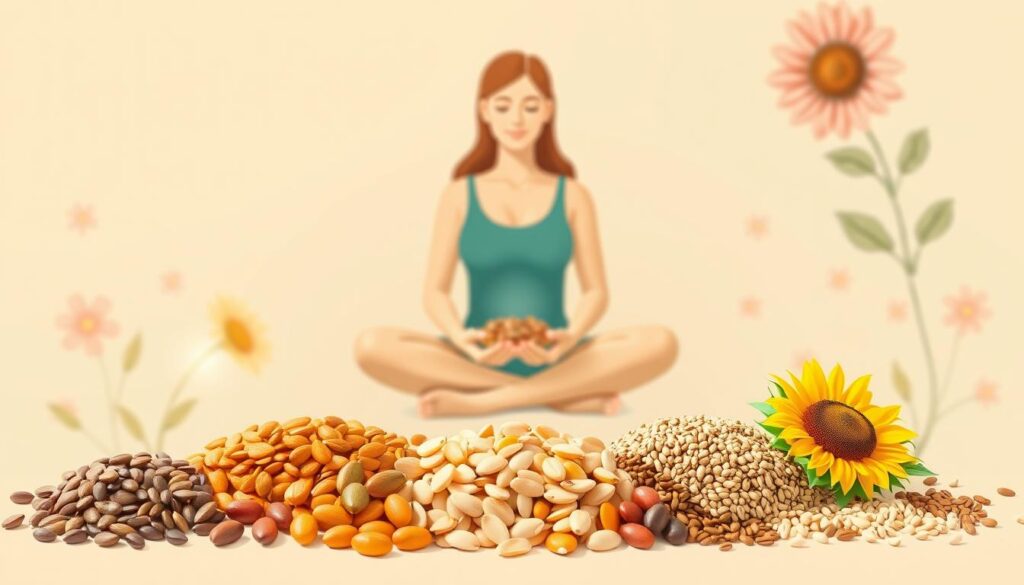
Seed cycling involves eating flax and pumpkin seeds during the first part of your menstrual cycle, then switching to sesame and sunflower seeds after ovulation. These seeds provide fiber, healthy fats, and important minerals. However, there is still limited evidence that rotating them changes estrogen or progesterone levels.
A 30-day seed cycling diary can help you build a consistent eating habit and pay closer attention to menstrual symptoms. This guide explains the routine, provides a week-by-week tracking plan, explores what research actually shows, and helps you decide whether trying it makes sense.
Key Takeaways
- Seed cycling uses four seeds: Flax and pumpkin before ovulation, then sesame and sunflower afterward.
- The common routine is two tablespoons daily: One tablespoon of each seed in the current pair.
- Grinding flaxseed improves nutrient access. Refrigerating ground seeds helps maintain freshness.
- Hormone-balancing benefits remain uncertain. Early studies offer some interesting findings, but stronger research is needed.
- A 30-day diary can reveal patterns, not prove results. Track cramps, energy, mood, bleeding, and digestion without expecting guaranteed improvements.
Why Try a 30-Day Seed Cycling Diary?
The appeal of seed cycling is simple. It uses familiar foods rather than complicated supplements or expensive treatments. For someone already interested in nutrition and menstrual health, adding seeds to breakfast may feel manageable.
The main goals people associate with seed cycling include:
- Managing premenstrual syndrome (PMS) symptoms such as bloating and mood changes.
- Supporting a nutrient-rich diet throughout the menstrual cycle.
- Understanding personal patterns in cramps, energy, and skin changes.
- Developing a consistent routine for tracking menstrual health.
However, menstrual symptoms naturally change from month to month. A lighter period or better mood during one month does not necessarily mean the seeds caused it.
That’s why keeping a diary is valuable. It encourages you to record what happens rather than relying on memory or expecting a particular outcome.
For another perspective, you can read Clue’s personal seed cycling experiment and research discussion.
How to Start the 30-Day Seed Cycling Routine
The traditional approach follows two stages of the menstrual cycle: the follicular phase and the luteal phase.
The follicular phase starts on the first day of menstrual bleeding. The luteal phase begins after ovulation and continues until the next period.
Phase 1: Flax and Pumpkin Seeds
During the follicular phase, the typical routine includes:
- 1 tablespoon ground flaxseed daily for fiber, lignans, and plant-based omega-3 fats.
- 1 tablespoon pumpkin seeds daily for magnesium, zinc, and healthy fats.
Start on Day 1 of your period and continue until ovulation. Some simplified plans switch on Day 15, but ovulation does not happen on the same day for everyone.
Estrogen generally rises as the body prepares to release an egg. Flax contains plant compounds called lignans that can interact with estrogen-related pathways, but that does not establish that eating flax during this phase will balance estrogen.
Phase 2: Sesame and Sunflower Seeds
After ovulation, switch to:
- 1 tablespoon sesame seeds daily for lignans, healthy fats, and minerals.
- 1 tablespoon sunflower seeds daily for vitamin E and other nutrients.
Continue this combination until your next period begins.
Progesterone normally rises after ovulation and falls if pregnancy does not occur. Although the luteal-phase seed mix provides useful nutrients, there is no convincing evidence that its timing reliably increases progesterone.
What If Your Cycle Isn’t 28 Days?
You don’t need a perfect 28-day cycle to understand the routine. A 30-day diary describes your observation period, not necessarily the length of your menstrual cycle.
If you have a 32-day cycle, for example, ovulation might happen later than Day 14. If your periods are irregular, predicting the switch can be more difficult.
For people who want to understand ovulation timing, three tracking methods may help:
- Cervical mucus: Clear, slippery, stretchy mucus often appears near ovulation.
- LH test strips: These detect a hormone surge that usually happens shortly before ovulation, although a positive result does not guarantee that an egg is released.
- Basal body temperature: A sustained temperature rise can suggest ovulation has already occurred.
The American College of Obstetricians and Gynecologists (ACOG) explains how these signs work and why temperature alone cannot predict ovulation.
You do not need to buy ovulation tests just to enjoy seeds as food. And if you use hormonal contraception that suppresses ovulation, this phase-based timing may not apply.
Preparing Your Seeds: Grinding, Storage, and Budget
Good preparation makes the routine easier to follow, especially when you have a busy schedule.
Should You Grind All Four Seeds?
Grinding is particularly helpful for flaxseed. Whole flaxseeds may pass through your digestive system without being fully broken down, limiting access to their nutrients.
Mayo Clinic recommends ground flaxseed for easier digestion and better nutrient access.
Sesame seeds can also be ground or used as tahini. Pumpkin and sunflower kernels can be eaten whole, chopped, or ground according to your preference. There is no strong evidence that every seed must be ground to produce the claimed hormone effects.
Simple Shopping and Storage Checklist
- Buy food-grade flax, pumpkin, sesame, and sunflower seeds from a trusted grocery store.
- Choose plain, unsalted varieties when possible.
- Use an existing coffee grinder, spice grinder, or suitable food processor if you prefer fresh-ground seeds.
- Keep ground seeds in clean, airtight containers in the refrigerator.
- Store extra whole seeds in a cool, dry place, following package directions.
Organic products are optional. The seeds do not need to be organic to supply their usual nutrients, and there is no established seed cycling benefit from choosing organic versions.
Costs depend on package size, brand, and where you shop. Buying manageable quantities instead of large bags can help prevent waste, especially when you’re trying the routine for the first time.
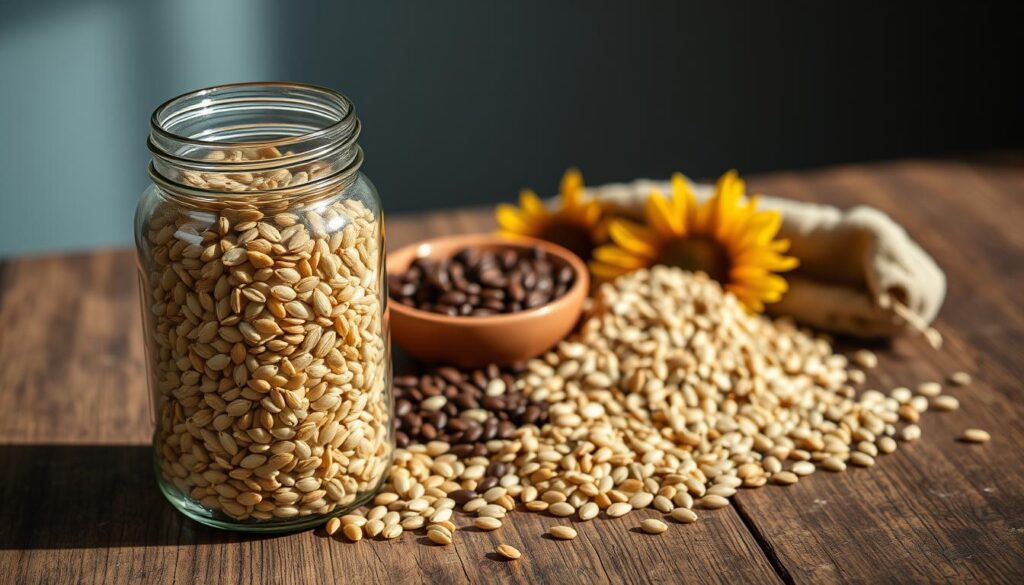
Prepare a few days’ worth at a time. Ground seeds contain oils that can deteriorate during storage, so discard any mix that develops an unpleasant or rancid smell.
Week-by-Week Seed Cycling Diary: What to Record
Rather than treating every small change as a benefit, use a simple four-week diary to observe your routine.
The following is an example tracking plan, not a record of verified personal results. Your cycle phases may not line up exactly with these calendar weeks.
Week 1: Starting With Flax and Pumpkin
Begin on the first day of full menstrual bleeding. Add ground flaxseed and pumpkin seeds to a familiar meal, such as oatmeal or yogurt.
Record a few baseline measurements:
- Menstrual cramp intensity on a scale of 0–10.
- Bleeding amount and number of bleeding days.
- Energy level and sleep quality.
- Digestive symptoms, including bloating or constipation.
Pay attention to how your stomach handles the extra fiber. If you feel uncomfortable, start with a smaller amount and increase gradually.
Week 2: Watching for Ovulation Signs
Continue the first seed combination until ovulation is reasonably identified, or follow an approximate schedule if you’re simply exploring the food habit.
Useful observations include:
- Changes in cervical mucus.
- Any mid-cycle pelvic discomfort.
- Energy, skin changes, and appetite.
- Sleep, stress, and exercise changes.
If tracking ovulation, remember that LH strips help predict a possible ovulation window, while basal temperature patterns may help identify it afterward.
Week 3: Switching to Sesame and Sunflower
After ovulation, replace the flax-pumpkin combination with sesame and sunflower seeds.
Now pay closer attention to common luteal-phase symptoms:
- Breast tenderness or abdominal bloating.
- Mood changes and irritability.
- Sleep quality and fatigue.
- Food cravings or digestive discomfort.
Try to keep your logging method consistent. Recording a simple score each evening is more useful than relying on a vague memory at the end of the month.
Week 4: Looking for PMS and Period Changes
Continue the luteal mix until your next period. If your cycle is longer, this stage may extend beyond the fourth week.
Compare symptoms with your usual experience, including:
- Whether cramps feel milder, stronger, or unchanged.
- Whether sleep and energy differ from previous cycles.
- Whether bloating interferes less or more with daily activities.
- Whether the next period begins earlier or later than expected.
Keep recording even when nothing improves. An unchanged symptom is still useful information.

For readers who also track exercise, this guide to cycle-based workout planning offers additional context.
What Can a 30-Day Seed Cycling Diary Actually Reveal?
The biggest limitation of a one-month experiment is that menstrual cycles naturally vary. Stress, sleep, activity, illness, and ordinary hormone changes can influence how you feel.
A diary might show milder cramps but unchanged mood or bleeding. Another person might notice no difference at all. Neither observation establishes that seed cycling changed hormone levels.
A useful way to compare results is to record the same measurements across several cycles.
| What to Track | Simple Measurement |
|---|---|
| Menstrual pain | Daily severity from 0–10 |
| Energy and mood | Consistent daily rating |
| Bleeding | Start date, duration, and flow |
| Digestive comfort | Bloating, gas, or bowel changes |
| Consistency | Seed mix and amount eaten |
If you continue for two or three cycles, compare similar cycle phases rather than comparing unrelated calendar dates.
There is no proven requirement to follow seed cycling for three or six months before it starts working. A longer diary may reveal your usual symptom patterns more clearly, but it does not guarantee a hormonal benefit.
What Does Scientific Research Say About Seed Cycling?
Research provides a more cautious picture than many social media claims suggest. Individual seeds have useful nutritional properties, and some small studies have examined their effects on menstrual or metabolic measures.
However, evidence for the complete two-phase seed cycling method remains preliminary.
Flaxseed, Lignans, and Menstrual Patterns
Flaxseed contains lignans, which are plant compounds that can have weak estrogen-related effects after digestion.
A 1993 clinical study involving 18 women found possible changes in menstrual-cycle characteristics during flaxseed consumption, including ovulation-related measures.
The findings were interesting, but the study was small. It also examined flaxseed intake rather than the full four-seed cycling routine.
It would be premature to conclude that a tablespoon of flaxseed during the follicular phase reliably improves ovulation or corrects estrogen imbalance.
What About Pumpkin Seeds and Zinc?
Pumpkin seeds provide zinc, magnesium, protein, and unsaturated fats. Zinc helps support normal immune function and many processes involved in cell growth.
Some research has examined zinc supplementation for menstrual discomfort. However, results from supplements cannot automatically be applied to ordinary servings of pumpkin seeds.
There is not enough direct evidence to say that pumpkin seeds prevent cramps or regulate reproductive hormones.
Sunflower Seeds, Vitamin E, and Progesterone
Sunflower seeds are a useful dietary source of vitamin E. According to the NIH Office of Dietary Supplements, vitamin E helps protect cells from oxidative damage.
That nutritional benefit is established. The claim that sunflower seeds raise progesterone during the luteal phase is not.
Studies involving vitamin E supplements or mixed formulations do not prove the same outcome from eating sunflower seeds at a particular point in the cycle.
Sesame Seeds and Hormone Markers
Sesame contains lignans and other nutrients that researchers have studied for possible effects on hormone-related markers.
Small studies have reported changes in certain blood measurements, but they have not established that sesame seeds reliably improve luteal-phase progesterone or menstrual regularity.
The research also cannot tell us that sesame works better after ovulation than at another time of the month.
What Newer Seed Cycling Studies Suggest
A 2023 study involving women with polycystic ovary syndrome (PCOS) reported changes in hormone-related measurements during a program that included seed cycling and dietary changes.
A 2025 systematic review also identified potentially favorable findings for PMS and PCOS. However, the included studies differed in methods, seed combinations, duration, and other treatments. The researchers emphasized the need for larger, better-controlled trials.
More recently, a 2026 single-arm trial reported improvements in PMS symptoms among people using seed cycling capsules over two cycles. But the capsules included additional ingredients, including chasteberry, and the study had no control group.
The overall conclusion is that seed cycling deserves further study, but current evidence does not establish it as a reliable treatment for PMS, PCOS, infertility, or hormone imbalance.
Making Seed Cycling Easier: Meals and Digestive Comfort
If you enjoy seeds, the routine should fit into meals you already eat. Complicated recipes and expensive equipment are unnecessary.
Four Easy Ways to Eat Your Daily Seeds
- Breakfast oatmeal: Stir the current seed mix into prepared oatmeal with fruit and milk or yogurt.
- Fruit smoothie: Blend the seeds with berries, banana, and your usual milk or dairy-free alternative.
- Yogurt bowl: Add seeds to plain yogurt with fruit for a quick snack.
- Salad dressing: Blend sesame into a dressing or mix ground seeds into a savory sauce.
A small coffee or spice grinder can be convenient for whole flaxseed, especially if you prefer grinding fresh portions. But if you already have a suitable blender or buy properly stored ground flaxseed, another appliance is not essential.
Likewise, an airtight food-storage container can help with freshness, but there is no need for a special seed cycling kit.
What If Seeds Cause Bloating?
Seeds add fiber, and increasing fiber too quickly can cause gas, fullness, or changes in bowel movements.
Try these adjustments:
- Begin with a smaller portion instead of immediately eating two tablespoons daily.
- Increase gradually according to digestive comfort.
- Drink adequate water throughout the day.
- Divide the serving between meals if one large portion feels uncomfortable.
- Stop or reduce intake if symptoms continue.
There is no special benefit to eating the seeds at an exact hour. Consistency and tolerance matter more than whether you add them at breakfast or dinner.
Safety: Who Should Be Careful With Seed Cycling?
Seeds are nutritious foods for many people, but that does not make every seed or every intake pattern suitable for everyone.
Food Allergies
Sesame is one of the nine major food allergens recognized by the U.S. FDA. Other seeds can also trigger allergic reactions in susceptible people.
Check food labels and avoid any seed to which you are allergic. The FDA’s sesame allergen guidance explains the labeling rules.
Symptoms such as throat swelling, trouble breathing, or faintness after eating require emergency medical care.
Pregnancy, Breastfeeding, and Medication Use
People who are pregnant or breastfeeding should not start a deliberate high-intake seed cycling regimen without professional guidance. There is limited safety research on larger amounts of flaxseed and its concentrated compounds during these periods.
The National Center for Complementary and Integrative Health also notes possible medication interactions and digestive effects associated with flaxseed.
If you take blood thinners or other prescription medications, discuss substantial dietary changes with your clinician. Avoid taking ground flaxseed at the same time as oral medicines because its fiber may interfere with absorption.
When Menstrual Symptoms Need Medical Attention
Seed cycling should not delay evaluation of symptoms that may have an underlying medical cause.
Seek appropriate medical care if you experience:
- Severe or worsening menstrual or pelvic pain.
- Bleeding heavy enough to soak a pad or tampon every hour for several hours.
- Bleeding lasting longer than seven days or unexpected bleeding between periods.
- Periods that disappear for several months when pregnancy is not the explanation.
- Persistent irregular cycles, suspected PCOS, or difficulty becoming pregnant.
ACOG’s abnormal uterine bleeding guidance explains when changes in bleeding or cycle timing deserve further evaluation.
Is Seed Cycling Worth Trying for 30 Days?
If you enjoy these foods, have no relevant allergies or medical concerns, and want to improve the variety of seeds in your diet, a short seed cycling routine may be a reasonable personal food experiment.
The strongest reasons to try it are practical rather than hormonal: seeds supply useful nutrients, fit into familiar meals, and can encourage more consistent food and symptom tracking.
However, there are also good reasons to skip the formal protocol:
- You already eat a varied, nutrient-rich diet that includes seeds.
- You dislike the taste or experience digestive discomfort.
- Tracking ovulation creates unnecessary stress.
- You expect it to replace treatment for painful periods, PCOS, or infertility.
You can eat flax, pumpkin, sesame, and sunflower seeds whenever you like. There is no good evidence that rotating them is necessary to obtain their general nutritional benefits.
Frequently Asked Questions
How many tablespoons of seeds should I eat daily?
The commonly described seed cycling plan uses one tablespoon of each seed in the active pair, totaling two tablespoons daily. This is a customary routine, not a clinically proven dose for hormone balance. Start smaller if needed.
Do I have to start seed cycling on the first day of my period?
Traditional plans start the flax-pumpkin phase on Day 1 of menstrual bleeding. However, there is no evidence that starting on that exact day is required for nutritional benefits.
Can seed cycling make irregular periods regular?
Some preliminary studies have examined menstrual regularity, including in people with PCOS. Results are not strong enough to establish seed cycling as an effective treatment. Persistent irregular periods deserve medical evaluation.
Can seed cycling improve fertility?
There is no reliable evidence that the routine alone improves fertility or increases the chance of pregnancy. Nutrient-rich foods support general health, but fertility concerns require individualized assessment.
Can I put seeds into smoothies?
Yes. Smoothies are an easy way to include seeds. Ground flaxseed is particularly useful because it is easier to digest than whole flaxseed. Keep prepared mixtures refrigerated and follow normal food-storage practices.
How long should I continue before expecting results?
There is no proven timeline for hormonal improvements from seed cycling. You may track symptoms across several cycles to understand personal variation, but continuing longer does not guarantee a benefit.
Can people who don’t menstruate benefit from these seeds?
Yes. People of any sex can obtain fiber, healthy fats, protein, and micronutrients from seeds. The menstrual-phase rotation itself is not relevant to people without menstrual cycles.
Conclusion: What a 30-Day Seed Cycling Diary Can Teach You
Seed cycling is an easy-to-understand nutrition routine built around four familiar foods. Flax, pumpkin, sesame, and sunflower seeds each offer genuine nutritional benefits, but claims that rotating them balances reproductive hormones remain uncertain.
If you want to try it, start with small, manageable portions, prepare seeds safely, and track symptoms consistently. Compare your notes with previous cycles rather than expecting dramatic changes after 30 days.
The most useful takeaway is that you don’t need perfectly timed seeds to eat well. Enjoy them as part of a balanced diet, pay attention to how your body responds, and seek medical care when menstrual symptoms are persistent or concerning.




Don’t Miss These Picks