


Can the foods on your plate do more for your health than a daily multivitamin? In many cases, yes. Whole foods provide vitamins and minerals along with fiber, protein, healthy fats, and other helpful compounds that most multivitamins do not contain.
But food and supplements serve different purposes. A balanced diet helps support long-term health, while supplements can fill specific nutritional gaps. Neither approach automatically replaces the other.
From omega-3-rich sardines to vitamin C-packed bell peppers, these 10 nutrient-dense foods can help you get more nutrition from everyday meals. We’ll explain what makes each food useful, how to eat it, and when supplements may still be necessary.
Key Takeaways
- Whole foods offer more than vitamins. They also provide fiber, protein, healthy fats, and plant compounds that support overall health.
- Ten nutrient-dense foods can cover many needs. Spinach, salmon, sardines, liver, Brazil nuts, seaweed, bell peppers, eggs, avocado, and lentils provide a wide range of nutrients.
- More is not always better. Foods such as liver, Brazil nuts, and seaweed can provide excessive amounts of certain nutrients when eaten frequently.
- Multivitamins have limitations. Research has not shown that routine multivitamin use reliably prevents major chronic diseases in generally healthy adults.
- Some supplements remain important. Pregnancy, vegan diets, nutrient deficiencies, and absorption problems may require targeted supplementation.
Why Whole Foods Are Usually Better Than Relying on Multivitamins
A multivitamin can provide many essential nutrients in one tablet. However, it cannot replace everything you get from a nutritious meal.
For example, lentils provide iron and folate alongside fiber and plant protein. Salmon supplies vitamin B12 and omega-3 fatty acids along with protein. These combinations can support a healthy eating pattern in ways that a standard multivitamin cannot fully copy.
The National Institutes of Health (NIH) explains that most research has found little or no effect of multivitamins on major health outcomes such as heart disease and overall mortality. However, multivitamins can still improve nutrient intake when a person’s diet is lacking.
The important distinction is that nutrient intake and disease prevention are not the same thing. Getting enough vitamins prevents deficiencies, but taking extra amounts does not necessarily make a healthy person healthier.
As Johns Hopkins Medicine also explains, a healthy diet offers benefits that routine vitamin pills cannot replace.
10 Nutrient-Dense Foods Worth Adding to Your Diet
No single food supplies every nutrient your body needs. However, these 10 choices provide useful combinations of vitamins, minerals, protein, and healthy fats. The goal is to include several of them throughout the week, not eat all 10 every day.
1. Spinach: Vitamin K, Folate, and Plant-Based Iron
Spinach is a nutrient-rich leafy green that is easy to add to meals. It provides vitamin K for normal blood clotting and bone health, folate for healthy cell growth, and iron needed to make red blood cells.
Spinach also contains carotenoids, including lutein and zeaxanthin, which help support eye health. However, its iron is not absorbed as easily as iron from meat, and naturally occurring oxalates can reduce mineral absorption.
Easy ways to eat spinach:
- Add fresh leaves to omelets, salads, or sandwiches.
- Stir frozen spinach into soups, lentils, or pasta.
- Pair spinach with bell peppers or lemon juice to help your body absorb plant-based iron.
Important: If you take warfarin, keep your vitamin K intake consistent rather than suddenly increasing or avoiding spinach.
2. Salmon: Omega-3 Fatty Acids and Vitamin D
Salmon provides EPA and DHA, two omega-3 fats important for normal heart and brain function. It also supplies high-quality protein, vitamin B12, selenium, and varying amounts of vitamin D.
Unlike most multivitamins, salmon offers a useful combination of omega-3 fats and protein. It can help you meet your weekly seafood goals without requiring a separate fish-oil supplement.
Try it: Bake a salmon fillet with lemon and herbs, or add canned salmon to a brown rice bowl. Frozen salmon is another convenient option.
3. Sardines: Calcium, Omega-3s, and Vitamin B12
Sardines are small, oily fish that provide EPA and DHA, vitamin B12, selenium, and protein. Canned sardines with edible bones also supply calcium, which supports healthy bones and teeth.
They are convenient because they are shelf-stable and usually require no cooking. Salmon and sardines are also among the FDA’s lower-mercury seafood choices.
Try it: Mash sardines with lemon juice, black pepper, and herbs. Serve on whole-grain toast or mix into pasta. Choose lower-sodium varieties if you are limiting salt.
4. Liver: Concentrated Vitamin A, B12, and Copper
Beef and chicken liver are exceptionally rich in several nutrients, including preformed vitamin A, vitamin B12, iron, copper, and folate.
However, liver’s nutrient concentration is also its main drawback. Large or frequent servings can provide excessive vitamin A or copper, especially when combined with supplements.
How to eat it: If you enjoy liver, keep portions modest and occasional rather than making it an everyday food. Liver is optional, and you can meet nutritional needs through other foods.
Pregnancy warning: Avoid liver and liver products during pregnancy because their high levels of preformed vitamin A may harm fetal development. The NHS pregnancy guidance specifically recommends avoiding them.
5. Brazil Nuts: A Powerful Source of Selenium
Selenium supports thyroid function, reproduction, and the body’s antioxidant defenses. Brazil nuts contain unusually large amounts of this mineral.
According to the NIH selenium fact sheet, one Brazil nut may contain around 68–91 micrograms of selenium. Adults generally need 55 micrograms daily, although the amount in individual nuts varies.
How to eat them: One Brazil nut occasionally can contribute plenty of selenium. Avoid eating handfuls or combining frequent servings with high-dose selenium supplements. Too much selenium over time may cause nausea, hair loss, and brittle nails.
6. Seaweed: Iodine for Thyroid Function
Seaweed contains iodine, a mineral your thyroid needs to make hormones that regulate metabolism. Nori, wakame, and kelp are examples, but their iodine levels vary greatly.
Some seaweed products contain modest amounts, while others, particularly kelp and kombu, can provide far more iodine than you need.
Try it: Use small amounts of nori in rice bowls or sushi. Check labels where iodine information is provided, and avoid treating large servings of kelp as a daily health supplement.
People with thyroid disorders, during pregnancy, or taking iodine-related medication should be especially careful with concentrated seaweed products. Learn more from the NIH iodine guide.
7. Bell Peppers: Vitamin C and Antioxidants
Red and yellow bell peppers are excellent sources of vitamin C. This vitamin supports normal immune function, collagen formation, wound healing, and the absorption of iron from plant foods.
Bell peppers also provide carotenoids and other plant compounds that add variety to your diet.
Try them:
- Slice raw peppers for snacks or salads.
- Mix chopped peppers into eggs, wraps, or stir-fries.
- Serve peppers alongside lentils, beans, or spinach to improve plant-iron absorption.
8. Eggs: Choline, B12, and Complete Protein
Eggs supply protein, vitamin B12, selenium, choline, and some vitamin D. Choline is especially important for cell membranes, liver function, and normal brain development.
Eggs are also versatile and quick to prepare. Keep the yolk if you want the choline and many of the vitamins naturally present in an egg.
Try them: Make a spinach-and-pepper omelet, add a hard-boiled egg to lunch, or serve scrambled eggs with whole-grain toast. Cook eggs thoroughly for people at higher risk of foodborne illness, including during pregnancy.
9. Avocado: Healthy Fats, Fiber, and Potassium
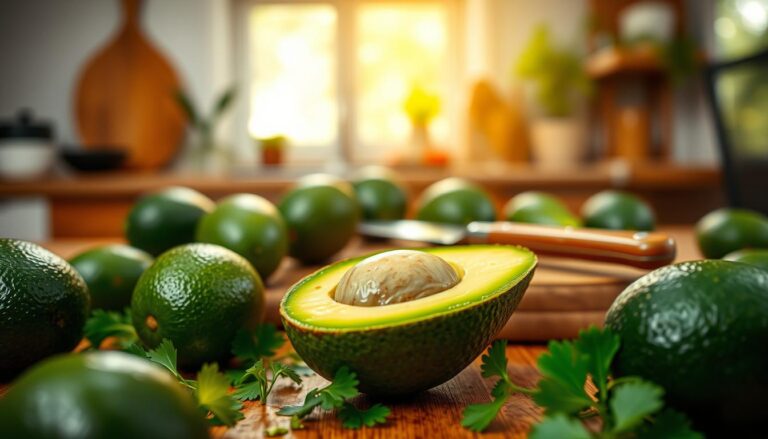
Avocado provides monounsaturated fats, fiber, folate, potassium, and vitamin E. Its combination of fats and fiber makes it useful in a balanced meal.
Including some fat in a meal can also help your body absorb fat-soluble nutrients, such as certain carotenoids found in vegetables.
Try it: Add avocado to whole-grain toast, a bean bowl, or a spinach salad. A quarter to half an avocado is a practical serving for many meals.
If you have kidney disease or have been told to limit potassium, ask your care team how avocado fits your diet.
10. Lentils: Folate, Iron, Protein, and Fiber
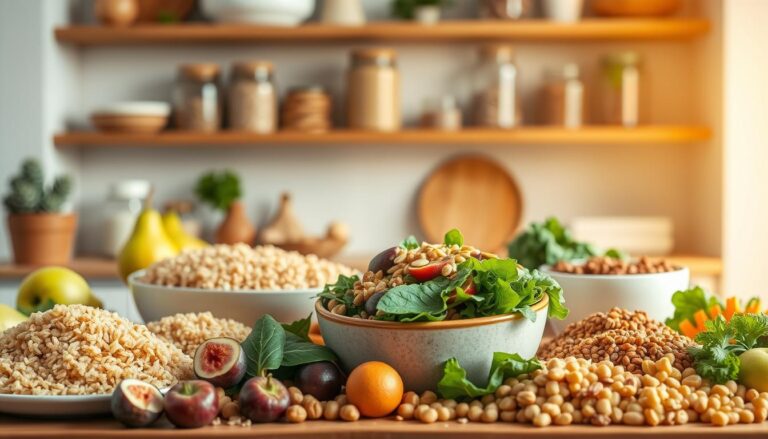
Lentils offer a useful combination of folate, plant-based iron, protein, and fiber. Their fiber supports digestion and can help moderate the rise in blood sugar after a meal.
They are also inexpensive, easy to store, and suitable for vegetarian and vegan eating patterns. Red lentils cook quickly, while green and brown lentils hold their shape well in soups and salads.
Try them: Make lentil soup, prepare dal, or add cooked lentils to grain bowls. Pair them with tomatoes, lemon juice, or bell peppers for vitamin C, which improves iron absorption.
How Nutrients Work Together in Whole Foods
Food is more than a collection of vitamins and minerals. The way nutrients are combined, prepared, and eaten can affect how your body absorbs and uses them.
Three practical examples make this easier to understand:
- Vitamin C and plant-based iron: Lemon juice or bell peppers can help your body absorb iron from lentils, beans, and greens.
- Healthy fats and certain vitamins: Olive oil, avocado, or other fats can help your body absorb fat-soluble vitamins and carotenoids from a meal.
- Fiber and carbohydrates: Fiber-rich foods such as lentils can slow digestion and help manage blood sugar changes after eating.
These interactions help explain why the overall quality of your diet matters. However, they do not mean that nutrients from food are always absorbed better than nutrients from supplements.
For example, vitamin B12 from fortified foods or supplements can be easier for some older adults to absorb than B12 naturally attached to food proteins. Folic acid from fortified foods or supplements also has an especially well-established role in preventing certain birth defects.
The better approach is to use food as your foundation and supplements when they serve a clear purpose. Neither needs to compete with the other.
Easy Ways to Eat More Nutrient-Dense Foods Every Week
You do not need expensive ingredients, complicated recipes, or a perfect meal plan. A few repeatable habits can make nutrient-rich eating easier.
Four Simple Meal Ideas
- Breakfast: Make a spinach-and-bell-pepper omelet. Add avocado or whole-grain toast for a more filling meal.
- Lunch: Serve canned sardines on whole-grain toast with lemon and herbs. Add sliced vegetables on the side.
- Dinner: Prepare a salmon bowl with brown rice, roasted peppers, and a green salad.
- Meatless meal: Make lentil soup or dal with spinach. Finish with lemon juice and serve alongside a whole grain.
Quick Meal Planning Guide
| Meal | Main Ingredient | Key Nutrients | Approx. Prep Time |
|---|---|---|---|
| Breakfast | Spinach omelet | Folate, choline, protein | 10 minutes |
| Lunch | Canned sardines | Omega-3s, B12, calcium | 5 minutes |
| Dinner | Salmon bowl | Omega-3s, protein, vitamin D | 20 minutes |
| Snack | Bell peppers and hummus | Vitamin C, fiber, plant protein | 5 minutes |
Shop Smarter and Reduce Preparation Time
Keeping a few affordable staples at home makes healthy meals easier to prepare when life gets busy.
- Buy frozen vegetables: Frozen spinach is nutritious, convenient, and often less expensive than fresh spinach.
- Keep canned fish available: Sardines and salmon can provide a quick protein source without cooking.
- Cook lentils in batches: Refrigerate cooked lentils promptly and use within 3–4 days, or freeze portions for later.
- Prepare vegetables ahead: Wash peppers, chop salad ingredients, and store them safely for quick meals.
- Rotate your foods: Include different vegetables, fruits, legumes, proteins, dairy or fortified alternatives, and whole grains.
For more everyday ideas, see this food-first meal guide from TODAY.
When Multivitamins and Supplements Still Make Sense
Eating well should be the foundation of nutrition, but some people cannot meet every nutrient requirement through food alone. In these situations, a supplement can be important rather than optional.

People Who May Need Targeted Supplements
- People who are pregnant or planning pregnancy: The CDC recommends that all women capable of becoming pregnant get 400 micrograms of folic acid daily to help prevent neural tube defects. Fortified foods or supplements can provide this amount; prenatal care may involve additional nutrients.
- Vegans and some vegetarians: Vitamin B12 is not naturally available in reliable amounts from ordinary plant foods. Fortified foods or B12 supplements are important for people avoiding animal products.
- Older adults: Some people over 50 absorb vitamin B12 from food less effectively and may benefit from fortified foods or supplements.
- People with digestive conditions or certain surgeries: Conditions affecting nutrient absorption may require specific supplements, sometimes at carefully monitored doses.
- People with confirmed deficiencies: Low iron, B12, or vitamin D levels may require targeted treatment that food alone cannot correct quickly enough.
For pregnancy, see the CDC guidance on folic acid intake. For age-related B12 concerns, the NIH vitamin B12 guide explains why absorption can become more difficult.
How to Choose Supplements Carefully
Before adding a supplement, consider these practical questions:
- What nutrient is missing? Review your diet, health conditions, and any relevant test results.
- How much do you need? More than the recommended amount is not necessarily better.
- Could it interact with medication? Iron, vitamin K, iodine, and other nutrients may require special consideration.
- Are you already getting it elsewhere? Check fortified foods, multivitamins, and individual supplements to avoid unnecessary overlap.
- When should you reassess? Some deficiencies need follow-up testing to confirm that treatment is working.
A basic multivitamin may help when nutritional intake is limited, but it should not replace regular meals or treatment for a diagnosed deficiency.
Frequently Asked Questions
Can these 10 foods replace a multivitamin completely?
They can help you meet many nutrient needs, but they do not guarantee a complete diet. You still need a variety of foods to obtain enough calcium, vitamin D, potassium, and other nutrients. Supplements may remain necessary depending on your age, diet, and health.
Are vitamins from food always better absorbed than those from pills?
No. Absorption depends on the nutrient, its form, your digestive health, and what you eat with it. Vitamin C improves absorption of plant-based iron, while some fortified nutrients and supplements are absorbed more easily than their natural food forms in certain situations.
What can I eat instead of salmon and sardines?
If you do not eat fish, you can obtain protein from eggs, beans, lentils, tofu, and other foods. Walnuts, chia seeds, and flaxseeds provide ALA, a plant-based omega-3 fat. However, the body converts only a limited amount of ALA into EPA and DHA. Some people may consider an algae-based omega-3 supplement depending on their needs.
Which foods are useful for low iron intake?
Lentils, beans, spinach, fortified cereals, meat, and seafood can contribute iron. Pairing plant-based sources with vitamin C-rich foods helps absorption. If you have iron-deficiency anemia, dietary changes may not be enough, so follow your clinician’s treatment plan.
Can eating too many Brazil nuts or too much seaweed be harmful?
Yes. Brazil nuts can supply excessive selenium, while some seaweed varieties contain very high levels of iodine. Both minerals are essential, but too much may cause health problems. Stick to moderate portions and avoid using these foods as high-dose supplements.
Conclusion: Build a Better Plate Before Reaching for a Pill
Whole foods offer something a standard multivitamin cannot fully provide: useful combinations of nutrients, fiber, protein, healthy fats, and other compounds in everyday meals.
Start with a few realistic changes. Add spinach or peppers to breakfast, prepare lentils several times a week, and include lower-mercury fish such as salmon or sardines when they fit your diet. Use nutrient-rich foods like liver, Brazil nuts, and seaweed carefully rather than assuming more is better.
The goal is not to eat ten special foods or eliminate supplements completely. It is to build a varied, affordable eating pattern that meets your needs, while using targeted supplements when they are genuinely helpful.
Choose one simple meal improvement this week, repeat it until it feels easy, and build from there.


Don’t Miss These Picks