

Can evening primrose oil help with PMS symptoms like breast tenderness, bloating, cramps, and mood swings? This popular plant-based supplement is often marketed as a natural way to feel better before your period. But the research tells a more complicated story.
Evening primrose oil has not been reliably shown to relieve premenstrual syndrome (PMS). Some small studies found improvements, but better-controlled trials often showed no meaningful difference compared with a placebo.
That doesn’t mean every person’s experience will be the same. However, understanding the evidence, possible side effects, and better-supported alternatives can help you decide whether this supplement deserves a place in your wellness routine.
Key Takeaways
- What it contains: Evening primrose oil provides omega-6 fatty acids, including gamma-linolenic acid (GLA).
- PMS benefits remain unproven: Research has not consistently shown improvements in breast tenderness, mood changes, bloating, or cramps.
- Other uses have limited evidence: Studies on menopause, eczema, and breast pain have produced disappointing or inconsistent results.
- No proven PMS dosage exists: Research has used different amounts, but no dose is established as reliably effective.
- Safety matters: People taking blood thinners, those with seizure disorders, and anyone pregnant or planning pregnancy should take particular precautions.
- Better-supported options exist: Calcium, exercise, appropriate pain relief, and certain medical treatments may offer more dependable symptom management.
Helpful Products at a Glance
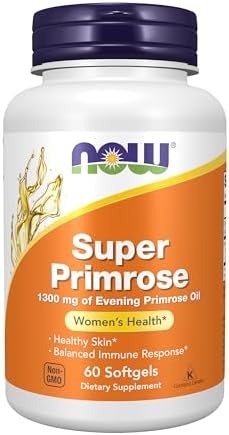
For readers considering evening primrose oil after discussing the limited evidence and possible risks with a healthcare professional, NOW Super Primrose provides clearly labeled oil and GLA amounts. It is not a proven PMS treatment.
- WOMEN'S HEALTH*/1300 mg OF EVENING PRIMROSE OIL: NOW Super Primrose Oil has naturally occurring gamma linolenic acid (GLA), an Omega-6 fatty acid also found in borage and black currant seed oils. Take 1 softgel 1 to 2 times daily with food
- HEALTHY SKIN*/BALANCED IMMUNE RESPONSE*: By supporting the body’s healthy immune system responses, GLA may help to maintain normal skin barrier function, as well as a healthy vascular system*
What Is Evening Primrose Oil?
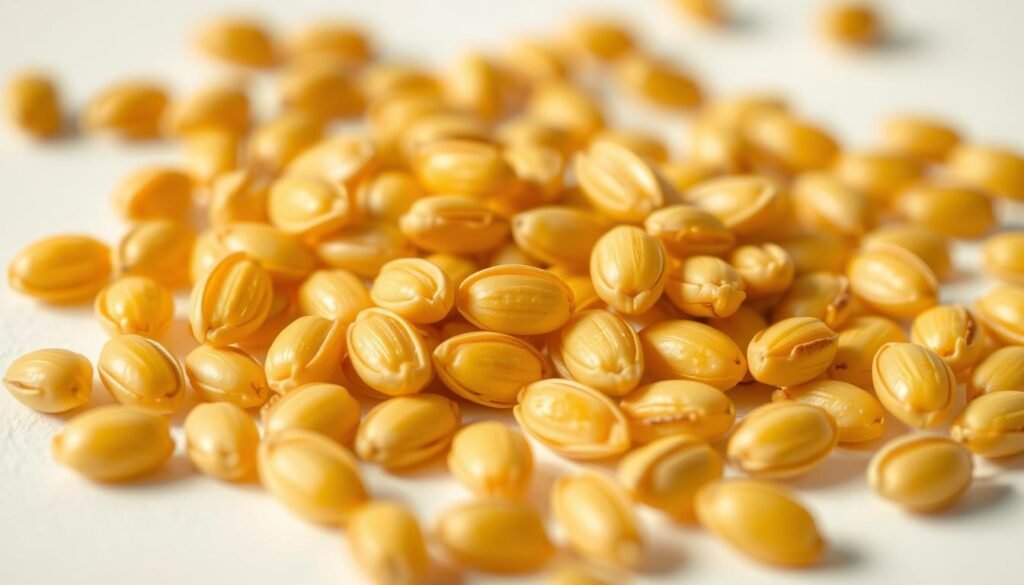
Evening primrose oil, often shortened to EPO, comes from the seeds of Oenothera biennis, a flowering plant native to North and South America. Its yellow flowers typically open in the evening, giving the plant its name.
Manufacturers extract the oil from its seeds and sell it as softgel capsules or liquid oil. Cold pressing is one extraction method, although it does not automatically make a supplement more effective.
What Makes Evening Primrose Oil Different?
The oil contains two important omega-6 fatty acids:
- Linoleic acid: An essential fat your body needs for normal cell function and cannot make on its own.
- Gamma-linolenic acid (GLA): A fatty acid involved in producing compounds that influence inflammation and cell signaling.
Evening primrose oil typically contains about 60–80% linoleic acid and 8–14% GLA, although the amounts vary. Borage and black currant seed oils also contain GLA, but their fatty acid profiles differ.
These ingredients explain why researchers became interested in evening primrose oil. They do not, by themselves, establish that the supplement relieves PMS.
How Might Evening Primrose Oil Affect PMS Symptoms?
GLA may influence substances involved in inflammation and tissue sensitivity. This has led researchers to investigate whether evening primrose oil could reduce breast discomfort and other symptoms linked to the menstrual cycle.
GLA and Prostaglandins
Your body can convert GLA into another fatty acid called dihomo-gamma-linolenic acid (DGLA). DGLA can then help produce prostaglandin E1, a chemical messenger involved in several body processes.
Researchers have proposed that this pathway might influence inflammation and breast tissue sensitivity to hormonal changes.
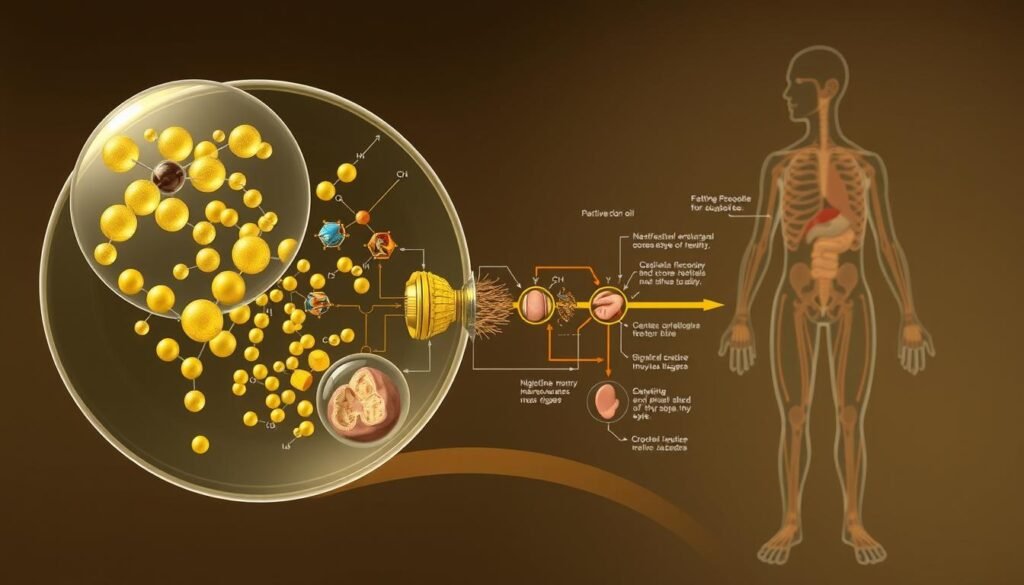
However, a plausible biological mechanism is not proof of symptom relief. Changing fatty acid pathways does not necessarily reduce menstrual discomfort, and evening primrose oil has not been established as a treatment that balances hormone levels.
Does Evening Primrose Oil Actually Help with PMS?
This is the most important question, and the overall research findings are not encouraging.
A systematic review of seven placebo-controlled trials found that the two best-controlled studies failed to demonstrate a benefit. The researchers could not rule out small effects because the studies were limited in size.
Another clinical evidence review examined trials involving 148 women and found evening primrose oil was not more effective than placebo for overall premenstrual symptoms.
Some individual trials reported improved symptom scores, including a small study discussed in a 2019 review of evening primrose oil. But those positive results have not established a consistent benefit across better-quality research.
Which PMS Symptoms Have Been Studied?
- Breast tenderness: One of the most frequently studied symptoms, but reliable pain relief has not been demonstrated.
- Bloating: There is insufficient evidence that evening primrose oil meaningfully reduces fluid retention or abdominal fullness.
- Mood swings and irritability: Small trials have investigated these symptoms, but results do not establish a dependable benefit.
- Menstrual cramps: Evidence is too limited to recommend evening primrose oil for period pain.
Menstrual cramps also deserve separate attention because pain occurring during bleeding is not always the same problem as PMS symptoms appearing before a period.
The National Center for Complementary and Integrative Health (NCCIH) concludes that evidence is insufficient to support evening primrose oil for PMS or other health conditions.
Bottom line: Some people may notice changes while using it, but improvement could also reflect normal cycle-to-cycle variation or a placebo response. The supplement should not be considered an established PMS treatment.
Can Evening Primrose Oil Help with Other Conditions?
Researchers have also studied evening primrose oil for breast pain, menopause symptoms, and several skin conditions.
Menopause: Hot Flashes and Night Sweats
Small studies have reported improvements in certain measures of hot flash severity or night sweats. However, these findings have not been consistent enough to establish a reliable treatment.
There is insufficient evidence that evening primrose oil meaningfully reduces how often hot flashes occur.

Cyclical Breast Pain
Cyclical mastalgia means breast pain or tenderness that follows the menstrual cycle. Although evening primrose oil has long been promoted for this problem, larger studies and evidence reviews have not found dependable benefits over placebo.
Eczema, Acne, and Skin Hydration
GLA plays a role in skin-related fatty acid pathways, leading to interest in dryness and skin barrier function. Some small studies have reported hydration improvements.
However, oral evening primrose oil has not been shown to reliably treat atopic eczema. Research involving acne, including use alongside isotretinoin, is preliminary and does not establish a standard treatment.
Evidence for psoriasis, rheumatoid arthritis, neuropathy, and other conditions is also insufficient to support routine use.
Evening Primrose Oil Dosage and Forms
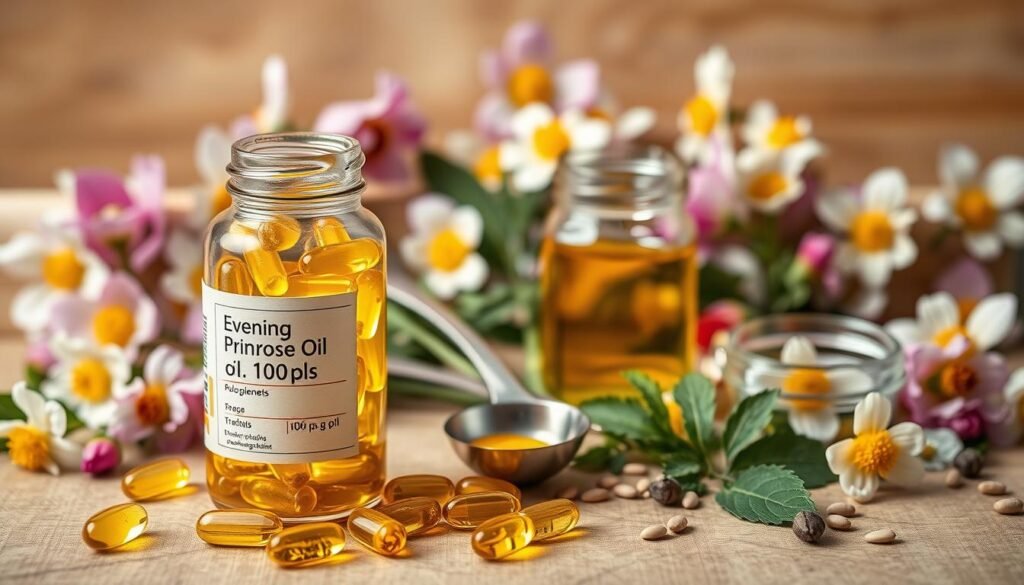
Evening primrose oil is sold mainly as softgels, gelcaps, and bottled liquid. The amount of oil and GLA can vary significantly between products.
How Much Evening Primrose Oil Is Used for PMS?
There is no established effective dose for PMS. Trials have used different amounts, including approximately 1,500 mg daily in one study and 3,000–6,000 mg daily in others.
Importantly, those higher-dose studies did not consistently demonstrate better results than placebo. Research doses should not be interpreted as recommended doses for self-treatment.
If a healthcare professional considers a trial appropriate, ask about the specific formulation, amount, duration, and possible interactions rather than selecting a dose based on marketing claims.
How to Read an Evening Primrose Oil Label
Pay attention to these details before comparing products:
- Total oil: The amount of evening primrose oil per capsule or serving.
- GLA content: The actual amount of gamma-linolenic acid, listed separately when provided.
- Serving size: Check whether the stated amount refers to one capsule or multiple capsules.
- Other ingredients: Look for gelatin, allergens, added vitamins, or other oils.
- Quality information: Look for independent testing, identifiable batch information, and transparent manufacturing practices.
An Example of a Clearly Labeled Supplement
NOW Super Primrose 1300 mg, 60 Softgels provides 1,300 mg of cold-pressed evening primrose oil and 120 mg of GLA per softgel, according to the manufacturer’s supplement facts.
The formula uses bovine gelatin, so it is not suitable for vegetarians. Its clearly stated GLA content is useful for comparing labels, but neither that information nor the product’s manufacturing certifications prove it will relieve PMS.
For someone whose clinician considers EPO appropriate, this is one example of a distinct, labeled formulation rather than a recommendation to treat PMS with supplements.
- WOMEN'S HEALTH*/1300 mg OF EVENING PRIMROSE OIL: NOW Super Primrose Oil has naturally occurring gamma linolenic acid (GLA), an Omega-6 fatty acid also found in borage and black currant seed oils. Take 1 softgel 1 to 2 times daily with food
- HEALTHY SKIN*/BALANCED IMMUNE RESPONSE*: By supporting the body’s healthy immune system responses, GLA may help to maintain normal skin barrier function, as well as a healthy vascular system*
- CERTIFICATIONS/CLASSIFICATIONS: Halal, Kosher contains Gelatin, Non-GMO, Soy Free, Made without Gluten, Cold Pressed, Corn Free, Dairy Free, Egg Free, Hexane Free
- GMP Quality Assured: A-rated, third-party certification means that every aspect of the NOW manufacturing process has been examined. Our in-house laboratories are ISO/IEC accredited for laboratory testing including for stability, potency and product formulation.
Does Third-Party Testing Matter?
Yes, for product quality. In the United States, the FDA regulates dietary supplements differently from prescription medicines and generally does not approve them for safety and effectiveness before marketing.
Independent programs such as USP, NSF, and ConsumerLab can help consumers assess certain aspects of product quality. However, a manufacturer’s general facility certification is not the same as independent verification of a particular product.
Testing can support confidence in ingredient identity or label accuracy. It cannot establish that evening primrose oil works for PMS. Learn more from the FDA’s dietary supplement guidance.
Side Effects, Interactions, and Safety Precautions
Evening primrose oil is generally well tolerated by many adults during short-term use, but it can cause unwanted effects and may interact with medications.
Common Side Effects
- Stomach discomfort or nausea
- Loose stools or diarrhea
- Bloating or abdominal discomfort
- Headaches
Stop taking the supplement and seek medical advice if you experience troublesome symptoms. Severe allergic reactions, especially breathing difficulties or swelling of the throat, require emergency care.
Who Should Avoid It or Seek Medical Clearance?
- People taking blood thinners: Evening primrose oil may increase bleeding risk when combined with anticoagulants or antiplatelet medicines.
- People with bleeding disorders: Additional bleeding risk makes unsupervised use inappropriate.
- People with epilepsy or seizure concerns: Seizure-related cautions have been reported, particularly with certain antipsychotic medicines.
- People taking other medications: Discuss possible interactions, including with some antipsychotics and medicines processed by liver enzymes.
- People preparing for surgery: Guidance commonly advises stopping evening primrose oil at least two weeks before an operation.
- People with hormone-sensitive cancers: Medical clearance is important because of unresolved safety concerns.
Pregnancy requires particular care. Evening primrose oil has also been investigated for preparing the cervix for labor, but results are inconsistent and long-term safety is not established. Avoid self-directed use during pregnancy or while trying to conceive. During breastfeeding, discuss its use with a healthcare professional because safety evidence remains incomplete.
For more detailed safety information, see Mayo Clinic’s evening primrose guidance.
Better-Supported Alternatives for PMS Relief
Before relying on evening primrose oil, consider treatments with stronger evidence. The best choice depends on whether your main problem is physical discomfort, emotional symptoms, or both.
1. Calcium and Vitamin D
Calcium has better research support for PMS than evening primrose oil. Studies using approximately 1,000–1,200 mg of calcium daily have reported improvements in some physical and emotional symptoms.
That amount refers to calcium intake studied in research, not an automatic supplement prescription. Your needs depend on age, diet, medical history, and other factors.
Vitamin D supports calcium absorption, and correcting a deficiency may be important. However, taking extra vitamin D when levels are already adequate is not an established PMS treatment.
2. Magnesium
Magnesium has been studied for bloating, fluid retention, and mood-related PMS symptoms. Results are mixed, so the benefit remains uncertain.
High supplemental amounts can cause diarrhea and may be unsuitable for people with kidney problems. Check whether you already get magnesium from your diet or other supplements.
3. Chasteberry (Vitex)
Some clinical trials suggest that chasteberry may improve certain PMS symptoms, including breast discomfort and irritability. The evidence is more encouraging than for evening primrose oil, but study quality and product formulations vary.
Chasteberry can also interact with medications, including some hormonal and dopamine-related treatments. It should not be treated as a risk-free alternative.
4. Lifestyle Changes and Medical Treatments
Simple habits and evidence-based treatments may provide a more useful starting point:
- Move regularly: Walking, cycling, or other comfortable exercise may help with overall well-being and PMS management.
- Protect your sleep: Keep a consistent routine, especially during the days before your period.
- Adjust your diet: Eat balanced meals and consider reducing excess salt if bloating is troublesome.
- Manage cramps: A heating pad and suitable over-the-counter pain relief may help menstrual pain. NSAIDs such as ibuprofen are not safe for everyone.
- Discuss persistent symptoms: Hormonal contraception, cognitive behavioral therapy, or selective serotonin reuptake inhibitors (SSRIs) may be appropriate for certain premenstrual disorders.
The MedlinePlus PMS guide explains these options, while the American College of Obstetricians and Gynecologists provides evidence-based guidance for managing premenstrual disorders.
How to Decide What Works for Your PMS
When symptoms change throughout the month, it can be difficult to tell whether a supplement is helping or whether you’re simply having an easier cycle.
A short symptom diary can help you recognize patterns and discuss treatment choices more clearly.
- Track symptoms daily. Record breast tenderness, bloating, cramps, mood changes, sleep, and fatigue.
- Note when symptoms occur. PMS typically appears before menstruation and improves shortly after bleeding begins.
- Track at least two menstrual cycles. This can help establish your usual pattern before judging changes.
- Discuss treatment choices. Review medications, supplements, medical conditions, and which symptoms affect your life most.
- Reassess the results. If a clinician agrees to a supplement trial, set a review point rather than continuing indefinitely without clear benefit.
Seek medical assessment if symptoms interfere with work, relationships, or daily activities. Severe depression, marked mood changes, or symptoms that do not follow a clear menstrual pattern may require evaluation for conditions beyond typical PMS, including premenstrual dysphoric disorder (PMDD).
Frequently Asked Questions
How long does evening primrose oil take to work for PMS?
There is no proven timeline because its effectiveness for PMS has not been established. Some studies followed participants over several menstrual cycles, but longer use does not guarantee improvement.
Does evening primrose oil balance hormones?
There is no convincing clinical evidence that it normalizes estrogen, progesterone, or other reproductive hormone levels. Its proposed effects involve fatty acid and inflammatory signaling pathways rather than proven correction of a hormonal imbalance.
Is evening primrose oil good for breast tenderness?
Although widely promoted for cyclical breast pain, evening primrose oil is probably no more effective than placebo. Persistent, new, one-sided, or unusual breast symptoms deserve medical assessment rather than relying on supplements.
Can you take evening primrose oil every day?
Some clinical studies used daily dosing, but that does not establish a safe or effective long-term PMS regimen. Daily use should be considered alongside your medications, health conditions, and the product’s actual ingredients.
Is evening primrose oil better than calcium for PMS?
No. Calcium has stronger evidence for improving some PMS symptoms. Evening primrose oil has not shown consistent benefits in well-controlled clinical trials.
Can evening primrose oil help with menopause symptoms?
Research is insufficient to recommend it for hot flashes or night sweats. Some small trials reported improvements, but the findings have not established reliable effectiveness.
Final Verdict: Is Evening Primrose Oil Worth Trying for PMS?
Evening primrose oil is not a well-supported first choice for PMS relief. Its GLA content offers a possible biological explanation for why researchers became interested in it, but clinical trials have not consistently demonstrated meaningful symptom improvements.
If you’re considering it, focus on realistic expectations, possible interactions, and product quality rather than promises of hormone balance or quick relief. A clearly labeled supplement is preferable to one with unclear ingredients, but transparency does not prove effectiveness.
For most people, a better starting point is tracking symptoms, maintaining healthy routines, ensuring adequate calcium intake, and discussing proven treatment options when PMS affects daily life.
The practical takeaway: Choose treatments based on their demonstrated benefits and your individual needs—not simply because a supplement is natural or popular.