


Ever notice that a workout feels easy one week but unusually difficult the next? Your menstrual cycle might play a role. Changes in hormones, sleep, cramps, and energy can affect how comfortable you feel during exercise.
The best workouts for each menstrual cycle phase depend more on your symptoms, fitness level, and recovery than on the calendar alone. You might enjoy strength training after your period, intense cardio around ovulation, and gentler movement before your next period. But those patterns are not universal.
Research has not shown that everyone gets better fitness results by following a strict cycle-syncing schedule. Still, understanding your cycle and tracking how you feel can help you make sensible adjustments.
This guide explains the four commonly discussed phases, suitable workouts for each, a flexible training planner, and simple nutrition and recovery tips.
Key Takeaways
- Menstrual phase: Walking, yoga, Pilates, and light exercise can feel comfortable when cramps or fatigue appear. You can also train harder if you feel well.
- Follicular phase: Strength training, running, cycling, and progressive workouts are good options, particularly when energy improves.
- Ovulation: Try HIIT, heavier lifts, or speed training if you feel ready. There is no proven performance peak for everyone.
- Luteal phase: Continue normal training when comfortable, but adjust intensity, cooling, and recovery when PMS or fatigue interferes.
- Personal patterns matter: Track symptoms, sleep, energy, and workout performance instead of following rigid phase-based rules.
- Consistency comes first: Regular exercise, enough food, quality sleep, and recovery matter more than perfect cycle timing.
Helpful Products at a Glance
For soothing menstrual cramps before or after exercise, the Sunbeam Xpress Heating Pad offers adjustable warmth. It is an optional comfort tool, not workout equipment.
Does Cycle Syncing Your Workouts Actually Work?
Cycle syncing means adjusting workouts, food choices, or recovery habits according to your menstrual cycle. Instead of following exactly the same schedule every month, you consider how you feel and make small changes.
For example, if cramps regularly interfere with your first two days of training, you could move a demanding session to another day. If you consistently feel energetic before ovulation, that might be a convenient time for a challenging workout.
However, these adjustments are about comfort and individual readiness, not guaranteed hormonal performance benefits.
What does the research say?
A 2025 systematic review in the Journal of Applied Physiology examined studies using direct hormone measurements. Results varied, and maximum strength was largely unaffected by menstrual phase.
Earlier research also found that average performance differences were generally small, with substantial differences between individuals. That means there is not enough evidence to recommend one universal training schedule.
A more useful approach is to:
- Follow a consistent exercise plan.
- Track symptoms that interfere with workouts.
- Adjust intensity or rest when necessary.
- Compare your own progress over several cycles.

Understanding the Four Menstrual Cycle Phases
The menstrual cycle begins on the first day of bleeding and ends when the next period starts. Although 28 days is a common example, the Office on Women’s Health explains that regular adult cycles can range from about 24 to 38 days.
Medically, menstruation happens during the early follicular phase. For workout planning, it is often easier to discuss bleeding days separately, followed by the remaining follicular phase, ovulation, and luteal phase.
| Phase | Approximate timing in a 28-day cycle | Workout approach |
|---|---|---|
| Menstrual | Days 1–5 | Gentle or regular exercise, depending on symptoms |
| Follicular after bleeding | Days 6–13 | Strength, cardio, and progressive training |
| Ovulation | Around day 14 | Normal training or higher intensity if ready |
| Luteal | Approximately days 15–28 | Maintain training; adjust for PMS or fatigue |
These dates are examples, not precise predictions. Ovulation timing varies, and symptoms do not always reveal the exact phase. Cycle-tracking apps can estimate dates but cannot reliably confirm ovulation from calendar counting alone.

1. Best Workouts During Your Period (Menstrual Phase)
During your period, estrogen and progesterone are relatively low. You may experience cramps, fatigue, headaches, or lower motivation. Others feel perfectly capable of completing their usual workouts.
The goal is to choose movement that feels manageable, not automatically avoid exercise.
Recommended exercises
- Walking: Try 15–30 minutes at a comfortable pace to stay active without demanding much energy.
- Gentle yoga: Practice easy stretches, supported poses, and relaxed breathing for 10–20 minutes.
- Light Pilates: Choose controlled movements that do not worsen abdominal discomfort.
- Easy cycling: Pedal at a conversational pace for 15–30 minutes if comfortable.
- Strength training: Continue your normal lifting routine if symptoms are mild and your performance feels good.

What if your cramps are painful?
Rest is reasonable when discomfort limits normal activity. You can also shorten a workout, reduce the resistance, or choose walking instead of running.
The American College of Obstetricians and Gynecologists (ACOG) recommends regular exercise and warmth as possible ways to manage menstrual discomfort. A warm bath, hot water bottle, or heating pad may help soothe cramps.
For people who prefer adjustable electric heat, the Sunbeam Xpress Heating Pad (12 x 24 inches) has six heat settings and an automatic shutoff feature. Its larger surface may be convenient for warming the lower abdomen or back while resting before or after activity.
It is not necessary if you already have a suitable hot water bottle or other comfortable source of warmth. Follow the manufacturer’s instructions, protect your skin from burns, and never sleep while using an electric heating pad.
If cramps repeatedly prevent work, school, or exercise, seek medical evaluation rather than trying to push through them. Conditions such as endometriosis or fibroids can cause significant period pain.
2. Best Workouts During the Follicular Phase
After bleeding ends, estrogen generally rises as the body approaches ovulation. Some people notice improved mood, motivation, or exercise tolerance during this part of their cycle.
If you feel energetic, this can be a convenient time to increase your training challenge. However, rising estrogen does not guarantee additional strength or muscle growth.
Strength training
Build your workouts around major movement patterns:
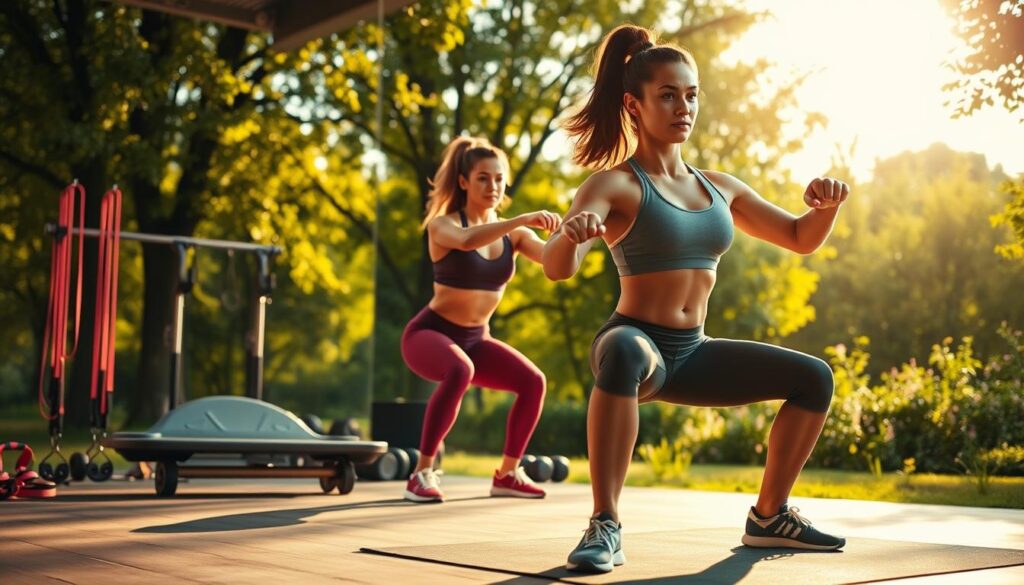
- Squats or lunges: Train the legs and hips.
- Deadlifts or hip hinges: Strengthen the glutes and muscles along the back of the body.
- Push-ups or chest presses: Work the upper body.
- Rows: Strengthen the back and arms.
Beginners can start with 1–2 sets of 8–12 controlled repetitions. More experienced lifters can follow their established training program.
When sets become comfortable, gradually add repetitions, resistance, or another set. This is called progressive overload, and it supports strength development regardless of menstrual phase.
Cardio and recovery
Running, swimming, cycling, and bodyweight circuits also fit well here. Try one challenging cardio session if your fitness allows, but keep easier days between demanding workouts.
Resistance bands can provide a simple alternative to dumbbells for home strength exercises. However, squats, wall push-ups, and other bodyweight movements work without purchasing equipment.
Whatever the phase, allow your muscles time to recover and avoid suddenly increasing both workout volume and intensity.
3. Best Workouts Around Ovulation
Ovulation occurs when an ovary releases an egg. Estrogen is typically high shortly beforehand, followed by changes in several hormones.
Some people feel stronger or more motivated near ovulation, while others experience bloating, headaches, or one-sided pelvic discomfort called mittelschmerz.
If you feel particularly ready for exercise, you might choose:
- HIIT: Short demanding intervals separated by easier recovery periods.
- Heavier resistance training: Challenging but controlled lifts within your existing ability.
- Speed work: Brief running or cycling intervals with adequate rest.
- Sports practice: Skill drills, agility work, or recreational competition.

Do you need special injury precautions?
Some research has investigated whether hormonal changes influence ligament stiffness or knee injury risk. However, evidence remains mixed, and ovulation alone does not establish that you are more likely to get injured.
Good training habits matter throughout the month:
- Warm up before lifting, sprinting, or jumping.
- Practice controlled landings and proper exercise technique.
- Increase weights gradually rather than attempting sudden personal records.
- Stop or modify movements that cause pain.
If ovulation is uncomfortable, replace high-impact activity with an easy walk, gentle cycling, or rest. There is no need to schedule your hardest workout around ovulation.
4. Best Workouts During the Luteal Phase
The luteal phase begins after ovulation. Progesterone rises and body temperature may increase slightly. Later, estrogen and progesterone fall if pregnancy does not occur.
During the final days before a period, some people experience premenstrual syndrome (PMS), including tiredness, bloating, headaches, irritability, or changes in sleep.
These symptoms can make workouts feel harder, but they do not mean everyone needs to reduce training throughout the luteal phase.
Early luteal phase: maintain your routine
If you feel comfortable, continue regular strength and cardio sessions. Moderate lifting, jogging, swimming, and cycling remain appropriate.
Pay attention to how hard exercise feels. A familiar workout requiring unusually high effort may signal that you need lighter resistance or more rest that day.
Late luteal phase: adjust when symptoms appear
When PMS affects your comfort, try:
- Walking for 20–30 minutes.
- Gentle yoga or Pilates.
- Moderate cycling or swimming.
- Light resistance training with fewer sets.
- Rest days when sleep or fatigue is particularly troublesome.

Hydration and temperature control
Because body temperature regulation can change during the luteal phase, hot workouts may feel less comfortable for some people.
Train in a cooler environment when possible, wear breathable clothing, and drink fluids according to activity, sweat loss, and thirst.
Electrolyte drinks may help during prolonged, very sweaty exercise, but they are not automatically necessary for ordinary workouts or PMS-related bloating.
How to Start Cycle Syncing Your Fitness Routine
You do not need a complicated app or expensive tracker. A notebook or calendar can help you discover whether symptoms affect your exercise habits.
Step 1: Track your cycle
Record the first day of bleeding as day one. Each day, note:
- Bleeding level and cramps.
- Energy and mood.
- Sleep quality.
- Workout type and duration.
- Weights, repetitions, pace, or distance.
- How difficult your workout felt.
Step 2: Rate workout effort
Use a simple 1–10 rating of perceived exertion (RPE). A score of 3 means easy effort, 5–6 feels moderate, and 8–9 feels very demanding.
Compare effort with actual performance. Feeling tired does not always mean your strength or endurance has decreased.
Step 3: Review patterns after 2–3 cycles
Look for repeated trends rather than making decisions from one difficult day. Consider whether cramps, poor sleep, work stress, or training overload explain changes.
If you want additional tracking ideas, this cycle-syncing starter guide offers another approach to organizing your observations.
Sample Menstrual Cycle Workout Planner
This example shows how a person who exercises regularly might adjust an existing routine. It is not a mandatory four-week training schedule.
Menstrual days: flexible movement
- Day 1: Rest or a comfortable 15-minute walk.
- Day 2: Gentle stretching or yoga.
- Day 3: Light strength training if symptoms allow.
- Days 4–5: Return to normal activity when ready.
Follicular days: build gradually
- Two or three strength sessions using major muscle groups.
- One moderately challenging cardio workout.
- Easy walking, cycling, or mobility between demanding sessions.
Around ovulation: train according to readiness
- One strength or interval session if you feel energetic.
- A normal cardio or sports session.
- Easy movement or rest for recovery.
Luteal days: stay active and adapt
- Continue your usual training when comfortable.
- Replace one demanding session with moderate exercise if PMS develops.
- Allow extra recovery when symptoms or sleep problems interfere.
Across all phases, the CDC’s adult physical activity guidance recommends at least 150 minutes of moderate aerobic activity weekly, or an equivalent amount of vigorous activity, plus muscle-strengthening exercise on at least two days.
These are general weekly goals. Build toward them gradually if you are starting out, and adjust the schedule to your health and abilities.
Nutrition and Recovery Tips for Every Phase
Nutrition supports fitness throughout the menstrual cycle. You do not need a different diet, exact carbohydrate-to-protein ratio, or automatic calorie increase for each phase.
During your period
Include iron-rich foods such as lentils, beans, fortified cereals, lean meats, and leafy greens. Vitamin C foods, including oranges and bell peppers, help your body absorb plant-based iron.
If you have heavy periods, persistent tiredness, or reduced exercise tolerance, ask your clinician whether iron testing is appropriate rather than taking iron supplements automatically.
During higher-intensity training
Eat enough carbohydrate-rich foods for energy and protein-containing foods to support muscle recovery. For example, try yogurt with fruit, eggs with toast, or rice with beans after exercise.
What matters most is meeting your overall nutrition needs, not following an exact post-workout snack ratio.
When PMS affects appetite
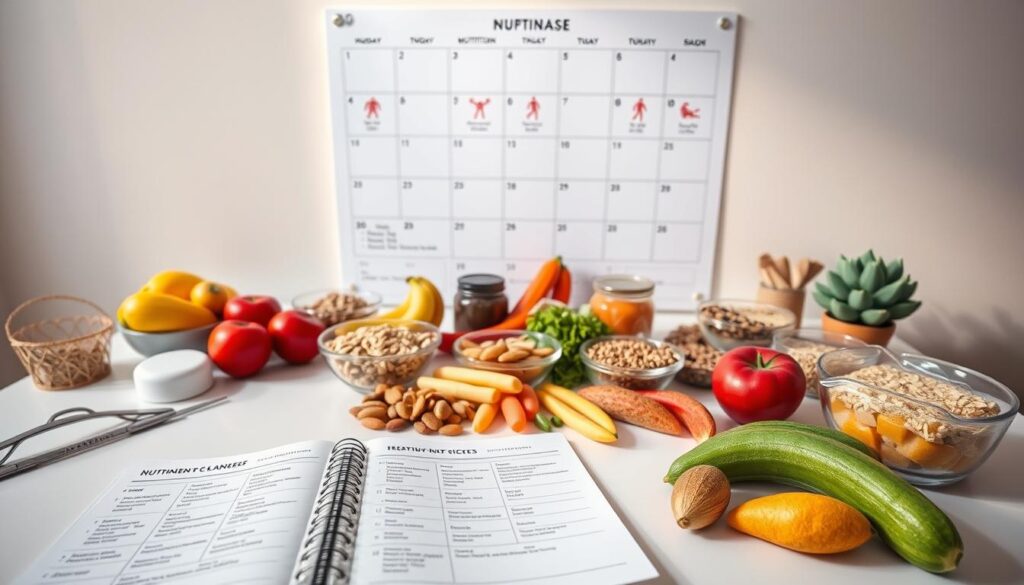
Choose satisfying regular meals, high-fiber carbohydrates, protein, and nutritious snacks. Oats, pumpkin seeds, fruit, vegetables, and nuts can fit into a balanced diet.
Adjust food intake to your actual hunger and activity. There is no established requirement to increase calories by a fixed percentage during the luteal phase.
Recovery habits that matter every week
- Aim for 7–9 hours of sleep if you are an adult.
- Schedule recovery between demanding strength sessions.
- Drink enough fluids, especially during exercise in hot conditions.
- Include easy movement and mobility if they help you feel comfortable.
- Eat enough to support your activity rather than repeatedly training under-fueled.
When Cycle-Based Training Needs Extra Care
Hormonal birth control: Pills, patches, rings, implants, hormonal IUDs, and injections can affect natural hormone patterns differently. A withdrawal bleed on some contraceptive schedules does not necessarily represent a natural menstrual phase. Adjust workouts according to symptoms and readiness rather than calendar predictions.
PCOS, endometriosis, PMS, or PMDD: Symptoms can vary significantly. Regular activity may support well-being, but strict cycle schedules are not established treatments for these conditions. Work with a clinician when symptoms disrupt everyday life.
Endurance athletes: Pay attention to sufficient food intake, recovery, and possible iron deficiency, especially with heavy bleeding. Avoid making major training changes before important events without a clear reason.
Missed or irregular periods: If menstruation stops unexpectedly, fatigue persists, or performance declines alongside restrictive eating or heavy training, seek medical evaluation. Low energy availability can affect hormonal and bone health.
Frequently Asked Questions
Can you lift heavy weights during your period?
Yes, if you feel well and have no condition limiting exercise. Menstruation itself does not require you to stop heavy lifting. Reduce the load or rest if pain, dizziness, or fatigue makes training difficult.
Does cycle syncing improve strength and weight loss?
There is not enough reliable evidence that strict phase-based workout schedules produce greater strength gains or weight loss. Consistent exercise, progressive training, sufficient nutrition, and recovery remain more important.
Is HIIT safe during the luteal phase?
Generally, yes for someone accustomed to HIIT. You do not need to avoid intense exercise simply because you are in the luteal phase. Modify the workout when heat, cramps, fatigue, or other symptoms affect your comfort.
Which menstrual cycle tracking app should I use?
Clue, Flo, or a simple calendar can help record cycle dates and symptoms. Workout logs can be kept in a fitness app or notebook. Choose a method that is easy to maintain, check its privacy settings, and remember that predicted ovulation dates are estimates.
How long does it take to notice useful patterns?
Tracking for two or three cycles may help you recognize repeated symptoms or changes in exercise comfort. Some people need longer, and others find no predictable pattern. Tracking does not guarantee faster fitness gains.
When should you seek medical care?
Seek evaluation for severe or worsening pelvic pain, unusually heavy bleeding, persistent fatigue, or missed periods. Heavy bleeding with faintness, severe dizziness, or shortness of breath needs prompt medical attention.
Conclusion: Let Your Body Guide Your Training
The best workout for each menstrual cycle phase is one that matches your abilities, goals, and how you feel that day.
You may prefer walking or yoga during painful periods, strength training when energy improves, demanding workouts around ovulation, and easier movement when PMS interferes. But there is no need to force yourself into that pattern.
Start with a consistent fitness plan, track symptoms for a few cycles, and make small adjustments only when they genuinely help. Long-term progress comes from regular movement, sensible training increases, adequate nutrition, and recovery—not perfect hormone-based scheduling.




Don’t Miss These Picks