


Curious how one bowl can deliver big flavor, steady energy, and up to 60 grams of muscle-friendly fuel without fuss? That question drives this guide. It shows simple techniques and smart swaps that let you build satisfying dishes quickly.
We promise straightforward steps: blend low-fat cottage and Parmesan into a creamy base, choose chickpea or lentil noodles when you want extra grams per serving, and add lean chicken, shrimp, or Greek yogurt to boost totals. These moves cut calories while keeping fullness high.
Plan a week with 15 easy options, a 20-minute roadmap for busy nights, and clear storage tips. Keep leftovers refrigerated 3–4 days; many high-protein bowls don’t freeze well. Cook noodles al dente, reserve a splash of cooking water, and finish with greens and herbs to balance texture and fiber.
Key Takeaways
- Simple base: blend cottage and 2% milk or yogurt for creamy sauce with more grams per serving.
- Smart swaps: choose chickpea or lentil noodles to boost protein without heavy sauces.
- Fast execution: 20-minute finish, batch cook, and mix with chicken or beans.
- Storage tips: refrigerate 3–4 days; freezing may make textures mushy.
- Plate balance: cook al dente, save pasta water, and add greens for color and fiber.
Why Protein Pasta Belongs in Your Weekly Meal Prep
Protein-focused bowls keep you fuller, steadier, and energized between days. With the right noodles and add-ins, you can hit high protein targets without heavy sauces or extra calories.
A mix of whole wheat and legume-based noodles raises grams per serving. Whole wheat gives about 7 grams per standard serving. Chickpea and lentil options offer roughly 13–15 grams, which changes how a dish performs across the day.
Reader favorites that pair lean chicken or shrimp with a light cottage cheese sauce often deliver 37–60 grams protein per serving while keeping calories in check. These builds reheat well; store in the fridge 3–4 days and warm gently with a splash of water or milk.
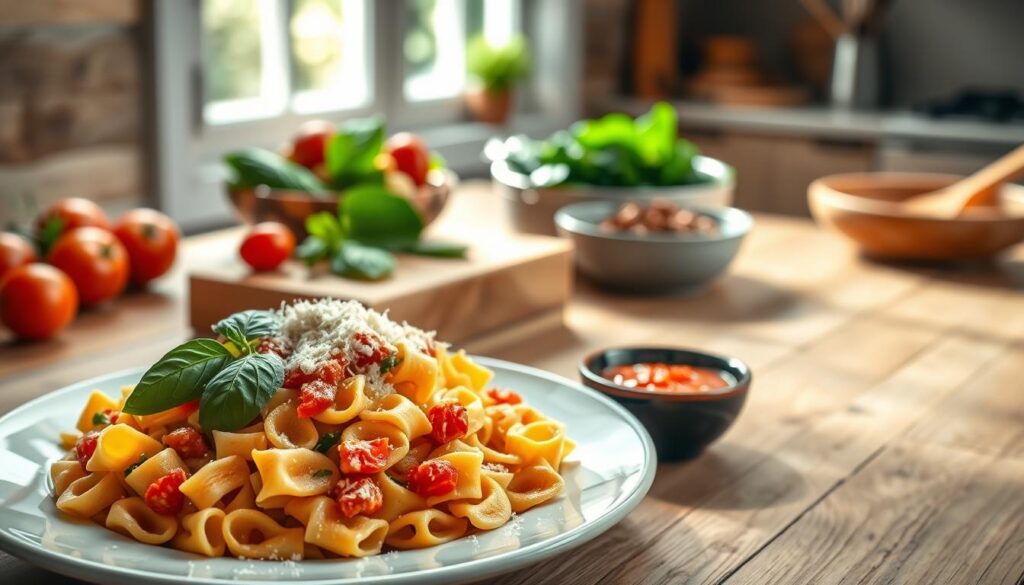
| Noodle type | Typical grams | Best pairing |
|---|---|---|
| Whole wheat | ~7 g | Veggies, lean turkey |
| Chickpea | 13–15 g | Chicken, cottage cheese |
| Lentil | 13–15 g | Shrimp, pesto |
- Batch once, rotate sauces: Make a base and build several recipe variations.
- Satiety: Fiber-rich noodles plus protein and veggies slow digestion and curb hunger.
- Flavor tip: A grind of black pepper and fresh herbs gives restaurant-worthy taste without extra calories.
If you want a quick primer on simple ways to include legumes and lean add-ins, see this short guide to include protein pasta in your meals.
What Makes a Pasta Dish “High-Protein” Today
High-protein status hinges on two simple levers: the noodle baseline and the add-ins. Choose legume-based noodles or stack lean and dairy-based toppings to hit higher grams without heavy fat.
The noodle choice matters: whole wheat gives about 7 grams per 2 oz dry, while chickpea or lentil options reach roughly 13–15 grams.
Choosing high-protein noodles
Pick chickpea or lentil options when you want a higher baseline. Whole wheat remains a solid, familiar choice if you prefer a milder taste.
Adding concentrated sources
Layer lean chicken, turkey, shrimp, tofu, or beans. Stir cottage cheese or Greek yogurt into a light sauce to boost totals fast. These add-ins raise overall grams while keeping the dish balanced.
Building a balanced plate
Include vegetables like spinach, broccoli, or peppers for fiber and color.
Add a small amount of healthy fat for satisfaction and nutrient absorption. Use garlic and fresh herbs, and reserve a splash of pasta water to emulsify sauces.
| Element | Example | Typical impact (grams) |
|---|---|---|
| Noodle type | Whole wheat / Chickpea | ~7 g / 13–15 g |
| Lean add-ins | Chicken, shrimp, tofu | 15–30 g extra |
| Dairy boost | Cottage cheese, Greek yogurt | 8–12 g per serving |
Want recipe ideas and tested builds? See best high-protein pasta recipes to adapt flavors while keeping macros on target.
15 Easy Protein Pasta Options by Craving
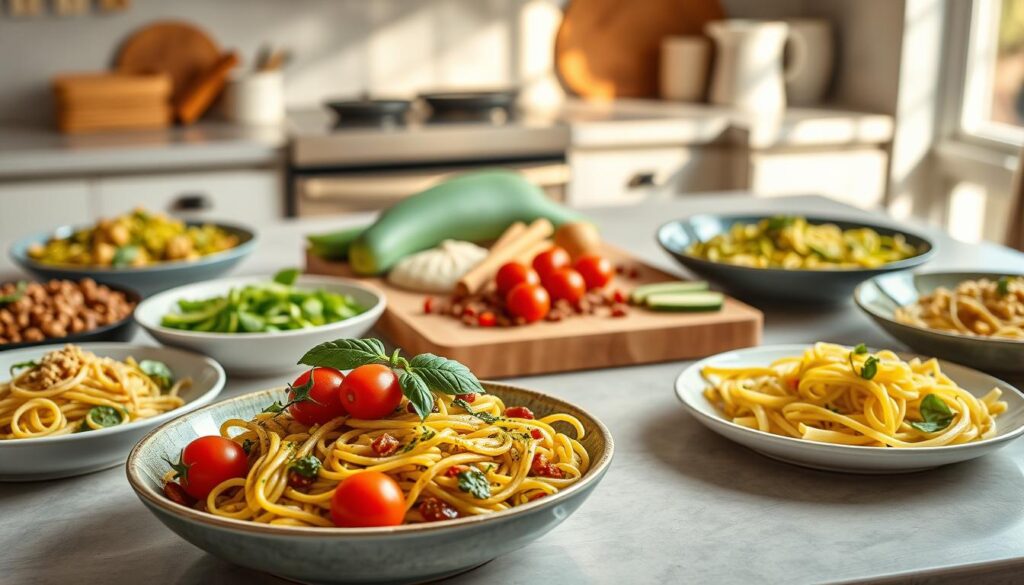
Pick a craving—creamy, zesty, meaty, or plant-forward—and choose among 15 quick, batchable builds. Each option uses a higher-base gram source and a lighter sauce so portions stay filling without heaviness.
Pick one of the themed groups below and swap a base or veggie to change texture and color. Sneak in zucchini ribbons or extra tomatoes to boost volume and vitamins.
Chicken favorites
- Creamy sun-dried tomato chicken (~40g)
- Chicken sausage with spinach and mushrooms
- Ranch chicken with broccoli — simple and quick
Beef and turkey
- Cheesy taco skillet — weeknight comfort
- Lightened-up hamburger helper with ground turkey
- Healthy baked ziti using lean turkey
Seafood picks
- Creamy Cajun shrimp bowl
- Lemon-garlic shrimp in a bright sauce
Vegetarian & vegan
- Protein mac & cheese (~25g)
- Creamy vegan veggie option (~17g)
- Herby vegan pesto and vegan bolognese
Salads and skillets
- Chicken Caesar pasta salad (~23g per cup)
- Buffalo chicken salad — portable and bold
- Ground beef pasta skillet with spinach and tomatoes — 30-minute dish
Protein Pasta for Meal Prep: How to Plan, Batch, and Store
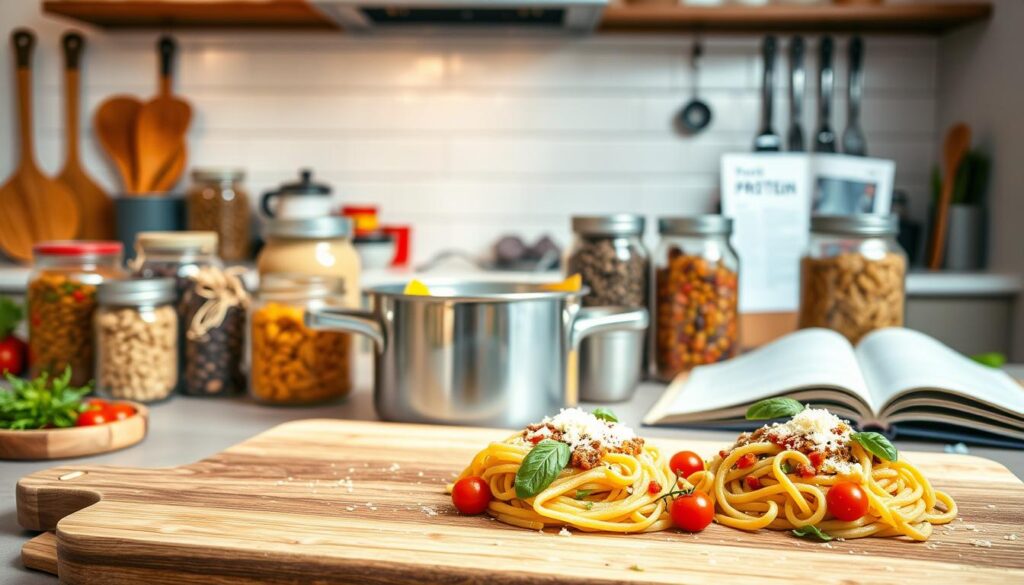
A single cook session can yield three very different bowls with minimal fuss. Plan a basic base, stagger cooking tasks, and finish each portion with different sauces or veggies to keep variety high and fridge boredom low.
Batching strategy: cook once, build multiple flavor profiles
Batch cook a base, then split into 2-3 variations so you don’t eat the same bowl all week. Boil a large pot of noodles and grill or roast seasoned chicken separately. Hold sauces back and add them just before serving to keep texture bright.
Scheduling tips: present-week timing to keep pasta al dente
Cook on Sunday and again midweek (Wednesday) to keep texture and taste fresh. Refrigerate each container and label by date. Most high-protein dishes last 3-4 days in the fridge; avoid freezing if you want the best bite.
Portioning: cups, servings, and grams protein per serving
Store smart: 3-4 days in the fridge is the sweet spot; reheat gently with liquid to revive texture. Use a measuring cup to portion consistent servings and label each with target grams protein (a single batch can deliver 37–60g per serving).
- Build a flow: boil pasta, cook proteins, keep sauces separate for last-minute mixing.
- Portion precisely: measure cups and label servings by grams to hit your targets.
- Rotate and store: divide into three containers and vary veggies and sauces across days to keep interest high.
- Reheat tip: add a spoon of water or milk, then warm on low to protect texture.
| Item | Example | Notes |
|---|---|---|
| Timing | Sunday + Wednesday | Best texture across the week |
| Fridge window | 3–4 days | Label and rotate first in, first out |
| Protein target | 37–60 grams per serving | Measure and label each cup-sized portion |
Want tested builds and inspiration? Check these high-protein pasta recipes to mix into your weekly rotation.
Ingredient Game Plan: Proteins, Sauces, Veggies, and Pantry Staples
Stock the essentials to make any bowl in minutes. With the right ingredients on hand, dinner decisions become assembly, not effort. Lean proteins, bright aromatics, and creamy add-ins keep your pasta satisfying yet light.
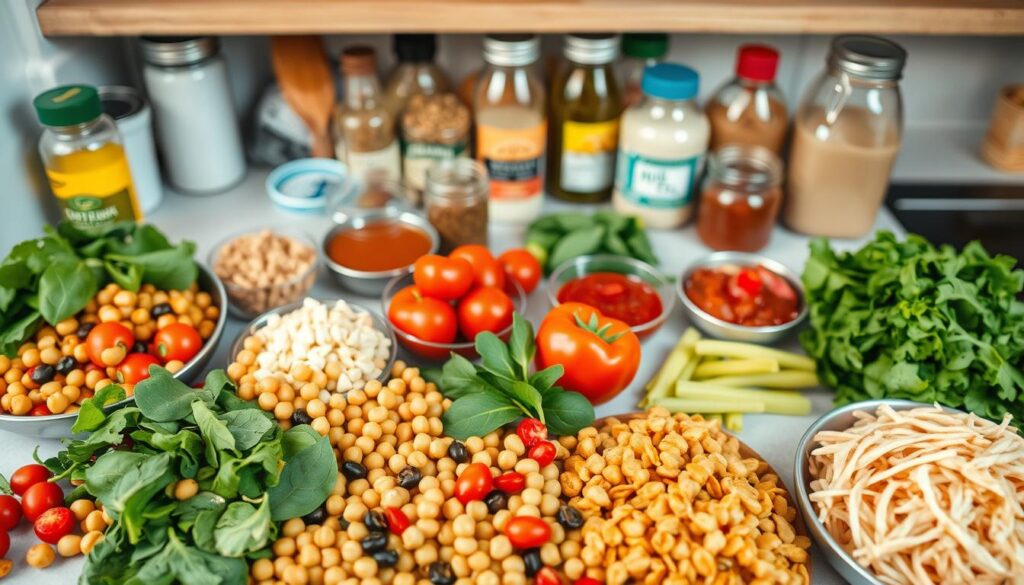
Keep flexible proteins ready: roast or grill chicken breasts or thighs, brown ground turkey, and thaw shrimp. Toss a can of chickpeas or a block of tofu into salads or warm skillets when time is tight.
Use aromatics wisely: sauté garlic and onion first to build a savory base. Add sun-dried tomatoes, basil, or Cajun/Italian seasoning to lift simple tomato or herb sauces with big flavor.
- Choose sauce boosters: blend low-fat cottage cheese or Greek yogurt with grated Parmesan to get a creamy texture without heavy cream.
- Include healthy fats: a drizzle of olive oil helps carry herbs and spices and improves satiety.
- Mix vegetables through the week: rotate leafy greens, broccoli, and peppers to add fiber, color, and volume.
- Rely on pantry staples: dried pasta, canned tomatoes, spices, and long-lasting aromatics keep weeknight cooking simple.
Need quick builds and tested swaps? Try this collection of easy recipes to rotate through the week: five high-protein make-ahead ideas.
Creamy High-Protein Sauces Using Cottage Cheese
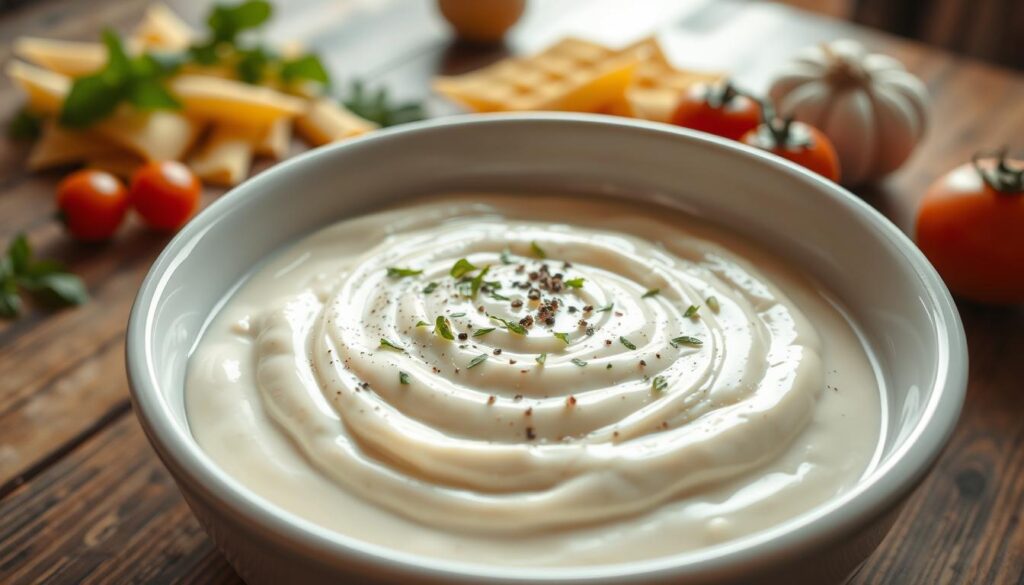
Blend cottage cheese, milk, parmesan, and garlic for a silky, high-protein base. It’s creamy, fast, and incredibly versatile for weeknights.
Transform a 16-ounce tub of low-fat cottage into a velvety sauce in minutes with just a few staples. In a blender, combine the 16-ounce container, 1/2 cup milk, 1/2 cup grated Parmesan, and a clove of garlic. Blend until smooth.
Blender method: cottage, milk, Parmesan, garlic
Use a blender for an ultra-smooth texture that rivals cream sauces with less fat. Blend until silky, then taste and adjust salt or pepper.
Add-ins that lift flavor
Adjust with lemon, chopped tomatoes, herbs, and a pinch of crushed red pepper to change the profile without altering the base method. Fold in sun-dried tomatoes or a splash of marinara for a pink sauce.
Spinach and quick veggies: wilt-in technique
Finish in the pan: add the sauce to drained noodles and thin with a small cup of reserved water so it clings. Stir in spinach and wilt just until bright green. Top with basil and extra grated cheese.
- Scaleable: this recipe holds well for reheating with a splash of milk or water.
- Quick variations: lemon zest + juice brightens; crushed red pepper adds heat.
Quick Cooking Guide for Perfect Meal-Prep Pasta
Follow a tight sequence—boil, brown, blend, and toss—to keep texture and flavor consistent across the week. This short guide focuses on timing and a simple skillet finish that translates well to batch cooking.
Cook to al dente and reserve cooking liquid
Bring a large pot of generously salted water to a boil. Cook pasta according to package directions just to al dente.
Always reserve a cup of cooking liquid. It thins the sauce and helps it cling.
Skillet sequencing: brown, add sauce, then add pasta and veggies
Heat a skillet over medium-high and sear seasoned chicken in a little oil until golden. Turn off the heat to rest the protein briefly.
In a blender, combine low-fat cottage cheese, Parmesan, 2% milk, and a clove of garlic. Pour the blend into the skillet with sun-dried tomatoes.
Warm gently over low heat—keep the heat low so the sauce stays smooth. Add pasta, then fold in spinach and basil. Use the reserved cup of water to adjust consistency and help the sauce emulsify.
Timing and seasoning tips
- For texture that lasts through the week, cook pasta according to package directions just to al dente. Always reserve some pasta water.
- In a skillet, brown protein first, fold in sauce, then add pasta and vegetables to finish over low heat.
- Salt the boiling water well so the noodles are seasoned from the inside.
- Sear protein in oil to build browned bits; deglaze with a splash of reserved water or stock to lift flavor.
- Move quickly in the final minutes: add pasta, toss with sauce, and finish with greens so they stay bright.
- Taste and adjust seasoning at the end—more garlic or fresh herbs can balance the dish.
Storage and Reheating: Keep Texture and Flavor for Days
Cool quickly and portion smartly—this prevents steam build-up and keeps bites bright. Store cooked bowls in airtight containers and label them so you know what to use first.
Cool shallow containers on the counter until warm, then move to the fridge. Refrigerate leftovers in airtight containers and use within 3–4 days. This timeline helps maintain texture and safety.
How to reheat without drying or breaking the sauce
When you reheat, add a spoonful of water or a splash of milk. Warm gently in a skillet over low heat and stir until the sauce loosens and coats the noodles evenly.
Microwaves work in a pinch: cover loosely, heat in 30–45 second bursts, and stir between intervals to avoid hot spots and uneven heat.
Can you freeze high-protein dishes?
Many high-protein pasta dishes don’t freeze well; thawing often makes textures mushy. If you must freeze, keep sauce and noodles separate and expect some trade-offs when thawed.
- Store cooked pasta in airtight containers for 3–4 days. Reheat gently to keep sauces creamy and noodles intact.
- Many high-protein pastas don’t freeze well; thawing can turn them mushy.
- Transfer to shallow containers so food cools quickly and evenly before refrigeration.
- When reheating, add a spoonful of water or milk and warm over low heat, stirring to revive the sauce.
- Skillet reheating gives better control over texture than high microwave settings.
- Avoid overcooking on reheat; excessive heat can cause separation or rubbery protein.
- If you must freeze, keep sauce and noodles separate, but expect texture trade-offs.
- Label containers with date and meal type to plan your week easily.
For more detailed storage tips, see this short guide on storage tips. If you want ideas that support gut comfort while reheating and storing, consider the gut-healing benefits of soothing broths as a serving option.
Nutritional Snapshot: Calories, Protein, Fiber, and Fat
This snapshot shows key numbers—calories, grams of macronutrients, and fiber—so you can portion with confidence. Use these benchmarks to match appetite, training needs, and weekly goals.
Protein per serving varies across builds. Expect 37–60 grams protein per serving from the recipes shown. A high-end example with Cajun chicken and a cottage cheese sauce lands near 543 calories, with about 48 grams carbs, 16 grams fat, and 11 grams fiber.
Calories and balance
Target filling, not heavy. The vegetarian option typically provides ~37 grams protein and sits near 432 calories per serving. Adjust fats and sauce volume to avoid sluggishness.
Fiber from legumes and vegetables
Legume-based noodles (about 13–15 grams from chickpea options) plus spinach and broccoli lift fiber and satiety. Use parmesan sparingly to add savory depth with modest extra calories.
- Drivers: grams vary by noodle choice, added protein, and cheese.
- Balance tip: pair high protein with fiber and keep fats moderate for steady energy.
- Portioning: label per serving values so grams and calories stay consistent across the week.
- Adjustments: add or remove a spoon of sauce, a handful of vegetables, or a small extra portion of protein to hit targets.
| Build | Protein (g) | Calories | Fiber (g) |
|---|---|---|---|
| Cajun chicken + cottage cheese | 60 | ~543 | 11 |
| Vegetarian (chickpea base + greens) | 37 | ~432 | 8–10 |
| Typical legume-based bowl | 37–50 | 430–520 | 7–11 |
Chicken Protein Pasta Ideas You Can Make in Minutes
Two quick chicken bowls deliver big flavor and stay fridge-friendly for 3–4 days. Pick a Cajun skillet with sun-dried tomatoes or a cozy sausage and mushroom finish—both come together fast and reheat cleanly.
Cajun chicken with sun-dried tomatoes and basil
Make a Cajun chicken bowl with sun-dried tomatoes and basil using a creamy, blended sauce. Brown chicken in a skillet, bloom garlic and cracked pepper, then fold in a blended cottage cheese sauce with spinach and basil.
This build reaches up to 60 grams protein per serving when you pair legume noodles with generous chicken portions.
Chicken sausage with mushrooms and creamy goat cheese finish
Or go with chicken sausage, mushrooms, and a tangy, creamy finish—weeknight-friendly and big on comfort. Sauté sausage and mushrooms about 25–30 minutes total, stir in goat cheese or parmesan to finish, and toss with drained noodles.
Keep the sauce silky by adding pasta water gradually and avoiding high heat. Sun-dried tomatoes add concentrated sweetness that balances Cajun spice.
- Skillet steps: brown protein, add aromatics, fold in sauce, then toss with pasta and herbs.
- Reheat: warm gently with a splash of water or milk to revive texture.
- Scaling: this pasta recipe scales easily for weekly lunches or quick dinners.
- Try a tested variation like high-protein chicken fajita pasta for bold spice and hands-off assembly.
| Build | Time (minutes) | Finish |
|---|---|---|
| Cajun chicken + cottage blend | 20–25 | Spinach, basil, sun-dried tomatoes |
| Chicken sausage + mushrooms | 25–30 | Goat cheese or parmesan finish |
| Batch tips | Cook once, mix twice | Reheat with splash of water; keeps 3–4 days |
Seafood and Vegetarian High-Protein Pasta Variations
Bright lemon-garlic shrimp makes a 30-minute scampi-style bowl that feels fresh and light. Plant-forward options—like nut-based pesto and creamy cashew sauces—offer a satisfying, meatless alternative with solid grams per serving.
Garlic-lemon shrimp scampi-style
Sauté shrimp in olive oil, then add minced garlic and a splash of lemon. Toss with drained noodles and a handful of vegetables, like spinach or spiral zucchini, to add volume without extra time.
Want more comfort? Make a one-pot creamy Cajun shrimp version that warms through quickly and stores well for 3–4 days.
Plant-powered: vegan pesto and creamy cashew-style sauces
Use a pesto built from nuts, seeds, and a can of white beans to boost grams and texture. Or simmer a cashew-based sauce until silky and finish with herbs to deepen flavor.
Vegan bolognese and veggie-loaded bowls let you rotate plant proteins while keeping variety high. Leftover shrimp or a scoop of peas changes the profile in seconds.
- Quick tip: spiral zucchini or fold in greens to raise fiber and volume with little prep time.
- Technique: sauté shrimp in olive oil, add lemon and garlic, then toss with sauce and vegetables.
- Flexibility: switch between seafood and plant builds across the week to keep your rotation interesting.
| Variation | Time (min) | Key add-ins |
|---|---|---|
| Garlic-lemon shrimp scampi | 30 | Lemon, garlic, spinach, zucchini |
| Creamy Cajun shrimp | 25–30 | Cajun spice, sun-dried tomatoes, spinach |
| Vegan pesto / cashew sauce | 20–30 | Nuts/seeds, white beans, basil, peas |
Swaps and Dietary Tweaks Without Losing Protein
Small swaps can keep your macros steady while making dishes easier to eat across the week. Choose alternatives that preserve totals and keep texture reliable.
Use chickpea or lentil bases to stay gluten-free while maintaining high-protein pasta results. These legume noodles deliver about 13–15g per serving and hold well in hand-packed lunches.
Gluten-free: choose chickpea or lentil.
Stay gluten-free by choosing chickpea or lentil noodles while keeping your protein goals intact. Chickpea holds its shape in the fridge and offers extra grams compared with wheat.
Lighter dairy choices: low-fat cottage cheese and 2% milk
Lighten the sauce with low-fat cottage cheese and 2% milk to reduce fat without sacrificing creaminess. Blend until smooth and warm gently so the sauce stays silky.
- Prioritize texture: chickpea types keep firmness through storage.
- Expect similar per serving outcomes when you portion protein consistently across swaps.
- Keep sauces adaptable: the same base works with dairy or dairy-free alternatives.
- Adjust seasoning and salt by brand; sauces cling differently to legume noodles.
- Use gentle heat to keep lighter sauces smooth and stable.
- Track fat by measuring oil and cheese so totals match daily targets.
Budget and Grocery Shortcuts for Busy Weeks
Save time and cash by building dinners around rotisserie chicken, canned chickpeas, and frozen vegetables. These staples cut hands-on time and keep dishes flexible when plans change.
Rotisserie chicken, canned chickpeas, and frozen veggies to the rescue
Use store-bought helpers like rotisserie chicken and canned chickpeas to cut costs and time. Shred chicken into sauces or salads to boost savory flavor without extra cooking.
Keep frozen vegetables and pantry aromatics on deck to turn any night into an easy meal. Sauté an onion in olive oil to create a fast flavor base that upgrades jarred or canned components.
- Rinse canned chickpeas and fold into hot pasta for instant texture and plant protein.
- Lean on frozen vegetables to avoid waste and speed weeknight assembly.
- Shop the sales cycle for noodles and shelf-stable tomatoes to keep costs predictable.
- Batch-cook once and stretch across three unique bowls with minimal effort.
For an easy shopping template and a compact list to rotate each week, see this weekly grocery list.
20-Minute Meal-Prep Roadmap for This Week
In 20 minutes, you can batch a full week’s base: boil, sear, blend, and toss. Finish with herbs and portion neatly so dinners stay grab-and-go all week.
This quick sequence keeps texture bright and lets you hit consistent serving targets. Start a pot, heat a skillet, and use a blender while the noodles cook. Reserve one cup of cooking water to loosen the sauce.
- Step 1 (5 minutes): Bring salted water to a boil and cook pasta according to package directions until al dente; reserve one cup before draining.
- Step 2 (6 minutes): In a skillet, sear seasoned chicken in a touch of olive oil. Add garlic and cracked pepper, then lower the heat to rest the protein.
- Step 3 (3 minutes): Blend low-fat cottage cheese with Parmesan and 2% milk; thin with a little reserved water until pourable.
- Step 4 (4 minutes): Add pasta to the skillet, toss with sauce and sun-dried tomatoes, and use reserved water to adjust consistency so the sauce clings.
- Step 5 (2 minutes): Fold in spinach or greens, taste, and finish with fresh herbs, more pepper, or extra cheese.
Portion by serving size, label containers by day, and cool uncovered briefly before sealing. Stored in the fridge, these bowls keep 3–4 days; reheat gently with a splash of water or milk to revive texture. For wider planning tips, see this science-backed eating plan.
| Action | Time (minutes) | Key detail |
|---|---|---|
| Boil & cook | 5 | Reserve 1 cup water |
| Sear chicken | 6 | Olive oil, garlic, pepper |
| Blend sauce & toss | 7 | Cottage cheese, Parmesan, loosen with water |
| Finish & portion | 2 | Wilt greens, label containers |
Conclusion
Finish strong: one batch can yield varied, grab-and-go bowls that actually taste fresh. With a smart base, you can spin pasta into balanced, high protein bowls that store and reheat beautifully.
Keep the method simple. Use quality noodles, lean protein, a lighter creamy sauce, and vegetables to build consistent results. Swap ingredients and rotate recipes to avoid boredom.
Plan portions, label containers, and reheat gently with a splash of water or milk to revive the sauce. Pick one pasta recipe from the list and batch it today; you’ll feel the payoff at your next meal.
FAQ
What counts as a "high-protein" pasta dish?
A high-protein dish combines a protein-dense noodle or a standard noodle plus added protein so each serving delivers substantially more grams of protein than a typical pasta meal. Look for legume-based noodles (chickpea, lentil), whole-grain varieties, or add lean meats (chicken, turkey, shrimp), cottage cheese, Greek yogurt, or beans to hit 25–40+ grams per serving depending on your goals.
Which noodle types deliver the most protein and fiber?
Chickpea and lentil noodles are among the top choices for protein and fiber; whole-wheat and high-protein blended pastas also boost both. These options add satiety and micronutrients compared with refined white noodles, and they hold up well in salads and skillet recipes.
How can I add protein without changing the dish’s flavor?
Use neutral or complementary ingredients: shredded rotisserie chicken, canned tuna, tofu, or cottage cheese blended into a creamy sauce. Parmesan or cottage cheese mixed into sauces increases protein while preserving familiar flavors. Season carefully with garlic, onion, and herbs to keep the taste profile consistent.
Can I make creamy sauces high-protein without heavy cream?
Yes. Blend low-fat cottage cheese or Greek yogurt with a splash of milk and Parmesan for a silky, high-protein sauce. Add garlic, lemon, or sun-dried tomatoes for brightness. This method lowers fat and increases protein versus cream-based sauces.
What’s the best way to batch-cook and keep texture good for days?
Cook noodles just shy of al dente, cool quickly, and store in airtight containers with a small drizzle of olive oil to prevent sticking. Store mixed dishes 3–4 days in the refrigerator. Reserve some plain sauce or pasta water to refresh texture when reheating.
How should I reheat meals to avoid mushy noodles?
Reheat gently in a skillet with a splash of water, milk, or reserved pasta water; toss until just warmed. Microwaving on medium, stirring halfway, works—add a bit of liquid to restore silkiness. Avoid overheating; it breaks down noodle and vegetable textures.
Do legume-based noodles freeze well?
Legume noodles often change texture after freezing and thawing, becoming softer or a bit grainy. If you want freezer-friendly meals, assemble dishes with sturdier components (meat, sauce, frozen vegetables) and add cooked legume noodles after thawing or freeze portions without the noodles.
How many servings and grams of protein should I plan per container?
Aim for 1–1.5 cups cooked per serving and target 25–40 grams of protein depending on activity level. Measure protein sources: 3–4 oz cooked chicken (~21–28 g), 1 cup cottage cheese (~25 g), 1 cup lentil pasta (~18 g) and supplement as needed to reach your target.
What quick proteins work best for 20-minute meal rounds?
Thin-cut chicken breast, shrimp, ground turkey, canned chickpeas, and cooked rotisserie chicken are time-savers. Start the protein in the skillet while water boils, and blend a cottage cheese sauce during the pasta cook to finish within 20 minutes.
How can I make vegetarian or vegan versions without losing protein?
Use lentil or chickpea noodles, add tofu or tempeh, canned beans, or textured vegetable protein. For creamy vegan sauces, blend soaked cashews or silken tofu with nutritional yeast for a cheesy flavor and extra grams of protein and healthy fats.
Are there easy budget swaps that keep grams of protein high?
Yes. Opt for canned tuna or salmon, rotisserie chicken, canned chickpeas, and frozen vegetables. These staples are affordable, shelf-stable or frozen, and maintain a strong protein-to-cost ratio for weekly planning.
How do I balance calories and macros for a filling but not heavy meal?
Prioritize lean proteins and fiber-rich noodles or vegetables, moderate healthy fats (olive oil, small amounts of cheese), and control portions of starchy carbs. A balanced plate pairs roughly 25–40 g protein, a fist-sized portion of complex carbs, and a palm-sized serving of healthy fats for satiety without excess calories.

Don’t Miss These Picks