


Struggling with slowed digestion after starting a GLP-1 injection—can a few smart Kitchen swaps stop constipation without derailing weight loss?
This guide lays out a practical, dietitian-style roadmap to ease bowel symptoms while supporting long-term weight and health goals.
Expect short, actionable steps: hydration first, gentle fiber increases, lean protein and healthy fats, plus pacing and portion tips that respect a slower stomach. We’ll cover which pantry staples to favor and which to limit to avoid worsening nausea or reflux.
Plan to learn exact serving ideas, daily fluid and fiber targets, simple meal timing, and a one-day sample that fits a busy life. For context on how dietary advice is adapting to anti-obesity drugs, see updated guidance on dietary recommendations for weight-loss medications.
Key Takeaways
- Small, frequent meals and steady hydration help keep stools soft and reduce strain.
- Introduce fiber gradually and combine with fluids to avoid bloating or discomfort.
- Lean protein and healthy fats maintain muscle and satiety during calorie-controlled plans.
- Limit ultra-processed and high-fat triggers that can worsen GI side effects.
- Track symptoms, fluids, and meals; contact your clinician for red flags.
Why Wegovy Can Lead to Constipation and How Nutrition Helps
When a GLP‑1 agent slows stomach transit, digestion and stool consistency usually adjust too.
Slower gastric emptying reduces appetite and can lower overall fiber intake, so small, steady diet shifts help most people stay comfortable while keeping weight goals on track.
GLP‑1 receptor agonists slow how fast food leaves the stomach. That delay can harden stool and raise the chance of constipation as intake falls.
During dose titration the gut is adapting. Sudden diet overhauls often trigger nausea or bloating. Experts recommend gentle changes: smaller, more frequent meals and slower increases in fiber and fluids.
- Hydration first: extra fluids and timed sips soften stool.
- Fiber second: add soluble and insoluble types gradually to avoid gas.
- Balance meals: lean protein, healthy fats, and low‑GI carbs support blood sugar and steady energy.
Chew thoroughly and track symptoms as intake and dose change. For more practical tips on managing GI side effects while on this medication, see this helpful guide: Does it cause constipation?
Wegovy nutrition constipation-friendly foods
Build plates that support stool softness and steady energy with three simple anchors: fiber for bulk, fluids for softness, and lean protein for satiety and muscle support. Make small, gradual changes so digestion adapts without added bloating or nausea.
Build your plate around fiber, fluids, and lean protein
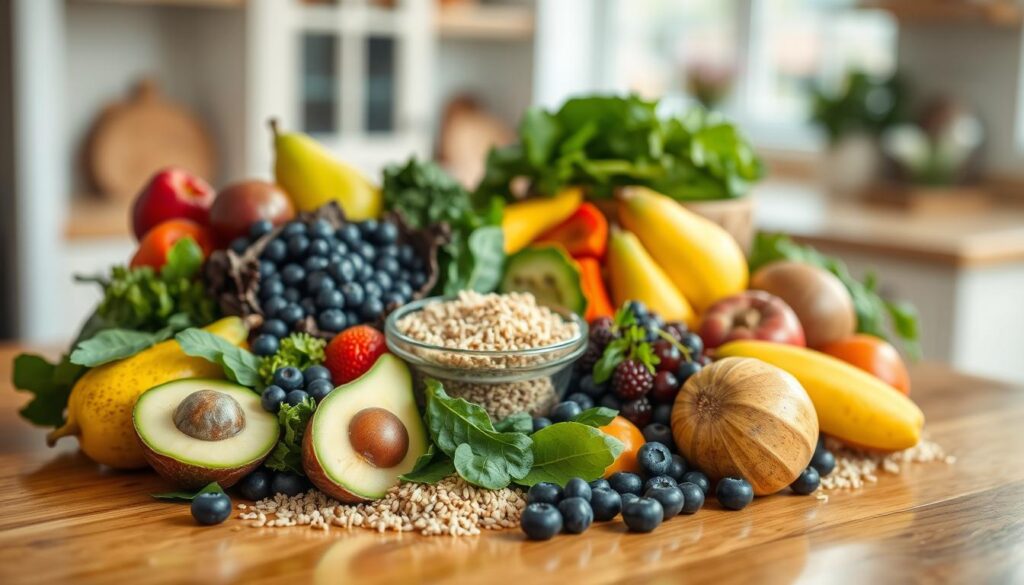
Start by picturing each plate as three practical anchors: bulk, fluids, and lean protein. Choose vegetables, fruits, whole grains, and legumes as primary sources of gentle fiber.
Pair those choices with clear fluids—water, herbal teas, or broths—to keep stool soft. Use lean protein such as skinless poultry, fish, or tofu to maintain strength and curb hunger without slowing digestion.
Start low, go slow: easing into higher-fiber choices
Increase fiber over 1–2 weeks and add one new fiber-rich item at a time. Begin with gentle options like oats, peeled apples, and cooked carrots, then layer in legumes and crucifers as tolerance allows.
Distribute fiber across meals rather than concentrating it at one sitting. Add a small drizzle of olive oil or a few nuts to help move things along without excess calories. Keep meals smaller and more frequent to match slower gastric emptying, and track stool form and frequency to fine-tune intake week by week.
- Tip: Choose low-GI grains such as quinoa or barley for steady energy when appetite varies.
- Tip: If you want a practical plan, see a helpful guide with meal ideas and side-effect strategies: complete food guide and meal ideas.
Hydration and Electrolytes: The First-Line Fix
Fluids are the quickest, safest step to ease slowed stools and many GI side effects. Targeted sipping and simple electrolyte choices keep stools soft, support weight goals, and protect overall health.
A steady sip routine beats dehydration and can reduce headaches and constipation without big diet changes.
Daily targets, smarter sips, and timing with meals
Make hydration your first-line constipation fix: aim for at least 8 glasses a day. Many people do better with 2–3 liters, especially in heat or with higher activity.
Keep a bottle near you and take small sips often rather than gulping. Time fluids 30–60 minutes before or after meals if nausea is a problem, or sip lightly during meals if that feels better.
Hydrating options beyond water: herbal teas, broths, and low-fat dairy
Unsweetened herbal teas, diluted broths, and low‑fat dairy or soy milk add gentle volume without extra sugar. Clear, non‑caffeinated choices are kinder on reflux-prone days.
- Tip: Add a pinch of electrolytes or choose low-sodium broth during diarrhea or heavy sweating to support blood and salt balance.
- Tip: Watch urine color—pale yellow usually means adequate intake.
- Tip: Pair any fiber increase with more fluids to keep stool soft and easy to pass.
- Tip: Limit alcohol while adjusting; it dehydrates and can worsen side effects.
- Tip: Log daily totals in an app to hit targets consistently throughout the day.
Constipation-Friendly Fiber: What to Eat and How to Titrate
A measured, stepwise increase in fiber helps most people avoid bloating and maintain regularity. Start low, move slowly, and pair each change with extra fluids so the gut can adapt comfortably.
Aim to build toward roughly 25–30 g/day for most adults, with women often targeting 21–25 g/day and men 30–38 g/day based on tolerance.
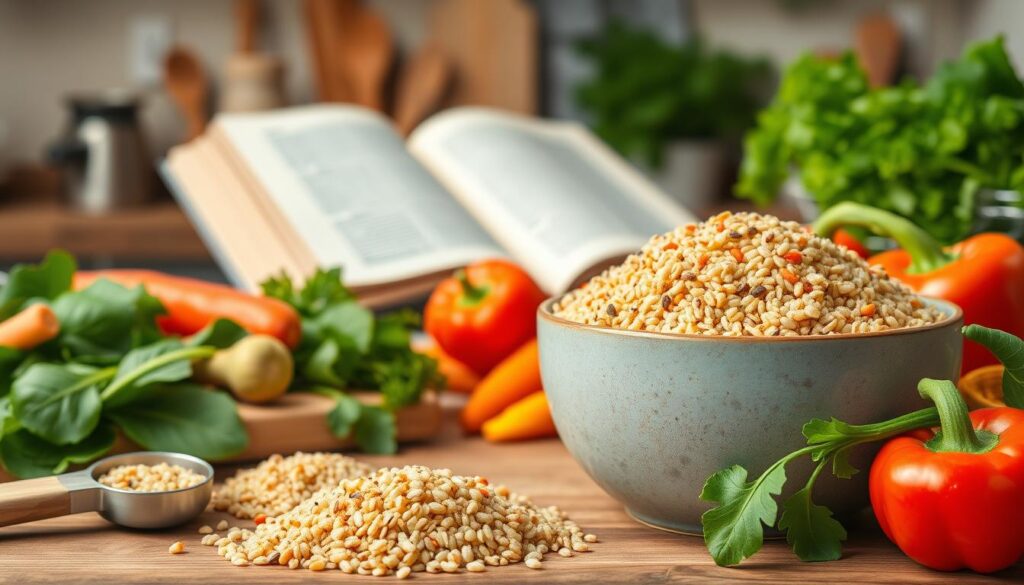
Gentle grains: oats, barley, and quinoa
Begin with soft, soluble options. Oats and barley soothe stool by holding water. Add quinoa for variety and protein support.
Fruit picks that move the needle: kiwi, berries, and peeled apples
Choose fruits that aid regularity. Kiwi contains enzymes that can help transit. Berries add gentle bulk and peeled apples add pectin without tough skins.
Veggies for volume without bloat: carrots, zucchini, broccoli
Cook vegetables until tender to lower gas. Start with carrots and zucchini, then try small portions of broccoli to see how you feel.
Legumes in small steps: lentils, chickpeas, and black beans
Introduce legumes slowly. Start with 2–4 tablespoons per serving and increase only when tolerance is good.
- Split fiber across meals to keep the gut comfortable and stool consistent.
- Pair every fiber bump with more fluids to avoid hardening.
- Consider ground seeds like flax or chia in small amounts for a fiber–fat synergy.
- Use a short food log to track which items help or cause bloating; pause increases if symptoms spike.
For broader gut support, consider pairing dietary steps with probiotics and fermented foods like in this guide: probiotics and fermented foods.
Lean Proteins That Support Satiety Without Slowing Digestion
Smart protein swaps give steady satiety while keeping meals gentle on the stomach. Focus on portioned, low-fat choices spread across the day to preserve muscle during weight loss and to reduce GI strain.
Aim for at least 0.8 g/kg/day of protein; higher intakes may help protect lean mass during calorie reduction.
Prioritize lean sources so you feel full on fewer calories and avoid heaviness. Choose lower-fat cooking: poach, bake, grill, or steam to reduce reflux and sluggishness.
Animal options: skinless chicken, turkey, and fish
Skinless chicken and turkey breast deliver high-quality protein with minimal fat. Fish like salmon, cod, or haddock add protein and omega‑3s; opt for poached or baked fillets on sensitive days.
Plant-forward choices: tofu, tempeh, and nut butters
Tofu and tempeh are gentle, versatile sources of complete protein and digest well when cooked simply. Nut butters provide concentrated calories—measure 1–2 tablespoons to balance satiety and energy needs.
- Spread protein across meals —target about 20–30 g per sitting to support muscle and steady appetite.
- Choose softer textures (silken tofu, poached fish) when digestion feels slow.
- Consider a low-sugar protein shake if appetite is low and daily protein goals are hard to reach.
| Protein Source | Typical Serving | Protein (g) | Best Cooking Method |
|---|---|---|---|
| Skinless chicken breast | 3 oz (85 g) | 25 | Bake, grill, poach |
| Salmon | 3 oz (85 g) | 22 | Bake, steam, grill |
| Firm tofu | 3 oz (85 g) | 8 | Pan-sear, bake, simmer |
| Tempeh | 3 oz (85 g) | 16 | Steam, bake, stir-fry |
| Almond butter | 1 tbsp | 3–4 | Use measured as spread |
Pair protein with fiber and a little healthy fat to stabilize blood sugar and extend fullness. For guidance on balancing plates and pH-friendly choices, see the alkaline vs acidic chart.
Healthy Fats to Lube the Gut—Without Overdoing Calories
Adding measured, quality fats can lubricate the gut and ease stool passage while keeping daily energy goals intact. Choose oils and whole‑food fat sources that support satiety and cardiometabolic health.
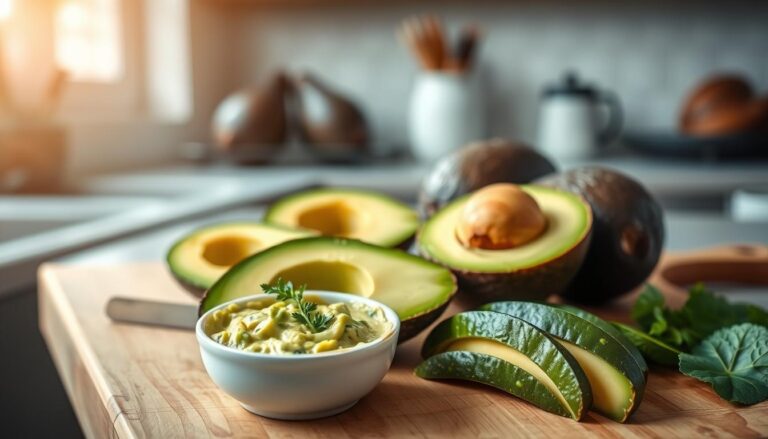
Olive oil, avocado, and oily fish add slip and anti‑inflammatory benefits without heavy cooking.
Include a measured drizzle of olive oil or a small slice of avocado to “grease the gears” without tipping calories too high. Choose omega‑3‑rich fish (salmon, trout, mackerel) 1–2 times weekly for anti‑inflammatory benefits and steady satiety that supports weight plans and overall health.
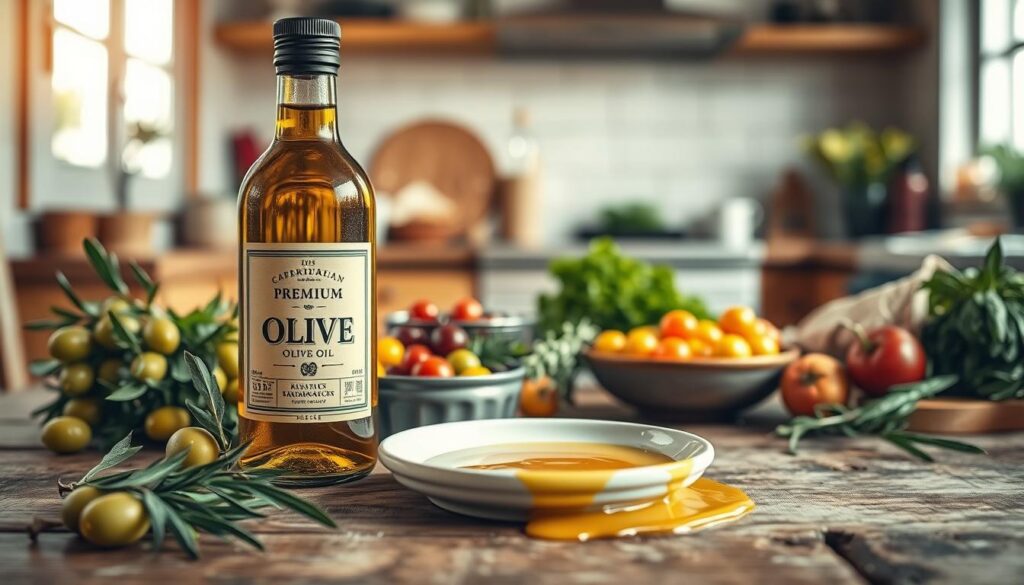
- Keep portions modest: 1 teaspoon of oil, 1–2 tablespoons ground seeds, or a small handful of nuts per serving.
- Add nuts and seeds (walnuts, chia, flax) for a fiber–fat combo that helps stool consistency.
- Favor low‑heat uses for extra‑virgin olive oil—dressings and finishing—not high‑heat frying.
- Rotate sources across meals and pair fats with fiber to slow digestion gently and balance energy on your diet.
“Small, consistent fat portions often help more than large, greasy meals.”
Track added fats to avoid free pouring, and if you are gallbladder‑sensitive, spread fats evenly across the day. Avoid fried, heavy meals that can worsen nausea or reflux on GLP‑1 therapy.
Blood Sugar Smarts on Wegovy: Low-GI Carbs and Balanced Plates
When appetite drops, smart carb choices help keep blood sugar even and energy reliable through the day. Build plates around slow-release grains and starchy vegetables paired with protein and fat to blunt sugar spikes and prolong fullness.
Choose low‑GI carbohydrates such as oats, quinoa, barley, lentils, and sweet potato to steady blood levels as meals shift.
Whole grains and starchy vegetables that steady energy
Favor whole‑food grains and cooked starchy vegetables. These supply fiber and slow glucose rises better than refined options.
Load half your plate with non‑starchy vegetables for volume and less glycemic load. Time denser carbs earlier if evening reflux or sleep is disrupted.
Pairing carbs with protein and fat to soften glucose spikes
Combine every serving of grain or starch with lean protein and a bit of healthy fat. That mix blunts sugar peaks and extends satiety, which supports steady weight efforts.
- Spread smaller carbohydrate portions across meals instead of one large serving.
- Monitor energy and post‑meal comfort; adjust sources if you feel dizzy or low in the afternoon.
- If you try intermittent fasting, consult your clinician—fasting can cause low blood sugar or nausea on GLP‑1 therapy.
- Keep hydration steady; dehydration can make blood sugar feel more volatile.
“Pairing slow carbs with protein and fat is a simple, practical way to smooth glucose and support steady energy.”
What to Limit or Avoid to Prevent Worsening Constipation and GI Upset
Cutting a few common triggers can ease GI side effects while you adapt to treatment. Focus on moderation, simple swaps, and keeping a brief symptom log to link triggers with outcomes.
Some pantry and restaurant choices raise the risk of constipation, heartburn, and nausea. Start by trimming back obvious culprits and watch how your body responds.
Avoid or limit these items:
- Cut back on ultra-processed snacks and desserts. Many processed foods are low in fiber, high in added sugar, and calorie-dense—this can worsen GI discomfort and derail weight goals.
- Avoid heavy fried or greasy meals. They slow gastric emptying and can trigger nausea or reflux.
- Limit very spicy dishes during dose changes; heat can irritate a sensitive stomach and amplify side effects.
- Reduce sugary drinks and sweets that spike blood sugar and blunt appetite control.
- Moderate alcohol intake; excess alcohol dehydrates, adds empty calories, and may worsen GI symptoms. If you drink, choose lighter mixers and smaller amounts.
- Watch for sugar alcohols (sorbitol, mannitol) in “sugar-free” items—they can cause gas or loose stools for some people.
Read labels to spot hidden fat and sugar. If a favorite item triggers symptoms, try smaller portions instead of full avoidance. Keep a short log of meals and symptoms to fine-tune your diet and protect comfort and weight progress.
How Much to Eat: Calorie Deficit, Macros, and Portion Tactics
A moderate energy shortfall helps weight fall steadily while protecting muscle and mood. Keep cuts sensible so hunger, fatigue, and GI side effects stay low.
Calorie ranges and why “not too low” matters
Create a moderate calorie deficit of about 500–750 kcal/day to support steady weight loss without excessive hunger or fatigue. Many people under ~115 kg aim for roughly 1,200–1,499 calories/day, while those ≥115 kg often target 1,500–1,800 calories/day, adjusted for activity.
Avoid very low calorie diets; they raise side-effect risk and long-term regain.
Target macro ratios on GLP-1 therapy
Use balanced macros: roughly 10–35% protein, 45–65% carbs, and 20–35% fats. Hit at least 0.8 g/kg/day protein and consider higher targets if active or older to protect lean mass.
Simple portioning and hunger/fullness cues
Try the plate method: half non‑starchy vegetables, a quarter lean protein, a quarter smart carbs. Use a food scale or measuring cups for calorie-dense items and log meals in an app to learn your sweet spot.
“Slow, steady adjustments beat drastic cuts for sustainable loss and steady energy.”
| Goal | Typical Range | Why it helps |
|---|---|---|
| Calorie deficit | 500–750 kcal/day | Steady weight loss, lower side effects |
| Calories/day (lower) | 1,200–1,499 kcal | For many under ~115 kg |
| Calories/day (higher) | 1,500–1,800 kcal | For those ≥115 kg or active |
Review weekly and adjust if energy, recovery, or weight stalls. For practical swaps and meal ideas that fit a steady plan, see simple food swaps.
Meal Timing, Chewing, and Eating Pace to Ease GI Side Effects
Pacing and timing of meals often make the biggest difference in early digestive side effects. Small shifts in how and when you eat can reduce nausea and protect weight goals without big menu overhauls.
Think of timing as part of your diet, not a separate fix. Eat smaller, more frequent meals to match slower gastric emptying and cut post‑meal discomfort. Chew each bite thoroughly; good chewing speeds mechanical digestion and helps enzymes work better.
If you feel queasy, sip liquids 30–60 minutes before or after a meal instead of during it. Aim for meals that last 15–20 minutes so fullness signals reach your brain. Front‑load denser, higher‑protein plates earlier in the day and keep evening meals lighter to limit reflux.
Start meals with vegetables or a small fiber portion to blunt glucose spikes and add gentle bulk. Keep bland staples—plain toast, oatmeal, applesauce—on hand for queasy days. Track timing experiments for a few days to find the best pattern for your intake and comfort.
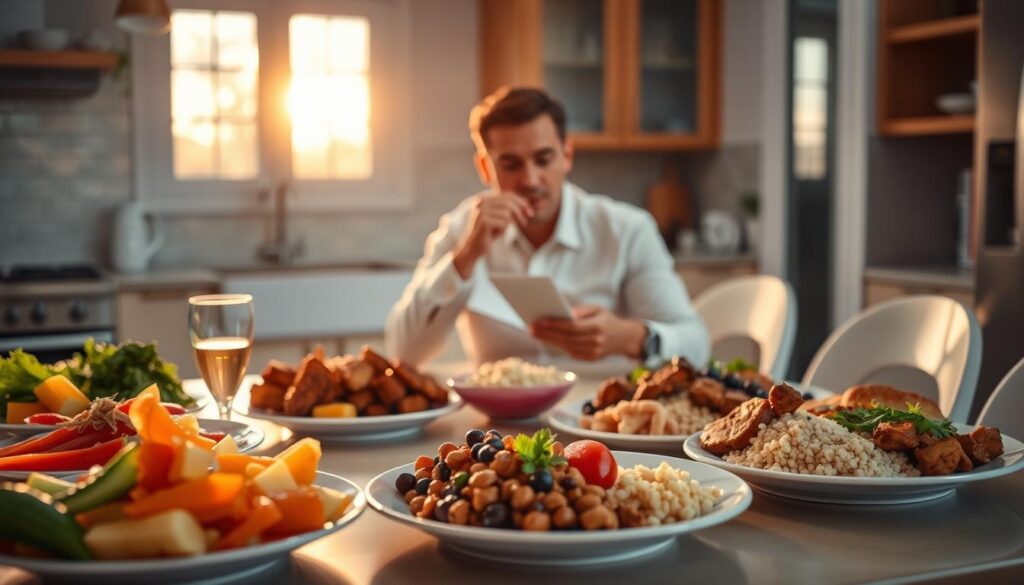
- Avoid lying down for 3–4 hours after eating to reduce heartburn risk.
- Pair mindful pacing with consistent hydration across the day for best results.
| Strategy | Why it helps | Quick tip |
|---|---|---|
| Smaller, frequent meals | Matches slower emptying; lowers discomfort | 5–6 small servings/day |
| Chew thoroughly | Reduces mechanical work for stomach | 20–30 chews per bite |
| Time fluids | Less nausea and bloating during meals | Sip 30–60 min before/after meals |
| Front-load heavier intake | Less nighttime reflux and better sleep | Have bigger meal at lunch |
Cooking Methods That Are Gentle on the Gut
Choose gentle cooking styles to keep meals easy to digest, reduce added fats, and protect appetite while you adapt to a slower stomach. Simple techniques preserve flavor and support steady weight and overall health.
Steaming, simmering, poaching, baking, and grilling are your go-to options. These methods keep textures light and cut the need for heavy sauces that can trigger nausea or reflux.
Use nonstick pans or parchment to limit added oil during cooking. After plating, add a measured drizzle of olive oil for flavor and to help stool passage without excess calories.
- Cook vegetables to tender‑crisp or soft, depending on your fiber tolerance that day.
- Choose broths and herb blends instead of rich sauces to minimize grease and spice.
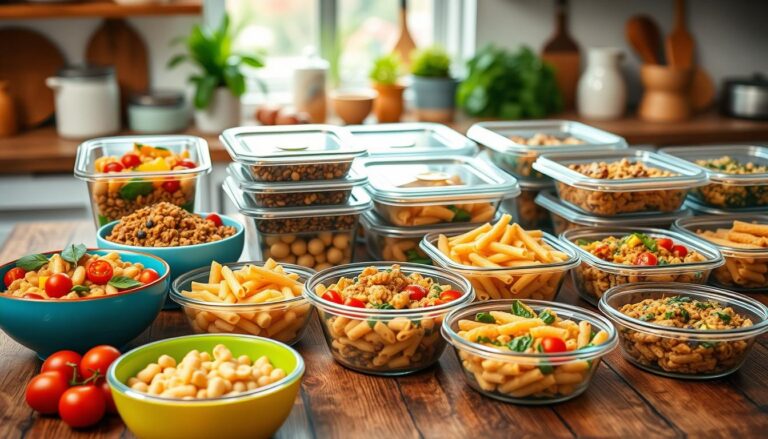
- Batch‑cook simple proteins—poached chicken, baked tofu, roasted fish—for quick assembly.
- Blend soups or stews for gentler textures when you’re queasy.
- Avoid high‑heat frying and breaded items that feel heavy and can worsen reflux.
Keep ginger, mint, and cinnamon on hand to season without harshness. Prep freezer packs of gentle meals so you have ready options that support your diet and make day‑to‑day choices easier.
Gut-friendly recipe ideas offer practical options if you want ready-made inspiration for gentle cooking and meal prep.
A Sample Constipation-Friendly Day of Eating
This sample day spaces fiber and protein across small, steady meals to support stool softness and steady energy. Follow the plate method, time fluids, and note how your body responds to each meal.
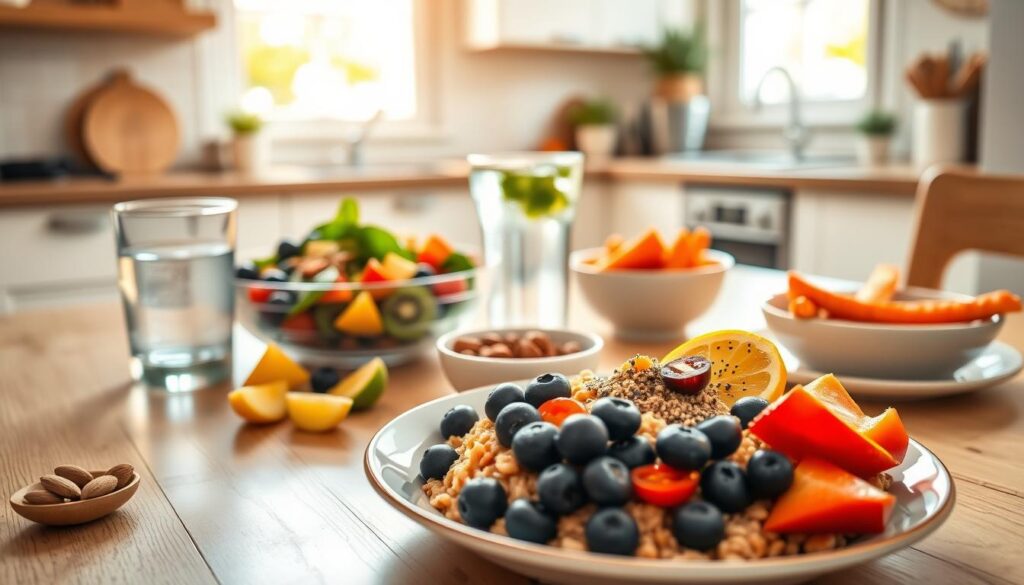
Breakfast and mid-morning options
Breakfast: ½–1 cup cooked oatmeal made with low-fat milk or soy milk. Top with banana or berries and 1 tsp ground flax if tolerated.
Mid-morning: Peeled apple and a small handful of almonds. Sip ginger or peppermint tea 30–60 minutes before to aid comfort.
Lunch, snack, and dinner ideas
Lunch: Quinoa or brown rice bowl, grilled chicken or tofu, steamed zucchini and carrots, and a drizzle of olive oil.
Afternoon snack: Low-fat yogurt with kiwi or a small protein shake if appetite is low.
Dinner: Baked fish or tempeh, roasted sweet potato, tender broccoli, and optional light broth at the side.
Portions: Half the plate vegetables, one quarter protein, one quarter smart carbs. Pace fiber across meals and avoid heavy spicy sauces at night.
| Meal | Typical Portion | Key target | Approx. calories |
|---|---|---|---|
| Breakfast | ½–1 cup oatmeal + banana | Carbs + protein | 250–350 |
| Lunch | 1 cup quinoa/brown rice + 3 oz protein | Vegetables + protein | 400–500 |
| Dinner | 3–4 oz fish/tempeh + sweet potato | Balanced plate | 350–450 |
Refill a water bottle 2–3 times and sip herbal tea between meals. Log this day’s symptoms and energy to fine-tune the next one. For more structured plans and swaps, see a science-backed eating plan that complements this approach.
Build-Your-Own Seven-Day Framework with Swaps
Design a flexible seven‑day plan that keeps portions consistent while swapping in gentle choices for tolerance and variety. Small, repeatable patterns make it easier to manage symptoms, track intake, and protect weight goals.
Map a simple weekly rhythm: breakfast, lunch, dinner, plus one or two snacks each day. Repeat the structure and change ingredients so you don’t get bored. Use consistent portions to hold your calorie target steady.
Grain and starch swap list
- Rotate oats ↔ barley ↔ quinoa ↔ brown rice ↔ soft whole‑grain bread based on tolerance.
- Batch‑cook grains on Sunday for faster meals Monday–Thursday.
Protein rotation for variety
Cycle chicken/turkey ↔ fish ↔ tofu/tempeh ↔ lentils/chickpeas. This keeps meals interesting and supports muscle as weight changes.
Veggie and fruit swaps by fiber tolerance
- Veggie ladder: cooked carrots → zucchini → tender greens → small crucifer portions.
- Fruit ladder: peeled apple/banana → kiwi/berries → orange as comfort improves.
- Schedule 1–2 lower‑fiber days if bloating appears, then resume gradual increases.
| Meal Component | Gentle Option | Higher‑Fiber Swap |
|---|---|---|
| Grains | Oats | Barley / Quinoa |
| Protein | Poached fish | Tempeh / Lentils |
| Veggies | Cooked carrots | Broccoli (small portions) |
| Fruit | Peeled apple | Kiwi / Berries |
Use a macro app to pre‑log meals and auto‑calculate totals. Note favorite combos that feel good after a meal and repeat them often. For a printable grocery guide and swap ideas, see the nutrient-dense grocery list.
Pantry and Shopping List for Wegovy-Friendly Constipation Relief
Build a compact pantry that brings fiber, fluids, and gentle fats into every meal. Stocking key staples saves time and helps you stick to a steady diet that supports comfort and weight goals.
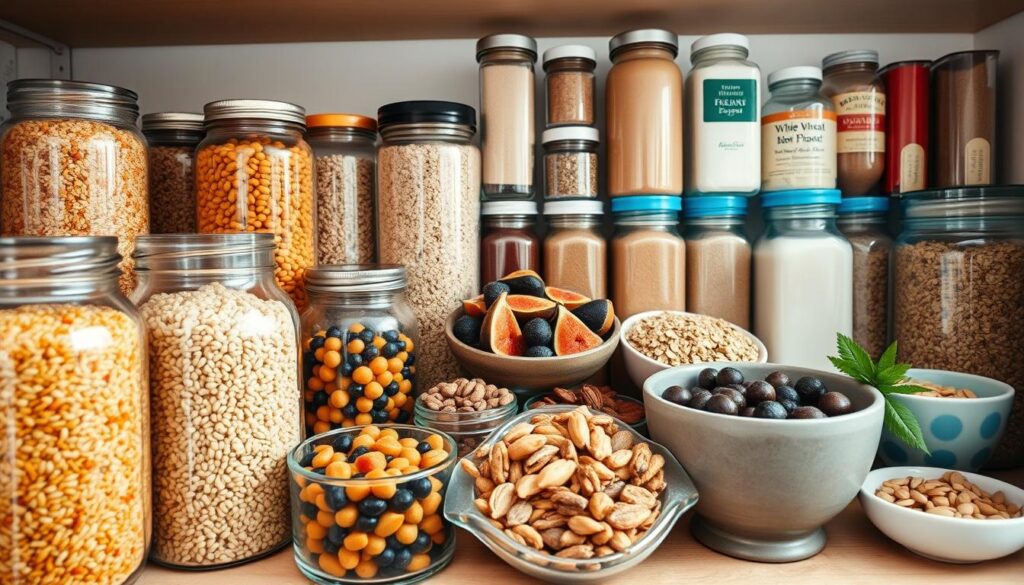
Staples for fiber, hydration, and healthy fats
Keep whole-grain grains and legumes on hand as reliable fiber sources. Choose old-fashioned oats, quinoa, barley, canned lentils, chickpeas, and rinsed black beans.
Hydration helpers: unsweetened herbal teas, low-sodium broth, and mineral water.
Healthy fats: extra-virgin olive oil, avocado, walnuts, chia, and ground flax to ease stool passage.
Convenience items for busy weeks
Quick options maintain consistency when life gets hectic. Buy pre-cooked grains, frozen vegetables and berries, rotisserie-style chicken breast, canned fish, low-sugar protein shakes, yogurt, and tofu.
Label-scan habit: pick items with added fiber, modest sodium, and low added sugars. Favor minimally processed choices so you get practical sources of nutrients without hidden additives.
When to Adjust, Track, or Seek Care
Keep a simple tracking habit and know which symptoms need a clinician’s review. Small tweaks—logging intake, pausing fiber changes, or checking medication timing—often solve most issues, but some red flags need prompt attention.
Logging daily creates clarity. Use calorie and macro apps like MyFitnessPal or Nutracheck, or GLP‑1–specific tools, to record calories, macros, fluids, bowel habits, and side effects. These apps can remind you about hydration and injections and make trends obvious when you review them with your doctor.
Using apps to log macros, fluids, and symptoms
Track: calories, macros, fluids, bowel frequency, and any GI complaints. Note timing of meals and medication so you can test simple changes.
Apps that calculate macro ratios help keep your diet balanced. Export or screenshot weekly summaries to share with your doctor or dietitian during follow-ups.
Red flags that warrant contacting your doctor
Call your doctor if you have persistent nausea, vomiting, severe abdominal pain, or diarrhea that won’t stop. Also seek medical advice for signs of gallbladder problems (yellow skin or eyes, fever, pale stools), low blood sugar, sudden vision changes, fast heartbeat, or new severe mood shifts.
For allergic reactions, sudden severe pain, or worrying mental symptoms, seek urgent care immediately.
| Issue | What to do at home | When to call |
|---|---|---|
| Mild bloating | Pause fiber increases; sip fluids; try low‑FODMAP swaps | If it worsens or lasts >72 hours |
| Diarrhea | Reduce high‑fiber items; choose gentle carbs; rehydrate with electrolytes | If signs of dehydration, fever, or persistent symptoms |
| Persistent nausea | Adjust meal timing; check medication timing with meals; use bland, small meals | If vomiting continues or you can’t keep fluids down |
| Severe abdominal pain or jaundice | Stop new foods and rest; avoid alcohol | Contact doctor or go to ER immediately |
Practical plan tips: adjust fiber slowly, consider a short low‑FODMAP rotation for stubborn bloating, and reassess calorie targets if energy or mood lags. Celebrate trends that work, then formalize them into your personal plan.
For more on minimizing medication side effects and practical fixes, see this helpful guide: proven strategies to minimise side effects.
Conclusion
Consistent, balanced eating and simple habits make GI side effects more manageable while you pursue weight loss. Hydration, gradual fiber increases, lean protein, healthy fats, and low‑GI carbs form the core of a practical plan you can sustain.
Small changes add up: pace meals, cook gently, and spread fiber across the day to support digestion and steady losing weight.
Keep portions sensible and track what helps. Stock a pantry of easy staples and favor gentle textures on tougher days.
Limit ultra‑processed, greasy, spicy, and high‑sugar items that worsen symptoms. Log symptoms and adjust fiber, fluids, and timing as needed.
If problems persist or red flags appear, contact your healthcare team early. With steady, realistic steps you can protect health, ease effects, and continue losing weight over time.
FAQ
Why does GLP‑1 therapy sometimes cause constipation?
GLP‑1 receptor agonists slow gastric emptying and intestinal transit to help reduce appetite and calories. That slower movement can reduce stool frequency and make bowel movements firmer. Combining this drug effect with low fiber intake, inadequate fluids, or reduced physical activity increases constipation risk.
How quickly should I change my diet to ease constipation when starting treatment?
Start low and go slow—gradually increase fiber by 3–5 grams every few days to a week rather than jumping to high‑fiber meals all at once. Rapid increases can cause gas and bloating. Pair fiber rises with extra fluids and gentle activity to help tolerance during dose titration.
Which plate pattern best supports regularity on GLP‑1 therapy?
Build meals around fiber, fluids, and lean protein: half your plate nonstarchy vegetables, one quarter whole grains or gentle grains like oats and quinoa, and one quarter lean protein such as skinless chicken, fish, or tofu. Add healthy fats like olive oil or avocado to aid stool lubrication.
How much water should I drink daily to prevent constipation?
Aim for at least 8–10 cups (about 2–2.5 liters) daily as a general target, more if you increase fiber, exercise, or live in a hot climate. Sip consistently throughout the day and include hydrating options like herbal tea or low‑sodium broth with meals.
What fibers are least likely to cause bloating yet help with constipation?
Soluble, viscous fibers from oats, peeled apples, kiwifruit, and cooked carrots tend to be gentler. Start with small portions of legumes (lentils, chickpeas) and progress slowly. Insoluble fibers like whole‑grain wheat can help too, but introduce them gradually if you’re sensitive.
Are there specific fruits and vegetables that help stool frequency?
Yes. Kiwi, berries, peeled apples, cooked carrots, zucchini, and broccoli are good picks. They offer a mix of soluble and insoluble fiber and usually cause less gas when introduced incrementally. Keep portions moderate and increase as you tolerate them.
Which proteins are best to support satiety without worsening constipation?
Lean animal proteins—skinless chicken, turkey, and fatty fish like salmon—digest well. Plant proteins such as firm tofu, tempeh, and smooth nut butters can also work; combine them with fibrous vegetables and fluids to maintain regularity.
Can healthy fats actually help with constipation?
Yes—moderate amounts of olive oil, avocado, and omega‑3–rich fish can help lubricate the gut and ease stool passage. Nuts and seeds like chia and flax add fiber‑fat synergy, but introduce them in small amounts to avoid excess calories and potential gas.
How should I manage blood sugar while taking a GLP‑1 medication?
Focus on low‑GI carbohydrates—whole grains, legumes, and starchy vegetables—and pair them with protein and healthy fats to blunt postprandial glucose spikes. Monitoring with a glucometer and working with your diabetes team is essential if you have type 2 diabetes, since medication adjustments may be needed.
What foods or habits make constipation worse on this therapy?
Ultra‑processed, high‑sugar foods, greasy fried meals, very spicy dishes, and excess alcohol commonly worsen GI upset and constipation. Skipping meals, chewing poorly, and low activity levels also contribute—eat regular, well‑chewed meals and stay active.
How many calories should I eat while trying to lose weight safely on GLP‑1 treatment?
Calorie needs vary by age, sex, activity, and goals. Don’t drop calories too low—very low intake can cause fatigue, nutritional gaps, and worsened GI symptoms. A modest deficit (typically 300–700 kcal/day below maintenance) with balanced macros and adequate protein supports fat loss while preserving lean mass.
What macronutrient ratio is recommended on GLP‑1 therapy?
A practical target is 25–30% protein, 30–35% healthy fats, and 35–45% carbohydrates, emphasizing whole foods, fiber, and low‑GI carbs. Adjust ratios with a dietitian to meet individual needs, especially for blood sugar control or athletic performance.
Are there simple portioning tricks to prevent overeating while maintaining bowel health?
Use the plate method: half nonstarchy vegetables, one quarter lean protein, one quarter whole grains or starchy veg. Keep a palm‑sized protein, a cupped‑hand carb portion, and a thumb of healthy fat per meal. Tune portions to hunger and fullness cues rather than strict rules.
Does chewing and meal pace affect constipation risk?
Yes. Chew thoroughly and eat slowly—this improves digestion, reduces bloating, and helps regulate appetite. Eating too fast can increase GI discomfort and lead to lower fluid intake during meals, which can worsen stool consistency.
Which cooking methods are gentlest on the gut?
Gentle techniques—steaming, roasting, braising, and poaching—preserve nutrients and soften fiber, making foods easier to digest. Minimize deep frying and heavy sauces that can slow GI transit and trigger discomfort.
What’s a simple constipation‑friendly day of eating example?
Breakfast: oat porridge with mashed banana and chia plus a spoon of almond butter. Mid‑morning: kiwi and a small handful of walnuts. Lunch: mixed greens, quinoa, grilled salmon, olive oil vinaigrette. Snack: plain yogurt with berries. Dinner: baked chicken, steamed zucchini and carrots, small baked sweet potato.
How can I build a seven‑day framework that allows swaps?
Rotate grains (oats, quinoa, barley), proteins (fish, chicken, tofu), and vegetables to avoid monotony and ensure varied fiber. Keep a swap list for carbs, proteins, and vegetables based on your tolerance so you can mix meals without abrupt changes.
What pantry staples help with constipation relief while on treatment?
Keep oats, canned or cooked legumes, canned low‑sodium broth, olive oil, chia/flax seeds, whole‑grain quinoa, canned salmon, nut butters, and dried herbs. These make quick, fiber‑forward meals without heavy prep.
When should I seek medical help for constipation while using GLP‑1 therapy?
Contact your clinician if you have no bowel movement for several days despite lifestyle measures, severe abdominal pain, vomiting, blood in stool, or significant unintentional weight loss. Also reach out if constipation persists despite dietary changes and over‑the‑counter remedies.
Should I track fluids, fiber, and symptoms—and how?
Yes. Use a simple app or a notebook to log daily fluids, fiber intake, bowel frequency, and any side effects. Tracking helps you spot patterns, informs adjustments, and provides useful data to share with your dietitian or physician.

Don’t Miss These Picks