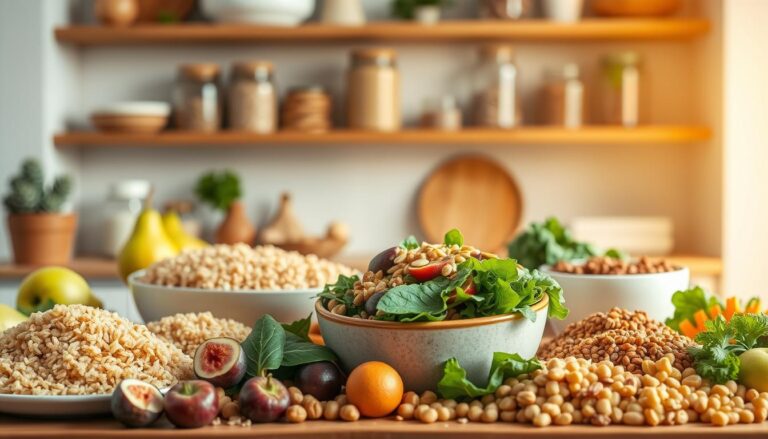


Want to eat healthier without spending a fortune at the grocery store? The secret isn’t buying expensive superfoods. It’s choosing everyday foods that give you more vitamins, minerals, protein, fiber, and healthy fats for your money.
A nutrient-dense grocery list makes shopping easier by focusing on vegetables, fruits, proteins, whole grains, beans, nuts, and healthy oils. These foods can help you build filling, balanced meals without complicated recipes or a huge food budget.
This guide covers what to buy in every grocery section, how to compare food labels, where you can save money, and a printable checklist you can take to the store. You’ll also find practical swaps for vegetarian and plant-based diets.
Key Takeaways
- Choose nutrients over marketing: Affordable foods like beans, oats, eggs, potatoes, and frozen vegetables can provide excellent nutrition.
- Build a balanced cart: Include colorful produce, protein sources, fiber-rich grains, and healthy fats.
- Use your freezer and pantry: Frozen berries, canned fish, and dried lentils can reduce waste and simplify meals.
- Read labels wisely: Compare fiber, added sugar, sodium, and saturated fat rather than relying on front-package claims.
- Shop for your budget: Seasonal produce and store brands can be just as useful as expensive organic or specialty products.
Helpful Products at a Glance
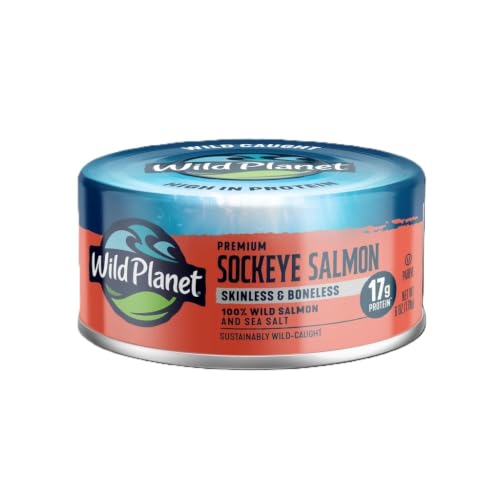
Wild Planet Wild Sockeye Salmon Pouch: A shelf-stable seafood option for quick protein-rich meals. Check its sodium content when planning your daily intake.
- DELICIOUS WILD SALMON – These meaty fillets have the skin on, providing a delicious, more Flavor-Forward & nutrient dense experience
- WILD SOCKEYE SALMON – Sustainably caught in Alaskan and British Columbian waters by local fishing families who rely on selective harvesting methods to preserve the natural habitats
BetterBody Foods Organic Chia and Super Seeds Bundle: A two-product seed option for oatmeal, smoothies, and yogurt. The larger quantity makes more sense if you use seeds regularly.
- Dynamic Duo: In every serving of our chia seeds, you'll find many nutrients, including omega-3's, and fiber, making it a great bonus to smoothies, oatmeal, yogurt, and so much more. Super Seeds are a good source of fiber, which helps keep you regular. They also provide 5700mg of Omega 3 in every deliciously nutty serving
- Simply Organic: Our Organic Chia Seeds and Super Seeds are gluten-free, nut-free, non-GMO, and USDA Organic making them a great addition to your pantry, no matter your dietary restrictions.

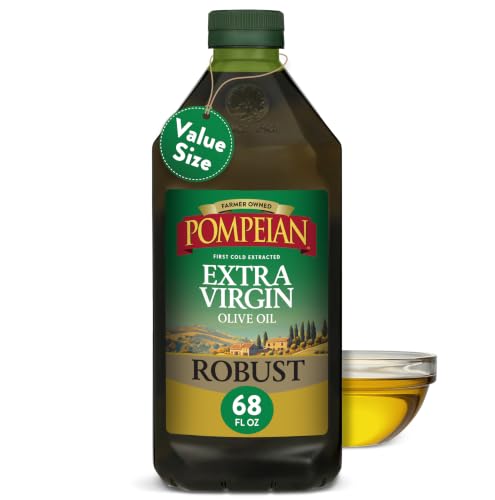
Pompeian Robust Extra Virgin Olive Oil: A full-flavored oil for cooking and homemade dressings. Its 2-liter size is better suited to households that use olive oil frequently.
- ROBUST EXTRA VIRGIN OLIVE OIL BULK SIZE: Expertly crafted by The Olive Oil People using first cold pressed olives; Bold EVOO extra virgin olive oil with naturally occurring polyphenols
- ROBUST FLAVOR: Ideal for any meal that starts with a sauté and ends with a drizzle; With its robust taste, Pompeian Robust EVOO is perfect for pasta, marinades, salad dressings, and finishing dishes
What Makes a Food Nutrient-Dense?
Nutrient density means getting plenty of useful nutrients from the calories a food provides. Spinach supplies vitamins and minerals with relatively few calories, while salmon provides protein and omega-3 fats along with more calories.
But nutrient density isn’t the only factor that matters. Beans, potatoes, and whole grains provide energy, fiber, and filling meals at a reasonable cost. A healthy diet needs enough food and a variety of nutrients, not just low-calorie choices.
An easy way to build meals is to combine:
- Vegetables or fruit: For fiber, vitamins, and minerals.
- Protein: Fish, eggs, poultry, tofu, beans, or lentils.
- Fiber-rich carbohydrates: Oats, brown rice, whole-grain bread, or potatoes.
- Healthy fats: Olive oil, nuts, seeds, or avocado.
The USDA MyPlate approach is a useful starting point: aim to make about half your plate fruits and vegetables, while including grains and protein.
1. Fruits and Vegetables: Fill Your Cart With Color
Vegetables and fruits provide fiber, potassium, folate, vitamin C, and many plant compounds. Buying several colors throughout the week helps you get a wider range of nutrients.
Best Nutrient-Dense Vegetables
- Spinach, kale, and Swiss chard: Folate, vitamin K, and carotenoids.
- Broccoli and Brussels sprouts: Vitamin C, fiber, and plant compounds.
- Carrots and sweet potatoes: Beta-carotene, which the body can turn into vitamin A.
- Tomatoes and bell peppers: Vitamin C and protective plant pigments.
- Cabbage and cauliflower: Versatile, fiber-rich choices that often cost less than specialty greens.
Fruits Worth Buying Regularly
- Berries: Fiber and colorful plant compounds called polyphenols.
- Oranges and grapefruit: Vitamin C and water.
- Apples and pears: Convenient fiber-rich snacks, especially with the skin.
- Bananas: Potassium and an affordable source of carbohydrates.
- Seasonal fruits: Often provide better value when local supplies are plentiful.
Budget tip: Frozen spinach, broccoli, mixed vegetables, and berries are excellent backups. Fresh, frozen, and canned produce can all contribute to a healthy diet. Choose versions without sugary syrups or heavy sauces.
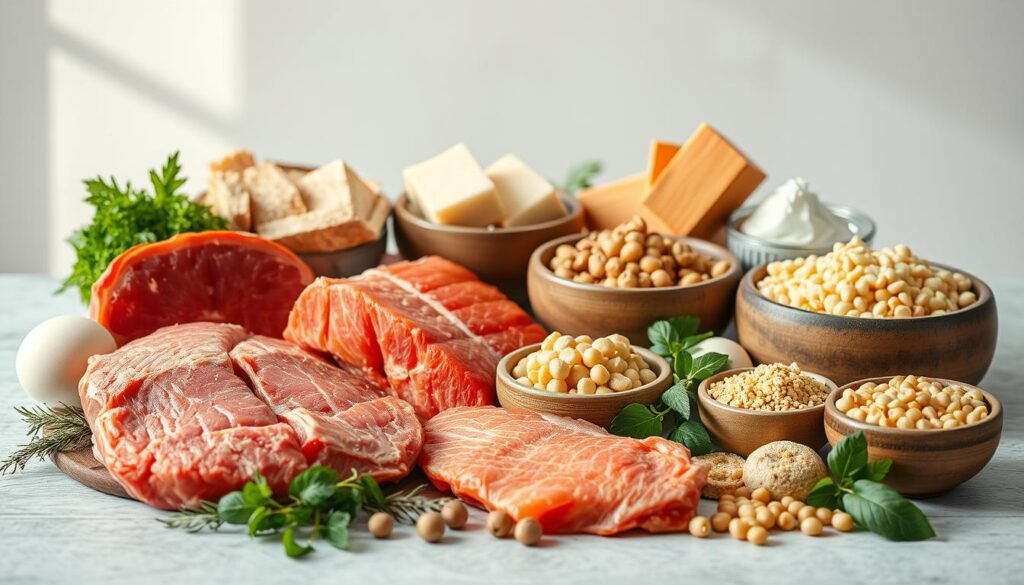
2. Protein Essentials: Fish, Eggs, Meat, and Plant Foods
Protein helps your body maintain muscles and repair tissues. Different protein foods also provide important nutrients, so variety matters more than relying on one favorite.
Animal-Based Protein Choices
- Salmon and sardines: Protein, vitamin B12, and omega-3 fats.
- Eggs: Protein, choline, and nutrients that support normal vision.
- Chicken and turkey: Useful lean protein sources, especially without skin.
- Clams, mussels, and oysters: Vitamin B12, iron, and zinc.
- Lean beef: Iron, zinc, and B vitamins; choose modest portions rather than relying heavily on red meat.
The American Heart Association recommends two servings of fish per week, particularly fatty fish. Salmon and sardines are also among the FDA’s lower-mercury choices. Wild-caught fish is not automatically more nutritious or safer than farm-raised fish.
For days when cooking fresh fish isn’t practical, the Wild Planet Skinless & Boneless Wild Sockeye Salmon 6-ounce pouch offers a convenient alternative. It can be added to salads, grain bowls, or whole-grain sandwiches without preparing raw seafood.
Its shelf-stable format is useful for occasional meals and emergency pantry supplies. However, it isn’t necessary if your local store sells more affordable canned salmon or sardines.
- DELICIOUS WILD SALMON – These meaty fillets have the skin on, providing a delicious, more Flavor-Forward & nutrient dense experience
- WILD SOCKEYE SALMON – Sustainably caught in Alaskan and British Columbian waters by local fishing families who rely on selective harvesting methods to preserve the natural habitats
- QUALITY NUTRITION – Our sockeye salmon contains 17g of protein, 470 mg of EPA & DHA Omega 3s and 90% of your daily value of vitamin D per serving
- SKINLESS, BONELESS & NO FILLERS – No need to drain the can. The all-natural flavorful juices only add to the exquisite flavor of the fresh sockeye salmon
Best Plant-Based Protein Choices
- Tofu and tempeh: Soy-based proteins that work in stir-fries and grain bowls.
- Edamame: Protein and fiber from young soybeans.
- Lentils and beans: Protein, fiber, iron, and folate at a relatively low cost.
- Chickpeas: Useful in hummus, curries, soups, and salads.
For most adults, a palm-sized serving of cooked fish, meat, or tofu is a simple starting point, but protein needs vary. Mix animal and plant proteins if you eat both, or rotate several plant sources if you don’t.
3. Dairy and Fortified Alternatives
Dairy products can provide protein and calcium, while fortified plant alternatives can help people who avoid dairy. Compare products carefully because their protein and vitamin levels vary widely.
- Plain Greek yogurt: A convenient high-protein breakfast or snack.
- Kefir: Fermented milk that may contain live cultures.
- Milk: Protein and calcium, with vitamin D when fortified.
- Cottage cheese or skyr: Protein-rich options that pair well with fruit.
- Fortified soy milk: A useful plant-based alternative with protein, calcium, and vitamin D when added.
- Cheese: Calcium and flavor, although sodium and saturated fat can be substantial.
Shopping tip: Buy plain yogurt and add berries, cinnamon, or nuts yourself. If choosing plant milk, check its protein, calcium, vitamin D, and added sugar. A short ingredient list alone doesn’t guarantee better nutrition.
4. Whole Grains: Oats, Rice, Quinoa, and Bread
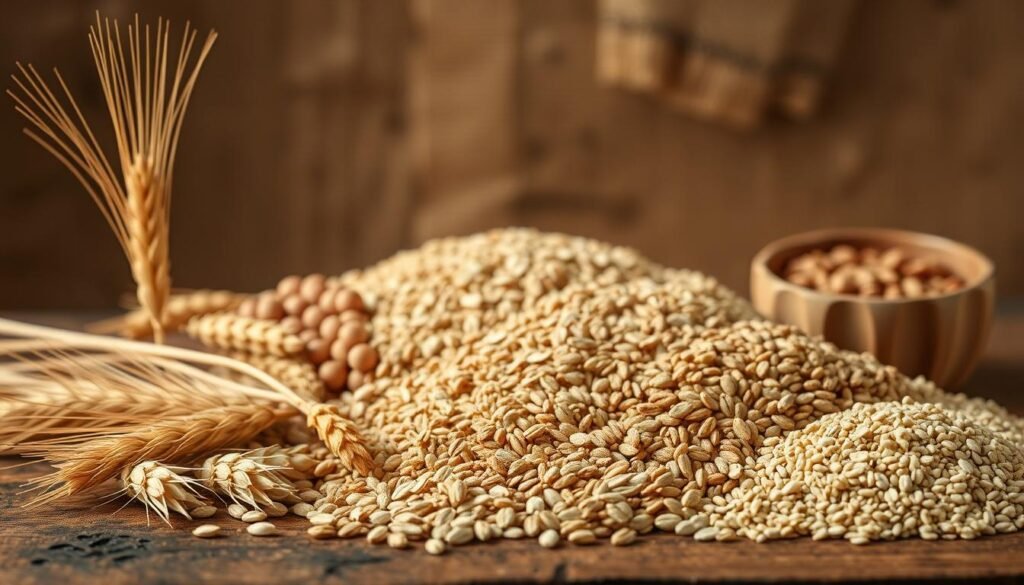
Whole grains contain fiber and nutrients that are partly removed during refining. They can help make meals satisfying and support digestive and heart health as part of a balanced diet.
Keep a few easy options available:
- Rolled or steel-cut oats: Fiber, including beta-glucan, a type of soluble fiber.
- Brown rice: An affordable whole-grain base for bowls and stir-fries.
- Quinoa: Protein, fiber, and minerals.
- Barley and farro: Fiber-rich grains for soups and salads; both contain gluten.
- Whole-wheat bread and pasta: Convenient swaps for refined-grain versions.
For oatmeal, buy plain oats rather than sweetened packets. Add fruit, milk or fortified soy milk, and nuts or seeds to build a more balanced breakfast.
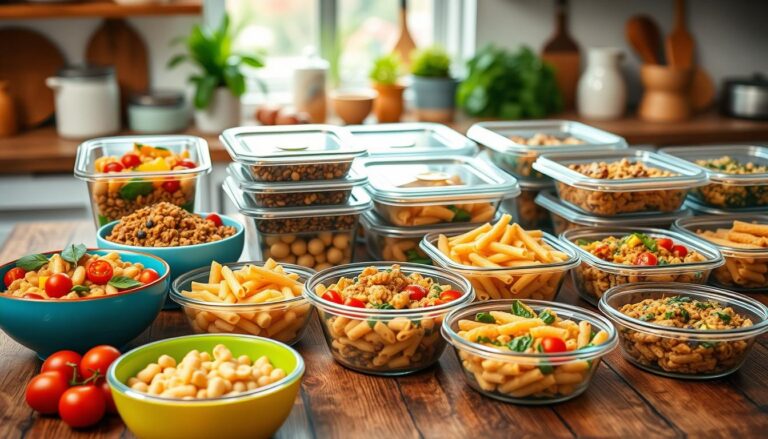
Batch-cooking grains can save time. Refrigerate cooked rice and grains promptly in shallow containers, and use or freeze leftovers within recommended food-safety time limits.
5. Beans and Lentils: Big Nutrition on a Small Budget
Beans and lentils are among the most practical foods to buy when money is tight. They’re filling, easy to store, and provide fiber, protein, and minerals.
- Black beans: Great for tacos, burrito bowls, and soups.
- Chickpeas: Make hummus, roasted snacks, or salad toppings.
- Lentils: Cook relatively quickly and work in soups, curries, and pasta sauces.
- Kidney beans: Useful for chili and stews; dried kidney beans must be properly boiled before eating.
- Split peas: An inexpensive base for hearty soups.
Dried beans usually cost less per serving, while canned beans save preparation time. Look for no-salt-added or lower-sodium options, and drain and rinse canned beans when appropriate.
Simple meal idea: Mix cooked lentils into ground turkey or beef for tacos. You’ll add fiber, stretch the meat, and make more servings.
6. Potatoes and Other Filling Carbohydrates
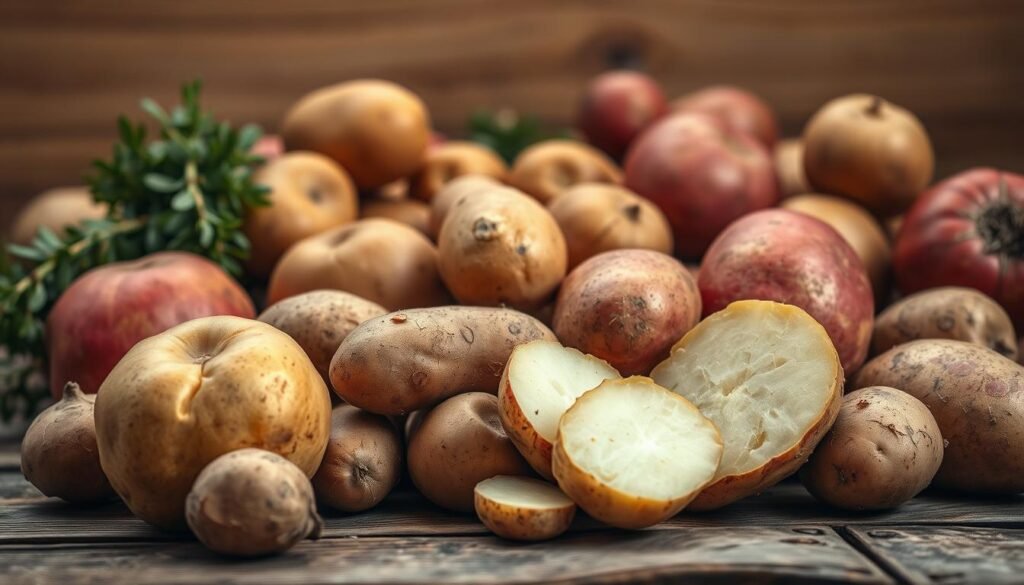
Potatoes deserve a place on a nutrient-dense grocery list. They provide potassium, vitamin C, and carbohydrates for energy, especially when baked or boiled instead of deep-fried.
White potatoes and sweet potatoes offer different benefits. Sweet potatoes are especially rich in beta-carotene, while white potatoes are useful sources of potassium.
- Bake with the skin: Helps retain fiber.
- Boil and chill: Cooling cooked potatoes increases some resistant starch, although blood sugar effects vary.
- Roast with vegetables: Makes an easy family meal.
- Pair with protein: Add eggs, beans, fish, or yogurt-based toppings for a more balanced dish.
Portion size matters, especially when managing blood sugar. Cooling potatoes doesn’t cancel out their carbohydrate content, so include the serving in your overall meal plan.
7. Nuts, Seeds, and Nut Butters
Nuts and seeds add unsaturated fats, fiber, and minerals to meals. They can also make oatmeal, salads, and snacks more filling.
- Walnuts: Plant-based omega-3 fats.
- Almonds: Vitamin E and magnesium.
- Pistachios: Protein, fiber, and potassium.
- Chia seeds: Fiber and plant omega-3 fats.
- Ground flaxseed: Fiber and alpha-linolenic acid, a plant omega-3.
- Hemp hearts: Protein and unsaturated fats.
- Natural peanut or almond butter: Convenient spreads; compare added sugar and sodium.
A small handful of nuts, about 1 ounce, or 1–2 tablespoons of nut butter is a useful serving guide. Keep portions flexible based on your energy needs.
If you regularly prepare overnight oats, smoothies, or yogurt bowls, keeping several seeds available makes it easier to vary toppings. The BetterBody Foods Organic Chia and Super Seeds bundle combines a 32-ounce package of chia seeds with a separate 16-ounce blend containing chia, milled flaxseed, and hemp hearts.
The bundle suits households that use seeds frequently and want variety. For occasional use, a smaller single bag of chia or flaxseed may be cheaper and easier to finish while fresh.
- Dynamic Duo: In every serving of our chia seeds, you'll find many nutrients, including omega-3's, and fiber, making it a great bonus to smoothies, oatmeal, yogurt, and so much more. Super Seeds are a good source of fiber, which helps keep you regular. They also provide 5700mg of Omega 3 in every deliciously nutty serving
- Simply Organic: Our Organic Chia Seeds and Super Seeds are gluten-free, nut-free, non-GMO, and USDA Organic making them a great addition to your pantry, no matter your dietary restrictions.
- Flavor Neutral Favorites: Chia seeds are a kitchen essential that many people don't know about. You can add chia seeds to just about any food without having to worry about it upsetting the flavor of your dish. Because they are tasteless, you can use chia seeds to add texture to your food without drowning out the original flavor of your dish. Same with Superseeds, add this anywhere for some added fiber and protein without any weird flavors
- Go-to Seeds: For super nutrition, i's time to go to seed. First, there's chia seed, which has a reputation for Omega-3. Next comes flax, also an Omega-3 dynamo. Lastly, hemp hearts give you essential fatty acids (EFAs) your body needs but doesn’t create.
Store seeds in tightly sealed containers according to package instructions. Ground flaxseed is especially worth keeping cool to protect its oils. If you’re new to high-fiber seeds, start with small amounts and drink enough fluid.
8. Healthy Cooking Oils and Fats
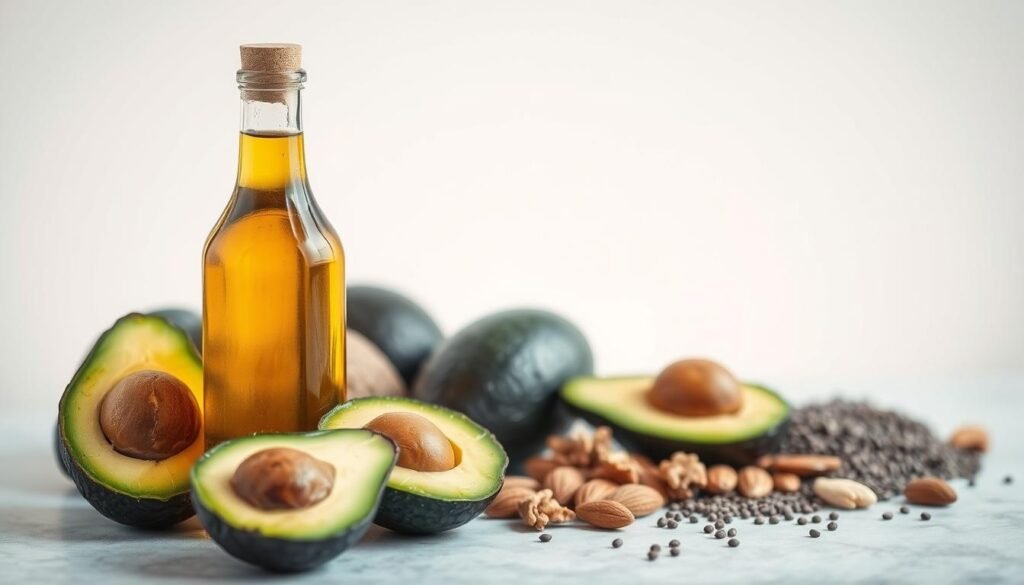
Healthy fats help your body absorb vitamins A, D, E, and K. For everyday cooking, oils higher in unsaturated fats are generally better choices than relying heavily on butter, ghee, or coconut oil.
Which Oils Should You Buy?
- Extra virgin olive oil: Useful for dressings, sautéing, roasting, and finishing meals.
- Avocado oil: A mild-flavored option for cooking, including higher-heat methods when the product is suitable.
- Canola oil: An affordable option rich in unsaturated fats.
- Sesame oil: Adds strong flavor to Asian-inspired dishes; a little often goes a long way.
- Butter or ghee: Fine for occasional flavor, but higher in saturated fat.
You don’t need several expensive oils. One good everyday oil can handle most cooking tasks. Store it away from heat and sunlight, and avoid heating it until it smokes.
For households that use olive oil regularly, Pompeian Robust Extra Virgin Olive Oil, 68 fl oz (2 liters) is a full-flavored option for vegetable roasting, sautéing, marinades, and dressings.
Its large bottle offers convenience for frequent cooking, but it may be excessive for someone who uses only a few teaspoons weekly. A smaller bottle may stay fresher and reduce waste.
- ROBUST EXTRA VIRGIN OLIVE OIL BULK SIZE: Expertly crafted by The Olive Oil People using first cold pressed olives; Bold EVOO extra virgin olive oil with naturally occurring polyphenols
- ROBUST FLAVOR: Ideal for any meal that starts with a sauté and ends with a drizzle; With its robust taste, Pompeian Robust EVOO is perfect for pasta, marinades, salad dressings, and finishing dishes
- 100% FARMER CRAFTED QUALITY: Crafted by Pompeian's family of olive farmers and olive oil craftsmen; Quality from The Olive Oil People since 1906
- IMPORTED AND AUTHENTIC: Imported extra virgin olive oil cold pressed; Certified for Authenticity by the North American Olive Oil Association
Remember that oil is calorie-dense: one tablespoon provides roughly 120 calories. Measure when needed rather than pouring freely, particularly if you’re monitoring overall calorie intake.
Try a homemade dressing with olive oil, lemon juice, Dijon mustard, and herbs. It takes only a few minutes and lets you control the salt and added sugar.
9. Condiments, Herbs, and Spices
Healthy meals don’t need to taste plain. Herbs, spices, and acidic ingredients can add plenty of flavor without relying on salty or sugary sauces.
Useful pantry choices include:
- Herbs: Parsley, cilantro, basil, oregano, and rosemary.
- Spices: Garlic powder, cumin, smoked paprika, turmeric, cinnamon, and black pepper.
- Vinegars: Apple cider, red wine, and balsamic vinegar.
- Condiments: Mustard, salsa, hot sauce, and tomato paste.
- Other flavor boosters: Lemons, limes, garlic, ginger, and nutritional yeast.
Check labels because hot sauce, mustard, salsa, and other condiments can still contain considerable sodium. Choose flavors you enjoy and compare similar products rather than assuming every short ingredient list is healthier.
10. Freezer and Pantry Essentials
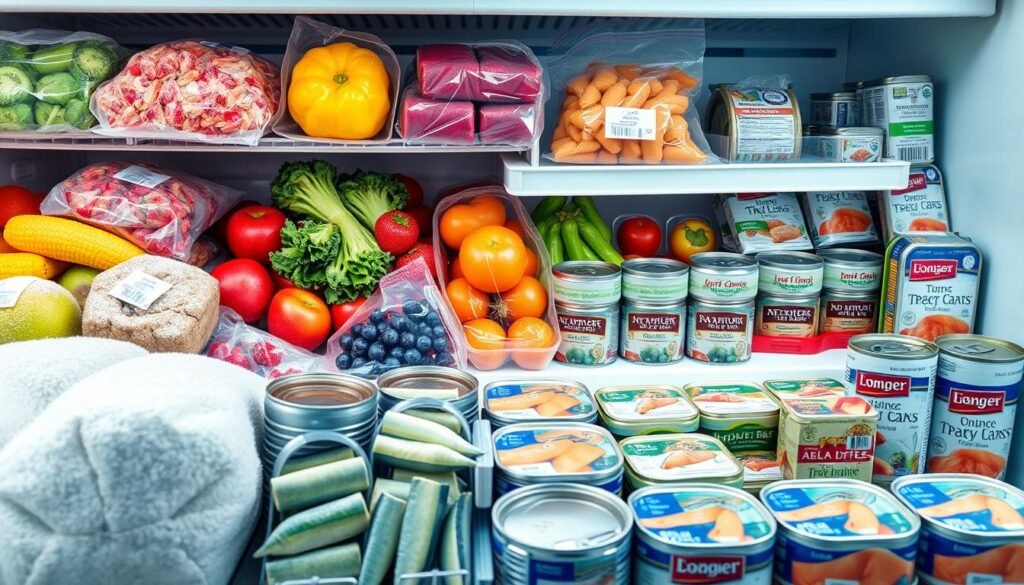
A well-stocked freezer makes it much easier to prepare nutritious food on busy days. Frozen vegetables and fruits are often picked when ripe and processed quickly, helping preserve many nutrients.
What to Keep in Your Freezer
- Plain frozen broccoli, spinach, and mixed vegetables.
- Frozen blueberries, strawberries, or mixed berries.
- Frozen fish fillets and portioned poultry.
- Edamame and other frozen beans.
- Homemade portions of cooked soup, lentils, or grains.
Pantry Foods Worth Stocking
- Canned salmon, sardines, or light tuna.
- Low-sodium beans and canned tomatoes.
- Plain oats, brown rice, and whole-grain pasta.
- Nut butter, seeds, and cooking oil.
- Low-sodium broth, herbs, and spices.
Check fish labels for added salt and serving sizes. For pregnancy and young children, follow the FDA’s fish guidance to choose lower-mercury varieties and suitable portions.
Buy only what your household can realistically use. Label homemade freezer meals with dates, organize older foods toward the front, and check the pantry before making another shopping trip.
How to Read Nutrition Labels Without Getting Confused
A few label-reading habits can make a bigger difference than chasing expensive health claims on packaging.
- Check the serving size: All nutrition numbers are based on that amount, which may be smaller than what you normally eat.
- Look at fiber: Compare breads and cereals and favor options with more fiber. Around 3 grams or more per serving can be a useful shopping goal.
- Compare added sugar: Plain oats and yogurt often contain less added sugar than flavored versions.
- Watch sodium: Compare canned soups, sauces, broths, and ready-to-eat meals.
- Check saturated fat: Choose products lower in saturated fat when comparing otherwise similar foods.
- Read ingredients: Whole-grain ingredients listed first can help identify better grain choices.
The FDA Nutrition Facts Label guide explains Daily Value percentages. As a general rule, 5% Daily Value or less is low and 20% or more is high for a nutrient.
Easy Meals You Can Make From This Grocery List
Buying healthy ingredients is only half the job. Turning them into simple meals helps you save money and actually use the food before it spoils.
Breakfast Ideas
- Overnight oats: Oats, milk or fortified soy milk, chia seeds, and berries.
- Egg and vegetable breakfast: Scrambled eggs, spinach, and whole-grain toast.
- Yogurt bowl: Plain Greek yogurt, fruit, walnuts, and cinnamon.

Lunch and Dinner Ideas
- Salmon grain bowl: Brown rice, salmon, cucumber, leafy greens, and lemon dressing.
- Lentil vegetable soup: Lentils, carrots, tomatoes, onions, and herbs.
- Chicken sheet-pan dinner: Chicken, potatoes, broccoli, and olive oil.
- Tofu stir-fry: Tofu, frozen mixed vegetables, rice, and garlic.
Simple Nutrient-Dense Snacks
- Apple slices with peanut butter.
- Carrots and hummus.
- Plain yogurt with berries.
- A small handful of unsalted nuts.
- Whole-grain crackers with cottage cheese.
Repeating a few reliable meals is fine. Change the vegetables, protein, or seasonings each week to add variety without learning new recipes every day.
Should You Buy Organic, Grass-Fed, or Wild-Caught?
These labels can describe important production differences, but they don’t automatically mean a food provides better health results.
- Organic produce: May reduce exposure to certain pesticide residues, but conventional produce still provides valuable nutrients. Wash produce appropriately, and don’t skip fruits or vegetables because organic costs too much.
- Wild-caught fish: Nutrition and contaminant levels depend on the fish species and source. Farm-raised salmon can also provide valuable omega-3 fats.
- Pasture-raised eggs: Nutrient levels can differ with feed and farming practices, but ordinary eggs remain nutritious.
- Grass-fed beef: Some fat differences are possible, but choosing lean cuts and limiting processed meat are more important everyday decisions.
- Seasonal produce: May cost less and taste better when supplies are plentiful, although local prices vary.
Best budget strategy: Prioritize enough fruits, vegetables, beans, whole grains, and protein before spending extra on premium sourcing labels.
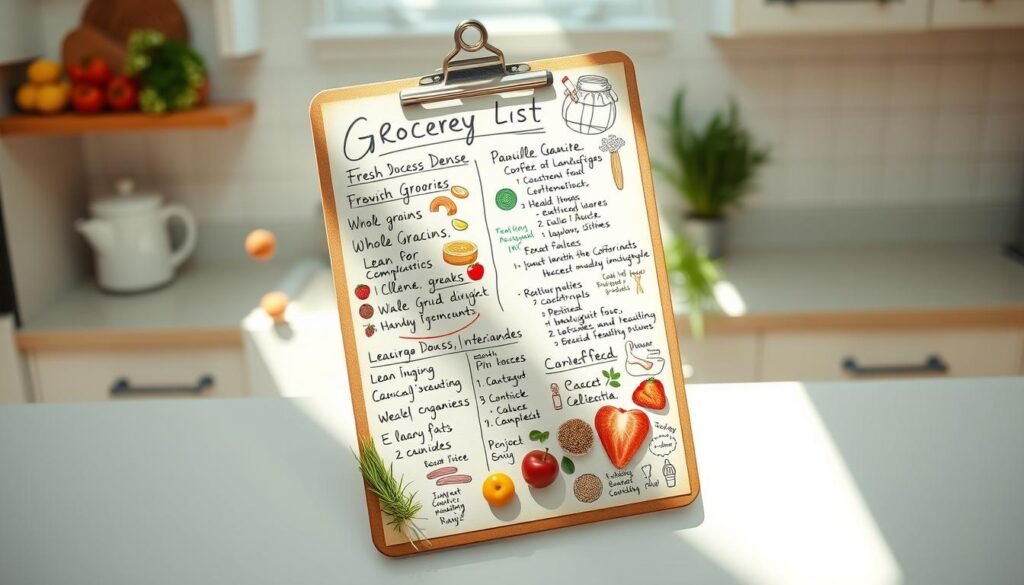
Printable Nutrient-Dense Grocery List
Use this checklist for your next shopping trip. Select the foods your household enjoys, cross out anything you already have, and adjust quantities based on how many people you’re feeding.
Produce
- ☐ Spinach, kale, or other leafy greens
- ☐ Broccoli, cabbage, or cauliflower
- ☐ Carrots, tomatoes, or peppers
- ☐ Apples, bananas, or seasonal fruit
- ☐ Fresh or frozen berries
- ☐ Potatoes or sweet potatoes
Protein Foods
- ☐ Eggs
- ☐ Salmon, sardines, or other lower-mercury fish
- ☐ Chicken or turkey
- ☐ Tofu, tempeh, or edamame
- ☐ Beans, lentils, or chickpeas
Dairy and Alternatives
- ☐ Plain Greek yogurt or kefir
- ☐ Milk or fortified unsweetened soy milk
- ☐ Cottage cheese or cheese
Whole Grains and Starches
- ☐ Rolled or steel-cut oats
- ☐ Brown rice or quinoa
- ☐ Whole-grain bread
- ☐ Whole-grain pasta
Nuts, Seeds, and Healthy Fats
- ☐ Almonds or walnuts
- ☐ Chia or ground flaxseed
- ☐ Natural peanut or almond butter
- ☐ Extra virgin olive oil
Pantry and Freezer
- ☐ Canned tomatoes and low-sodium broth
- ☐ Canned fish
- ☐ Frozen vegetables
- ☐ Frozen fruit
- ☐ Herbs, spices, mustard, and vinegar
My extra groceries: ______________________________
Meals planned this week: ______________________________
Items already at home: ______________________________
You can print this page using your browser’s print option or copy the checklist into your phone’s notes app. Another useful reference is this clean-eating shopping printable.
How to Save Money While Buying Nutrient-Dense Foods
Healthy grocery shopping doesn’t require a specialty supermarket. These habits can help you improve nutrition while controlling costs.
- Plan three or four main meals: Check ingredients before shopping so you don’t buy extras unnecessarily.
- Compare unit prices: Look at the cost per ounce or pound rather than the package price alone.
- Use store brands: Plain oats, frozen vegetables, canned beans, and rice often offer similar nutrition for less.
- Buy seasonal and frozen produce: Choose whichever provides better value that week.
- Use beans to stretch meat: Lentils and chickpeas add fiber and reduce the amount of meat needed.
- Choose versatile staples: Eggs, oats, rice, yogurt, and potatoes can appear in several meals.
- Reduce waste: Freeze unused portions before they spoil and plan one leftover meal each week.
Shopping the store perimeter can be a helpful starting habit, but don’t ignore the middle aisles. Many affordable, nutritious foods—including beans, oats, rice, and canned fish—are found there.
Frequently Asked Questions
What are the most nutrient-dense foods on a budget?
Beans, lentils, oats, eggs, potatoes, cabbage, frozen spinach, and canned sardines are practical choices. They provide different nutrients at relatively affordable prices, depending on your local store.
Are frozen fruits and vegetables as nutritious as fresh?
Often, yes. Freezing helps preserve many nutrients, although levels vary with the food, storage, and cooking method. Choose plain frozen produce without added sugary syrups or salty sauces.
Can vegetarians and vegans use this grocery list?
Yes. Build meals around beans, lentils, tofu, tempeh, edamame, whole grains, nuts, seeds, and fortified plant milks. People avoiding all animal products need a reliable source of vitamin B12 from fortified foods or supplements, as explained by the NIH Office of Dietary Supplements.
What should I look for when buying whole-grain bread?
Look for whole-wheat flour or another whole-grain ingredient near the beginning of the ingredient list. Compare fiber, sodium, and added sugar between brands. Bread doesn’t have to be under 100 calories per slice to be nutritious.
Do I need organic groceries to eat healthy?
No. Conventional fruits, vegetables, grains, eggs, and dairy products can all fit into a nutritious diet. If your budget is limited, getting enough variety matters more than paying extra for organic labels.
How many foods should I buy each week?
There is no perfect number. Start with two or three proteins, several vegetables, two fruits, one or two whole grains, and a few pantry staples. Adjust amounts to your household size, meals, and available storage.
Conclusion
A nutrient-dense grocery list works best when it fits your everyday life. Start with affordable produce, dependable protein sources, whole grains, beans, and healthy fats. Keep a few frozen and shelf-stable choices ready so busy evenings don’t mean giving up on balanced meals.
Before your next grocery trip, check what you already have, choose three easy meals, and use the printable checklist to buy only what you need. You don’t have to replace your entire diet at once. Small, practical changes are easier to maintain and can support better nutrition over time.