

Can a wellness gadget that costs less than $50 actually help you sleep better, stay focused, or build healthier habits? Sometimes, yes. But the results depend more on what the device does and how you use it than on how impressive its marketing sounds.
From white noise machines and sunrise alarm clocks to light therapy lamps and recovery tools, affordable wellness products can make everyday routines easier. The key is choosing something that solves a real problem instead of paying for features you may never use.
This guide explores useful budget wellness gadgets, practical Amazon options, what research says about their benefits, and which products you can probably skip. You’ll also learn how to judge features, avoid misleading health claims, and get more value from your money.
Key Takeaways
- Start with your biggest daily problem. Choose a gadget for sleep, movement, hydration, or focus rather than buying several products at once.
- White noise machines may help mask distracting sounds. Look for adjustable volume, useful timers, and simple controls.
- Sunrise alarms offer a gentler way to wake up. Gradual light can make dark mornings feel less abrupt, although it does not replace enough sleep.
- Not every popular feature is supported by strong evidence. Blue-light glasses, recovery gadgets, and wellness trackers often promise more than research can confirm.
- Consistency matters more than price. A simple tool you use regularly may be more valuable than an expensive device that sits unused.
Helpful Products at a Glance
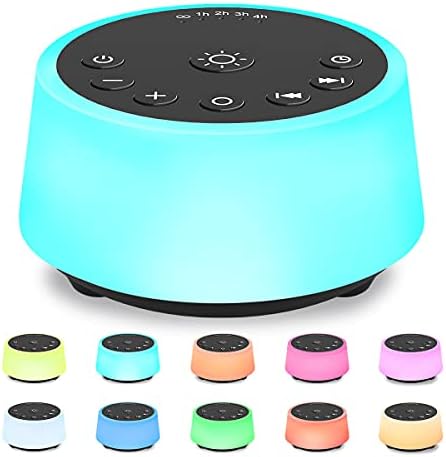
Color Noise Sound Machine: A practical bedside option for masking background noise, with adjustable sound and light settings. It needs a suitable place near your bed and a power connection.
- ♪【25 High-fidelity and Soothing Sounds】 There are 4 types of white noise, 4 fan sounds, 3 sea wave sounds, 3rain sounds , train, star dust, meditation, and relaxing natural sounds and so on. The sound rhythm helps you fall asleep, and the white noise machine can effectively cover up destructive or startling sounds to protect your sleep quality.
- ♪【10 Night Lights and Adjustable Brightness 】 The white noise machine has a unique 10-color night lights and adjustable brightness. It can be used for office lighting, milk powder feeding, changing diaper, parent-child interaction, or bedside sleep. You can use these 10 ambient lights to decorate your environment.It can be just the sound or just the night light!
JALL Sunrise Alarm Clock: Combines gradual wake-up lighting with sound options for people who want a gentler morning routine. Its many settings may take some getting used to.
- 【Full-Screen Sunrise Simulation for Heavy Sleepers】 This sunrise alarm clock mimics natural dawn, glowing from dark to full brightness within 10-60 minutes before your alarm. Its front full-screen panel delivers superior light coverage to gently wake deep sleepers without jarring jolts.
- 【Dual Alarms, Snooze & Auto-Sync】 Easily set separate Everyday, Weekday, or Weekend routines for your family. Features a custom 5-20 min snooze. Syncs automatically with your phone via Bluetooth for precision timekeeping—no tedious manual resetting.

Why Affordable Wellness Gadgets Can Be Worth Buying
Many popular wellness devices are designed around simple daily needs: reducing distractions, making movement more convenient, creating a comfortable sleep environment, or reminding you to follow a routine.
You don’t always need expensive technology to accomplish these things. A basic timer, adjustable light, or resistance band can serve a useful purpose without a subscription, complicated app, or advanced health dashboard.
However, there is an important difference between a gadget making a healthy habit easier and the gadget directly improving your health. A sound machine, for example, might make traffic less distracting, but that doesn’t mean it treats insomnia.
The CDC recommends consistent bedtimes, comfortable sleeping conditions, regular activity, and limiting evening screen use. These habits remain important whether you use a sleep gadget or not.
What to check before spending money
- Daily usefulness: Does the product solve a problem you experience regularly?
- Simple controls: Can you adjust it without repeatedly opening an app?
- Power requirements: Does it need an outlet, batteries, or regular charging?
- Comfort and durability: Will its materials and design work for everyday use?
- Realistic benefits: Are its advertised features more convincing than its health promises?
- Maintenance: Is it easy to clean, store, or replace worn parts?
Before buying, check the exact model, current Amazon price, seller, return conditions, and included accessories. Prices change, and some options can move above the $50 budget.
1. White Noise Machines for a More Comfortable Sleep Environment
If passing cars, conversations, or other background sounds regularly disturb your bedroom, a white noise machine may be worth considering.
These devices play steady sounds that can make sudden background noises less noticeable. Some offer white, pink, or brown noise, along with rain, fan, or ocean sounds.
Sound masking is not the same as soundproofing. A machine adds background audio rather than blocking outside noise. Some people find it soothing; others sleep better in silence. Evidence that white noise consistently improves sleep remains limited.
What makes a good budget sound machine?
- Multiple sound options: Lets you find a sound that feels comfortable.
- Fine volume adjustment: Helps avoid audio that is unnecessarily loud.
- Sleep timers: Allow automatic shutoff when you don’t need sound all night.
- Continuous playback: Useful when you want steady sound without interruptions.
- Memory function: Saves your preferred settings between sessions.
Product option: Color Noise Sound Machine
The Color Noise Sound Machine with Night Light is a practical example of a budget device that focuses on useful controls rather than advanced sleep tracking.
Its listed features include 25 soothing sounds, 32 volume levels, five timer options, adjustable night-light brightness, and memory settings. This gives you room to experiment with different sounds and volumes without depending on a phone.
The extra lighting may be convenient for a bedside table, but a glowing light is not always desirable while sleeping. Keep the night light dim or off when you want a dark room. Also, position the machine away from your ears and use the lowest effective sound level.
- ♪【25 High-fidelity and Soothing Sounds】 There are 4 types of white noise, 4 fan sounds, 3 sea wave sounds, 3rain sounds , train, star dust, meditation, and relaxing natural sounds and so on. The sound rhythm helps you fall asleep, and the white noise machine can effectively cover up destructive or startling sounds to protect your sleep quality.
- ♪【10 Night Lights and Adjustable Brightness 】 The white noise machine has a unique 10-color night lights and adjustable brightness. It can be used for office lighting, milk powder feeding, changing diaper, parent-child interaction, or bedside sleep. You can use these 10 ambient lights to decorate your environment.It can be just the sound or just the night light!
- ♪【5 Timer-Setting and Memory Function】 There are a total of 5 timer options, continuously play, 1 hour, 2 hours, 3 hours and 4 hours, you can set it according to your needs.When the automatic shut-off comes close, the sound will gradually fade out and then turn off. And the machine can also remember the settings of volume, brightness, track and timer, so you don't have to press buttons all the time!
- ♪【Lightweight, Compact and Easy to use】 The design of the device is simple and intuitive, light and easy to carry, and the design of large enough buttons allows you to easily change the track, turn on/off the night light, change the color of the ambient light, and even set the timer setting within a few seconds.
Who can skip it? If a fan already provides comfortable background sound, or a free audio app works well for you, another machine may offer little additional value.
Soft earplugs and a comfortable eye mask are also inexpensive options. Choose a breathable mask that doesn’t press against your eyes and earplugs that fit without causing pain. If noise is severe, reducing it at the source is preferable to covering it with louder sound.
2. Sunrise Alarm Clocks for Gentler Mornings
A traditional alarm wakes you with sound at a set time. A sunrise alarm works differently: it gradually increases light before your chosen wake-up time, often followed by an audible alarm.
This can make waking up in a dark room feel less sudden. It may be especially appealing during winter or when your schedule requires getting up before sunrise.
Light also helps regulate your circadian rhythm, your body’s internal sleep-wake clock. But a sunrise alarm is not the same as a clinically designed bright-light therapy device, and evidence for specific alarm-clock benefits varies.
Product option: JALL Full-Screen Sunrise Alarm Clock
The JALL Full-Screen Wake Up Light combines a sunrise-style alarm with several sleep and bedside features. Its listed functions include 25 natural sounds, dual alarms, adjustable light colors, an FM radio, and Bluetooth speaker support.
It makes sense for someone who wants both an alarm clock and an optional evening sound routine. Having these functions in one device may also reduce the need for a separate bedside speaker.
The trade-off is complexity. If all you need is a basic alarm, you may not use its extra sound and color settings. It also requires external power, so check how its alarms behave during power interruptions.
- 【Full-Screen Sunrise Simulation for Heavy Sleepers】 This sunrise alarm clock mimics natural dawn, glowing from dark to full brightness within 10-60 minutes before your alarm. Its front full-screen panel delivers superior light coverage to gently wake deep sleepers without jarring jolts.
- 【Dual Alarms, Snooze & Auto-Sync】 Easily set separate Everyday, Weekday, or Weekend routines for your family. Features a custom 5-20 min snooze. Syncs automatically with your phone via Bluetooth for precision timekeeping—no tedious manual resetting.
- 【25 Natural Sleep Sounds & FM Radio】 Fall asleep to 25 natural sounds and white noises with a flexible 10-480 min sleep timer. Supports an L0 screen blackout mode for total darkness. Features a built-in 76-108 MHz FM radio with auto-scan to easily set radio stations as your alarm tone.
- 【Atmosphere Lights & 5W Bluetooth Speaker】 Experience 17 lighting effects (8 solid colors & 9 dynamic RGBs) with an immersive music-rhythm mode that flashes to the beat. The premium 5W speaker streams crisp, rich audio from your phone, upgrading the poor audio and rigid lighting common in older models.
How to make a sunrise alarm more useful
- Choose a consistent wake-up time. Keep it as regular as your schedule allows.
- Start with a gentle light ramp. Try gradual illumination before the audible alarm rather than maximum brightness immediately.
- Keep an audible backup. This is particularly important if you must wake up at a precise time.
- Get natural daylight after waking. Opening curtains or spending time outdoors can reinforce your daytime routine.
Remember that morning light cannot make up for regularly getting too little sleep. Most adults need at least seven hours, although individual needs vary.
3. Affordable Lighting Gadgets for Focus and Mood
Lighting influences how comfortable a room feels and helps your body distinguish daytime from nighttime. But ordinary desk lamps, bright-light therapy lamps, and blue-light glasses are not interchangeable products.
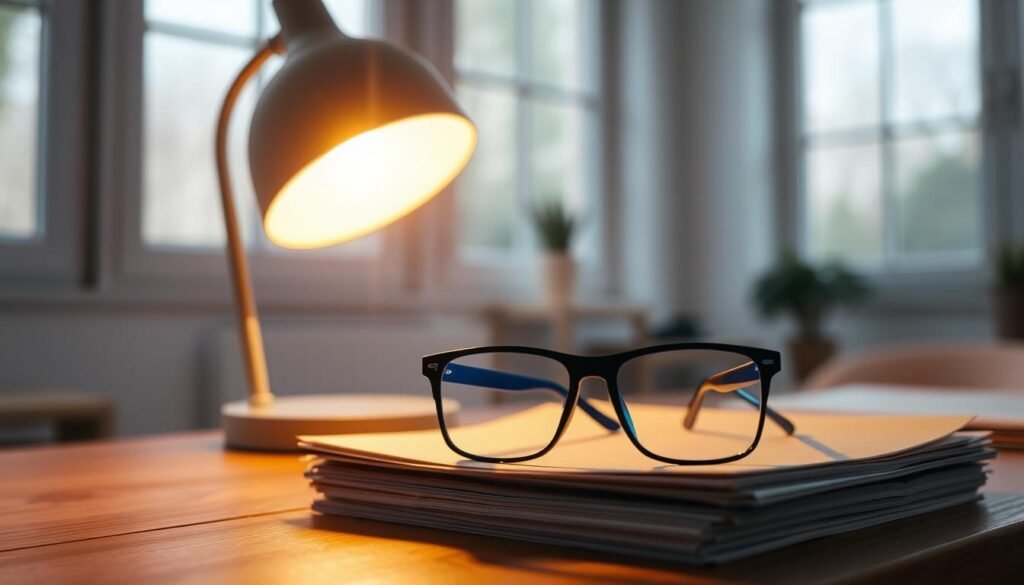
Desk lamps versus 10,000-lux light therapy lamps
A regular adjustable desk lamp is useful for reading, working, and reducing harsh shadows. Look for stable construction, comfortable brightness, adjustable positioning, and minimal glare.
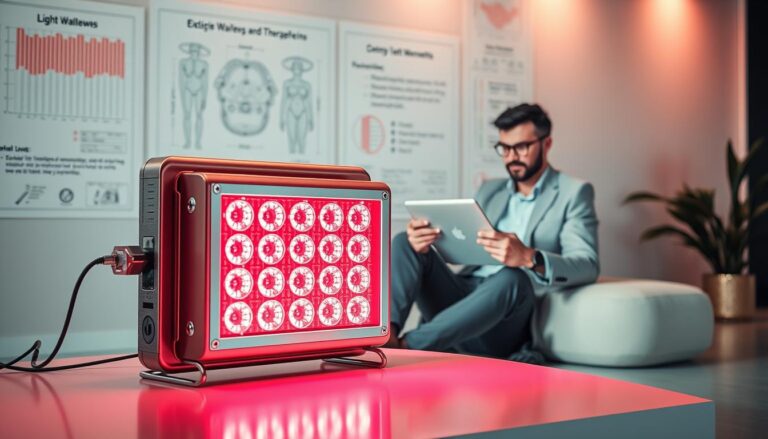
A light therapy lamp serves a more specific purpose. Some models are designed to produce 10,000 lux, a measurement of light intensity, at a stated distance. A normal bright desk lamp should not be assumed to deliver that therapeutic intensity.
According to the National Center for Complementary and Integrative Health, bright-light therapy has evidence supporting its use for seasonal affective disorder (SAD), a form of depression linked to seasonal changes.
Common treatment routines involve morning exposure for about 20–60 minutes, but the appropriate distance, intensity, and duration depend on the device and individual circumstances.
When shopping, check:
- Whether the stated lux level applies at a practical viewing distance.
- Whether the device filters ultraviolet (UV) light.
- Brightness settings, timer controls, and positioning options.
- The manufacturer’s usage and safety instructions.
Bright-light therapy may cause headaches or eye discomfort and can be unsuitable for people with certain eye conditions, bipolar disorder, or medications that increase light sensitivity. Seek appropriate professional guidance before using it for a mood condition, and do not stare directly into the light.
Are blue-light blocking glasses worth buying?
Blue-light glasses are widely promoted for screen-related eye strain and better sleep. However, the evidence does not support many of the strongest marketing claims.
A Cochrane review of 17 randomized trials found that blue-light filtering glasses may offer little or no short-term advantage for computer-related eye strain. Their effects on sleep remain uncertain.
Before spending money on special glasses, try these free changes:
- Reduce screen brightness in the evening.
- Use night mode or warmer display settings.
- Take regular breaks while working at a screen.
- Keep the room comfortably lit to reduce glare and contrast.
- Limit stimulating screen activities before bedtime.
For many people, those adjustments are a more sensible first step than buying glasses that promise to protect the eyes from ordinary screen exposure.
4. Resistance Bands, Massage Balls, and Foam Rollers for Movement
Recovery gadgets don’t need batteries or Bluetooth connections to be useful. Resistance bands, massage balls, and foam rollers can help you add movement or manage temporary muscle discomfort without taking up much space.
Which recovery tool is right for you?
- Resistance bands: Add resistance to exercises such as side steps, rows, and glute bridges. Choose a suitable length and strength for your movements.
- Massage or lacrosse balls: Let you apply controlled pressure to small muscle areas, including the glutes and upper back.
- Foam rollers: Cover larger muscle groups and may temporarily ease soreness or improve comfortable range of motion.
These tools have different purposes. Resistance bands are mainly exercise equipment, while massage balls and foam rollers are generally used for self-massage or mobility routines. None guarantees faster injury healing or replaces an appropriate training and recovery plan.
The CDC recommends muscle-strengthening activity at least two days per week for adults. Bands can be one way to work toward that goal.
A simple five-minute movement routine
- One minute: Walk in place and gently roll your shoulders.
- One minute: Perform slow bodyweight squats or supported chair sit-to-stands.
- One minute: Try light band side steps if you have a suitable band.
- One minute: Gently massage a comfortable muscle area using a ball or your hands.
- One minute: Finish with relaxed breathing and easy stretching.
Move slowly and stop if you feel sharp pain, numbness, or worsening symptoms. Inspect resistance bands before use and avoid overstretching damaged material. Do not apply strong pressure directly over the spine, joints, or an injured area.
You can begin most of this routine without purchasing anything. A sturdy chair, a short walk, and simple bodyweight exercises are useful alternatives.
5. Hydration Bottles and Kitchen Helpers for Healthier Habits
Not every wellness product needs advanced technology. Sometimes the most useful tool is a reusable bottle that is comfortable to carry or a kitchen accessory that makes meal preparation easier.
These products don’t automatically improve hydration or nutrition. Their value comes from making useful behaviors more convenient.
What matters in a water bottle?
- Leak-resistant lid: Helpful when carrying a bottle in a work or gym bag.
- Comfortable opening: Makes drinking convenient without frequent spills.
- Easy cleaning: Wide openings and accessible parts reduce maintenance problems.
- Useful capacity: Choose a size based on how often you can refill it.
- Time markers: Optional reminders rather than mandatory drinking targets.
Brands such as Hydro Flask and LARQ demonstrate features like insulation and specialized bottle technology. However, expensive features are not necessary for everyone. A basic, easy-to-clean bottle may be all you need.
Time markings can remind you to drink, but they should not override your individual fluid needs. Climate, exercise, diet, health conditions, and medications can change how much fluid is appropriate.
Are portable blenders worth it?
Compact blenders can be convenient for making smoothies or protein shakes when a full-size blender is unavailable. Before buying, check blade cleaning, cup capacity, power, charging requirements, and whether the model can handle your usual ingredients.
A product like the NutriBullet Portable Blender illustrates the category, but a portable blender is not essential for healthy eating. Whole fruit, yogurt, prepared meals, and other simple foods can be just as practical.
Choose a blender only if you expect to use it regularly, and always follow its safety instructions for charging, cleaning, and blending.
6. Journals, Breathing Timers, and Habit Trackers for Focus
One of the easiest ways to overspend on wellness technology is to buy a device for something you could do comfortably with a notebook or phone timer.
Guided journals, breathing timers, and habit trackers are appealing because they give daily routines a clear starting point. They can support reflection and consistency, although they are not proven shortcuts to better mental health or productivity.

Try a two-minute journaling routine
You don’t need a special notebook. Start with three short prompts at the end of your day:
- What went well today?
- What caused unnecessary stress or distraction?
- What is one small thing I want to do tomorrow?
This creates a simple record you can review later. If writing feels like another obligation, try a few words rather than filling an entire page.
Use breathing timers for short breaks
Structured breathing gives you something specific to focus on when you feel tense or distracted. You can use a dedicated timer, a watch, or a free phone app.
For example, box breathing commonly follows four equal phases: inhale, pause, exhale, and pause. You can start with comfortable intervals rather than forcing a particular count.
Another approach, 4-7-8 breathing, uses an inhale of four counts, a hold of seven, and an exhale of eight. Long breath holds are not comfortable for everyone, so adjust or skip them as needed. Stop if you feel dizzy or short of breath.
Analog trackers versus phone reminders
- Paper trackers: Useful when you prefer fewer notifications and enjoy marking off daily progress.
- Phone reminders: Convenient for scheduled prompts and automatic tracking.
- Wearable integration: Can add activity or sleep trends, but the data may be imperfect and may not explain why you feel a certain way.
Choose the simplest system you’ll consistently use. You can always add more features later.
How to Choose a Wellness Gadget Under $50 Without Wasting Money
When comparing Amazon products, use this checklist before ordering:
- Identify one job: Sound masking, waking up, exercise, lighting, hydration, or habit tracking.
- Compare features, not health promises: Timers and adjustable settings are more concrete than claims to optimize your nervous system.
- Check power and accessories: Some devices require continuous USB or wall power, while others include rechargeable batteries.
- Read critical feedback: Look for repeated complaints about uncomfortable materials, noisy buttons, unreliable alarms, or difficult cleaning.
- Check total cost: Confirm the selected variant remains below $50 after any required accessories and shipping.
- Review the return policy: Comfort, sound preferences, and lighting needs can be personal.
Also be cautious about products claiming to cure insomnia, treat anxiety instantly, speed muscle healing dramatically, or deliver medical-grade effects without convincing evidence.
How to Tell Whether Your Wellness Gadget Is Helping
Instead of expecting an immediate transformation, choose a small outcome you can observe. You don’t need an expensive wearable to begin.
Try this simple approach:
- Record your starting point. For several days, note when you sleep, how refreshed you feel, or how often you complete your chosen habit.
- Change one thing. Introduce one gadget while keeping the rest of your routine reasonably consistent.
- Use it consistently. Follow the instructions and give yourself time to become comfortable with it.
- Look for a practical improvement. Are distractions easier to manage? Is your morning routine smoother? Are you exercising more regularly?
- Keep, adjust, or stop. If the device adds stress or complexity without a useful benefit, you don’t need to continue using it.
Wearables such as Oura and WHOOP can provide additional sleep and recovery estimates, including resting heart rate and heart rate variability (HRV). However, their measurements are not perfect, and small day-to-day changes do not necessarily show that one gadget caused an improvement.
Frequently Asked Questions
Do wellness gadgets under $50 actually work?
Some can be useful for practical tasks, such as masking background noise, giving exercise resistance, or making a morning routine easier. Their health benefits vary, and the device itself may not be the reason a habit improves.
Which budget wellness gadget should I buy first?
Start with the problem you experience most often. For a noisy bedroom, consider a sound machine or earplugs. For dark mornings, a sunrise alarm may be convenient. For movement, start with simple exercises before buying equipment.
Are white noise machines safe to use all night?
Keep the volume low and place the machine away from your head. Avoid using loud sound to cover very noisy surroundings, particularly around infants and young children. Use the device instructions and choose quieter environmental solutions when possible.
Can a budget light therapy lamp improve mood?
Proper bright-light therapy has evidence for seasonal affective disorder, but not every bright lamp is designed for that purpose. Check the intensity at the recommended distance and relevant safety information. Some people should seek professional guidance before using bright-light therapy.
Do blue-light glasses improve sleep and reduce eye strain?
Current evidence does not clearly show that blue-light filtering glasses improve sleep, and they may offer little or no short-term benefit for digital eye strain. Screen breaks, suitable lighting, and reducing evening screen time are reasonable steps to try first.
Are resistance bands and foam rollers useful for recovery?
Resistance bands can help build strength and support exercise routines. Foam rollers and massage balls may temporarily ease soreness or improve comfortable movement. They do not guarantee faster tissue healing or replace rehabilitation when an injury needs care.
Do I need a wearable to track results?
No. A simple notebook can track sleep timing, daily movement, and how you feel. Wearables may provide additional trends, but they are optional and should not be treated as medical-grade measurements.
Conclusion: Buy for the Habit, Not the Hype
The most useful wellness gadget is one that solves a genuine problem and fits comfortably into your daily routine. A low-cost sound machine can make a noisy bedroom more pleasant. A sunrise alarm can make early mornings less abrupt. Simple mobility tools, bottles, and journals can make healthy habits easier to repeat.
Start with one need, compare practical features, and try the free alternative first when possible. If you decide to buy, choose reliable controls, appropriate safety features, and a product you can realistically see yourself using.
Better wellness habits don’t require a drawer full of gadgets. Often, a small and thoughtful change is enough to make your routine easier to maintain.