

Can a countertop lamp or a wearable cap really change how your skin, muscles, and energy cells behave?
Red light and near-infrared science has moved from clinics into the home, and the promise is simple: specific wavelengths feed mitochondria to boost ATP and speed repair.
Two clear facts matter up front: wavelength choice drives where the light works, and output specs beat marketing claims.
Surface concerns like fine lines respond best to ~630–660 nm. Deeper aches and joint relief tap into the 810–850 nm band. Not all products match clinical specs, so comparing irradiance and wavelength is key.
Key Takeaways
- Red and near-infrared wavelengths target different tissue depths; choose accordingly.
- Check irradiance and wavelength, not just brand promises.
- Home device forms range from masks to panels—pick one that fits the target area.
- Some units may be HSA/FSA eligible with an LMN; that can lower costs.
- Protect your eyes and review medications that cause photosensitivity.
Why Red Light Therapy Is Trending for Home Use Right Now
Improved LEDs and smarter product design moved therapeutic light from clinics into living rooms. Home tools now deliver measurable benefits when used consistently, but expect gradual gains rather than instant fixes.
At-home gear runs at lower intensity than clinic units, yet regular sessions over weeks can improve skin, ease soreness, and speed recovery. Convenience and cost savings are major drivers: short daily routines often replace recurring in-office appointments.
Practical features — built-in timers, dose/distance guidance, and clear session plans — help users stick to routines and get repeatable results.
- Affordability and access: One-time purchases can be cheaper than repeated clinic visits.
- Documented uses: Studies examine skin aging, acne, muscle soreness, and hair support.
- Payment help: HSA/FSA spending may apply with a Letter of Medical Necessity for qualifying conditions.
Be realistic: outcomes accumulate, vary by condition and product specs, and depend on adherence. When picked and used correctly, these products fit the growing demand for science-informed self-care tools.
How Red Light Therapy Works: Wavelengths, Mitochondria, and Energy Production
Different wavelengths act like keys—each opens a unique cellular response in skin or muscle.Short, precise exposures influence mitochondria to support ATP energy production and improved circulation without heat.
Red vs. Near‑Infrared: 630–660 nm for skin, 810–850 nm for deeper tissue
Red wavelengths around 630-660 nm target the skin’s surface, while near‑infrared around 810-850 nm can reach deeper tissues. Red primarily affects skin-level concerns like texture and acne. Near‑infrared penetrates muscle and joint layers in the body for soreness and recovery.
Photobiomodulation basics: ATP, nitric oxide, and oxidative balance
Photobiomodulation means light interacts with mitochondrial enzymes, especially cytochrome c oxidase, to support ATP production. That rise in energy can boost cellular repair and lower harmful oxidative stress.
Nitric oxide release improves microcirculation so nutrients reach damaged tissue faster and healing follows more smoothly.
What deeper penetration means for pain, recovery, and joints
This non‑thermal mechanism differs from heating tools. Brief, hormetic exposures nudge cells toward resilience; overdoing sessions won’t speed results and may irritate skin.
Choose a device that offers both red light and near‑infrared if you want one routine to address multiple conditions. For a hands‑on user report, see the 30‑day at-home experiment.
What the Evidence Says: Skin, Pain, Hair Growth, and Recovery
A growing body of trials shows modest, progressive gains across skin, pain, and hair when sessions are consistent. Expect moderate results that build over weeks and require steady adherence to protocols.
Skin outcomes: fine lines, texture, acne, and wound healing
Studies report improved fine lines, reduced wrinkles, and better skin texture with regular exposures.
Light can modulate inflammation and support wound‑healing markers. It also helps inflammatory acne and may reduce scarring by improving barrier function.
Pain and recovery: arthritis, fibromyalgia, and localized soreness
Clinical trials suggest temporary reductions in pain for arthritis and fibromyalgia and less post‑exercise soreness for athletes.
Relief is often short term and tied to cumulative dosing. Office systems use higher irradiance, but home units still yield benefits when used over weeks.
Hair growth data: density, shedding, and device study outcomes
Randomized, placebo‑controlled helmet studies showed roughly a one‑third increase in hair counts after several months of consistent use.
Users report reduced shedding and higher density, but results vary by baseline condition and adherence. Maintenance sessions are usually needed after the initial improvement phase.
- Evidence summary: Gradual improvements in skin quality, temporary soreness reduction, and meaningful boosts in hair density with regular use.
- Variability: Outcomes depend on device specs, session consistency, and individual conditions.
- Tracking tip: Use photos and logs to document subtle changes and confirm results over months.
For a broader clinical perspective, see this clinical overview that summarizes recent trial findings and practical takeaways.
Safety Essentials and Eye Protection for At‑Home Light Therapy
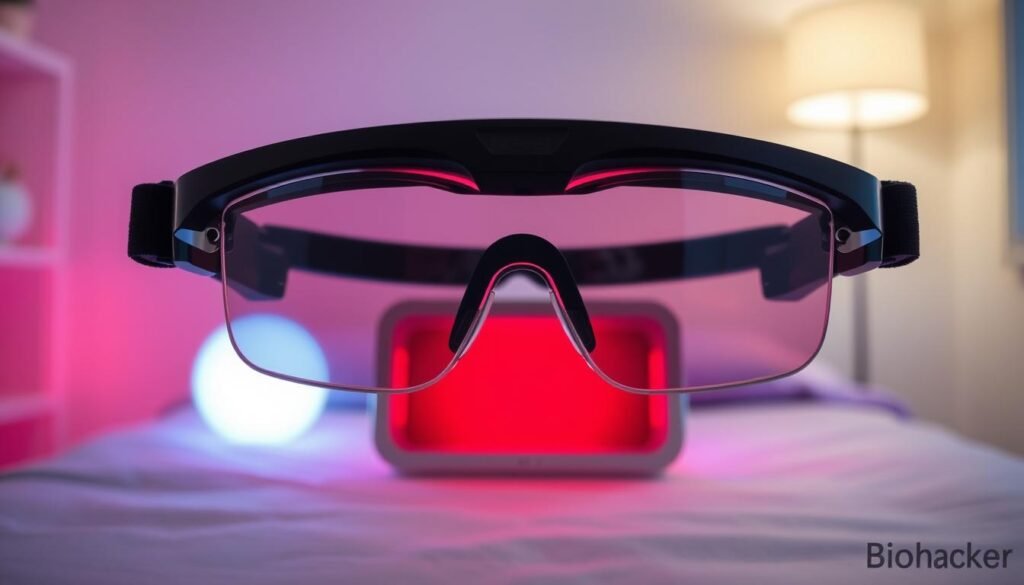
RLT is considered safe when you protect your eyes, follow device distance guidance, and avoid overexposure. Always review medications and skin procedures with a clinician before starting.
Photosensitizing meds and photosensitive conditions
Check prescriptions first. Certain antibiotics, diuretics, and acne drugs increase sensitivity to light and raise irritation risk.
Ask a clinician if you have lupus or another photosensitive disorder before you use home units.
Goggles, distance, and avoiding overexposure
Eye protection matters for face sessions. Wear the supplied goggles and avoid staring directly into LEDs.
Follow the manufacturer’s distance chart to prevent hot spots and ensure even coverage at safe levels.
“Do not fall asleep with a panel over one area; localized overheating or excess dose can occur.”
- Patch-test sensitive areas and ramp duration slowly to find tolerance.
- Defer use over active cancer unless your oncologist clears it; delay after peels or injectables per clinician advice.
- Use quality products with thermal management and certifications to reduce malfunction risks.
- Pregnant or breastfeeding? Consult your provider due to limited data.
Rare side effects such as temporary redness or irritation usually resolve when sessions are reduced or spaced out. Protect your eye health, follow dose guidance, and treat sessions like a short, repeatable medical habit.
Device Types: Masks, Panels, Handhelds, and Wraps for Targeted Treatments
Choose the form factor that matches your goals and target area. Masks simplify face care, panels maximize coverage, and handhelds or wraps excel at joint or spot treatment.
Choosing the right tool depends on whether you need broad coverage or a focused, portable fix. Each form offers trade-offs in session time, intensity, and convenience.
How masks help face-focused skin routines
Rigid masks sit close to the face for consistent output and hands-free sessions. Flexible masks contour better for uneven features and are easier to pack.
Masks work well for fine lines and acne because they deliver concentrated light to the skin with stable placement.
Why panels are the choice for multi-area recovery
Full-body panels offer the highest coverage and output for multi-area recovery and chronic pain. They cut overall session time by treating large regions at once.
Panels often need stands or mounts and take more space, but they serve frequent users or multi-person homes well.
Handhelds and wraps for targeted treatment
Handhelds are portable and ideal for short, precise work on small areas such as the jawline or a sore knot.
Wraps and sleeves contour joints—knees, wrists, calves—and maintain even contact. They shine for tendonitis or post-workout soreness.
- Coverage vs. intensity: panels cover more area; masks and handhelds concentrate output on a smaller zone.
- Setup: panels may need stands; masks and handhelds need minimal space.
- Budget tip: handhelds and wraps are entry-level; panels are a premium investment for frequent, multi-area use.
- Household strategy: combine a panel for general use with a mask dedicated to face care to keep routines consistent.
| Form | Best for | Setup | Typical cost |
|---|---|---|---|
| Mask (rigid/flexible) | Face care, fine lines, acne | Minimal, hands-free | Low–Mid |
| Panel | Full-body recovery, chronic pain | Stand or mount, larger space | Mid–High |
| Handheld | Spot treatment, small areas | Very small, portable | Low |
| Wrap/Sleeve | Joints, tendon issues, contoured areas | Easy wrap, flexible fit | Low–Mid |
What to Look For: Wavelength, Irradiance, Coverage, and Build Quality
Specs — not hype — drive results. Favor products that publish irradiance at practical distances, offer proven wavelength bands (~630–660 nm and ~810–850 nm), and include safety certifications plus solid cooling.
Practical performance depends on dose delivery at 6–12 inches, which tells you more than raw wattage or LED counts. Manufacturers should list irradiance (mW/cm²) at working distance so you can estimate treatment minutes and cumulative dose.

Why beam angle, cooling, and noise matter
Beam angle affects usable coverage: narrow beams concentrate energy; wide beams cover more area but lose peak intensity faster. Intensity falls with the square of distance, so placement decisions change session length.
Look for low flicker and low EMF electronics, reliable thermal management, included protective eyewear, and third‑party testing or certifications. These reduce safety risk and improve long‑term performance.
UX, controls, and build quality
Timers, adjustable intensity, wavelength toggles (red/NIR), and quiet fans make daily adherence easy. App controls and session logs help track progress and maintain routines. Favor units with warranties beyond 30 days and sturdy materials for long use.
| Spec | What to check | Why it matters | Practical tip |
|---|---|---|---|
| Wavelength | ~630–660 nm & ~810–850 nm | Covers skin and deeper tissue | Choose dual‑spectrum options |
| Irradiance | mW/cm² at 6–12 in | Predicts dose better than watts | Compare published measurements |
| Safety & build | Low flicker/EMF, cooling, goggles | Reduces irritation and failure risk | Prefer third‑party testing |
| UX features | Timers, levels, app control | Boosts adherence and tracking | Look for session logging |
For dosing examples and a user guide, see this practical sleep-centered protocol at the biohacker’s guide.
Best Red Light Therapy Devices
These vetted products balance wavelength, irradiance, and build quality to deliver reliable at‑home sessions.Pick by target area, budget, and how often you plan to use the unit.
Curated options below mix masks, handhelds, caps, and panels so you can match form factor to goals — face care, scalp support, or whole‑body recovery. Each entry notes session lengths, notable modes, and FDA clearances where applicable to help set realistic expectations for daily use.
- LightStim Elipsa: 868 LEDs with MultiWave tech. FDA‑cleared for wrinkle treatment; broad face coverage and hands‑free sessions.
- iRestore Illumina Face Mask: 360 LEDs (635/830 nm plus 415 nm blue). Ten‑minute face sessions for skin and acne modes.
- Capillus Pro Cap: 272 therapeutic lasers at 650 nm. Clinically backed for hair‑growth use; ~6 minutes per day and FDA‑cleared.
- LightStim for Wrinkles: Handheld, FDA‑cleared; targets small zones in ~3 minutes per area for focused skin work.
- LightStim ProPanel: Professional‑grade panel with high output. FDA‑cleared, 10–20 minute sessions for larger areas and multi‑user households.
Practical notes: Look for warranties and research backing, and prefer models with multiple wavelength toggles for flexible use. Travelers may favor the cap or handheld for portability, while households treating several people should consider a panel for quicker sessions.
For a deeper buying checklist and side‑by‑side specs, see this roundup of recommended products and options.
Our Top Picks and Why We Chose Them
Choosing a model starts with clear specs, reliable safety testing, and a form factor you’ll actually use every week. We favored wavelength accuracy, practical irradiance reporting, and ergonomic fit to boost real-world adherence.
Best Red Light Therapy Mask: LightStim Elipsa
Why it stands out: 868 LEDs with MultiWave blending and FDA clearance for wrinkle and acne protocols. Recommended sessions: 16 minutes for wrinkles, 12 minutes for acne.
Best Budget Face Mask: iRestore Illumina Face Mask
Why it stands out: 360 LEDs (635 nm + 830 nm) plus a 415 nm blue mode, IEC/ISO testing, one-year warranty, and a 10-minute routine used 3–5x/week for skin maintenance.

Best for Hair Growth: Capillus Pro Cap
Why it stands out: 272 medical‑grade 650 nm lasers, FDA clearance, clinical backing for reduced shedding and increased density, auto shut-off, and a three-year warranty. Quick 6-minute daily sessions make adherence easier.
Best Handheld Device: LightStim for Wrinkles
Why it stands out: Travel-friendly handheld, FDA-cleared, designed for precise lines and small zones with ~3 minutes per area. Great for spot treatment and travel routines.
Best Panel: LightStim ProPanel
Why it stands out: Large treatment head, consistent output, and model-specific targets for wrinkles, acne, or pain. Use 10–20 minutes per session for broader coverage and multi‑user households.
Selection notes: We emphasized warranties, IEC/ISO or FDA clearances, and ergonomics—mask fit and cap coverage matter for comfort and consistent use. Choose the smallest form factor that meets your goals to reduce friction and keep a steady routine. After initial improvement blocks, move to spaced maintenance sessions to sustain gains without overloading time budgets.
| Category | Key feature | Session length | Warranty |
|---|---|---|---|
| Mask (Elipsa) | 868 LEDs, MultiWave, FDA | 12–16 min | Varies by seller |
| Mask (iRestore) | 635/830/415 nm, IEC/ISO | 10 min, 3–5x/wk | 1 year |
| Cap (Capillus) | 272 lasers, 650 nm | 6 min/day | 3 years |
| Handheld | Targeted spot treatment | ~3 min/area | Varies |
Editor’s Additions: Noteworthy Alternatives Worth Your Shortlist
These alternatives add standout comfort and smart features at competitive prices. The Shark CryoGlow’s cooling pads and strong irradiance make it a compelling face-focused pick.
Shark CryoGlow LED Face Mask
Tri-wick LED design: the mask uses 480 LEDs (160 tri-wick modules combining 415/630/830 nm) and offers short, efficient programs: 6-minute anti‑aging, 8-minute acne, and a 4-minute maintenance mode.
Comfort and control: built-in cooling under-eye pads have three settings to reduce puffiness and shield the eyes during sessions. The remote logs usage and pauses sessions for easy control.
Performance metric: published irradiance is 73 mW/cm² (red), placing it among higher-output consumer masks for face care. It charges via USB-C, lists a two‑year warranty, and includes a 60‑day return window.
Practical caveats: an internal fan adds audible noise during cooling and the larger form factor can be bulkier for travel.
Clinic‑Favored Value Options
For compact panels and portable picks, prioritize published irradiance and dual‑spectrum wavelengths. Many clinic‑favored products match treatment protocols while staying lighter on cost and space.
Compare warranties, testing, and ergonomics: fit, straps, and eye comfort matter for consistent use. Check return windows and user logs to keep your routine predictable.
| Option | Key feature | Irradiance / Modes | Why consider it |
|---|---|---|---|
| Shark CryoGlow Mask | Cooling under-eye pads, session logging | 73 mW/cm² (red); 415/630/830 nm | High output, short sessions, strong comfort features |
| Compact Panel (portable) | Dual spectrum, published mW/cm² | Varies by model; prioritize ≥30 mW/cm² | Good coverage, travel-friendly, clinic-like dosing |
| Foldable Mask Option | Flexible fit, lightweight | Dual wavelengths, moderate irradiance | Better fit for varied face shapes; easier packing |
Quick tip: balance published specs with real‑world comfort to keep sessions regular. For a hands-on 30‑day user report, see this 30‑day at-home experiment for practical expectations.
Comparing Masks vs. Panels vs. Handhelds for Face, Body, and Scalp
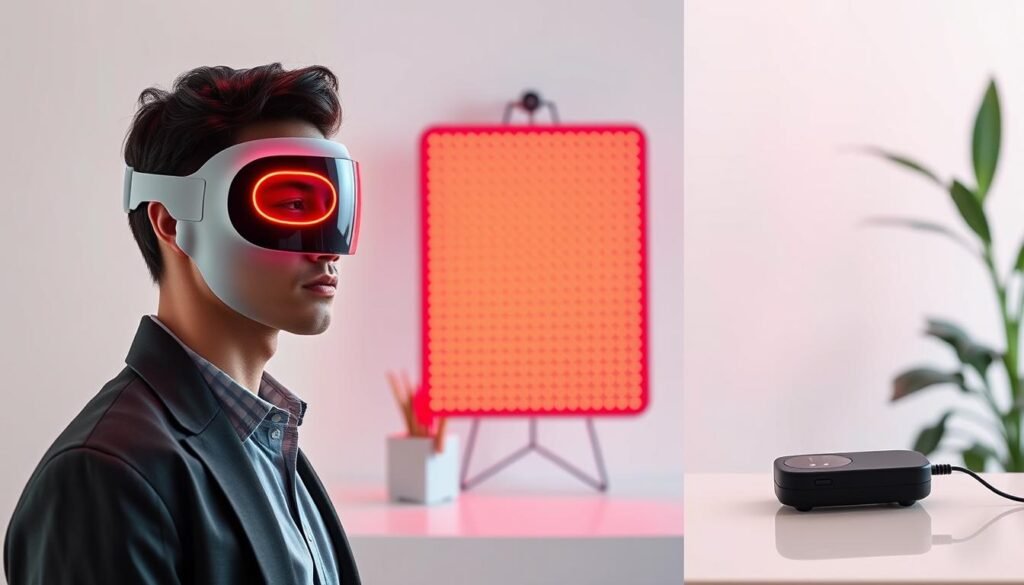
Panels save time for large-area goals, masks excel at hands‑free face routines, and handhelds win on portability. Choose the option that matches your target area, available time, and budget to get predictable results.
Coverage and session time trade‑offs
Panels treat torso, legs, and back in one session, cutting overall routine time for whole‑body use.
Masks offer short, repeatable face programs and let you multitask hands‑free.
Handhelds require moving across spots, so they take longer for broad coverage but are ideal for on‑the‑go sessions.
Results, convenience, and budget considerations
Results align with matching tool to goal: face users often notice visible changes sooner with a dedicated mask, while body recovery benefits most from panel sessions.
Caps or scalp‑specific options give uniform exposure for hair goals; panels or handhelds work as edge or supplement treatments.
- Ergonomics: fit, straps, and cooling affect comfort and adherence.
- Budget tiers: handhelds and masks are cost‑effective starters; large panels are a premium, multi‑user choice.
- Maintenance: initial frequent sessions taper to weekly upkeep regardless of tool.
| Form | Strength | Typical use |
|---|---|---|
| Panels | Large coverage, time‑efficient | Whole‑body recovery, multi‑user homes |
| Masks | Hands‑free, face‑focused | Daily facial maintenance, quick sessions |
| Handhelds | Portable, targeted | Spot treatment, travel routines |
Pairing options can optimize household schedules: a panel for shared recovery plus a mask for individual face work keeps routines simple and measurable. Match the form to lifestyle to sustain use and track real progress.
HSA/FSA Eligibility: How to Use Pre‑Tax Dollars for Red Light Devices
With an LMN documenting medical necessity, you can often buy a red light device using HSA/FSA funds. Keep your paperwork—diagnosis, usage plan, and receipts—for smooth reimbursement.
Many plans allow pre-tax purchases when a clinician prescribes a product to treat or prevent a condition, such as acne, chronic musculoskeletal pain, wound healing, or neuropathic pain.
What an LMN should include
- Diagnosis: clear ICD code or clinical statement of the condition.
- Device & purpose: model type and how the device supports treatment.
- Frequency & duration: e.g., daily sessions for 12 weeks, then maintenance.
- Clinician signature: dated and on letterhead.
Practical documentation tips
Use services that streamline LMN issuance and marketplace purchases to cut admin time. Keep digital copies of the LMN and itemized receipts in case of audits.
Plan rules vary — confirm coverage with your administrator before purchase and make sure the device features match the prescribed purpose to strengthen justification.
For an example eligibility pathway and vendor options that support pre-tax checkout, see HSA/FSA‑eligible purchases.
How to Use RLT Correctly: Minutes, Distance, and Times Per Week
Keep sessions short and consistent—about 5–20 minutes, several times each week, at the right distance. Clean skin, correct placement, and progress tracking help you dial in results.
Treat each area with a focused routine—short sessions, the right distance, and routine tracking.
Starter protocol
Begin at the low end: 5 minutes per area. Gradually move toward 15–20 minutes as your skin tolerates it.
Aim for three to five times week during the first 4–8 weeks, then shift to maintenance sessions once improvements appear.
Distance and placement
Follow the manufacturer’s chart and target the effective 6–12 inch range for even dose delivery.
Start with clean, dry skin and remove photosensitizing topicals (retinoids, certain acids). Wear goggles for face work and close-range use to protect your eyes.
Tracking progress
Log dates, treated areas, and brief notes on soreness or skin clarity. Take same‑lighting photos every 2–4 weeks to capture subtle change.
Do not double session time to rush results—overexposure can irritate skin without adding benefit. Adjust minutes and frequency for maintenance once you hit your target outcome.
Biohacker Spotlight: Thyroid Support Protocols and Wavelength Targets
Near‑infrared in the 800–850 nm range is favored for thyroid support. Use short, consistent sessions for several months, monitor labs, and consider annual treatment blocks to maintain benefits.
Practical setup: sit or stand so the panel faces the front of the neck. Keep the unit about 6–12 inches away to cover the gland without overheating skin. Wear eye protection and avoid direct beam to the eyes.
Protocol and monitoring
Typical programs run 2–3 times per week for 10–20 minutes per session for at least three months before reassessing. Many studies report improved thyroid markers and, in some cases, reduced medication needs under clinician oversight.
Benefits can taper by ~11 months, so many users repeat annual blocks. Monitor TSH, free T3, free T4, and antibodies regularly. If you notice palpitations or sleep shifts, re-test and coordinate dosing with your provider.
| Item | Recommendation | Why it matters |
|---|---|---|
| Wavelength | 800–850 nm | Deep penetration to gland tissue |
| Frequency | 2–3x/week | Consistent, hormetic dosing |
| Duration | 10–20 min/session | Enough dose for biological effect |
| Monitoring | TSH, free T3/T4, antibodies | Adjust meds and track response |
Combine therapy with nutrient, sleep, and stress support and log subjective energy and cognitive changes along with labs. For clinician-ready resources and structured guidance, see these thyroid support protocols.
Affordable vs. Premium: What You Gain as You Spend More
Budget choices give targeted, low‑friction use for small zones, mid‑range panels balance coverage and cost, and premium systems compress session time while improving durability and features. Match your purchase to the areas you’ll actually treat, how much time you have, and whether others will share the unit.
Entry‑level masks and handhelds are compact and practical for face work, scalp edges, or a single joint. They store easily, set up in seconds, and support quick, repeatable sessions. Seek FDA‑cleared options and avoid ultra‑cheap caps that list inconsistent wavelength specs or weak power; poor output undermines results.
Mid‑range panels are the sweet spot for reliable single‑area coverage. These models offer stronger, more consistent irradiance so you spend less time per area. If you treat a back, legs, or post‑workout soreness, a mid‑range panel shortens total session time while keeping costs reasonable.
Premium full‑body systems suit multi‑user homes or chronic conditions. Expect robust build materials, longer warranties, smarter controls (timers, intensity levels, wavelength toggles, app control), and superior thermal management. The upfront cost buys faster routines and longevity for frequent use.
- Quick guide: budget buys for targeted goals; mid‑range panels for balanced coverage and cost; premium rigs for efficiency and durability.
- Feature curve: timers, toggles, and app features increase with price; warranties and materials improve output consistency.
- Practical tip: audit your daily routine before upgrading—start with a small mask or handheld, validate results, then move to panels if you need more coverage or saved time.
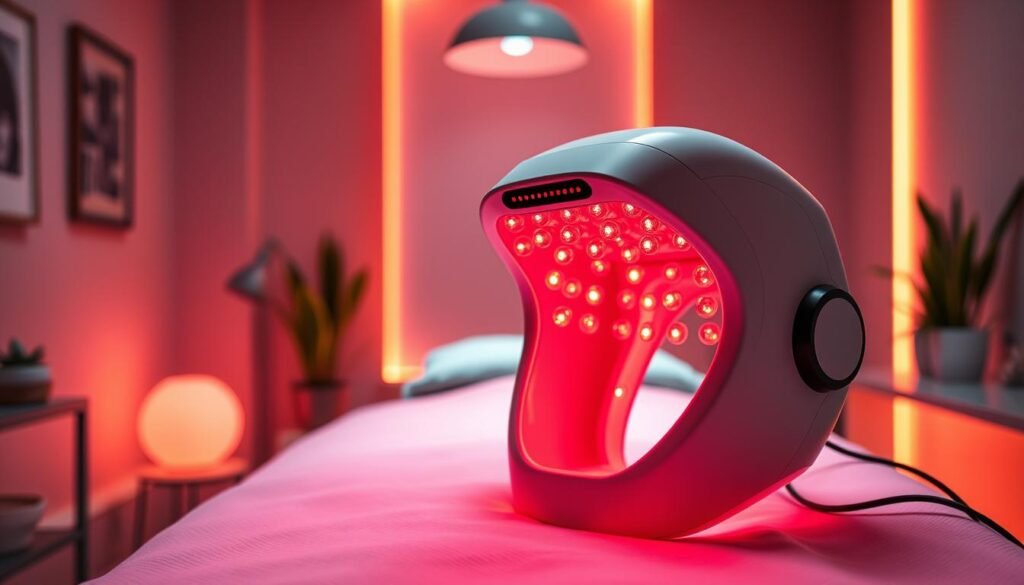
For inexpensive wellness add-ons and starter options, see this compact roundup of practical picks: affordable wellness options.
Common Mistakes to Avoid with At‑Home Light Therapy
It’s tempting to chase higher output, but pushing intensity often causes irritation rather than benefit. Stick to recommended times, distances, and safety steps to get steady results without setbacks.
Simple habits make the difference between steady gains and avoidable problems. Treat sessions as a short, repeatable medical habit rather than a one‑time fix.
Key errors and how to avoid them
- More isn’t better: chasing max power or stacking sessions can provoke redness and irritation with no faster benefit.
- Protect your eyes: never skip goggles during face work. Direct eye exposure from close units or head‑height panels risks discomfort and light sensitivity.
- Follow minutes and distance: use built‑in timers and the manufacturer’s chart; guessing increases uneven dosing and hot spots.
- Reassess after a block: review results at 4–8 weeks and shift to maintenance when goals are met rather than using daily indefinitely.
- Don’t rely on it alone: integrate with skin care, rehab, or pain plans for real-world outcomes.
- Watch topicals: pause retinoids and known photosensitizers before face sessions to limit irritation.
- Placement matters: avoid uneven exposure by adjusting height or angle so the treatment area receives consistent coverage.
- Log sessions: record dates, minutes, and reactions so you can tell what helps and when to scale back.
“Treat sessions like a short, repeatable medical habit — routine, measured dosing beats random intensity every time.”
| Mistake | Why it matters | Quick fix |
|---|---|---|
| Chasing max power | Causes irritation; no faster healing | Use recommended minutes and distances |
| Skipping eye protection | Risk of light discomfort and photosensitivity | Wear goggles for face sessions |
| Never reassessing | Unnecessary daily use and wasted time | Reevaluate after 4–8 weeks, then taper |
For a short checklist of common user errors and fixes, see this practical guide on mistakes to avoid. If you’re exploring starter gear or small add-ons, check affordable options that support safe, consistent routines: affordable biohacking tools.
Dermatologist and Clinician Guidance: When to Consult a Professional
Loop in a dermatologist when treating acne, sensitive skin, or post‑procedure recovery. Clinician input is essential for special populations and complex conditions — they tailor minutes, frequency, and wavelengths for safer, better results.
Clinicians can help you decide if photobiomodulation is right for your case and how it fits into other dermatologic treatments. If your skin shows persistent redness, burns, or odd reactions, stop sessions and get professional advice.
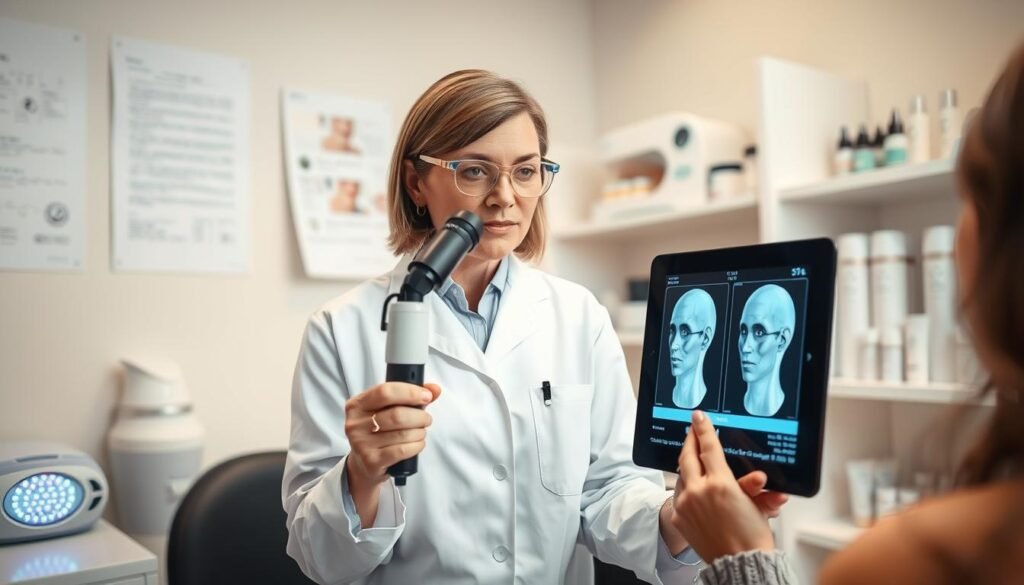
Acne, photo‑irritation, and sensitive skin
Ask a dermatologist for inflammatory acne or rosacea‑like reactions. They can recommend appropriate wavelengths and avoid conflicts with topical meds. If you’re on photosensitizing prescriptions, get clearance before any at‑home light use.
Timing after procedures and combining treatments
Follow provider guidance after peels, lasers, or injectables. Starting too soon can compound sensitivity; a clinician will set safe wait times and modify sessions if you plan combined in‑office care.
Special populations and eye safety
Obstetric clearance is advised for pregnancy and breastfeeding because evidence is limited. Do not treat over active cancer sites without oncologist approval. For face sessions, wear goggles and avoid direct beam to the eye to protect vision.
- Quick take: integrate PBM into a dermatology plan to match topicals, lifestyle, and labs.
- Clinician value: improves safety and tailors protocols for your conditions.
For guidance on at‑home facial masks and safe use, read an expert cautionary piece on at-home mask caution. For related skin‑care sleep tips, see this note on silk sleep masks.
Conclusion
Conclusion
Choose the right wavelength and coverage for your goal, then follow a short, consistent routine. Consistency, measured dosing, and safety checks deliver the clearest results over weeks.
Red and near‑infrared light support cellular energy and repair, producing gradual benefits for skin, hair, pain, and some endocrine uses when protocols match the goal.
Pick products with published irradiance at working distance and safety certifications. Wear eye protection, review meds, and avoid overexposure. Track progress with photos and reassess at 4–8 weeks, then move to maintenance sessions to keep gains with less time.
Final takeaway: match specs to goals, respect dosing, consult a clinician for sensitive or complex conditions, and expect meaningful, gradual change when you stick to the plan.
FAQ
What wavelengths should I look for and why do they matter?
Wavelengths determine how deeply light penetrates and which tissues respond. For surface skin concerns like fine lines, acne, and collagen stimulation, 630–660 nm (visible red) is most effective. For deeper tissues—muscle, joints, thyroid support, and recovery—810–850 nm (near‑infrared) penetrates further. Many home systems combine both ranges to cover skin and deeper targets; check product specs for listed nanometers rather than vague “red/NIR” labeling.
How long and how often should I use a device to see results?
Most protocols start at 5–20 minutes per treatment area, three to five times per week for 6–12 weeks to see measurable improvements in skin texture, inflammation, or pain. Once you reach desired results, maintenance sessions 1–2 times weekly often suffice. Effective dosing depends on irradiance (mW/cm²) and distance, so follow the manufacturer’s recommended session time adjusted for device power.
Do I need eye protection when using masks or panels?
Yes. Wear certified goggles when treating areas near the eyes or when using high‑power panels, especially with near‑infrared light that’s invisible but can still affect the retina. Many masks include eye shields; if not, use protective goggles rated for the wavelengths in use. Keep sessions short and avoid staring directly at LEDs.
Are these treatments safe if I take photosensitizing medications?
People on photosensitizing drugs or with photosensitive conditions should consult a clinician before using light therapy. While visible and NIR wavelengths are generally lower risk than UV, certain medications and topical agents can increase sensitivity and the risk of irritation or burns. Always disclose meds and recent cosmetic procedures to a dermatologist.
What’s more important: wattage or irradiance?
Irradiance (mW/cm²) at the treatment distance is more relevant than raw wattage. Irradiance tells you how much energy reaches the skin surface. Dose (J/cm²) = irradiance × time, so a well‑designed panel with good irradiance at a practical distance is better than a high‑wattage unit with poor beam focus. Look for irradiance specs measured at 6–12 inches.
Can I use a face mask and a panel interchangeably?
They serve different needs. Face masks offer convenient, even coverage for the face and are ideal for fine lines, acne, and texture work. Panels provide larger coverage and higher power—better for full‑body recovery, joints, or faster sessions. Handhelds and wraps are useful for spot treatment. Choose based on target area, session time, and portability needs.
How soon will I notice changes in wrinkles, acne, or pain?
Timelines vary by condition. For skin texture and mild wrinkle improvement, users often notice changes in 6–12 weeks with consistent sessions. Acne and inflammation can improve within weeks. Pain and recovery responses may occur faster—some users report reduced soreness within days, but sustained improvement typically needs several weeks of repeated sessions.
Are there differences in treatment for scalp/hair versus skin?
Yes. Hair growth devices often use lower irradiance but target the scalp repeatedly; wavelengths in the 630–660 nm range improve follicle metabolism and reduce shedding. For scalp, look for devices designed to sit close to the head and deliver consistent dose across the crown. Panels and caps like clinician‑recommended caps vary in power; follow the manufacturer’s regimen.
Can I combine light therapy with other skincare or post‑procedure care?
You can, but take precautions. Avoid topical photosensitizers (like some retinoids or certain acids) immediately before sessions. After invasive procedures (laser, microneedling), follow your clinician’s timeline—often waiting days to weeks—and use lower intensities initially. Light therapy can aid healing when timed properly; consult your dermatologist for post‑procedure integration.
Is more power always better? Are there risks of overuse?
More power isn’t always better. Overexposure can cause redness, irritation, or temporary sensitivity. Devices with adjustable intensity and timers help control dose. Stick to recommended session lengths and frequency. If you experience pain, blistering, or prolonged irritation, stop use and consult a healthcare professional.
How do I assess a product’s build quality and certifications?
Check for sturdy construction, good thermal management (heat sinks or fans), low EMF/flicker claims, and safety certifications like FDA clearance for specific medical claims or ETL/CE for electrical safety. Look for clear irradiance and wavelength specs, user‑friendly features (timers, toggles), and reputable warranty/support from established brands.
Can I get reimbursement through HSA/FSA for a device?
It’s possible but depends on medical necessity and documentation. Many plans require a Letter of Medical Necessity (LMN) from a clinician stating the device is required to treat a qualifying condition. Keep receipts, prescriptions, and clinical notes; check your plan’s rules and consult your benefits administrator for eligibility.
What’s the difference between red and near‑infrared for thyroid protocols?
For thyroid support, practitioners typically favor near‑infrared in the 800–850 nm range due to deeper tissue penetration targeting the gland. Sessions are structured carefully—shorter, localized exposures with clinician guidance and periodic monitoring of thyroid function. Always coordinate such protocols with an endocrinologist.
How should I track progress and know when to adjust treatments?
Track photos, symptom logs, and session details (time, distance, device setting). Reassess every 6–12 weeks. If you plateau, consider adjusting intensity, session length, or switching wavelengths. For medical issues, use objective markers (pain scales, lab results) and consult clinicians for guidance.
Are portable handhelds effective for joints and spot treatments?
Handhelds and wraps can be effective for targeted areas like arthritic joints or localized soreness when they deliver adequate irradiance at a close distance. They’re convenient but may require longer sessions compared with high‑power panels. Choose devices with clear irradiance data and ergonomic design for consistent placement.