


Can a single fruit help you stay satisfied longer and cut late-day cravings? This simple question invites a fresh look at how one nutrient-dense choice can change daily eating habits.
Avocados combine fiber and healthy fats that slow digestion and extend satiety. A 100‑gram serving—about half a fruit—delivers roughly 160 calories, ~7 g of fiber, and mostly monounsaturated fat. These features help reduce energy dips and curb snacking.
In plain terms: fullness means fewer cravings, steadier energy, and easier portion control. With the right portion (about half at a time) and smart pairings like protein-rich foods, this fruit fits many diet styles without promoting weight gain.
Later sections show how it works, ideal serving sizes, timing tips, quick meals, and links to evidence such as avocado nutrition and practical tools like a weight gainer resource.
Key Takeaways
- Fiber + healthy fats slow gastric emptying and boost satiety.
- About half a fruit (~100 g) is a practical portion to support fullness.
- Pair with protein to strengthen meal satisfaction and steady energy.
- Low net carbs and key vitamins support flexible diet styles.
- Used in context and moderation, it supports weight-friendly eating habits.
Why use avocado for fullness right now
Many people wrestle with constant hunger and snack cycles; a single, nutrient-dense whole food can help cut that pattern.
Research links regular intake to better appetite control, richer nutrient profiles, and lower body weight in observational U.S. data.
Practical benefits: This choice slows digestion because its fiber and fat delay gastric emptying. That helps you go longer between meals and avoid late-day overeating.
Real-world outcomes: Use this food within balanced meals and you may see steadier energy and easier weight management. It also beats ultra-processed snacks on nutrients per bite.
It pairs quickly with eggs, legumes, whole grains, and leafy greens, so prep takes minutes. Many studies associate its intake with favorable metabolic markers and lower risk of metabolic syndrome.
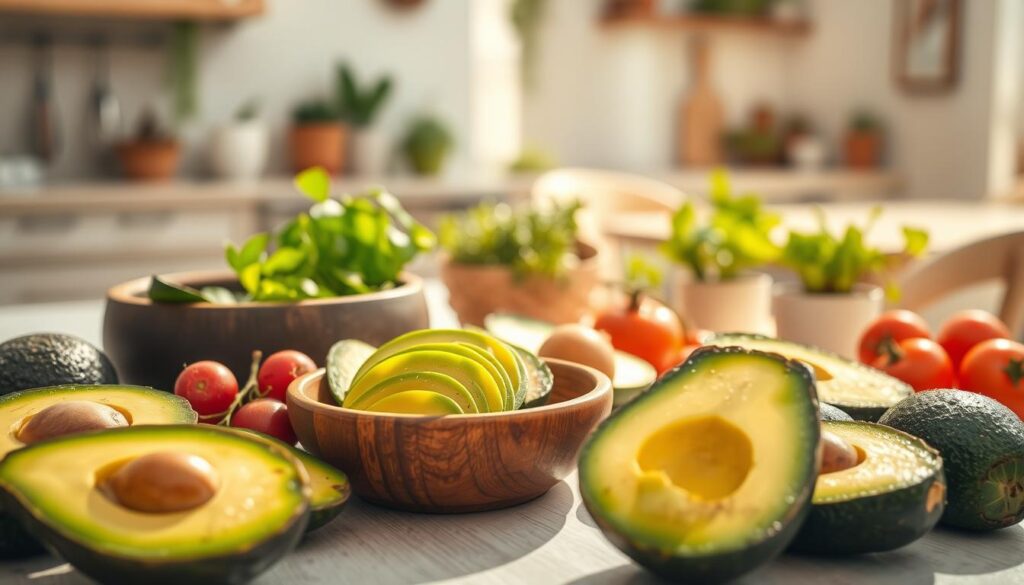
| Benefit | Prep time | Effect on appetite |
|---|---|---|
| Higher nutrient density | 1–3 minutes | Supports longer satiety |
| Healthy fats for heart health | Minimal | Reduces snack urges |
| Versatile in meals | Quick swaps | Aids appetite management |
Try testing an avocado-driven meal during your hungriest window and track how long you stay satisfied. For meal ideas that pair well with this approach, see a science-backed eating plan to adapt recipes to your goals.
How avocado promotes satiety and appetite control
Small shifts in a meal’s mix can change how long you stay satisfied after eating. Pairing fiber with quality fat slows digestion and helps curb hunger between meals.
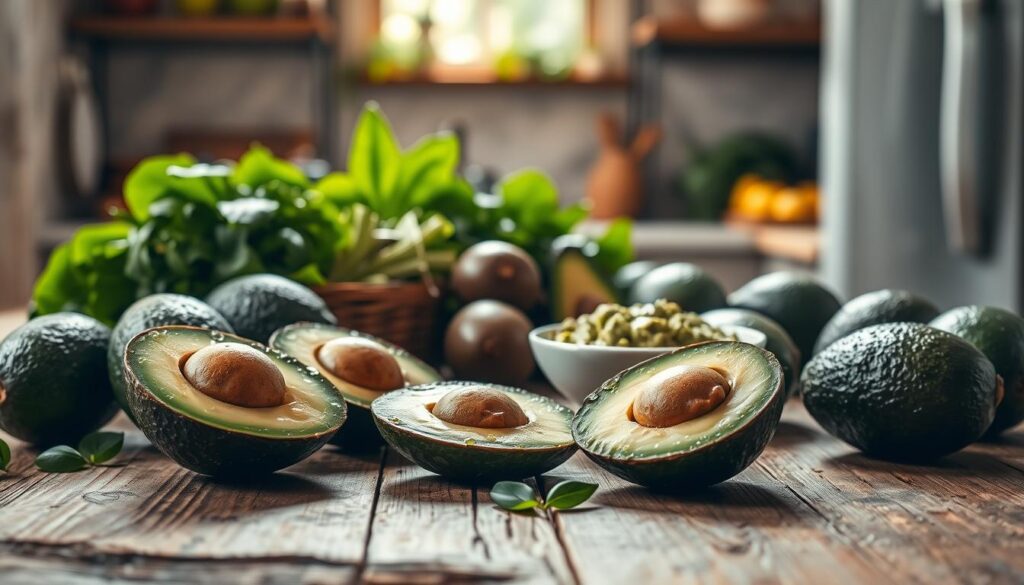
Fiber’s role: Each 100 grams supplies about 7 grams of fiber, and a whole fruit gives roughly 14 grams. That fiber slows digestion, stretches the stomach gently, and sends satiety signals to the brain.
Fiber also feeds gut microbes that make short-chain fatty acids. These metabolites can support appetite regulation pathways and overall digestive health.
Why healthy fats matter
Most calories—about 77%—come from fats that are largely monounsaturated, especially oleic acid. These fats slow gastric emptying and act as fullness multipliers.
What the research shows
A controlled breakfast study among people with overweight/obesity found that eating a whole fruit led to greater satiety and less hunger than a calorie-matched meal lower in fat and fiber. That pattern held for hours after the meal.
- Synergy: Fiber plus healthy fats produces longer, more comfortable satiety than low-fat, low-fiber options.
- Practical dose: Aim for about half the fruit (~100 g) per meal to get a useful fiber and fat boost and help you feel full.
- Daily impact: Improved satiety can cut unplanned snacking and make portion control easier at the next meal.
| Component | Typical amount | Effect on appetite |
|---|---|---|
| Fiber | ~7 g per 100 g; ~14 g per whole fruit | Slows digestion; signals fullness |
| Monounsaturated fats (oleic acid) | Majority of fat calories (~77%) | Slows gastric emptying; prolongs satisfaction |
| Combined meal effect | Half to whole fruit with protein | Lower reported hunger; longer satiety (studies) |
Note: Focus on fat quality over quantity—these fats support flavor and satiety while differing from saturated fats to limit. Try adding a half serving at breakfast or lunch and track how long you stay satisfied. Learn more about how avocados and weight interact with appetite and health.
Best dosage and portions to feel full without overdoing calories
Aim for a simple serving rule that captures satiety benefits without adding unnecessary calories. Start modestly and adjust to your activity level and total daily calories.
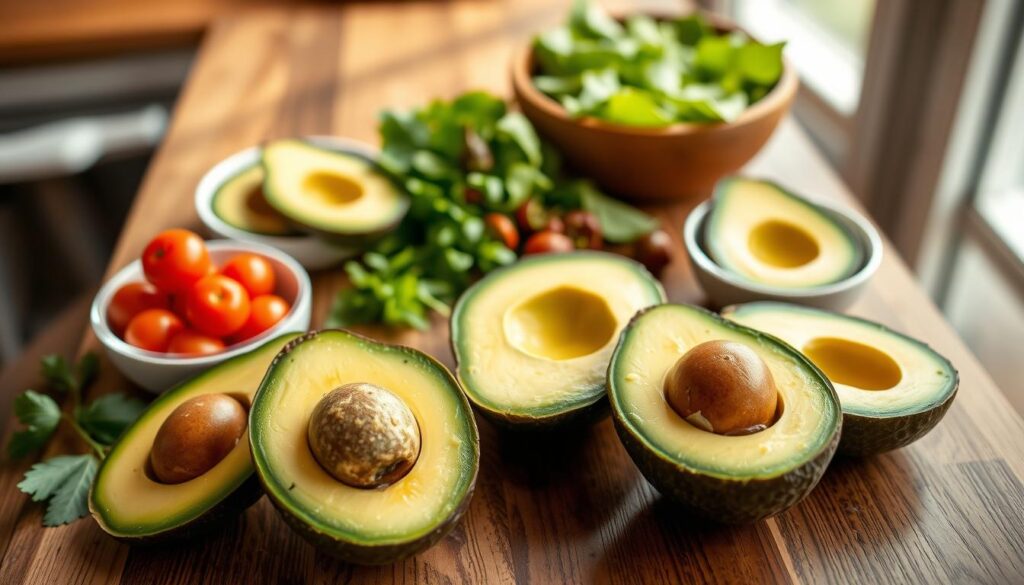
Serving sizes made simple
Baseline: One practical portion is half a fruit — about 100 grams, which supplies ~160 calories and ~7 g fiber.
This amount gives most people useful appetite control without excessive energy intake.
Daily intake guidance
Most people do well with half to one fruit per day, depending on calories, activity, and what else they eat. Controlled trials often used one per day safely, but always watch total calorie balance.
Who should adjust portions
People on low-potassium diets should consult their clinician about serving size. Those on blood thinners need consistent vitamin K intake if this becomes routine.
With sensitive guts or IBS, start with a quarter portion and increase slowly to avoid discomfort.
“A modest portion can replace less satisfying snacks, helping long-term weight management by reducing unplanned eating.”
| Recommendation | Portion | Why it helps |
|---|---|---|
| Baseline | Half (≈100 g, ≈160 calories) | Fiber + monounsaturated fat extend satiety |
| Daily range | Half to one per day | Balances appetite benefits with calorie goals |
| Sensitive people | Quarter to half | Reduces fiber load and digestive upset |
Practical tip: Decide your portion before plating and trim other calorie-dense items. If you want help with serving awareness, read these portion control mistakes.
Avocado for fullness: timing and pairing for maximum effect
Timing your intake early—at breakfast or lunch—can extend satiety and lower late-day snacking. Pairing this ingredient with protein and fiber helps steady blood sugar and sustain energy through the afternoon.
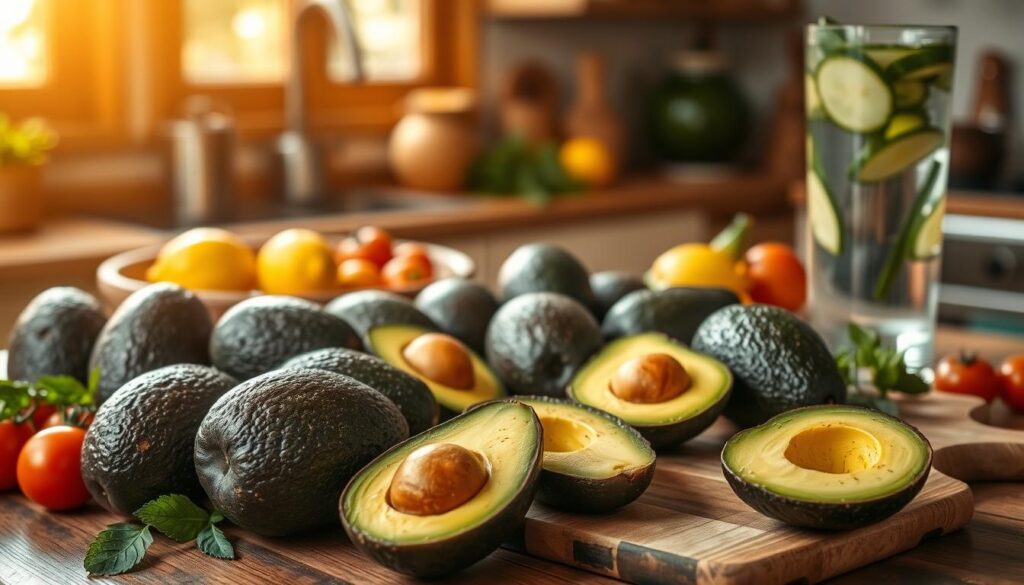
When to eat it: Aim to include a portion at breakfast or lunch, the windows that most influence afternoon cravings and energy dips. Studies show that a morning serving raises perceived satiety and reduces hunger versus meals lower in fat and fiber; see a controlled breakfast study here.
Smart pairing tips
- Breakfast builds: try it with eggs and whole-grain toast or a veggie omelet to combine protein, fiber, and healthy fats.
- Lunch ideas: grain bowls with beans, salmon-and-avocado salads, or turkey-and-avocado wraps to power through the day.
- Quick swaps: replace mayo with mashed fruit in sandwiches to cut refined oils and add fiber.
- Portion plan: use a half serving when you need more staying power and a quarter when you want a lighter meal.
Timing this choice earlier in the day can support weight loss goals by reducing evening grazing without hunger. For workouts, a midday pairing of protein plus this fruit before or after training supports energy and recovery while keeping hunger in check.
| Meal | Why it helps | Quick example |
|---|---|---|
| Breakfast | Boosts morning satiety; steadies blood sugar | Eggs + whole-grain toast + half serving |
| Lunch | Prolongs afternoon focus; limits snacking | Grain bowl with beans and diced fruit |
| Smoothie | Meal replacement if protein included | Leafy greens, protein powder, quarter serving |
Bottom line: prioritize breakfast and lunch windows, pair protein and fiber with healthy fats, and plan portions to match your daily energy and weight-loss aims.
Easy ways to use avocado in meals and snacks
Small culinary changes make this ingredient an easy way to boost satiety, texture, and nutrient value. Try simple preparations—sliced, mashed, blended, or stuffed—to add more fiber and healthy fats to everyday meals.

Sliced: sandwiches, bowls, and salads
Sliced pieces add creamy texture without heavy dressings. Layer avocados into turkey, tofu, or veggie sandwiches and taco bowls to increase satisfaction while keeping calories reasonable.
Mashed: toast toppers and spreads
Top whole-grain toast with mashed fruit plus seeds and greens, or blend into a pesto-style spread to replace refined oils. This swap adds fiber and healthy fats and boosts the meal’s nutrient density.
Blended: smoothies and silky shakes
Add a quarter to a half of fruit to smoothies with protein powder, berries, and spinach. The result is thicker, creamier, and more filling than a fruit-only drink.
Stuffed: use the cavity as a mini bowl
Fill halved pieces with salmon, chicken, chickpea, or tuna salad. Combining protein with the fruit’s fats and fiber creates a compact, hunger-taming mini meal.
- Snack plates: pair sliced fruit with crunchy veggies and a boiled egg to bridge meals.
- Smart swaps: use mashed fruit instead of mayo or sour cream in wraps and dips to cut refined oils.
- Meal prep: pre-dice half an avocado and store properly so it’s ready to top bowls without extra calories.
| Use | Why it helps | Quick tip |
|---|---|---|
| Sliced | Texture and satiety | Layer on sandwiches or salads |
| Mashed | Replaces oils; adds fiber | Mix into toast or spreads |
| Blended | Thicker smoothies; longer-lasting | Use 1/4–1/2 per drink |
Nutrition note: one avocado supplies roughly 14 g fiber, about 30 g total fat, and ~322 calories along with potassium and antioxidants. Keep add-ons like nuts, cheese, and extra oils light so the fruit does most of the satiety work.
Want more recipe ideas? Check this guide to ways to eat avocados and a printable nutrient-dense grocery list to plan balanced meals.
Heart and blood sugar benefits that support feeling full and well
Healthy fats and fiber do more than fill you up — they also protect your heart and steady blood sugar. This combination supports appetite control and long-term health by improving key metabolic markers.
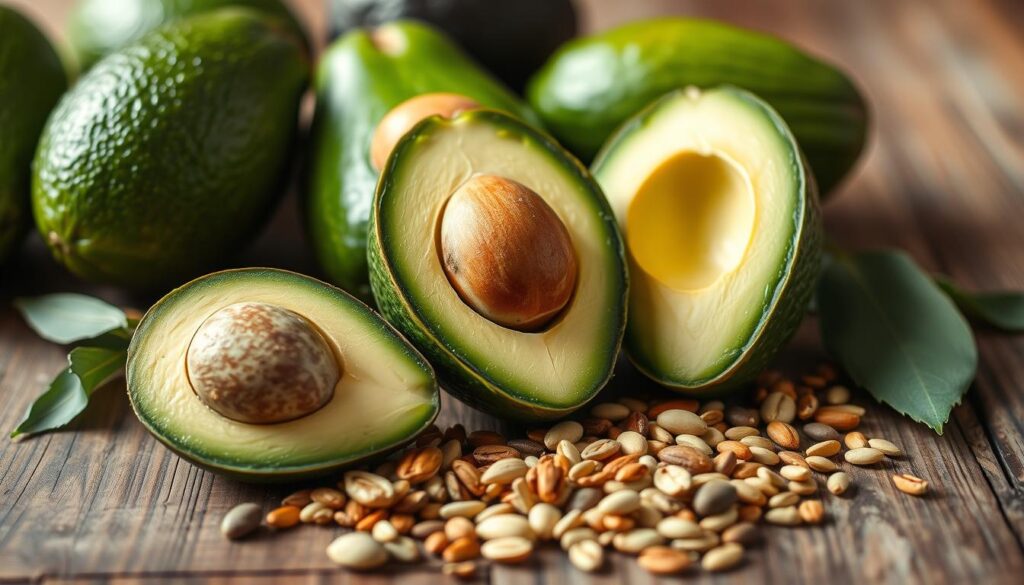
How monounsaturated fats help heart health
Monounsaturated fats, especially oleic acid, improve LDL and triglyceride levels when they replace saturated fats. A review of 10 studies reported reductions of ~18.8 mg/dL in total cholesterol, ~16.5 mg/dL in LDL, and ~27.2 mg/dL in triglycerides when this food replaced other fats.
Blood sugar and inflammation benefits
Meals that pair fiber with healthy fats blunt blood sugar spikes and help insulin work better. That steadier energy lowers rebound hunger and reduces strong snack urges later in the day.
Diets higher in monounsaturated fats also link to lower markers of inflammation, which supports overall cardiometabolic health.
- Clinical signal: avocado-inclusive moderate-fat diets sometimes outperform oleic-acid oils alone in improving lipids.
- Population data: regular intake is associated with a 16–22% lower risk of cardiovascular disease and coronary heart disease.
- Practical swap: replace part of butter or cheese with mashed fruit in sandwiches to nudge cholesterol down while keeping meals satisfying.
| Benefit | Effect | How to use |
|---|---|---|
| Lower LDL & triglycerides | Improved lipid profile | Replace saturated fats with monounsaturated-rich choices |
| Stable blood sugar | Fewer energy crashes | Pair fiber + healthy fat at meals |
| Lower inflammation | Better long-term health | Include several times weekly |
Simple plate template: leafy greens + lean protein + whole grains or legumes + avocado + citrus or vinegar. When this ingredient replaces less healthy fats rather than simply adding calories, people see the best health benefits.
Want a guide to balancing acid/alkaline choices while you adjust meals? See an easy chart here.
Calories, weight, and portion control with avocados
Keep portions simple and swap wisely to protect daily energy goals. Small changes—like replacing a high-calorie sauce—let you enjoy nutrient-dense choices without extra calories.
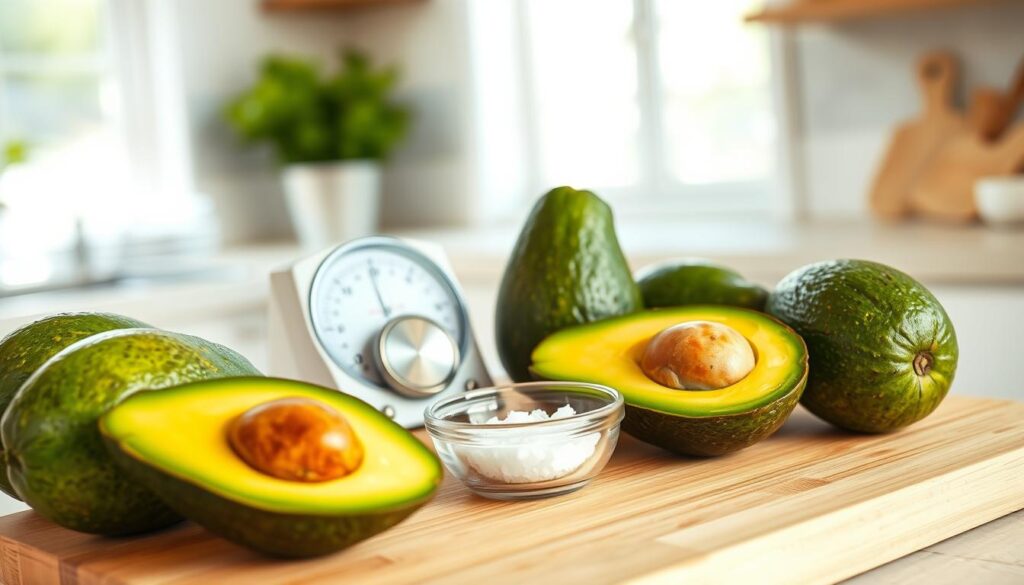
Calorie context: This fruit is relatively high in calories—about 160 calories per 100 g versus ~32 calories per 100 g strawberries—so portion matters.
Use plate math: if you add half a serving (~100 g), cut 1–2 teaspoons of added oil or skip a creamy dressing. That swap keeps total energy steady while preserving satiety.
Logging initial intake helps you see how portions affect hunger and weekly weight trends. Minor daily variation rarely changes progress; weekly patterns do.
Practical quick guide
- Portion cue: half a fruit ≈ tennis ball size.
- Frequency: include most days or rotate 3–5×/week based on budget and preference.
- Substitution rule: replace less healthy fats rather than add on top of meals.
| Item | Typical amount | Why it helps weight management |
|---|---|---|
| Half serving (≈100 g) | ≈160 calories | Provides fiber and fats that raise satiety and reduce snack-driven intake |
| Swap example | Remove 1–2 tsp oil / skip sauce | Keeps calories stable while adding nutrients |
| Tracking tip | Log 1–2 weeks | Shows effect on daily intake and weight loss trends |
“Portion control—not avoidance—lets nutrient-dense choices support long-term weight goals.”
Shopping, ripening, and food safety tips
Choose, store, and prep your fruit to get peak flavor, avoid waste, and stay safe. These short, practical steps help you plan meals across the week and keep cut pieces fresh without extra fuss.
How to tell when it’s ripe
Look: pick darker, pebbly skin and a slight give when you press gently.
Stem test: pop the small stem cap—green beneath means ready; brown suggests overripe. If it’s hard, the fruit needs more time.
Speeding ripening and slowing it down
To ripen faster, place firm fruit in a brown paper bag with an apple or banana at room temperature for 1–3 days.
To slow ripening, move ripe pieces to the fridge. Refrigeration adds a few extra days of good texture and flavor.
Cutting, safety, and storage
Cut-fruit safety: refrigerate halves promptly and cover tightly with plastic wrap pressed to the surface or a sealed container. Use within 1–2 days to limit browning and contamination.
Browning fix: brush exposed flesh with lemon or lime juice, or scrape a thin layer if slight browning appears.
Practical planning tips
- Buy a mix of firm and ready-to-eat pieces to stagger use through the week.
- Dice half a serving (about 100 grams) in advance and store tightly covered for quick add-ins.
- If you only use a quarter at a time, keep the pit in the remaining portion to reduce surface browning.
- Use a stable cutting board and spoon out the pit rather than striking it with a knife to avoid injury.
Nutrition note: these fruits are naturally low in sugar and provide key vitamins and minerals. Treat them like other fresh foods—clean hands, clean surfaces, and prompt refrigeration—to reduce risk of contamination and spoilage and help protect against food-borne disease.
Want more storage tips? See this guide on proper handling and shelf life at storing and enjoying fresh avocados.
Who should be cautious when increasing avocado intake
Before you add this ingredient to every meal, check if any health or medication issues apply. Small adjustments keep benefits while limiting risk.
Allergies first: anyone with a known allergy should avoid avocados and read labels—hidden ingredients appear in sauces and dressings.
Potassium and kidney disease: people with kidney disease or low‑potassium diets need clinician guidance on portion size to lower risk.
- Blood thinners: if you take anticoagulants, keep vitamin K intake steady and consult your healthcare team before changing routines.
- Sensitive digestion: high fiber can trigger IBS symptoms; start with smaller servings and space them out.
- Cross-reactivity: those with latex‑fruit syndrome may react; seek medical advice before regular intake.
- Fat-restricted diets: discuss portions with a registered dietitian if you must limit fat for health management.
- Watch added ingredients: store-bought mixes can add sodium and preservatives—simple homemade versions reduce that concern.
“Tailoring portions to your meds and labs keeps the benefits while lowering potential harm.”
| Concern | Action | Why it matters |
|---|---|---|
| Allergy | Avoid; check labels | Immediate allergic reactions can occur |
| Kidney disease / low potassium | Limit portions; consult clinician | Prevents dangerous potassium buildup |
| Anticoagulants | Keep vitamin K consistent; consult prescriber | Maintains stable blood levels |
Practical tip: log intake and any symptoms so you and your clinician can fine‑tune the right amount. Full benefits are achievable when intake matches personal health needs.
Conclusion
This ingredient delivers satiety through a mix of fiber and monounsaturated fats, helping curb hunger while adding key nutrition to meals. Controlled studies and observational reviews link its addition to greater fullness, improved lipids, and supportive heart outcomes when it replaces saturated fats.
Practical takeaway: aim for half to one avocado per day as a simple swap to boost appetite control and support weight loss without extra effort.
Time servings at breakfast or lunch, pair with protein and fiber, and keep portions mindful to balance calories. Track hunger and energy for a week, then adjust to your health needs, medications, or potassium limits. Used thoughtfully, avocados are a reliable, whole-food source to aid weight loss, heart health, and steady post-meal energy.
FAQ
What makes avocados effective at helping you feel full?
Avocados combine fiber and heart-healthy monounsaturated fats (mostly oleic acid), which slow digestion and increase satiety. A typical fruit provides around 7 g of fiber per 100 g, roughly 14 g in a medium one, plus fats that blunt hunger signals and stabilize blood sugar.
How much should I eat to get fullness benefits without excess calories?
A practical serving is half a fruit (~100 g, ~160 calories). That portion delivers fiber and healthy fats that promote fullness while keeping calorie intake manageable—use it alongside lean protein and vegetables to balance a meal.
How often should I include this fruit in my diet for appetite control or weight management?
Eating it several times a week can support satiety and weight goals. Daily intake is fine for most people if portions are controlled and total daily calories are considered. Adjust frequency based on your energy needs and bodyweight goals.
When is the best time to eat it for steady energy and less snacking?
Include it at breakfast or lunch to extend fullness through the morning or afternoon. Paired with protein and fiber-rich carbs, it helps prevent midday energy crashes and unnecessary snacking.
What are easy ways to add it to meals to boost fullness?
Try it sliced on sandwiches and salads, mashed on toast or in spreads, blended into smoothies for a creamy texture, or stuffed with protein-rich fillings like salmon or chicken salad—each method increases fiber and healthy fat intake for longer-lasting satiety.
Do studies support that it reduces hunger and helps control appetite?
Yes. Clinical studies and reviews show eating it with meals reduces hunger and extends the feeling of fullness compared with lower-fat or lower-fiber choices. Evidence links regular intake with improved appetite control and some benefits for weight management.
Will eating this fruit affect my heart health or blood sugar?
Consistent intake of monounsaturated-rich fruit is associated with improved LDL and triglyceride profiles and better insulin sensitivity in several studies. That can reduce cardiovascular risk and lower blood sugar swings that trigger hunger.
Who should limit or adjust portions?
People on low-potassium diets, those taking blood thinners like warfarin, or individuals with sensitive digestion may need to monitor intake. Consult your healthcare provider if you have medical conditions or take medications affected by potassium or vitamin K.
How do I pick and store ripe fruit safely?
Look for a darkening skin and gentle give when pressed; use the stem test (remove small cap—green underneath means ripe). Ripen in a paper bag at room temperature, refrigerate to slow ripening once soft, and store cut pieces with lemon juice and airtight wrap to prevent browning and bacterial growth.
Is there a risk of weight gain from eating this regularly?
It’s nutrient-dense and calorie-dense—eating large portions without adjusting other calories can add up. Use portion control (about half per serving), balance with lean protein and vegetables, and track total daily calories to avoid unintended weight gain.



Don’t Miss These Picks