


Can a single food really ease constipation without pills? Many people want simple, evidence-aligned steps to feel better in the gut, and small diet shifts often help.
Regularity means comfortable, consistent bowel movements that pass easily and don’t cause strain. Adding this fruit to a balanced diet can support stool formation through soluble and insoluble fiber and beneficial fats that help stool move smoothly.
The approach is practical: pair this food with whole grains, beans, and plenty of water. Try it on whole‑grain toast, in salads with lentils, or blended into a smoothie with apples or prunes.
Remember: hydration, gentle movement, sleep, and stress management matter too. People who eat low fiber or drink little water may see the fastest gains, while those with chronic constipation or IBS should increase portions slowly and monitor symptoms.
Key Takeaways
- Small daily portions can support stool formation and smoother movements.
- Combine with whole foods and adequate hydration for best results.
- Simple swaps: toast, salads, and smoothies make it easy to add.
- Results take time—consistency and lifestyle habits drive success.
- Increase fiber gradually; consult a clinician for chronic issues.
Why constipation happens and how food choices support regular bowel movements
Many adults experience slowed digestion; about one in five report constipation symptoms. This section explains what’s happening in the digestive tract and which changes make the biggest difference.
The scope today: how common constipation is and why it disrupts gut health
Constipation affects roughly 20% of people and can slow the system’s normal timing. When stool stays too long in the tract, the body reabsorbs water and stools become hard and dry.
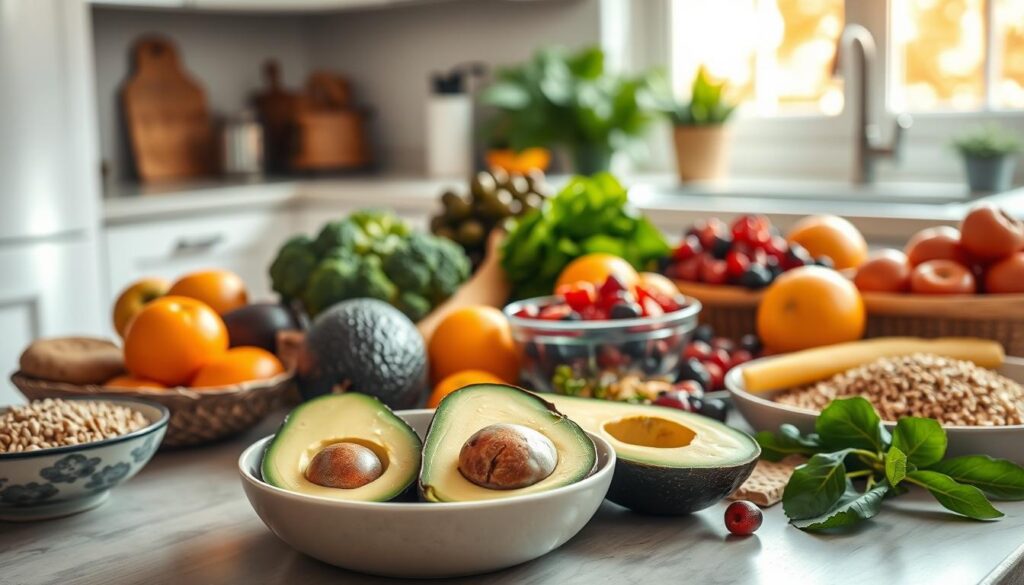
Main causes to address first
Modifiable drivers matter most: low fiber in the diet, inadequate water intake, and low activity levels slow transit. Stress also interrupts nervous-system signals that move stool along.
Medications and diseases such as IBS can add risk, so review prescriptions with a clinician if problems persist.
Recognizing key symptoms
Watch for fewer than three bowel movements per week, hard stools, straining, or abdominal discomfort. These are common signs that the tract needs support.
Small changes—more fiber, steady water, short daily movement, and stress tools—often improve stool softness and bowel rhythm over time.
- Quick action: increase fiber and sip more water across the day.
- When to seek help: persistent pain, bleeding, or major changes in bowel movements warrant medical review.
To learn practical meal ideas that pair dietary fiber and healthy fats, see this science-backed eating plan.
Why avocado can help relieve constipation: fiber, healthy fats, and gut-friendly nutrients
Small servings combine soluble and insoluble benefits to soften stools and improve transit. Thoughtful pairing with water-rich foods and movement makes that effect more reliable.
A single ingredient can combine fiber and healthy fat to support smoother stools. Below we break down how those elements work in clear terms and how to use them without excess oil or calories.
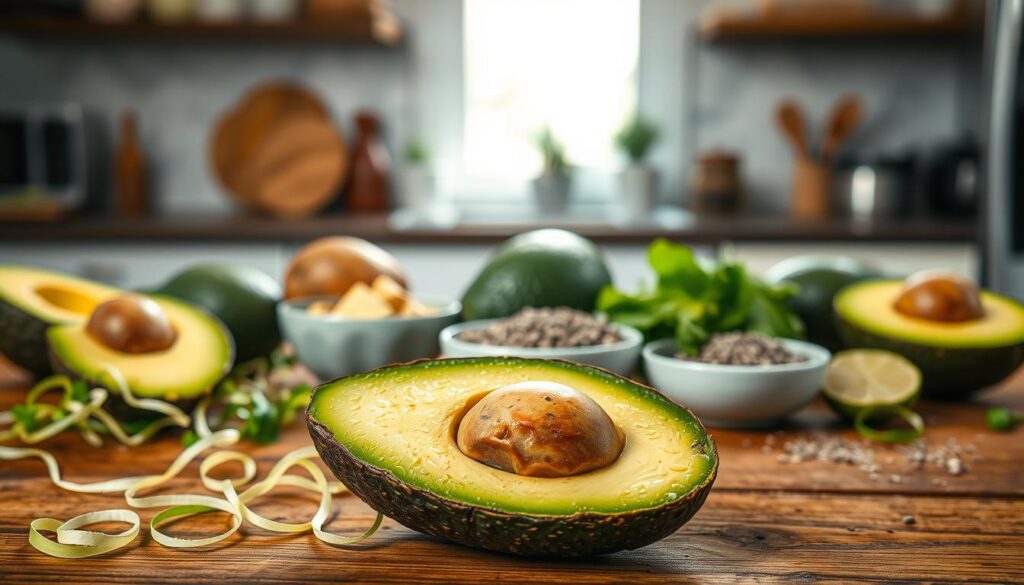
Fiber that adds bulk and softens stool
Both soluble and insoluble fiber are present. Soluble fiber holds water, making stool softer. Insoluble fiber adds bulk and speeds passage through the tract.
Tip: Gradually add servings so the gut adapts and gas or bloating stays minimal.
Beneficial fats that lubricate the gut
Healthy mono- and polyunsaturated fat helps stool move with less effort. This natural fat matrix works better than pouring extra oil on a dish.
Use the whole fruit rather than overdoing added oil to keep calories balanced while supporting bowel movements.
Vitamins, minerals, and water-rich pairings
Potassium, folate, and other micronutrients support overall health and digestion.
Pair this fruit with leafy greens, cucumber, or citrus and sip water across the day. For an evidence-backed summary of composition and benefits, see this nutrition guide.
- Add to salads with tomatoes and cucumbers.
- Blend into smoothies with prunes or apples for extra stool-softening power.
- Keep servings small and consistent to relieve constipation without overwhelming the gut.
Best dosage of avocado for regularity
Start with a small, steady portion each day and adjust based on how your stools and body respond. This helps add soluble and insoluble fiber without shocking the gut.
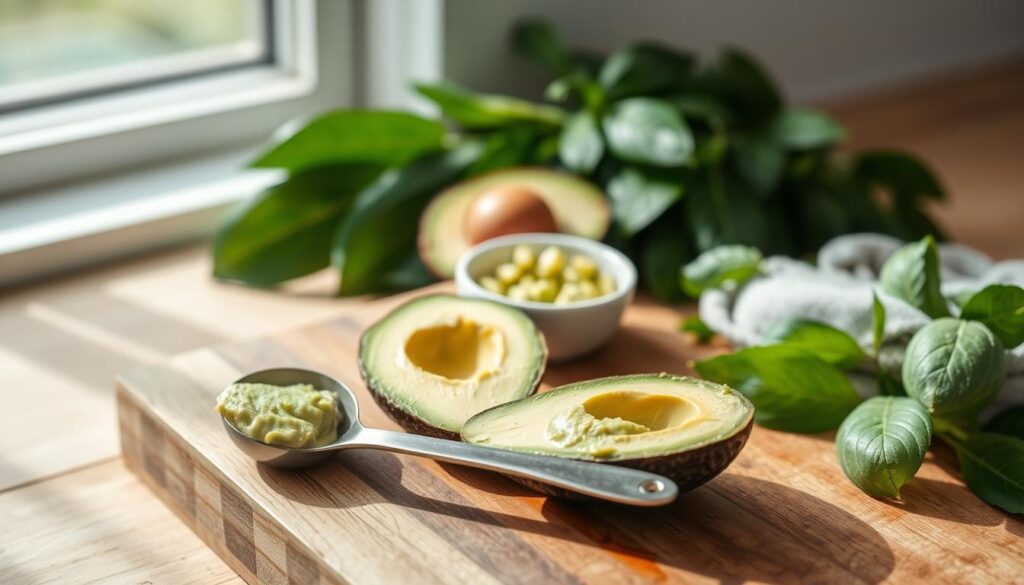
How much per day and practical timing
Begin with about 1/3 to 1/2 of a medium fruit per day. That amount supplies meaningful fiber while keeping calories balanced.
Eat it with breakfast on whole‑grain toast or at lunch in a salad. Pairing with hot drinks or warm water may encourage peristalsis and make bowel movements easier.
Water, safety tips, and special situations
Drink water consistently across the day—aiming toward common targets (about 2.5 liters for many adults) helps fiber soften stools.
If you have chronic constipation, increase portions slowly and separate this fruit from other high‑fiber meals at first to reduce gas. People with IBS should try smaller amounts and track tolerance.
- Moderate added oil: rely on the fruit’s natural fats rather than extra tablespoons of oil.
- Adjust by body and activity: larger, active people may need a slightly bigger portion; listen to fullness and bloating cues.
- Use stool form as feedback: aim for soft, formed stools; tweak water or portion if stools are too loose or still hard.
- See a clinician if constipation persists or if medications and conditions complicate changes.
Curious about safe upper limits and overall intake? Read a balanced overview at can you eat too much avocado.
Easy, step-by-step ways to use avocado for constipation relief
Use simple, repeatable combos that layer fiber, healthy fats, and hydration to support smoother bowel movements. These approaches are quick and work across breakfast, lunch, and snacks.
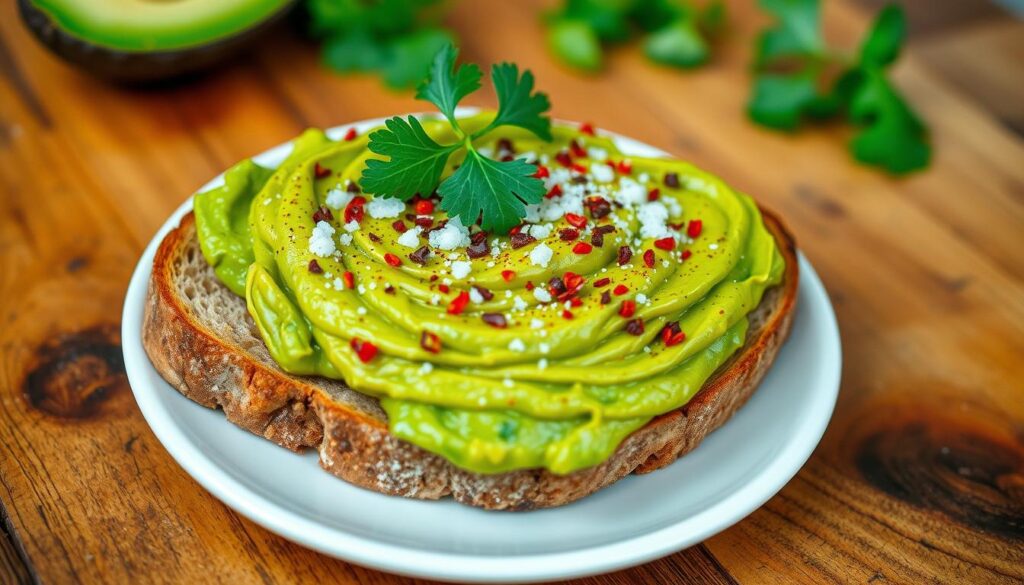
Spread on whole-grain toast with seeds
Mash half a ripe avocado on warm whole-grain toast. Sprinkle chia or ground flax seed and a pinch of salt.
Why it helps: The toast adds bulk, the seeds boost soluble and insoluble fiber, and the fruit’s fat eases passage. Keep added oil modest.
Add to salads and grain bowls with beans or lentils
Layer diced avocado into bowls with cooked beans or lentils, leafy greens, and a citrus squeeze.
This mix combines multiple fiber types and water-rich produce to improve stool bulk and ease movements.
Blend into smoothies with prunes, apples, or kefir
Make a smoothie: avocado, a few prunes or a splash of prune juice, apples, spinach, and kefir. Add water or ice to thin.
Prune components draw water into the gut and probiotics in kefir can improve stool consistency.
- Hydration pairing: sip water with meals so fiber can work effectively.
- Batch tips: cook lentils and toast seeds ahead to speed prep.
- Tolerance: start with smaller portions of seeds and legumes to reduce gas.
| Method | Key additions | Benefit |
|---|---|---|
| Toast | Whole-grain bread, chia/flax seed | Boosts morning fiber and healthy fats |
| Bowl | Beans or lentils, leafy greens, citrus | Increases stool bulk and hydration |
| Smoothie | Prune juice, apples, kefir, water | Gentle stool softening and probiotic support |
Track changes in stool consistency over a week. If constipation persists, adjust water or add more legumes, or review guidance on foods that soften stools.
Power pairings: foods and drinks that enhance avocado’s effect on bowel movements
Stacking fiber, probiotics, and warm liquids speeds improvement without dramatic diet changes. These pairings make stools softer and support steady bowel movements while keeping meals simple.
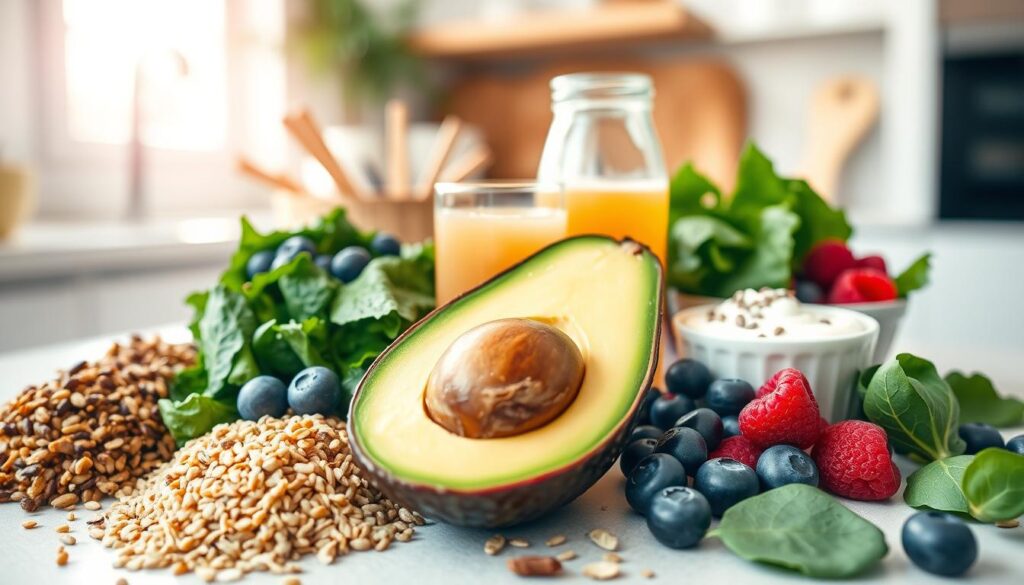
High-fiber allies
Oats, chia seeds, beans, and lentils add soluble and insoluble fiber that increases stool bulk while holding moisture. Mix mashed fruit with oats at breakfast or top a grain bowl with a seed blend to boost movement.
Probiotic partners
Yogurt, kefir, and sauerkraut introduce friendly bacteria that can improve stool frequency and consistency. Fold probiotic-rich yogurt into a smoothie or pair kefir with chopped apples to diversify gut bacteria and help relieve constipation.
Read more about probiotics in fermented foods here.
Natural-laxative fruits and helpful beverages
Rotate prunes and pears for sorbitol, kiwi for enzyme support, and apples and oranges for pectin and flavonols. A splash of prune juice or chopped apples in a bowl can nudge the tract gently.
Start the day with warm lemon water or a hot drink to encourage movement. Kombucha and kefir offer fermented options; keep coffee moderate and pair each cup with extra water to avoid dehydration.
- Power bowl idea: mashed fruit, lentils, black beans, chopped apples, and ground flaxseed.
- Snack: a slice with sauerkraut on whole-grain crackers gives fats plus probiotics in one bite.
Easy ways to eat avocados can help you combine these foods into daily meals that support your gut and stool movement.
Lifestyle habits that keep your intestines moving regularly
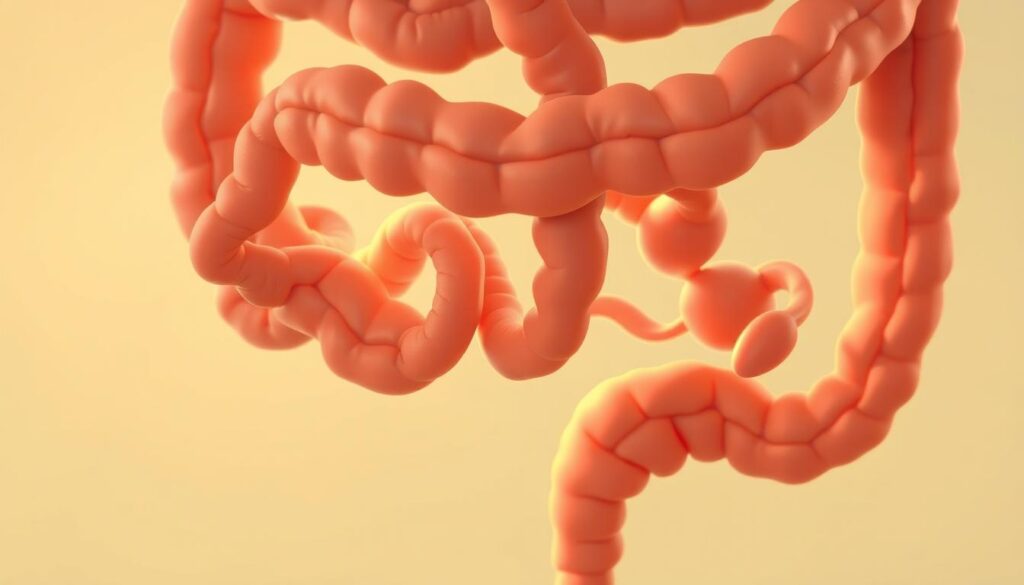
Small daily routines have an outsized effect on gut rhythm and comfort. Hydration, steady movement, sleep, and low stress levels work together to support bowel function and reduce constipation.
How much water should you aim to drink each day?
Set a clear hydration target: aim for about 2.5 liters of water per day or roughly 0.5–1 ounce per pound of body weight, adjusted for activity and climate.
Make it easy: keep a bottle nearby, sip with meals and snacks, and use reminders during busy periods.
What movement and sleep habits help digestion?
Move your body most days: 150 minutes of moderate exercise weekly—walking, cycling, or yoga—boosts intestinal motility and helps the system keep a steady pace.
Protect sleep: aim for 7–9 hours per night so the digestive tract aligns with circadian rhythms and bowel movements become more regular.
How can stress relief and mealtime rhythm improve results?
Short breathwork, stretching, or a quick walk lowers stress that can slow the gut. Eat on a rhythm to cue the intestines; pair meals with balanced diet choices and consistent fiber intake to prevent constipation.
| Target | Practical action | Why it helps | Quick tip |
|---|---|---|---|
| Hydration (~2.5 L) | Sip water, warm tea, clear soups | Softens stool and aids fiber | Carry a refillable bottle |
| Movement (150 min/wk) | Daily walks, yoga, cycling | Speeds transit in the tract | Walk after meals |
| Sleep (7–9 hrs) | Regular bedtime, dark room | Aligns digestion with circadian time | Wind down screen-free 30 min |
| Stress control | Breathwork, short breaks | Prevents abdominal tightness that slows bowel | Use 3–5 minute breathing breaks |
Monitor feedback: note how water, movement, and stress affect your body over time. If constipation persists despite these lifestyle steps, consult a clinician to rule out other issues. For practical self-care routines that support motility, see this guide to healthy motility, and for simple dietary swaps that aid digestion try these food swap tips.
Conclusion
A small daily habit can help normalize bowel movements and ease common gut discomfort. Use a modest serving of avocado combined with water and gentle movement to support softer stools over time.
Pick one simple way to add it: toast with seeds, a salad with legumes, or a fruit-and-kefir smoothie. Do these consistently to help relieve constipation and help prevent constipation long term.
Boost results by pairing the fruit with probiotic foods and natural-laxative fruits. Track symptoms and stools, tweak portions and seed choices, and notice what helps.
If symptoms persist or you manage a disease or take medications that affect digestion, consult a clinician. Read the 12-week clinical overview on daily avocado use here for more context.
FAQ
Can eating avocado help relieve constipation?
Yes. The fruit supplies both soluble and insoluble fiber that add bulk and soften stools, while its healthy fats help lubricate the digestive tract, making bowel movements easier. Pair it with water and other fiber-rich foods like oats, beans, or fruit for a clearer effect.
How much avocado should I eat each day to support bowel movements?
Aim for a practical portion such as half to one whole fruit daily, depending on calorie needs and overall fiber intake. That provides a useful amount of fiber without overdoing calories or fat; adjust portions if you also rely on other high-fiber foods like lentils, chia, or whole grains.
When is the best time to eat avocado for regularity?
Morning with breakfast or as part of a mid-day meal often works well because it pairs with natural digestive rhythms and gives time for fluids and activity to help the stool move. Combine it with a fiber- and fluid-rich meal—for example, whole-grain toast with seeds or a smoothie with prunes—to support timely bowel movements.
Are there any safety concerns if I have IBS or chronic constipation?
People with IBS should introduce it gradually and watch for individual triggers. The fruit’s fiber can help many, but in some people, fermentable fibers cause bloating or discomfort. Start with small amounts, increase slowly, and consult a clinician if symptoms persist or worsen. Also consider hydration, physical activity, and reviewing medications that slow gut motility.
What are good food pairings to boost its effect on stool and digestion?
Combine it with high-fiber allies like oats, beans, lentils, chia seeds, and apples, and with probiotic foods such as yogurt or kefir. Natural laxative fruits—prunes, pears, and kiwis—work well in smoothies. Hydrating drinks like lemon water, warm beverages, or kombucha can also support motility.
Can eating too much avocado cause loose stools or other issues?
Eating large amounts may increase dietary fat and fiber quickly, which in some people can cause loose stools or abdominal discomfort. Balance portions with other foods, increase intake gradually, and keep water intake adequate to prevent sudden changes in stool consistency.
Will avocado replace the need for other constipation remedies or medications?
Not necessarily. It can be a helpful dietary strategy, but chronic constipation or medication-related slow transit often requires medical assessment. Use it alongside hydration, activity, fiber variety (oats, beans, seeds), and probiotic foods, and consult a healthcare provider before stopping prescribed treatments.
How long before I notice improvements in bowel movements?
Some people notice changes within a few days when increasing fiber and fluids, while others need one to three weeks as the gut adjusts. Consistency—regular portions, adequate water, and supportive foods like lentils or prunes—produces the best results.
Are there simple recipes or ways to add it to my diet for constipation relief?
Yes. Try mashed spread on whole-grain toast with chia or flax seeds for breakfast, mixed into salads or grain bowls with beans and vegetables at lunch, or blended into a smoothie with prunes, apple, and kefir for a gentle digestive boost.
Does the seed or oil have additional benefits for bowel movement?
The oil in the fruit supports softer stools by adding lubrication, while commercially available seed products (like chia or flax) add extra soluble fiber and mucilage that help stool formation. Whole seeds and oils should be used as part of a varied, fiber-rich diet rather than as a sole remedy.

Don’t Miss These Picks