

Intermittent fasting can work well for some adults because it gives eating a clear schedule. It can also backfire if it leads to dizziness, overeating later, poor sleep, workout problems, or stress around food.
The safest way to think about intermittent fasting is simple: it is an eating schedule, not a cure, detox plan, or shortcut that works for everyone. Before choosing a fasting window, it helps to check your health status, daily routine, hunger patterns, and relationship with food.
Quick answer: is intermittent fasting right for you?
Intermittent fasting may be worth considering if you are a generally healthy adult, you can eat balanced meals during your eating window, and you prefer simple timing rules over constant snacking. A gentle overnight schedule, such as 12:12, is usually a more realistic starting point than jumping straight into long fasts.
It may not be a good fit if skipping meals causes dizziness, fainting, anxiety around food, binge eating, poor workouts, sleep disruption, or strong irritability. Anyone with diabetes, blood sugar concerns, pregnancy, breastfeeding, a history of eating disorders, medication timing needs, or chronic medical conditions should speak with a qualified healthcare professional before trying it.
Intermittent fasting should make your routine easier to manage, not make eating feel stressful, risky, or punishing.
Key takeaways
- Intermittent fasting controls timing, not food quality. What you eat during the eating window still matters.
- Beginners usually do better with a gentle window. A 12:12 or 14:10 schedule is often more realistic than 16:8 at the start.
- Fasting is not right for everyone. Medical conditions, medications, pregnancy, breastfeeding, blood sugar concerns, and eating history all matter.
- Symptoms are feedback. Dizziness, fainting, binge eating, severe fatigue, poor sleep, or anxiety around meals are reasons to stop and reassess.
- Products are optional. Simple meal planning and hydration reminders may support consistency, but they do not make fasting safer or more effective by themselves.
What intermittent fasting means
Intermittent fasting is a pattern of eating that separates the day or week into fasting periods and eating periods. It does not tell you exactly which foods to eat. It mainly changes when you eat.
For beginners, this distinction matters. A fasting schedule does not replace balanced meals, adequate calories, hydration, sleep, or medical guidance. Someone can follow a fasting window and still eat poorly. Someone else may eat nutritious meals but feel worse because the fasting window does not suit their body or schedule.
Common beginner fasting methods
There are several ways to practice intermittent fasting, but not all of them are beginner-friendly. Longer or stricter plans can be harder to maintain and may raise more safety concerns for some readers.
| Fasting method | What it usually means | Beginner fit | What to watch for |
|---|---|---|---|
| 12:12 | 12 hours fasting, 12 hours eating | Gentlest starting point for many beginners | Still requires balanced meals, not just delayed snacking |
| 14:10 | 14 hours fasting, 10 hours eating | A moderate next step if 12:12 feels comfortable | May be harder for early breakfast eaters or evening exercisers |
| 16:8 | 16 hours fasting, 8 hours eating | Popular, but not automatically best | Can lead to overeating or under-eating if meals are poorly planned |
| 5:2 | Normal eating most days, much lower intake on two days | Less suitable for many beginners | May feel restrictive and should be approached carefully |
| Alternate-day fasting or OMAD | Very long fasting windows or one meal a day | Not ideal for most beginners | Higher risk of fatigue, overeating, poor nutrition, or food stress |
For most beginners, the best first step is not the strictest plan. It is the plan that keeps energy, mood, sleep, meals, and daily responsibilities stable.
Who may be a good fit
Intermittent fasting may suit someone who already eats fairly balanced meals and wants a clearer routine. It may also help people who do better with simple boundaries, such as avoiding late-night snacking or spacing meals more consistently.
A better-fit beginner usually has these basics in place
- Stable energy between meals
- No history of restrictive eating or binge-restrict cycles
- Ability to eat enough protein, fiber, and fluids during the eating window
- A schedule that can support regular meals
- No medication or medical condition that makes meal timing risky
- Workouts that do not worsen when meals are slightly delayed
Even then, fasting should start gently. Feeling hungry before a meal is different from feeling shaky, faint, panicked, or unable to function.
Who should not start without medical advice
This is the most important part of the decision. Intermittent fasting may be inappropriate or require medical guidance for some people.
| Situation | Why caution matters | Safer next step |
|---|---|---|
| Diabetes or blood sugar concerns | Meal timing can affect glucose levels and medication needs | Speak with a clinician before changing eating patterns |
| Medication that must be taken with food | Fasting may interfere with safe medication timing | Ask a healthcare professional how meals should be timed |
| Pregnancy or breastfeeding | Nutrient and energy needs are different during this period | Use individualized medical or nutrition guidance |
| History of eating disorders or restrictive eating | Fasting rules may trigger harmful patterns | Avoid fasting unless guided by a qualified professional |
| Underweight, adolescent, or medically fragile | Energy needs and health risks may be higher | Do not start fasting without professional advice |
| Dizziness, fainting, severe fatigue, or binge eating during fasting | These signs suggest the plan is not working well | Stop the fasting plan and reassess with support if needed |
Do not use fasting to manage a medical condition on your own. If your goal involves blood sugar, hormones, heart health, digestive symptoms, or medication changes, that belongs in a clinical conversation.
How to start safely as a beginner
Start with the smallest change that gives structure without stressing your body. A 12:12 schedule may be as simple as finishing dinner at 7 p.m. and eating breakfast around 7 a.m.
After a week or two, you can assess how you feel. If energy, mood, sleep, digestion, workouts, and eating quality stay steady, a 14:10 window may be reasonable. If symptoms appear, make the window easier or stop.
A simple first-week plan
- Choose a gentle fasting window. Start with 12:12 instead of a long fast.
- Keep meals normal. Do not use the eating window as a reason to under-eat.
- Drink water during the day. Hydration needs vary, so use thirst, activity level, climate, and medical context as part of the picture.
- Watch your workouts. If performance drops sharply or you feel weak, adjust meal timing.
- Check your mood and food behavior. Fasting should not trigger guilt, anxiety, or binge eating.
If you often forget to sip water during a busy day, a visual reminder can help you stay aware of fluids without turning hydration into a rigid rule.

A time-marker bottle may be useful for some readers because it keeps hydration visible during the day. It should not be treated as a medical hydration plan, and it should not be used to push through symptoms such as dizziness or faintness.
For readers who want a simple reminder tool, you can see this hydration reminder bottle on Amazon. Use it only as a routine aid, not as a way to ignore how your body feels.
What to eat during the eating window
The eating window matters as much as the fasting window. If your meals are too small, too low in protein, or mostly snack foods, fasting may leave you tired and more likely to overeat later.
A balanced eating window usually works better when meals include:
- Protein foods such as eggs, fish, chicken, Greek yogurt, tofu, beans, or lentils
- Fiber-rich carbohydrates such as oats, fruit, vegetables, beans, or whole grains
- Healthy fats such as avocado, olive oil, nuts, seeds, or fatty fish
- Enough fluids across the day
- Meals that fit your culture, budget, and schedule
For beginners who struggle with what to eat after a fasting window, simple meal prep containers can make balanced meals easier to plan without turning fasting into a complicated diet system.
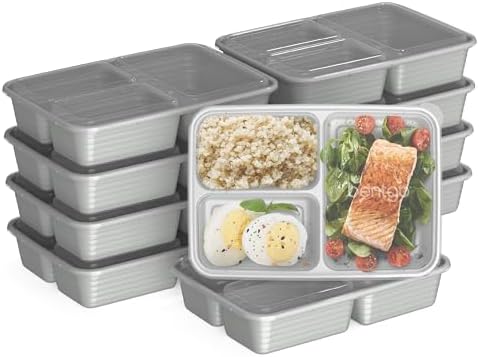
Meal planning does not need to be strict. The point is to reduce last-minute choices when you are already hungry. A divided container may help keep protein, carbohydrates, and vegetables organized, but it should not be used as a restrictive dieting tool.
If planning meals ahead would make your eating window less chaotic, you can see this meal prep option on Amazon. The useful part is the structure, not the container itself.
Common beginner mistakes
Many fasting problems come from starting too aggressively. A plan that looks simple on paper may feel very different during a workday, workout, commute, or stressful week.
Mistake 1: starting with too long a fast
A 16:8 schedule may be popular, but it is not the best first step for everyone. If breakfast is the meal that keeps your energy steady, forcing a long morning fast may make the routine harder than it needs to be.
Mistake 2: eating too little during the eating window
Some beginners unintentionally cut meals too much. That can lead to fatigue, stronger cravings, poor workouts, or overeating later.
Mistake 3: treating fasting as permission to ignore food quality
Fasting does not cancel out low-quality meals. Your body still needs protein, fiber, vitamins, minerals, and enough total energy.
Mistake 4: pushing through warning signs
Dizziness, fainting, persistent weakness, worsening sleep, menstrual changes, binge eating, or anxiety around meals are not signs of discipline. They are signs to stop and reconsider the plan.
Helpful tools that may support consistency
Intermittent fasting does not require special products. The most useful tools are usually ordinary items that make a routine easier: a way to plan meals and a way to remember fluids.
The Bentgo Prep 20-Piece 3-Compartment Reusable Meal Prep Containers with Lids may fit readers who want to prepare balanced eating-window meals ahead of time. The 3-compartment layout can help keep meal parts separate, and the listing notes PFAS-free and BPA-free materials, with microwave, freezer, and dishwasher-safe use according to the product details.
- #1 Brand Pick for Meal Prep Containers: Bentgo is the top pick for meal prep containers!* This lightweight, portable 20-piece set includes ten three-compartment trays and ten custom-fit lids to seal in freshness—perfect for breakfasts, lunches, and leftovers on the go.
- Perfect for Portion-Control: Each container’s 4-cup capacity and embossed measurements make portioning easy to support balanced, healthy meal plans. Clear, stackable lids help keep food fresh and organized in your fridge or pantry.
- Durable & Reusable: Made from tough, PFAS- and BPA-free materials, these meal prep containers are built to last through repeated use. Say goodbye to single-use plastics with these reusable containers you can take to work, school, or the gym.
- Microwave, Freezer & Dishwasher Safe: Easy to heat, store, and clean! Safely reheat food from fridge or freezer—microwave trays only. Top-shelf dishwasher safe for hassle-free cleanup; hand-wash lids for best results.
The HydroMATE 32 oz Motivational Water Bottle with Time Marker may suit readers who simply want a visual cue to drink water during the day. Its role is reminder-based. It does not prevent fasting symptoms, replace medical guidance, or define how much water every person should drink.
- 1 Liter Water Bottle with Times to Drink Marked - Now easier than ever to drink the best amount of water all day high quality lid drink reminder and tracker water bottle with handle boost your daily water intake
- Motivational Hourly Time Markings - Encouraging Hourly Quotes tracks your daily hydration progress all day and best funny reminders to increase intake and to drink more water daily
- Top Rated Straw Drinking Lid - Makes it easy to drink and encourages you to be your best great motivation for any health gym or fitness goal including weight loss muscle gain or challenges you to drink a gallon of water a day during a detox or pregnancy
- Best Unique Gift Idea - Looking for a durable reusable BPA Free eco friendly present for wife for husband for dad for mom get them a Gift they will love
Keep these tools optional. If fasting only feels manageable when you add more tracking, more rules, or more pressure, the routine may need to be simpler.
When to stop or reconsider
Stop or reconsider intermittent fasting if it causes symptoms or behavior changes that make your health or daily life worse. A fasting plan should not leave you feeling unsafe, distracted, or out of control around food.
Pay close attention to:
- Dizziness, fainting, shakiness, or severe weakness
- Binge eating after the fasting window
- Anxiety, guilt, or obsessive thoughts around meals
- Poor sleep or persistent fatigue
- Worsening workouts or recovery
- Menstrual changes
- Medication or blood sugar concerns
If any of these happen, shortening the fasting window may not be enough. It may be better to stop fasting and get individualized guidance.
FAQ
Is intermittent fasting safe for beginners?
It may be safe for some healthy adults, but it is not safe or appropriate for everyone. Health status, medications, blood sugar stability, eating history, pregnancy, breastfeeding, and symptoms during fasting all matter.
What is the easiest fasting schedule to start with?
A 12:12 overnight schedule is often the easiest starting point. Much of the fasting window happens during sleep, and the eating window still leaves room for regular meals.
Can I drink water while fasting?
Plain water is generally compatible with fasting. Hydration needs vary, so people with medical conditions, medication needs, or symptoms should not rely on a generic water target.
Does coffee break a fast?
Plain black coffee is commonly used during fasting, but adding sugar, milk, cream, or calories changes the fast depending on your goal. If coffee worsens anxiety, reflux, shakiness, or sleep, it may not be a good fit during fasting hours.
Can I work out while intermittent fasting?
Some people tolerate light or moderate exercise while fasting, but others feel weaker or recover poorly. Beginners should avoid forcing intense workouts in a fasted state if energy, strength, or safety feels off.
Should women try intermittent fasting?
Some women may tolerate gentle fasting windows, while others may notice fatigue, cravings, sleep issues, or menstrual changes. Pregnancy, breastfeeding, fertility concerns, eating history, and medical conditions are reasons to seek professional guidance first.
Are supplements required for intermittent fasting?
No. Supplements are not required for intermittent fasting. A safer beginner focus is balanced meals, enough fluids, sleep, and a fasting window that does not cause symptoms.
Who should avoid intermittent fasting without medical guidance?
People with diabetes, blood sugar concerns, pregnancy, breastfeeding, a history of eating disorders, medication timing needs, chronic conditions, or symptoms during fasting should speak with a qualified healthcare professional before starting.
Final verdict
Intermittent fasting may be a useful structure for some beginners, especially when it starts with a gentle schedule and balanced meals. It is not a universal health plan, and it should never be used to push through symptoms or replace medical advice.
The best beginner approach is cautious and practical: start with a short overnight fast, eat enough during the eating window, stay aware of hydration, and stop if the routine makes you feel worse. If fasting improves structure without creating stress, it may be worth continuing. If it creates symptoms, anxiety, or poor eating patterns, a regular meal schedule may be the healthier choice.