


Can a quick blender drink truly replace a mid-morning crash? Many assume a store-bought cup will do the job, but added sugars and low fiber often leave you hungry soon after.
At home, you control ingredients to build a filling blend that pairs protein, fiber, and healthy fats. These mixes boost steady energy and supply real nutrients without excess added sugar.
In this guide you’ll get five practical morning ideas: berry-kefir for gut support, tropical greens with hemp, banana-cocoa with seeds, matcha-coconut for a gentle lift, and ginger-mango for immunity. Each recipe uses common pantry items and a blender, and most finish in under five minutes.
Expect clear swaps, protein and fiber targets, and a concrete benchmark: a well-built green blend can deliver roughly 20 g protein and 14 g fiber per serving. Read on to learn simple steps that make these drinks realistic for your busy day.
Key Takeaways
- Home-made blends beat shop options by cutting added sugar and boosting satiety.
- Combine protein, fiber, and healthy fats to stay full and maintain steady energy.
- Five easy ideas cover gut health, gentle caffeine, and immune support.
- Most recipes use familiar ingredients and take under five minutes to make.
- Practical swaps let you customize dairy, sweetness, and protein without losing nutrition.
What Makes an Energy Smoothie Keep You Full for Hours
Smart blends pair three macronutrients so hunger stays away and focus lasts. Balance matters: protein, fiber, and healthy fats slow digestion and steady blood sugar.
Blends that pair protein with fiber and a touch of healthy fats help you stay full longer. Use whole oats, berries, and seeds for steady carbs and volume. Add Greek yogurt, kefir, or protein powder to hit a solid protein target.
How to build the satiety trifecta
- Protein: supports satiety hormones and muscle. Choose Greek yogurt, kefir, cottage cheese, or a quality powder.
- Fiber: adds bulk and delays emptying—use oats, chia, berries, or leafy greens.
- Healthy fats: steady-release calories from avocado, nut butter, or coconut keep you satisfied.
Quick targets and label tips
A practical goal per serving is 20–30 g protein, 7–10 g fiber, and 10–15 g fat. This mix beats sugar-heavy shop options and will help reduce post-drink hunger.
| Component | Good sources | Typical target |
|---|---|---|
| Protein | Greek yogurt, kefir, whey or plant powder | 20–30 g |
| Fiber + carbs | Oats, berries, banana, leafy greens | 7–10 g |
| Healthy fats | Avocado, almond butter, coconut | 10–15 g |
| Quick build | 1 cup liquid + 1 cup frozen fruit + protein + fat + fiber booster | Ready in 2–4 minutes |
Berry-Chia-Kefir Power Smoothie
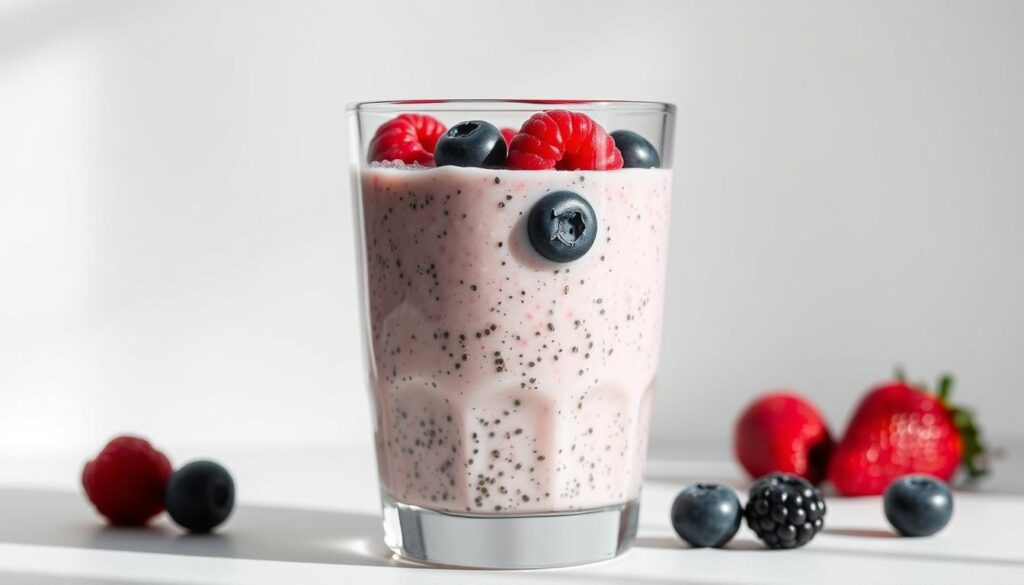
This berry-chia mix pairs probiotics and fiber to keep you satisfied until lunch. It blends tangy fruit, protein-rich kefir, and a spoon of chia for a silky, filling drink.
Key ingredients and portions:
- 1–1.5 cups mixed berries (raspberry, blueberry, strawberry)
- 1 tablespoon chia seeds
- 3/4 cup plain kefir or 1/2 cup greek yogurt
- 1 cup almond milk
- Optional: 1/2 banana for extra creaminess
Why it energizes
Berries deliver fiber and polyphenols that help regulate digestion. Kefir or yogurt adds protein and probiotics to support gut health. Chia thickens the mix and supplies omega-3 ALA and extra fiber.
Quick blend steps for a creamy texture
Add almond milk and kefir first, then fruit and chia. Blend on medium until combined, then high for 20–30 seconds to reach a smooth, creamy texture.
- Soak chia 5 minutes in the base to gel for a silkier mouthfeel.
- Sweeten with 1–2 pitted dates or a few extra berries, not refined sugar.
- Optional boosts: 1 tbsp hemp hearts for extra protein and magnesium, or a squeeze of lemon to brighten taste.
Satiety strategy: Aim for ~7–10 g fiber from berries and chia and 15–25 g protein from kefir or Greek yogurt. This recipe stores chilled for several hours; stir or re-blend if it thickens.
Try this berry-kefir idea as a simple, evidence-backed morning option: berry-kefir idea.
Tropical Greens with Hemp Seeds
This bright green blend pairs tropical fruit with leafy greens and plant protein to keep you focused and satisfied. It balances quick carbs and micronutrients with magnesium-rich seeds for lasting benefit.
Key ingredients
Template to batch or blend:
- 1 cup frozen pineapple
- 1/2 cup frozen mango
- 1 cup spinach + 1/2 cup kale
- 2 tablespoons hemp seeds
- 1 cup coconut water or almond milk
Why this works
Tropical fruits deliver vitamins, antioxidants, and quick carbs that mix with fiber from greens to slow absorption.
Hemp supplies plant protein and magnesium, which helps muscle function and calm nerves. Coconut water hydrates and adds electrolytes after a workout.
Quick tips
- Add 1–2 tablespoons yogurt or 1/4 avocado for extra creaminess and satiety.
- Layer liquids first, then greens, then frozen fruit so the blender runs smoothly.
- Boost staying power with one scoop plant protein or 2 tablespoons nut butter and a bit more milk.
- Brighten with lime, mint, or a sliver of ginger without adding sugar.
Banana-Cocoa Protein Smoothie with Flax and Chia
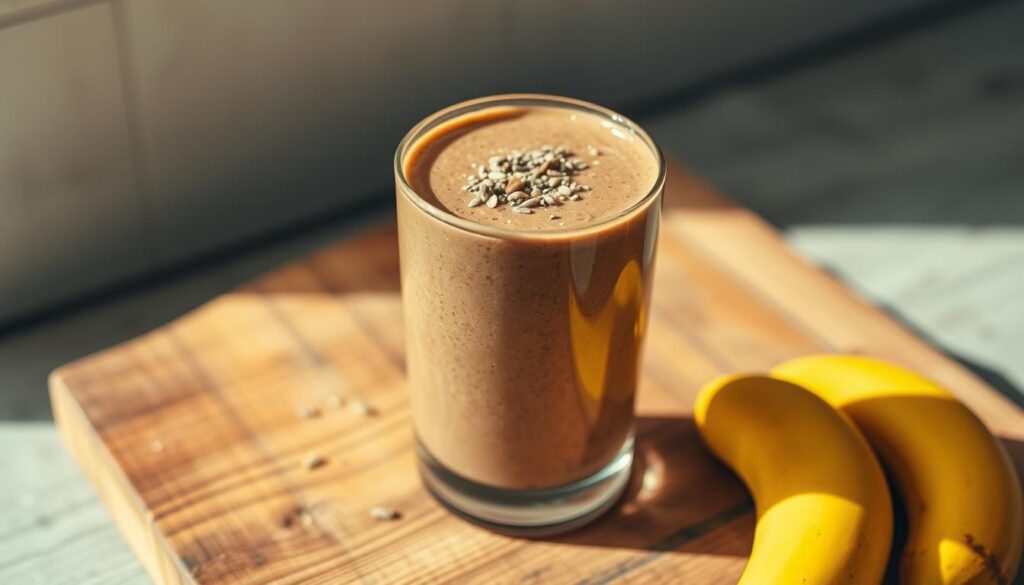
This chocolate-banana blend feels indulgent while supplying solid recovery fuel. Flax and chia add omega-3s and fiber to support satiety and reduce post-exercise inflammation.
Key ingredients
Simple list to measure and prep quickly:
- 1 banana
- 1 tablespoon cocoa powder
- 1 scoop chocolate protein powder
- 1 tablespoon ground flax
- 1 tablespoon chia seeds
- 1 cup milk or almond milk
- 1/2–1 cup ice
Why this works
Flax and chia deliver omega-3s that can help reduce inflammation and add bulk. Protein powder boosts satiety while banana supplies quick carbs and potassium.
Blend and tweak
Pour milk first, add powders and seeds, then banana and ice. Blend until frosty but pourable.
If it’s too thick, add a splash of milk. If too thin, stir in 1/4 avocado or extra ice. Sweeten with a ripe banana or a single date instead of syrups.
Post-workout angle: This mix can provide roughly 20–30 g protein plus carbohydrates to aid recovery without heavy digestion.
Try a creamy variation like this chocolate-banana chia shake as a practical smoothie recipe to keep mornings simple.
Matcha-Coconut Morning Lift
Start your day with a green lift that pairs mild caffeine and creamy fats for steady alertness. This chilled blend is a lower-sugar alternative to a matcha latte and works well before workouts or busy mornings.
Key ingredients and simple build
1 teaspoon matcha powder, 1 cup light coconut milk, 1 scoop collagen or protein powder, and 1–1.5 cups ice. Add a drop of vanilla if you like a bakery note.
Why this boosts focus and satiety
Matcha provides gentle caffeine and L-theanine, which together support calm alertness without a crash. Coconut adds medium-chain fats that extend fullness and give a smooth, creamy texture.
Collagen or a quality protein powder supplies amino acids to slow digestion and support muscle recovery. This makes the drink also great as a compact pre-workout pick.
Blend tips and variations
Sift matcha into the blender with milk first to prevent clumps. Add powder and ice, then blend until cold and thick.
Light option: swap half the coconut milk for water or almond milk. Boosts: 1 tbsp chia or hemp for fiber and extra protein; a handful of spinach adds micronutrients without changing taste.
| Component | Option | Purpose |
|---|---|---|
| Matcha (powder) | 1 tsp | Gentle caffeine + L-theanine |
| Coconut (milk) | 1 cup light | Healthy fats, creamy mouthfeel |
| Protein | 1 scoop collagen or protein powder | Satiety and recovery |
| Texture | 1–1.5 cups ice | Chilled, shake-like finish |
Ginger-Mango Immunity Energizer
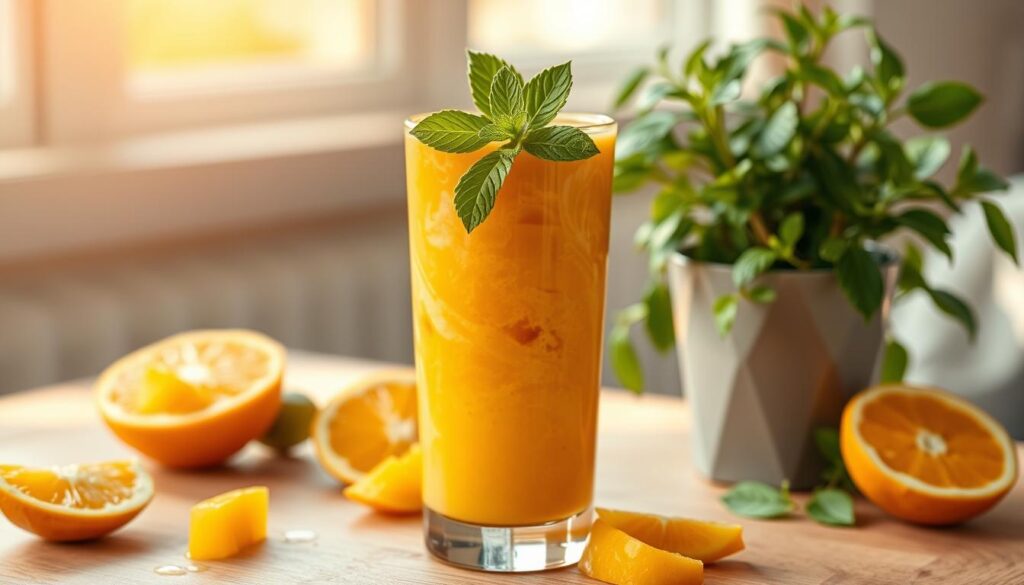
This bright, spicy blend wakes the palate and soothes the stomach while delivering a potassium-rich boost. Use it as a midday pick-me-up when you want steady energy and stomach-friendly ingredients that help reduce queasiness.
Key ingredients
- Base: 1 cup frozen mango, 1/2 banana.
- 1 teaspoon grated fresh ginger.
- 1/2–3/4 cup orange juice.
- 1 teaspoon coconut oil or 1/4 cup yogurt.
Why it energizes
Ginger supplies anti-inflammatory compounds and a warming kick that can help reduce nausea. Mango and banana add potassium to support hydration and healthy blood pressure.
Boosts, tips, and swaps
- Add 1 tablespoon chia seeds or 1/2 scoop protein powder to extend fullness and stabilize energy.
- Blend liquids and ginger first to micro-puree fibers, then add fruit for a smoother drink.
- Squeeze lime to balance sweetness. Use yogurt instead of oil for a lighter texture, or swap orange juice for coconut milk plus water for dairy-free creaminess.
- To cut sugar, dilute orange juice with water and add a pinch of turmeric for extra warmth and anti-inflammatory benefit.
Quick note: Treat this as a practical, stomach-friendly pick-me-up that can help reduce inflammation and lift mood without heavy caffeine. For more morning ideas that emphasize steady energy and simple swaps, check this collection.
Smoothie Recipes for Energy: How to Build Yours Like a Pro
Make each blended drink a reliable mini-meal by aiming for a clear ratio of liquid, protein, fiber, and healthy fat. This simple structure helps you avoid added sugars and hit real nutrients that sustain focus and fullness.
Quick repeatable formula:
- 1 cup liquid — almond milk, kefir, coconut water, or plain yogurt
- 1 cup frozen fruit + 1–2 cups greens
- 20–30 g protein — protein powder, Greek yogurt, or hemp seeds
- 1–2 tablespoons seeds and 1 tablespoon healthy fat (avocado or nut butter)
To reach ~7–10 g fiber, add chia, ground flax, oats, berries, or extra greens. The Game Changers green energy model (almond milk, hemp hearts or flax, banana, mixed berries, mango, spinach, kale, plus plant-based powder) is a practical example that yields roughly 20 g protein and 14 g fiber per serving without added sugars.
Compare protein options: powder for convenience, Greek yogurt for creaminess and probiotics, and hemp seeds for plant protein plus magnesium. Add turmeric or ginger for warmth, mint or cinnamon to lift flavor, and matcha for gentle focus.
Blender tips: pour liquids first, add soft items, then frozen fruit and ice to protect the motor and create a smooth vortex. Test combinations, log what keeps you full longest, and save your favorite ratios as a go-to recipe.
Protein That Actually Keeps You Full
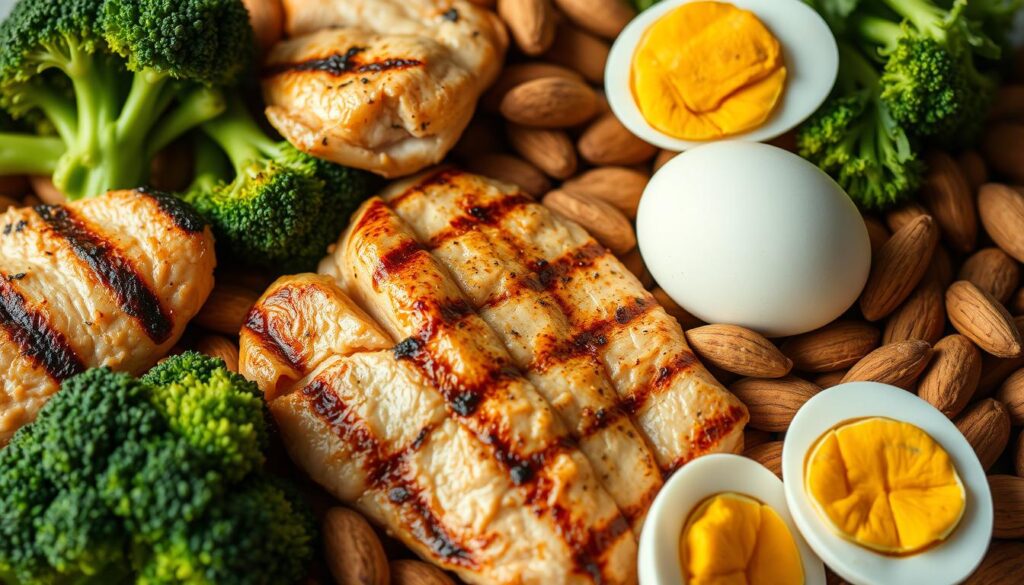
Choose protein sources that actually keep you full and make your morning less snack-driven. This section explains practical swaps and serving targets so your drink works like a mini-meal.
Whey vs. plant-based powder vs. whole-food protein
Whey mixes easily and is a complete protein, which helps with quick recovery and satiety.
Plant powders (pea, rice, hemp blends) suit dairy-free needs and can match hunger control when paired smartly.
Smart add-ins: cottage cheese, Greek yogurt, hemp hearts
- Whole-food wins: Greek yogurt or cottage cheese thickens texture, adds calcium, and keeps you full longer.
- Hemp hearts bring plant protein plus magnesium—good for calm focus and steady appetite.
- Serving target: aim for 20–30 g protein per drink to reduce mid-morning hunger.
Taste and budget tips: choose unflavored powder for flexibility; vanilla or chocolate work well with fruit and cocoa. Rotate between powder and whole foods to save money and keep flavors fresh.
Quick upgrade: stir a scoop of yogurt into your base to thicken and boost protein without changing the overall taste or texture of your favorite smoothie.
Fiber First: Chia, Oats, Berries, and Greens
Start by prioritizing fiber-rich building blocks that slow digestion and keep hunger at bay. Fiber shapes how long a morning blend sustains you. Choose soluble and insoluble sources to balance texture and bulk.
Soluble vs. insoluble—what each does
Soluble fiber gels in liquid and slows digestion, which helps steady blood sugar and extend fullness.
Insoluble fiber adds bulk and promotes regularity without extra calories. Use both in a single cup to get the best effect.
Easy ways to hit 7–10 grams per drink
Combine berries, oats, a small banana, leafy greens, and a spoon of chia or oats. Plain yogurt adds creaminess and protein while avoiding added sugar.
- High-fiber picks: raspberries, blackberries, kiwi, spinach, kale.
- Overnight option: stir chia seeds into the base and refrigerate—the seeds swell and thicken the drink by morning.
- Benchmark: a balanced recipe with greens, fruits, and seeds can deliver 14+ g fiber per serving.
Healthy Fats Without the Slump
Use small amounts of rich fats to extend fullness and boost nutrient absorption. Measured fats add a silky mouthfeel while keeping the drink light and satisfying.
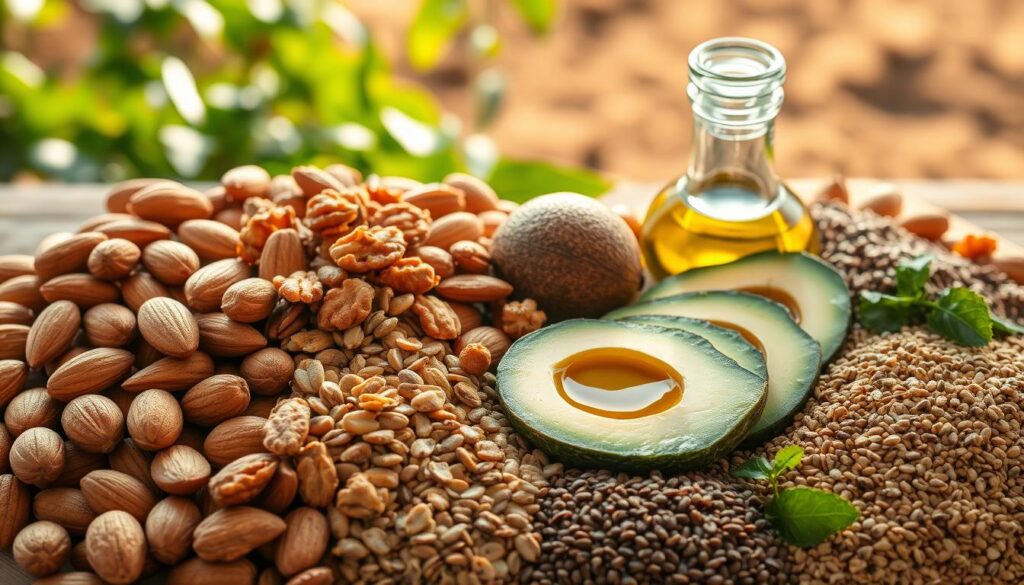
Adding avocado, almond butter, or a splash of coconut can create a luxurious creamy texture without heaviness. Aim for modest portions: 1/4 avocado, 1 tablespoon almond butter, or 1/4 cup light coconut milk.
Avocado, almond butter, and coconut for creamy texture
These choices thicken a smoothie and supply fat-soluble vitamins. They slow digestion and help steady blood sugar so hunger does not return quickly.
Balancing fats with fruit so drinks don’t taste heavy
Pair rich fats with tart berries or citrus to brighten taste. Add extra ice or frozen fruit to lift body, or a splash of water to thin the mix.
- Seed synergy: 1 tablespoon seeds adds fats plus fiber without overpowering flavor.
- Portion rule: keep fats modest to help reduce later sugar cravings while controlling calories.
- Protein pairing: include 20–30 g protein so fats and fiber work together to keep you satisfied.
“A touch of healthy fat is an easy way to turn a quick drink into a lasting mini-meal.”
Simple Swaps for Dietary Needs and Taste
Make small changes that keep fullness high and added sugar low. These swaps help you keep nutrients, cut empty calories, and save time each morning.
Start by choosing a base that fits your needs, then layer protein, fiber, and modest fat. Home blends let you control sugar and hit real satiety goals without shop-added fillers.
Dairy-free and low-sugar options
Pick unsweetened plant milk—almond, soy, or oat milk—to replace dairy and cut added sugar. Use coconut yogurt or light coconut milk if you want a creamier feel without lactose.
Rely on ripe fruit and warming spices like cinnamon or vanilla to sweeten naturally. Dilute juice with water to cut sugar while keeping flavor.
Low-calorie tweaks that still deliver nutrients
Add volume that adds few calories: ice, grated zucchini, or cauliflower rice bulk texture without many calories.
Keep protein high with a scoop of plant powder, cubes of silken tofu, or a dollop of greek yogurt when dairy is OK. This helps reduce mid-morning snacking and supports muscle recovery.
- Save time with freezer packs of fruit, greens, and seeds so mornings are ready in minutes.
- Flavor hacks: citrus zest, mint, and a pinch of sea salt make blends pop without sugar.
- Breakfast builds: stir in oats or chia to sustain fullness while keeping sugars low.
| Goal | Swap | Why it works |
|---|---|---|
| Dairy-free base | Almond, soy, or oat milk | Lower lactose, fewer added sugars, lighter texture |
| Protein boost | Plant powder, silken tofu, or greek yogurt | Maintains satiety and supports recovery |
| Lower sugar | Ripe fruit + spices; dilute juice | Sweetness without added sugars |
| Volume without calories | Ice, zucchini, cauliflower rice | Fuller mouthfeel, fewer calories |
If you want ready inspiration, try a trusted healthy breakfast option or adapt a weight-loss shake idea to your taste. Small swaps let you enjoy tasty blends that also help reduce added sugars and support steady energy.
Best Times to Drink an Energy Smoothie
Pick the right time and ingredients to make a blended drink work like a mini-meal. Small timing shifts—morning, pre-workout, or afternoon—change which nutrients help most.
Morning breakfast: Choose a fiber- and protein-rich energy smoothie with greens, berries, and Greek yogurt to stay full until lunch. Aim for ~20 g protein and a spoon of chia or oats to extend satiety.
Pre-workout: Drink 60–90 minutes before training. Use fast-digesting carbs such as banana and moderate protein to fuel performance without GI discomfort.
Afternoon slump: Reach for a matcha or green-tea based blend for gentle caffeine plus steady-release nutrients to lift focus without a crash.
Evening approach: Pick decaf options lower in caffeine and higher in protein and fiber to support fullness without disrupting sleep.
- Busy workday hack: Keep frozen packs at the office or home freezer so you always have a quick option.
- Hydration matters: Add coconut water or water-rich fruit on hot days or long work sessions.
- Travel tip: Pack single-serve protein and shelf-stable milks; add fresh fruit on arrival.
- Personalize timing: Track when a drink sustains you best and adjust ingredient ratios accordingly.

“Timing and composition matter: the right mix at the right time keeps you fueled and focused throughout the day.”
Blender Basics and Pantry Staples for Faster Mornings
Good gear and simple prep shave minutes off your morning and improve texture every time. Stocking a few staples and using frozen fruit can replace ice to make thicker, sweeter blends without dilution.
A quick setup makes the healthiest start realistic. An immersion tool handles simple mixes, while a high-speed blender manages fibrous greens and nuts.
Which blender should I choose?
Match the blender to your workload. Choose a high-speed model if you often blend greens, nuts, or seeds. A standard pitcher blender works well when you layer liquids first and add frozen fruit last.
How do I use ice, frozen fruit, and batch prep?
Frozen fruit gives body and natural sweetness without watering down the cup. Use a little ice to chill and lighten texture when needed.
Batch prep tip: Make five freezer packs with greens, fruit, and measured seeds. Add liquid and protein powder fresh the next day to keep texture and nutrition optimal.
- Quick-clean habit: Rinse the pitcher right after pouring to save time.
- Texture control: Start low, raise to high for 30–45 seconds, then pulse to finish.
- Go-to shortcuts: Keep one berry-based and one green-based template on the fridge.
- Portion tools: Use measuring scoops for repeatable nutrition and consistent servings each day.
| Need | Best option | Why it helps |
|---|---|---|
| Fibrous blends | High-speed blender | Handles greens, nuts, and seeds with smooth texture |
| Simple mixes | Immersion or standard blender | Works well with liquids-first layering and soft fruit |
| Thicker body | Frozen fruit | Sweetness and density without dilution from ice |
| Pantry staples | Chia, flax, hemp, oats, protein powder | Easy boosts that extend fullness and flavor |
Meal-Prep and Storage: Smoothies That Last Days
Prep methods keep flavor and texture while saving morning time. With a few simple steps you can store between one and two days without losing quality.
Prep and storage choices can turn a hurried morning into a calm, nutrient-rich start. Use the overnight fridge method when you need a fast, drinkable cup the next day. Or build freezer packs for grab-and-blend mornings that cut assembly time.
Overnight fridge method with chia
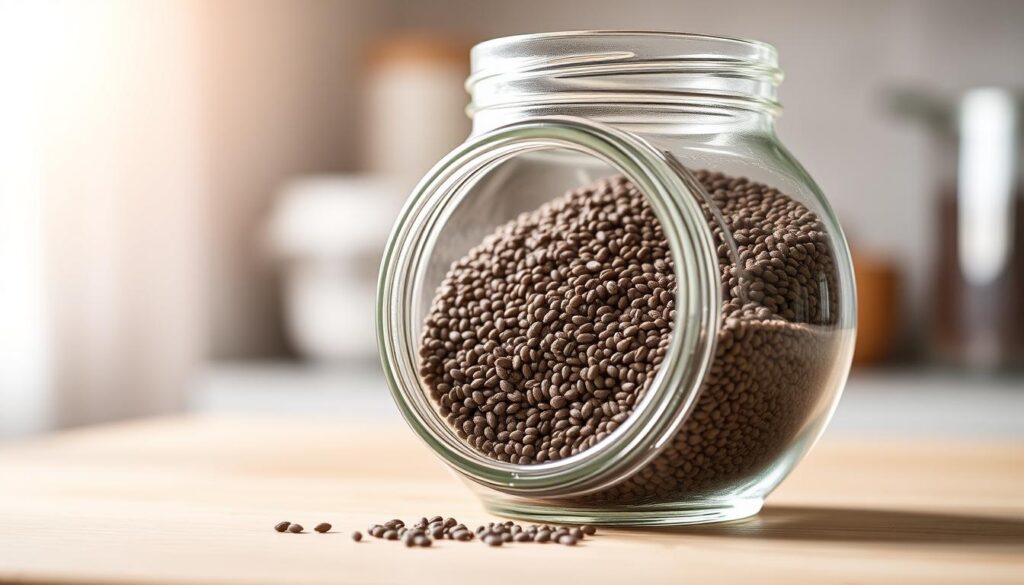
Blend a slightly thinner base, then stir in 1–2 teaspoons of chia seeds. Refrigerate and shake before drinking.
Why it works: chia absorbs liquid and forms a pudding-like body that stays pleasant for 1–2 days.
Freezer packs and quick thaw tips
Combine fruit, greens, and seeds in flat bags. Label each with the recipe name and date.
To thaw, move a pack to the fridge overnight to reduce blender strain. If the cup thickens, add a splash of milk or water and pulse once.
| Method | Best use | Storage time |
|---|---|---|
| Overnight fridge + chia | Ready-to-drink next morning | 24–48 hours chilled |
| Freezer packs | Prep multiple portions fast | Up to 3 months frozen (use within days after blending) |
| Thaw & refresh | Reduce blender strain | Fridge thaw overnight; add liquid then blend |
“Store blended cups up to 24–48 hours chilled; always smell and taste before serving.”
Troubleshooting Texture, Taste, and Sweetness
Small, strategic swaps can fix body and flavor without added sugar. Use texture tricks and natural sweeteners to keep a drink satisfying and balanced.
Wondering why your cup came out thin, chalky, or bland? Below are quick, actionable fixes that work in minutes. These tips help you blend smooth and restore bright taste without syrups.
Too thin or too thick — what should you do?
- Too thin: add 1/4 avocado, 1 tablespoon chia or ground flax, or a handful of frozen fruit to thicken and increase satiety.
- Too thick: stir in 1/4–1/2 cup milk or water, then blend and recheck the pour. A few ice cubes can lighten body while keeping cold.
Not sweet enough or bland?
- Not sweet: use a ripe banana, 1–2 dates, cinnamon, or vanilla to lift perceived sweetness without added sugar.
- Bland: add acid (lemon or lime), a pinch of salt, or fresh mint to make flavors pop.
- Grainy: add liquids first and let seeds soften 60 seconds, then start the motor to achieve a truly blend smooth texture.
- Chalky protein or bitter greens: blend protein with milk first, let sit 2 minutes, then add fruit and ice; balance greens with mango or pineapple and a squeeze of citrus.
“Small, deliberate tweaks ’re also great at salvaging a fruit smoothie without extra sugar.”
Inspired by Trusted Sources and Nutrition Insights
A few targeted ingredient swaps can turn a quick cup into a stress-supporting, nutrient-dense morning pick. These combos pair magnesium-rich greens and seeds with probiotic dairy and steady protein to support calm focus and lasting fullness.
Greens and hemp for stress-less energy
Greens plus hemp seeds deliver minerals like magnesium that help nervous-system regulation. Add spinach or kale with a tablespoon of hemp seeds to increase magnesium and plant protein while keeping fiber up.
Probiotic-rich kefir and Greek yogurt for satiety
Kefir and greek yogurt supply live cultures and high-quality protein, which support gut health and extend fullness. A Stress-Less Smoothie using kefir, raspberries, peach, and hemp seeds balances microbes, protein, and fiber.
- Matcha note: pair matcha with coconut milk and collagen or protein to get gentle caffeine plus sustained texture.
- Numeric anchor: a well-built cup can land near 20 g protein and 14 g fiber with no added sugar (the Game Changers green model: ~345.5 kcal, 20.1 g protein, 14.4 g fiber).
- Variety tip: rotate berries, tropical fruit, and leafy greens to widen nutrients and keep recipes exciting.
Practical takeaway: these evidence-informed combinations ’re also great templates you can adapt by season or taste. Read labels and choose plain fermented dairy to keep live cultures high and added sugars low.
| Component | Why it helps | Example |
|---|---|---|
| Hemp seeds | Magnesium, plant protein, healthy fats | 1 tbsp in greens |
| Kefir / Greek yogurt | Probiotics and concentrated protein | 3/4 cup kefir or 1/2 cup greek yogurt |
| Matcha + coconut | Gentle caffeine + MCTs for focus | 1 tsp matcha + 1 cup light coconut milk + collagen |
Conclusion
Make one well-built cup your daily baseline and adjust portions like an athlete tuning a plan.
Combine fiber, protein, and healthy fats to create an energy smoothie that keeps you full and focused through the day. Use almond milk or regular milk, yogurt or a quality protein powder, banana or frozen fruit, and a spoon of seeds or coconut to blend smooth and consistent results.
Try this template: 1 cup liquid + 1 cup frozen fruit + 1–2 cups greens + 20–30 g protein + 1 tbsp seeds + ice. Prep freezer packs for a few days so a fruit smoothie becomes a quick daily drink.
Pick one recipe to test tomorrow. Note how long it holds you, tweak ingredients, and trust that when you blend smooth with intention, a healthy smoothie recipe is a simple, sustainable way to power your day.
FAQ
What makes these blends keep you full for hours?
Combining protein, fiber, and healthy fats slows digestion and delivers steady energy. Protein powder or Greek yogurt provides muscle-sparing amino acids, chia or oats add soluble fiber that gelates and promotes satiety, and avocado or nut butter supplies fat for sustained fullness without a mid-morning crash.
How much protein should I add to a single serving?
Aim for 15–30 grams per serving depending on your size and activity level. A scoop of whey or plant-based protein powder plus a dollop of Greek yogurt or a tablespoon of hemp hearts will usually hit that range and help you stay satisfied until your next meal.
Can I use kefir or yogurt instead of milk or plant milk?
Yes—kefir and Greek yogurt add protein and probiotics while keeping the texture creamy. Use unsweetened varieties to control sugar, and thin with almond milk or coconut water if the blend is too thick.
Are chia and flax seeds interchangeable?
They’re complementary rather than direct substitutes. Chia absorbs liquid and thickens, increasing satiety; flax adds omega-3s and a mild nutty flavor. Use both for balanced fiber and healthy fats, or pick one based on texture preference.
How can I reduce inflammation with these drinks?
Include ingredients with anti-inflammatory evidence: berries, ginger, turmeric, flax or chia (omega-3 precursors), and leafy greens. Combining these with protein and healthy fats helps nutrient absorption and supports recovery after exercise.
What’s the best liquid base for a morning boost?
Choose based on goals: almond milk or oat milk for a neutral, low-calorie base; coconut water for electrolytes; kefir or dairy milk for extra protein and probiotics. Match the base to the rest of your ingredients for flavor and texture balance.
How do I get a creamy, frosty texture without watering it down?
Use frozen fruit or frozen banana, add a handful of ice, and include a fatty element like avocado, coconut milk, or nut butter. High-speed blenders yield the creamiest results; pre-freezing portions gives consistent frostiness.
Can I prepare blends ahead of time? How long do they last?
For best nutrient and texture retention, make them the morning of. Prepped mixtures (without added seeds that thicken) can stay in the fridge up to 24 hours. For longer prep, freeze individual portions in bags or jars and blend from frozen.
What are simple swaps for dairy-free or low-sugar diets?
Swap cow’s milk and yogurt for unsweetened almond, oat, or coconut milk and dairy-free protein powders. Replace high-sugar fruit with lower-sugar berries or add avocado for creaminess. Use cinnamon, vanilla, or a small amount of stevia if extra sweetness is needed.
How can I boost fiber to reach 7–10 grams per drink?
Add 1–2 tablespoons of chia or ground flax (around 5–7 g), a half-cup of berries (2–3 g), and a quarter-cup of oats (about 2–3 g). These combine to hit fiber targets while improving texture and satiety.
Is matcha a good morning alternative to coffee in a blend?
Yes. Matcha provides a gentle caffeine lift plus L-theanine, which can promote focus without jitters. Combine with protein and healthy fats (coconut milk or collagen powder) to sustain energy and avoid a mid-day slump.
Which protein powders are best: whey, pea, or collagen?
Whey is fast-absorbing and high in leucine, ideal post-workout; pea or mixed plant proteins suit vegan diets and provide steady amino acids; collagen supports connective tissues but lacks a full amino acid profile, so pair it with another protein source if using alone.
How can I fix a blend that’s too thin, too thick, or not sweet enough?
Too thin: add frozen fruit, a frozen banana, or 1–2 tablespoons of chia/flax. Too thick: thin with water, almond milk, or coconut water. Not sweet enough: add a few dates, a splash of orange juice, or a pinch of vanilla or cinnamon instead of refined sugar.
Are frozen fruit and ice interchangeable?
They’re not identical. Frozen fruit adds chill and natural sweetness without watering down flavor; ice chills and can dilute taste as it melts. Favor frozen fruit for better texture and nutrition density.
What pantry staples should I keep for fast morning blends?
Keep a supply of frozen berries and banana, rolled oats, chia and flax seeds, a versatile protein powder, almond or oat milk, nut butter, and frozen greens. These allow quick, balanced blends any morning of the week.

Don’t Miss These Picks