

What if improving your sleep, energy, and overall health didn’t require expensive supplements, fitness trackers, or wellness gadgets? Some of the most useful changes you can make cost nothing at all.
Budget biohacking means using simple, evidence-based habits to support your body’s natural functions. Getting enough sleep, walking after meals, eating nutritious foods, and managing stress can make a meaningful difference without stretching your budget.
You don’t need to change everything overnight. Start with one habit, practice it consistently, and build from there. This guide covers eight affordable strategies, explains what the research supports, and shows you how to fit them into everyday life.
Key Takeaways
- Start with sleep: A regular bedtime, dark bedroom, and less evening caffeine can improve sleep quality without costing anything.
- Move throughout the day: Walking, bodyweight exercises, and short activity breaks support heart health and physical fitness.
- Eat smarter, not necessarily less: Whole foods, fiber, protein, and healthy fats provide more dependable benefits than restrictive diet trends.
- Make fasting optional: A consistent eating schedule may help some people, but a 16-hour fast isn’t necessary for good health.
- Support recovery: Hydration, stress management, morning daylight, and reducing alcohol are practical places to start.
- Be selective with health trends: Cold exposure and expensive supplements have less certain benefits than basic healthy habits.
Helpful Products at a Glance
MZOO 3D Contoured Sleep Mask: An optional way to block unwanted bedroom light when blackout curtains aren’t practical. Its adjustable design may be useful for travel or daytime sleepers.
- Low - Rebound Memory Foam, Soft and Comfortable.
- Zero Eye Pressure: The Deepest 13mm arc-shaped widened eye cups provide makeup-safe space and allow natural blinking

Fit Simplify Resistance Loop Bands: A compact set of five exercise bands that can add resistance to home workouts. Useful for lower-body exercises, although bodyweight training remains a free alternative.
- High End Exercise Bands. Our 12"³ By 2"³ Heavy Duty Loop Resistance Bands Come In 5 Varying Resistance Levels. This Makes Them Perfect Whether You Are Just Starting To Workout Or A Seasoned Workout Warrior. Our Extra Light And Light Bands Are Great For Beginners, While Our Medium, Heavy And Extra Heavy Exercise Bands Are Targeted For More Intermediate And Advanced Strength Training.
- Great With Any Workout. This Resistance Band Set Can Be Integrated Seamlessly With Various Popular Workout Program. Or Use Them For General Exercise, Stretching, Strength Training, Power Weight Programs. The Included Carry Bag Makes It Easy To Take Your Bands With You And Do Any Workout Away From Home Or Your Home Gym.

1. Start With the Basics: What Budget Biohacking Really Means
Biohacking sounds complicated, but it simply means making deliberate changes to your habits or environment to influence your health and performance.
Some people spend hundreds of dollars tracking sleep stages, testing supplements, or experimenting with special diets. Others get started by opening their curtains in the morning and taking a short walk.
The second approach is often a better starting point. You don’t need a home laboratory to improve everyday habits.

Choose habits with a high return on effort
When you’re working with a limited budget, focus on changes that address a real need and are easy to repeat.
- Feeling tired? Review your sleep schedule before buying energy supplements.
- Sitting all day? Add short walking breaks instead of immediately purchasing exercise equipment.
- Eating too many packaged snacks? Keep affordable, filling foods such as beans, oats, fruit, and eggs available.
- Feeling overwhelmed? Try five minutes of breathing or journaling before paying for another wellness subscription.
Change one thing at a time and observe your results for a week or two. For additional ideas, this budget biohacking guide explores other affordable experiments.
2. Improve Your Sleep Before Spending Money on Recovery
Sleep affects your memory, mood, concentration, immune function, and metabolism. Poor sleep can also make exercise and healthy eating harder to maintain.
According to the CDC’s sleep recommendations, adults ages 18–60 generally need at least seven hours of sleep each night. Many people do well with seven to nine hours, although individual needs differ.

Create a bedtime routine that actually works
You don’t need a complicated sleep routine. Start by choosing a wake-up time you can maintain throughout the week, including weekends.
Then make the 30–60 minutes before bed quieter and less stimulating. Your routine might include reading, light stretching, a warm shower, or unsweetened herbal tea.
Try these simple changes:
- Keep a regular schedule: Aim for similar sleeping and waking times each day.
- Lower the lights: Dim room lighting and put away bright screens at least 30 minutes before bed.
- Keep the bedroom comfortable: A cool, quiet, dark room often supports better sleep. Around 65–68°F can be a starting point, not a required temperature.
- Watch your caffeine: Avoid afternoon or evening caffeine if it affects your sleep. Some people need a longer cutoff.
- Limit alcohol and heavy late meals: Both can interfere with restful sleep.
Block unwanted light without expensive bedroom upgrades
Streetlights, early sunrises, and electronic displays can make a bedroom brighter than you would like. Before buying anything, try closing your curtains, covering small indicator lights safely, or turning screens away from the bed.
If your room still gets too much light, an eye mask can be a practical alternative to installing blackout curtains. This is especially useful for shift workers and people who travel frequently.
The MZOO 3D Contoured Sleep Mask has adjustable straps and shaped eye cups designed to leave space around the eyes. It may help reduce unwanted light, although comfort and fit vary. Skip it if your bedroom is already dark enough.
- Low - Rebound Memory Foam, Soft and Comfortable.
- Zero Eye Pressure: The Deepest 13mm arc-shaped widened eye cups provide makeup-safe space and allow natural blinking
- Great for Side Sleepers: Upgraded 15°-curved thin sides ensure smooth transitions with no uncomfortable bulge, minimizing temple pressure for all sleeping positions
- 100% Light Blocking: Patented contoured eye cups seal completely around each eye. Deep 22mm nose padding blocks all light leakage
Try this tonight: Set a regular bedtime, dim your lights, and avoid checking your phone during the final 30 minutes before sleep. Record how rested you feel in the morning for two weeks.
If you regularly struggle with sleep despite these changes, or you snore loudly and wake feeling exhausted, a healthcare professional can help identify possible sleep problems.
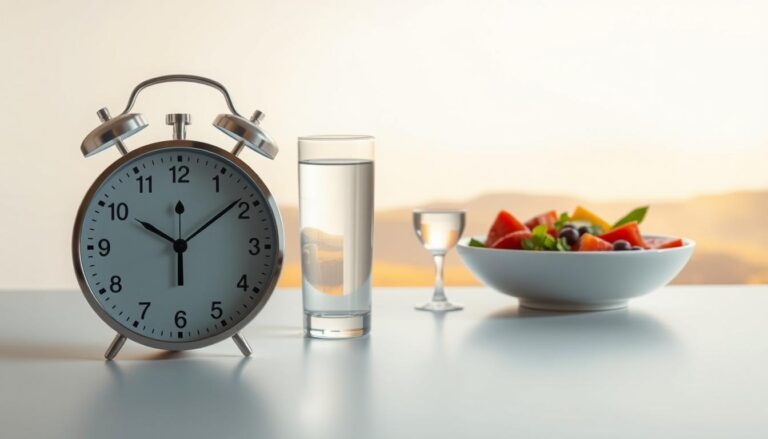
3. Experiment With Intermittent Fasting Without Extreme Rules
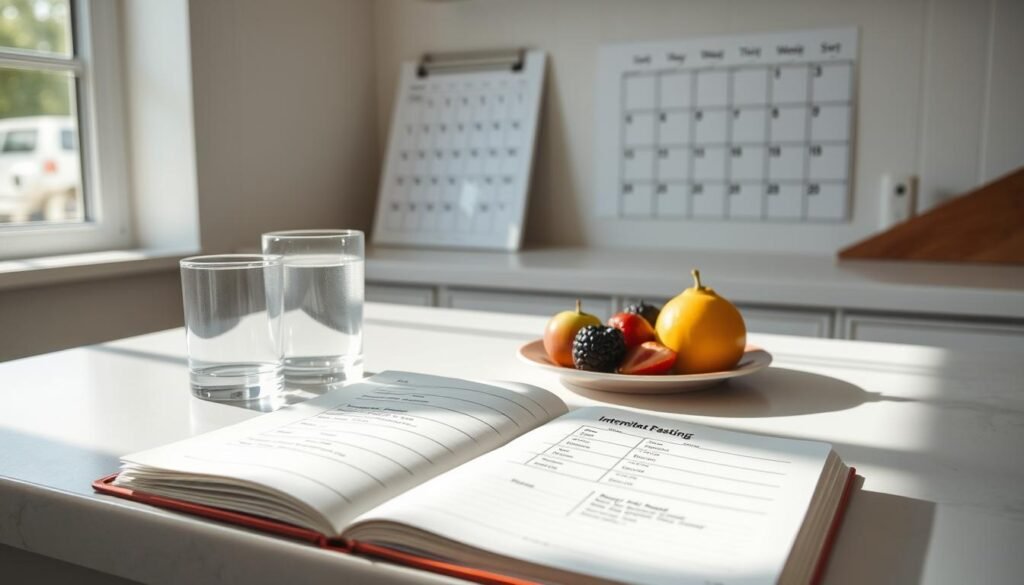
Intermittent fasting means limiting when you eat rather than following a particular list of foods. Some people find that regular meal times help them reduce late-night snacking and manage their overall food intake.
However, fasting isn’t a shortcut to longevity. Research suggests that certain eating schedules may help with weight and metabolic health in some people, but long-term human evidence for extending lifespan remains insufficient.
Find an eating window that fits your schedule
You don’t have to jump into a 16-hour fast. A 12-hour overnight break between dinner and breakfast may be a simpler way to establish regular meals.
| Eating Pattern | Example Eating Hours | Practical Consideration |
|---|---|---|
| 12/12 | 8 a.m.–8 p.m. | Gentle starting point; may reduce late-night snacking |
| 14/10 | 9 a.m.–7 p.m. | Shorter eating window while allowing several meals |
| 16/8 | 11 a.m.–7 p.m. | More restrictive; may not suit everyone’s schedule or health needs |
| Flexible schedule | Regular meals adjusted for work and family | Easier to maintain without strict fasting rules |
During eating hours, prioritize enough protein, fiber, healthy fats, and overall nutrition. Drinking water or unsweetened tea during a fasting window can help maintain hydration.
Important safety point: If you have diabetes, especially if you take insulin or medicines that can cause low blood sugar, don’t begin a fasting routine without a plan from your healthcare team. Fasting may require medication adjustments and glucose monitoring. The NIDDK explains these risks in detail.
Fasting is also generally unsuitable during pregnancy or breastfeeding and for people with eating disorders or certain other medical conditions. Stop an experiment that causes dizziness, weakness, or unusual discomfort.
Budget takeaway: Eating nutritious meals consistently matters more than forcing yourself into a particular fasting window.
4. Move More Every Day Without a Gym Membership
Exercise is one of the most useful low-cost investments in your health. You can improve fitness through walking, climbing stairs, carrying groceries, or doing strength exercises at home.
The CDC recommends at least 150 minutes of moderate-intensity activity per week, plus muscle-strengthening activity on two or more days. You can build toward that goal in short sessions.

Use small movement breaks
Instead of waiting for a free hour, attach movement to things you’re already doing:
- Walk for 10 minutes after lunch or dinner.
- Stand up and move around during long work sessions.
- Take some phone calls while walking.
- Use stairs when they’re a safe and practical choice.
- Combine an outdoor walk with morning daylight.
Morning daylight helps your body recognize the difference between daytime and nighttime. A short outdoor walk is a practical way to combine light exposure with movement. Avoid staring at the sun, and use appropriate sun protection when UV exposure is significant.
Build strength at home
Start with a short routine two or three times weekly. Choose movements that match your ability:
- Chair squats: Stand up from a sturdy chair and sit down slowly, 8–12 times.
- Wall or counter push-ups: Perform 8–12 controlled repetitions.
- Glute bridges: Lift your hips while lying on your back, 8–12 times.
- Planks: Hold a comfortable position for 10–30 seconds while breathing normally.
Begin with one round and build toward two or three. Increase difficulty gradually as your strength improves. Bodyweight exercises can work well without special equipment.
If you want more exercise variety, resistance bands can add controlled resistance to squats, side steps, and other movements. They are portable and take up little storage space.
The Fit Simplify Resistance Loop Exercise Bands set includes five bands with different resistance levels, an instruction guide, and a carry bag. They’re an optional choice for lower-body training and controlled progression, but they don’t replace every type of strength exercise. Check bands for wear before each session and keep them away from your face.
- High End Exercise Bands. Our 12"³ By 2"³ Heavy Duty Loop Resistance Bands Come In 5 Varying Resistance Levels. This Makes Them Perfect Whether You Are Just Starting To Workout Or A Seasoned Workout Warrior. Our Extra Light And Light Bands Are Great For Beginners, While Our Medium, Heavy And Extra Heavy Exercise Bands Are Targeted For More Intermediate And Advanced Strength Training.
- Great With Any Workout. This Resistance Band Set Can Be Integrated Seamlessly With Various Popular Workout Program. Or Use Them For General Exercise, Stretching, Strength Training, Power Weight Programs. The Included Carry Bag Makes It Easy To Take Your Bands With You And Do Any Workout Away From Home Or Your Home Gym.
- Multiple Uses. While These Resistance Bands Are Often Used For Sports And Fitness, Physical Therapists Love These Physical Therapy Bands (Rehab Bands) To Help Them Rehabilitate Their Patients. Our Stretch Bands Work For People Suffering From Leg, Knee And Back Injuries. They Are Also Perfect For Use By Women After Pregnancy And Birth To Keep Their Bodies In Shape.
- Superior Quality. All Of Our Exercise Resistance Bands Are Thoroughly Tested Before We Ship Them Out To You. This Ensures Your Bands Are Easy On Skin And Will Provide You With A Worry Free Experience. The Instruction Booklet Includes Dozens Of Different Illustrated Exercises That Demonstrate How To Use Our Resistance Bands For Legs, Arms, Back, Shoulders, Ankles, Hips And Stomach.
What about high-intensity interval training?
HIIT alternates harder exercise with easier recovery periods. It can improve cardiovascular fitness, but it isn’t necessary for beginners.
Build a base of walking and strength training first. When you’re ready for more intensity, try short periods of faster walking followed by slower walking instead of jumping straight into burpees or sprints.
People with heart conditions or other relevant health problems, and those returning after prolonged inactivity, should discuss vigorous exercise with a clinician before starting.
5. Manage Stress With Five-Minute Daily Habits
Stress doesn’t disappear just because you follow a healthy routine. Work, relationships, money, and daily responsibilities can all affect how you feel.
Fortunately, managing stress doesn’t require an expensive meditation app or wellness retreat. Brief breathing practices, journaling, and social connection can help you respond more calmly to difficult moments.

Try a simple five-minute reset
- Sit comfortably with your feet supported.
- Relax your shoulders and jaw.
- Breathe in gently for about four seconds.
- Breathe out slowly for about four to six seconds.
- Continue at a comfortable pace for several minutes.
Don’t force deep breaths or hold your breath if doing so makes you uncomfortable. Stop if you feel lightheaded.
Box breathing is another option, although breath-holding isn’t necessary for relaxation. You can also try a short guided meditation or breathwork session.
Use journaling and meaningful connections
At bedtime, write down three things that went well or one concern you can address tomorrow. This gives your thoughts a place to go instead of repeatedly reviewing them while trying to sleep.
Make time for people you enjoy, too. Walking with a friend, sharing a meal, or volunteering can support emotional well-being without a large financial commitment.
Mindfulness may reduce perceived stress for some people, but a five-minute session isn’t guaranteed to lower inflammation or produce measurable hormone changes. Treat it as a useful coping tool rather than a medical treatment.
6. Eat Nutrient-Dense Foods Without an Expensive Diet
Food is an area where small decisions can make a meaningful difference. You don’t need premium supplements, imported superfoods, or an all-organic shopping cart to build nutritious meals.
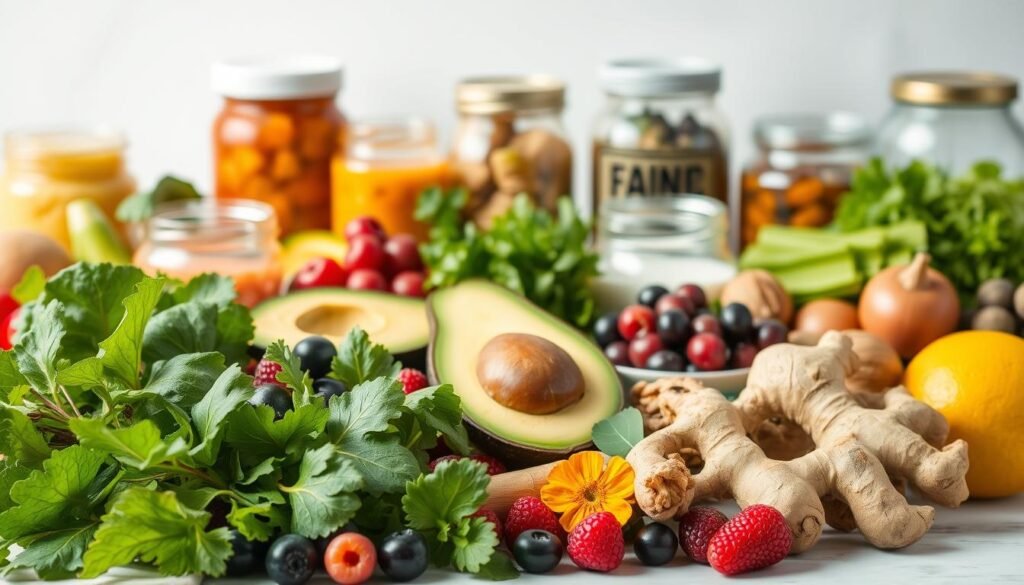
Affordable staples such as beans, lentils, oats, eggs, frozen vegetables, and canned fish can provide protein, fiber, vitamins, and minerals.
Build one balanced meal you can repeat
A simple meal framework makes shopping and preparation easier:
- Vegetables: Spinach, cabbage, broccoli, carrots, or frozen mixed vegetables.
- Protein: Eggs, beans, lentils, tofu, poultry, or canned fish.
- Fiber-rich carbohydrates: Brown rice, oats, potatoes, or whole-grain bread.
- Healthy fats: Olive oil, peanuts, walnuts, or seeds.
For example, try a bowl of brown rice, black beans, sautéed vegetables, and a little olive oil. Add an egg or another protein if needed. You can change the ingredients based on what’s affordable that week.
Make simple swaps that save money
- Choose water or unsweetened tea instead of soda.
- Buy frozen produce when fresh options cost more.
- Use beans or lentils to replace some meat in meals.
- Choose whole-grain foods more often than highly refined options.
- Buy seasonal produce and compare unit prices.
Whole grains don’t need to replace every serving of white rice or bread. Overall meal quality, portion size, and variety matter more than declaring individual foods unhealthy.
Are fermented foods worth adding?
Unsweetened yogurt, kefir, sauerkraut, and kimchi can add variety to your meals. Some contain live microorganisms that may support gut health, although their effects differ by food and individual.
Start with a small amount if they’re new to you. Compare sodium and added sugar on labels, and don’t assume fermented foods will automatically reduce inflammation or improve every aspect of digestion.
7. Stay Hydrated and Cut Back on Alcohol
Hydration supports normal body temperature, circulation, digestion, and other essential functions. Yet most people don’t need expensive electrolyte powders for ordinary daily activities.
Water is usually the simplest option.
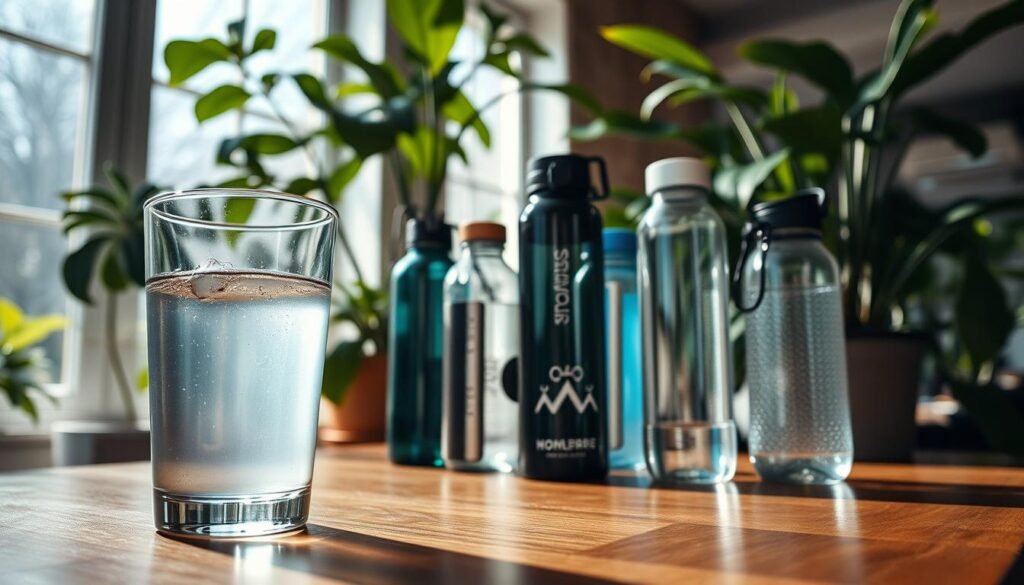
Make drinking water easier
Fluid needs vary with body size, activity, weather, and health conditions. Rather than treating eight glasses as a universal requirement, use thirst, your routine, and urine color as general clues.
- Keep a glass or reusable bottle within reach.
- Drink water with meals and after activity.
- Add mint, cucumber, or lemon for flavor.
- Include water-rich foods such as oranges, melon, and cucumber.
- Drink more during heat or heavy sweating as appropriate.
The NIH’s hydration guidance explains that dark urine, strong thirst, and dry mouth can be signs of dehydration. Persistent excessive thirst or frequent urination deserves medical attention rather than simply increasing water intake.
Don’t routinely add salt to drinks for hydration. Most everyday activity doesn’t require additional sodium, and extra salt may be inappropriate for people with high blood pressure or certain medical conditions. Follow individualized fluid or sodium restrictions when prescribed.
Reduce alcohol for better recovery
Alcohol can disturb sleep, add calories, and affect liver and long-term health. Cutting back or avoiding it can be a useful change without buying anything.
If you drink, consider practical steps:
- Plan alcohol-free evenings.
- Replace a drink with sparkling water and lime.
- Notice whether drinking affects your sleep and next-day energy.
- Choose social activities that don’t revolve around alcohol.
A two- to four-week alcohol-free trial may help you notice changes in your routine, but improvements vary. If you drink heavily or may be physically dependent on alcohol, seek medical guidance before stopping suddenly because withdrawal can be dangerous.
8. Try Cold Exposure Only if It Suits You
Cold showers and ice baths are popular biohacking trends, but their benefits are often exaggerated. You don’t need cold exposure to stay healthy or improve longevity.
A 2025 systematic review in PLOS One found some possible effects on stress and well-being, but the evidence varied across outcomes. It did not establish that cold exposure reliably reduces inflammation or extends human life.
A cautious way to experiment
For a healthy adult who enjoys the sensation, a slightly cooler finish to a normal shower may be an optional experiment.
- Start with comfortably cool water rather than an extreme temperature.
- Keep exposure brief and return to warm water when needed.
- Breathe normally; don’t use prolonged breath-holding.
- Stop if you feel dizzy, unwell, unusually short of breath, or develop chest discomfort.
- Don’t treat discomfort as proof that a health benefit is occurring.
Cold exposure can trigger sudden changes in breathing, heart rate, and blood pressure. People with cardiovascular conditions, uncontrolled high blood pressure, fainting problems, or certain circulation disorders should avoid experimenting without medical clearance.
Cold plunges carry greater risks than mildly cool showers. There’s no need to buy a cold tub or pursue extreme temperatures for general wellness.
Your 7-Day Budget Biohacking Starter Plan
Trying every strategy at once makes it difficult to know what’s helping. Instead, use this simple plan to introduce habits gradually.
| Day | Small Habit | What to Track |
|---|---|---|
| 1 | Set a consistent wake-up time | Morning energy |
| 2 | Add a 10-minute outdoor walk | Mood and activity |
| 3 | Prepare one balanced meal | Hunger and satisfaction |
| 4 | Keep water nearby throughout the day | Hydration habits |
| 5 | Practice five minutes of relaxation | Perceived stress |
| 6 | Complete a gentle strength session | Comfort and repetitions |
| 7 | Review your week and choose two habits to continue | Consistency and enjoyment |
Each activity can be free if you use what you already have. The goal isn’t to achieve dramatic results in seven days. It’s to find small changes you can maintain for months.
For a simple tracking system, note your sleep duration, energy, mood, activity, and any meaningful symptoms. Avoid turning normal daily changes into a competition over scores.
Common Budget Biohacking Mistakes to Avoid
Even inexpensive health experiments can become unhelpful when expectations are unrealistic. Watch for these mistakes:
- Chasing too many habits: Make one or two changes before adding more.
- Buying equipment too soon: Use free approaches first and purchase tools only when they solve a real problem.
- Assuming discomfort means progress: Extreme fasting, exhausting workouts, and painful cold exposure aren’t requirements for better health.
- Ignoring medical conditions: Changes to fasting, exercise, sodium intake, and supplements may require individualized planning.
- Expecting guaranteed longevity: Healthy habits improve important risk factors, but they cannot promise a particular lifespan.
Frequently Asked Questions
Can biohacking really be free?
Yes. Walking, regular sleep, stress-management exercises, and maintaining a consistent daily routine can cost nothing. Healthy eating doesn’t have to involve premium products, although food costs depend on your circumstances.
Which budget biohacking habit should beginners try first?
Start with the area that needs the most attention. Sleep and regular physical activity are strong foundations for many people. If your schedule makes both difficult, begin with a consistent wake time or one daily walk.
Is intermittent fasting better than eating regular meals?
Not necessarily. Intermittent fasting may help certain people manage their food intake, but it isn’t clearly superior for everyone. Nutrition quality, adequate food intake, medical needs, and long-term consistency all matter.
Do I need supplements to improve energy and longevity?
No. Supplements aren’t a replacement for sleep, nutritious meals, and exercise. Some can help when a specific deficiency or medical need is identified, but more isn’t automatically better. Targeted supplementation should match your individual needs.
How quickly will I notice results?
Some people notice improvements in daily energy, sleep routines, or mood within days or weeks. Changes in strength, endurance, and metabolic health often take longer. Results vary, and individual measurements over a short period don’t prove that a habit caused a change.
Can affordable biohacking habits help me live longer?
Regular activity, nutritious eating, sufficient sleep, and avoiding harmful alcohol use are associated with better long-term health. However, no particular routine guarantees a longer lifespan. The most useful goal is to improve health and maintain daily function over time.
Conclusion: Better Health Doesn’t Need a Bigger Budget
Budget biohacking works best when you stop looking for shortcuts and focus on habits that fit your everyday life.
Begin with consistent sleep, a little more walking, and affordable nutritious meals. Add regular strength training, adequate hydration, and simple stress-management practices as your routine develops.
You can explore fasting or cold exposure if they’re suitable for you, but neither is essential. Expensive gadgets and supplements are optional, not the foundation of better health.
Your next step: Pick one free habit from the seven-day plan and practice it for the next two weeks. Keep what helps, adjust what doesn’t, and build a routine you can actually maintain.