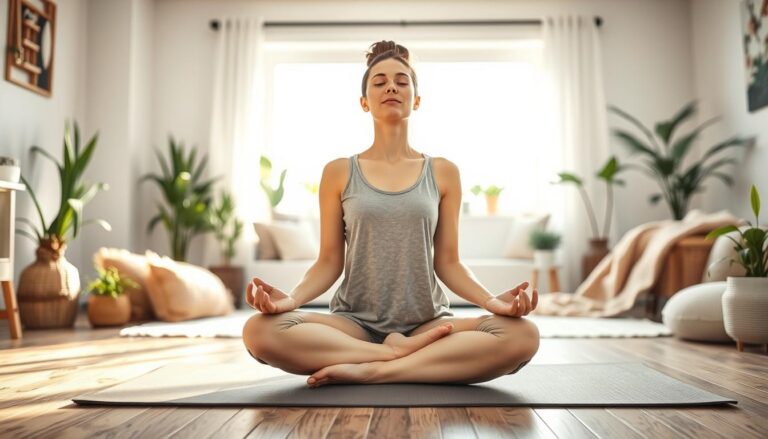


Nervous system workouts are short, low-friction practices that combine gentle movement, breathing, and posture changes to help you feel calmer, more focused, and physically looser. In practical terms, that can mean a few yoga poses, a short walk, and one or two minutes of breathwork that help your body shift out of constant “go mode” and into a steadier rhythm.
Lymphatic yoga fits into that idea. It usually refers to slow yoga flows, supported poses, diaphragmatic breathing, and light muscle pumping that may support circulation while also encouraging relaxation. It is not a formal medical treatment or a proven “detox” method, but it can be a useful recovery practice for people who want a gentler way to move, breathe, and settle their system.
Regular exercise is also linked with better mood, improved blood flow to the brain, and changes that support neuroplasticity. Yoga and slow breathing may help reduce stress and improve parasympathetic activity, which is the branch of the nervous system associated with rest and recovery. In this guide, you’ll learn what lymphatic yoga is, which movements and breathing drills are most useful, how to build a beginner-friendly week, and when to slow down or get professional support. For a broader backgrounder on the physiology of yoga, see this guide on yoga physiology.
Key Takeaways
- Lymphatic yoga combines gentle movement, breathing, and supportive poses to encourage relaxation and comfortable circulation.
- Nervous system workouts are most effective when they are short, repeatable, and easy to fit into daily life.
- Walking, yoga, tai chi, light resistance work, and breathwork can all support mood, focus, and recovery.
- Breathwork matters as much as movement when your goal is to feel calmer and recover faster.
- You do not need much equipment or space to get started, but you should watch for dizziness, pain, or symptoms that need medical attention.
Why Nervous System Workouts Are Getting So Popular
Stress-heavy routines, poor sleep, long hours of sitting, and constant mental load leave many people feeling overstimulated and under-recovered. That is why simple methods that can be used at home, at work, or between errands are getting so much attention. People want practices that feel realistic, not another all-or-nothing plan.
What makes nervous system workouts appealing is their portability. A brisk walk, a few minutes of slow nasal breathing, a gentle yoga flow, or a supported pose against the wall can all help you reset without needing a gym session or a full class. These tools do not replace medical care, but they can be a practical part of a recovery-minded routine.
How Your Nervous System and Stress Response Work
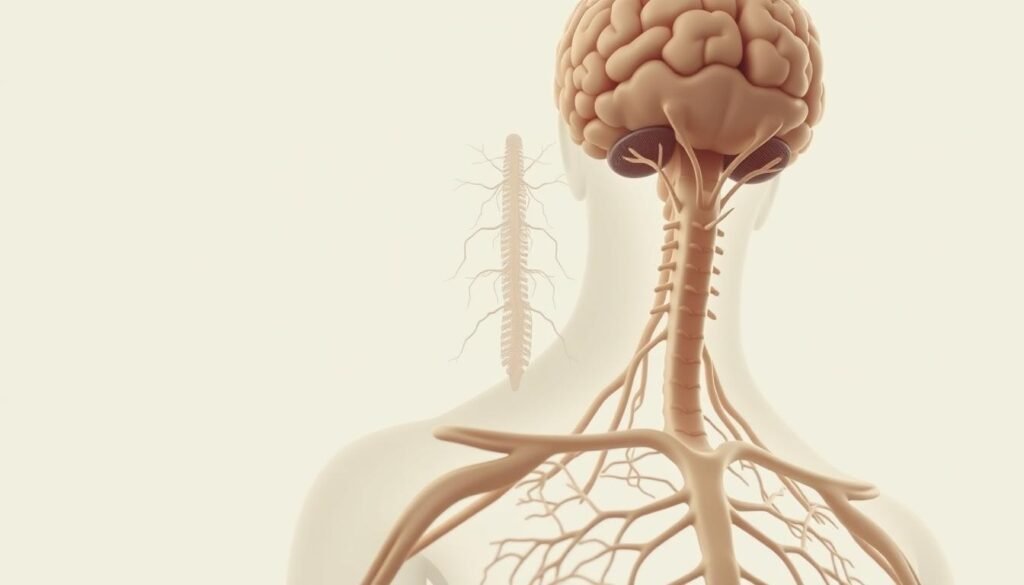
Your nervous system helps you sense the world, move your body, and respond to stress. The central nervous system includes the brain and spinal cord. The peripheral nervous system carries signals between the central system and the rest of the body. A major part of daily well-being comes from how smoothly these systems work together.
The autonomic nervous system has two broad branches that matter here. The sympathetic side prepares you for action. The parasympathetic side supports rest, digestion, and recovery. Neither is “bad.” The goal is flexibility: being able to activate when needed and settle when the moment passes.
That is why simple practices matter. Slow movement, pacing your breath, and paying attention to posture can help reduce that “always on” feeling. For a concise physiology overview, see this review of neural pathways.
| Area | What it does | Practical examples |
|---|---|---|
| Central nervous system | Supports attention, movement planning, and reflexes | Mindful movement, short meditation, coordination drills |
| Peripheral nervous system | Carries messages between the brain, spinal cord, and body | Walking, stretching, balance work |
| Autonomic nervous system | Helps regulate stress, heart rate, digestion, and recovery | Diaphragmatic breathing, slow yoga, long exhale practice |
What Lymphatic Yoga Actually Means
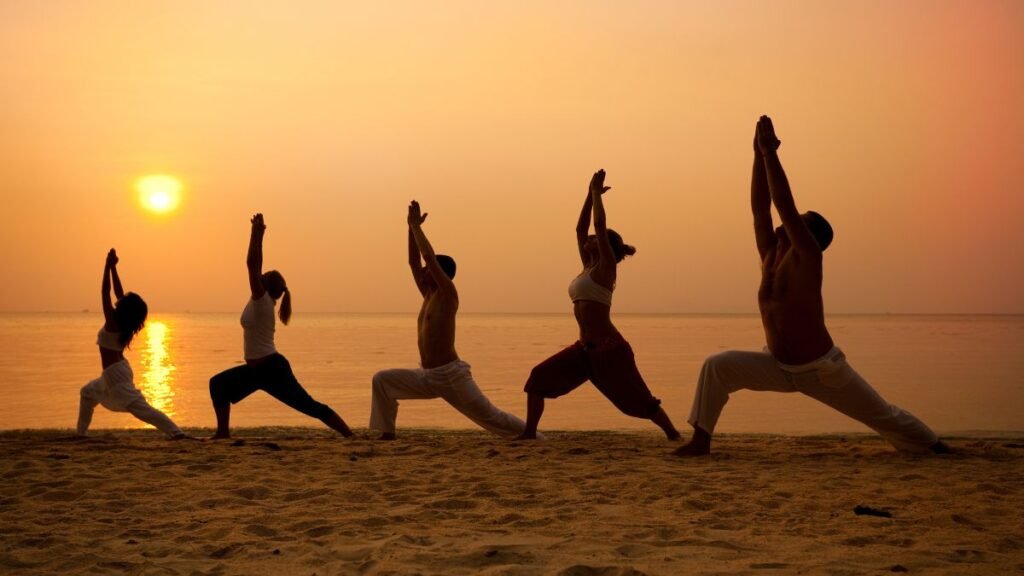
Lymphatic yoga usually describes gentle yoga, supported inversions, diaphragmatic breathing, and light rhythmic movement that may help the body feel less stiff and more settled. The idea is simple: when you change positions, contract and relax muscles, and breathe deeply, you may support normal circulation and encourage a calmer nervous system at the same time.
The lymphatic system itself does not have a pump like the heart. It relies on muscle movement, breathing, and body position to help move fluid. That is why slow flows, supported poses, and deep breathing are often paired together. Still, it is important to keep claims realistic. These practices may help you feel better and move more comfortably, but they are not a cure for swelling, anxiety disorders, or medical lymphatic problems.
Practically, lymphatic yoga works best as a calming movement routine: slow transitions, gentle ranges of motion, light muscle activity, and long, unforced exhales. If a pose makes you dizzy or uncomfortable, return to neutral and breathe normally.
Nervous System Workouts That Actually Make Sense
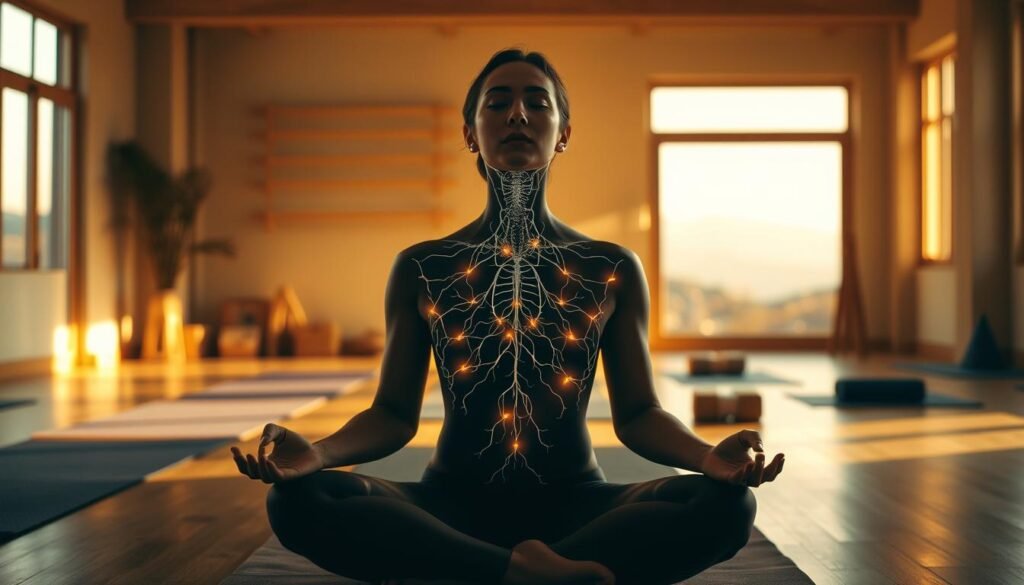
You do not need a complicated formula. The most useful nervous system workouts usually combine three elements: low-impact movement, calming breathwork, and enough repetition to build a habit. That may look like walking plus breathwork on one day, yoga plus mobility on the next, and a short strength session later in the week.
Gentle cardio such as walking, cycling, or swimming can support mood and circulation. Light resistance training can help with strength, posture, and confidence in movement. Yoga and mobility work can reduce stiffness and make your system feel less guarded. The goal is not to “hack” your body but to give it repeatable signals of safety, movement, and recovery.
If you are choosing where to start, pick the approach you are most likely to repeat. Consistency matters more than intensity for stress regulation. A ten-minute walk and three minutes of breathing done most days will usually beat one hard session you dread.
Top Lymphatic Yoga Moves for Brain-Body Balance
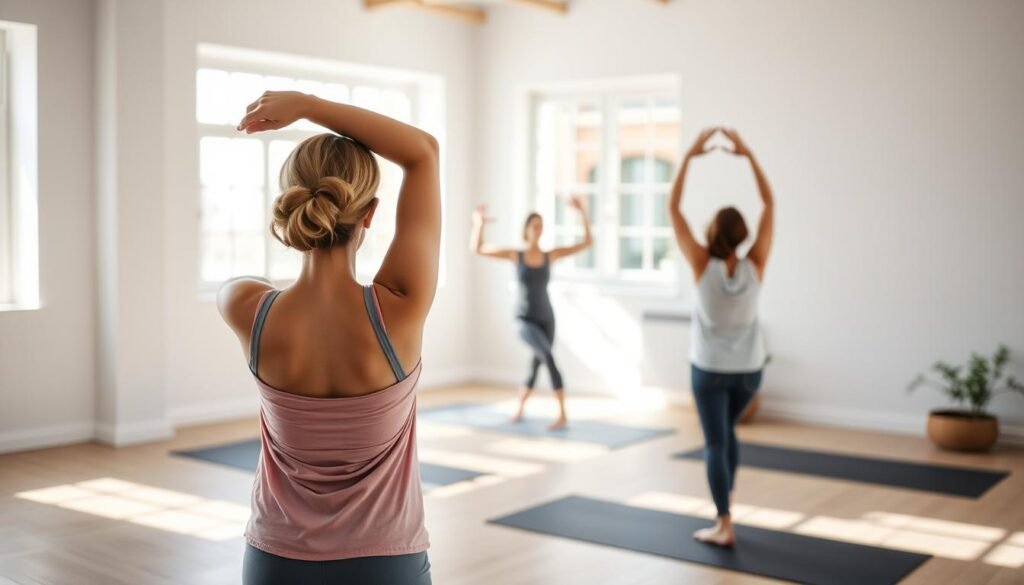
If you want a simple starting set, focus on a few poses that are easy to learn and easy to repeat. These moves can support posture, comfortable circulation, and a calmer baseline when paired with slow breathing.
Tree Pose (Vrikshasana)
Tree Pose builds balance, postural awareness, and steady focus. Stand tall, root through one foot, and place the other foot on the inner calf or inner thigh rather than directly on the knee. Keep your gaze soft and your breathing smooth.
Downward Dog (Adho Mukha Svanasana)
Downward Dog can be a useful whole-body pose for lengthening the spine, lightly loading the upper body, and encouraging a calm rhythm of breath. Start on hands and knees, lift the hips, and keep a slight bend in the knees if your hamstrings feel tight.
Neck, Rib, and Diaphragm Mobility
Small cervical rotations, gentle rib slides, and hand-on-belly breathing can help reduce tension without feeling intense. Think of this as “mobility with awareness,” not a stretch contest.
Child’s Pose
Child’s Pose is a useful reset between rounds. It gives you a place to slow down, relax the shoulders, and lengthen the exhale.
Legs-Up-the-Wall
This supported position is often included in calming routines because it is accessible and restful. Sit sideways next to a wall, bring your legs up, and rest there comfortably while breathing slowly. Skip it if inversions do not feel good for you.
| Move | Main benefit | Simple cue |
|---|---|---|
| Tree Pose | Balance, posture, focus | Root the standing foot and keep a soft gaze |
| Downward Dog | Full-body mobility and calm | Press the hands down and lengthen the spine |
| Neck and rib mobility | Tension relief and easier breathing | Move slowly and stay in a pain-free range |
| Child’s Pose | Recovery and reset | Let the shoulders soften and breathe into the ribs |
| Legs-Up-the-Wall | Rest and gentle decompression | Keep the jaw and belly relaxed |
Breathwork That Helps You Shift Gears
Breathwork is one of the simplest ways to influence how your body feels in the moment. It will not solve every problem, but it can help you slow down, regain focus, and transition out of a stress spike.

Diaphragmatic Breathing
Place one hand on your chest and one on your belly. Inhale through the nose and let the lower hand rise first. Exhale slowly and keep the shoulders quiet. Start with 5 to 10 relaxed breaths.
4-7-8 Breathing
Inhale for 4, hold for 7, and exhale for 8. This can feel very calming for some people, but the breath hold is not ideal for everyone. If it feels uncomfortable, use a simpler slow-breath pattern instead.
Physiological Sigh
Take one inhale through the nose, add a second smaller inhale, then do a long exhale. Repeat 3 to 5 times when you feel wound up and need a quick reset.
| Technique | How long | Best use |
|---|---|---|
| Diaphragmatic breathing | 5–10 breaths | Daily practice and general downshifting |
| 4-7-8 breathing | Up to 4 rounds | Evening calming if breath holds feel comfortable |
| Physiological sigh | 3–5 cycles | Quick relief during stress spikes |
Other Evidence-Backed Movements That Support Brain and Body
Lymphatic yoga is just one option. Walking, tai chi, stretching, resistance training, cycling, swimming, Pilates, and dance can all play a role in better mood, movement quality, and recovery. The best mix is the one that fits your life and leaves you feeling better more often than worse.
Walking is one of the easiest starting points for people who feel mentally foggy or physically stiff. Tai chi offers slow, precise movement with a strong breathing component. Resistance training helps maintain strength and function, while aerobic work supports endurance and mood. For a broader overview of exercise and brain health, see this exercise and brain review.
A Beginner-Friendly 7-Day Plan
The easiest way to start is to keep sessions short and repeatable. Ten to twenty minutes is enough for a first week. If you finish feeling refreshed rather than drained, you are probably at the right level.
- Day 1: 15-minute walk plus 3 minutes of diaphragmatic breathing.
- Day 2: 10-minute yoga flow with Tree Pose, Downward Dog, and Child’s Pose.
- Day 3: 20 minutes of easy cycling or brisk walking, then 3 to 5 physiological sighs.
- Day 4: Light strength session with 2 sets of simple whole-body movements and a few slow breaths at the end.
- Day 5: 15 to 20 minutes of tai chi, Pilates, or gentle mobility work.
- Day 6: Easy nature walk plus neck, rib, and diaphragmatic mobility.
- Day 7: Recovery day with a short stretch flow, Legs-Up-the-Wall, or a quiet breathing session.
Track a few simple markers: sleep quality, morning focus, how tense your shoulders or jaw feel, and how quickly you settle after stress. Those signals are more useful than chasing a perfect plan.
Safety, Warning Signs, and When to Get Help
These practices should feel supportive, not punishing. If you notice dizziness, sharp pain, unusual shortness of breath, chest pain, fainting, numbness, tingling, vision changes, or symptoms that keep getting worse, stop and get medical advice. If you already have a medical condition, recent injury, or balance problem, start gently and talk with a qualified professional when needed.
For milder overload signals such as poor sleep, headaches, irritability, digestive changes, or lingering soreness, the first move is usually to reduce intensity and shorten sessions. More is not always better when your system already feels taxed.
Conclusion
Lymphatic yoga and other nervous system workouts can be a useful way to support calm, focus, and recovery without turning exercise into another stressor. The most effective routine is usually a simple one: gentle movement, slower breathing, and enough consistency to make the practice feel normal.
If you keep the claims realistic and the routine manageable, these practices can become a practical part of daily life. Start small, stay observant, and let your results come from repetition rather than perfection.
FAQ
What are nervous system workouts?
Nervous system workouts are practices that combine movement, breath, and recovery-focused habits to help your body regulate stress and improve how you feel day to day. Examples include walking, yoga, tai chi, gentle strength work, and breathwork.
Is lymphatic yoga medically proven?
The term is commonly used in wellness settings, but it is not a formal medical therapy. Gentle movement and breathing may support relaxation and comfortable circulation, but stronger claims about “detox” or disease treatment should be treated carefully.
How often should I do these routines?
Most people do well with short sessions several times a week. Even 10 to 20 minutes most days can be helpful if the routine feels sustainable.
Can breathwork really make a difference?
Yes, especially for short-term state changes. Slow breathing, diaphragmatic breathing, and the physiological sigh can help many people feel calmer and more grounded in a few minutes.
Who benefits most from this style of training?
People dealing with everyday stress, poor recovery, mild stiffness, or a need for a gentler movement routine often benefit most. It can also be useful as active recovery alongside strength or cardio training.
When should I talk to a professional?
Get professional help if symptoms persist, worsen, or include chest pain, fainting, neurological symptoms, or unresolved pain. A clinician or physical therapist can help you choose safer modifications if needed.