


Feeling bloated, tired, anxious, or uncomfortable before your period? You are not alone. Premenstrual syndrome (PMS) can bring cramps, lower-back pain, mood swings, and sleep problems. Fortunately, gentle yoga may help you manage some of these symptoms without pushing your body too hard.
Yoga combines movement, stretching, and slow breathing to help your muscles relax and manage stress. Research suggests regular practice may improve some PMS symptoms, although it cannot directly fix a hormone imbalance or cure an underlying condition.
You do not need advanced poses or hour-long sessions. A comfortable 10–15-minute routine can be a useful starting point. This guide covers beginner-friendly poses, two short routines, simple modifications, and how to practice safely throughout your menstrual cycle.
Key Takeaways
- Yoga may ease PMS symptoms such as stress, low mood, cramps, and muscle tension, although results vary.
- Yoga does not directly balance hormones or activate specific endocrine glands through particular poses.
- Restorative poses like Child’s Pose, Supine Twists, and Reclining Bound Angle are gentle options for uncomfortable days.
- Start with 10–15 minutes and adjust the duration based on your energy, comfort, and symptoms.
- Use pillows, blankets, or yoga props to support your body without forcing deeper stretches.
- Follow how you feel rather than assuming every phase of your menstrual cycle requires a specific workout.
Helpful Products at a Glance
For restorative poses, the Gaiam Yoga Bolster Pillow offers cushioned support beneath your knees or torso. Regular household pillows can also work.
- 100% Cotton
- Yoga Bolster Pillow - The Gaiam yoga bolster is a soft and supportive meditation cushion for added support for the body during yoga, meditation, or general relaxation. Our pillow comes in multiple colors to match your style.

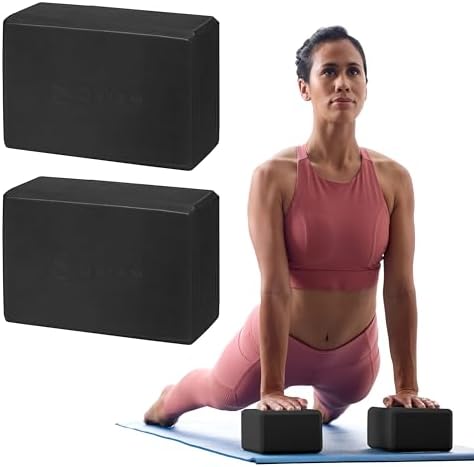
For modifying standing poses and bringing the floor closer to your hands, the Gaiam Foam Yoga Block offers lightweight support. It is not necessary for floor-only routines.
- Yoga Blocks for Stability Plus Balance - The Gaiam Essentials yoga blocks help provide the stability and balance needed in your practice to help with optimal alignment, deeper poses and increased strength. We have a variety of colors to match your style.
- Durable Supportive Foam - These lightweight and supportive foam blocks are constructed of a durable foam with a non-slip surface and beveled edges for easy gripping. These blocks are denser than standard EVA blocks.
How Yoga May Help With PMS Symptoms
PMS usually develops in the days or weeks before menstruation. Changes in reproductive hormones are involved, but symptoms can also be affected by stress, sleep, and individual sensitivity to these changes.
Gentle yoga creates an opportunity to slow down, release muscle tension, and focus on breathing. These effects may help you feel more comfortable when PMS makes everyday activities difficult.
Stress, cortisol, and relaxation
Cortisol is a hormone that helps your body respond to stress. Although cortisol is important for normal health, ongoing stress can make problems such as irritability, poor sleep, and muscle tension harder to manage.
Yoga may help by encouraging relaxation and changing how you respond to stressful feelings. However, a 10-minute session is not guaranteed to lower cortisol by a specific amount. Feeling calmer is a useful benefit even when hormone changes are not measured.
What research says about yoga and PMS
A 2022 systematic review and meta-analysis found that yoga may help manage PMS symptoms. However, researchers noted differences between studies and limitations in the available evidence.
Another systematic review published in 2024 reported encouraging results for physical and emotional PMS symptoms. These findings support yoga as a possible complementary approach, not a proven treatment for every symptom.
The American College of Obstetricians and Gynecologists (ACOG) also includes yoga, breathing exercises, and other relaxation methods among the options that may help people manage PMS.
Can Yoga Actually Balance Your Hormones?
You may have heard that Cobra Pose stimulates the adrenal glands or Camel Pose activates the thyroid. These ideas are popular in hormone-focused yoga, but there is no convincing clinical evidence that specific poses directly stimulate these glands or correct hormone disorders.
Your endocrine system is a network of glands that produce hormones. These chemical messengers help regulate metabolism, reproduction, growth, and the body’s response to stress.
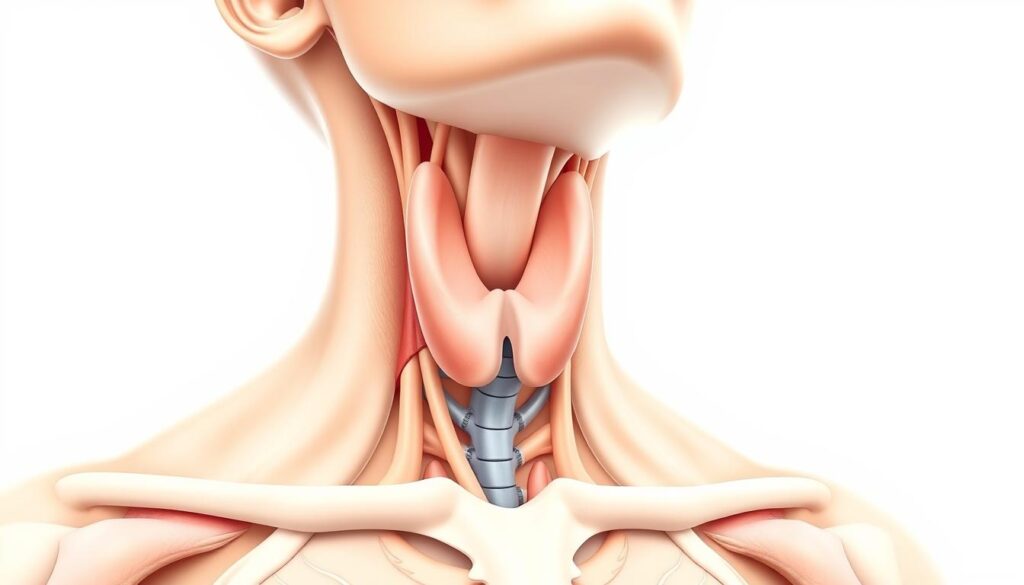
Some important glands include:
- Adrenal glands: Produce hormones involved in stress responses and other essential functions.
- Thyroid: Helps control metabolism and energy use.
- Parathyroid glands: Help regulate calcium levels.
- Pituitary gland: Helps coordinate hormone signals throughout the body.
- Ovaries: Produce estrogen and progesterone, which change during the menstrual cycle.
Yoga may support general well-being through physical activity, relaxation, and better stress management. That is different from treating thyroid disease, adrenal disorders, or other diagnosed hormone conditions.
4 Gentle Yoga Poses for PMS Cramps and Lower-Back Tension
When cramps or bloating make movement uncomfortable, begin with floor-based poses. You should feel gentle stretching or support, never sharp pain.
1. Child’s Pose (Balasana)
Child’s Pose gently stretches your back and provides a comfortable resting position. It may be especially useful when your lower back feels tight.
- Kneel on a soft mat with your knees comfortably apart.
- Move your hips toward your heels without forcing them down.
- Fold forward and rest your forehead on the mat or a pillow.
- Keep your arms stretched forward or relaxed beside your body.
- Breathe slowly for 45–90 seconds.
Modification: Put a folded blanket behind your knees or a pillow beneath your chest if the position feels uncomfortable. Skip it if kneeling hurts.
2. Supine Spinal Twist
This gentle twist encourages movement through the back and torso. Some people find it soothing during periods of abdominal or lower-back tension.
- Lie on your back with your knees bent and feet on the floor.
- Stretch your arms comfortably to either side.
- Slowly lower both knees toward one side.
- Keep the movement within a painless range.
- Hold for 45–90 seconds, then change sides.
Place a pillow beneath your knees if they do not comfortably reach the floor. Avoid forcing the twist to create a stronger stretch.
3. Reclining Bound Angle Pose (Supta Baddha Konasana)
This restorative position allows your hips and inner thighs to relax while your body rests. It may feel comforting when you have pelvic tension or low energy.
- Lie comfortably on your back.
- Bring the soles of your feet together and allow your knees to move outward.
- Support each knee with a pillow or folded blanket.
- Rest your hands on your abdomen or beside your body.
- Stay for 1–3 minutes while breathing naturally.
Modification: If opening your hips causes discomfort, keep your knees bent with your feet flat instead. You should not need to press your knees toward the floor.
4. Legs Up the Wall (Viparita Karani)
Legs Up the Wall gives your legs a chance to rest and may feel calming after a tiring day. It is an optional restorative pose, not a treatment for circulation problems.
- Sit sideways near a wall.
- Slowly turn onto your back while bringing your legs upward.
- Adjust your distance from the wall until your hips feel comfortable.
- Keep a slight bend in your knees if needed.
- Rest for 3–5 minutes, then roll onto your side before sitting up.
If the position creates dizziness, pressure, numbness, or discomfort, come down slowly. You can also rest your calves on a chair instead.
Make Restorative Poses More Comfortable
You do not need expensive equipment for these positions. Folded blankets can support your knees, a pillow can cushion your chest, and a towel can make a hard surface more comfortable.
If you practice restorative yoga regularly, a dedicated bolster can offer a longer cushioned surface than some household pillows. The Gaiam Yoga Bolster Pillow has cotton filling and a removable washable cover. You can place it beneath your knees while lying down or use it to support your torso in a gentle resting position.
Its size and cushioning may not suit everyone, particularly if you prefer very low support. A regular firm pillow is a reasonable alternative, and neither option has been shown to directly change hormone levels.
- 100% Cotton
- Yoga Bolster Pillow - The Gaiam yoga bolster is a soft and supportive meditation cushion for added support for the body during yoga, meditation, or general relaxation. Our pillow comes in multiple colors to match your style.
- All-Natural Filling - This pillow is filled with natural cotton batting for superior comfort and cushioning. The soft and flexible filling lets you lay against the pillow with cushioned comfort while the pillow keeps its shape.
- Handle Strap - Our yoga pillow features a built-in sturdy handle on the pillow case for hassle-free transport to easily grab the meditation cushion and go or reposition for poses or support your neck.
3 Gentle Backbends for Mobility and Energy
On days when you feel ready for slightly more movement, gentle backbends can help strengthen your back and open your chest. They are sometimes described as adrenal or thyroid yoga poses, but their main established purpose is physical movement, not gland stimulation.
5. Cobra Pose (Bhujangasana)
Cobra encourages gentle spinal extension and engages the muscles along your back.
- Lie on your stomach with your hands beneath your shoulders.
- Keep your elbows close to your sides.
- Gently lift your chest while keeping your pelvis on the floor.
- Relax your shoulders and keep your neck comfortable.
- Hold briefly, lower slowly, and repeat as comfortable.
Try two or three gentle rounds, beginning with 10–20-second holds. Keep the movement small if your lower back feels sensitive. Avoid pushing through back pain.
6. Camel Pose (Ustrasana)
Camel stretches the front of your body and challenges spinal mobility. It is more demanding than Cobra, so beginners should start with a modified version.
- Kneel with your knees about hip-width apart.
- Place your hands on the back of your hips for support.
- Lift your chest while keeping your head and neck comfortable.
- Lean backward slightly without dropping your head.
- Hold for 10–20 seconds, then return slowly.
Keep your hands on your hips instead of reaching for your heels. Skip Camel if it causes knee, neck, or lower-back discomfort.
7. Bridge Pose (Setu Bandha Sarvangasana)
Bridge strengthens your hips and glutes while gently opening the front of your body.
- Lie on your back with knees bent and feet hip-width apart.
- Keep your feet flat and arms beside your body.
- Press through your feet and slowly raise your hips.
- Keep your neck neutral and avoid turning your head.
- Hold for 15–30 seconds, then lower with control.
For a more restful version, place a stable yoga block beneath the broad, bony area of your pelvis (the sacrum), rather than under your lower back. Start at its lowest height and use this variation only if it feels secure and comfortable.
3 More Poses for Strength, Balance, and Flexibility
Strength and balance exercises can complement restorative yoga. Try these when your energy is good rather than forcing them during difficult PMS days.
8. Locust Pose (Salabhasana)
Lie on your stomach with your arms beside you. Gently lift your chest and, if comfortable, your legs a little off the floor. Keep your neck aligned with your back.
Start with two rounds of 10–15 seconds. Locust works the muscles along your back but should not cause pinching or pain.
9. Half Moon Pose (Ardha Chandrasana)
Half Moon develops balance and hip strength. Stand beside a wall, place one hand on a sturdy support, and gradually shift weight onto one leg while extending the other leg backward.
Keep your supporting knee slightly bent if needed. Hold for a few comfortable breaths on each side. Beginners can keep the raised foot low or practice with a wall for balance.
10. Standing Wide-Legged Forward Fold
Stand with your feet comfortably wider than hip-width apart. Bend slightly at your knees and hinge forward from your hips, allowing your hands to rest on a sturdy chair or blocks.
Hold for about 30–60 seconds without forcing your head downward. Come upright slowly, especially if you are prone to dizziness. This position may stretch your back and legs, but it has not been shown to lower cortisol on a predictable schedule.
Using a Yoga Block for Standing Poses
Half Moon and wide-legged forward folds can feel difficult when your hands cannot comfortably reach the floor. Raising the surface beneath your hands may help you maintain a comfortable position without overstretching.
The Gaiam Foam Yoga Block has a lightweight foam construction, a textured nonslip surface, and beveled edges for gripping. It can support your hand in modified standing poses, although it is less rigid than a dense cork block.
Place the block on a stable, nonslip surface and choose its height carefully. A sturdy chair may work better for beginners who need higher support. You can skip a block entirely if you prefer a floor-based PMS routine.
- Yoga Blocks for Stability Plus Balance - The Gaiam Essentials yoga blocks help provide the stability and balance needed in your practice to help with optimal alignment, deeper poses and increased strength. We have a variety of colors to match your style.
- Durable Supportive Foam - These lightweight and supportive foam blocks are constructed of a durable foam with a non-slip surface and beveled edges for easy gripping. These blocks are denser than standard EVA blocks.
- Extend and Deepen Stretches - Blocks make for the ideal yoga prop and companion as they are an important tool in your practice to help extend, support, and deepen your stretches while also working to increase your range of motion.
- Modify and Align - Use under your hands, feet, or seat during meditation to ensure the proper alignment needed for support and modifying poses to suit your level of flexibility. Our yoga blocks are a great compliment to your meditation accessories.
Two Short Yoga Routines You Can Follow at Home
You do not have to practice every pose in one session. Choose a short sequence based on whether your body needs rest or movement.
10-Minute Yoga Routine for PMS Comfort
This calming sequence focuses on supported stretching and rest. It is a practical option when you feel tired, tense, or uncomfortable.
- 3 minutes — Child’s Pose: Use a pillow if you need more support.
- 3 minutes — Supine Twists: Spend about 90 seconds on each side.
- 3 minutes — Reclining Bound Angle: Support your knees and relax your shoulders.
- 1 minute — Quiet Rest: Lie comfortably and breathe naturally.
Move between poses slowly. If any position increases your cramps, replace it with a supported resting position. There is no benefit in holding a painful stretch simply to complete the full 10 minutes.
12-Minute Gentle Energy Flow
On a day when you feel more energetic, try a slightly more active routine that combines mobility, light strengthening, and rest.
- 2 minutes: Gentle warm-up with Cat-Cow movements or comfortable seated stretches.
- 2 minutes: Small Cobra lifts, alternating movement with rest.
- 2 minutes: Modified Camel with hands supporting your hips, including breaks.
- 2 minutes: Bridge Pose with short comfortable holds.
- 2 minutes: Child’s Pose or another supported resting position.
- 2 minutes: Savasana, lying comfortably on your back.
This is a movement and relaxation routine, not an adrenal or thyroid reset. Adjust the exercises based on your comfort, and skip Camel if you have neck or back sensitivity.
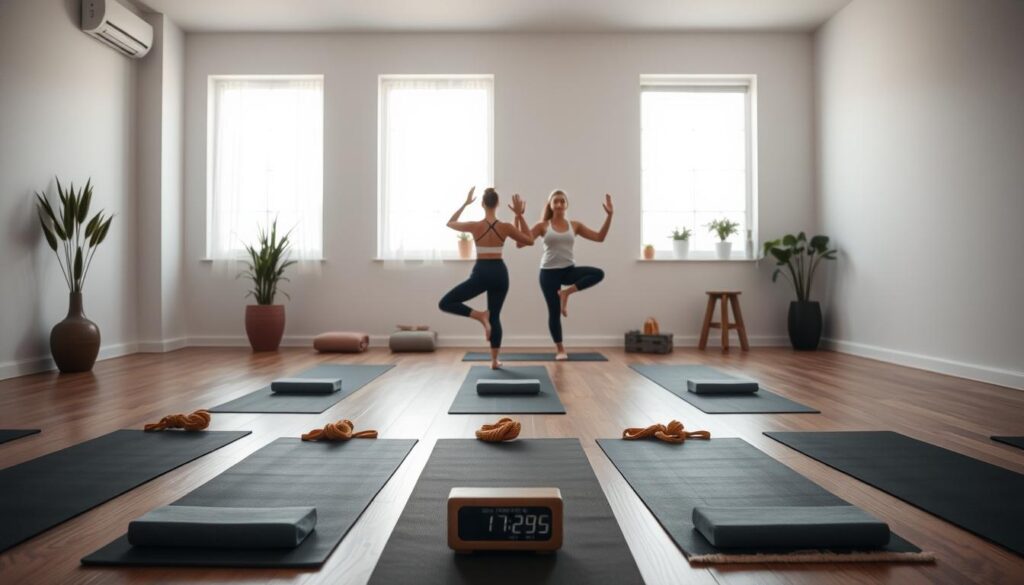
Optional Breathing Exercise: Inhale for 4, Exhale for 6
Slow breathing can be a simple addition to either routine, especially when stress or anxious feelings are bothering you.
- Sit or lie in a comfortable position.
- Gently inhale through your nose for about four counts.
- Exhale slowly for about six counts.
- Continue for 2–3 minutes if the rhythm feels natural.
Do not force deep breaths or hold your breath. Use a shorter, comfortable rhythm if six-count exhales feel difficult. Stop if you become lightheaded.
How to Make Yoga Part of Your Menstrual Cycle
Estrogen and progesterone change throughout the menstrual cycle, but energy and exercise tolerance do not follow the same pattern for everyone.
Instead of assuming you must do particular exercises at ovulation or menstruation, use symptoms and personal preferences to guide your routine.
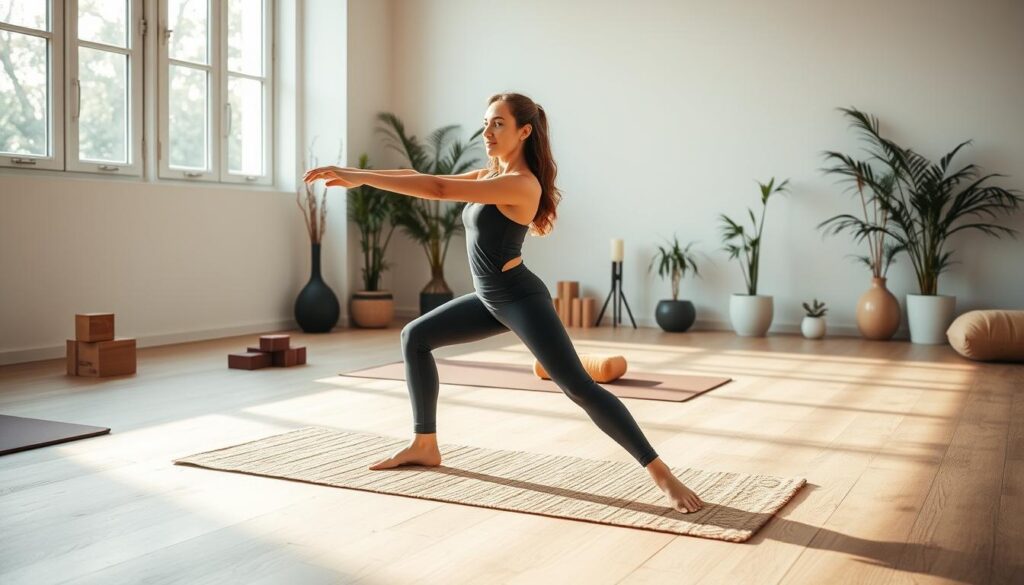
- Before your period: Choose gentle stretching or relaxation if bloating, irritability, or tiredness increases.
- During menstruation: Restorative yoga, easy walking, or your usual exercise can be appropriate if comfortable.
- On higher-energy days: Include strengthening, standing balance, or longer yoga sessions if you enjoy them.
- On difficult days: Reduce intensity or rest completely without worrying about losing progress.
You can explore our guide to cycle syncing and planning workouts for more ideas. Remember that rigid cycle-based training schedules have limited scientific support.
Build a Routine That Actually Sticks
A small amount of regular practice may be easier to maintain than an ambitious routine that becomes exhausting.
- Keep a mat or blanket somewhere easy to reach.
- Attach your session to an existing habit, such as finishing work.
- Start with 5–10 minutes if 15 minutes feels like too much.
- Mix yoga with walking or other enjoyable physical activity.
- Protect your sleep and make time for recovery.
ACOG recommends regular physical activity for PMS management, including aerobic exercise such as walking or cycling. Yoga can complement these activities rather than replacing all other movement.
Track Symptoms Instead of Guessing
Record your symptoms for at least two or three menstrual cycles to see whether a useful pattern develops. A simple notebook or phone app is enough.
Consider tracking:
- Menstrual cycle dates and bleeding patterns.
- Cramp severity before and after yoga.
- Mood, stress, and sleep quality.
- Energy levels and fatigue.
- Which poses feel comfortable or uncomfortable.
A symptom diary may help you recognize changes and can also provide useful information when discussing persistent PMS symptoms with a healthcare professional.
Yoga Safety During PMS and Menstruation
Most gentle yoga poses can be practiced during menstruation if they feel comfortable. You do not automatically need to avoid every inversion, backbend, or strengthening exercise because you are having your period.
However, certain positions may be unsuitable depending on your symptoms, medical conditions, or experience.
What Should You Modify or Avoid?
- Strong inversions: Headstands and shoulder stands require experience and can place pressure on the neck. Skip them if you feel dizzy, uncomfortable, or have a condition that makes inversions unsafe.
- Deep backbends: Avoid pushing into Camel or Cobra when you have lower-back or neck pain.
- Intense twists: Reduce the range of movement if twisting increases abdominal discomfort.
- Unsupported hip stretches: Use pillows beneath your knees rather than forcing them toward the floor.
- Low energy or dizziness: Choose floor-based positions, make transitions slowly, or rest instead.
If you have glaucoma, a significant spinal condition, a recent injury, or another condition that limits certain positions, obtain appropriate guidance before attempting challenging poses. Pregnancy also requires its own exercise modifications.
When PMS Symptoms Need More Attention
Yoga should not be your only response to severe or worsening symptoms. Speak with a healthcare professional if menstrual pain disrupts everyday life, bleeding is unusually heavy, or symptoms change significantly.
Severe mood symptoms deserve attention too. Premenstrual dysphoric disorder (PMDD) is a more serious form of premenstrual disorder that may require targeted treatment. Yoga can be part of self-care, but it is not a replacement for effective medical or mental health treatment.
Frequently Asked Questions
Can yoga really balance female hormones?
Yoga may help manage stress and improve general well-being, but there is not enough reliable evidence that specific poses directly balance estrogen, progesterone, thyroid hormones, or cortisol. Hormone disorders need assessment based on their actual causes.
Which yoga poses are best for PMS cramps?
Child’s Pose, Supine Twists, and supported Reclining Bound Angle are reasonable gentle options. No single pose has been proven to work best for everyone. Choose positions that feel comfortable rather than expecting a guaranteed reduction in pain.
Is yoga safe during periods?
For many people, gentle yoga is safe during menstruation. There is no general medical rule requiring everyone to avoid inversions solely because they are menstruating. Your symptoms, health conditions, and experience should guide your choices.
How often should I practice yoga for PMS?
Try 10–15 minutes several days a week if that feels manageable. Research has not established a guaranteed minimum session length or number of days for PMS relief. Consistency may help, but allow enough flexibility for rest and symptom changes.
Can Camel or Bridge Pose improve thyroid function?
There is no good clinical evidence that Camel or Bridge Pose increases thyroid or parathyroid function. These poses can improve mobility or provide a gentle physical challenge, but they do not treat hypothyroidism or other thyroid conditions.
What if I have lower-back pain during yoga?
Reduce the depth of the movement and try supported resting positions. Pillows beneath the knees, a smaller Cobra lift, or a gentle supine position may be more comfortable. Stop if pain becomes sharp, spreads, or worsens, and seek assessment if it persists.
Conclusion
Yoga can be a practical way to manage stress, muscle tension, and some PMS symptoms, even though it cannot directly reset your hormones. The most useful routine is one that feels comfortable and fits your daily life.
Start with Child’s Pose, a gentle twist, and a few minutes of supported rest. Add more active poses when your energy allows, use pillows or props when helpful, and notice how you feel across several menstrual cycles.
You do not need to master every pose or purchase special equipment to benefit from gentle movement. Begin with a few comfortable minutes, build gradually, and give yourself permission to rest when your body needs it.


Don’t Miss These Picks