


Have your periods become unpredictable? Maybe you’re waking up at 3 a.m., forgetting simple things, or feeling unusually anxious. You might blame stress, work, or poor sleep. But could these changes be early signs of perimenopause?
Perimenopause usually begins in your 40s, but menopause-like symptoms can appear in your 30s. That doesn’t automatically mean you’re entering menopause. Similar symptoms can come from thyroid problems, pregnancy, iron deficiency, or a condition called premature ovarian insufficiency (POI).
Understanding the difference matters. This guide explains the symptoms worth tracking, how hormones affect your body, when to seek medical advice, and which treatments may provide relief.
Key Takeaways
- Perimenopause before 40 is less common. New symptoms in your 30s deserve evaluation rather than an automatic menopause diagnosis.
- Period changes are an important clue. Shorter cycles, skipped periods, or unusual bleeding may signal hormonal changes.
- Symptoms go beyond hot flashes. Brain fog, anxiety, sleep problems, vaginal dryness, and joint discomfort can occur.
- One hormone test rarely tells the whole story. Your age, symptoms, menstrual history, and sometimes blood tests guide diagnosis.
- Effective treatments are available. Lifestyle changes, nonhormonal options, and prescribed therapies can help manage specific symptoms.
Helpful Products at a Glance
For recurring vaginal dryness, Replens Long-Lasting Vaginal Moisturizer offers a nonhormonal option for regular moisture support. It does not treat the underlying hormonal changes.
- Helps replenish vaginal moisture
- Supplements the body's natural lubrication

Can Perimenopause Really Start in Your 30s?
Yes, but it’s important to understand what early symptoms might mean. Most women begin the menopause transition in their 40s. Natural menopause typically occurs between ages 45 and 55, with the average around 51 in the United States.
Perimenopause is the transition toward menopause, when ovarian hormone levels become less predictable and menstrual cycles begin changing. This transition often lasts several years.
Menopause is reached after 12 consecutive months without a menstrual period, when there is no other medical or physiological explanation for the missing periods. Hormonal contraception can make this harder to determine.

Why Symptoms Before 40 Need Special Attention
If you’re younger than 40 and experiencing irregular periods, hot flashes, or other symptoms of low estrogen, your clinician may consider premature ovarian insufficiency (POI).
POI occurs when the ovaries stop functioning normally before age 40. It differs from the usual menopause transition because ovarian activity can sometimes continue or return unpredictably.
Family history, genetic conditions, autoimmune disorders, and certain cancer treatments may increase the likelihood of early ovarian problems. Sometimes no cause is identified.
The American Society for Reproductive Medicine’s POI guideline recommends evaluating women under 40 who develop irregular or absent periods along with possible estrogen-deficiency symptoms.
9 Early Signs of Perimenopause You Might Overlook
Hormonal changes can affect different parts of your body. Some symptoms are easy to recognize, while others look like everyday stress or aging.
1. Brain Fog and Forgetfulness
You might forget why you entered a room, lose your train of thought, or struggle to concentrate. Memory and attention complaints can occur during the menopause transition.
However, poor sleep, anxiety, medications, and thyroid problems can cause similar difficulties. Persistent or worsening memory problems deserve evaluation.
2. New Anxiety or Mood Swings
Feeling unusually irritated, tearful, or anxious may be linked to hormonal fluctuations. Sleep disruption and daily stress can make these feelings stronger.
If low mood lasts for weeks or interferes with your relationships or work, seek support. Depression and anxiety are treatable and shouldn’t simply be dismissed as hormones.
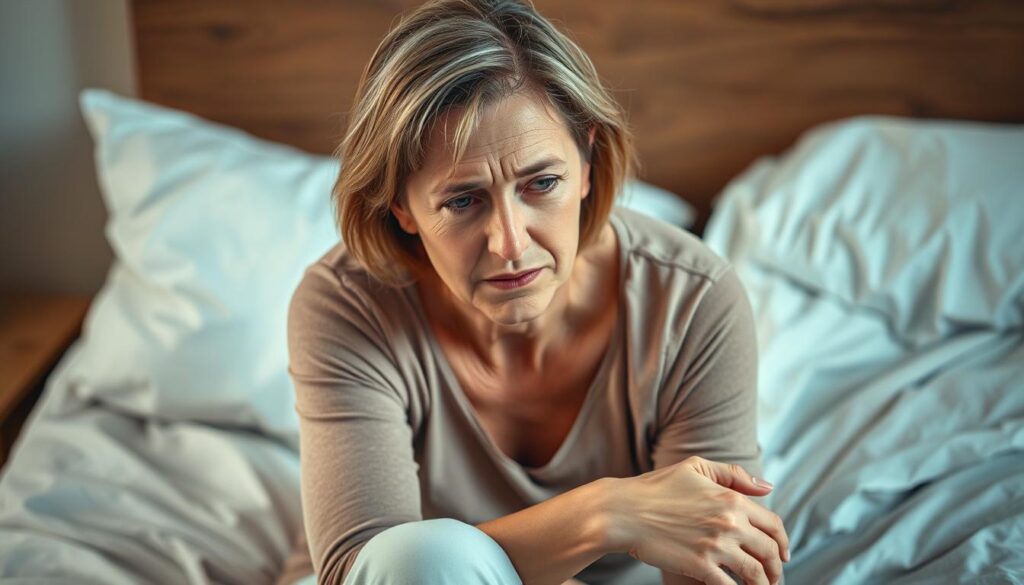
3. Trouble Sleeping and Night Sweats
You may wake repeatedly, feel overheated, or struggle to fall back asleep. Hot flashes happen when changes in hormone signaling affect the brain’s temperature-control system.
Night sweats can also have other causes, including medications, infections, and sleep disorders.
4. Heart Palpitations
Some women notice a racing, fluttering, or pounding heartbeat during this transition. But palpitations can also result from caffeine, anemia, thyroid disorders, or heart rhythm problems.
Don’t assume a new or persistent heartbeat change is hormonal. Palpitations accompanied by chest pain, fainting, or severe breathlessness require emergency care.
5. Joint and Muscle Discomfort
Joint stiffness and muscle aches may become more noticeable as estrogen levels change. Sleep loss and reduced activity can add to the discomfort.
Pain accompanied by swollen, red joints, fever, or lasting weakness needs separate medical assessment.
6. Hair Thinning and Dry Skin
Some women notice increased hair shedding, drier skin, or changes in skin texture. Hormones may contribute, but genetics, aging, iron deficiency, and thyroid disease are also possible causes.
A gentle skincare routine and appropriate treatment for the underlying cause may help. Brittle nails alone are not a reliable sign of perimenopause.
7. Vaginal Dryness or Pain During Sex
Lower estrogen can affect vaginal moisture and tissue comfort. You may notice dryness, irritation, or discomfort during intimacy.
These symptoms can have other causes, including infections and skin conditions. Persistent pain should be assessed rather than managed only with over-the-counter products.
8. Bladder Urgency or Small Leaks
Changes in vaginal and urinary tissues may contribute to urgency, more frequent urination, or discomfort. Pelvic floor weakness can also cause urine leaks when coughing, jumping, or exercising.
Burning urination, blood in urine, or fever may indicate another problem and warrants prompt evaluation.
9. Changes in Sexual Desire
Your libido may change because of vaginal discomfort, interrupted sleep, stress, relationship factors, or hormone shifts.
There’s no single normal level of sexual desire. The important question is whether the change bothers you or affects your quality of life.
For additional context, UCLA Health explains several less-obvious perimenopause symptoms.
Menstrual Changes: One of the Most Important Clues
For many women, changes in menstrual timing appear before more familiar symptoms develop.
As ovulation becomes less predictable, your cycle may change in several ways:
- Shorter cycles: Your period may arrive earlier than usual.
- Longer cycles: You might experience longer gaps between periods.
- Skipped periods: Bleeding may disappear for a month or longer and then return.
- Flow changes: Periods may become heavier, lighter, or vary between cycles.
- Different premenstrual symptoms: Breast tenderness, cramps, or mood changes may feel different.
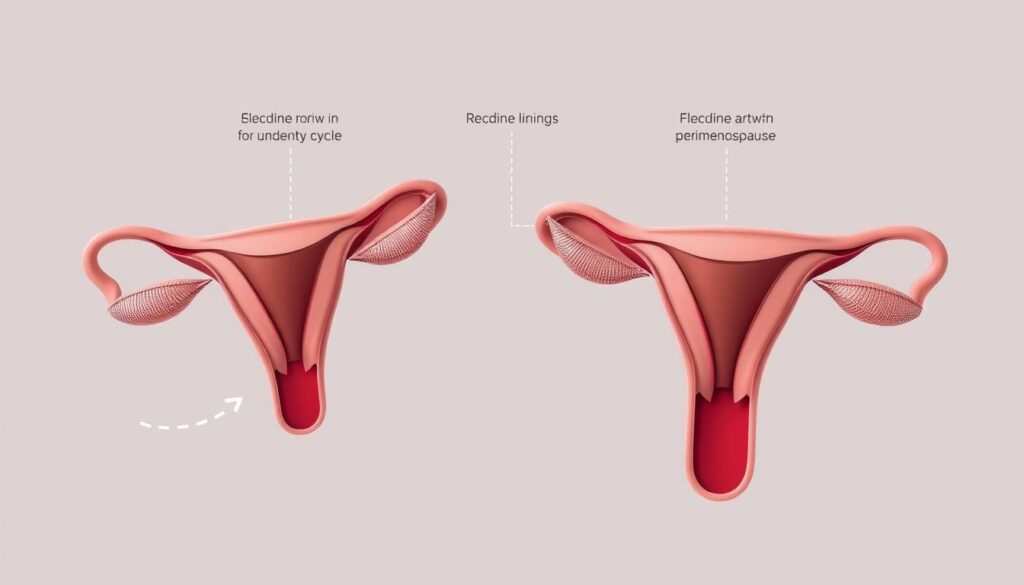
Important: Not every bleeding change is normal. Spotting between periods, bleeding after sex, or unusually heavy bleeding should be evaluated, even when perimenopause seems likely.
Hormonal birth control can hide your natural bleeding pattern. Also, irregular periods do not mean pregnancy is impossible. Continue appropriate contraception if you don’t want to become pregnant.
What’s Happening to Your Hormones?
During perimenopause, estrogen doesn’t simply decline in a straight line. It may rise sharply one month and drop another month. Progesterone production also changes when ovulation becomes inconsistent.
These shifts help explain why symptoms may come and go instead of getting steadily worse.
Estrogen acts on tissues throughout the body, including the brain, bones, skin, and reproductive tract. Sleep disruptions can further affect mood and concentration.
Over time, sustained estrogen loss also contributes to bone loss. This makes early identification especially important when ovarian function declines before age 40.
How to Know Whether It’s Perimenopause or Something Else
Symptoms alone cannot reliably confirm perimenopause, especially in your 30s. Your clinician will consider your age, period history, medications, pregnancy possibility, and other health conditions.
Depending on your symptoms, testing may include:
- Pregnancy test: To check a common cause of missed periods.
- Thyroid testing: Because thyroid disorders can affect cycles, energy, and mood.
- Blood count and iron studies: To investigate anemia, especially with heavy bleeding.
- FSH testing: Sometimes useful when early menopause or POI is suspected.
FSH, or follicle-stimulating hormone, helps regulate ovarian function. Levels can fluctuate, so one normal or abnormal result doesn’t automatically establish the diagnosis.
For women aged 45 or older with typical symptoms, diagnosis often relies mainly on clinical history. Testing has a different role in younger women, especially when POI is possible. The NICE menopause guideline explains these age-related differences.
When Should You See a Doctor?
Schedule an appointment if your periods become unexpectedly irregular in your 30s, symptoms affect your daily activities, or sleep and mood problems continue.
You should also seek medical assessment for bleeding after sex, persistent pelvic pain, or periods that are unusually heavy or prolonged.

Seek urgent care for severe bleeding, fainting, or significant weakness. If you’re soaking through pads or tampons every hour for more than two consecutive hours, particularly with dizziness, chest pain, or shortness of breath, seek emergency medical care.
Track Symptoms Before Your Appointment
A simple notebook or phone calendar can help identify patterns. Record:
- Period start dates, duration, and bleeding amount.
- Hot flashes, night sweats, and sleep quality.
- Mood changes, headaches, and concentration problems.
- New medications and symptoms that interfere with daily life.
You don’t need months of records before seeking care. Start tracking now and bring whatever information you have.
Perimenopause Treatment Options That May Help
Treatment depends on your symptoms, age, medical history, and whether you need contraception. Not everyone needs hormone therapy.
Hormone Therapy for Hot Flashes and Night Sweats
Systemic menopausal hormone therapy is among the most effective treatments for troublesome hot flashes and night sweats. Estrogen may be delivered through pills, patches, gels, or sprays.
If you have a uterus, systemic estrogen is generally combined with progesterone or another progestogen to protect the uterine lining.
Hormone therapy isn’t suitable for everyone, including some people with a history of certain cancers, blood clots, stroke, or unexplained vaginal bleeding. It is not prescribed solely to prevent heart disease.
Women diagnosed with POI may need a different hormone-replacement plan to support bone and long-term health. Menopausal hormone therapy also does not reliably prevent pregnancy.
Nonhormonal Treatments
Some prescription medications, including certain antidepressants and gabapentin, can reduce hot flashes. Cognitive behavioral therapy may also help manage insomnia and the distress associated with symptoms.
Fezolinetant (Veozah) is a nonhormonal prescription treatment for moderate to severe hot flashes. However, the FDA requires a boxed warning because of the risk of rare but serious liver injury.
People taking it need liver blood tests before treatment, monthly during the first three months, and again at months six and nine. See the FDA safety information for details.
Vaginal Moisturizers and Lubricants for Dryness
If vaginal dryness is your main concern, a nonhormonal moisturizer may help improve everyday comfort. Moisturizers are used regularly, while lubricants reduce friction during sex.
One example is Replens Long-Lasting Vaginal Moisturizer, 8 prefilled applicators. Its fragrance-free, hormone-free formula is designed to provide moisture for up to three days per application, according to the manufacturer.
It may be a convenient option for recurring dryness, although comfort and results vary. Follow package instructions and stop using it if irritation develops. Persistent dryness, bleeding, or painful sex deserves medical evaluation; prescription vaginal estrogen or other treatments may be more appropriate.
- Helps replenish vaginal moisture
- Supplements the body's natural lubrication
- Lasts up to 3 days
- # 1 Doctor Recommended Brand
If you use latex condoms, choose a compatible lubricant and avoid oil-based products that can damage latex. For ongoing vaginal symptoms, pelvic floor therapy or prescribed local treatments may also be useful.
Can Herbal Supplements Help?
Black cohosh, red clover, and other menopause supplements are widely marketed, but reliable evidence of meaningful symptom relief is limited or inconsistent.
Some products may cause side effects or interact with medicines. Supplements also don’t replace proper evaluation of possible POI or abnormal bleeding.
Daily Habits That Support Your Health
Healthy habits cannot stop perimenopause, but they can support your sleep, mood, bones, and cardiovascular health.

1. Stay Physically Active
Aim for at least 150 minutes of moderate aerobic activity weekly, plus strength training on two or more days.
Walking, swimming, cycling, and resistance exercises are good starting points. Appropriate weight-bearing and impact activities can help support bone health.
If your energy varies throughout the month, adjust your routine instead of stopping completely. Our cycle-syncing workout guide offers ideas for adapting exercise to how you feel.
2. Eat for Bone, Heart, and Muscle Health
Build meals around vegetables, fruit, whole grains, beans, healthy fats, and adequate protein. Include calcium-rich foods and make sure you’re getting enough vitamin D.
These habits support long-term health but aren’t proven to eliminate hot flashes or correct declining ovarian function.
3. Make Sleep More Comfortable
- Keep a consistent sleep and wake schedule.
- Use breathable bedding and keep your bedroom comfortably cool.
- Limit late-day caffeine if it disrupts your sleep.
- Notice whether alcohol triggers nighttime waking or hot flashes.
- Try relaxing activities such as gentle yoga or breathing exercises.
If insomnia continues despite these changes, ask about treatments such as cognitive behavioral therapy for insomnia (CBT-I).
4. Protect Your Long-Term Health
Review blood pressure, cholesterol, smoking habits, and bone-health risk factors with your healthcare professional. Bone density testing may be recommended when early estrogen deficiency or other significant risk factors are present.
Conclusion
Perimenopause symptoms can resemble everyday stress, making them easy to overlook. Changes in periods, sleep, mood, concentration, and vaginal comfort deserve attention when they are new or persistent.
If you’re in your 30s, don’t assume these symptoms mean normal perimenopause. Tracking your cycles and getting evaluated can help identify treatable conditions, including premature ovarian insufficiency.
Start with a simple symptom record, address sleep and lifestyle needs, and discuss ongoing concerns with your clinician. The goal isn’t to label every symptom as hormonal—it’s to find the cause and choose care that genuinely helps.
Frequently Asked Questions
What is usually the first sign of perimenopause?
A change in menstrual timing is often one of the earliest noticeable signs. Cycles may become shorter, longer, or less predictable. Hot flashes, sleep disturbances, and mood changes can also develop, but none confirms the diagnosis by itself.
Is perimenopause at 35 normal?
Typical perimenopause is less common at 35. If you have skipped periods, hot flashes, or other symptoms suggesting estrogen deficiency, seek evaluation for pregnancy, thyroid disorders, POI, and other possible causes.
Can I still get pregnant during perimenopause?
Yes. Ovulation can still occur even when periods become irregular. Menopausal hormone therapy is not contraception, so discuss pregnancy prevention or fertility planning with your clinician.
Will a blood test confirm perimenopause?
There is no single reliable test for ordinary perimenopause. Hormone levels fluctuate throughout the transition. However, specific testing is important when POI or another medical condition is suspected, particularly before age 40.
Can perimenopause cause weight gain?
Midlife changes in body fat distribution may partly relate to changing hormones, while aging, activity, nutrition, and sleep also influence weight. Strength training, regular activity, and balanced nutrition can help maintain muscle and support metabolic health.
How long does perimenopause last?
The transition often lasts around four years but can be shorter or longer, sometimes extending to eight years or more. Symptoms and timing vary considerably between individuals.




Don’t Miss These Picks