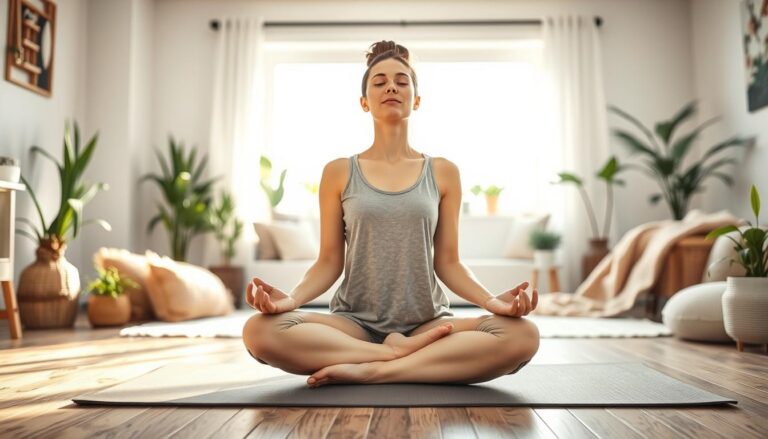


Surprising fact: studies suggest a short, regular practice can lower stress hormones and improve sleep in as little as eight weeks.
The body’s chemical messenger network links tiny organs that release hormones controlling metabolism, mood, growth, sleep, and reproduction. This network depends on balance; if one gland falters, others can react and symptoms like fatigue, weight changes, or sleep trouble may follow.
This article explains how targeted movement, breath, and gentle positioning can support glandular health. Expect clear, pose-by-pose guidance for thyroid, adrenal, pelvic/reproductive, and digestive support, plus safety notes to protect the neck in backbends and avoid overstrain.
Note: yoga helps by easing stress, improving circulation, and gently stimulating tissues that influence hormone release. For a research-backed overview, see a related study on yogic breathing and metabolic health at PMC.
Key Takeaways
- Targeted poses can support gland function and overall balance.
- Small changes in one gland may affect the entire network.
- Regular, gentle practice often beats rare intense sessions.
- Benefits include steadier energy, improved sleep, and calmer mood.
- Follow safety tips: avoid neck strain, move slowly, and prioritize rest.
Understanding the Endocrine System: Glands, Hormones, and Why Balance Matters
The endocrine system is a network of glands that sends hormones to coordinate sleep, growth, energy, and mood. This section defines the major players and explains why small shifts can cause noticeable change.
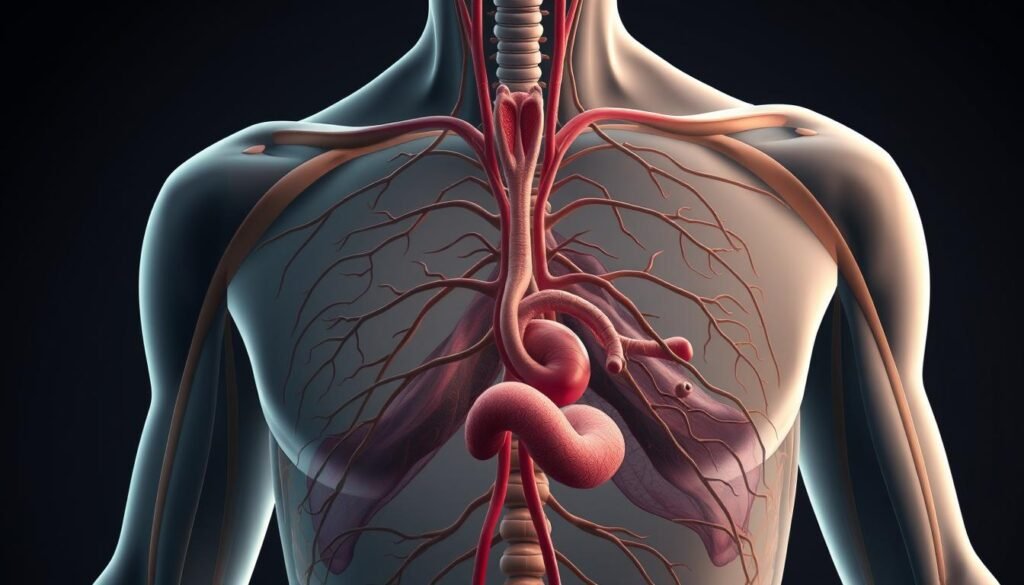
The main glands include the hypothalamus, pituitary, pineal, thyroid, parathyroid, adrenals, pancreas, and ovaries/testes. These glands release chemical messengers that tell the body when to eat, rest, fight infection, and reproduce.
Hormones act like postal carriers. They travel in the blood and deliver instructions that affect metabolism, immunity, mood, and sleep. When one gland shifts its output, that change can ripple across the whole system and alter function elsewhere.
- Why balance matters: a single overactive or underactive gland can create fatigue, irregular cycles, acne, sleep trouble, or lowered resilience to stress.
- Stress often drives dysregulation; a calmer nervous system can help regulate cortisol and daily rhythms.
Note: gentle, regular movement and breath practices may help balance routines and ease neck or back pain tied to tension. These approaches do not replace medical care—track symptoms and share changes with your provider.
Learn practical approaches like embracing balanced practice and cycle‑friendly planning to support steady rhythms.
Yoga for Endocrine System: How Poses Stimulate Glands and Help Regulate Hormones
A gentle sequence of holds and releases can support gland health by improving local circulation and calming the nervous system. Science shows consistent practice may lower stress hormones and improve sleep, which helps regulate hormone rhythms.
A compression-release effect happens when a pose applies mild pressure near a gland and then lets it expand. On release, fresh blood flows in. That perfusion can aid local recovery and cellular signaling.
Better local circulation links to whole-body balance. When glands receive steady flow and clear signals, the chance of hormone imbalance may drop. Neck-focused poses often target thyroid/parathyroid; backbends influence adrenal regions; squats and forward folds support pelvic and digestive tissues.
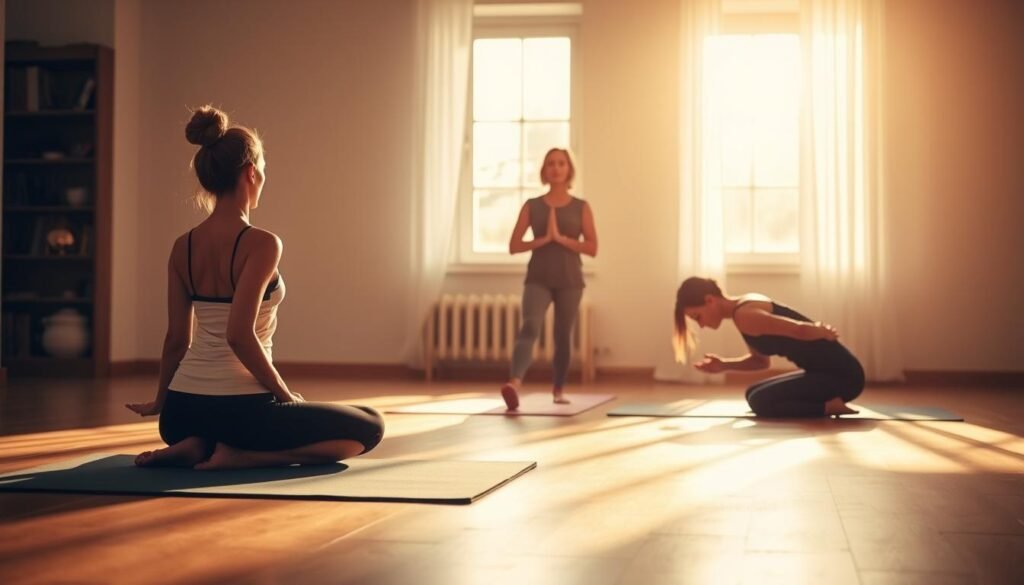
How calming practice reduces chronic stress
Slow, breath-led practice triggers the relaxation response. Longer exhales and nasal breathing lower cortisol and ease sympathetic drive.
- Stack benefits: pair movement with slow breathing and gentle holds.
- Consistency: moderate, regular sessions beat rare intense work.
- Evening sessions: short routines can improve sleep and next-day focus.
| Pose Type | Typical Target | Practical Tip |
|---|---|---|
| Neck flexion/extension | Thyroid & parathyroid | Use props; never force neck range |
| Backbends | Adrenals, chest circulation | Support the lower back and avoid neck compression |
| Squats & forward folds | Pelvic organs, digestion | Keep compression gentle; breathe into the belly |
Note: notice which poses help you most and adapt over weeks. For a practical list of targeted poses, see the best yoga asanas.
Thyroid and Parathyroid Support: Neck‑Focused Yoga Poses for Hormonal Balance
Neck-focused movement can gently increase circulation around the thyroid and nearby tissues.Short, careful holds that combine chest opening with safe neck alignment may help balance hormones by improving local blood flow and nervous-system calm.
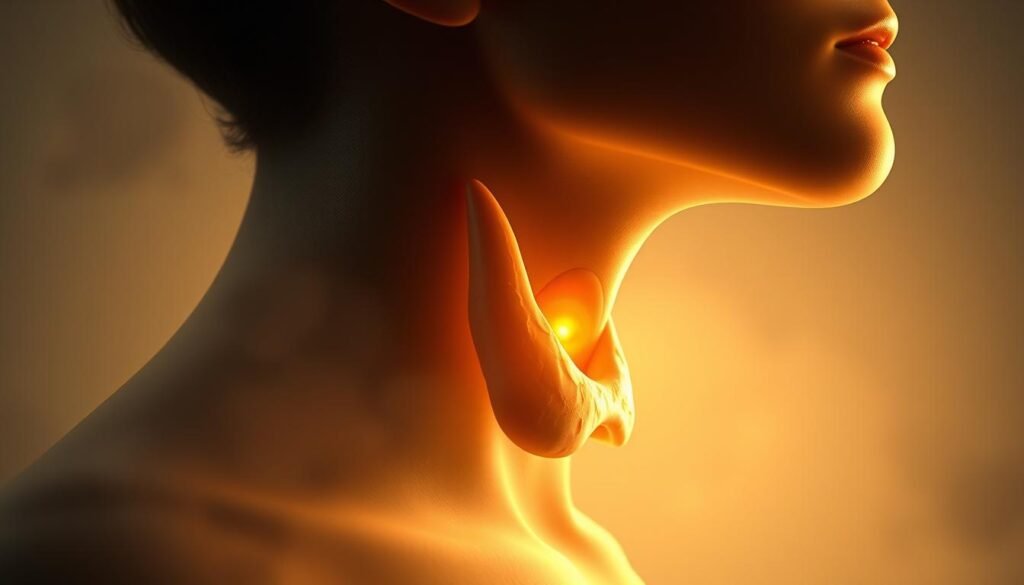
Ustrasana (Camel): a deep backbend that stretches the front body and may stimulate the thyroid and parathyroid. Enter slowly, support the low back with hands on hips, and lift through the sternum. Exit with control and tuck the chin as needed.
Setu Bandhasana (Bridge): press through the feet, engage glutes lightly, and lift the chest. Keep weight across the shoulders, not the neck, to protect the cervical spine. Use a block under the sacrum as a modification.
Sasangasana (Rabbit): a forward fold that compresses the throat and upper back. Move gently and avoid sharp pressure; this controlled compression can influence pituitary-thyroid communication.
Ardha Chandrasana (Half Moon): supports circulation and balance. Keep a steady gaze and engage the core to reduce wobble and lower back strain.
- Common sensations: front-body opening in Camel, gentle throat space in Bridge, upper-back length in Rabbit. Avoid any sharp pain.
- Hold times: 20–40 seconds for beginners, build slowly.
- Pair these poses with calm, slow breathing to encourage full-body downshift.
- If you have neck concerns, consult a professional and stop if pain increases.
Adrenal Health and Stress Relief: Yoga Poses That Help Regulate the Stress Response
Short holds that open the chest and soothe the spine can help reduce stress and steady daytime energy. Regular practice of simple poses supports adrenal balance by nudging cortisol down through breath and gentle movement.
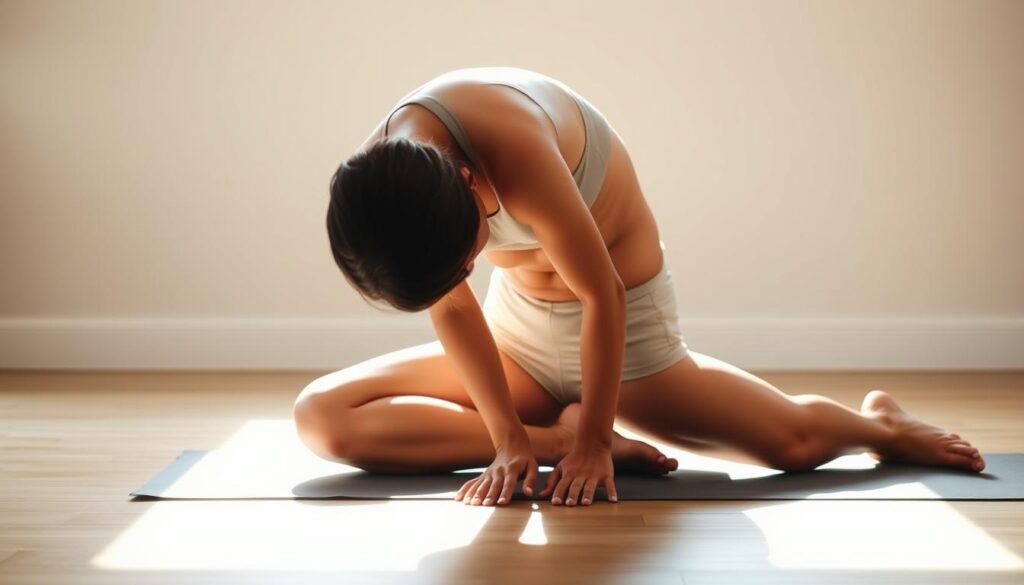
How should you set up Bhujangasana to reduce anxiety?
Bhujangasana (Cobra) stimulates the mid-back and adrenal region while opening the chest. Position with elbows close, shoulders down, and a gentle spinal lift. Breathe slowly and keep the neck long to avoid strain.
When is Balasana a better option to calm the nervous system?
Balasana (Child’s pose) grounds the nervous system and softens lower back and hip tension. Use a blanket under the hips or a bolster under the chest if you need more support. Rest here between active poses to lower heart rate and ease the body.
Why add Supta Matsyendrasana to your cool-down?
Supta Matsyendrasana (Supine twists) wring out tension and aid digestion. Keep knees bent, arms wide, and shoulders relaxed. Place a pillow between knees for comfort and repeat short cycles to avoid fatigue.
- Quick cues: keep holds short, repeat cycles, and favor steady breathing to reduce stress.
- Practical outcomes: improved mood, easier wind‑down at night, and steadier daytime energy.
- Safety: mind exits from backbends and stop if the back or neck hurts.
Note: consistent, gentle practice of these poses helps regulate hormones and supports balance in the body by lowering chronic stress over time.
Pelvic, Reproductive, and Digestive Benefits: Poses That Support Hormonal Imbalances
Poses that open the groin and lift the belly encourage blood flow and nervous-system calm, which may ease hormonal imbalance.
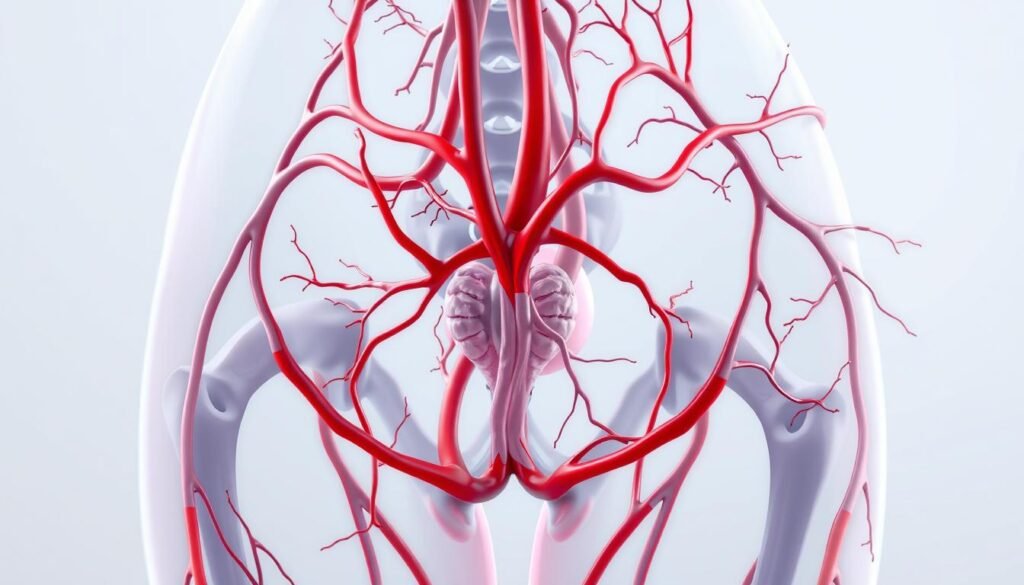
Baddha Konasana (Butterfly/Bound Angle)
Setup: Sit tall, bring soles together, and hinge slightly forward while keeping the spine long to enhance pelvic blood flow.
This pose soothes the lower back and often supports women’s health and thyroid stimulation. Sit on a cushion if needed and breathe into the pelvic floor to relax sphincter muscles.
Malasana (Yogi Squat)
Cue with heels supported on a folded blanket when tight. Lengthen the spine and breathe into the belly to help digestion and encourage elimination.
Shalabhasana (Locust Pose)
Lift legs and chest lightly, emphasizing length over height to avoid back strain. Keep hands under shoulders as a modification and exit slowly to protect the back.
- Benefits: improved pelvic circulation and gentle abdominal pressure link to easier digestion and steadier energy.
- Practice tips: use short, frequent sets; track regularity, cramp relief, sleep quality, and weight changes.
- Note: care for the pelvic floor—work within comfort and consult a pelvic-health professional when in doubt.
Breathwork and Restorative Practices: Calming the Nervous System to Help Balance Hormones
Short, supported rest and slow breathing activate the body’s restore response and help steady hormone rhythms. These tools lower evening arousal and make it easier to fall and stay asleep.
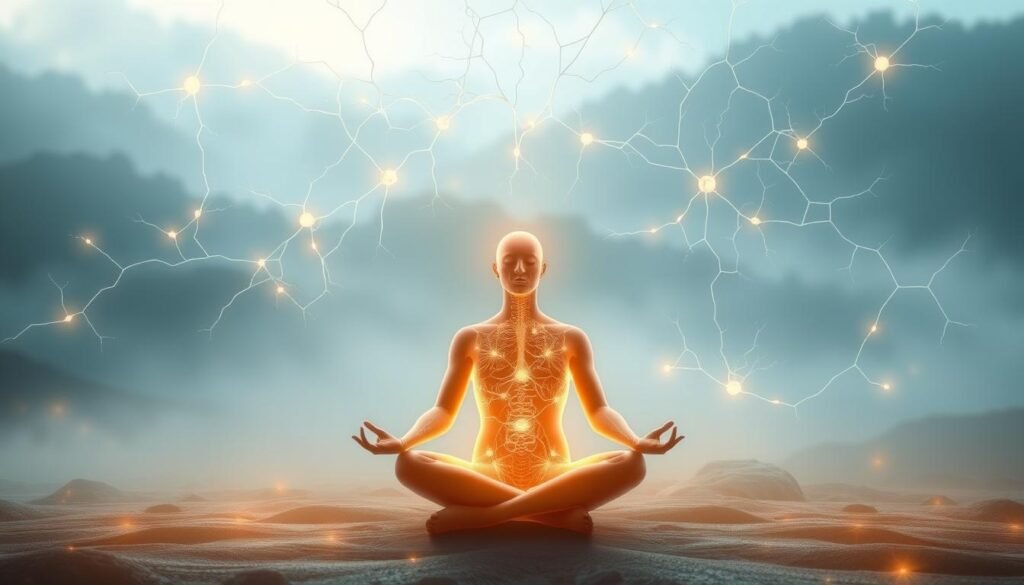
Try 5–10 minutes of restorative holds such as supported child’s pose or legs up the wall to calm the nervous system and reduce stress. Add a blanket for warmth and a bolster under the knees for comfort.
Breath basics: inhale for 4, extend the exhale to 6 to shift into parasympathetic tone. Repeat for five cycles, and notice the chest and back soften.
- Evening ritual: a short meditation or humming chant before bed helps lower cortisol and may improve melatonin timing. Try 3–5 minutes.
- Quick back release: lie on the floor, hug knees, rock gently to ease residual tension before sleep.
- Setup tips: dim lights, soft blanket, quiet space—comfort cues help the body receive rest.
Practice yoga regularly at low intensity to help balance daily cortisol rhythm. Even five minutes of breath and stillness on a high‑stress day can support glands and overall system recovery.
Track it: log sleep onset and quality for two weeks to see changes. For more on breathing and metabolic effects, read this research overview, and for recovery timing after other therapies see this practical guide.
Beginner‑Friendly Guidance and Safety Tips for Your Yoga Practice
Start small, stay consistent, and put safety first.Short, steady sessions that focus on alignment and breath help regulate rhythms and reduce risk of injury. These habits often improve symptoms linked to hormone imbalance and chronic stress over weeks.
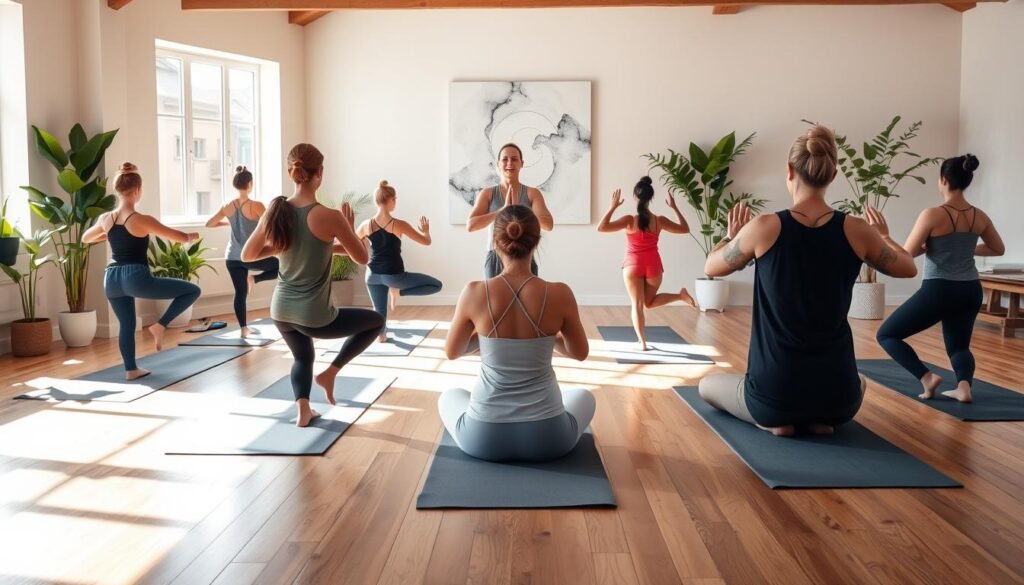
How to begin: Aim for 10–20 minutes, 3–5 days a week. Consistency helps regulate the endocrine system more than rare intense practice.
When to modify or avoid inversions?
Avoid strong inversions during menstruation. Choose gentle forward folds or restorative options instead. If you try headstand or shoulderstand, learn under a teacher and use a wall.
Neck and lower back safety
Keep a neutral neck in Bridge and never load the cervical spine. Those with neck or back issues should seek professional supervision before Rabbit or deep backbends.
- Use props: blocks, straps, and cushions reduce strain and help balance the back and lower back.
- Timing: practice earlier in the evening; leave vigorous backbends and twists for daytime.
- Practical tips: practice on an empty or lightly fed stomach; stop if sharp back or neck pain occurs.
- Hydration, room temperature, and calm surroundings support recovery. Take small breath breaks during the day to help regulate reactivity.
- Keep a simple log of symptoms to track progress and discuss changes with a clinician.
Conclusion
Short, regular sessions that mix movement, breath, and rest can reduce stress and support gland function.
A balanced plan that pairs targeted poses, breathwork, and restorative holds may support the endocrine system by lowering stress, improving sleep, aiding digestion, and easing tension around key glands.
Choose a few accessible poses and repeat them consistently. Add brief restorative holds and daily five-minute breath work. Move mindfully around neck-focused and adrenal-supportive areas to avoid pain.
Track symptoms, weight, and sleep to note what helps. Partner with your clinician for diagnosed conditions and use a gentle plan to help hormonal balance alongside care.
Try a simple weekly plan: two movement days, one restorative evening, plus short daily breath sessions. Listen to the body—yoga teaches self‑awareness that supports one gland balance and whole‑body steadiness.
FAQ
What glands make up the endocrine network and why does balance matter?
The endocrine network includes the pituitary, thyroid, parathyroid, adrenal glands, pancreas, ovaries or testes, and miscellaneous tissues that release hormones. These glands communicate through chemical signals to regulate metabolism, mood, sleep, digestion, growth, and reproduction. When one gland is out of sync, symptoms like fatigue, weight changes, anxiety, sleep disturbance, or digestive issues can follow—so maintaining balance supports whole-body health and daily function.
How can certain poses stimulate glands and influence hormones?
Specific postures apply gentle compression, stretch, or increased circulation to regions that house or influence glands (neck, chest, abdomen, pelvis). That mechanical input, combined with breath and nervous system changes, can help modulate blood flow and nervous signaling to glands. Over time, a regular practice may support more consistent hormonal rhythms, reduced stress hormones, and improved metabolic and mood regulation.
Which neck-focused poses help support thyroid and parathyroid function?
Gentle neck extension and controlled compression in poses such as Ustrasana (Camel), supported Bridge, and mindful forward bends can increase circulation to the throat area and encourage sensory feedback to the pituitary-thyroid axis. Always use moderate range of motion, avoid strain, and modify if you have diagnosed thyroid disease or neck injury.
Can backbends or chest-opening poses affect adrenal or stress response?
Yes. Chest-opening poses like Bhujangasana (Cobra) and supported backbends can activate the anterior torso and stimulate the vagus nerve, which helps downregulate the stress response. When paired with slow, diaphragmatic breathing they can reduce cortisol spikes and ease anxiety—though intensity should be scaled to individual tolerance.
What restorative practices help lower cortisol and improve sleep?
Restorative postures, yin holds, guided breathwork, and short meditation sessions reliably lower sympathetic arousal. Practices such as supported Child’s Pose, supine twists, and slow alternate nostril breathing promote vagal tone, improve sleep onset, and reduce nighttime awakenings—helping rebalance hormonal cycles over time.
Are there poses that specifically support digestion and reproductive health?
Yes. Gentle abdominal engagement and pelvic openness from poses like Malasana (Yogi Squat), Baddha Konasana (Butterfly), and Shalabhasana (Locust) can stimulate pelvic blood flow, support elimination, and encourage balanced signaling to reproductive and digestive organs. Combine these with mindful breathing and timing after meals for best results.
How should beginners approach a routine aimed at hormonal balance?
Start with short, consistent sessions focused on breath, gentle neck work, supported backbends, and restorative holds. Prioritize alignment and pain-free range of motion. Avoid extreme inversions early on and consult a healthcare provider when you have diagnosed endocrine disorders. Progress gradually and schedule practice at consistent times to support circadian rhythms.
Can regular practice replace medical treatment for hormone disorders?
No. Movement and breath practices can support symptom management and improve quality of life, but they are not a substitute for medical diagnosis or prescribed treatments for conditions like hypothyroidism, hyperthyroidism, adrenal insufficiency, or polycystic ovary syndrome. Always coordinate changes with your endocrinologist or primary care provider.
How often should someone practice to notice hormonal benefits?
Many people report improvements in stress, sleep, and digestion after three to five short sessions per week. Consistency matters more than session length—10–30 minutes daily focused on breath, restorative poses, and targeted neck or pelvic work can produce measurable benefits over several weeks.
Are there precautions for people with low-back pain, high blood pressure, or osteoporosis?
Yes. Modify or avoid deep spinal twists and unassisted backbends with active low-back pain. Those with uncontrolled high blood pressure should avoid prolonged inversions and consult a clinician before practice. People with osteoporosis need cautious alignment and often prefer supported, low-impact postures; a trained instructor and medical clearance are recommended.