


Hormones influence menstrual cycles, sleep, mood, skin, metabolism, fertility, and many other body functions. But there is no single food, herb, yoga pose, or “detox” that can reliably balance every hormone. The most useful approach is to support the basics—sleep, nutrition, movement, stress management, and medical evaluation when symptoms suggest an underlying condition.
Ayurveda can add a traditional framework for thinking about routine, digestion, and self-care. Concepts such as Vata, Pitta, Kapha, Agni, and Ama are part of Ayurvedic practice; they are not the same as measurable endocrine hormones or established biomedical mechanisms. Use them as a complementary lens rather than a substitute for diagnosis or treatment.
Key Takeaways
- Track cycle changes, sleep, mood, skin, and energy instead of treating each symptom in isolation.
- Regular sleep, meals, movement, and stress-management habits can support overall hormonal and metabolic health.
- Ayurvedic herbs have different evidence and safety profiles; “natural” does not automatically mean safe.
- Yoga and breath-based practices may help with stress, sleep quality, and some menopause symptoms, but they are not hormone treatments.
- Persistent irregular periods, heavy bleeding, severe acne, fertility concerns, or new thyroid-like symptoms deserve clinical evaluation.
Helpful Products at a Glance
For yoga poses that need a firm, stable support, the Manduka Cork Yoga Block can bring the floor closer without forcing your range of motion; its firmness may feel less comfortable than foam for sensitive joints.
- MANDUKA CORK BLOCK: Ease into any pose with our sustainably constructed Cork Block designed to enhance balance, assist alignment, and enhance your practice.
- FIRM SUPPORT: Our super dense cork design offers unparalleled support for sustained poses, ensuring a safe and smooth practice. Perfect for restorative yoga classes, Pilates, meditation, fitness and exercise

For stretches where limited reach encourages you to pull or round your back, the Manduka Align Yoga Strap provides adjustable reach; a towel or sturdy belt can work for many of the same basic modifications.
- ALIGN YOGA STRAP: The AligN yoga strap combines the traditional strap design of the legendary BKS Iyengar. Made with unbleached natural cotton webbing and an innovative sure-secure interlocking buckle this strap will support and enhance your practice
- STRETCH SUPPORT: Provides secure, slip-free support for even the most challenging positions. Great for yoga, pilates, stretching, therapy, and fitness

Why Hormone Symptoms Deserve Attention
Changes in periods, acne, sleep, mood, or weight can come from many causes, including normal life-stage changes, stress, pregnancy, thyroid disorders, polycystic ovary syndrome (PCOS), medications, and other health conditions. A symptom pattern is more useful than assuming everything is caused by “hormone imbalance.”

Keep notes on cycle length, bleeding, pain, acne, sleep, hot flashes, mood changes, medications, and major lifestyle shifts. If your periods were previously regular and become irregular, bleeding is unusually heavy, or symptoms are persistent, share the pattern with a clinician. ACOG’s abnormal bleeding guidance explains common reasons to seek evaluation.
The Ayurvedic Lens: Useful Framework, Clear Limits
In traditional Ayurveda, Vata is associated with movement and variability, Pitta with heat and transformation, and Kapha with structure and stability. Practitioners may use these patterns to individualize food, routine, massage, yoga, and herbal choices.

Agni and Ama are also traditional concepts. They can be useful language for discussing appetite, digestion, regularity, and how you feel after meals, but claims that Ama physically blocks endocrine channels or that strong Agni directly “creates hormones” are not established in modern physiology. The evidence for Ayurveda varies widely, and the National Center for Complementary and Integrative Health notes that high-quality clinical evidence is limited for many Ayurvedic uses.
Recognizing Patterns That Need More Than Home Care

Irregular periods, acne, unwanted facial or body hair, scalp hair thinning, or difficulty conceiving can occur with PCOS. Heavy bleeding, missed periods, heat intolerance, cold intolerance, major fatigue, or unexplained weight change can also point to other conditions. ACOG’s PCOS guidance is a useful starting point for understanding common symptoms.
- Track: timing, bleeding amount, pain, skin changes, sleep, mood, and medications.
- Seek medical evaluation: for persistent cycle changes, severe or worsening symptoms, fertility concerns, or signs of anemia or thyroid disease.
- Seek urgent care: for very heavy bleeding with dizziness, faintness, chest pain, or shortness of breath.
Build the Foundations First

Keep sleep and meal timing consistent
Regular sleep and meal schedules can make energy, appetite, and digestion easier to manage. You do not need to wake before 6 a.m. or finish dinner before 7 p.m. for the routine to “work.” A schedule that is consistent and realistic is more useful than a rigid clock rule.
Eat for steady energy
Build most meals around protein, vegetables or fruit, fiber-rich carbohydrates, and healthy fats. Warm cooked foods may feel easier to digest for some people, but they are a preference rather than a universal hormone requirement. Cumin, coriander, and fennel can be used as culinary spices or tea if you enjoy them.
Reduce avoidable stressors
Walking, resistance exercise, yoga, breathing practice, therapy, and screen-free wind-down time can all support stress management. Environmental endocrine-disrupting chemicals are an area of active research, but avoid fear-based “detox” claims. Practical steps such as using food containers as directed and limiting unnecessary heating of food in plastic are more useful than trying to eliminate every possible exposure.
Ayurvedic Herbs: Where Caution Matters Most
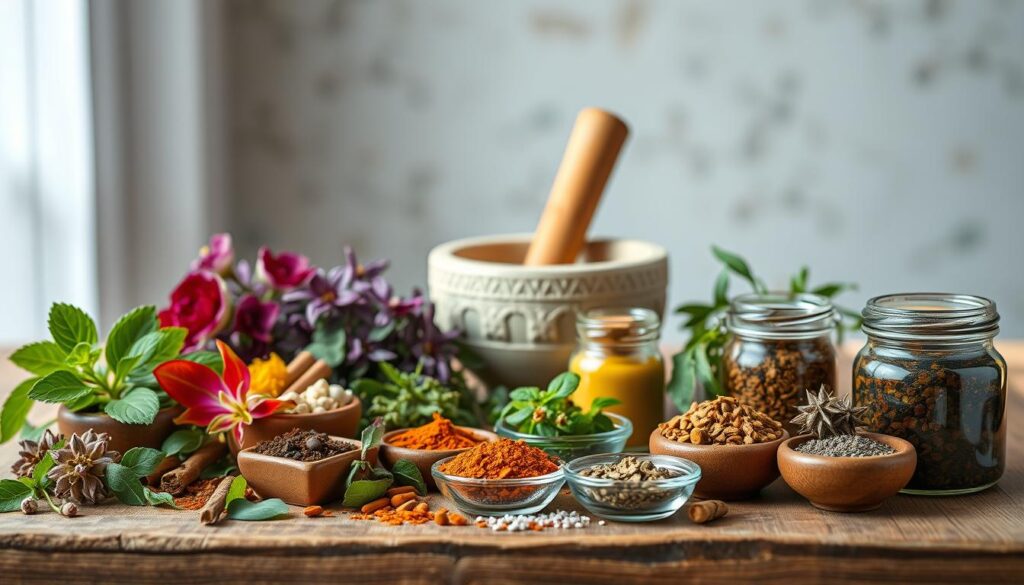
Traditional use is not the same as proven hormone treatment. Shatavari, Ashwagandha, Triphala, Guduchi, Lodhra, Ashoka, Yashtimadhu, and Kanchanar Guggulu may appear in Ayurvedic practice, but evidence for specific female hormone outcomes is uneven or limited. Avoid choosing a formula only because it is labeled “hormone balance,” “thyroid support,” or “detox.”
| Support | Evidence-Aware Use | Important Caution |
|---|---|---|
| Ashwagandha | Some preparations may help stress or sleep in the short term. | Avoid in pregnancy; discuss use with a clinician if you have thyroid, autoimmune, liver, or medication concerns. |
| Shatavari | Traditional reproductive-health herb; strong clinical evidence for “balancing estrogen” is lacking. | Get individualized advice during pregnancy, breastfeeding, or with hormone-sensitive conditions. |
| Triphala | Traditionally used for digestion and bowel regularity. | Can change bowel habits and should not be treated as a hormone therapy. |
| Licorice (Yashtimadhu) | Traditionally used in several Ayurvedic preparations. | Glycyrrhizin-containing licorice can raise blood pressure and cause serious adverse effects, especially with high or prolonged intake. |
NCCIH’s Ashwagandha review notes possible short-term benefits for stress and insomnia but insufficient evidence for many other uses, including menopause and female infertility. Its licorice safety review also highlights blood-pressure and heart risks from glycyrrhizin.
Product quality matters as much as herb choice. The FDA has warned about heavy-metal poisoning associated with certain unapproved Ayurvedic products. If you use an ingestible product, review it with a qualified clinician or pharmacist and favor transparent testing and clear ingredient labeling.
Daily Routine, Yoga, and Practical Stress Support

Dinacharya, or daily routine, can be adapted rather than followed rigidly. Pick a regular wake time, eat at roughly consistent times, get daylight and movement during the day, and create a repeatable wind-down routine. Abhyanga, or warm oil self-massage, can also be used as a relaxation ritual if your skin tolerates the oil.
Yoga can support mobility, relaxation, and body awareness. Evidence suggests it may help some people with stress, sleep quality, and menopause symptoms, but it should not be described as directly “stimulating endocrine glands” or correcting hormone levels. NCCIH’s yoga overview summarizes the current evidence and safety considerations.
Use Props to Make Poses Fit Your Body
In poses such as Baddha Konasana, Balasana, or supported forward folds, a firm block can reduce the need to force range of motion. The Manduka Cork Yoga Block is a 4-by-6-by-9-inch fine-grain cork block with a firm textured surface. That makes it useful when you want stable height under a hand or hip, although softer foam may be preferable when cushioning is the main goal.
- MANDUKA CORK BLOCK: Ease into any pose with our sustainably constructed Cork Block designed to enhance balance, assist alignment, and enhance your practice.
- FIRM SUPPORT: Our super dense cork design offers unparalleled support for sustained poses, ensuring a safe and smooth practice. Perfect for restorative yoga classes, Pilates, meditation, fitness and exercise
- STURDY GRIP: Made with 100% fine-grain cork for an easy-to-grip textured surface that is more firm than standard foam blocks
- SUSTAINABLE CORK: The cork for our blocks is sustainably sources from renewable cork oak trees and are made with zero toxic chemicals. Manduka is committed to creating responsibly sourced products while minimizing environmental waste
A prop is optional. A sturdy chair, wall, folded blanket, or pillow may provide enough support depending on the pose. The goal is to reduce strain and keep breathing comfortable, not to push deeper.
A strap can also help when tight hamstrings or shoulders make you grip, bounce, or round aggressively. The Manduka Align Yoga Strap uses cotton webbing with an interlocking buckle and is available in an 8-foot version, giving adjustable reach for seated folds and shoulder work.
If you only need occasional assistance, a long towel or sturdy belt may be enough. Whatever you use, do not loop it in a way that causes numbness, sharp pain, or pressure on an injured joint.
- ALIGN YOGA STRAP: The AligN yoga strap combines the traditional strap design of the legendary BKS Iyengar. Made with unbleached natural cotton webbing and an innovative sure-secure interlocking buckle this strap will support and enhance your practice
- STRETCH SUPPORT: Provides secure, slip-free support for even the most challenging positions. Great for yoga, pilates, stretching, therapy, and fitness
- PREMIUM MATERIAL: Manduka’s proprietary lightweight, yet strong, zinc alloy buckle and improved middle-bar design holds securely and eliminates slipping. Great-textured eco-friendly cotton webbing feels comfortable, and secure
- SUSTAINABILITY: Yoga strap made from 100% unbleached eco-friendly cotton, using AZO, lead and heavy-metal-free dyes to protect our workers, our customers, and the environment
For a simple practice, combine comfortable poses with slow breathing, Bhramari, or Yoga Nidra. Stop if a pose causes sharp pain, dizziness, or worsening symptoms. Pregnancy, recent surgery, osteoporosis, significant joint disease, or other medical conditions may require modifications.
Panchakarma and “Detox”: Set Realistic Expectations
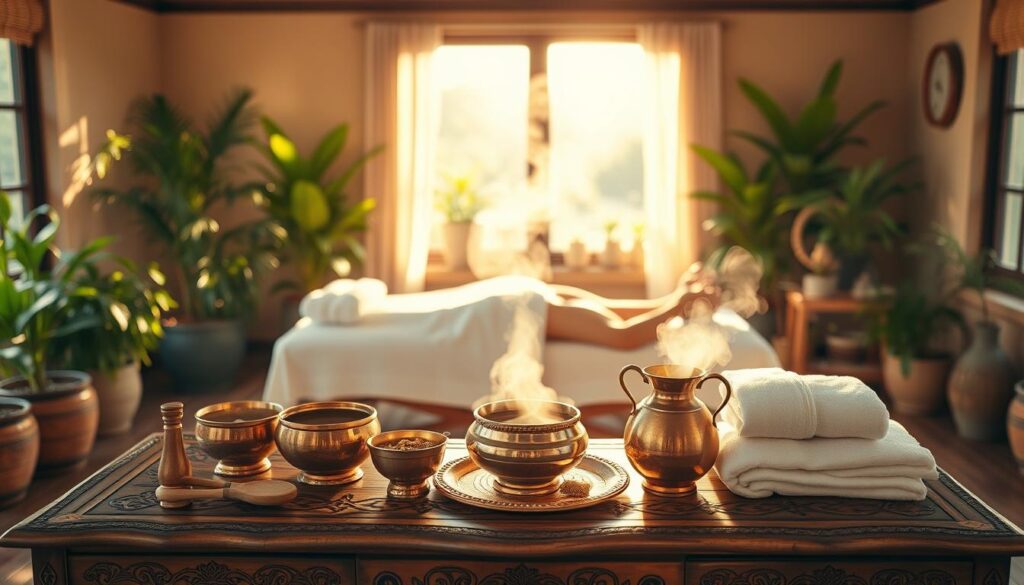
Panchakarma is a traditional Ayurvedic program that may include dietary changes, massage, oil treatments, purgation, enemas, nasal therapies, or other procedures. Claims that it “removes toxins,” resets doshas, cures PCOS, restores fertility, or normalizes hormones are not established by strong clinical evidence.
Procedures involving purgation, enemas, fasting, or concentrated herbs can cause dehydration, electrolyte problems, medication interactions, or other complications. If you are considering Panchakarma, especially during pregnancy, while taking medication, or with a chronic condition, use qualified professional supervision and coordinate with your regular clinician. This Panchakarma program overview describes the traditional approach, but it should not be read as proof of medical effectiveness.
When to Get Testing or Medical Treatment
There is no universal “female hormone panel” that everyone needs. Testing should follow symptoms, age, pregnancy possibility, cycle pattern, medications, and examination. Depending on the situation, a clinician may consider pregnancy testing, a blood count, thyroid testing, glucose or metabolic testing, androgen evaluation, or reproductive-hormone testing at specific times.
Medical treatment and lifestyle care can work together. Conditions such as PCOS, thyroid disease, abnormal uterine bleeding, infertility, severe acne, or troublesome menopause symptoms may need targeted medical therapy. Complementary practices should support that care rather than delay it.
FAQ
Can Ayurveda naturally balance female hormones?
Ayurvedic routines may support sleep, stress management, digestion, and healthy habits, but there is not strong evidence that Ayurveda as a system reliably normalizes specific hormone levels. Use it as complementary care, not as a replacement for medical evaluation.
Can Ashwagandha or Shatavari fix menstrual irregularities?
Evidence is not strong enough to promise that either herb will correct irregular periods. Ashwagandha also has important pregnancy, thyroid, autoimmune, liver, and medication cautions. Persistent irregular cycles should be evaluated for causes such as PCOS, thyroid problems, pregnancy, or other conditions.
Which lifestyle changes should I prioritize?
Start with regular sleep, balanced meals, enough protein and fiber, consistent movement, stress-management practices, and tracking symptoms. These habits are more useful than complicated detox plans or rigid dosha rules.
Yoga may help stress, sleep quality, mobility, and some menopause symptoms. It should be viewed as supportive exercise and relaxation rather than a direct treatment for hormone disorders.
How long should I try self-care before seeking help?
Do not wait for an arbitrary number of weeks if bleeding is heavy, symptoms are severe, pregnancy is possible, or your cycle changes significantly. For milder concerns, track patterns while improving daily habits and discuss persistent changes with a clinician.
Are Ayurvedic supplements safe during pregnancy or breastfeeding?
Do not assume so. Some herbs are unsuitable during pregnancy or breastfeeding, and product quality can vary. Review any herbal formula with your obstetric clinician, pharmacist, or another qualified professional before using it.
Conclusion
A practical hormone-health plan starts with observation, steady daily habits, and timely medical evaluation—not with a promise to “detox” or reset every hormone naturally. Ayurveda can contribute useful routines and a personalized self-care framework when its traditional concepts are kept separate from biomedical claims.
Focus first on sleep, regular meals, movement, stress management, and symptom tracking. Add yoga or Ayurvedic practices that feel helpful and safe, use herbs cautiously, and involve a clinician when symptoms persist or point to an underlying condition.




Don’t Miss These Picks