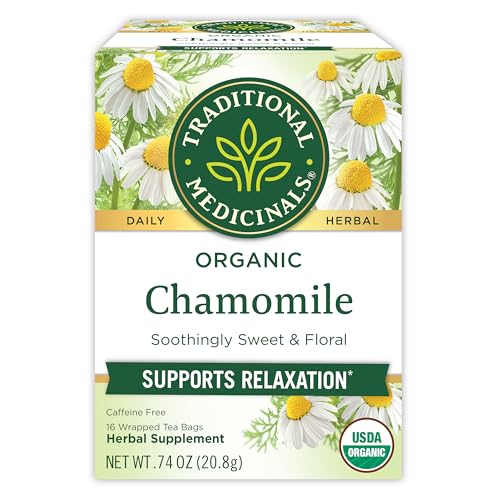
Valerian vs. Chamomile: Which Sleep Tea Is Right for You?

Struggling with sleep? Discover the key differences between valerian and chamomile tea. Learn how each works, their benefits, side effects, and which calming brew may be best for your nightly routine.

Surprising fact: nearly one in three adults report occasional sleepless nights, and many turn to herbs for relief.

Table of Contents show

This guide compares two popular bedtime brews so you can pick what fits your routine.

By Emily Carter, certified health and wellness writer – Fact-checked and reviewed by our editorial team.

The root works by boosting GABA activity to calm an overactive nervous system, helping with “tired but wired” nights and deeper sleep with fewer wakeups over time.

Its partner, a flower rich in apigenin, binds to brain receptors that ease mild anxiety and promote relaxation.

Expect faster, gentler effects from the flower and stronger, sometimes sedating results from the root. Brewing matters: flower steeps 5–10 minutes; dried root needs 10–15 minutes. Drink herbal blends 30–60 minutes before bed and pair them with steady sleep habits for best results.

Some people may notice vivid dreams or morning drowsiness with the root. The flower is milder but should be avoided by those with ragweed allergies or during pregnancy. For layered calming, try blends with passionflower, lemon balm, or lavender.

Key Takeaways

  • Different actions: the root increases GABA; the flower delivers apigenin for gentle calm.
  • Prep tips: steep 5–10 minutes for flowers, 10–15 for dried root.
  • Timing: sip 30–60 minutes before bed and keep consistent sleep habits.
  • Watch for side effects: possible grogginess or vivid dreams with root; allergy and pregnancy cautions for the flower.
  • Blends and products: combining herbs can enhance effects; choose quality ingredients to match your goals.
  • For clinical context and more herbal options, see this guide on teas that help sleep: teas that help you sleep.

Why People Compare Valerian and Chamomile for Sleep

Most readers want one thing: a reliable wind-down that leads to deeper, steadier sleep.

Many people reach for herbal brews at night because they want a predictable, calming routine that eases racing thoughts. Bedtime teas can quiet the mind and create a clear pre-sleep cue. Dietitians point to apigenin’s receptor binding as a likely reason chamomile helps reduce mild anxiety, while the root acts on GABA pathways to lower hyperarousal.

Who chooses which? People with a “tired but wired” nervous system often prefer the root for stronger effects. Others favor the flower for a gentler, familiar flavor and easy integration into a nightly ritual.

A cozy bedside table adorned with an array of sleep-inducing herbs, bathed in warm, golden light from a vintage lamp. In the foreground, lush sprigs of chamomile, their delicate white flowers and feathery leaves gently swaying. Behind them, the deep purple stalks of valerian root, their earthy aroma mingling with the floral scents. In the background, a sprinkling of lavender buds, their calming hues complementing the scene. The overall mood is one of tranquility and serenity, inviting the viewer to unwind and embrace the natural remedies for a restful night's sleep.

“Behavioral sleep hygiene — fixed sleep/wake times, a screen curfew, a hot bath, and a warm tea — amplifies herbal benefits.”

Practical notes: Small human studies point to benefit, but larger research is still emerging. Mix-ins like lemon balm, passionflower, or lavender tea can round out effects. Watch labels for hidden caffeine and keep a consistent brew time to strengthen the habit loop.

GoalGentle calmStronger wind-down
Typical usersPeople with mild anxiety or sleep onset troubleThose with nighttime hyperarousal or fragmented sleep
Mechanism citedApigenin receptor bindingGABA pathway modulation in the brain
Easy additionsLemon balm, lavender teaPassionflower, calming blends
  • Many people compare these herbs because both foster pre-bedtime calm—one targets arousal, the other offers mild ease; both fit into a nightly tea ritual that supports better sleep.
  • Most readers want three outcomes: reliable wind-down, better sleep continuity, and a calmer mind at lights out.
  • Evidence notes apigenin’s effect on anxiety and the root’s influence on brain GABA; small human studies show promise, though more research is needed.

valerian root vs chamomile can be a helpful read if you want a deeper side-by-side.

Medical disclaimer: Bedtime teas can help quiet racing thoughts and set a calming pre-sleep routine. Dietitians note chamomile’s apigenin binding may reduce anxiety and increase drowsiness; valerian activates GABA pathways to reduce hyperarousal. Behavioral sleep hygiene—fixed sleep/wake times, screen curfew, hot bath, and a warm tea—amplifies benefits. If insomnia persists beyond 1-2 weeks or impairs daytime functioning, consult a clinician.

How They Work in Your Body: GABA vs. Apigenin Pathways


Both herbs act on the central nervous system but by distinct routes: one increases inhibitory signaling in the brain, while the other binds calming receptors to ease mild anxiety. Together they can reduce nighttime arousal and support better sleep when used as part of a routine.

 Valerian root and GABA: dialing down overactive neurons

Valerian root raises GABA availability, which lowers neuronal firing and quiets an overactive brain. This downshift helps reduce the internal noise that keeps people feeling “tired but wired.”

More GABA in the system decreases excitatory signals in the body and central nervous system, which can ease sleep onset and improve depth.

Chamomile’s apigenin: binding receptors that promote calm

Chamomile centers on apigenin, a flavonoid that binds specific brain receptors to nudge relaxation. Its effect is subtler and often works best within a steady pre-sleep ritual.

What this means for stress, anxiety, and nighttime rest

Small clinical research trials suggest the root can deepen sleep and cut awakenings. The flower offers light anxiolytic effects that soothe stress without heavy sedation.

A detailed cross-section of the brain's GABA pathways, showcasing the intricate network of inhibitory neurons and neurotransmitter receptors. The scene is illuminated by soft, diffused lighting, creating a serene, scientific atmosphere. The foreground depicts the complex branching of GABAergic axons, while the middle ground reveals the distribution of GABA receptors across various brain regions. The background features a subtle, textured gradient, hinting at the broader context of the brain's architecture. The overall composition emphasizes the elegance and importance of the GABA system in regulating neural activity and promoting restful states.

PathwayPrimary actionTypical user effect
GABAergic increase (root)Dampens neuron firingStronger wind-down, deeper sleep
Apigenin receptor binding (flower)Calms anxiety-related circuitsGentle relaxation, clearer mornings
Combined useComplementary mechanismsBalanced pre-sleep calm and improved continuity

Practical note: Give each herb adequate time—steep root longer to extract actives; flowers need fewer minutes to preserve volatiles. A consistent nightly tea ritual helps these pathways work more reliably.

Valerian vs Chamomile Tea: Key Benefits and Effects

Choose based on whether you want faster sleep onset or steadier, deeper rest with fewer wakeups. Both herbs can help, but they deliver different benefits and next-day feelings.

Falling asleep vs. improving sleep continuity

Falling asleep vs. improving sleep quality and fewer wakeups

Valerian root often helps people fall asleep sooner and stay asleep longer, reducing mid-night awakenings in some users. Higher doses can cause vivid dreams or morning drowsiness.

Chamomile is milder and eases pre-bed tension without strong sedation. It leans toward gentle relaxation and clearer mornings.

A tranquil bedroom scene, soft lighting illuminating a plush bed with fluffy pillows and cozy bedding. In the foreground, a mug of steaming herbal tea sits on a nightstand, emitting a soothing aroma. The middle ground features a peaceful, sleeping figure, their face relaxed and serene. In the background, subtle plant life and a calming, neutral-toned wall provide a sense of natural serenity. The overall atmosphere evokes a deep, restorative sleep, reflecting the key benefits and effects of valerian and chamomile teas.

Day-after feel: grogginess potential vs. gentle, clear mornings

  • Overview: valerian root may boost overall sleep quality but can leave grogginess for a few people. chamomile tends to preserve a light morning.
  • Evidence: preliminary research and small studies support improved sleep continuity with the root; the floral option shows mild anxiolytic effects.
  • Practical tips: steep root 10–15 minutes, flowers 5–10. Avoid late caffeine. Add lemon balm or lavender to broaden calming pathways.
  • Products: check labels and start with single-ingredient formulas for mild insomnia.

Strength and Speed: What You’ll Feel and When

Quick snapshot: Response time ranges widely—some feel relief in under an hour, while others see a subtler change that builds with repeated use. These differences shape which brew fits your routine best.

Faster, more noticeable effects for some

Many people report a clearer, faster effect within 30–60 minutes after a cup. Muscle tension eases and thoughts quiet for those sensitive to GABAergic actions.

That quick drop in arousal can help with sleep onset. If you notice next-day fog, try a smaller serving or move your cup earlier in the evening.

A person sleeping peacefully, exuding an aura of strength and speed. The foreground depicts their face, with a serene expression and glowing skin illuminated by warm, diffuse lighting, suggesting an inner vitality. The middle ground showcases their muscular, athletic body resting on crisp, white sheets, conveying a sense of power and swiftness. The background is blurred, creating a sense of focus on the subject's physical prowess and the rejuvenating effects of their slumber. The overall mood is one of restorative tranquility, hinting at the immense energy and agility that will be unlocked upon waking.

Chamomile’s gradual, subtle shift

Chamomile tends to offer a gentler shift. Many users report slow improvement over several nights rather than an immediate change.

Plan your tea about 30–60 minutes before bed and protect that window from screens. Small rituals and consistent timing make both options more effective.

  • Overview: Many feel quicker effects from the stronger herb, while the floral option builds with routine.
  • Practical tip: Keep a short log to track how different products and timings affect your nights.
  • Flavor nudge: A squeeze of lemon or a touch of honey can improve adherence and enjoyment.

compare options if you want a deeper side-by-side.

Taste, Form, and Bedtime Experience

Flavor and format matter: what you sip affects enjoyment, ritual, and how likely you are to keep it up. Choose a style that fits your habits and palate to protect consistency and the sleep gains that follow.

What does each cup taste like?

Expect earthy-bitter notes from the root. If that profile is intense, many people mask it with honey, lemon, or a dash of cinnamon.

The floral option is sweet and mild with apple‑and‑honey highlights. Its gentler flavor helps it slip into nightly routines.

Which form fits your life?

  • Loose tea gives fuller aroma; bags are faster and mean less cleanup.
  • Tinctures suit travelers or those who want smaller, portable doses.
  • Blended products combine ingredients like lemon balm or lavender for layered aroma and calm.

Practical tips: Pick caffeine‑free options at night. Try a sachet for dosing ease, or a capsule if you dislike the taste. Note how each cup makes you feel and tweak steeping to balance taste and potency.

Timing, Dosage, and How to Use These Teas at Night

Timing your cup lets calming compounds peak when you need them most.

Start your tea 30–60 minutes before bedtime. That window lets active compounds begin working while lowering the chance of nocturia. It also turns drinking into a reliable pre-sleep cue.

A cozy, dimly lit nightstand with a steaming mug of herbal tea, surrounded by a soft, plush blanket, a few sprigs of fresh chamomile, and a small, antique-style lamp casting a warm, comforting glow. The mug's steam curls upward, hinting at the soothing, aromatic blend within. The scene exudes a sense of tranquility and relaxation, ideal for winding down before bedtime.

Steeping basics: roots versus flowers

For roots, use near-boiling water and steep 10–15 minutes to extract the key constituents. For flowers, keep steeping shorter—5–10 minutes—to protect delicate aromatics and avoid bitterness.

  • Keep servings modest: about 250 mL per herb when blending to limit bathroom trips at night.
  • Test earlier: try a cup a few hours before bed if you are sensitive, then move closer to lights out.
  • Track ingredients and doses in a short log to find your personal sweet spot.
  • Lemon can brighten flavor, but keep add-ins light to prevent reflux near bedtime.

Consistency beats intensity: a steady routine of the same tea, steep times, and volume usually outperforms sporadic, strong brews.

Medical disclaimer: This information is for educational purposes only and is not medical advice. Consult your healthcare provider for personalized guidance about sleep, interactions, or persistent insomnia.

Safety, Side Effects, and Who Should Avoid What


Before you add a nightly cup, it helps to know who should pause or check with a clinician first. Most people tolerate these options well, but risks and interactions exist.


Quick overview: Herbs can aid sleep but also cause vivid dreams, allergic reactions, or interact with drugs. Use them thoughtfully, especially if you have liver issues, take medications, or are pregnant.

A serene bedroom with a comfortable bed in the foreground, soft bedding and pillows in calming colors. In the middle ground, a nightstand with a glass of water and a book, suggesting a relaxing bedtime routine. The background is dimly lit, with a warm, golden glow from a bedside lamp, creating a cozy, inviting atmosphere. Subtle shadows and highlights add depth and dimension, while the overall scene conveys a sense of safety, relaxation, and restful sleep.

What side effects should I watch for with the root?

Valerian root may cause vivid dreams, headache, stomach upset, uneasiness, or next‑morning drowsiness. It often works best with a gradual buildup—start low and increase slowly.

Practical tip: If you notice grogginess, shorten steep time or cut the dose. People sensitive to sedatives should test earlier in the evening.

Who should avoid chamomile?

Chamomile can trigger reactions in those allergic to ragweed or other Asteraceae plants. Avoid it during pregnancy unless a clinician approves.

Discontinue use at any sign of rash, throat tightness, or breathing trouble and seek care.

When should I talk to my clinician about interactions?

Interactions matter: review all supplements and prescription meds before adding herbs. Some products can amplify anticoagulants, antidepressants, or sedatives.

  • Avoid combining central nervous system sedatives or alcohol with sleep herbs.
  • Notable interactions: passionflower may affect blood thinners; St. John’s wort can alter antidepressants and birth control; kava links to liver risk.
  • If insomnia lasts beyond 1–2 weeks or you have severe anxiety, seek medical care.

“Start low, go slow: track any change and pause use before procedures if your clinician advises it.”

Bottom line: These botanical options have light-to-moderate support in small studies and a generally good safety profile when used correctly. Align choices with your overall health and check labels for combined ingredients.

Medical disclaimer: The information here is for educational purposes and not medical advice. Valerian may cause vivid dreams, headache, stomach upset, uneasiness, or next-morning drowsiness; use cautiously with liver conditions and during pregnancy. Chamomile can trigger allergies in those sensitive to ragweed/daisy family and should be avoided in pregnancy. Interactions: passionflower with anticoagulants; St. John’s wort with antidepressants and birth control; kava with liver issues and antidepressants. If insomnia persists beyond 1-2 weeks or affects daytime functioning, seek medical care.

Who Should Choose Which? Matching Tea to Your Sleep Profile

Different nightly struggles call for different botanical tools—pick the one that fits your most common symptom. Match mechanism to symptom and you’ll see results faster.

Choose valerian if your mind races and your nervous system is on overdrive

Pick valerian when nervous system overdrive keeps your mind awake. It suits people with tense bodies, racing thoughts, or fragmented nights.

Choose chamomile if you want gentle calm and digestive ease

Choose chamomile for mild anxiety and soft digestive discomfort that interrupts sleep. It helps people who prefer subtle support and clearer mornings.

Sensitive sleepers: start low and test earlier

Start with smaller amounts and shorter steeps, then move the cup closer to bedtime if needed. Sensitive sleepers should trial a cup earlier in the evening to avoid next‑day fog.

“Start low and go slow: test timing and dose, then keep a short log to match triggers with results.”

ProfileBest fitQuick tip
Racing thoughts / hyperarousalvalerianSteep longer; use earlier to test tolerance
Mild anxiety or tummy tensionchamomileShort steep to preserve aroma; add lemon if desired
Sensitive sleepersGentle blends (lemon balm, passionflower)Start small; keep a sleep log
Soft, natural lighting illuminates the scene. In the foreground, two individuals sit comfortably, one holding a cup of valerian tea, the other sipping chamomile. Their expressions reflect a sense of tranquility and introspection. In the middle ground, the contrasting sleep profiles of the individuals are visually represented - one tossing and turning, the other resting peacefully. The background is a serene, minimalist setting, allowing the focus to remain on the central figures and their choices. The composition and tone convey a sense of balance, inviting the viewer to consider which sleep-promoting tea might be the best fit for their own personal needs and sleep patterns.

Practical note: For lingering stress, layer in passionflower or lemon balm. If insomnia continues despite tailored use, seek clinical evaluation. A splash of lemon or honey can improve acceptance without masking your response. If you tolerate valerian root poorly, pivot to gentler blends.

Better Together: Stacking Herbs to Improve Sleep Quality

A focused herbal stack can broaden calming effects in the nervous system and help you fall and stay asleep more reliably. Use simple blends and steady timing to test what works for your body.

A gentle stack of complementary herbs can widen how your body eases into sleep. Blending valerian (GABA support) with chamomile (apigenin) offers two distinct calming routes. That combo often delivers faster onset plus steadier continuity.

Combining them for complementary effects

Combine sparingly: start with two herbs—one stronger, one milder—and note effects. Steep and sip 30–60 minutes before bed to align peak action with lights out.

Supportive adds: lemon balm, passionflower, and lavender

Lemon balm can help preserve GABA’s action; its balm-like flavor fits many blends. Add a small amount of passionflower for extra soothing. A hint of lavender or lavender tea brings aroma-driven calm for mind and body.

“Stack modestly: two to three herbs, consistent steeping, and a fixed bedtime give the clearest signal to your system.”

  • Keep blends simple—note exact ingredients and amounts.
  • Use consistent products and sourcing to compare effects.
  • Pair with sleep hygiene: screens-off, cool room, and fixed schedule.
GoalExample blendWhy it helps
Faster sleep onsetvalerian + chamomileGABA boost + apigenin calming
Calm mood and continuitychamomile + lemon balm + lavenderanxiolytic + GABA preservation + aroma relaxation
Gentle nightly ritualpassionflower + lemon balmsoothing action + digestive calm

Practical tip: Track cup size and steep times to refine doses and improve sleep quality. Quality ingredients and clear labeling in products reduce variability.

Medical disclaimer: Blending valerian (GABA support) with chamomile (apigenin) broadens calming coverage. Common supportive herbs include lemon balm (may prevent GABA breakdown), passionflower (soothing action), and lavender (relaxation and mood support). Drink blends 30-60 minutes before bed within a consistent routine. Evidence supports behavioral sleep hygiene alongside herbal teas for best outcomes. This information is for educational purposes and is not medical advice. Consult your healthcare provider before starting herbs, especially if you take medications, are pregnant, or have liver conditions.

Brew Guide and Practical Tips for Consistent Results

How you prepare your herbal cup—temperature, minutes, and portion—shapes its effect on sleep. Use the right prep and timing to make the benefit repeatable across nights.

How should I prep root versus flowers?

For dried valerian root, steep 10–15 minutes in near‑boiling water and cover to trap aromatics.

For chamomile tea flowers, use hot-but-not‑boiling water and steep 5–10 minutes to avoid bitterness.

How do I cut down on late‑night bathroom trips?

Use about 250 mL of water per plant when blending multiple teas. Sip your cup 30–60 minutes before bed and limit extra fluids in the final few hours.

  • Overview: Match prep to the herb—longer for the root, shorter for flowers—and schedule your tea 30–60 minutes pre‑bed with modest volume.
  • Keep blends simple: two to three teas so you can track ingredients and effects.
  • Verify “caffeine‑free” labels; some “decaf” still contains residual caffeine.
  • Log steep times, timing, and outcomes—small studies suggest method and routine improve results.

About the Author

Emily Carter is a certified health and wellness writer with over 7 years of experience in evidence-based fitness, nutrition, and lifestyle content. As the lead author of Go4HealthnFitness.com, she’s passionate about simplifying science-backed wellness advice for everyday readers. When she’s not writing, you’ll find her strength training, hiking, or exploring natural supplements that actually work.

Editorial Process Note

Our Commitment to Accuracy: This article was medically reviewed for accuracy and fact-checked by our editorial team.

Medical Disclaimer: The information in this article is for informational purposes only and is not intended to be a substitute for professional medical advice, diagnosis, or treatment. Always seek the advice of your physician or other qualified health provider with any questions you may have regarding a medical condition.

Conclusion

Pick the nightly cup that fits your goals and habits: one for stronger wind-down, the other for gentle relaxation and clearer mornings.

Deciding which cup to sip at night comes down to your tolerance, goals, and how you want to feel in the morning.

Both options can help improve sleep when brewed and timed consistently. Start simple, log responses for several nights, and adjust steep times or blends with lemon balm or lavender to expand benefits.

Choose transparent products and avoid late caffeine. If poor sleep or daytime impairment continues, seek medical advice.

FAQ

Which sleep herb works faster — the root that boosts GABA or the flower with apigenin?

Effects vary by person. The root that influences GABA pathways can feel faster and more noticeable for some people, often within 30–60 minutes. The flower that contains apigenin usually produces a gentler, gradual calming effect that may improve sleep quality over repeated use rather than delivering an immediate knock-out sensation.

Can I drink either brew every night without problems?

Both can be used regularly, but monitor how you feel. The root may cause morning drowsiness for some and can require a short trial period to find the right dose. The flower is generally well tolerated, though people with ragweed or Asteraceae allergies should avoid it. If you’re pregnant, breastfeeding, or on medications, consult a healthcare provider before nightly use.

How long before bed should I sip to get the best effect?

Aim to drink your cup about 30–60 minutes before bedtime. This window allows absorption and onset of calming effects. For stronger root preparations, staying closer to the 60-minute mark helps, while the flower’s subtle effects may begin within 30 minutes.

Are there common side effects I should watch for?

Yes. The root can cause vivid dreams or next-day grogginess in some people, especially at higher doses. The flower can trigger allergic reactions in those sensitive to ragweed and related plants. Both can interact with sedative medications, so discuss use with your clinician if you take benzodiazepines, opioids, or strong sleep drugs.

Can I combine the two for better sleep?

Combining them can be complementary — one offers stronger nervous-system dampening while the other supports receptor-mediated calm. Start with low doses to assess tolerance and avoid excessive sedation. Many people pair them with lemon balm or lavender for balanced relaxation, but check for interactions with medications.

Which is better for people who wake up during the night versus those who have trouble falling asleep?

For trouble falling asleep, the root’s more immediate, sedative-leaning effect may help. For frequent wakeups or lighter sleep, the flower’s ability to promote gentler, sustained calm can improve sleep continuity and morning clarity. Personal experimentation helps identify the best match.

Does taste or form matter for effectiveness — loose root, flower, tincture, or capsule?

Form affects onset and convenience but not necessarily long-term benefit. Loose root and flower teas require proper steeping to extract actives, while tinctures and capsules deliver predictable doses and faster absorption. Choose what you’ll use consistently: flavor, ritual, and dosage reliability all matter for results.

How should I steep roots versus flowers to preserve active compounds?

Roots usually benefit from longer, near-boil steeping (10–15 minutes) or simmering to extract constituents. Flowers need lower temperatures and shorter steep times (5–10 minutes) to preserve volatile compounds like apigenin. Use an infuser or muslin bag and follow product instructions for best results.

Will either interfere with sleep hygiene practices or cause more nighttime bathroom trips?

Herbal evening beverages can increase fluid intake, so limit volume if nighttime urination is a concern. Time your cup 30–60 minutes before bed and avoid large volumes late. Neither herb replaces good sleep habits — consistent bedtime, low light, and reduced screens remain critical for effectiveness.

What should people on medication or with health conditions consider?

Both herbs can interact with sedatives, antidepressants, and drugs that affect liver enzymes. The root may potentiate other CNS depressants. The flower can affect blood thinners in rare cases. Consult a healthcare provider if you take prescription meds, have liver disease, or are pregnant or breastfeeding before starting either.

Are there evidence-backed alternatives to combine with these herbs for better sleep?

Yes. Lemon balm, passionflower, and lavender are commonly studied supporting herbs that can complement either remedy. Behavioral supports like cognitive behavioral therapy for insomnia (CBT-I), consistent sleep schedules, and limiting caffeine are also strongly evidence-based ways to improve sleep quality.

Emily Carter
Emily Carter

Emily Carter is a certified health and wellness writer with over 7 years of experience in evidence-based fitness, nutrition, and lifestyle content. As the lead author of Go4HealthnFitness.com, she’s passionate about simplifying science-backed wellness advice for everyday readers. When she’s not writing, you’ll find her strength training, hiking, or exploring natural supplements that actually work.

Articles: 424