

Transdermal magnesium and melatonin often get mentioned in the same sleep conversation, but they are not doing the same job. Melatonin is mainly about sleep timing. It is usually used when the body needs a clearer “nighttime” signal. Transdermal magnesium is usually framed as a wind-down tool. It is more often connected to relaxation, bedtime routine, and physical ease than to circadian timing itself.
That difference matters because many people say they want “deep sleep” when the real issue is something more specific. They may be struggling to fall asleep, waking up often, going to bed at inconsistent times, or feeling physically tense at night. A useful comparison should sort out those patterns first instead of looking for a one-size-fits-all winner.
For most readers, the most honest answer is this: melatonin may make more sense when sleep timing is the problem, while topical magnesium may make more sense when the bedtime struggle feels more body-based and ritual-based. Neither option should be treated as a guaranteed fix for every kind of poor sleep.
| Option | What it is usually used for | Who it may fit best | Important limit |
|---|---|---|---|
| Melatonin | Signaling that it is time for sleep | People whose main issue is bedtime timing or falling asleep | Not a universal answer for every kind of night waking or nonrestorative sleep |
| Transdermal magnesium | Supporting a calming bedtime routine and wind-down feeling | People who prefer a non-pill approach or feel physically tense at night | Should not be presented as proven to work like melatonin for circadian timing |
How each one works
Melatonin is better known and easier to explain. The body naturally makes melatonin as part of the sleep-wake cycle, so supplemental melatonin is commonly used to support sleep onset or schedule adjustment. In plain terms, it is usually the better fit when someone feels like their internal clock is late, inconsistent, or out of sync.
Transdermal magnesium products are different. They are usually sprays, oils, lotions, or body-care products used before bed. They tend to be positioned around *wind-down support*, muscle comfort, and a more relaxing bedtime routine. That can be appealing for readers who do not want another pill or who associate poor sleep with physical restlessness, evening stress, or difficulty settling down.
The key point is that these two routes are not interchangeable. One is aimed more at sleep timing. The other is usually chosen for bedtime relaxation support. That is why a simple “which is stronger?” comparison can mislead readers.
Which one may help more with deep sleep
If the question is asked very narrowly, melatonin usually has the clearer role in sleep onset and body-clock support. But if the question is asked the way many readers actually experience it, the answer becomes more nuanced. People often use “deep sleep” as shorthand for wanting a night that feels calmer, longer, and less broken up. That broader goal can involve timing, routine, stress, environment, or physical tension.
“The better sleep tool is usually the one that matches the real bedtime problem, not the one with the most dramatic promise.”
So which one helps more? Melatonin may be the more logical first look when falling asleep at the right time is the main problem. Transdermal magnesium may be the more natural fit when the goal is a non-pill wind-down routine and the issue feels more physical or habit-based. Neither answer should be stretched into a claim that one reliably creates more deep sleep for everyone.
When melatonin may fit better
Melatonin may be the better match when the bedtime problem sounds like a timing problem. That can include situations such as delayed sleep onset, temporary schedule disruption, or nights when the brain does not seem to shift into “it is time to sleep” mode. In those cases, melatonin fits the logic of the problem more directly than a topical routine product.
That does not mean it should become an automatic nightly default. Readers should still be cautious about treating it as a blanket answer for every rough night, every early wake-up, or every low-energy morning after poor sleep.
When transdermal magnesium may fit better
Topical magnesium may make more sense for readers who want sleep support to feel like part of a bedtime ritual rather than another supplement step. It may appeal to people who prefer a body-care format, feel physically wound up in the evening, or want something that fits alongside stretching, showering, dim lights, and other calming habits.
This is also where expectation-setting matters most. A topical magnesium product can be relevant to a relaxation-focused routine without being treated as a proven shortcut to better sleep architecture. That is a more balanced and trustworthy way to position it.
What readers should not assume
It is easy to oversimplify sleep products because the language around them is often vague. Readers should not assume that:
- “Deep sleep” means the same thing as “I fell asleep faster.”
- Melatonin is automatically the right nightly choice for everyone.
- Topical magnesium and melatonin solve the same problem in the same way.
- A calming bedtime product proves that underlying sleep issues are fully addressed.
Those distinctions matter because sleep can be disrupted by far more than one missing product. Stress, inconsistent schedule, light exposure, caffeine timing, pain, late workouts, and evening screen habits can all change how a night feels.
Simple decision guide
A practical comparison works best when it starts with the main friction point. Instead of asking which option is “best,” ask what keeps happening at bedtime. Is it hard to fall asleep on schedule? Is the body restless even when the room is quiet? Is the reader trying to build a calmer routine without relying on another pill? Those questions usually lead to a better decision than hype-based marketing language.
| If your main pattern is… | Better first route to consider | Why that route may fit better |
|---|---|---|
| You struggle most with sleep timing or falling asleep | Melatonin | It more directly matches the “nighttime signal” side of sleep support |
| You want a non-pill bedtime routine with a calming feel | Transdermal magnesium | It fits better as a body-based wind-down step |
| You are looking for a universal deep-sleep fix | Neither by default | That framing is too broad and usually needs a more specific sleep-pattern review |
| You wake often and do not know why | Pause and reassess first | The issue may not be solved by choosing between these two tools alone |
If you want a simple example of each route
This article is not a product roundup, so product use should stay light. Still, some readers find it easier to understand the decision when they can see one clear example of each route. For the topical side, a product like BetterYou Magnesium Sleep Body Spray can represent the non-pill bedtime-routine approach; you can see this topical magnesium option on Amazon if that is the direction that matches your routine. For the melatonin side, a low-dose option such as Source Naturals Sleep Science Melatonin 1 mg is a reasonable example for readers focused more on timing and sleep onset; you can check this sleep-timing support option on Amazon if that fits your main issue better.
The BetterYou spray is most relevant for readers who want a bedtime ritual built around relaxation, body care, and a non-pill format. Its role here is not to “beat” melatonin, but to show what the topical route actually looks like in practice.
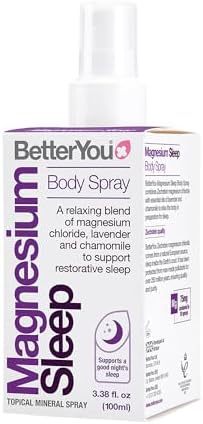
- A TRANQUIL BEDTIME RITUAL. The BetterYou Magnesium Sleep Body Spray is a magical blend of magnesium chloride and lavender, created to calm and relax the muscles and mind, as transdermal magnesium soothes and preps you for a restful night’s sleep.
- THE MINERAL FOR MODERN LIFESTYLE. At BetterYou, we've harnessed the healing power of Magnesium Chloride. A key player in over 300 vital bodily functions, it's your secret weapon for stress management, energy, relaxation, recovery, and restful sleep.
- A SOOTHING SLEEP AID. Lavender and Magnesium Chloride help induce a calming effect on the body when gently applied to skin before bedtime, promoting a deeper and longer-lasting sleep, promoting sleep cycle regulation and deep rest.
- EASY, INSTANT SLEEP SUPPORT. Make this topical sleep solution part of your nightly routine, to promote mental relaxation and skin hydration. This fast-absorbing formula effortlessly penetrates the skin, priming the body for a restful night's sleep.
The Source Naturals 1 mg lozenge is most relevant for readers whose question is closer to sleep timing than bedtime ritual. The low-dose format keeps the example aligned with the article’s comparison logic rather than turning the section into a broad supplement pitch.
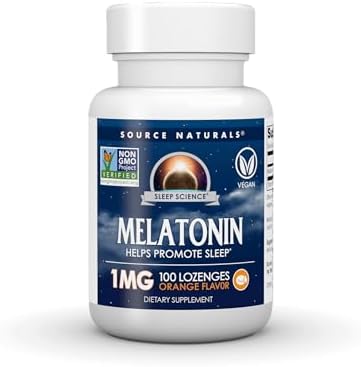
- Melatonin is produced in humans by the pineal gland.
- A favorite of travelers, it helps to support restful sleep.*
- Suggested Use: 1 lozenge at bedtime. For best results, allow to dissolve in the mouth before swallowing.
- Over 40 Years of Trust. Source Naturals was created in 1982 by CEO Ira Goldberg to support everyone’s potential to enjoy optimal health.
Key takeaways
- Melatonin and transdermal magnesium should not be treated as the same kind of sleep tool.
- Melatonin usually makes more sense for sleep timing and falling asleep.
- Topical magnesium usually makes more sense as a wind-down or non-pill bedtime support step.
- Neither option should be sold as a guaranteed deep-sleep fix.
- The best choice depends on the reader’s actual pattern, not on the broad label of “better sleep.”
FAQ
Can melatonin and transdermal magnesium be thought of as direct substitutes?
Not really. They sit in the same general sleep conversation, but they are usually chosen for different reasons. Melatonin is more about timing. Topical magnesium is more often used as part of a calming routine.
Is melatonin automatically better for deep sleep?
No. It may be the more logical fit when falling asleep on time is the main issue, but that is not the same as saying it is the best answer for every kind of disrupted sleep.
Does topical magnesium guarantee better sleep quality?
No. It may be useful for some readers as part of a wind-down routine, but it should be discussed with modest expectations rather than certainty.
Which option is better if I do not want another pill?
The topical magnesium route may be more appealing in that case, especially if the goal is to build a body-based bedtime ritual rather than focus on sleep timing support.
What if my sleep problem is not clearly about timing or tension?
That is a good reason to slow down before picking a product. When the pattern is unclear, it is often better to look at habits, schedule, environment, and other possible causes first.
Conclusion
The smarter comparison is not “which one wins?” but “which one fits the problem I actually have?” Melatonin usually has the clearer role when bedtime timing and sleep onset are the issue. Transdermal magnesium fits better as a non-pill wind-down option for readers who want a relaxation-focused bedtime routine. That makes this less of a winner-versus-loser decision and more of a fit decision. For a sleep article, that is the more useful and more trustworthy answer.