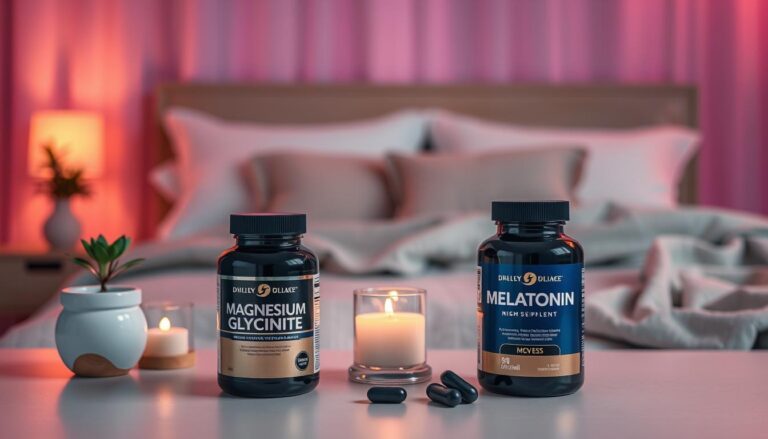


Can one supplement reliably give you deeper, more restorative sleep—or is the truth more nuanced? This guide cuts through headlines and clinical noise to show how each option works in the body and why timing matters.
Short answer: one may help you fall asleep the same night, while the other tends to support sleep quality over weeks. Melatonin acts on the brain’s night-day timing and can shift sleep fast. By contrast, magnesium eases the nervous system, relaxes muscles, and can lower cortisol, which often needs steady use for full benefits.
What you’ll get here: a clear, research-aware roadmap for choosing the right option based on your primary sleep problem, safety limits, likely timelines, and practical next steps—plus when to consider sleep hygiene, CBT-I, or medical evaluation.
Key Takeaways
- Melatonin helps adjust the sleep-wake cycle and can work the same night for timing issues.
- Magnesium supports calmer nerves and muscle relaxation but often needs weeks of use.
- Neither is a standalone fix; good sleep hygiene and medical review matter for chronic problems.
- Research favors melatonin for circadian shifts; evidence for magnesium’s sleep benefits is promising but mixed.
- Consider safety, dosing limits, and interactions before choosing a supplement.
At a glance: how magnesium threonate and melatonin support sleep
One works mostly as a timing tool; the other helps the body relax. This short snapshot makes it easier to pick the right approach for your main sleep problem.
Quick comparison: mechanisms, timing, benefits, and risks
Mechanisms: One supplement calms the nervous system, relaxes muscles, and may lower cortisol. The other aligns the circadian rhythm so you can fall asleep closer to your natural night.
Timing: The timing aid often works within 30 minutes to three hours. The calming option may take several weeks—up to eight—to show clear benefits.
“They serve different roles: quick timing fixes versus slow, steady relaxation improvements.”
Who tends to benefit most
- People with jet lag or shift work usually gain faster wins from timing help.
- Older adults or those with low dietary intake often see more gains from a calming approach over time.
- Watch side effects: GI upset and kidney issues with one; headache and daytime drowsiness with the other.
For a deeper look at how these two options compare in practice, see this overview on melatonin and magnesium for sleep.
How they work in the body: calming the nervous system vs regulating the circadian rhythm
One supports broad nervous system relaxation; the other signals the brain when night has arrived. Understanding these different actions helps pick which approach fits your sleep problem.

How magnesium supports GABA, muscle relaxation, and lower cortisol
Magnesium supports GABA signaling and quiets excitatory pathways in the nervous system. That helps the body de-escalate from stress into a pre-sleep state.
At the muscle level it blocks NMDA activity and regulates calcium flux. That reduces contraction and feels physically relaxing.
Lowering cortisol is another route: by nudging stress hormones down, the whole system becomes easier to put to rest.
How melatonin times the sleep-wake cycle and reacts to light
Melatonin is a hormone made in the brain’s pineal gland that helps regulate the sleep-wake cycle by signaling biological night. Darkness lets it rise; evening light—especially from screens—suppresses production.
This timing cue helps the brain know when to initiate sleep, even if the body still needs relaxation.
| Action | Primary Target | Typical Effect |
|---|---|---|
| Supports GABA and lowers cortisol | Nervous system | Calmer mind, better sleep maintenance |
| Blocks NMDA and modulates calcium | Muscles | Reduced tension and physical relaxation |
| Signals night via pineal hormone | Brain clock | Improved sleep timing and faster onset |
Bottom line: relaxation prepares the body; circadian signaling tells the brain it’s time. Many people pair approaches for complementary benefits—learn dosing and timing in the next sections or read a clinician’s guide to timing here: doctor’s melatonin guide.
Time to effect: falling asleep tonight vs building better sleep over weeks
Short-term timing and long-term balance follow very different schedules. One option can shift your clock within an hour or two. The other slowly supports calm and restoration over weeks.
How fast does a timing aid work?
Most people feel effects within 30 minutes to three hours after a dose. Immediate-release forms help you fall asleep quickly. Extended-release versions aim to smooth sleep through the night.
“Take a timing dose 30–90 minutes before bed and dim lights to support its action.”
Why steady supplementation is slower
Daily use builds nervous system balance. Expect gradual shifts over 4–8 weeks in small trials. Overnight miracles are unlikely. Track bedtime, time to fall asleep, and awakenings for several weeks to spot trends.
| Goal | Onset | Typical use |
|---|---|---|
| Fall asleep faster | 30–180 minutes | Immediate-release; 30–90 min before bed |
| Stay asleep | Night-long with extended forms | Extended-release formulations |
| Improve overall sleep quality | Weeks (up to 8) | Daily evening dosing and routine |
Practical tip: Pair either approach with consistent bed and wake times and dim evening light. If you want a quick comparison, read which is better for sleep.
What the research shows in 2026: quality, consistency, and key takeaways
Large reviews and pooled trials now give a clearer, more nuanced picture. Overall, evidence points to modest average benefits that depend on the problem being treated and the study population.

Evidence for timing and circadian issues
Meta-analyses favor timing supplements for jet lag and shift-related problems. Pooled data show falling asleep about 14 minutes faster and gaining roughly 21 minutes of total sleep on average. The American Academy of Sleep Medicine still does not endorse routine use for chronic insomnia.
Evidence for calming and restorative effects
Trials of mineral-based supplements are smaller and concentrated in older adults. Results are mixed but suggest modest gains.
One synthesis found about 17 minutes less sleep latency and ~15 minutes more total sleep versus placebo. Higher-quality, larger trials are needed to confirm those effects.
Comparing minutes gained and study limits
Minutes gained are similar in scale, but study methods vary. Participant age, baseline diet, and sleep disorder type affect outcomes. Sleep quality measures differ between trials, making direct head-to-head conclusions imperfect.
| Outcome | Timing supplement | Mineral-based supplement |
|---|---|---|
| Sleep latency (minutes) | ~14 min faster | ~17 min faster |
| Total sleep time (minutes) | ~21 min more | ~15 min more |
| Population strength | Good for jet lag/shift work | Trials mainly in older adults |
| Quality of evidence | Moderate, dose/formulation variability | Limited, small and heterogeneous trials |
Practical takeaway: effects are modest but can be meaningful over weeks. Interpret research in light of your personal sleep pattern, and pair supplements with behavioral strategies to boost sleep quality.
Forms and doses: getting specific about magnesium threonate, glycinate, and melatonin types
Different salt forms and release profiles change tolerance, timing, and how quickly you notice effects. Read labels for elemental content and think about whether you need fast onset or sustained action.
Notable oral forms include oxide, hydroxide, citrate, taurate, sulfate, chloride, aspartate, threonate, and glycinate. No single option has clear superiority for sleep outcomes in trials.
Why glycinate is common: this chelated form is often gentler on the stomach and well tolerated. That makes it a popular choice for people testing a mineral option for sleep support.
How melatonin formats differ
Liquid, tablets, capsules, quick-release, and extended-release forms exist. Immediate-release helps with sleep onset; extended-release helps with maintenance. Some products combine both profiles.
Dosing guardrails and RDAs
Many people respond to 1–3 mg; studies also use up to 10 mg but higher amounts can mean more side effects.
Small sleep trials used roughly 320–500 mg/day of supplemental mineral, but the tolerable upper intake level for supplemental magnesium is 350 mg/day because of GI risks. Adult RDAs from food plus supplements run ~310–360 mg for females and 400–420 mg for males. Check elemental amounts on labels and include dietary intake when planning levels.
Side effects and safety: what people commonly experience
Before you start any sleep aid, it helps to know the typical side effects and safety flags. This short guide highlights common reactions and when to seek medical advice.

GI sensitivity and kidney considerations
Magnesium supplements can cause diarrhea, nausea, and stomach cramps, especially at higher doses or with certain forms.
Dose sensitivity matters: supplemental amounts above the 350 mg upper limit raise the chance of GI upset. People with impaired kidney function should be cautious because reduced clearance can let levels build in the blood and harm the body.
Typical reactions and mood signals
Melatonin commonly causes headache, dizziness, and nausea. Older adults often report daytime drowsiness due to slower drug clearance.
Some children show agitation, and anyone with mood disorders should discuss use with a clinician because mood signals have been reported in trials.
Practical safety tips
- Start low and go slow: begin with small doses and increase only if needed.
- Watch timing: taking melatonin too late can shift sleep and cause morning grogginess.
- Consider health and meds: blood thinners, dementia, and seizure disorders change risk—get medical advice.
- Product quality matters: choose accurately labeled, third-party tested options.
Want real user feedback? Read honest real user experiences to see how side effects play out in daily life.
Drug interactions and precautions you should know before you supplement
Mixing a new supplement with medications can alter drug levels and cause unexpected side effects. Check every prescription, over-the-counter drug, and herbal product with your clinician before starting a sleep-targeted supplement. This step protects your health and avoids worsening sleep disorders.
Common interaction concerns
Antibiotics: Some antibiotics, like ciprofloxacin and levofloxacin, can be affected two ways. One supplement may increase side effects of certain antibiotics. The other can bind or chelate with them and lower absorption if taken together.
Antidepressants and other psych meds: Drugs such as fluvoxamine can raise circulating levels of a timing supplement, increasing daytime drowsiness or other adverse effects. Adjusting dose or avoiding concurrent use may be needed.
Blood thinners: People on warfarin or similar anticoagulants require close monitoring. A timing supplement can alter blood markers and change INR). Discuss specialist oversight before starting.
Special populations to flag
- Children: Use is cautious. Providers weigh puberty and brain development concerns before recommending night-time aids.
- Older adults: They often have slower clearance and may feel pronounced daytime drowsiness. Lower doses or earlier timing usually help.
- Dementia and seizures: Certain brain conditions make some supplements ill-advised or risky. Clinical review is essential.
Practical safety steps
- Tell your clinician about every product you use—this prevents hidden interactions.
- Space doses: when chelation is possible, separate antibiotic and supplement intake by at least 2–4 hours.
- Monitor for new headaches, GI symptoms, mood shifts, or unusual sleep changes and report them promptly.
- If you take blood thinners, plan INR checks when any supplement starts or stops.
| Risk area | Drugs involved | Potential effect | Action |
|---|---|---|---|
| Antibiotic absorption | Ciprofloxacin, levofloxacin | Reduced antibiotic blood levels | Space doses 2–4 hours; consult prescriber |
| Enzyme interaction | Fluvoxamine, some SSRIs | Raised supplement levels; increased drowsiness | Adjust dose or avoid; medical review required |
| Anticoagulation | Warfarin and similar | Altered INR; bleeding risk | Frequent INR monitoring; clinician oversight |
| Neurological risks | Seizure meds, dementia treatments | Possible seizure threshold effects or cognitive changes | Avoid or use under specialist guidance |
Bottom line: safe use means communication. Review your full medication list with a clinician, space doses when needed, and monitor blood levels or symptoms to protect both sleep and overall health. For more detail on side effects and specific product guidance, see this review of potential product side effects and real-world user notes: product side effects and a discussion of related health topics on complementary supplements.
Deep sleep focus: which supplement shows more promise for slow-wave sleep?
Deep, restorative slow-wave sleep declines with age and often responds to small nutritional and timing changes. This section looks at what limited trials say for older adults and how clock alignment can shape sleep architecture.

What limited data suggest about deep sleep in older adults
Slow-wave sleep supports memory consolidation and physical restoration. Aging brains often show more night awakenings and less deep sleep, which can harm daytime function.
Small studies indicate that older adults with low mineral levels may see better sleep continuity with supplementation. However, direct and consistent increases in measured deep sleep remain uncertain across trials.
How circadian alignment may influence sleep stages
Aligning the internal rhythm with night can consolidate sleep stages. Improved timing often reduces fragmentation, which indirectly helps preserve deeper sleep periods when the biological night is clear and stable.
Important caveat: accurately measuring slow-wave changes requires polysomnography. Many trials use subjective reports or actigraphy, which limits claims about architecture.
- Effects are often larger when baseline levels are low and when routines include dim evening light.
- Perceived improvements in sleep quality can be meaningful even if polysomnography shows subtle changes.
- Combining timing and relaxation strategies may offer the best chance to protect consolidated deep sleep.
“More targeted trials in older adults that use polysomnography are needed to guide personalized choices.”
Bottom line: both approaches may help, especially together, but stronger, architecture-focused studies are needed to confirm who benefits most.
Magnesium Threonate vs Melatonin: head-to-head for sleep quality and insomnia
Decide by outcome: faster sleep onset or steadier sleep through the night. One option tends to move the needle quickly for people who can’t fall asleep; the other often helps length and perceived quality over time.
Falling asleep faster vs sleeping longer: parsing the outcomes
Meta-analyses show measurable but modest changes. Pooled data for the timing aid report roughly a 14-minute faster time to fall asleep and about 21 extra minutes of total sleep versus placebo.
Trials for the calming approach suggest ~17 minutes faster sleep onset and ~15 minutes more total sleep, but many of those studies are smaller and lower quality.
| Outcome | Timing aid | Calming supplement |
|---|---|---|
| Sleep latency | ~14 min faster | ~17 min faster |
| Total sleep time | ~21 min more | ~15 min more |
| Best evidence | Versatile across ages, circadian issues | Older adults, possible deficiency cases |
Who might benefit more, based on current studies
Choose the one that matches your main problem. If you mainly struggle to fall asleep at night or have jet lag or shift work, the timing option often helps within several nights.
If you have muscle tension, signs of low intake, frequent awakenings, or are an older adult, the calming approach may give better perceived quality over weeks.
- Translate minutes into weekly value: a 15–20 minute nightly gain adds ~2–2.5 hours of sleep across a week.
- Reassess timing: try the timing aid for several nights; give the calming option 2–4 weeks before judging effect size.
- Safety first: start low, adjust conservatively, and avoid using either to mask conditions like sleep apnea or untreated anxiety.
Track outcomes — note time to fall asleep, awakenings, total sleep time, and morning alertness. Use data to make a clear choice and tweak timing or dose to minimize next-day effects. For a practical user test and spray experiences, read this real-world trial.
Older adults, shift workers, and jet lag: tailoring the supplement to the sleeper
Different sleepers need different strategies. Older adults, people who change time zones, and shift workers face distinct challenges. Match the tool to the problem for better results.
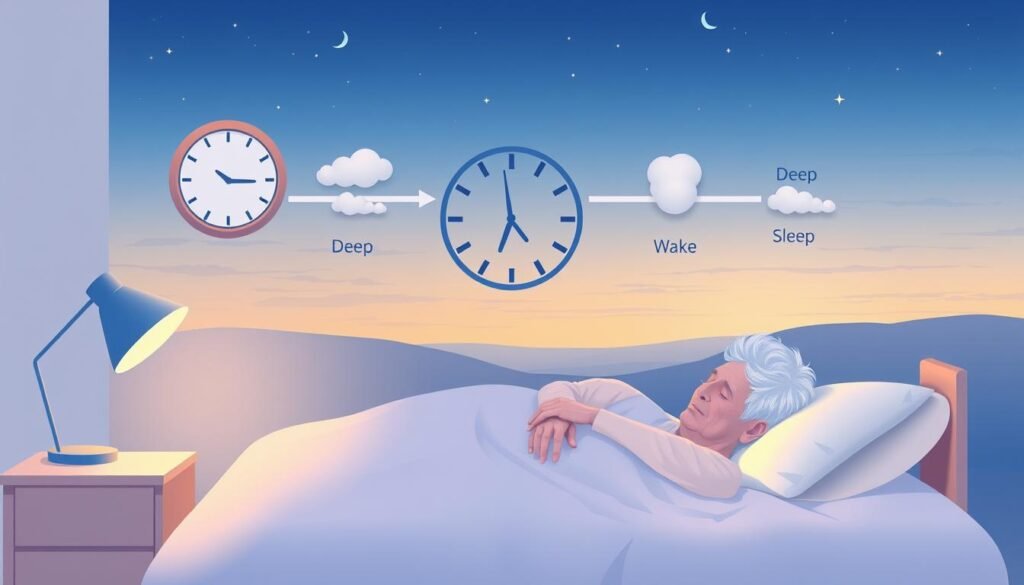
Why older adults often have more nighttime awakenings
Many older people report frequent night waking linked to lower dietary intake and reduced GI absorption of key nutrients.
Physiology matters: slower gut transit and less varied diets can cut nutrient uptake, which may weaken sleep continuity and reduce deep sleep.
Practical steps for older adults
- Evaluate diet: prioritize leafy greens, nuts, seeds, legumes, and whole grains to boost intake.
- Choose gentle forms: try chelated options that are easier on the stomach and test tolerance slowly.
- Watch meds: many prescriptions change absorption and clearance—review supplements with a clinician.
- Start low: begin with small doses and track nighttime awakenings and morning alertness.
How timing aids help jet lag and shift work
Melatonin supports circadian rhythm adjustments and helps signal the sleep-wake cycle when local time and your internal clock clash.
For jet lag, take a timing dose in the evening at your destination to nudge the body toward local night. For shift workers, plan dosing around the end of the shift or before a daytime sleep period—timing is key.
Tip: when you cannot fully control evening light, a timing aid may be particularly useful, though reducing bright light exposure still boosts effectiveness.
Practical routines for shift workers
- Use bright light during work to stay alert and dim light before planned sleep to support the sleep-wake cycle.
- Nap strategically before long shifts to reduce sleep debt.
- Create a cool, dark sleep space with earplugs or white noise for daytime rest.
Personalize your plan: age, medications, work schedule, and travel patterns all change the best approach. If you want a concise clinical comparison, compare these approaches.
Beyond the hype: magnesium for muscle cramps and what studies actually find
Most claims that a nightly pill stops sudden leg spasms overstate the evidence. Controlled trials show only small reductions in weekly cramp counts, and that matters for expectations.
A 2014 meta-analysis pooled multiple trials and found about 0.3 fewer nighttime muscle cramps per week overall. In pregnant women the change was larger—around 0.8 fewer cramps weekly—but still modest.
That means the average person will likely not see dramatic relief. While magnesium may support general relaxation and comfort, direct benefits for nocturnal cramp frequency remain limited in quality trials.
Practical steps that often help more than a single supplement include:
- Hydration and balanced electrolytes across the day.
- Regular stretching, especially before bed and after activity.
- Reviewing medications and medical causes with a clinician.
Remember: sleep improvements and reduced cramp frequency are related but separate. The modest findings in studies and wider research suggest treating cramps with a multi-pronged plan, not relying solely on supplements.
If cramps persist or worsen, talk to your healthcare provider to rule out underlying medical issues and to create a tailored approach that may include but does not depend only on supplements.
Combining melatonin and magnesium: synergy, doses, and potential risks
Pairing a clock-regulating agent with a calming mineral can address both sleep timing and nervous-system arousal. This strategy may help you fall asleep faster and stay asleep more often when used carefully.

Why different mechanisms may complement each other
One signal nudges the brain’s night pulse while the other eases muscle and nervous tension. Together they can reduce bedtime latency and nighttime awakenings in some people.
Trial data snapshot and practical dosing
A 2024 clinical trial used about 1.9 mg of a timing agent plus 200 mg of the mineral and showed improvement on select sleep measures, though not across every outcome.
Start low: many begin with 1–3 mg of the timing agent and a modest mineral dose. Choose forms like glycinate for GI comfort.
| Component | Example dose | Primary aim |
|---|---|---|
| Timing agent | 1–3 mg (trial ~1.9 mg) | Shift sleep onset |
| Calming mineral | 150–300 mg | Reduce tension; improve maintenance |
| Combined approach | 1.9 mg + 200 mg (small trials) | Modest gains; mixed results |
Practical cautions: the mineral may raise endogenous melatonin levels, so melatonin may need to be lowered to avoid morning grogginess. Try one change at a time, manage evening light, and reassess after 1–2 weeks. Check drug interactions and choose products with clear labels and simple ingredient lists.
Smart selection: quality, certification, and labeling transparency in U.S. supplements
Choose products that match the label and protect your health. The FDA does not review or approve dietary supplements the way it does prescription drugs, so quality differs widely across brands. Picking third-party tested items reduces the risk that a bottle contains unexpected potencies or contaminants.
How third-party testing cuts risk
Look for USP, NSF, or ConsumerLab seals. These organizations test for potency, purity, and contaminants. A verified seal increases the chance that the supplement actually contains the stated dose and fewer impurities.
Why actual melatonin content can vary and what to do
Studies have found large variability in melatonin content and even unexpected ingredients in some products. That means inconsistent effects and higher side-effect risk for sleep. Buy brands that publish a certificate of analysis or independent lab results.
- Favor simple formulas: avoid proprietary blends that hide how much of each ingredient you get.
- Check labels for elemental amounts: note the form listed (for example, glycinate) and capsule count to compute true daily intake.
- Buy verified products from reputable retailers: brands that share testing reports lower quality issues and help protect your health.
- Try a small bottle first: assess benefits and side effects before buying a large supply.
Final note: product quality is step one; correct dosing, timing, and sleep habits still determine real-world benefits. For an informed look at how trustworthy supplements can be, read this independent review on how trustworthy are supplements.
Lifestyle first: habits and therapies that rival or enhance supplements
Good sleep usually begins with predictable daily habits before we turn to supplements. Build a strong routine—consistent bed and wake times, dim evening light, and a cool, quiet bedroom—and you’ll see better sleep more reliably.

Sleep hygiene: light, caffeine, movement, and evening routines
Keep a screen-free wind-down. Stop caffeine 8–10 hours before bedtime to cut residual stimulation and improve sleep quality that night.
Move daily. Exercise earlier in the day and leave evenings for gentle stretching and calm activities to help the body and brain downshift.
Evening cues: try a warm shower, light stretching, or reading on paper to encourage relaxation before lights out.
CBT-I, mindfulness, and screening for obstructive sleep apnea
CBT‑I is first-line for chronic insomnia. Mindfulness reduces stress and racing thoughts that worsen sleep issues. If snoring, gasping, or unrefreshing sleep continues, screen for sleep apnea—up to 40% with chronic insomnia may qualify and treating it improves health.
Food-first mineral support and basic nutrition tips
Favor food over pills when possible. Leafy greens, nuts, seeds, legumes, and whole grains support magnesium sleep benefits without high supplemental doses.
One ounce of roasted pumpkin seeds gives nearly half of daily needs for many adults and supports blood and muscle health that aid relaxation.
- Lead with habits: routine timing, dim light, cool room—foundation for better sleep.
- Stack changes: combine CBT‑I, mindfulness, and diet for more reliable, lasting gains.
How to decide: a practical roadmap for better sleep in 2026
Pick one clear sleep goal and test a targeted plan. Start by choosing whether your main issue is latency, timing, or frequent awakenings. That focus makes outcomes easier to measure and improves the odds of real benefits.
Match your primary issue to the supplement
If falling asleep is the problem: try a low timing dose (1–3 mg) of a clock-regulating agent and use immediate-release forms for quick onset.
If awakenings or tension dominate: consider a calming mineral at a conservative supplemental level within the 350 mg UL and choose gentler forms to reduce GI upset.
If travel or shift work shifts your clock: time the dose to local evening and use light hygiene to speed adjustment.
When to talk to your healthcare provider
Consult before starting if you have chronic insomnia, take medications, are pregnant, or have kidney disease. Ask about safe doses, spacing supplements from interacting drugs, and whether a sleep study or CBT‑I is warranted.
“Start one change at a time, track results for 1–2 weeks (timing) or 2–4 weeks (calming), and reassess every 4–8 weeks.”
| Step | Action | Time to judge |
|---|---|---|
| Define goal | Latency, timing, or awakenings | Immediate |
| Single-supplement trial | Conservative dose; track sleep diary | 1–4 weeks |
| Layer habits | Light control, caffeine timing, relaxation | Ongoing |
| Clinical review | Medication interactions, apnea, CBT‑I | If symptoms persist |
Final tip: try one supplement at a time, combine only after single-agent trials, and adjust doses conservatively to protect sleep quality and reduce next-day grogginess.
Conclusion
The clearest choice depends on your main sleep goal: one option helps many people fall asleep faster the same night by aligning the body’s clock, while another tends to improve relaxation and sleep quality gradually over weeks, especially in older adults with low levels.
Outcomes are modest but additive. Small nightly gains add up. Pair any supplement with strong habits—light control, caffeine timing, and regular bed/wake times—to get the most benefit.
Choose one targeted approach, track results for 1–4 weeks, and consult a clinician if insomnia or persistent sleep issues continue. Use high-quality supplements at evidence-aligned doses and monitor total intake to avoid GI upset and other risks.
Want a concise comparison to guide testing? See a practical overview that helps you compare these options and plan a trial: compare these options.
FAQ
Which supplement helps more with deep sleep — a magnesium threonate product or melatonin?
Both can help sleep but by different routes: one calms neuronal activity and may support slow‑wave sleep over weeks, while the other shifts your sleep‑wake timing and can help you fall asleep faster the same night. Individual response varies; older adults with low dietary intake may get clearer benefits from the mineral form, while people with circadian misalignment or jet lag often see faster results from melatonin.
How quickly will I notice effects from each option?
Melatonin typically acts within 30 minutes to three hours, depending on dose and formulation. The mineral tends to show gradual improvements in sleep quality over several weeks as body and brain levels adjust. Use timing and expectations that match your goal: immediate sleep onset vs steady improvement in depth and continuity.
Do they work together — is combining them safe and effective?
The mechanisms are complementary, so low‑dose combinations are commonly used and sometimes beneficial. Start with modest doses, monitor daytime sleepiness or mood, and consult a clinician if you take medications or have chronic conditions. Evidence suggests combinations can help some people, but quality and dosing matter.
What side effects should I watch for with each supplement?
The mineral form can cause GI upset at higher doses and requires kidney‑function consideration. Melatonin can cause headache, dizziness, vivid dreams, or daytime drowsiness and may affect mood in sensitive people. Always start low and titrate based on tolerance.
Are there common drug interactions or precautions?
Yes. Both can interact with medications: the mineral can affect absorption of some antibiotics and interact with drugs cleared by the kidneys; melatonin can interact with anticoagulants, immunosuppressants, diabetes medications, and certain antidepressants. Special caution is needed for pregnancy, nursing, children, people with seizures, and those with severe liver or kidney disease.
Which one is better for older adults who wake at night or have fragmented sleep?
Older adults often benefit from correcting low mineral intake because deficiency and altered absorption are common and can worsen sleep continuity. Melatonin can help if circadian timing is the main issue. A healthcare provider can check for deficiency, adjust doses, and rule out sleep apnea or medication causes.
Will melatonin or the mineral increase total sleep time or just help you fall asleep?
Melatonin mainly shortens sleep latency and helps align timing; gains in total sleep time are modest and variable. The mineral may improve sleep quality and reduce nighttime awakenings over weeks, potentially increasing restorative slow‑wave sleep rather than simply lengthening time in bed.
What doses and forms are most commonly used for sleep?
For melatonin, 0.5–5 mg is typical; immediate‑release helps falling asleep, extended‑release can support maintenance. The mineral comes in various salts — threonate, glycinate, citrate — each with different absorption and tolerability; clinical trials often use a few hundred milligrams of elemental mineral daily, but formulations differ. Follow product labeling and professional guidance.
Are there quality checks I should look for when buying supplements?
Choose third‑party tested brands with USP, NSF, or ConsumerLab verification when possible. Look for transparent labeling of elemental amounts, clear dosing instructions, and minimal filler ingredients. Inconsistent melatonin content has been documented, so reputable testing matters.
Can lifestyle changes replace the need for supplements?
Often they can or should be first‑line: light management, consistent sleep schedules, caffeine timing, exercise, and cognitive behavioral therapy for insomnia (CBT‑I) frequently match or exceed supplement effects. Use supplements as part of a broader sleep plan rather than a lone fix.
Do these supplements help with shift work or jet lag?
Melatonin is the established option for circadian misalignment like jet lag and shift schedules; timing is critical for effectiveness. The mineral may support overall sleep resilience but won’t reliably shift circadian phase on its own.
How long is it safe to take each supplement?
Short‑term melatonin use is generally safe for most adults; long‑term safety data are less definitive, so periodic reassessment is wise. The mineral is safe within recommended limits for long‑term use if kidney function is normal. Check with your clinician for chronic use and periodic lab monitoring if indicated.
Will one option reduce stress, muscle cramps, or nighttime tension better?
The mineral can help muscle relaxation and reduce tension for some people, which may relieve cramps and improve sleep indirectly. Melatonin doesn’t directly relax muscles but can lower hyperarousal by realigning the circadian signal for sleep.
How do I choose between immediate‑release and extended‑release melatonin?
Choose immediate‑release if your main problem is falling asleep quickly. Choose extended‑release if you wake in the middle of the night and need a longer effect. Start with low doses to reduce morning grogginess and adjust under guidance.
Are there populations who should avoid either supplement entirely?
Children, pregnant or breastfeeding people, those with autoimmune disease, epilepsy, or unstable psychiatric illness should consult specialists before use. People with severe kidney or liver disease need specific guidance for mineral or melatonin dosing and monitoring.
Can supplements affect my natural sleep hormone production?
High nightly doses of melatonin can suppress endogenous production in some cases, but low, well‑timed doses generally support circadian alignment without major suppression. The mineral does not suppress melatonin and may even support healthy signals indirectly.