


A single ingredient trend grew fast enough that search interest jumped over 400% in months — but how much of that buzz matches real nutrition value?
This piece gives a clear, science-backed look at sea moss, why it’s trending, and what a month-long trial revealed.
A registered dietitian tested a daily serving of sea moss gel and tracked appetite, recovery, digestion, and energy. The algae — sold as gels, powders, gummies, and capsules — contains fiber, iodine, and some protein that could support the heart and thyroid when used correctly.
Reality check: research lags behind broader seaweed science, and supplements are not approved by the U.S. food drug administration. Labeling and potency vary by batch, so product quality matters for people weighing potential health benefits.
We’ll cover taste and texture, safety signals like iodine and heavy metals, and practical ways to use this food in a balanced diet. For more context on the evidence, see what the science says.
Key Takeaways
- Short-term trial: a dietitian ran a month-long test to assess real-world effects.
- Possible upsides: fiber and iodine may help fullness and thyroid support.
- Quality matters: sea moss supplements vary and lack FDA approval.
- Watch safety: check for heavy metals and monitor iodine intake.
- Use wisely: prefer whole-food context and realistic expectations.
What Is Sea Moss (Irish Moss) and Why Is It Trending Now?
Irish moss is a red algae harvested along cool Atlantic coasts and used both as food and a commercial thickener. Its social-media rise reflects trend cycles more than conclusive science, though early lab work shows some promising compounds.
Red algae 101: origin, harvest, and carrageenan
Irish moss (Chondrus crispus) grows on rocks in Europe, the British Isles, and North America. Harvesters hand-collect or boat-rake fronds when tides expose them.
Carrageenan is the jelly-like extract taken from the plant. Food makers use it to thicken items like nondairy milk and cottage cheese. The FDA recognizes carrageenan as safe; it differs from degraded poligeenan found in other contexts.
“The plant’s color shifts from greenish-yellow to dark purple depending on water and light.”

Nutrient profile at a glance
Two tablespoons of prepared gel deliver about five calories and minimal macros. The value comes from micronutrients: iodine, potassium, calcium, magnesium, and zinc.
Unprocessed material also contains prebiotic fibers that can feed beneficial gut bacteria. Early extracts show antioxidants and antimicrobial activity, but human studies remain limited.
Practical note: nutrient content varies by species, harvest site, and processing. Check the product source and consider the broader health context when evaluating claims.
How This Month-Long Trial Was Set Up in the present
Over 30 days, a dietitian added one measured serving of sea moss each day while keeping food and training steady. The plan focused on safety, tolerance, and simple measurable outcomes to link changes to the add-in rather than other variables.
Baseline diet and daily routine
The participant kept a consistent, balanced diet and unchanged workouts. This made it easier to spot small shifts in digestion, energy, or recovery that could relate to taking sea moss.
Dosing and product choice
Daily intake matched conservative guidance near 4 g/day and typical 2-tablespoon gel servings. The study used a plain gel with third-party testing and a powder backup. Avoiding added sugars or stimulants reduced confounders.
Tracking protocol and measures
Tracked items included bloating and regularity, daytime energy, soreness scores after workouts, skin notes, sleep quality, weight, and waist once weekly. Taste and texture acceptance were logged during week one to gauge compliance.
Thyroid and safety checks
Screening for thyroid history occurred before starting. Participants avoided extra iodine supplements while taking sea moss. Even healthy people were advised to watch for signs of excess iodine and consult providers if needed.
“This is a single-person, uncontrolled observation; link findings to existing study data cautiously.”

| Trial element | What was measured | Frequency | Rationale |
|---|---|---|---|
| Diet & training | Consistency log | Daily | Control for external variables |
| Dose | 2 tbsp gel (~4 g/day) | Daily | Matches conservative study-aligned level |
| Symptoms | Bloating, GI tolerance, taste | Daily (detailed first week) | Assess immediate tolerance and compliance |
| Performance & recovery | Soreness, energy, sleep | Daily; weight/waist weekly | Capture subtle changes related to the add-in |
Limitations: This setup is observational and single-person. Results guide practical expectations but do not replace randomized studies. Supplements vary widely and do not have FDA approval, so quality and labeling matter.
Sea Moss Benefits: What the Evidence and a Dietitian’s Trial Suggest
Sea moss may support heart and gut health through fiber and antioxidants, and it provides iodine that helps thyroid function in those who lack it. Human data are limited, so any positive effects should be seen as modest and product-dependent.

Can this help heart health?
Fiber from seaweed-like plants links to lower LDL and improved blood pressure in population studies. In the trial, resting heart rate and steady energy tracked with added daily gel, which fits how soluble fiber can help cardiometabolic markers.
Will it change weight or fullness?
The gel added soluble fiber that slowed hunger between meals. That effect can reduce snacking and support modest weight control when paired with a balanced diet.
Is iodine a plus or a risk?
Iodine supports thyroid, but excess can harm some people. The trial showed no thyroid symptoms, yet clinicians advise testing before routine supplementation.
More on gut, recovery, and sex-specific notes
Prebiotic fibers feed good bacteria and may ease bloating over weeks. Small amounts of taurine and protein support repair, but training, sleep, and fuel do most of the recovery work.
Women may notice hormone support from fiber and calcium contributions. Men can gain micronutrients like zinc that help reproductive health, though this is not a standalone fix.
Risks, Side Effects, and Who Should Avoid Sea Moss
High iodine intake and environmental contaminants are the main safety concerns. People who are pregnant, breastfeeding, on blood thinners, or with thyroid disease should avoid this product unless a clinician advises otherwise.
While many try this supplement for nutrients, it can deliver too much iodine for some people. Too much iodine can trigger thyroid dysfunction or goiter, especially in people with preexisting thyroid conditions.
How can iodine cause harm?
Excess iodine can push the thyroid into hypo- or hyperactive states. If you have thyroid disease, do not take this product without testing and medical advice.
What about heavy metals in water?
These marine plants absorb elements from their environment. That means arsenic, mercury, and lead can concentrate in harvested material. Long-term, high intake raises exposure risk, so choose brands with contaminant testing.
Is carrageenan safe?
The carrageenan used in food is FDA-accepted as safe. Animal studies on degraded poligeenan show intestinal effects, but current studies do not show the body converts carrageenan into poligeenan.
Supplement caveats and special groups
Sea moss supplements are not regulated like drugs. Labels can misstate iodine or contaminant levels. Avoid if you use anticoagulants; these products may thin blood. Pregnant and breastfeeding people should not use them due to limited safety data.

Practical red flags: stop taking it and seek care for neck swelling, unexplained fatigue, palpitations, rashes, or persistent gut upset. Keep servings modest and avoid combining multiple iodine sources to reduce risk.
How Much Sea Moss to Take and How to Add It to Your Diet
Start modestly: most evidence and one small study suggest about 4 g per day, which matches a practical two-tablespoon gel serving. Begin with one tablespoon for a few days to check tolerance.
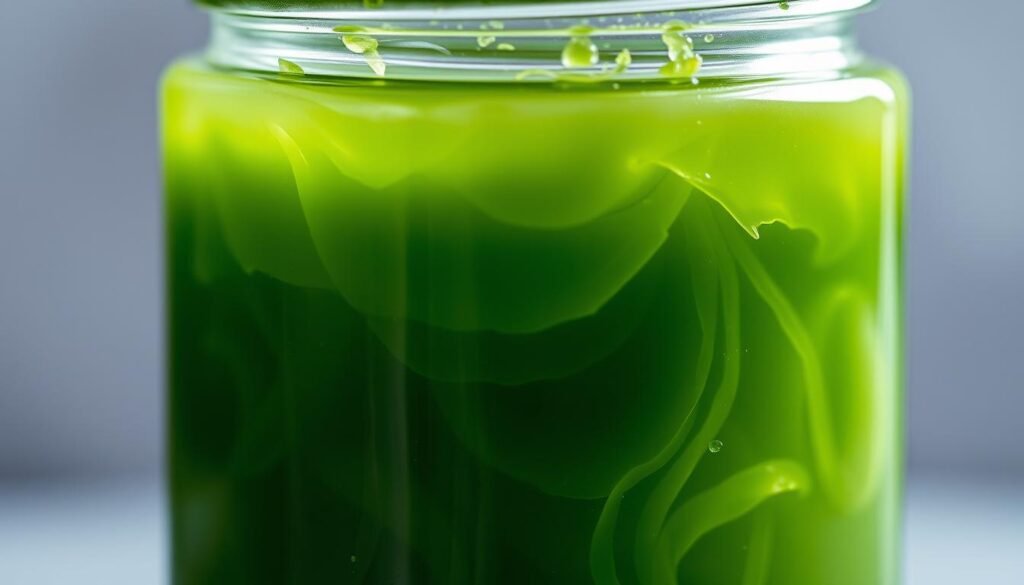
Forms matter: gels blend smoothly into smoothies and soups. Capsules and powders suit travel. Gummies taste friendly but can add sugar. Raw irish moss has a strong briny flavor and a slick, aloe-like texture.
DIY gel and quick uses
Rinse thoroughly, soak 24 hours with water changes, remove debris, and blend with fresh water until smooth. Chill at least two hours to set. Store refrigerated up to two weeks.
Ways to use: stir into smoothies with citrus or ginger, whisk into soups for thickness, or swap into baked goods for moisture. Take with meals to reduce GI upset.
| Form | Convenience | Taste | Notes |
|---|---|---|---|
| Gel | High | Mild when mixed | Best for smoothies; matches 2 tbsp serving |
| Powder | High | Neutral to earthy | Easy to measure; check iodine label |
| Capsule | Very high | None | Good for travel; varied potency |
Safety note: iodine levels vary. Don’t stack multiple iodine sources. Stop and consult your provider for persistent bloating, nausea, or thyroid symptoms.
Sea Moss Supplements: Quality Checks to Reduce Risk
Choose brands that disclose origin, publish third-party contaminant reports, and state iodine per serving. Transparency reduces risk from variable iodine, heavy metals, and hidden additives.
Product transparency often predicts safety for ocean-harvested supplements. Look for clear sourcing and recent lab work before you buy.
Source, testing, and contaminant reports
Verify origin: prefer labels that name the country and coastline, indicate wild-harvest versus farmed, and show harvest season. Those details help you judge exposure to runoff or industrial metals in local water.
Demand third‑party tests: ask for batch-specific certificates that measure arsenic, mercury, and lead. Generic claims are not enough; photos of lab reports or QR-linked PDFs are better.
Iodine transparency and batch consistency
Iodine labeling matters: pick products that list iodine levels per serving. Few brands do, yet declared amounts let you manage total daily intake and protect your thyroid.
Consistency across batches is key. If iodine swings widely, your supplement may unpredictably affect thyroid function or interact with medications.
Formulation and interaction alerts
Scan ingredient lists: avoid gummies loaded with sugars, added colors, or proprietary blends that hide dosages. Simpler formulations mean fewer surprises.
Carrageenan context: understand that processed carrageenan in foods differs from whole-plant preparations. Ultra-processed forms may lose soluble fiber and act differently in the gut.
“Because extracts can have anticoagulant effects, people on blood thinners should avoid these products unless cleared by a clinician.”
- Avoid blends without contaminant tests.
- Prefer brands that publish sourcing photos and FAQs about metals and iodine.
- Check with your clinician if you take meds or have thyroid issues.
Bottom line: pick a tested, transparent product. That simple filter cuts much of the risk while you decide if this supplement fits your health goals.
Is Sea Moss a True Superfood—or Just Hype?
Market momentum outpaces solid human studies.This algae may offer antioxidants and prebiotic fiber, but evidence in people is sparse. Prioritize whole foods and tested sources before making it central to your diet.
Quick take: the global market hit about $2.18B in 2024, which shows demand but not proof of clinical impact.
Mechanisms—antioxidants and prebiotic fibers—explain theoretical effects, yet human studies remain limited and varied.
Cost vs. common food: vegetables and legumes usually give more reliable fiber and nutrients at lower cost.
Iodine levels and heavy metals vary by source. Most Americans get enough iodine; testing matters before adding iodine-rich products.
Practical middle ground: if you try this gel, keep servings modest, rotate days, and buy brands with batch testing.
| Claim | Evidence | Action |
|---|---|---|
| Supports thyroid | Possible via iodine; risk if untested | Test iodine first; consult clinician |
| Prebiotic effects | Shown in lab, limited human studies | Use as complement; eat diverse fiber |
| Safe source | Varies; metals and iodine inconsistent | Pick transparent brands with lab reports |
Conclusion
Short trial results show modest, plausible gains tied to fiber, antioxidants, and iodine, but clear safety checks matter first. Use this as a small, complementary tool—not a replacement for core nutrition and lifestyle steps.
A conservative two-tablespoon gel (about 4 g/day) can help satiety and gut comfort for some people. The evidence for broader health change is promising but still early.
Safety first: watch iodine and product quality. Choose third-party‑tested supplements with declared iodine levels and contaminant reports to lower metals and other risk.
If you decide to take sea moss, start low, track how you feel, and reassess after a few weeks. Prioritize whole foods, protein, sleep, hydration, and movement—use the gel as a complement, not a shortcut.
The health benefits sea fans discuss are intriguing but preliminary. Make choices based on labs, medical history, and tolerance.
FAQ
What is Irish moss and why has it become popular recently?
Irish moss is a red algae traditionally called Irish moss. It contains iodine, minerals, fiber, and some antioxidants. It’s trended as a versatile food ingredient and supplement—used in gels, smoothies, gummies, and capsules—because people seek natural sources of nutrients and gut-friendly fiber. Recent social posts and supplement marketing amplified interest, but scientific support is mixed and depends on product quality and intake.
What nutrients does Irish moss actually provide?
The algae offers iodine, potassium, calcium, small amounts of protein, and soluble fiber. It can deliver trace minerals and antioxidants too. Exact amounts vary widely by species, harvest location, and processing, so label transparency and lab testing matter for reliable nutrient info.
Can adding this algae to my diet support thyroid function?
Iodine in the algae can support thyroid hormone production at appropriate levels. But excess intake risks thyroid dysfunction—especially in people with autoimmune thyroid disease. If you have thyroid conditions or take related meds, consult your clinician before adding supplements or concentrated servings.
How much is safe to take each day?
Safe ranges aren’t firmly established for all products. Some trials used about 4 grams daily; many practitioners recommend modest servings—roughly 1–2 tablespoons of prepared gel or small capsule doses—while avoiding high, unsupervised intakes. Prioritize products with declared iodine content and check with a provider if you have thyroid or mineral concerns.
Does the algae help with weight loss or appetite control?
The soluble fiber can increase feelings of fullness and modestly slow digestion, which may support appetite control. However, it’s not a magic weight-loss solution—effects are typically small and work best alongside calorie control, exercise, and overall dietary changes.
Are there heart health benefits—like lowering cholesterol or blood pressure?
Components such as soluble fiber may modestly improve cholesterol and support vascular health in some people. Evidence is limited and inconsistent, so any cardiovascular benefit should be viewed as potentially complementary to, not a replacement for, proven lifestyle measures and medications when needed.
Can this algae improve gut health or immunity?
The fiber can act as a prebiotic, supporting beneficial gut bacteria, and antioxidants may support immune resilience. Clinical data are emerging but not definitive. Individual responses vary based on baseline diet, microbiome, and product form.
Are there risks from heavy metals or contaminants?
Yes. Algae absorb minerals from water, so contaminated harvest sites can lead to arsenic, lead, or mercury in the product. Choose brands that share third-party testing and harvest from clean waters to reduce this risk.
Carrageenan is a polysaccharide extracted from red algae used as a stabilizer. Research distinguishes food-grade carrageenan from degraded forms (poligeenan) that are harmful in lab studies. Most food-grade carrageenan is considered safe in regulated amounts, but sensitive people may report digestive irritation. Check ingredient lists and research on specific formulations.
How do gels, gummies, capsules, and powders compare?
Gels offer a whole-food texture useful in smoothies and recipes. Gummies are convenient but may contain added sugar and variable ingredient quality. Capsules and powders provide dosing control and often standardized extracts. Choose based on convenience, sugar content, and whether the product lists iodine and contaminant testing.
Can pregnant or breastfeeding people take this algae?
Caution is advised. Iodine needs change during pregnancy and lactation, and excess can harm fetal and infant thyroid function. Always consult an obstetrician or pediatric provider before starting any concentrated supplement during pregnancy or breastfeeding.
Should people on blood thinners or other medications avoid it?
Some mineral-rich supplements can interact with medications. If you take blood thinners, thyroid meds, diuretics, or other chronic prescriptions, discuss the supplement with your clinician to check for interactions or dose adjustments.
How can I choose a high-quality supplement or product?
Look for transparent sourcing, third-party contaminant testing, batch-specific iodine content, and reputable brands with clear labels. Avoid products without testing information or those from unknown sources in polluted waters.
Is making gel at home safe and effective?
Homemade gel can be convenient: soak dried algae, blend, and store refrigerated. Safety depends on clean water, properly rinsed ingredients, and short refrigerated storage. Homemade preparation lacks lab testing for contaminants or iodine, so it’s best for occasional culinary use rather than daily therapeutic dosing.
Will this algae help athletic recovery or performance?
It contains small amounts of amino acids like taurine and minerals that may support recovery, but effects are modest. Adequate protein, electrolytes, sleep, and progressive training remain the primary drivers of recovery and performance.
Is it a true “superfood” or mostly marketing hype?
The algae offers useful nutrients and functional fiber, which can complement a nutrient-rich diet. Calling it a superfood is partly marketing; benefits depend on dose, product quality, and individual health. Treat it as a potentially valuable addition—not a cure-all.
How quickly might I notice effects from taking it?
Some people notice changes in digestion or satiety within days; mineral-related effects (positive or adverse) may take weeks. Keep a simple log of symptoms, diet, and any medications during a trial and consult a provider if unusual signs appear.
Are there population groups who should avoid it entirely?
People with uncontrolled thyroid disease, known iodine sensitivity, or exposure risks from heavy metals should avoid or use caution. Also be cautious if pregnant, breastfeeding, or on medications that interact with mineral levels. Discuss with your healthcare provider before starting.




Don’t Miss These Picks