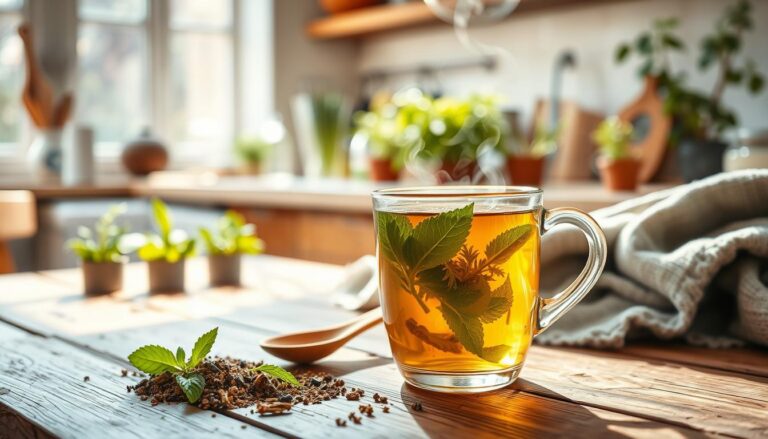


Can plants that people used centuries ago really help calm a modern, overloaded mind? New clinical data suggests some traditional remedies do more than soothe folklore—they affect hormones, sleep, and brain chemistry in measurable ways.
This brief guide highlights evidence-based options you can consider today. We summarize what each herb does in the body and mind, the best forms to try (tea, tincture, or oil), and when to use them—day or night.
Why this matters: ongoing stress harms overall health, and targeted natural options may help the nervous system recalibrate when used alongside medical care.
Key Takeaways
- Modern trials show effects on cortisol, sleep, and GABA-related pathways for several traditional remedies.
- We cover forms (tea, tincture, essential oil) and timing so you can match an option to your routine.
- Safety matters: product quality, dosage, and drug interactions can change outcomes.
- Some options, like ashwagandha and lavender compounds, have the strongest short-term evidence.
- Use this guide to test one or two choices that fit your symptoms and lifestyle today.
Why Ancient Herbs Still Matter Today for Stress and Anxiety
Modern pressure often keeps the nervous system on high alert, and that steady activation changes how the body and mind work. Simple, evidence-backed plant options can help restore balance without heavy medication.
Chronic activation alters hormone rhythms—especially cortisol—which raises fatigue and anxiety stress and can blunt sleep and mood. When cortisol levels stay high, the whole system shows the effects: immune system shifts, slower cognitive function, and disrupted sleep.
Some plant compounds act as adaptogens and nudge hormone patterns toward normal. Others target neurotransmission, such as GABA pathways, to calm the mind without full sedation.
“Consistent, quality use over weeks yields the clearest changes — small, cumulative shifts rather than instant fixes.”
Practical value matters: these options are accessible, easy to brew or take as a tincture, and can fit into daily routines. Match a choice to daytime clarity or nighttime rest and monitor how your body responds.
How Plant Compounds Influence Stress: From Cortisol to GABA
Plant-derived molecules alter biological signals that shape how we feel and sleep.They work by changing hormone rhythms, receptor activity, and neurotransmitter signaling—so the same plant can have adaptogen-like or sedative effects depending on dose and form.

Adaptogens vs. sedatives: different effects on the body and mind
Adaptogens such as ashwagandha help modulate cortisol and other stress hormones, easing chronic activation of the nervous system.
Sedative-leaning options like valerian likely act on GABA receptors to blunt arousal more directly. Clinical trials show ashwagandha at 600 mg/day reduced cortisol and improved sleep in RCTs; valerian’s sleep and anxiety effects are mixed.
Teas, tinctures, and essential oils: choosing the right form
Teas provide ritual and mild, gradual effect. A tincture gives concentrated, faster dosing. Aromatherapy (lavender) acts quickly via inhalation, with linalool and linalyl acetate showing short-term anxiolytic promise.
“Match the form to your treatment goal: daytime clarity favors tea; acute calming may favor a tincture; environment support fits essential oil.”
- Onset: tea = slow, tincture = faster, aroma = immediate perceived change.
- Evidence: some remedies help sleep more than anxiety depression—set expectations accordingly.
- Quality: choose standardized extracts and clear labeling; see this clinical review for guidance.
Herbs for Stress Relief
Pick a plant by the effect you want: quick calm, steady daytime ease, or deeper night rest.
Choosing one option can simplify testing. Core selections include chamomile, lavender, lemon balm, valerian, peppermint, motherwort, passionflower, ashwagandha, and sage. Each has a slightly different profile and use case.
How to choose: decide if you want fast relaxation, clearer daytime focus, less muscle tension, or improved sleep. Then match the plant and form to that goal.
- Formats: tea for ritual and gentle effects, tinctures for precise dosing, essential oils to support the environment.
- Standouts: chamomile and lavender are quick at promoting calm; lemon balm often sharpens calm clarity.
- Sleep helpers: valerian and ashwagandha can aid deeper rest when taken consistently.
Start small: test a single remedy and track stress and relaxation changes for 1–2 weeks. Adjust dose or try another option if needed. For a broader review of clinical evidence on natural remedies, see this overview of herbs and anxiety.
| Goal | Top Picks | Best Form |
|---|---|---|
| Fast calm | Chamomile, Lavender | Tea, inhalation |
| Daytime focus | Lemon balm, Peppermint | Tea, tincture |
| Deeper sleep | Valerian, Ashwagandha | Tincture, capsule |
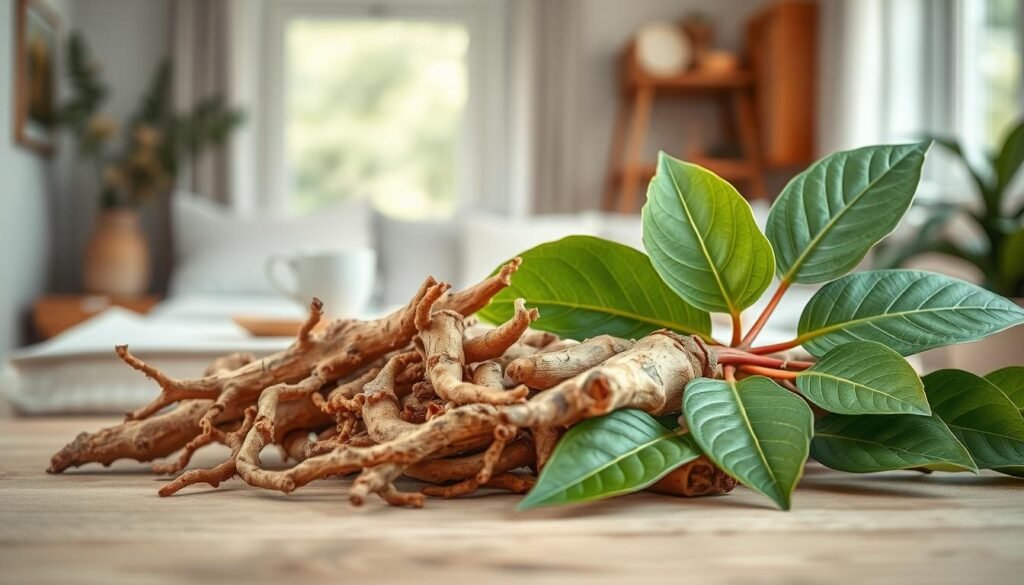
Ashwagandha (Withania somnifera): Adaptogen to Support Cortisol and Sleep
Ashwagandha ranks among the best-studied adaptogens to help the body regulate chronic activation. Trials show measurable drops in cortisol and improvements in sleep at higher, standardized doses.
What trials say about cortisol, stress levels, and dosage ranges
In an 8‑week randomized trial (58 participants), 600 mg/day of ashwagandha extract reduced cortisol and perceived stress and improved sleep quality versus placebo. A 250 mg/day dose did not produce the same effect.
Another 60‑day trial using a 240 mg extract found modest anxiety reductions. Results vary, but higher standardized doses show the clearest effect on hormone levels and sleep.
Best forms to use today: capsules and tincture considerations
Capsules give consistent dosing and are easy to track daily. A standardized capsule can ensure you hit the 600 mg range used in stronger trials.
Tinctures offer flexible dosing and usually absorb faster. Many people take tincture in the evening to help sleep or in the morning to support daytime resilience.
- Position: an adaptogen that may help the whole system better handle pressure by influencing cortisol and resilience.
- Timing: take with food; evening dosing often aids sleep, morning dosing supports daytime balance.
- Stacking: pair with lemon balm for calm clarity or chamomile tea at night.
- Safety: consult a clinician if you use thyroid medication or sedatives and monitor effects closely.
| Use Goal | Recommended Form | Notes |
|---|---|---|
| Lower cortisol & better sleep | Standardized capsule (600 mg/day) | Most consistent trial results; take with food in evening |
| Flexible dosing / faster uptake | Tincture | Adjustable dose; helpful when titrating or combining |
| Anxiety symptom support | 240–600 mg standardized extract | Some trials show benefit; results vary by population |
| Combining with other plants | Capsule + calming tea | Try lemon balm or chamomile at night; monitor interactions |
Take an adaptogen quiz to see how ashwagandha might fit your routine today.
German Chamomile (Matricaria chamomilla): Gentle Calm for the Nervous System
German chamomile offers a mild, science-backed way to calm the nervous system and ease sleep onset. Its main flavonoid, apigenin, binds to brain receptors that lower arousal and may ease stress-related insomnia.
How apigenin works and clinical signals
Apigenin appears to act on GABA-related pathways and other receptor sites to reduce anxiety and promote gentle sleep. Clinical work has shown anxiolytic benefits and reduced relapse severity in longer trials, with one study using about 1,500 mg/day of extract for generalized anxiety disorder.
Tea, extracts, and safety notes
Tea is the classic first-line treatment: 1–2 cups in the evening can support relaxation without heavy sedation.
Extracts and tablets give measured dosing if you prefer a standardized approach. Avoid chamomile if you react to ragweed, daisies, or related plants. Also discuss use with your clinician if you take warfarin or cyclosporine due to interaction risk.
Growing tips for U.S. home herbal teas
Grow chamomile in USDA zones 3–9 in full sun to partial shade. Sow seeds on the soil surface (they need light), space plants 6–8 inches apart, and expect blooms in about 60–70 days.
- Daily use tip: combine a cup with lemon balm for a soothing daytime beverage that won’t overly sedate the body.
- Alternative: parsley contains apigenin if you need a replacement due to allergy.
- Further reading: explore a ranked list of the top teas for restful deep sleep to compare preparation and dosing.
Lavender (Lavandula angustifolia): Essential Oil and Tea to Ease Tension
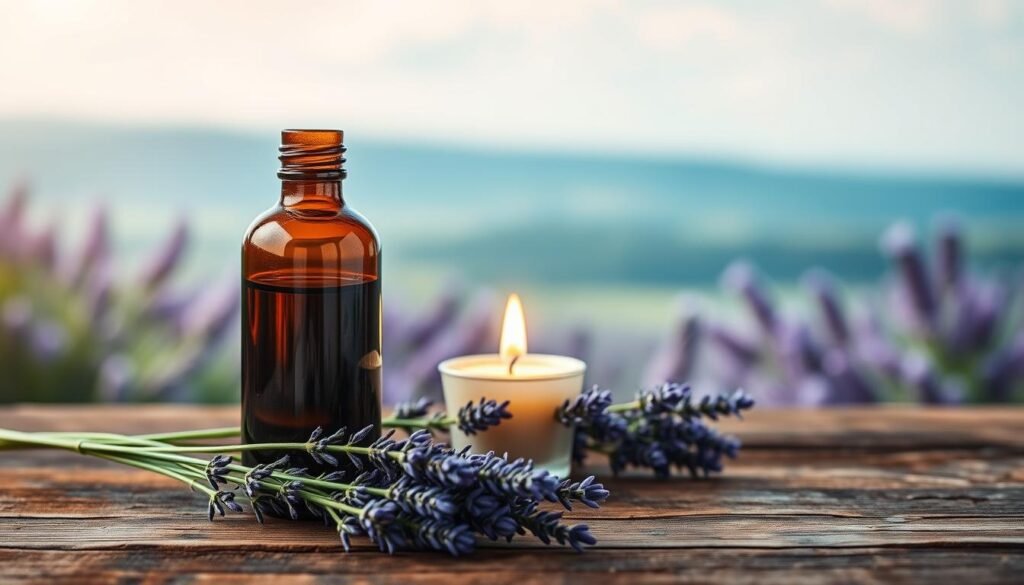
Lavender’s scent triggers fast neural shifts that calm the mind and ease physical tension. Its terpenes linalool and linalyl acetate interact with brain receptors tied to arousal, producing a measurable calming effect.
How linalool and linalyl acetate change brain signaling
Linalool and linalyl acetate bind to receptors that modulate GABA-like pathways and reduce sympathetic arousal. This action supports quick relaxation and can lower markers of acute stress in short-term studies.
When to use oil vs. tea
Use an essential oil for fast ambient calm and headache relief: diffuse or apply a diluted drop to the temples to ease muscle tension and perceived pain.
Drink lavender tea as a gentler routine that soothes the nervous system and supports evening wind-down without strong sedation.
Grow-and-harvest basics for a small wellness plot
Cold stratify seed 3–4 weeks, plant in zones 5–9 in sandy, well-drained soil, and space plants about 18 inches. Avoid overwatering; the species is drought tolerant and blooms best in year 2–3.
Prune after peak bloom to encourage bushiness. Pair a nighttime cup with chamomile or a daytime blend with peppermint for clear-headed relaxation.
Explore practical uses in this lavender essential oil guide to match form to your routine.
Lemon Balm (Melissa officinalis): Daytime Relaxation and Mental Clarity
Lemon balm brings a bright, calming lift that supports clear thinking without fogginess. It suits daytime use when you need steady mood balance and gentle calm without drowsiness.
Choose this herb when you want calm energy and focus during a busy day. Lemon balm supports mental clarity and may ease mild anxiety and occasional stress while helping the body shift toward rest at night.
- When to pick it: reach for lemon balm during an afternoon slump or before a focused session.
- How to take: sip as a tea or use dried leaf; pair with chamomile at night or peppermint in the daytime.
- Growing tips: easy in containers, zones 3–9, seed needs light, plant 18–24 inches apart, harvest often.
| Use | Best form | Quick note |
|---|---|---|
| Daytime focus | Tea, dried leaf | Non-drowsy calm that aids concentration |
| Mood balance | Infusion or capsule | Gentle support that helps body regulation |
| Evening wind-down | Tea, combined blend | Pairs well with chamomile for deeper rest |
Want a concise guide to practical uses? See this overview of lemon balm uses to match form and timing to your routine.
Valerian (Valeriana officinalis): Deep Relaxation and Sleep—With Caveats
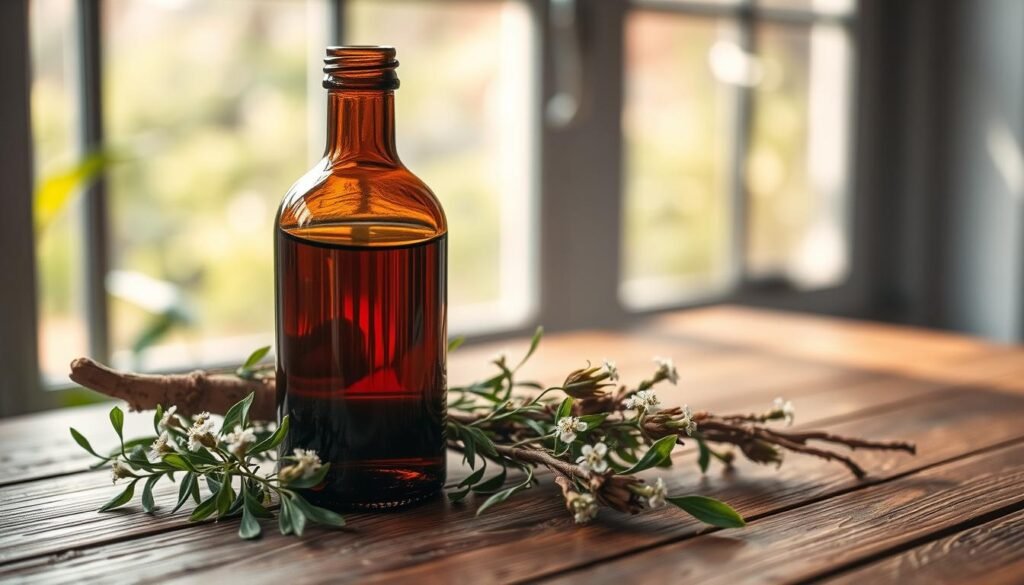
Valerian root may help promote deeper night rest by modulating GABA pathways, but study results are inconsistent.Some users find it sedating; others feel no change or mild stimulation—so test slowly and track results.
How might it work and who should test cautiously?
Valerian appears to increase GABA signaling in the brain, which can lower arousal and support sleep. That mechanism explains why it helps many with insomnia and nighttime stress.
However, the NCCIH notes evidence for anxiety is insufficient, and sleep studies show mixed effects. Start with a low dose and observe side effects.
“Begin small and note whether you feel sleepy or oddly alert—responses vary and so does dosing.”
Tea vs. tincture: what to try at night?
Tea is mild and useful to test tolerance. A single cup 30–60 minutes before bed helps some people gauge response without strong sedation.
Tincture often gives more reliable nighttime relief because it delivers concentrated extract and easier dose control. Avoid alcohol and don’t drive after taking sedative doses.
Practical use, timing, and pairing
- Timing: take 30–60 minutes before sleep.
- Pairing: combine with chamomile or passionflower for a softer bedtime blend.
- Caution: avoid if you take CNS depressants or are sensitive to sedatives—consult your clinician first.
| Goal | Form | Notes |
|---|---|---|
| Test tolerance | Tea (1 cup) | Gentle start; good if you worry about over-sedation |
| Consistent nighttime aid | Tincture | Better dose control; often stronger effects on sleep |
| Grow & harvest | Garden plant | Zones 3–9; space 12–24 in; harvest roots after year 2 |
| Combined treatment | Blend | Use with chamomile or passionflower; monitor interactions |
Curious how valerian compares to other bedtime teas and tinctures? Read a side-by-side look at choices like chamomile in this comparison: valerian vs chamomile.
Peppermint (Mentha piperita): Tension Headache and Stress-Related Digestion Support
Peppermint acts as a mild muscle relaxant and often eases tension headaches without making you drowsy. It also soothes stress-related gut upset and can sharpen energy during the day.
Daytime go-to: sip a warm cup of peppermint tea at the first sign of head tightness. The cooling menthol calms neck and temple muscles and may reduce fatigue quickly.
Quick use: inhalation or a diluted topical oil applied to temples can help, but test a small patch first. If you have sensitivity or active anxiety, start with tea to gauge the effect.
- Digestive support: peppermint eases stress-related stomach discomfort and helps body comfort after a tense period.
- Effect window: notice changes within minutes to an hour; repeat as needed during the day.
- Grow it anywhere: this plant thrives in USDA zones 3–9, prefers full sun and moist, rich soil, reaches about 2 ft, and spreads readily in containers.
- Stack smart: pair with lemon balm for focused calm or lavender to target tension and enhance overall relief.
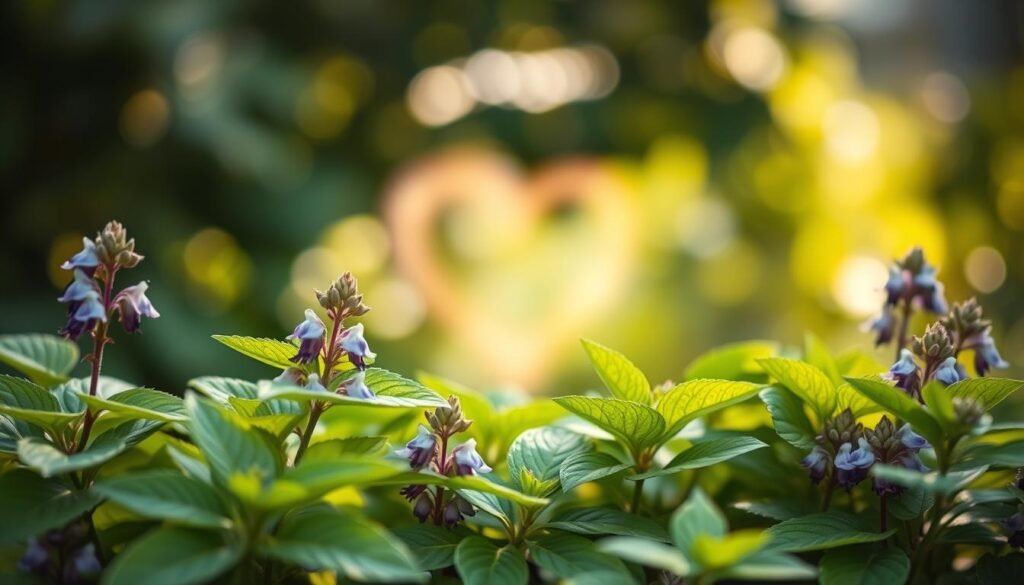
Motherwort (Leonurus cardiaca): Stress, Mood, and Heart-Calming Support
Motherwort is a traditional plant used in women’s health and cardiovascular care. It is valued when anxiety appears with palpitations, chest tension, or hormone-linked mood shifts.
Breathe easier: motherwort often helps people who feel their heart racing during high pressure. It can steady sensations without heavy sedation.
When to choose it: reach for this herb if you notice hormone-linked palpitations or a persistent fluttering chest during anxious spells. Emerging research suggests mild heart-calming effects and support for healthy blood pressure, but you should monitor how you feel and check with your clinician before regular use.
Practical uses and growing basics
Use cases: helpful for hormone-related stress with perceived heart palpitations or tension, and for steadying mood without strong sedation.
- Cardiovascular support: some data point to calming effects on the cardiovascular system; track symptoms and consult a clinician.
- Mood balance: provides steadying support for anxiety stress and nervous tension.
- Growing basics: hardy in zones 3–9, full sun to partial shade, reaches 3–6 ft, sow direct in well-drained soil; it spreads, so container planting helps control it.
- Pairing ideas: combine with lemon balm for mood balance or chamomile at night to aid wind-down.
| Use Case | Best Form | Notes |
|---|---|---|
| Hormone-related palpitations | Tincture or infusion | Start low; observe heart sensations and mood |
| Cardiovascular calm | Standard extract | Monitor blood pressure; consult clinician if on meds |
| Everyday mood balance | Tea blend | Pairs well with lemon balm or chamomile |
Learn more clinical and traditional notes at this motherwort resource to match use to your routine.
Sage (Salvia officinalis): Aromatherapy and Tea to Ease Anxiety and Support Sleep
Sage offers two practical pathways: a diluted essential oil for quick ambient calm and a warm tea to cue evening rest. Both approaches can help with anxiety-driven sleep disruption and tension headaches when used thoughtfully.
Essential oil use and when to brew sage tea
Diffuse diluted oil for 15–30 minutes to alter the room mood quickly and ease acute tension. Use a 1–2% dilution if applying topically and test a small skin area first.
Brew a warm cup of sage tea after dinner to signal winding down. The tea offers a gentler, ritualized path to night rest without heavy sedation.
- Versatile support: use diluted essential oil in aromatherapy for quick calm, and sage tea for a gentle evening routine.
- When to pick sage: helpful with anxiety that includes nighttime restlessness and stress-related headaches.
- Practical use: diffuse 15–30 minutes; sip tea after dinner to cue sleep; tincture suits those who prefer concentrated dosing.
- Stacking tip: blend with chamomile or lemon balm to soften flavor and enhance calm.
- Safety: dilute oils, avoid concentrated ingestion, and consult your clinician if pregnant or on medications.
Passionflower (Passiflora incarnata): Restlessness and Nervous System Balance
Passionflower eases restlessness and helps the nervous system settle when agitation spikes. Systematic reviews indicate it may reduce nervousness and mild anxiety and is available as tablets or a tincture.
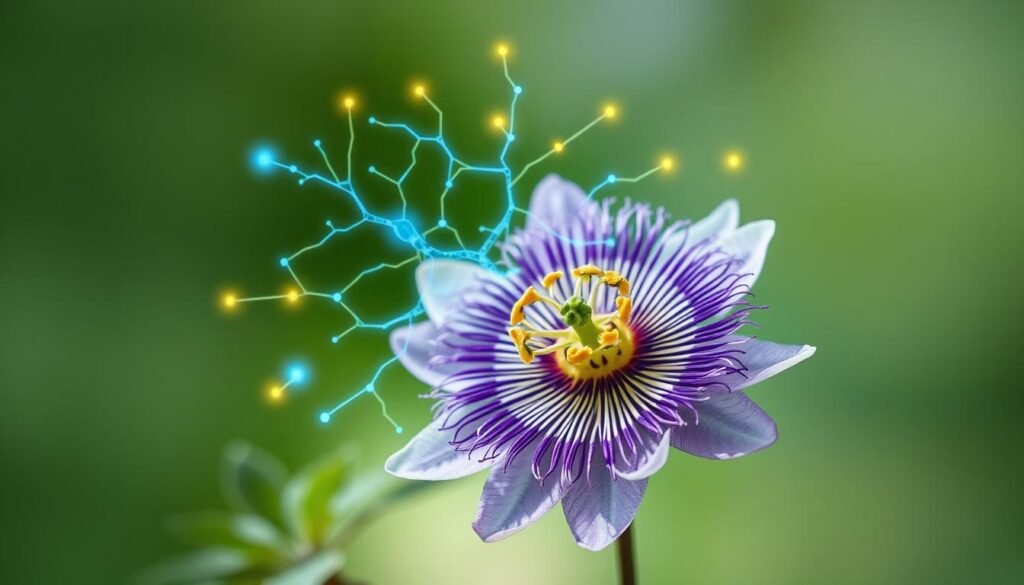
Use it late afternoon or evening when wind-down is difficult. A tincture allows tailored dosing; tablets suit steady, measured treatment.
Many people pair passionflower with valerian to support sleep or with lemon balm to keep clarity without sedation. Start low and monitor how calm or alert you feel.
- Core benefit: eases restlessness and supports nervous balance.
- Best forms: tincture for flexible dosing; tea blends for gentle relaxation.
- Timing: take late afternoon or at night when winding down is a challenge.
- Safety: generally well-tolerated—begin with small doses and assess response.
Practical tip: treat this herb as a single, testable option. Try one form for 1–2 weeks to see meaningful change and adjust the dose if needed.
Kava (Piper methysticum) and CBD: Potential Benefits with Important Safety Considerations
Kava and CBD can change how your nervous system responds, but their trade-offs differ sharply. Both may ease acute anxiety and perceived stress, yet safety, regulation, and product quality shape whether they belong in your routine.
How does kava help — and when is it risky?
Kava may produce noticeable anxiolytic effects within hours and is used by some to blunt acute stress reactions.
However, reports link kava to severe liver injury in rare cases. People with liver disease or who take hepatotoxic drugs must avoid it or get medical clearance.
What does CBD do and what should you know?
Preliminary trials suggest CBD can calm central nervous system activity and ease anxiety symptoms in some users.
FDA does not approve CBD for anxiety; product labeling and purity vary widely. Choose third-party tested products and consult a clinician about interactions.
- Products & forms: tablets, tincture, oil, vape liquids, and topicals are common.
- Regulatory reality: inconsistent labeling means transparent testing matters more than marketing claims.
- Who should be cautious: people with liver disease, those on hepatotoxic medications, or anyone sensitive to CNS depressants.
| Option | Potential effect | Key caution |
|---|---|---|
| Kava | Anxiolytic, rapid onset | Liver toxicity reports; medical consultation essential |
| CBD | CNS calming; variable results | Not FDA-approved for anxiety; quality varies |
Practical approach: test non-sedating choices first. If you consider kava or CBD, review product information, pick reputable brands with third-party testing, and discuss use with your clinician before trying a tincture or oil.
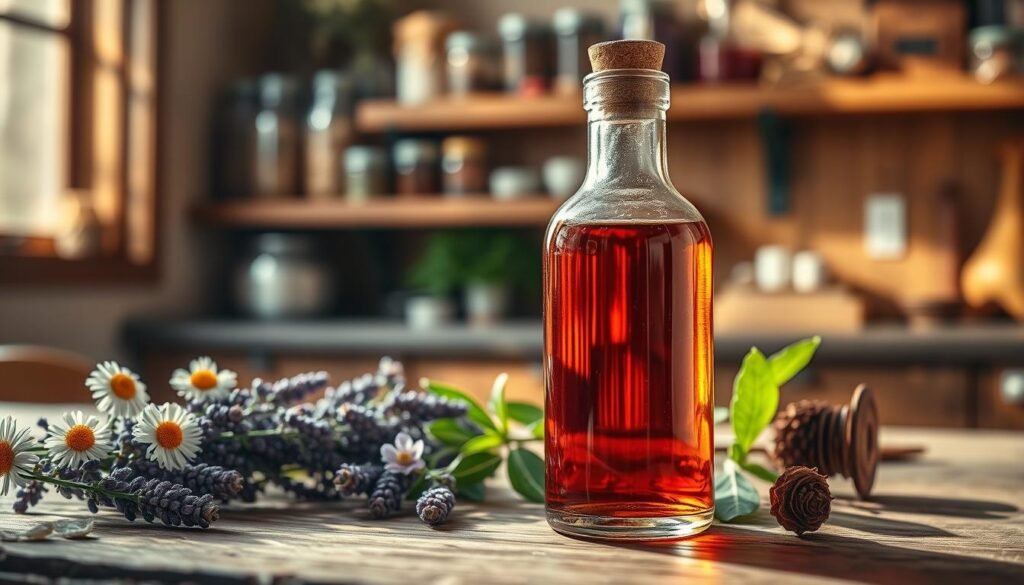
Smart Use Guide: Forms, Timing, and Stacking Herbal Teas and Tinctures
Match the delivery to the moment you need support and the goal you want to reach. Simple timing and a clear plan make it easier to test what works without confusion.
C small choices—tea cup or dropper—shape how quickly and cleanly you feel calmer during the day or at night. Rituals matter: they cue the body as much as the plant does.
Day vs. night: matching herbs to stress, anxiety, and insomnia
Pick a bright leaf like lemon balm or peppermint in a tea to support focus and steady mood during the workday. Use lavender scent or chamomile in the evening to cue winding down and better sleep.
When liquid volumes are a problem or you need faster onset, a tincture gives precise dosing and quicker uptake than an infusion.
Combining herbs safely
- Stacking rule: pair one daytime option with one evening option; avoid mixing multiple sedating plants at once.
- Dosing logic: start low, increase slowly, and journal effects over 1–2 weeks.
- Safety check: space tinctures and prescription meds, and consult a clinician about interactions and dosing.
Want a practical starter list? See a ranked guide to quick options in this concise tea and remedy roundup.
Safety, Interactions, and Quality: What Every U.S. Reader Should Know
A clear safety plan matters as much as choosing a calming plant. Know the limits of regulation, check interactions, and pick verified products to protect your health. This short checklist helps you test a single treatment without guessing.
Medication interactions, FDA oversight, and product quality
Regulatory reality: the FDA does not monitor supplements for consistent quality the way it does prescriptions. Mislabeling and contamination happen, so pick third-party tested products with batch reports.
Interactions matter: many common medicines can clash with plant-based options. Chamomile may interact with warfarin or cyclosporine. Always review current prescriptions with your clinician before starting or stopping any treatment.
“Begin one product at a time and track sleep, stress levels, and daily function for 1–2 weeks.”
- Start smart: test a single product, record symptoms, and note changes in mood and immune system function.
- Gradual gains: expect slow, cumulative benefits rather than instant fixes — consistency matters.
- Health-first mindset: if related stress symptoms worsen or new signs appear, seek medical care promptly.
- Quality checklist: look for standardized extracts, batch testing, and U.S.-based transparency on labels.
For a deeper look at product testing and clinical guidance, consult this review on clinical oversight and supplement research: clinical supplement review.
Conclusion
Test one or two targeted options that match your main goal—calm focus, eased tension, or deeper sleep. Use the research-backed forms and timing that fit your routine and measure changes over several weeks.
Keep safety first: choose high-quality products, check interactions, and consult a clinician when needed. Track sleep, mood, and daily energy to see how each choice shifts your body and mind.
Start simply and read trusted reviews like unlocking nature’s stress relievers or this science-backed cortisol research to guide selection. Small, consistent tests yield the clearest path to lasting stress relief.
FAQ
Are these traditional herbs safe to use with prescription medications?
Many plant-based remedies can interact with drugs — for example, St. John’s wort affects antidepressants and valerian can increase sedative effects. Always tell your prescriber about any supplements, check reputable sources like Mayo Clinic or NIH, and consult a pharmacist if you take blood thinners, blood pressure meds, hormone therapies, or psychiatric drugs.
How quickly do adaptogens like ashwagandha affect cortisol and stress levels?
Adaptogens typically show measurable benefits over several weeks rather than hours. Clinical studies often report reduced cortisol and improved sleep after 4–12 weeks at standardized doses. Start with manufacturer guidance, monitor symptoms, and reassess with your clinician if you see no change after a month.
Which form should I choose — tea, tincture, capsule, or essential oil?
Match form to goal: teas and infusions suit daytime calm and mild insomnia; tinctures act faster and allow precise dosing; capsules give standardized extracts for long-term use; essential oils work best for acute tension via inhalation or topical application (diluted). Consider convenience, onset speed, and safety for each herb.
Can I combine multiple calming plants, and is stacking safe?
Combining mild relaxants like lemon balm and chamomile is common and often safe. Avoid stacking strong CNS depressants (for example, valerian with high-dose kava or heavy alcohol). Start low, use one new product at a time, and check for additive sedative or blood-pressure effects with a clinician.
Are there age or pregnancy restrictions for these herbs?
Yes. Pregnant and breastfeeding people should avoid several botanicals such as kava and high-dose valerian; others like peppermint tea are generally safer but still require medical clearance. Children and older adults may need adjusted doses; consult a pediatrician or geriatric specialist before use.
How do essential oils like lavender work on anxiety and headaches?
Aromatics such as linalool in lavender interact with olfactory pathways and can modulate the limbic system, reducing sympathetic arousal and perceived tension. Inhalation or diluted topical use often produces rapid calming effects, but topical oils must be diluted to prevent irritation.
What quality markers should I look for when buying supplements or teas?
Choose third-party tested brands (USP, NSF, ConsumerLab), look for standardized extracts with clear active-content labeling, check for batch testing for contaminants, and prefer U.S.-based suppliers with transparent sourcing and Certificates of Analysis.
Some botanicals — valerian, chamomile, and certain ashwagandha extracts — show benefits for sleep latency and quality in trials. Match herb to sleep need: calming teas for mild insomnia, standardized extracts or tinctures for persistent sleep disruption, and discuss long-term sleep problems with a clinician.
What are common side effects to watch for with these plants?
Side effects vary: peppermint may cause heartburn in sensitive people; valerian can produce morning grogginess; kava carries liver-risk warnings; and chamomile may trigger allergic reactions in ragweed-sensitive individuals. Stop use and seek care for severe reactions such as jaundice, breathing problems, or arrhythmia.
How should I store teas, tinctures, and essential oils for maximum potency?
Keep dried teas and extracts in airtight containers away from heat and light. Store tinctures in dark glass bottles in a cool place. Essential oils belong in dark glass, tightly sealed, stored at room temperature or slightly cooler to preserve volatile compounds.
Is CBD an alternative to traditional calming herbs, and what are legal or safety concerns?
CBD may reduce anxiety for some people, but products vary widely in purity and potency. In the U.S., hemp-derived CBD (
How can I tell if an herb is working for me?
Track sleep, mood, stress scores, and symptom frequency over weeks. Use one change at a time, note timing and dose, and compare with a baseline. If no improvement after the suggested trial period or if adverse effects occur, discontinue and seek professional advice.
Can I grow these plants at home for teas and aromatherapy?
Many calming plants—chamomile, lavender, lemon balm, and peppermint—are suitable for U.S. home gardens and containers. Follow simple spacing and harvest tips, dry flowers/leaves properly, and use home-prepared infusions or steam distillations carefully for safe, small-batch use.