

Can a centuries-old herbal remedy really change how your body handles stress and hormone levels? That question matters if you want practical, evidence-based advice rather than trends.
As an endocrinologist, I examine both the history and the hard data. Glycyrrhiza glabra has long use across cultures and contains glycyrrhizin, a compound that can alter cortisol availability by inhibiting 11β-HSD2.
The science shows potential benefits and clear safety signals: raised blood pressure, fluid retention, and low potassium can occur with glycyrrhizin-containing products. Standardized extracts and dosing are common topics, and specific forms such as dried herb, tincture, or DGL behave differently.
Below I map the mechanisms, clinical clues, and practical guidance so you can weigh benefits against risks and discuss options with your clinician. For a deeper look at adrenal-targeted supplements, see a focused review on adrenal support supplements.
Key Takeaways
- Glycyrrhiza glabra affects cortisol processing and can increase circulating levels.
- Benefits exist in specific scenarios, but safety risks (blood pressure, potassium) are real.
- Different forms (extract, dried herb, DGL) have distinct effects and uses.
- Standardized dosing guides help, but clinician oversight is essential.
- Pregnancy and some medical conditions require strict avoidance.
Why an Endocrinologist Is Weighing In on Licorice, Adrenal Support, and Hormone Health
An endocrinologist’s view matters because this herb intersects with hormone systems that regulate energy, electrolytes, and blood pressure.Licorice is more than a traditional remedy—it acts on cortisol-handling enzymes and the HPA axis, so expert guidance keeps use safe and targeted.
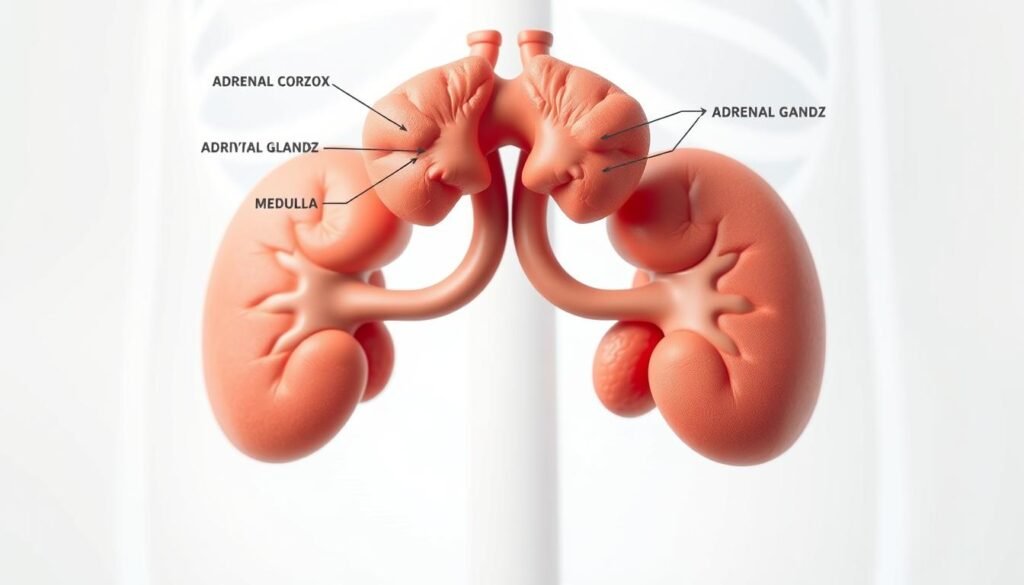
A specialist’s view matters when a botanical can change how the body handles stress hormones and electrolytes. The adrenal glands sit atop the kidneys and include a cortex that makes cortisol, aldosterone, and androgens, and a medulla that makes catecholamines.
One compound in these preparations can affect 11β-HSD enzymes and change how the body inactivates cortisol. That interaction can shift HPA axis signaling and fluid-electrolyte balance.
People try this herb for digestion, hot flashes, cough, skin, and perceived stress relief. Yet the medical lens focuses on clinical adrenal disorders and HPA regulation rather than the informal phrase “adrenal fatigue.”
Safety matters: glycyrrhizin-containing products can raise blood pressure, cause edema, and lower potassium. Pregnant people should avoid them due to fetal HPA risks.
Below is a quick comparison to clarify effects, common uses, and key risks so you can talk with your clinician.

| Aspect | Typical impact | Clinical note |
|---|---|---|
| Hormone metabolism | Alters cortisol inactivation via 11β-HSD enzymes | May boost circulating cortisol availability; monitor labs if used medically |
| Fluid & electrolytes | Can cause sodium retention and potassium loss | Avoid with uncontrolled hypertension or diuretic use |
| Common reasons people try it | Digestion, menopausal symptoms, cough, stress relief | Endocrine effects require personalized assessment |
If you’re curious how botanicals fit with other stress-support herbs, try this short adaptogen quiz to match an herb to your stress type and discuss results with your clinician.
Adrenal Glands, Cortisol, and the HPA Axis: What “Balance” Really Means
The adrenal glands produce cortisol and aldosterone, which help control energy, blood volume, and electrolyte balance. When the HPA axis is dysregulated, “balance” often means restoring appropriate signaling—not simply raising cortisol.
The adrenal cortex makes glucocorticoids (cortisol), mineralocorticoids (aldosterone), and androgens. The medulla releases epinephrine and norepinephrine to drive quick fight-or-flight responses.
How anatomy links to whole-body function
Understanding adrenal anatomy clarifies why licorice’s enzyme-level action can influence bigger systems like blood pressure and stress tolerance.
The cortex handles slow, sustained hormone production that shapes metabolism, immunity, and circadian rhythm. Aldosterone controls sodium and water retention and potassium excretion, so it directly affects blood pressure.
HPA stress physiology and clinical perspective
The hpa axis links the brain and glands in a feedback loop that times hormone production to the body’s needs. Cortisol production follows circadian cues and rises with acute stress.
Chronic dysregulation can contribute to insulin resistance, metabolic disease, mood symptoms, and bone loss. Clinicians usually rule out defined disease like Addison’s or Cushing’s before labeling HPA changes as nonspecific fatigue.
- The adrenal cortex supports metabolism and electrolyte balance; the medulla handles immediate stress chemistry.
- Balance means appropriate timing and feedback, not simply higher hormone levels.
- Because licorice root acts at enzyme and mineralocorticoid pathways, it can change stress responses and blood pressure levels—helpful in some cases, risky in others.
If you want practical steps to support healthy signaling and lab-aware approaches, read a clinician’s practical guide to help cortisol levels naturally.
Licorice Root for Cortisol: How Glycyrrhiza glabra Alters Cortisol Metabolism
Glycyrrhizin directly slows the enzyme that converts active cortisol into its inactive form, changing hormone action at the tissue level. This simple biochemical step explains much of the herb’s clinical effects and safety concerns.
How 11β-HSD2 inhibition changes hormone clearance
Glycyrrhizin and its metabolite inhibit 11β-HSD2, reducing the conversion of cortisol to cortisone. This prolongs cortisol activity in tissues that normally protect mineralocorticoid receptors.
Mineralocorticoid-like activity, sodium retention, and potassium shifts
When cortisol remains active, it can bind mineralocorticoid receptors and mimic aldosterone. That often leads to sodium and water retention and potassium loss, which may raise blood pressure.
Implications for HPA feedback and perceived adrenal support
Longer tissue exposure to cortisol can alter HPA feedback and renal–angiotensin markers. Some users report steadier energy, while others notice swelling or cramps.
DGL versus glycyrrhizin-containing products: different intents and safety
Deglycyrrhizinated formulations remove most glycyrrhizin and do not materially affect cortisol metabolism. DGL is useful for GI soothing but not for altering cortisol levels or blood volume.
- Summary: Glycyrrhizin slows cortisol breakdown via 11β-HSD2 inhibition, raising tissue cortisol activity and sometimes circulating levels.
- Watch outs: Expect possible sodium retention, potassium loss, and higher blood pressure—seek monitoring if you have cardiovascular or electrolyte risks.
- Practical note: Read labels for standardized extract amounts and consider medical guidance before use; see a clinical review on adrenal support and hormonal health and a safety alert at blood pressure and hormone safety.
What the Evidence Suggests: Potential Benefits, Conditions, and Clinical Nuance
Clinical data point to specific, condition-based uses rather than universal claims. Benefits depend on dose, duration, and close medical monitoring to balance gains against risks.
Below are the most evidence-backed scenarios where this herb has clinical nuance and potential utility.
Adjunct in adrenal insufficiency (Addison’s)
In patients with adrenal disease on replacement therapy, studies reported increased cortisol availability when combined with grapefruit juice and the herb. Such use is a targeted treatment that demands lab checks and specialist oversight.
Orthostatic hypotension and low blood pressure
The mineralocorticoid-like effects can raise blood volume, reduce dizziness on standing, and stabilize cerebral perfusion. Monitor blood pressure and potassium to avoid unintended hypertension.
PCOS and anti-androgenic support
Small studies suggest enzyme modulation may lower androgen production and, when paired with spironolactone, help manage hyperkalemia risk and abnormal bleeding. Discuss this therapy with your clinician.
Menopausal hot flashes
One trial using 330 mg/day of extract found fewer and milder hot flashes, likely linked to mild estrogenic flavonoids. This is a nonhormonal option for selected symptoms.
- Bottom line: Evidence supports selective, condition-specific uses, but the same mechanisms that help can also raise blood pressure and lower potassium.
Practical Use: Forms, Doses, Side Effects, and Smart Pairings
Choose the right form and dose to match your goal, and monitor safety markers while using this herb. Small changes in preparation or timing can shift benefit versus risk quickly.

Which forms and how they’re labeled
Dried root, tinctures, and standardized extracts are not interchangeable. DGL products lack most glycyrrhizin and usually won’t affect cortisol or fluid balance. Read labels for extract percentage and serving size.
Evidence-aligned dosing and timing
Common ranges: dried root 1–5 g three times daily; tincture (1:5) 2–5 mL three times daily; standardized extract (20% glycyrrhizic acid) 250–300 mg three times daily.
Many take doses in the morning and early afternoon to align with natural hormone rhythms.
Who should avoid and drug precautions
Avoid if you have high blood pressure, low potassium, kidney or heart disease, or if you are pregnant.
This herb interacts with diuretics, corticosteroids, MAOIs, and digoxin; low potassium can worsen digoxin toxicity. Check meds with your clinician.
Monitoring and smart pairings
Monitor home blood pressure and consider periodic potassium checks during use. Reduce dietary sodium and favor potassium-rich foods unless advised otherwise.
Many clinicians pair this herb with ashwagandha or rhodiola and foundational nutrition (vitamin C, B vitamins, magnesium) plus mind-body therapy.
| Form | Typical dose | Main note |
|---|---|---|
| Dried root | 1–5 g, TID | Traditional use; potency varies by batch |
| Tincture (1:5) | 2–5 mL, TID | Fast absorption; easier dose titration |
| Standardized extract | 250–300 mg (20% glycyrrhizic acid), TID | Consistent potency; higher risk of side effects |
| DGL | Per label | GI soothing; minimal enzyme effects |
For broader context on adaptogens and safe pairing, see this practical guide on adaptogens. For clinical safety data, consult the review at PubMed Central.
Conclusion
Its biochemical action gives clear clinical advantages in select cases — and clear risks if used without oversight. Use should match a defined adrenal goal, be dose-aware, and include safety monitoring.
This herb alters cortisol handling via enzyme inhibition and can boost mineralocorticoid-like activity, so benefits come with trade-offs.
In practice, licorice can help specific conditions (adrenal insufficiency support, orthostatic hypotension, select PCOS cases, and some menopausal symptoms at trial doses). Follow evidence-based dosing and watch blood pressure and potassium closely.
Stop use and contact your clinician if you notice swelling, rising blood pressure, or muscle cramps. Learn more on the mechanisms and safety review at mechanisms and safety review.
Final take: treat this root as a targeted tool within a broader therapy plan. Align treatment to your body, medications, and clinician’s guidance for safe, useful results.
FAQ
What does an endocrinologist consider when evaluating glycyrrhiza glabra for adrenal support?
An endocrinologist looks at mechanism, clinical need, and safety. They assess how the herb affects cortisol metabolism, blood pressure, potassium balance, and HPA feedback, and weigh those effects against the patient’s diagnosis — for example, true adrenal insufficiency versus nonspecific fatigue. Decisions rest on objective tests (serum cortisol, ACTH, electrolytes) and careful risk assessment rather than anecdote.
How does glycyrrhiza glabra alter cortisol metabolism?
The primary action is inhibition of 11β-HSD2, which slows conversion of active cortisol to inactive cortisone in some tissues. This can raise local cortisol activity and mimic mineralocorticoid effects, increasing sodium and water retention and lowering potassium. Those shifts explain both perceived adrenal support and the most common safety concerns.
Can this herb improve symptoms of low blood pressure or orthostatic intolerance?
In select patients with symptomatic low blood pressure, the herb’s aldosterone-like effects can increase volume and reduce orthostatic symptoms. That benefit is context-dependent and should be managed by a clinician because it can raise systemic blood pressure and affect potassium levels.
Is deglycyrrhizinated form (DGL) safer than the glycyrrhizin-containing extract?
Yes—DGL removes most glycyrrhizin, reducing the risk of sodium retention, hypertension, and hypokalemia. DGL is often used for gastrointestinal aims rather than endocrine modulation. If the goal is to influence cortisol metabolism, glycyrrhizin-containing products are the active form but carry more safety concerns.
Who should avoid glycyrrhiza glabra-containing products?
People with uncontrolled hypertension, heart failure, chronic kidney disease, existing hypokalemia, pregnancy, or those on potassium-lowering diuretics should avoid these products. Also avoid if you take medications sensitive to electrolyte shifts or blood pressure changes (e.g., digoxin, certain diuretics, ACE inhibitors).
What are the main drug interactions and precautions to know?
Key interactions include diuretics that lower potassium, corticosteroids that may compound mineralocorticoid effects, digoxin (risk of arrhythmia with hypokalemia), and some antihypertensives. MAOIs and certain antidepressants require caution too. Always review supplements with your prescribing clinician.
Can this herb be used in adrenal insufficiency (Addison’s disease)?
It has been explored as an adjunct to increase cortisol availability in treated adrenal insufficiency, but it is not a replacement for prescribed glucocorticoid therapy. Any use must be supervised by an endocrinologist with close monitoring of electrolytes and blood pressure.
Are there potential benefits for PCOS or menopausal symptoms?
Some evidence and biologic rationale suggest modest benefits: certain flavonoids in the plant have weak estrogenic activity and may affect androgen pathways, which could be relevant in PCOS or hot flashes. Evidence is limited and inconsistent; clinicians weigh risks and specific symptoms before recommending trials.
What doses are typically used and how should products be labeled?
Studies use varied preparations; standardized extracts report glycyrrhizin content in milligrams. Therapeutic ranges differ by indication and product. Look for clear labeling of glycyrrhizin (or glycyrrhizic acid) and follow evidence-based guidance — start low and monitor blood pressure and potassium frequently.
How long can someone safely take glycyrrhizin-containing products?
Safety depends on dose and individual risk. Short-term, low-dose use with monitoring may be tolerated, but prolonged use increases the chance of hypertension, edema, and hypokalemia. Regular clinical follow-up, blood pressure checks, and serum electrolytes are essential for any extended regimen.
Can this herb be combined with other adaptogens like ashwagandha or rhodiola?
It can be combined, but combinations should be individualized. Adaptogen blends might provide complementary stress-support effects, yet they also complicate safety profiles and drug interactions. Use combinations under clinician guidance, especially if you take medications or have cardiovascular or endocrine disorders.
What monitoring should clinicians perform if a patient uses glycyrrhizin-containing supplements?
Monitor blood pressure, serum potassium, sodium, and renal function at baseline and periodically thereafter. If symptoms of fluid retention, muscle weakness, palpitations, or worsening hypertension occur, discontinue the product and reassess immediately.
Are there safer alternatives for people seeking HPA-axis support?
Yes. Lifestyle measures (sleep hygiene, stress reduction, targeted nutrition, and graded exercise) and evidence-backed adaptogens with different safety profiles—such as rhodiola or controlled ashwagandha—may be preferable. Treatable medical causes of fatigue should be excluded first with appropriate tests.