

Licorice root can affect far more than taste. The compound glycyrrhizin can raise blood pressure, lower potassium, and cause fluid retention by changing how the body handles cortisol in the kidneys. In susceptible people, the effect can become clinically important.
The risk is not limited to supplements. Teas, candies, extracts, and traditional herbal products can all contribute if they contain real licorice and glycyrrhizin. The amount can vary between products, which makes label reading especially important.
This guide explains how licorice affects blood pressure and hormone signaling, who is most vulnerable, what DGL changes, and how to reduce avoidable risk. For an evidence-based overview, see the NCCIH guide to licorice root.
Key Takeaways
- Glycyrrhizin can raise blood pressure and lower potassium through a mineralocorticoid-like effect.
- Risk varies with dose, duration, product formulation, medications, and individual susceptibility.
- Hypertension, heart or kidney disease, low potassium, older age, pregnancy, and certain medicines increase concern.
- DGL removes glycyrrhizin and therefore reduces the specific blood-pressure and potassium risk linked to that compound, but it is not a proven treatment for hormone problems.
- Seek prompt medical care for severe weakness, palpitations, fainting, chest pain, marked swelling, or very high blood pressure.
Helpful Products at a Glance
For readers considering licorice specifically for digestive support, this DGL option removes glycyrrhizin; however, digestive benefits remain uncertain and it should not be used as a hormone treatment.
- Natural DGL Supplement Formula: Our DGL supplement with licorice extract is specially crafted to support digestion and stomach health
- Gentle Digestive Aid: These chewable tablets support the integrity of the natural mucosal lining of the stomach and intestinal wall

Why Licorice Root Can Raise Blood Pressure
Licorice contains glycyrrhizin, which is converted in the body to active metabolites. These metabolites inhibit an enzyme called 11β-hydroxysteroid dehydrogenase type 2 (11β-HSD2).
Normally, 11β-HSD2 converts cortisol to cortisone in tissues where mineralocorticoid receptors need protection from cortisol. When the enzyme is inhibited, cortisol can activate those receptors more strongly. The kidneys then retain more sodium and water while excreting more potassium.
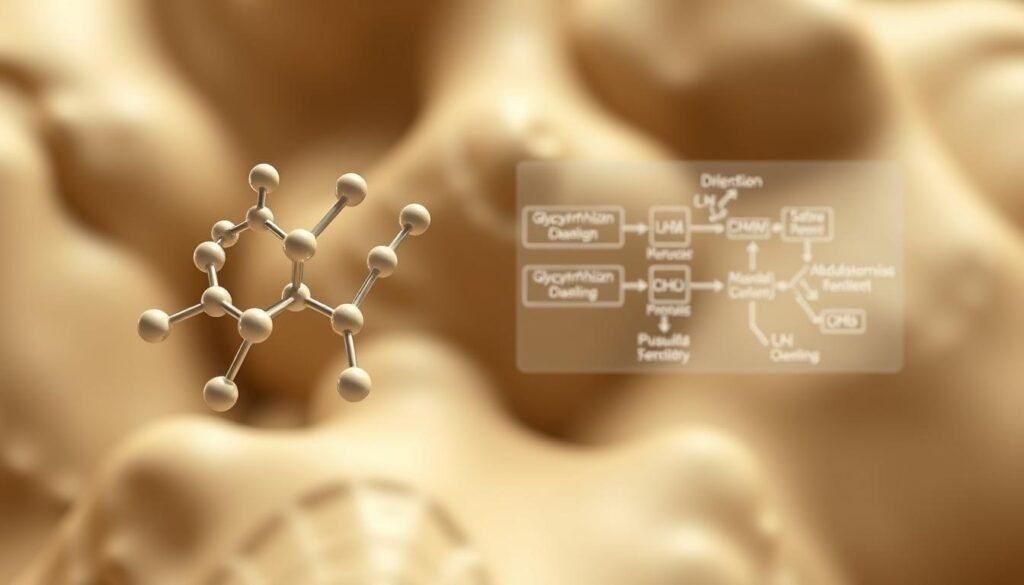
The result can resemble excess aldosterone even though renin and aldosterone may actually be suppressed. This condition is often called licorice-induced pseudoaldosteronism or pseudohyperaldosteronism. It may cause high blood pressure, swelling, low potassium, weakness, and abnormal heart rhythms. A detailed review of the mechanism is available in this peer-reviewed review of licorice-induced hypertension.
Dose and duration matter, but there is no single intake guaranteed to be safe for everyone. A newer review also highlights differences in metabolism, gut bacteria, age, kidney handling, and other factors that may change individual susceptibility.
Licorice Root Side Effects: What to Watch For
The most important problems come from sodium retention and potassium loss. Possible warning signs include rising blood pressure, ankle or facial swelling, headaches, muscle weakness, cramps, fatigue, palpitations, or an irregular heartbeat.
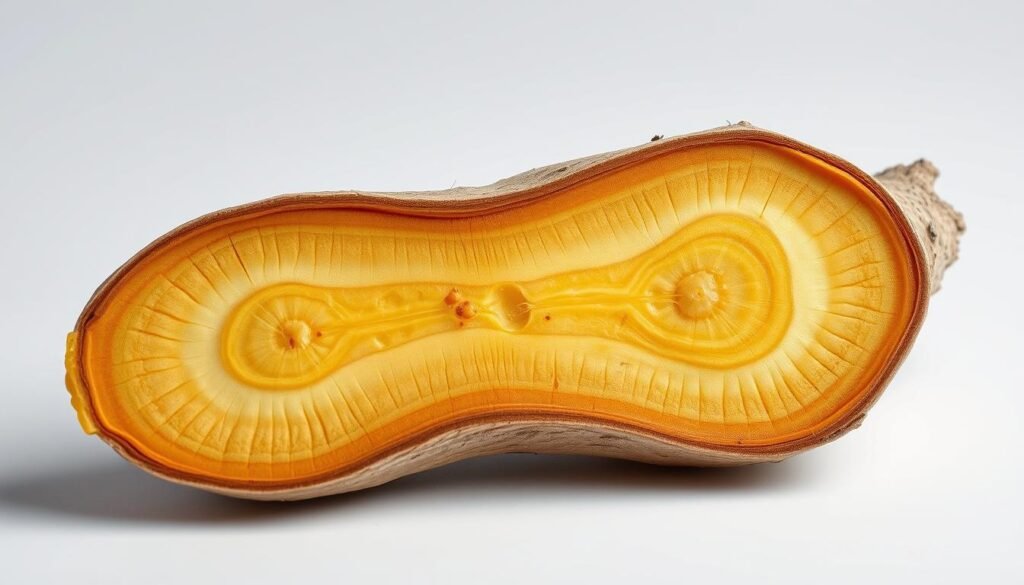
Severe potassium depletion can contribute to paralysis, muscle injury, and dangerous arrhythmias. If symptoms are significant—especially fainting, chest pain, severe weakness, an abnormal heartbeat, or very high blood pressure—urgent medical evaluation is appropriate.
Stopping glycyrrhizin exposure often allows blood pressure and potassium levels to recover, but serious cases may require blood tests and treatment. Do not try to correct suspected severe hypokalemia with supplements alone.
Blood Pressure, Cortisol, and Hormones
Licorice is sometimes promoted for “hormone balance,” but that phrase can be misleading. Glycyrrhizin does influence hormone signaling, mainly because it changes cortisol metabolism and mineralocorticoid receptor activity.

Small studies and reviews have explored licorice-related antiandrogen effects and possible use alongside treatments such as spironolactone in PCOS. That evidence is not strong enough to support self-treating PCOS, high-androgen symptoms, adrenal problems, or other endocrine conditions with licorice.
For people who already have hypertension, the hormonal effect is primarily a safety concern. NCCIH notes that serious adverse effects have occurred even with relatively small glycyrrhizin exposure in susceptible people, including those with hypertension or heart or kidney conditions.
Who Should Be Especially Careful?
Avoid self-directed regular use of glycyrrhizin-containing licorice, or get clinical guidance first, if you have high blood pressure, heart disease, kidney disease, low potassium, significant fluid retention, or a history of arrhythmia.
Extra caution is appropriate during pregnancy and in older adults. NCCIH reports that consuming large amounts of oral licorice extract during pregnancy is unsafe and has been associated with increased risk of delivery before 38 weeks.
Medication interactions matter as well. Potassium-depleting diuretics can compound potassium loss, while fludrocortisone can add to licorice’s mineralocorticoid-like effects. If you take prescription medicines for blood pressure, fluid balance, heart rhythm, or steroid replacement, review regular licorice use with a clinician or pharmacist. The New Zealand medicines safety authority specifically warns about licorice with fludrocortisone and potassium-depleting medicines.
How to Use Licorice More Safely
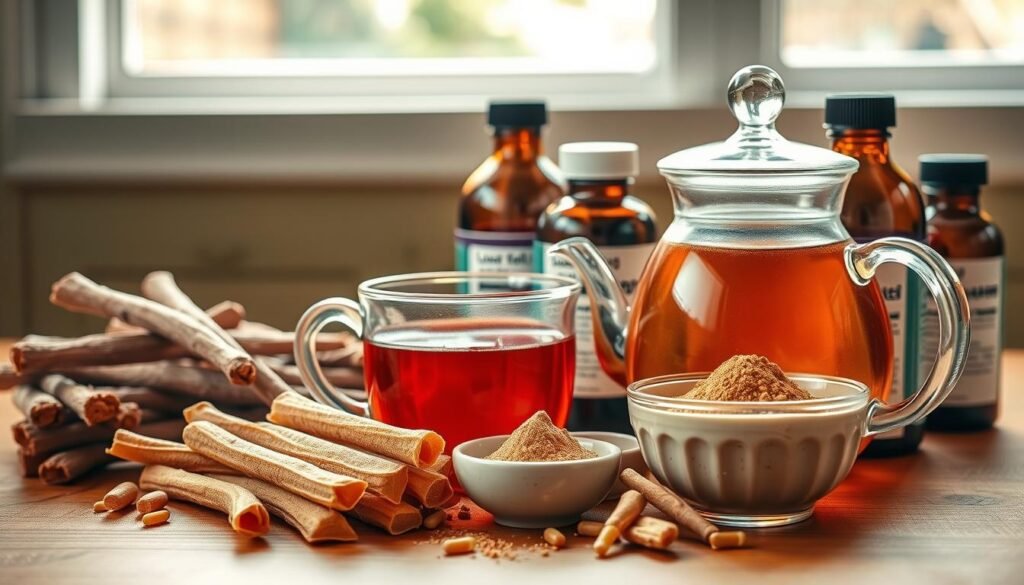
First, identify what type of product you actually have. “Licorice flavor” does not always mean a food contains true licorice extract, while teas and herbal blends may contain real licorice without clearly stating the amount of glycyrrhizin.
Read ingredient lists for terms such as licorice root, Glycyrrhiza glabra, Glycyrrhiza uralensis, glycyrrhizin, or glycyrrhizic acid. Avoid casually stacking several sources—such as tea, candy, and supplements—because total exposure may be difficult to estimate.
| Form | Main Concern | Practical Approach |
|---|---|---|
| Regular licorice tea or candy | Glycyrrhizin content can vary | Avoid combining several licorice sources and pay attention to frequency |
| Standardized extract | May provide concentrated glycyrrhizin | Check the declared amount and consider individual risk factors |
| DGL | Glycyrrhizin is removed | More relevant when licorice is being considered for digestive support, not hormone treatment |
What DGL Changes
DGL stands for deglycyrrhizinated licorice. Removing glycyrrhizin reduces the mineralocorticoid-like activity responsible for the classic blood-pressure and potassium problems. NCCIH states that oral licorice products without glycyrrhizin might be safe for up to four months.
That does not mean DGL is proven to treat reflux, ulcers, gastritis, or other digestive conditions. NCCIH notes that it remains unclear whether licorice products used alone improve digestive symptoms. DGL is better viewed as a way to avoid glycyrrhizin when someone is considering licorice for digestive support—not as a replacement for proven treatment.
One option is Natural Factors DGL Chewable. The product contains 400 mg of deglycyrrhizinated licorice extract per tablet, and the manufacturer states that its glycyrrhizin has been removed. The chewable format may be convenient for someone specifically looking for DGL, although the supplement is optional and should not be treated as a blood-pressure or hormone therapy.
- Natural DGL Supplement Formula: Our DGL supplement with licorice extract is specially crafted to support digestion and stomach health
- Gentle Digestive Aid: These chewable tablets support the integrity of the natural mucosal lining of the stomach and intestinal wall
- Digestive Health Support: To support gut health, chew 1 tablet 1-3 times per day 20 minutes before each meal or as directed by a health professional
- Vegan Dietary Supplement: This licorice root extract supplement is free from dairy, sugar, wheat, gluten, yeast, soy, egg, fish, shellfish, salt, tree nuts, and GMOs
When to Monitor Blood Pressure or Potassium
If you use a glycyrrhizin-containing product regularly, home blood-pressure readings can help reveal a meaningful change from your usual range. A persistent increase deserves attention, particularly when it appears with swelling, headaches, weakness, or palpitations.
Potassium testing is more reliable than guessing from symptoms. People with risk factors, interacting medicines, or more than brief occasional exposure should ask a clinician whether laboratory monitoring is appropriate.
Conclusion
Licorice root has real biological effects. Glycyrrhizin can alter cortisol handling in the kidney, causing sodium retention, potassium loss, swelling, and higher blood pressure. Those effects can become dangerous in susceptible people.
If you are considering licorice for digestive support, DGL removes the compound responsible for most of the classic mineralocorticoid-like toxicity. Even so, evidence for digestive benefit remains limited, and DGL is not a “hormone-balancing” treatment.
The safest approach is to know which form you are using, avoid stacking multiple glycyrrhizin sources, pay attention to blood pressure and symptoms, and involve a clinician when cardiovascular, kidney, pregnancy, medication, or electrolyte risks are present.
FAQ
Can licorice root raise blood pressure?
Yes. Glycyrrhizin can inhibit 11β-HSD2, allowing cortisol to stimulate mineralocorticoid receptors. This promotes sodium and water retention while increasing potassium loss.
Is DGL safer for blood pressure?
DGL removes glycyrrhizin, so it avoids most of the specific blood-pressure and potassium risk associated with regular licorice. It can still have other ingredients and product-specific cautions.
Can licorice help PCOS or hormone balance?
Research has explored hormonal effects, including antiandrogen activity, but evidence is too limited to recommend licorice as a self-directed treatment for PCOS or general “hormone balance.”
What symptoms can suggest excessive glycyrrhizin exposure?
Possible warning signs include rising blood pressure, swelling, muscle weakness, cramps, headaches, palpitations, or an irregular heartbeat. Severe symptoms require prompt medical evaluation.
Which medicines are especially concerning with licorice?
Potassium-depleting diuretics and fludrocortisone are important examples. Other medicines affecting blood pressure, fluid balance, potassium, or corticosteroid activity may also matter, so regular licorice use should be reviewed with a clinician or pharmacist.