My 14-Day Triphala Experiment: The Honest Truth About What It Did for My Digestion and Bloat

Curious about Triphala? Follow a 14-day experiment revealing its real effects on digestion, bloating, and gut health. An honest, evidence-based look at this Ayurvedic remedy and what actually happened.

Surprising fact: small clinical trials suggest herbal blends can change bowel habits in as little as two weeks, and I tested that timeline myself.

Table of Contents show

I ran a transparent, two-week self-experiment to track regularity, stool quality, gas, and belly comfort.

By Emily Carter, certified health and wellness writer – Fact-checked and reviewed by our editorial team.

I used a time-tested Ayurvedic polyherbal remedy made from three dried fruits that aim to bring antioxidant and anti-inflammatory effects. I kept doses modest and noted timing, form, and any side effects like cramping or loose stools.

I framed expectations around early research and tradition: promising but limited evidence from small human studies and animal research. I also checked product quality and avoided supplements without third-party testing.

This intro previews the article: baseline goals, what the remedy is, trial setup, week-by-week results, mechanism and studies, safety notes, and a balanced conclusion. If you want a quick primer on the background science, see this summary on Triphala for Digestion.

Key Takeaways

  • Two-week self-trials can reveal practical effects on stool frequency and bloating.
  • The remedy blends three fruits with antioxidant and anti-inflammatory roles.
  • Start low, monitor timing, and watch for laxative effects at higher doses.
  • Evidence is promising but based on small studies; larger trials are needed.
  • Choose third-party tested products to reduce contamination risk.
  • It can support routine bowel habits, but it is not a cure-all; pair with hydration and fiber.

Why I Tried Triphala Now: Goals, Baseline Symptoms, and What I Hoped to Improve


My aim was practical: test whether a modest herbal regimen could ease evening bloat and bring more predictable bowel habits in 14 days. This is informational only; consult your physician for personal medical advice.


A detailed, close-up view of a person's abdomen, showcasing common symptoms associated with triphala imbalance. The skin appears slightly distended, with a subtle reddish hue and mild discoloration. The texture is slightly uneven, with a slightly bloated appearance. The lighting is soft and diffused, creating a warm, natural tone that highlights the contours of the abdomen. The angle is slightly angled, providing a candid, personal perspective. The background is blurred and muted, keeping the focus on the central subject. The overall mood is contemplative and introspective, conveying the subject's quest for digestive harmony.

My starting point: bloat, irregularity, and post-meal discomfort

Evenings often ended with visible puffiness and pressure. My stools ranged from hard to infrequent, and meals left me feeling heavy.

These were the key symptoms that motivated a short, focused test without changing other habits.

What “success” looked like over 14 days

My goals were concrete: one comfortable, formed bowel movement daily, less gas, minimal cramping, and a flatter belly most evenings.

I kept the plan strict: no new probiotics or fiber supplements, steady diet and hydration, and daily tracking to limit bias.

Note: individual responses vary. Some people may also notice early laxative effects, so I started cautiously. Overall, this trial aimed to see whether triphala may support routine regularity when introduced gradually.

What Triphala Is and How It’s Traditionally Used

This classic Ayurvedic polyherbal remedy blends three dried fruits studied for antioxidant and anti-inflammatory properties and traditional use in bowel regularity.

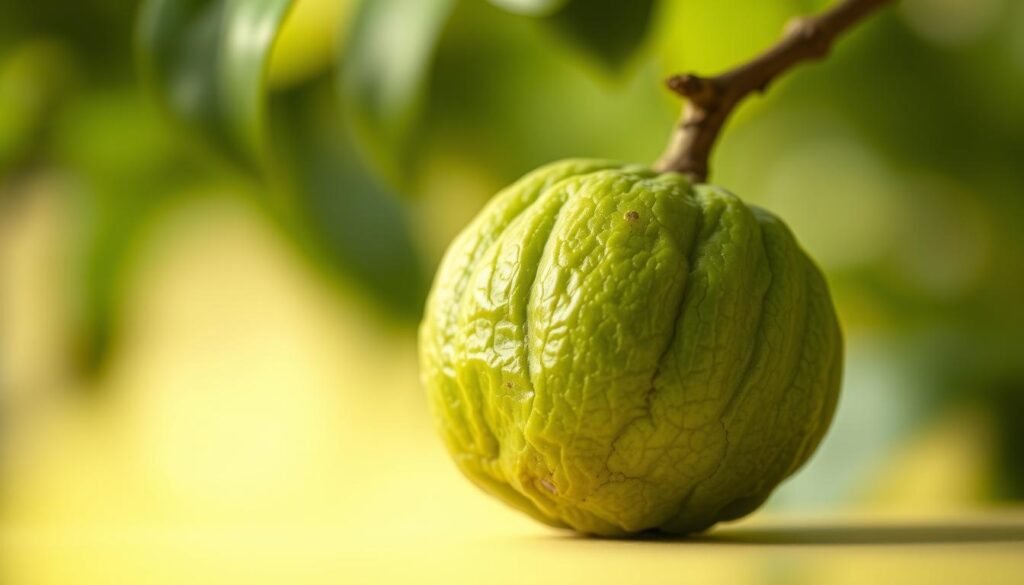
A close-up, highly detailed, photorealistic image of an Indian gooseberry (Emblica officinalis), also known as amla, against a soft, blurred, natural background. The gooseberry is shown in the foreground, its wrinkled, vibrant green skin and distinctive spherical shape filling the frame. Subtle ambient lighting casts gentle shadows, highlighting the fruit's delicate texture and subtle sheen. The background is hazy and out of focus, suggesting a lush, verdant setting, perhaps a garden or forest. The overall mood is serene, inviting the viewer to appreciate the natural beauty and traditional uses of this important Ayurvedic ingredient.

Three fruit constituents and standout compounds

Emblica officinalis (Indian gooseberry) is vitamin C–rich and supplies phenols, tannins, rutin, and emblicol.

Terminalia bellirica contributes gallic and ellagic acids linked to metabolic effects in some trials.

Terminalia chebula adds polyphenols, terpenes, anthocyanins, and flavonoids that boost antioxidant capacity.

How polyherbal synergy is understood

Ayurveda favors multi‑plant formulas because diverse compounds can act together. In simple terms, one plant’s molecules may support another’s activity, producing a balanced effect on the body.

Research snapshot and limits

Modern work reports antioxidant, anti‑inflammatory, antibacterial, and possible prebiotic actions. Small human trials and animal studies suggest improved bowel quality, oral health benefits, and hints of metabolic gains.

Note: these findings are promising but not definitive. Larger, controlled trials are needed to confirm consistent health benefits and to standardize dosing.

How I Set Up the 14-Day Trial

I chose a measured capsule dose, kept daily habits steady, and tracked a short list of outcomes so any change could be linked to the supplement and timing. This was informational, not medical advice; speak with yourdoctorbefore changing doses.

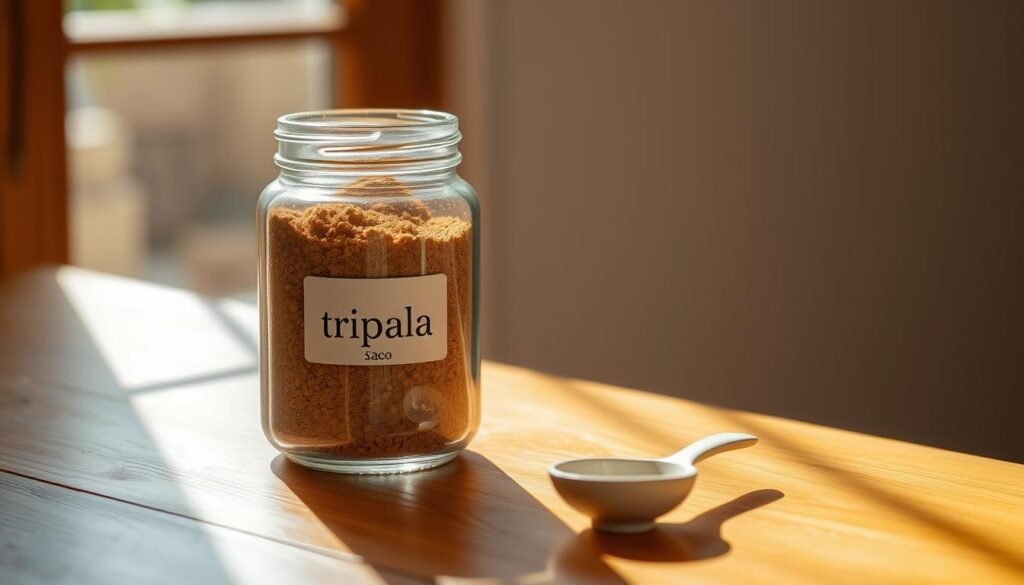
I used capsules for consistent dosing and compared notes with powder as a backup. I started at 500 mg nightly on an empty stomach to test tolerance. The plan was to titrate toward a typical 900–1,000 mg daily amount if no GI upset appeared.

A wooden table with a glass jar filled with an earthy, golden-brown powder - triphala, the ancient Ayurvedic herbal blend. Bright natural light streams in from a nearby window, casting soft shadows on the table's surface. The jar's label is minimal, focusing attention on the powder's rich, rustic tones. Beside the jar, a simple ceramic spoon rests, ready to scoop the therapeutic dose. The overall mood is one of simplicity, authenticity, and the promise of wellness derived from this time-honored remedy.

How I managed routine and timing

I took the capsule between meals to support absorption and to monitor any change in my stomach acid feelings. Larger doses can cause cramps or diarrhea, so I used a step-up approach.

Controls to isolate effects

  • Kept hydration steady and fiber intake unchanged.
  • Maintained usual caffeine timing and light exercise.
  • Chose a third-party tested supplement to limit contamination risk.

Tracking plan

I built a simple daily log: bowel frequency and form, a 0–10 bloat score after meals, notes on stomach comfort, and any diarrhea or cramps. I also tracked sleep and energy to catch unexpected shifts.

“Start low and adjust slowly; pause if you get loose stools or notable GI pain.”

MetricHow I recorded itDecision rule
Bowel frequency & formTimes per day + Bristol scale notesReduce dose if stools loosened more than two days
Bloat score0–10 after main mealsNote trends; adjust timing if score rose
Stomach comfortShort notes on acid, crampsStop and consult a doctor if pain increased
Sleep & energyDaily 1–5 ratingFlag unexpected drops for review

Final note: This setup aimed to be practical and replicable. If you want a quick primer on background science and dosing, see this summary on Triphala.

Week-by-Week Results: Digestion, Bloat, and Energy


The two-week log showed clear shifts in stool form, belly comfort, and steady energy. Observed effects began quickly, then settled into a consistent pattern by week two.


The first 72 hours brought an early laxative effect. I noticed stools soften from Type 2–3 to Type 3–4 within 24–36 hours. Mild lower‑abdominal sensations appeared, but no severe cramps.

Days 4–7: settling into a routine

By day four I hit once‑daily regularity. Post‑dinner bloat scores fell and my waistband felt looser by evening. One brief day of minor cramping made me pause dose increases instead of pushing higher.

Days 8–14: stabilization and appetite shifts

Stools stayed formed and easy to pass. Overall digestive comfort improved and post‑meal heaviness eased. Appetite felt steadier and late‑night sugar urges dipped in week two.

Energy and sleep were slightly better, though hard to pin only on the supplement. Taking it away from meals reduced acid‑like sensations; an early empty‑stomach dose once felt sour, so I returned to evenings.

Side effects: one short episode of loose stool resolved after skipping a dose; no persistent diarrhea occurred at my dose.

Context: animal work and small human trials, including one study, link improved peristalsis to relief of constipation. Antioxidants may also reduce perceived bloat, but this personal log cannot prove causation. For more on bloating risks, see can triphala cause bloating.

A series of four panels depicting the week-by-week effects of a Triphala supplement on a person's digestion, bloat, and energy levels. The panels are arranged in a grid, with each panel showing a different stage of the 14-day experiment. The first panel shows a person's baseline digestive system, with a slightly distended abdomen and a neutral facial expression. The second panel shows the person's digestive system and energy levels starting to improve, with a more relaxed posture and a slight smile. The third panel shows further improvements, with a flatter abdomen and a more energetic, upbeat expression. The final panel depicts the person's digestion, bloat, and energy levels at their optimal state, with a flat, toned abdomen and a radiant, vibrant expression. The panels are rendered in a clean, minimalist style, with soft, natural lighting and a warm, earthy color palette to convey a sense of wellness and transformation. The background is a subtle, unobtrusive gradient, allowing the focus to remain on the

Triphala for Digestion


This section explains how the remedy may ease bowel rhythm and belly discomfort, and how to find a dose and timing that fits your body.


A vibrant and detailed illustration showcasing the effects of triphala on digestion. In the foreground, a transparent, glowing orb represents the digestive system, with intricate patterns and symbols pulsing within it. Surrounding the orb are lush, verdant leaves and delicate floral elements, symbolizing the natural and holistic nature of triphala. In the middle ground, a serene and contemplative figure sits in a cross-legged pose, personifying the calming and restorative effects of triphala on the body and mind. The background features a softly blurred, warm-toned landscape, creating a sense of balance and harmony. The overall composition is illuminated by a soft, diffused lighting, evoking a sense of tranquility and well-being.

How it likely works in plain language

Mechanisms: the blend may gently boost intestinal motility, help shift gut bacterial levels toward beneficial species, and calm gut inflammation through antioxidants and polyphenols.

Constipation support versus loose stools — dose matters

Lower doses often ease slow transit without causing urgency. Higher amounts raise the chance of cramping or loose stool.

Practical tip: start low and increase slowly. If stool softens too much, hold or reduce the dose.

Stomach acid and timing: when to take it

If you feel acid or stomach upset, try taking the supplement away from meals at bedtime. Others prefer a pre-meal dose to encourage a morning bowel movement.

“Listen to your body: adjust dose and timing before assuming the product is ineffective.”

GoalTypical approachWhat to watch
Ease constipationLow nightly dose; hydrateMove toward formed daily stools
Avoid loose stoolsReduce dose; take after mealsStop if urgent trips occur
Reduce bloatingConsistent dose + fiberTrack bloat score and adjust timing

Microbiome note: polyphenols and antioxidants can favor helpful bacteria while limiting some problematic strains, which may ease gas and bloating.

Bottom line: triphala may offer balanced digestive support when you tune dose, timing, hydration, and fiber to your needs. If you have blood-thinning meds or medical conditions, check with your clinician first.

Evidence Check: What Studies Say About Digestive Health and Beyond

Small trials and lab work point to real, but limited, effects on bowel regularity and several extra‑digestive outcomes. The evidence is promising yet small, so treat findings as preliminary.

Clinical reviews and individual studies show improved constipation symptoms and better stool consistency in short trials. Animal research adds support by demonstrating increased gut motility and reduced inflammation.

What other areas have been studied?

Research shows mouth‑care trials where a mouthwash made from the extract reduced plaque and gingivitis similar to chlorhexidine. Antifungal activity against Candida also appears in clinical reports.

Laboratory and animal studies suggest skin benefits like faster wound healing and collagen support. Early human work and reviews report modest improvements in blood sugar and cholesterol, and small weight changes in some trials.

“Promising benefits appear across digestion, oral health, skin, and metabolic markers, but higher‑quality trials are needed.”

AreaTypical findingsEvidence strengthNotes
Constipation & stool qualityImproved frequency and formSmall RCTs & reviewsEarly relief in short trials; dose matters
Metabolic markersLower blood sugar, improved lipidsPilot human studiesLinked to polyphenols in emblica officinalis and terminalia bellirica
Oral & skinReduced plaque; antimicrobial; wound healingClinical mouthwash trials; animal labsComparable to chlorhexidine in some studies
Quality & safetyVariable supplement qualityMixed; many small or animal studiesChoose USP/NSF tested products; consult clinician if on meds

Bottom line: Multiple studies show encouraging benefits, but most work is small. If you want a systematic summary, see a systematic summary. People with diabetes or on prescriptions should view this as complementary, not a replacement.

Safety, Dose, and Who Should Avoid Using Triphala

Know common reactions, key drug interactions, and which people should skip this supplement. Check with your doctor before starting and monitor any changes closely.

Start low. Common side effects include abdominal cramping, stomach upset, and diarrhea, especially when a dose is too high for your system.

Who should be cautious: pregnant or breastfeeding people and children lack solid safety data. People with chronic conditions should consult a doctor before trying this treatment.

Diabetes note: this botanical can affect blood sugar and sugar levels. People with diabetes should watch levels closely and talk to a clinician if they use insulin or oral glucose‑lowering medicines.

Medication risks: blood thinners and some blood pressure medicines can interact. Ask your doctor to avoid excessive bleeding or low blood pressure.

ConcernActionWhen to stop
Cramping/loose stoolsReduce or hold doseIf persistent >48 hours
On blood thinnersSeek doctor reviewBefore starting
Diabetes or insulinMonitor sugar levelsIf hypoglycemia occurs
Product qualityChoose USP/NSF third‑party testedIf heavy metals suspected

“If you take prescription medicine, get medical clearance before adding any new supplement.”

Bottom line: this remedy can support routine bowel habits for many, but risks exist. Talk with a trusted doctor and choose third‑party tested products to reduce contamination risk. For a concise medical review, see this summary.

About the Author

Emily Carter is a certified health and wellness writer with over 7 years of experience in evidence-based fitness, nutrition, and lifestyle content. As the lead author of Go4HealthnFitness.com, she’s passionate about simplifying science-backed wellness advice for everyday readers. When she’s not writing, you’ll find her strength training, hiking, or exploring natural supplements that actually work.

Editorial Process Note

Our Commitment to Accuracy: This article was medically reviewed for accuracy and fact-checked by our editorial team.

Medical Disclaimer: The information in this article is for informational purposes only and is not intended to be a substitute for professional medical advice, diagnosis, or treatment. Always seek the advice of your physician or other qualified health provider with any questions you may have regarding a medical condition.

Conclusion


In a short, controlled trial I found modest, consistent dosing and timing mattered more than higher amounts when aiming for steady digestive relief.

In two weeks I saw steadier bowel rhythm, gentler stools, and less evening bloat. The biggest drivers were a modest dose, consistent timing, and steady habits like hydration and fiber. Pushing the dose added risk without added benefit.

Evidence from small trials and animal work suggests broader health benefits such as improved metabolic markers and oral health, yet larger studies are needed. Choose third‑party tested products and check interactions, especially with blood sugar or blood thinners. See a concise clinical review for more research context.

Practical takeaway: this traditional remedy may support routine bowel comfort when used thoughtfully. Track your response and consult your clinician before changing treatments.

FAQ

What exactly are the three fruits in this Ayurvedic formula?

The blend combines Emblica officinalis (Indian gooseberry), Terminalia bellirica, and Terminalia chebula. Together they create a polyherbal preparation rich in polyphenols and antioxidants traditionally used to support digestion and overall wellness.

How might this supplement affect digestion and bloating?

It may improve gut motility, balance gut bacteria, and reduce mild inflammation—mechanisms that can ease constipation and reduce gas. Early intake sometimes causes a mild laxative effect; adjusting dose and timing can help manage bloating versus loose stools.

Can it help with blood sugar control or diabetes?

Some studies, including small human trials and animal research, report modest reductions in fasting glucose and improvements in insulin sensitivity. However, evidence is limited; people with diabetes should monitor glucose closely and consult their clinician before using it alongside medication.

What dose should I start with and when should I take it?

Typical doses range from about 500 mg to 1,000 mg daily in capsule form, or a measured amount of powder. Many people start on a lower dose and take it on an empty stomach either before meals or at bedtime. Personal tolerance guides adjustments—lower the dose if you develop cramps or diarrhea.

Are there common side effects I should expect?

Mild abdominal cramps, stomach upset, and loose stools are the most reported effects, especially at higher doses. These often resolve with dose reduction or stopping the supplement. Persistent or severe symptoms warrant medical review.

Who should avoid this herbal blend?

Pregnant or breastfeeding people, young children, and anyone on anticoagulants, diabetes medications, or blood-pressure drugs should avoid or use only under medical supervision. It can interact with certain medications and alter blood sugar and clotting.

Does research support benefits beyond digestion, like weight or cholesterol?

Preliminary studies suggest potential benefits for weight management, lipid profiles, and antioxidant status. Most data come from small trials or animal studies, so while promising, these findings require larger, higher-quality human research to confirm clinical effects.

How soon might I notice changes in bowel habits or bloating?

Some people report changes within 1–3 days—often an increase in bowel frequency—while others see gradual improvements over 1–2 weeks. Tracking stool consistency and a simple bloat scale helps determine if effects are positive or dose-related side effects.

Can it cause stomach acid or heartburn issues?

Timing matters. Taking the supplement on an empty stomach can increase motility and sometimes mild acid sensations in sensitive individuals. If you experience heartburn, try taking it with a small meal or reduce the dose and reassess.

How do I choose a reputable supplement product?

Look for third-party testing like USP or NSF, clear ingredient lists, and brands transparent about sourcing. Avoid products without quality certificates and check for heavy-metal testing, since plant-based supplements can carry contamination risks.

Will it affect weight or appetite?

Some users report reduced appetite and modest weight changes, possibly related to improved digestion and metabolic effects seen in small studies. These outcomes vary and should be supported by diet and activity adjustments, not relied on as a primary weight-loss tool.

Are there any oral or topical benefits reported in research?

Yes—research notes antimicrobial and wound-healing properties that may support oral health and skin repair. Most findings are preliminary and often derived from lab or small clinical studies rather than large-scale trials.

How should people on blood sugar medication approach this supplement?

They must consult their healthcare provider first. Because it can lower blood glucose, combining it with insulin or oral hypoglycemics may increase the risk of hypoglycemia. Close monitoring and possible medication adjustment are essential.

What should I track during a short trial to see if it helps me?

Monitor bowel frequency and consistency, a simple bloat score, abdominal comfort, energy levels, sleep, and any changes in cravings. Note timing and dose of the supplement and any side effects like diarrhea, then discuss findings with your clinician if needed.

Emily Carter
Emily Carter

Emily Carter is a certified health and wellness writer with over 7 years of experience in evidence-based fitness, nutrition, and lifestyle content. As the lead author of Go4HealthnFitness.com, she’s passionate about simplifying science-backed wellness advice for everyday readers. When she’s not writing, you’ll find her strength training, hiking, or exploring natural supplements that actually work.

Articles: 425