


Oil pulling sounds simple: swish an edible oil around your mouth, spit it out, then brush. The practice comes from Ayurvedic traditions and is now often promoted for plaque control, fresher breath, whiter teeth, and even “detox.” The science is much narrower than those claims.
Small clinical trials suggest oil pulling may reduce some salivary bacteria and may modestly improve certain gum-health measures. But the evidence is inconsistent, study quality is generally low, and oil pulling has not been shown to replace brushing with fluoride toothpaste, cleaning between the teeth, or professional dental care.
The most interesting question is how it might work. Swishing clearly emulsifies oil with saliva and mechanically moves fluid through the mouth. Saponification has also been proposed as part of the mechanism, but it should be treated as a hypothesis or possible secondary process rather than proof that your mouth is literally “making soap.”
Key Takeaways
- Oil pulling may reduce some salivary bacterial counts, but clinical benefits remain uncertain.
- Emulsification and mechanical swishing are better established than saponification as explanations for the milky, thinner oil.
- Coconut, sesame, and sunflower oils have all been studied; no oil is clearly proven superior for overall oral health.
- Oil pulling does not have good evidence for whitening teeth, “detoxing” the body, reversing cavities, or treating gum disease.
- Use it only as an optional add-on to fluoride brushing, daily interdental cleaning, and regular dental care.
Helpful Products at a Glance
For someone who prefers a plain coconut-oil option rather than a flavored or specialized “pulling” blend, this is a practical example.
- NATURALLY EXTRACTED and NUTRIENT DENSE: Nutiva’s all-natural cold press extraction process yields a pure, light-tasting, nutrient-rich oil containing 63% medium chain triglycerides and 50% lauric acid without the use of dangerous and harmful chemicals, hexane, or heat.
- PREMIUM DIET COMPATIBILITY: Nutiva Virgin Coconut Oil is an ideal addition to vegetarian, vegan, raw, whole food, paleo, ketogenic, and gluten-free diets.

What Oil Pulling Actually Does in Your Mouth
Dental plaque is a structured biofilm, not just loose bacteria sitting on tooth surfaces. Species associated with tooth decay, including Streptococcus mutans, live within this community along with many other microorganisms. Brushing, fluoride toothpaste, and cleaning between teeth remain the main ways to control plaque and reduce cavity and gum-disease risk.
Oil pulling adds a long period of gentle swishing. That movement can loosen debris and suspend material in the oil-and-saliva mixture. The oil becomes thinner, cloudy, or whitish because it is being dispersed into smaller droplets and mixed with saliva. This process is called emulsification.

Does saponification really happen?
Saponification is the chemical breakdown of fats under alkaline conditions to form soap-like fatty-acid salts. Older oil-pulling literature proposed that alkali in saliva could contribute to this process. A laboratory study of sesame oil found clear emulsification and chemical changes consistent with possible saponification.
That does not prove that clinically meaningful soap formation is the main reason oil pulling works in a normal mouth. Saliva is not the same environment as a soap-making reaction, and current reviews still describe the exact mechanism as uncertain. The safest explanation is that mechanical swishing and emulsification probably contribute to the cleansing effect, while saponification remains a proposed mechanism rather than a settled fact.
Why bacteria may decrease
Several mechanisms may overlap: prolonged swishing can physically dislodge material, oil droplets can mix with hydrophobic debris, and certain fatty acids may show antimicrobial activity in laboratory settings. Coconut oil contains lauric acid, for example, but laboratory antimicrobial activity does not automatically mean a large clinical reduction in cavities or gum disease.
What the Clinical Evidence Shows
The research is more cautious than many social-media claims. A 2022 meta-analysis of nine randomized trials found lower salivary bacterial colony counts, but no significant overall difference in plaque or gingival-index scores compared with control groups. A later review of 25 studies suggested possible improvements in some gum and microbial measures, while emphasizing the need for better-quality trials.
That combination matters. Oil pulling may change some measurable oral-health markers, but the studies are generally short, use different oils and routines, and often include small groups. A bacterial-count reduction is also not the same as proving fewer cavities, reversal of periodontal disease, or long-term protection.
| Claim | What the evidence supports |
|---|---|
| Lower oral bacterial counts | Possible short-term reduction in some studies |
| Less plaque | Mixed results; not clearly superior to standard care |
| Less gingival inflammation | Possible modest benefit, but certainty is low |
| Prevent cavities | Not established as a replacement for fluoride-based prevention |
| Whiten teeth | No reliable evidence of true tooth whitening |
| Systemic “detox” | No credible clinical evidence |
Coconut, Sesame, or Sunflower Oil?
There is no strong evidence that one edible oil produces clearly better overall oral-health outcomes than the others. Sesame oil has a long history in traditional practice and has been used in multiple trials. Coconut oil is popular because of its texture, taste, and lauric-acid content. Sunflower oil is another neutral edible option that appears in the research.
If you choose to try oil pulling, tolerability matters more than chasing a “strongest” oil. Pick an edible oil you can comfortably swish, avoid anything you are allergic to, and do not assume that added essential oils or extra ingredients make a product more effective.
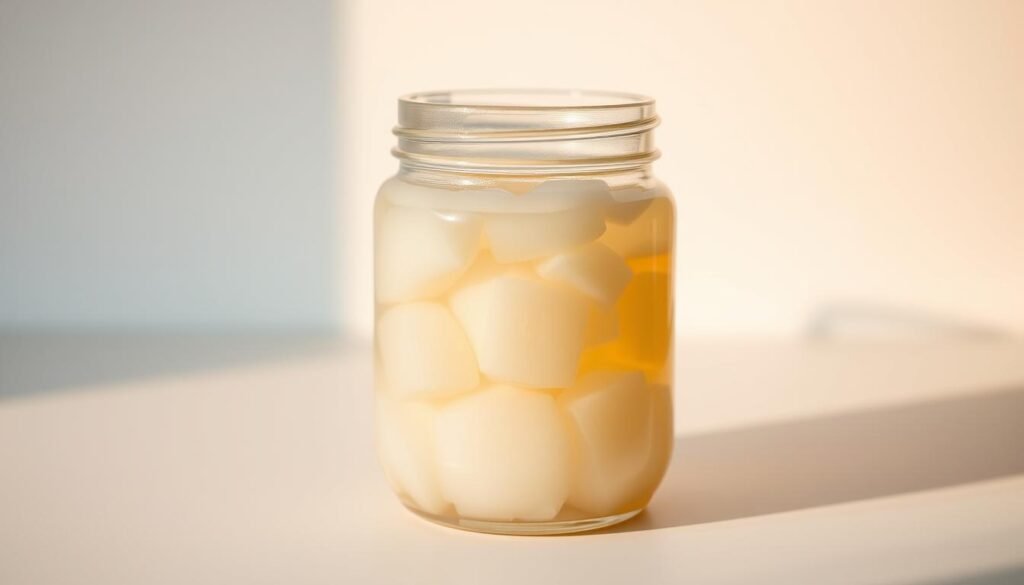
If you prefer a plain coconut oil rather than a dedicated oil-pulling blend, the option below keeps the routine simple. The important point is the role it serves: it is an optional swishing oil, not a treatment that replaces fluoride toothpaste, flossing, or dental care.
There is no evidence that choosing this particular brand produces better plaque, gingivitis, cavity, or breath outcomes than another suitable edible coconut oil. Anyone with a coconut allergy should use a different approach.
- NATURALLY EXTRACTED and NUTRIENT DENSE: Nutiva’s all-natural cold press extraction process yields a pure, light-tasting, nutrient-rich oil containing 63% medium chain triglycerides and 50% lauric acid without the use of dangerous and harmful chemicals, hexane, or heat.
- PREMIUM DIET COMPATIBILITY: Nutiva Virgin Coconut Oil is an ideal addition to vegetarian, vegan, raw, whole food, paleo, ketogenic, and gluten-free diets.
- HEALTH AND BEAUTY: Nutiva Virgin Coconut Oil has natural moisturizing and deep conditioning properties, making it an invaluable part of every body care regimen.
- COMMITMENT TO QUALITY: Nutiva partners with organic farmers to source the world’s finest fresh, organic virgin coconuts and stringently adheres to USDA certified organic and non-GMO guidelines to deliver superfood that is good for you and good for the planet.
How to Try Oil Pulling Safely
You do not need to force a 20-minute session on day one. If you decide to experiment, start with a small amount and a short, comfortable session. The goal is gentle movement, not vigorous swishing.
- Use roughly 1 tablespoon of an edible oil, or less if that feels more comfortable.
- Swish gently for several minutes. Some studies used 10–20 minutes, but longer is not automatically better.
- Do not intentionally swallow the used oil.
- Spit it into the trash rather than the sink, where fats can contribute to clogs.
- Rinse if desired, then brush with fluoride toothpaste.
Stop if the routine causes jaw discomfort, nausea, coughing, or difficulty managing the oil. People who have trouble swallowing or who are at increased risk of aspiration should avoid prolonged oil swishing unless a healthcare professional says it is appropriate.
Whitening, Detox, and Disease Claims
Oil pulling has not been shown to chemically whiten teeth. A cleaner surface can sometimes look brighter after debris or film is removed, but that is different from changing tooth color. The American Dental Association also notes a lack of documented whitening benefit from oil pulling.
The “detox” claim is even weaker. Swishing oil in the mouth has not been shown to draw toxins from the bloodstream, cleanse internal organs, cure migraines, or treat unrelated systemic disease. It also cannot repair a cavity or reverse established gum disease.
Where Oil Pulling Fits in a Good Oral-Hygiene Routine
If you enjoy oil pulling and can do it comfortably, use it as an optional pre-brushing step. Do not let a 10- or 20-minute swish crowd out the habits with much stronger evidence. The ADA recommends brushing twice daily for two minutes with fluoride toothpaste and cleaning between the teeth every day.
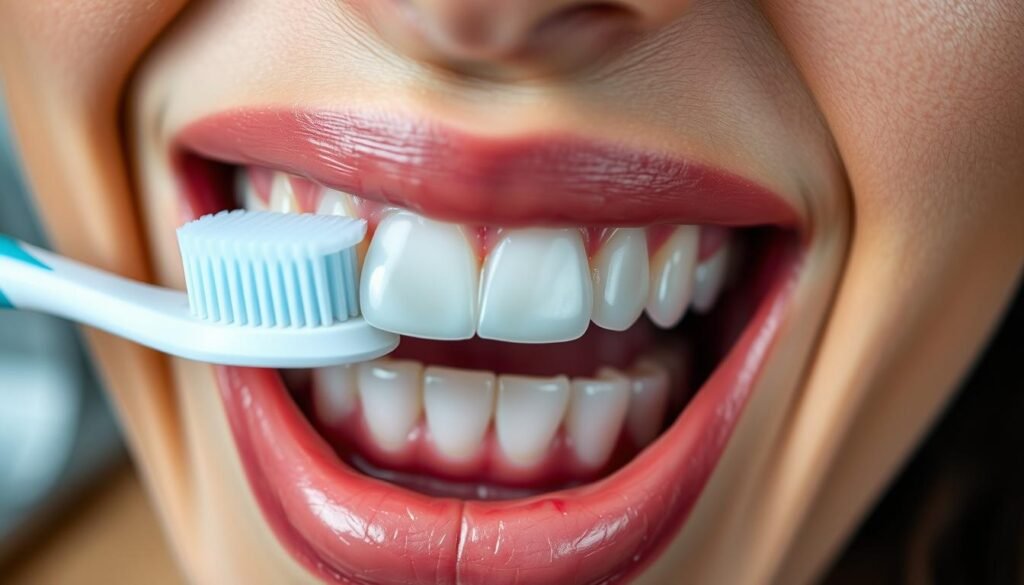
If time is limited, skip the optional step and keep the basics. Regular dental visits also matter because tartar, cavities, periodontal disease, and persistent bad breath can require diagnosis or treatment that home routines cannot provide.
When to Skip It and See a Dentist
Oil pulling should not be used to delay care for tooth pain, swelling, a suspected cavity, persistent bleeding gums, loose teeth, or ongoing bad breath. Those symptoms can have causes that need professional evaluation. The same applies if you have recently had oral surgery or have a swallowing problem that makes prolonged swishing difficult.
Conclusion
Oil pulling is more interesting than either extreme suggests. It is not simply “nothing,” because swishing causes emulsification and some trials report changes in oral bacteria or gum-health measures. But it is also not a proven replacement for standard oral care, and saponification should not be presented as a confirmed explanation for major dental benefits.
If you like the routine, keep expectations modest: use a tolerated edible oil, swish gently, spit it out, and then continue with fluoride brushing and interdental cleaning. The best-supported role for oil pulling is as an optional add-on, not a cure, whitening treatment, detox method, or substitute for a dentist.
FAQ
What happens to bacteria when you swish oil around your mouth?
The swishing motion can loosen debris and suspend some microorganisms in the oil-saliva mixture. Some trials report lower bacterial counts after repeated use, but that does not prove broad elimination of harmful oral bacteria or long-term protection from cavities.
Does saponification literally happen during oil pulling?
Emulsification definitely occurs. A laboratory study found findings consistent with possible saponification during sesame-oil pulling, but researchers have not established clinically important soap formation as the main mechanism in the mouth. It is more accurate to call saponification a proposed mechanism.
Is coconut oil better than sesame or sunflower oil?
Not clearly. Coconut oil has lauric acid and has been studied in several trials, while sesame oil has a longer traditional history and substantial research use. Current evidence does not establish one oil as decisively superior for overall oral health.
Can oil pulling replace fluoride toothpaste or flossing?
No. Fluoride brushing and daily cleaning between the teeth have much stronger evidence for preventing tooth decay and controlling plaque. Oil pulling should be optional and supplementary.
Can oil pulling whiten teeth or detox the body?
There is no reliable evidence that it produces true tooth whitening or removes systemic toxins. Any temporary brighter appearance is more likely to reflect surface cleaning rather than a change in tooth color.
How long should you swish?
Many studies use about 10–20 minutes, but there is no strong evidence that everyone needs that duration. Start shorter if you try it, keep the motion gentle, and stop if it causes discomfort.