


Bloating is common: research summarized by the National Institute of Diabetes and Digestive and Kidney Diseases suggests that 16% to 31% of people experience it. Gas, swallowed air, constipation, food intolerances, and disorders of gut-brain interaction can all contribute, so the right fix depends on the cause.
Herbal tea can be a gentle part of the plan for occasional bloating, but it is not an instant cure. Evidence is also uneven: many studies test concentrated oils, capsules, extracts, or multi-herb products rather than a normal mug of tea. The five options below are ranked for practical fit, traditional digestive use, safety, and the quality of evidence available.
For most people, tea works best alongside slower eating, adequate fluids, and a short walk after meals. If a tea seems to worsen reflux, nausea, or cramping, stop using it and choose another option.
Key Takeaways
- Peppermint is a practical first choice for gas and crampy discomfort, although the strongest IBS evidence is for enteric-coated peppermint oil rather than tea.
- Ginger is most useful when bloating comes with nausea, heaviness, or post-meal fullness.
- Fennel and lemon balm have long-standing traditional use for mild digestive complaints, but tea-specific clinical evidence remains limited.
- Chamomile fits best in the evening when digestive discomfort and stress seem to overlap.
- Persistent or worsening bloating deserves medical attention, especially when it comes with weight loss, vomiting, blood in the stool, fever, or significant pain.
Helpful Products at a Glance
For a convenient ginger option, Traditional Medicinals Organic Ginger Tea offers pre-portioned bags for people who prefer tea to slicing fresh ginger.
- Promotes healthy digestion and prevents nausea due to motion.
- Non-GMO verified. All Ingredients Certified Organic. Kosher. Caffeine Free.

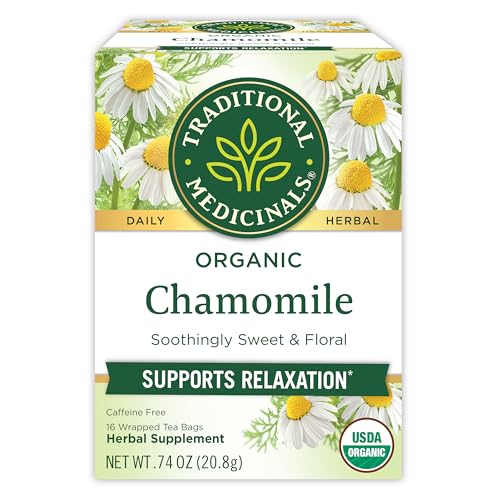
For an evening herbal cup, Traditional Medicinals Organic Chamomile Tea is a caffeine-free bagged option; skip chamomile if you have a known allergy to related plants such as ragweed or daisies.
- Herbal stress relief tea: Organic Chamomile tea calms your nerves and supports healthy digestion to help you relax*
- Taste: Our chamomile tea organic formula is fragrant and floral with honey notes
Why Bloating Happens
Gas normally enters the digestive tract when you swallow air and when gut bacteria break down carbohydrates that were not fully digested earlier. Eating quickly, drinking carbonated beverages, constipation, food intolerances, and conditions such as irritable bowel syndrome can make the sensation more noticeable. The NIDDK has a useful overview of gas, bloating, and common causes.
Herbal teas may help in different ways. Some herbs have antispasmodic or carminative traditions, while others may support nausea control or relaxation. A warm drink can also encourage slower sipping and better hydration. What it cannot do is diagnose the reason for repeated bloating.

Best Herbal Teas for Bloating
| Rank | Tea | Best fit | Main limitation |
|---|---|---|---|
| 1 | Peppermint | Gas and crampy discomfort | Most clinical evidence is for peppermint oil, not tea |
| 2 | Ginger | Nausea, heaviness, post-meal fullness | Can aggravate heartburn in some people |
| 3 | Fennel | Post-meal gas and mild spasms | Evidence relies heavily on traditional use |
| 4 | Chamomile | Evening digestive tension | Digestive evidence is limited; allergy and drug interactions matter |
| 5 | Lemon balm | Mild bloating with stress or tension | Support is based mainly on long-standing traditional use |
1. Peppermint Tea: Best for Gas and Crampy Discomfort
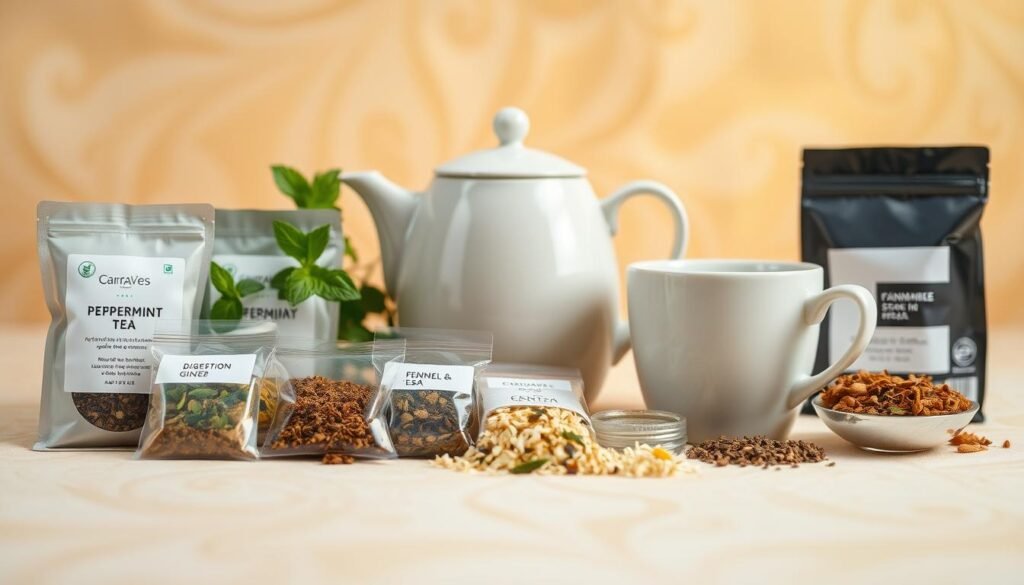
Peppermint is the strongest-known name on this list for IBS-related digestive symptoms, but there is an important distinction: the better clinical evidence is for enteric-coated peppermint oil capsules. The National Center for Complementary and Integrative Health notes that very little research has been done on peppermint leaf itself, so a cup of peppermint tea should be treated as a low-intensity option rather than a proven equivalent.
For a simple cup, steep a peppermint tea bag or a small handful of fresh leaves in hot water for about 5 to 10 minutes. Covering the cup while it steeps helps retain the aroma. Sip it after a meal when gas or tightness starts rather than expecting a guaranteed effect within minutes.
Who should be cautious: peppermint products can aggravate heartburn or reflux in some people. If mint reliably makes your reflux worse, choose another non-mint option instead.
2. Ginger Tea: Best for Nausea, Heaviness, and Post-Meal Fullness
Ginger has a stronger research base for nausea than for bloating itself. A small randomized trial in people with functional dyspepsia found faster gastric emptying after ginger capsules, but symptoms did not improve significantly in that study. That is a useful reminder not to translate supplement research directly into promises about brewed tea. NCCIH also notes that much of the human research on ginger has tested ginger supplements rather than foods or tea.

For a fresh brew, add 4 to 6 thin slices of ginger to 10 to 12 ounces of hot water and steep for 8 to 10 minutes. A tea bag is easier when you want consistent preparation. Ginger can cause heartburn, abdominal discomfort, or diarrhea in some people, especially at higher intakes.
If convenience matters, Traditional Medicinals Organic Ginger Tea is a straightforward 16-bag option. It makes sense for people who want ginger on hand without peeling or slicing fresh root; fresh ginger remains a perfectly good no-special-product alternative.
- Promotes healthy digestion and prevents nausea due to motion.
- Non-GMO verified. All Ingredients Certified Organic. Kosher. Caffeine Free.
- Consistently high quality herbs from ethical trading partnerships.
- Taste: Pleasantly spicy and warming
3. Fennel Tea: A Traditional Choice for Post-Meal Gas
Fennel seed has a long history of use for mild spasmodic digestive complaints, including bloating and flatulence. The European Medicines Agency recognizes traditional medicinal uses of fennel while noting that much of the support comes from long-standing use rather than strong modern clinical trials. That makes fennel reasonable to try for occasional post-meal gas, but not something to oversell as a proven rapid treatment.
Lightly crush about 1 teaspoon of fennel seeds, add hot water, cover, and steep for roughly 10 minutes before straining. Start with one cup and see how you respond rather than using large or frequent doses automatically.

Safety matters: fennel can trigger allergic reactions in susceptible people. The EMA also advises against medicinal fennel use during pregnancy and breastfeeding because safety has not been established.
4. Chamomile Tea: Best for an Evening Wind-Down
Chamomile is better supported as a calming herb than as a direct treatment for bloating. If stress seems to make your stomach feel tighter or more sensitive, a warm caffeine-free cup in the evening can still be a practical ritual. The digestive claim should stay modest: research does not establish chamomile tea as a fast treatment for trapped gas.

Brew one tea bag or about 1 teaspoon of dried chamomile flowers in hot water for 5 to 10 minutes. It pairs naturally with a quiet evening routine rather than being used as an all-day digestive “detox.”
For a simple bagged option, Traditional Medicinals Organic Chamomile Tea comes in a 16-bag caffeine-free format. A plain loose-leaf chamomile from a trusted food retailer can serve the same basic purpose if you prefer not to buy tea bags.
- Herbal stress relief tea: Organic Chamomile tea calms your nerves and supports healthy digestion to help you relax*
- Taste: Our chamomile tea organic formula is fragrant and floral with honey notes
- Inspired by tradition: Our herbs are high in essential oils and hail from organic farms, from Bulgaria’s idyllic meadows and Egypt’s fertile Nile Valley to our chamomile tea bags
- Mindfully-made herbal tea: This USDA Certified Organic tea is also Kosher, Caffeine-Free, Compostable, and Herbalist-formulated
People with allergies to ragweed, chrysanthemums, marigolds, or daisies may be more likely to react to chamomile. NCCIH also notes reported interactions with warfarin and possible interactions with sedatives and other medicines.
5. Lemon Balm Tea: Mild Digestive Support With a Calming Profile
Lemon balm (Melissa officinalis) has traditional European use for mild digestive complaints including bloating and flatulence, as well as mild stress. The European Medicines Agency bases those uses mainly on long-standing use rather than strong modern clinical trials, so it belongs lower in this ranking.
Steep about 1 teaspoon of dried lemon balm leaves in hot water for 5 to 10 minutes. Its light lemon-mint flavor works well in the afternoon or evening. If you take regular medication, check with a pharmacist or clinician before using concentrated herbal products or making lemon balm a daily medicinal routine.
A Simple Tea Routine for Occasional Bloating
After a heavy meal: try peppermint if gas and cramping are the main problem, or ginger if nausea and heaviness are more noticeable. Later in the day: fennel can be a mild post-meal option. In the evening: choose chamomile or lemon balm when relaxation is part of what you want from the cup.
Keep the rest of the routine simple: eat more slowly, limit carbonated drinks if they trigger symptoms, drink enough plain water, and take an easy walk after meals when comfortable. Brigham and Women’s Hospital also offers practical guidance on reducing gas and bloating.
Avoid turning tea into a complicated supplement stack. One herb at a time makes it easier to notice whether it actually helps, does nothing, or makes symptoms worse.
Safety, Side Effects, and When to Get Checked
Herbs can interact with medicines and may not be appropriate during pregnancy, breastfeeding, or certain health conditions. “Natural” does not mean risk-free. This is especially important with concentrated extracts and supplements, which can deliver much larger amounts of plant compounds than a normal cup of tea.
Talk with a clinician if bloating is frequent, suddenly different, or affecting daily life. Seek prompt medical care for bloating with severe or worsening abdominal pain, persistent vomiting, blood in the stool, fever, unexplained weight loss, or other concerning symptoms.
FAQ
Which herbal tea is best for trapped gas?
Peppermint is a reasonable first choice for occasional gas and crampy discomfort, but the best clinical evidence is for peppermint oil capsules rather than peppermint tea. If peppermint worsens reflux, try a non-mint option.
Can ginger tea help after a heavy meal?
It may be useful when fullness comes with nausea or a heavy-stomach feeling. Research on ginger and gastric emptying has mostly used measured doses of ginger rather than ordinary tea, so keep expectations modest.
Can I mix these herbs?
Simple blends such as ginger with chamomile or fennel with lemon balm are common, but mixing several herbs makes it harder to identify side effects or interactions. If you take medication, start with one herb and check with a pharmacist before making concentrated blends a daily habit.
Can herbal tea treat IBS?
Tea may help some symptoms, but it is not a complete IBS treatment. Peppermint oil has some evidence for short-term IBS symptom relief, while evidence for most other herbal products is much less certain. Persistent IBS symptoms deserve a broader plan that may include diet, bowel-habit management, and medical care.
How long should I steep herbal tea?
Five to 10 minutes works for many leaf and flower teas. Fennel seeds often benefit from about 10 minutes after light crushing, while fresh ginger can steep for 8 to 10 minutes. Use the package directions when they differ.
Bottom Line
For occasional bloating, peppermint is the most practical first pick for gas and crampy discomfort, ginger fits nausea and post-meal heaviness, fennel is a traditional post-meal option, chamomile suits an evening wind-down, and lemon balm offers mild traditional digestive support.
The most important point is not to treat herbal tea like a guaranteed cure. Match the herb to the symptom, keep the brew simple, notice how your body responds, and get medical advice when bloating is persistent, severe, or accompanied by warning signs.



Don’t Miss These Picks