

Adaptogens are herbs and other natural substances promoted for helping the body cope with physical or mental stress. The idea is appealing, but “adaptogen” is a functional wellness term rather than a guarantee that a product has been proven to treat stress, anxiety, fatigue, or any disease.
Research is strongest for a small number of herbs, and even there the evidence varies by extract, dose, study quality, and health goal. If you are considering an adaptogen, focus on the specific ingredient rather than the category as a whole, check for medication or health-condition conflicts, and treat supplements as an optional addition to sleep, nutrition, exercise, and evidence-based care.
Key Takeaways
- “Adaptogen” describes a proposed stress-supporting effect, not one shared chemical structure or a proven medical treatment.
- Ashwagandha has some evidence for stress and insomnia, while evidence for rhodiola and many other adaptogens remains limited or inconsistent.
- Different herbs have different risks, interactions, and contraindications; they are not interchangeable.
- In the United States, dietary supplements are not FDA-approved for safety and effectiveness before most products reach the market.
- Choose transparent labels, use one new supplement at a time, and involve a clinician when you take medicines or have a chronic condition.
Helpful Products at a Glance
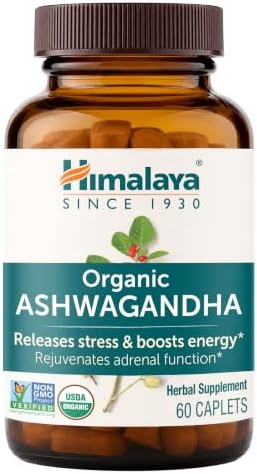
For readers specifically considering ashwagandha, this single-herb Himalaya option has clear labeling, but the herb is not appropriate for everyone.
- PREMIUM ASHWAGANDHA SOURCE: Himalaya Organic Ashwagandha is a clinically studied blend of Ashwagandha root powder and root extract cultivated in its native habitat using best practices to ensure superior quality. Each caplet has 670 mg of Ashwagandha, and contains no additives, binders, or fillers.
- STRESS RELIEF & MENTAL CLARITY: Our Ashwagandha is clinically studied to reduce stress, helps improve mood and emotional balance, improves concentration, supports mental clarity and focus, and promotes learning ability, while supporting cortisol levels.*
For readers comparing rhodiola products, this Nature’s Way option clearly states its standardized extract, although standardization does not prove that the supplement will improve fatigue or performance.
- Rhodiola Capsules: Nature's Way Rhodiola is a premium extract that supports energy and cognitive performance for active lifestyle support*
- Adaptogenic Herb*: Contains 250 mg of rhodiola rosea root extract per serving, standardized to 3% rosavins and 1% salidroside to support energy and cognitive performance*

What Are Adaptogens?
The term dates back to research from the mid-20th century. In modern wellness use, it generally refers to substances claimed to increase resilience to different stressors while causing relatively little disruption to normal function. That definition is broad, and there is no single test showing that every product marketed as an adaptogen works in the same way.
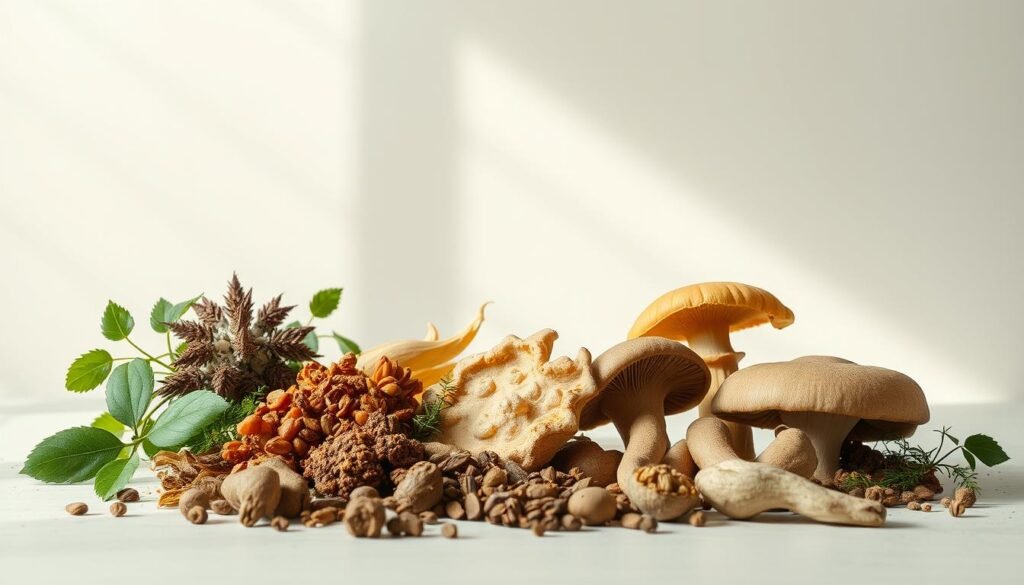
Most consumer discussions focus on botanicals such as ashwagandha, rhodiola, Panax ginseng, schisandra, eleuthero, and holy basil. Some mushrooms, including reishi and cordyceps, are also marketed as adaptogens. The strength of evidence is ingredient-specific, so it is more useful to ask, “What do we know about this herb and this extract?” than “Do adaptogens work?”
Adaptogens are also not substitutes for treatment. Persistent anxiety, depression, severe fatigue, sleep problems, or unexplained symptoms deserve proper evaluation rather than being masked with supplements.
How Adaptogens May Affect the Stress Response
Researchers have explored whether certain adaptogens influence systems involved in stress regulation, including the hypothalamic-pituitary-adrenal (HPA) axis and signaling related to cortisol. These mechanisms are biologically plausible, but mechanistic findings do not automatically mean a supplement will produce a meaningful benefit in everyday life.
The older “general adaptation syndrome” model describes stress in stages such as alarm, resistance, and exhaustion. Adaptogen research sometimes uses this framework to explain resilience, but it should not be interpreted as proof that a supplement can keep someone in a preferred stress stage or prevent the effects of chronic stress.

Common Adaptogens and What the Evidence Actually Says
Ashwagandha
Ashwagandha is one of the better-studied herbs in this category. The National Center for Complementary and Integrative Health (NCCIH) says some preparations may help with stress and insomnia, but studies have used different extracts and many have been small. Evidence is less clear for anxiety and many other promoted uses.
Safety deserves equal attention. Short-term use may be tolerated by many adults, but drowsiness, stomach upset, diarrhea, vomiting, and rare liver injury have been reported. NCCIH advises avoiding ashwagandha during pregnancy and breastfeeding and notes concerns for people with thyroid or autoimmune disorders, those preparing for surgery, and people taking several types of medication.
If you and your clinician decide ashwagandha is reasonable, a clearly labeled single-herb product can make it easier to know what you are actually taking. Himalaya USDA Organic Ashwagandha Root is a 60-caplet product whose Amazon listing identifies a 670 mg blend of root powder and root extract. Its simple format is useful for readers who do not want a multi-ingredient “stress blend,” but the product label does not remove the herb’s contraindications.
- PREMIUM ASHWAGANDHA SOURCE: Himalaya Organic Ashwagandha is a clinically studied blend of Ashwagandha root powder and root extract cultivated in its native habitat using best practices to ensure superior quality. Each caplet has 670 mg of Ashwagandha, and contains no additives, binders, or fillers.
- STRESS RELIEF & MENTAL CLARITY: Our Ashwagandha is clinically studied to reduce stress, helps improve mood and emotional balance, improves concentration, supports mental clarity and focus, and promotes learning ability, while supporting cortisol levels.*
- BACKED BY CLINICAL STUDIES: Himalaya Organic Ashwagandha has been evaluated in 4 clinical trials, including a recent randomized, double-blind, placebo-controlled trial evaluating its effect on stress.*
- SAFE & AUTHENTIC ASHWAGANDHA: Every lot passes more than 25 tests for identity, purity, and safety, with 7 tests for microbial safety. DNA-based plant identification is used to confirm only authentic Ashwagandha root is used in the product, the right species and plant part, every time.
Rhodiola rosea
Rhodiola is commonly marketed for fatigue, energy, stress, mood, and performance. Some individual trials have reported benefits, but the overall picture is uncertain. NCCIH states that there is not enough reliable evidence to determine whether rhodiola is useful for any health-related purpose.
That makes label transparency especially important. Nature’s Way Rhodiola lists 250 mg of Rhodiola rosea root extract per serving, standardized to 3% rosavins and 1% salidroside. Those details help identify what is in the product; they should not be read as evidence that it will improve energy or cognition. Rhodiola may cause dizziness, headache, insomnia, dry mouth, or increased saliva, and medication interactions are possible.
- Rhodiola Capsules: Nature's Way Rhodiola is a premium extract that supports energy and cognitive performance for active lifestyle support*
- Adaptogenic Herb*: Contains 250 mg of rhodiola rosea root extract per serving, standardized to 3% rosavins and 1% salidroside to support energy and cognitive performance*
- Dietary Supplement Directions: Adults take 1 capsule twice daily on an empty stomach; for best results, take in the morning and at mid-day
- Gluten & Dairy-Free: Gluten-free and vegan; no wheat, corn, soy, dairy, gelatin, or artificial colors or flavors; Non-GMO Project Verified
Asian and American Ginseng
Ginseng products are often promoted for energy, cognition, immunity, and stress. Evidence depends on the species and outcome. Asian ginseng can cause insomnia, may affect blood sugar or blood clotting, and can interact with medicines. The NCCIH Asian ginseng guide recommends extra caution during pregnancy, breastfeeding, and when taking medications.
Schisandra, Eleuthero, Holy Basil, Reishi, and Cordyceps
These ingredients have traditional uses and early or mixed research behind various stress, endurance, immune, or well-being claims. They should not be treated as proven substitutes for better-supported care. Mushroom products also vary greatly in species, fungal material used, extraction method, and quality, which makes broad claims especially hard to generalize.
Licorice Root Deserves Special Caution
Licorice is sometimes included in adaptogen lists, but glycyrrhizin-containing licorice can raise blood pressure and cause serious problems with potassium and heart rhythm, particularly with high intake or in susceptible people. NCCIH specifically warns about greater risk in people with hypertension and heart or kidney conditions.

How to Choose and Use an Adaptogen More Safely
Start by defining the problem you are trying to address. “I want more energy” is different from persistent exhaustion, poor sleep, depression, anemia, medication side effects, or uncontrolled stress. If symptoms are significant or unexplained, investigate the cause before adding a supplement.
Next, choose one ingredient rather than a large proprietary blend. Look for the exact species, plant part, extract details, serving amount, and a full ingredient list. Independent quality programs can help confirm identity or manufacturing quality, but a testing seal does not prove that the supplement is effective.
Capsule, Tea, Powder, or Extract?
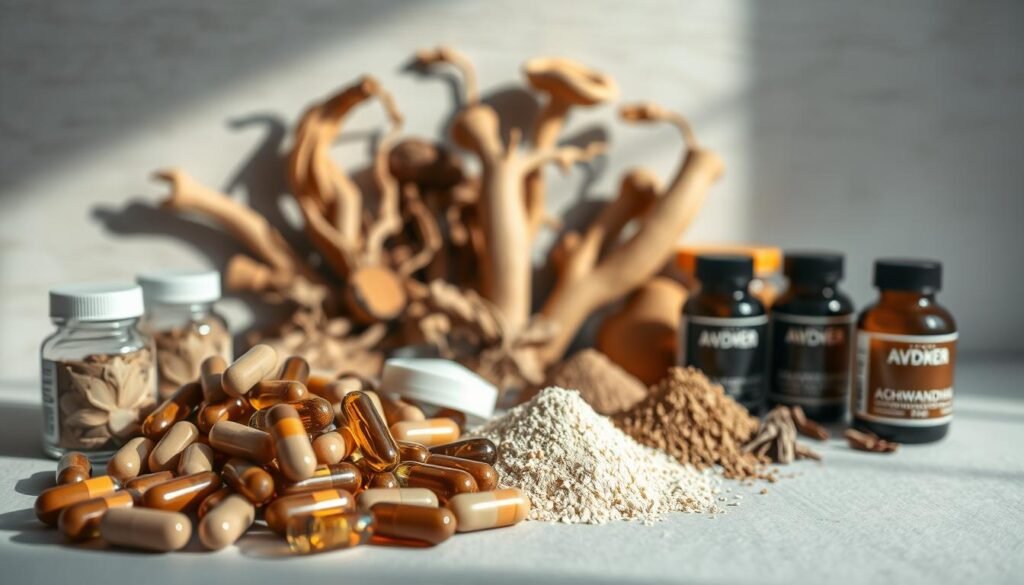
| Form | Useful When | Main Trade-Off |
|---|---|---|
| Capsule | You want a labeled serving and simple routine | Less flexibility for adjusting the amount |
| Tea | You enjoy a beverage-based routine | Strength can vary by preparation |
| Powder | You prefer mixing it into food or drinks | Measuring and taste may be less convenient |
| Extract or tincture | You want a concentrated, labeled preparation | Concentration and added ingredients vary |
There is no universal “adaptogen dose” or guaranteed timeline for results. Follow the specific product label, avoid stacking several new herbs at once, and stop if you develop a concerning reaction. If you take prescription medicines, have liver, kidney, cardiovascular, thyroid, autoimmune, or mental health conditions, or are pregnant or breastfeeding, review the specific herb with a qualified clinician first.
How Supplements Are Regulated in the United States
Dietary supplements are regulated differently from prescription and over-the-counter drugs. The FDA explains that it generally does not approve dietary supplements for safety and effectiveness before they are marketed. Manufacturers are responsible for meeting applicable safety, manufacturing, and labeling requirements, while FDA oversight includes post-market enforcement.
That is why “natural,” “adaptogenic,” or “standardized” should not be treated as a safety guarantee. Compare labels, avoid cure-all claims, and be skeptical of products that hide amounts inside proprietary blends or imply they can replace medical treatment.
Who Should Be Especially Careful?
- Pregnant or breastfeeding people: several commonly marketed adaptogens have insufficient safety data or specific warnings.
- People taking prescription medication: herbs can affect blood pressure, blood sugar, clotting, sedation, thyroid function, or immune activity.
- People with hypertension, heart, kidney, liver, thyroid, or autoimmune conditions: the risk profile differs by herb, and some choices may be inappropriate.
- Athletes subject to drug testing: use products certified for sport when possible because contamination or undeclared ingredients can create doping risk.
- Children: safety and dosing data are limited for many adaptogenic herbs, so use should be guided by a pediatric clinician.
Conclusion
Adaptogens are better understood as a broad wellness category than as one proven treatment. Ashwagandha has some human evidence for stress and insomnia, while rhodiola, ginseng, mushrooms, and other commonly marketed options have more mixed or limited evidence depending on the outcome.
If you want to experiment with one, keep the process simple: choose a specific goal, use one clearly labeled ingredient at a time, check for interactions, and judge the supplement by how you actually feel—not by broad marketing promises. Sleep, nutrition, movement, mental health care, and treatment of underlying medical problems remain the foundation.
FAQ
What Is the Simplest Definition of an Adaptogen?
An adaptogen is a substance, usually an herb in consumer wellness products, promoted for helping the body cope with stress. The term describes a proposed function rather than a single chemical family or FDA-approved treatment category.
Which Adaptogen Has the Best Evidence?
There is no universal winner. Ashwagandha is among the better-studied options for stress and sleep, but study quality, extract type, and safety considerations still matter. Evidence for rhodiola and many other ingredients is less certain.
How Long Do Adaptogens Take to Work?
There is no reliable class-wide timeline. Studies use different herbs, extracts, doses, and durations, so promises that all adaptogens work within a certain number of days or weeks are misleading.
Can Adaptogens Interact With Medication?
Yes. Depending on the herb, possible concerns include blood pressure, blood sugar, clotting, thyroid, immune, sedative, and other drug interactions. Check the specific ingredient rather than assuming all adaptogens have the same safety profile.
How Can I Spot a Better-Quality Supplement?
Look for the exact species, plant part, serving amount, extract details, and a complete ingredient list. Third-party quality testing can add useful manufacturing or identity assurance, but it does not prove that a product is safe for you or that its health claims are effective.