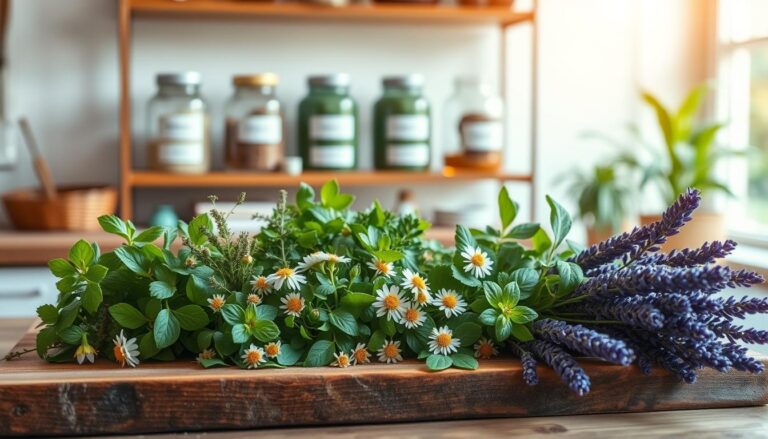


Could one simple swap calm your stomach and change how you feel all day? If you wake up to frequent fullness, gas, or slow digestion, the morning drink you pick matters more than you think.
Abdominal bloating is an uncomfortable fullness caused by excess gas, slow motility, or sensitivities that make the belly feel distended. About 14% of people in the U.S. report this symptom, so small changes can have big effects.
This article previews a practical game plan: switch coffee to targeted tea to relax gut muscles, speed stomach emptying, and ease cramps. You’ll learn how peppermint, ginger, fennel, and chamomile address specific causes of bloating and which bitter herbs may boost digestive juices.
We’ll also cover safe use, when to sip around water and meals, and a 7-day transition plan that shows how one mindful cup each morning can add up to real digestive benefits. Curious which cup fits your gut best? Check a quick note on why many choose alternatives over coffee at reasons tea beats coffee.
Key Takeaways
- Morning beverages shape gut comfort; swapping can reduce bloating and gas.
- Peppermint, ginger, fennel, and chamomile each target different digestive drivers.
- Small, consistent changes—one cup daily—may yield measurable benefits.
- Plan includes a 7-day transition, steep times, and timing with water and meals.
- Know safety flags and consult a clinician when herbs might interact with conditions or meds.
Why Your Morning Coffee Can Spike Bloating—and How Tea Changes the Game
Coffee’s acidity and stimulant punch can provoke reflux, speed intestinal transit, and in some people trigger sudden gas and discomfort. Switching to a gentler cup often reduces sharp cramps and visible distention while giving steadier energy.
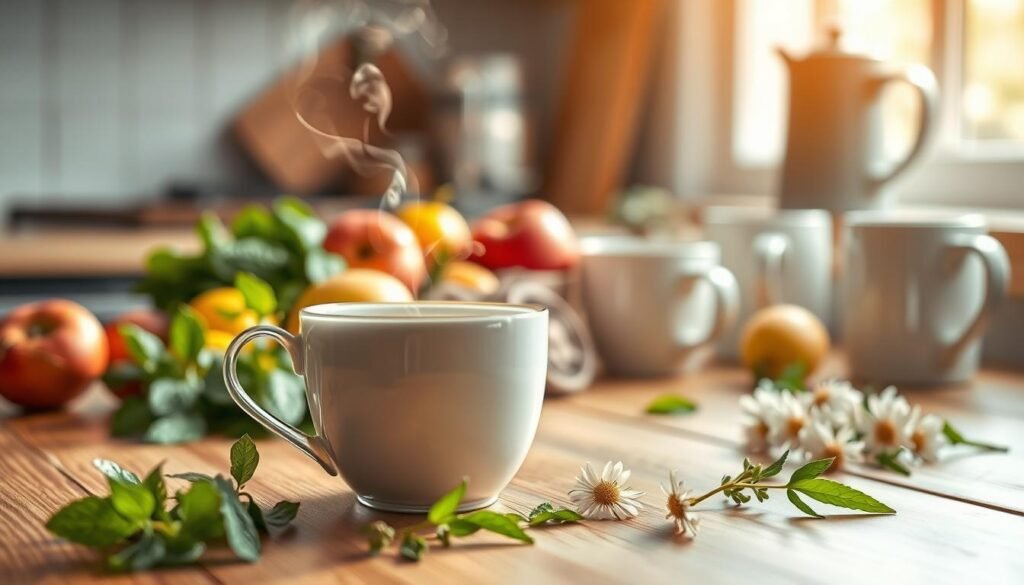
How coffee causes problems: Acid in coffee can irritate the stomach lining and raise reflux risk. Caffeine speeds motility, sometimes pushing gas through the digestive tract in bursts that heighten discomfort.
For people with irritable bowel tendencies, that stimulant effect can magnify cramping and bloating after breakfast. Rapid movement may feel like relief at first, then bring sharp pain or visible distention.
How gentler drinks act differently
Many calming blends show carminative properties that help gas pass slowly and smoothly. Antispasmodic action literally “untightens” GI muscles, so trapped gas moves with less pain.
Anti-inflammatory properties in certain blends can soothe a reactive intestinal wall after a strong coffee. Lower caffeine and warm water temperature make a gentler morning start easier on a sensitive stomach.
| Trigger | Coffee | Soothing drink action | Likely outcome |
|---|---|---|---|
| Acidity | Can irritate stomach lining | Lower-acid options reduce irritation | Less reflux and discomfort |
| Caffeine | Speeds gut motility | Lower-stimulus or caffeine-free choices | Fewer sudden cramps |
| Muscle spasms | May worsen cramps | Antispasmodic and carminative properties | Smoother gas passage, less pain |
| Inflammation | Can inflame reactive tract | Anti-inflammatory components calm tissue | Reduced bloating and tenderness |
Try a two-week test: swap your usual cup and track symptoms daily. Many people report steadier digestion and less visible bloating within days.
Practical tip: Begin with one soothing cup before any other caffeine. If you want a quick guide to which blends to try next, see this review on top options recommended by our nutritionist.
“A gentler morning ritual often eases digestive symptoms and supports longer-lasting, even energy.”
Herbal Tea for Bloating: What It Is, How It Helps, and Who Benefits
Choosing the right infusion can ease trapped air and settle a tense belly quickly. Different plant groups work in distinct ways—some relax muscle, others stimulate digestion, and some simply soothe a sore stomach.
Carminative herbs like peppermint, fennel, and anise relax intestinal muscles and help relieve trapped gas and flatulence. These are best when cramping or sudden gas is the main issue.
Carminatives that help relieve gas and flatulence
Carminatives loosen spasms so air moves with less pain. Try single-herb infusions first to spot what helps you most.
Bitter herbs that stimulate digestive juices and bile flow
Bitters such as gentian and wormwood act as digestive starters. They encourage enzyme and bile flow to break down heavy meals and reduce post-meal heaviness. Use with care and consult later safety notes.
Soothing flowers and leaves for cramps, nausea, and indigestion
Flowers and leaves like chamomile and lemon balm calm cramps and ease mild indigestion. Iberogast includes several of these and has some clinical backing, though single‑herb research is limited.
- Who benefits most: people whose bloating follows meals, have gas-prone bowels, or feel full after small portions.
- Tip: sip gentle, warm water infusions on a semi-empty stomach and keep a brief log to find your best match.
- Start simple—single-herb cups before blends—and watch which reduces symptoms fastest.
For a quick guide to top options, see a concise review at best tea choices.
The Core Teas That Consistently Help Relieve Bloat
These four cups work best when you match the plant to your main symptom. Pick peppermint for spasms, ginger when you feel heavy, fennel for gas and mild constipation, and chamomile to calm a tense tract.
Peppermint: relaxes GI muscles and eases intestinal spasms
Peppermint relaxes smooth muscle and often eases sharp spasms and related pain. Reach for this when crampy gas drives your bloating.
- Prep: 1 tsp dried leaf, steep 5–10 minutes; sip warm after meals prone to gas.
Ginger: supports gastric emptying and reduces fullness and pain
Ginger helps move food through the stomach and can reduce fullness and upper‑abdominal pain. Use it when you feel heavy or slow to digest.
- Prep: 1–2 tsp fresh sliced root per cup, simmer 10 minutes; or steep a bag 5–7 minutes.
Fennel seeds: aids gas reduction, cramping, and constipation
Fennel seeds act as an antispasmodic and can cut flatulence and cramps. Traditional and clinical data support its use after meals.
- Prep: Lightly crush 1 tsp seeds, steep 10–15 minutes; sip ~20 minutes before meals that bloat you.
Chamomile flowers: calming effect for the digestive tract
Chamomile soothes a reactive tract and eases stress-linked cramps. It’s mild enough for evening use and is part of multi‑herb formulas used for abdominal pain.
- Prep: 1 tsp dried flowers, steep 5–10 minutes; enjoy after dinner to settle digestion.
Rotate these cups based on whether gas, cramps, or heavy fullness leads your symptoms that day. Note: peppermint can worsen reflux in some people, and chamomile may trigger allergies in those sensitive to the daisy family.
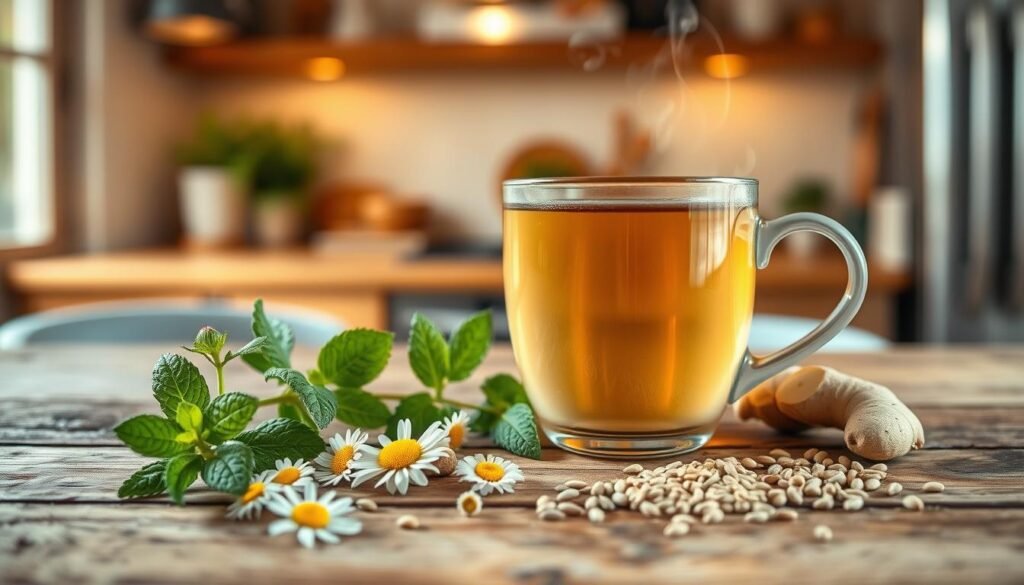
For a quick comparison of options and preparation tips, see a concise guide on relief choices at recommended drinks for digestion.
Supportive Options: Lemon Balm, Green Tea, and Other Seed- or Leaf-Based Teas
Lemon balm, low-caffeine green blends, and select seed or leaf infusions offer targeted help when standard cups fall short. They work by easing gas, reducing cramps, or supporting gentle digestion without heavy stimulation.

When to reach for lemon balm or green leaves
Lemon balm has a long traditional use for gas and mild abdominal pain and appears in products like Iberogast that reduce digestive symptoms. Use a leaf infusion in the afternoon when stress-linked fullness flares.
Green tea brings polyphenols with antioxidant and anti-inflammatory effects that can support gut health. Choose low-caffeine varieties in the morning if you are sensitive to stimulation.
Seeds and spice leaves that help gas and cramps
- Anise: eases excess gas and crampy discomfort; steep seeds 5–10 minutes and sip after meals.
- Dill: useful with IBS-type cramps; its seeds relax intestinal muscle.
- Cardamom: can stimulate acid and help gas passage—avoid if you have active gastritis or ulcers.
- Bay leaf: offers digestive and anti-inflammatory benefits; steep a single dried leaf 10 minutes. Avoid in pregnancy and breastfeeding.
Practical starters: 1 tsp seeds or 1 tbsp crushed leaves per cup is a good rule. Log which cup eases your bloating most and rotate options to build a reliable, personalized remedy.
Bitters with Benefits: Wormwood and Gentian Root (Use with Care)
Some roots taste sharp on purpose: that bitterness prompts the body to prepare for digestion. Bitters are plants whose sharp flavor triggers saliva, stomach acid, and bile. That reflex can ease post‑meal heaviness and move trapped gas along more smoothly.
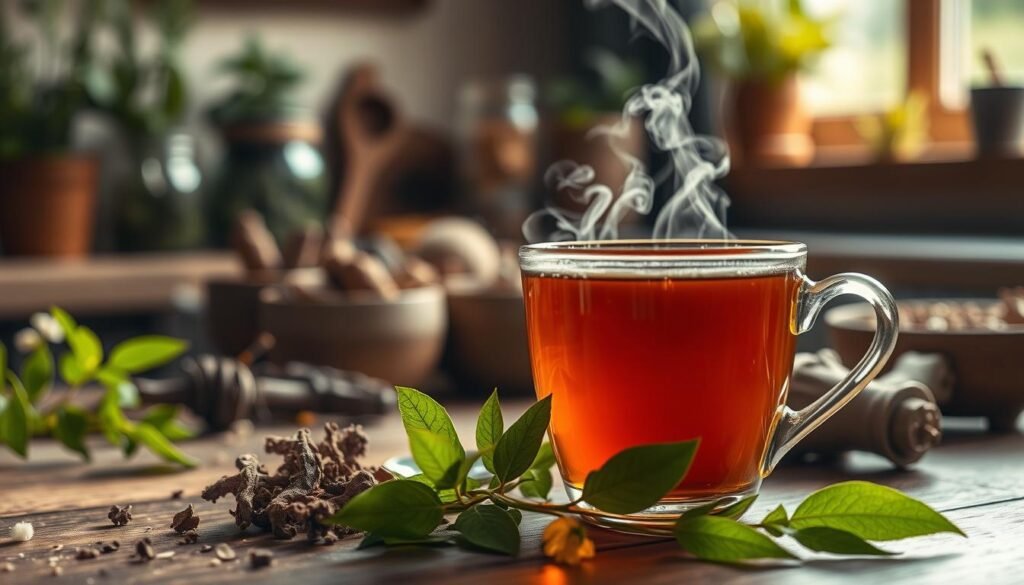
How they work: Gentian root and wormwood stimulate digestive secretions and bile, which may reduce bloating and support digestion after rich meals. Gentian is often taken before eating when fullness and gas follow heavy food. Wormwood appears in digestive bitters but lacks strong human tea data specific to bloating.
Practical prep and expected effect: Use 1/2 tsp dried root per cup of hot water. Steep 3–5 minutes, sip 10–15 minutes before a meal. Expect a sharp, bitter taste and increased salivation — that sensation is the desired effect as the body ramps up digestion.
- Safety snapshot: Avoid during pregnancy, with active ulcers, gastritis, or reflux flares; gentian can raise stomach acidity.
- Use short courses and low doses. Rotate with gentler cups to prevent overstimulation of the stomach.
- Choose high quality sources and stop if burning pain or worse symptoms appear.
- If constipation accompanies bloating, improved secretions and bile flow may help regularity indirectly.
Want deeper reading on digestive bitters? See a concise review of digestive bitters benefits.
Make the Switch: A Simple Plan to Swap Coffee for Tea Without Withdrawal
A gradual swap from coffee to gentler cups lessens headaches and helps the gut adapt smoothly. This plan cuts caffeine stepwise, primes digestion with water, and uses specific teas to help relieve morning bloating and discomfort.

Smart step-down strategies to reduce caffeine headaches
Start by replacing half your usual coffee with a cup of chamomile or lemon balm for 2–3 days. Drink a glass of water on waking to prime the stomach before your first cup.
A 7-day sample morning routine to ease symptoms
- Day 1–2: Chamomile or lemon balm on rising; keep a small coffee mid-morning if needed.
- Day 3–4: Swap that small coffee to green tea or peppermint when you have spasms.
- Day 5–7: Use ginger before breakfast to reduce fullness; take fennel ~20 minutes before meals that bloat you.
Keep cups unsweetened: added sugar can ferment and increase gas. Use lemon or a cinnamon stick instead.
Track daily symptoms like distention, cramps, and discomfort. If headaches appear, add a half-cup of green tea mid-morning and taper again over 2–3 days.
Pair your morning cup with protein and gentle fiber to stabilize energy while your body adapts. Reassess weekly and adjust the routine so the transition stays smooth. For alternatives to coffee, see coffee swap options.
Brew Like a Pro: Steeping Times, Water Temps, and Flavor Tweaks
Precise water temperature and steep time unlock the plant compounds that aid digestion and reduce gas. Use simple dosing and timing rules to get consistent results and better taste every morning.
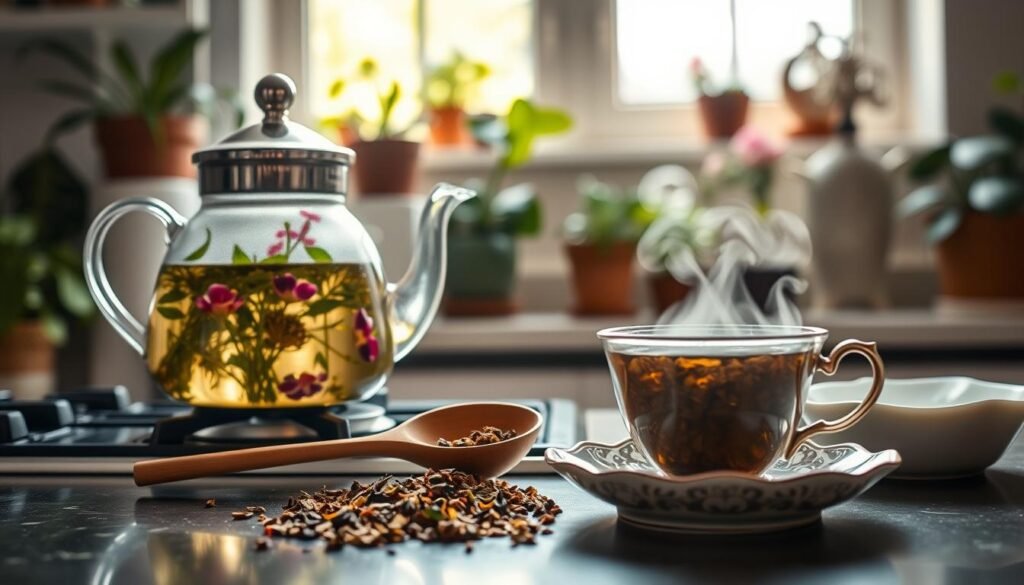
Practical brewing rules
- Roots: simmer ginger or gentian 8–10 minutes; strain for balanced extraction.
- Seeds: lightly crush fennel, anise, or dill; steep 10–15 minutes and drink 15–20 minutes before meals.
- Flowers/leaves: pour near‑boiling water and steep peppermint, chamomile, or lemon balm 5–10 minutes.
- Green/black leaf: brew 160–180°F for 2–3 minutes to avoid bitterness; use earlier in the day.
Dosing & consistency: 1 tsp dried leaf or seeds (1 tbsp fresh) per cup is a baseline. Most people do best with 1–3 cups daily. Match timing to when gas or fullness typically appears and keep a short log of what helps.
| Plant type | Method | Time | When to sip |
|---|---|---|---|
| Roots (ginger/gentian) | Simmer, strain | 8–10 min | Before meals or when heavy |
| Seeds (fennel/anise) | Crush, steep | 10–15 min | 15–20 min pre-meal |
| Flowers/leaves (chamomile/peppermint) | Pour near-boil | 5–10 min | After meals to soothe |
| Green/black leaf | Lower-temp steep | 2–3 min | Mornings/early afternoon |
Flavor tips: Skip sugar or honey if gas is an issue. Use lemon zest, fresh mint sprigs, or a cinnamon stick instead. Prep a pot and gently rewarm to keep quality without bitter over‑extraction.
Want a practical brewing primer? See a full guide to steeping and benefits at brewing basics or compare soothing evening options at sleep-friendly blends.
Safety First: Who Shouldn’t Use Certain Teas and When to Talk to Your Doctor
Not every soothing cup is safe for everyone — some plants carry clear medical warnings that matter more than taste. Read this short guide before you try a new product so you can avoid worsening symptoms or interactions.
Pregnancy and breastfeeding: avoid wormwood and boldo. Use caution with peppermint, fennel, dill, bay leaf, and sage; discuss any use with your OB before trying seeds or strong infusions.
When reflux, gallstones, or liver disease are concerns
Peppermint may relax the lower esophageal sphincter and worsen GERD or reflux‑type stomach pain. Boldo is contraindicated with gallstones, biliary inflammation, acute hepatitis, or pancreatitis — avoid bitters without clinician approval.
Medication and mineral interactions
Chamomile can interact with anticoagulants and sedatives. Lemon balm may affect thyroid meds and increase sedative effects. Anise can reduce iron absorption — skip anise if you take iron or have anemia.
Ulcers, allergies, kids, and IBS monitoring
Bitters like gentian and wormwood can raise acidity and worsen ulcers or gastritis; cardamom may irritate an active ulcer. Avoid chamomile if you have daisy family allergies and stop any infusion that triggers nausea or allergic signs.
- Children: confirm dosing with a pediatric clinician before using seeds or bay leaf infusions.
- Irritable bowel or IBS: introduce one cup at a time and track bowel changes and pain.
- Seek urgent care for severe pain, bleeding, sudden severe bloating, or major bowel changes.
Need a practical patient diary to track effects? See my week-by-week personal trial here to learn how small changes reveal true benefit.
Beyond the Cup: Diet, Movement, and Stress Habits That Help Relieve Bloat
What you eat, how you move, and how you manage stress all shape whether your belly feels calm or tight. Small, consistent changes to food choices, gentle activity after meals, and simple stress tools can reduce gas and constipation and make digestion more predictable.
Food swaps and hydration that ease pressure
Limit carbonated drinks and very salty foods; both promote water retention and add visible puffiness. Choose cooked cruciferous vegetables over raw ones when gas spikes after meals.
Increase soluble fiber slowly and pair it with regular water intake to reduce constipation-related bloating. If dairy causes discomfort, try lactose-free or fermented options like yogurt.
Audit sugar alcohols and artificial sweeteners — they ferment and boost gas in many people.
Gentle movement to stimulate digestion
Walk 10–20 minutes after a meal to help move gas along and speed gastric emptying. Light yoga or gentle twists ease tight abdominal muscles and lower inflammation.
Make post-meal movement a routine; repeated short walks beat occasional long workouts for steady improvement in digestion and regularity.
Stress habits that calm the gut
Brief breathing practices before meals prime a rest-and-digest state and can cut stress-related bloating. Even one 3‑minute breathing break lowers gut nervous‑system drive.
A warm glass of water with a squeeze of lemon in the morning can gently wake digestion and help relieve morning fullness for some people.
- Routine wins: combine a mindful morning drink, a short walk after meals, and simple breathing to build consistent results.
- When to escalate: if constipation or severe bloating persists despite these remedies, consult a clinician to rule out underlying causes.
Try mindful workouts as part of a daily rhythm that supports long‑term digestive health and less post‑meal gas.
Conclusion
Start with one gentle morning cup and watch small changes add up. Keep a short log and rotate peppermint, ginger, fennel, and chamomile based on daily symptoms.
Make safety your compass: avoid bitter remedies with ulcers, check pregnancy warnings, and review interactions with meds. Pair this simple remedy with water, gentle walking, and fiber adjustments to magnify the benefits over weeks, not days.
Want extra reading on choosing the right cup and nervine blends? See a practical guide to calming infusions at digestion and drink options and a review of nervines that support calm sleep and digestion at nervine science.
Stay curious and consistent. The best remedy is the one you can use daily without side effects.
FAQ
Why does my morning coffee make me feel bloated, and can switching to a herbal infusion help?
Coffee can increase stomach acidity, stimulate rapid gut motility, and trigger reflux or gas in sensitive people. Replacing it with a caffeine‑free infusion that contains carminative and antispasmodic compounds—like peppermint, fennel, or ginger—can reduce spasms, ease gas, and promote gentler digestion, often lowering post‑drink bloating.
Which plant-based blends work best to relieve gas and abdominal cramping?
Look for blends that include peppermint, fennel seed, ginger root, and chamomile flowers. Peppermint relaxes GI smooth muscle, fennel and anise reduce flatulence, ginger supports gastric emptying, and chamomile soothes inflammation and cramps. Combining one root or seed with a calming flower often provides fast, mild relief.
Is green tea a good alternative if I still want some caffeine?
Green tea contains less caffeine than coffee and provides polyphenols that may support gut health, but it can still irritate acid‑sensitive people. If reflux or heartburn contributes to your bloating, choose low‑caffeine or decaffeinated options and monitor how you feel after drinking.
How should I brew roots, seeds, and flowers to get the best digestive benefits?
Use hotter water and longer steeps for dense materials: 95°C (203°F) and 8–12 minutes for roots and seeds like ginger or fennel. Flowers and delicate leaves (chamomile, lemon balm, peppermint) steep at 85–90°C (185–194°F) for 4–7 minutes. Consistent, properly timed brews extract active compounds without excessive bitterness.
How often and when should I drink these infusions to reduce post‑meal bloating?
Aim for 1–3 cups per day. Drink one cup 15–30 minutes after meals to help settle fullness and gas, and another in the evening if nighttime bloating is an issue. Maintain consistency for several days to assess benefit, and avoid excess volume right before lying down.
Are bitters like gentian and wormwood helpful, and are there safety concerns?
Bitters can stimulate digestive secretions and bile, improving motility and reducing bloating for some people. However, they can irritate ulcers, interact with medications, and are not recommended in pregnancy. Use low doses, follow product directions, and consult your clinician if you have liver disease or take prescription drugs.
Which blends or ingredients should pregnant or breastfeeding people avoid?
Avoid concentrated amounts of wormwood, boldo, and large doses of fennel or anise essential oils. Peppermint and some bitters may also be flagged. Choose mild options like ginger or lemon balm and check with your obstetrician before regular use.
Can these infusions interact with medications I’m taking?
Yes. Peppermint oil can affect GERD and interact with antacids; green tea can alter absorption of iron and interact with stimulants; some bitters affect liver enzyme activity and anticoagulants. Always review supplements and herbal products with your pharmacist or physician, especially if you take blood thinners, thyroid meds, or sedatives.
Will swapping coffee for an infusion cause caffeine withdrawal headaches, and how can I avoid them?
If you regularly consume several cups of coffee, gradually reduce intake over 7–10 days while replacing portions with low‑caffeine green tea or decaffeinated rooibos and caffeine‑free infusions. Stay hydrated, maintain sleep and meal routines, and use short‑term over‑the‑counter pain relief if needed under guidance.
Besides drinking infusion blends, what lifestyle changes reduce bloating most effectively?
Practical steps include reducing high‑FODMAP triggers (beans, certain onions), balancing fiber intake, staying well hydrated, taking gentle walks after meals, practicing slow chewing, and managing stress with breathwork or yoga. These habits complement herbal approaches and improve long‑term digestive comfort.
What signs mean I should stop an infusion and seek medical advice?
Stop if you experience severe abdominal pain, persistent vomiting, bloody stools, yellowing skin, allergic reactions (rash, swelling), or if bloating worsens despite changes. Consult a healthcare professional for evaluation and personalized guidance.
Can I sweeten my infusion without increasing bloating risk?
Yes—skip regular sugar and common sugar alcohols (sorbitol, xylitol) that can cause gas. Use a small amount of honey (if tolerated) or a nonfermentable sweetener like stevia. Better yet, add a slice of lemon or a cinnamon stick for flavor without fermentable carbs.
Fennel and chia seeds can help: fennel eases cramping and gas, while chia supports stool bulk when hydrated. Use chia properly—mix with water and allow it to gel—and combine seed strategies with adequate water, fiber balance, and gentle movement to relieve constipation‑linked bloating.