


Ever stayed up late on purpose just to reclaim a sliver of personal time—and wondered why it feels impossible to stop? This pattern, often called revenge bedtime procrastination, is when you delay going to bed to take back control of your day, even though you know it will cost you tomorrow.
Experts use a three-part test: you create a measurable delay that cuts total rest, you have no valid reason for staying up, and you know the choice will harm you—yet you do it anyway because it can feel like control.
It shows up two ways: putting off bedtime, or getting into bed but scrolling, streaming, or gaming until your night sleep shrinks. Over time, this habit erodes thinking, mood, immune defense, and daily performance.
Later we’ll map quick wins (digital curfew, a short wind-down) and deeper fixes (a realistic bedtime anchor and habit tweaks). For a practical tracking approach and experiment tips, see this helpful diary method in a real 30-day tracking guide.
Key Takeaways
- Revenge bedtime procrastination is intentional delay to gain personal time despite costs.
- Experts check three signs: measurable delay, no valid reason, and awareness of harm.
- It appears as delayed bedtime or in-bed scrolling; both cut night sleep and quality.
- Chronic loss harms cognition, mood, immunity, and long-term health.
- Practical fixes include a digital curfew, simple wind-downs, and a realistic bedtime anchor.
- Track one habit change at a time and review weekly to find what truly helps.
What “revenge bedtime procrastination” really means and how to spot it
Ask yourself if you regularly delay lights-out to claim “me time” despite knowing the cost. This habit shows three clear features: you push your planned bedtime later, the delay cuts total rest, and you have no valid reason for staying up.
Bedtime procrastination often hides in small choices that add up. You may promise one more episode or another scroll on social media and then keep moving the target. Over weeks, that pattern becomes automatic and harms focus and mood.

Clear signs you’re delaying rest without a valid reason
- You tell yourself “five more minutes” while media or games stretch your time.
- Planned bedtime keeps shifting even when you planned on going bed earlier.
- You feel the payoff is personal time — it can feel like control after a rigid day.
- Turning devices off feels hard and you justify staying up because you “earned it.”
Bedtime vs. in-bed delay: scrolling, streaming, and “just one more”
There are two common behaviors. One is delaying bedtime by staying awake. The other is getting into bed but postponing lights-out with a screen. Both reduce sleep and make the next day harder.
Track one week of intentions versus actual times. Seeing the gap helps people name the habit and take the first step toward change. For a concise clinical overview, read more on revenge bedtime procrastination.
Why it gets worse after dark: the brain, body clock, and modern life
By evening your willpower dips while reward systems stay hot, and that mismatch drives delay. This is where intention meets temptation: low control plus high-reward activities widens the gap between what you plan and what you do.
Low self-control at day’s end and the intention-behavior gap
Your mental energy falls across the day. Small choices feel harder, so the plan to rest often loses to easier, rewarding options.
Streaming, gaming, and feeds trigger quick rewards in the brain. That makes “one more” compelling and pushes your bedtime forward as time slips.
Evening chronotypes feel alert later, but early work or social demands force an early wake. The resulting social jetlag creates a cycle of late evenings and tired mornings.
Stress and rumination: tired yet wired when you need to rest
Worry and overthinking keep the mind active even when the body is drained. That “tired yet wired” state delays the shift into rest and raises anxiety about tomorrow.
Screens and blue light: delayed melatonin and a longer wake phase
Evening screen exposure suppresses melatonin and extends wakefulness. That biological nudge makes it harder to stick to a planned bedtime and can lead to chronic revenge bedtime patterns.
- Key drivers: depleted willpower, reward loops, circadian mismatch, stress, blue light.
- Consequence: less restorative rest and a higher chance of next-day self-regulation loss.
- What to try: dim lights, move entertainment earlier, and protect an electronic-free wind-down.

| Driver | How it works | Immediate effect | Practical fix |
|---|---|---|---|
| Low self-control | Decision energy declines late in the day | Plans give way to easy choices | Schedule key decisions earlier |
| Reward activities | Dopamine reinforces continued use | Extended media/gaming sessions | Set strict end times for apps |
| Circadian mismatch | Chronotype vs. social schedule conflict | Social jetlag and fatigue | Shift bedtime in small steps |
| Blue light & stress | Melatonin suppression and rumination | Delayed sleep onset | Dim screens; use calming rituals |
For a focused clinical overview and practical hygiene tips, see this review of revenge bedtime procrastination.
Sleep Procrastination at Night: quick fixes that help tonight
Start with one simple swap tonight and you can outsmart late-evening delay. These steps are meant to be easy, evidence-aligned, and repeatable so you can test what works.
Small actions tonight can boost rest immediately and build better habits over days. Use them as an experiment: pick two and try them for a week.
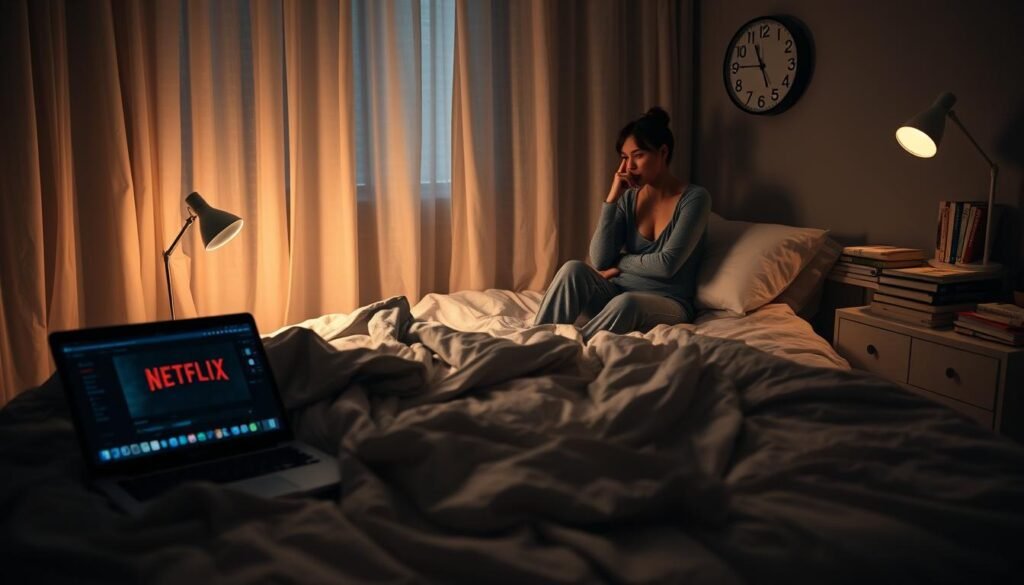
Set a digital curfew and phone-down alarm
Set a phone-down alarm 30–60 minutes before bedtime. Stop screens to cut stimulation and let your body wind down naturally.
Do a 20–30 minute wind-down routine without screens
Dim lights, stretch, breathe, journal, or read a book. Consistent steps become automatic habits that cue rest.
Time your last caffeine, heavy meals, and alcohol
Stop caffeine by midafternoon and avoid heavy meals or alcohol within a few hours of going bed to protect next-day health.
Create a cool, dark, quiet, comfy bed environment
Keep the room cool (mid-60s °F), dark, and quiet. Lay out pajamas and charge your phone outside the room to reduce late decisions.
| Quick fix | Why it helps | Try tonight |
|---|---|---|
| Digital curfew | Reduces stimulation and blue light | Phone-down alarm 30–60 min before bedtime |
| 20–30 min wind-down | Cues relaxation and lowers arousal | Stretch, read a book, journal |
| Limit stimulants | Protects sleep continuity | No caffeine after mid-afternoon; skip late alcohol |
| Optimize bedroom | Makes rest feel inviting | Cool, dark, quiet, comfy bedding |
For quick science-backed tips and tools to stop revenge bedtime delay, see this practical guide on stopping revenge bedtime procrastination, or learn about melatonin timing in a sleep doctor’s guide here.
Rebuild a consistent sleep schedule that fits your days
Small, steady shifts anchor a routine without drama. Pick one realistic target bedtime and move toward it slowly so your body clock can keep up.
Start small and let the habit stack. Shift your planned bedtime 10–15 minutes earlier every two to three days until you hit your goal. Slow changes reduce rebound and lower the urge to delay going bed.
Shift bedtime earlier in small steps for a stable routine
Make the change gradual. Nudge the clock, not your whole life. Keep the same wake time daily — weekends included — to lock in a steady sleep schedule.
- Start small: move bedtime 15 minutes earlier every 2–3 days.
- Anchor wake time: get up at the same hour each day to stabilize your cycle.
- Habit stack: pair a new wind-down (journaling) with a nightly cue (brushing teeth).
Protect personal time in the day to reduce “revenge” urges
Design leisure into your day. Schedule short, meaningful breaks — a walk, a chapter, a call — so you don’t feel the need to reclaim time after lights-out.
Choose a sustainable schedule that fits real work and commute demands. Unrealistic targets only invite late-night snap-back.
“Protecting small slices of daytime autonomy reduces the drive to delay rest after hours.”

| Action | Why it works | How to apply | Expected result |
|---|---|---|---|
| 15-minute shifts | Respects circadian adjustment | Move bedtime earlier every 2–3 days | Smoother adaptation; less rebound |
| Fixed wake time | Anchors daily rhythm | Wake same time, even weekends | Stronger sleep schedule; easier nights |
| Protected daytime breaks | Reduces need to reclaim time after dark | Schedule short leisure in workday | Lower urge for revenge delay |
| Cutoff ritual | Creates reliable wind-down cue | Pick an evening trigger (dishwasher, tea) | Better consistent bedtime adherence |
Track planned versus actual times weekly. Adjust pace if shifts feel abrupt and celebrate small wins. For practical reset tips, see this guide to reset your routine, and learn how to align days with your chronotype in this chronotype guidance.
Platforms reward tiny wins, and those hits can quietly push your evening farther into the late hours. Move high-stim media earlier and batch alerts so you can protect real personal time without feeling deprived.

Move entertainment earlier and batch notifications
Shift fun earlier: Watch your favorite show after dinner instead of near bedtime. That gives you the same pleasure without the late push to stay late.
Batch notifications: Turn pings into scheduled digests and silence the rest after a cutoff time. Fewer intermittent rewards from social media and media apps lowers the urge for one-more.
Replace doomscrolling with relaxing, low-stim activities
Swap high-arousal scrolling for a short chapter from a book, light stretching, or a warm bath. These activities calm the brain and make an earlier lights-out easier.
- Redesign your phone: remove attention traps and log out after a set hour.
- Keep the device out of the bed area to protect rest cues.
- Use app timers and watch limits so procrastination cannot quietly expand.
Make a 20-minute daytime slot for genuine personal time. When people protect small daytime joys, they are far less likely to reclaim them by staying late. For practical tips on reducing late scrolling and managing alerts, see a helpful piece on doomscrolling and notifications, or read this biohack that improved my sleep and.
Why this habit harms health and when to get support
Habitual late bedtimes steal restorative hours and create real harm for thinking, mood, and long-term health. Short nights reduce memory, slow decisions, and raise daytime drowsiness that can be dangerous while driving or working.
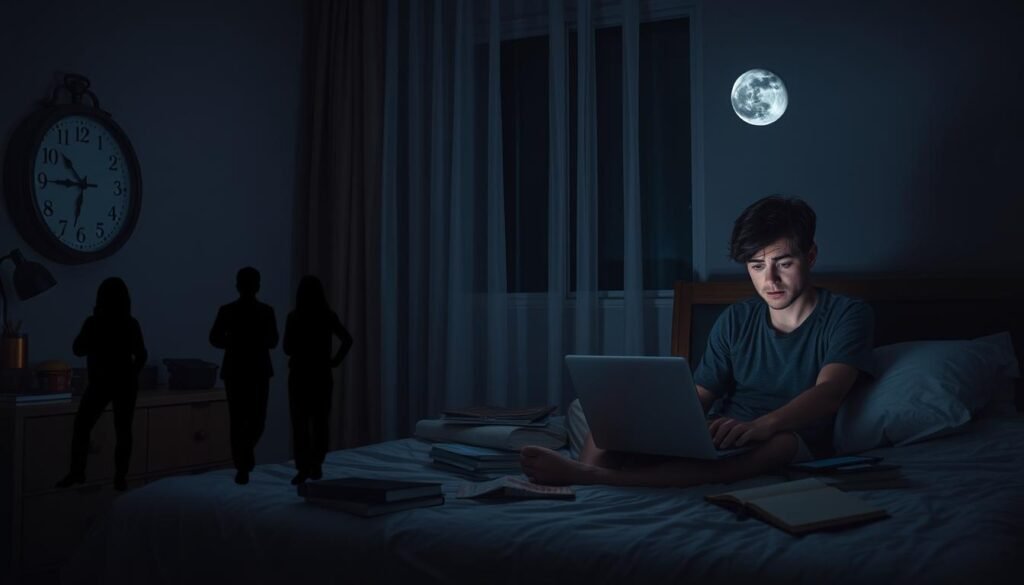
From sleep deprivation to mood, focus, and immune effects
Connect the dots: regular late bedtime cuts total sleep hours and undermines concentration, memory, and judgment the next day.
Understand health risks: chronic short rest raises cardiometabolic risk and weakens immune defenses. Studies show reduced vaccine responses and higher long-term disease odds.
Recognize mood impact: irritability, low drive, and increased anxiety often follow ongoing rest loss and can feed more delay the following evening.
When to talk with a doctor or sleep medicine specialist
Watch daytime flags: heavy sleepiness, microsleeps, or drowsy driving are warning signs that deserve clinical attention.
| Warning sign | Possible cause | Suggested action |
|---|---|---|
| Excessive daytime drowsiness | Chronic short nights | Talk with primary care; track sleep hours |
| Loud snoring or gasping | Possible sleep apnea | Refer to sleep medicine for testing |
| Two+ weeks of poor rest | Insomnia or circadian misalignment | Behavioral plans; consider specialist |
If four weeks of consistent changes don’t help, see your clinician. For context on why people resist earlier rest, read this piece on why we rebel against sleep.
Conclusion
Here’s a short roadmap to move from late-evening drift to steady rest. Start with small, repeatable steps tonight and protect gains across days.
Understand why bedtime delay peaks in the evening, spot your triggers, and try a 30–45 minute wind‑down, earlier entertainment, and a cool, dark room. Aim for 7–9 hours by fixing wake time and reversing a target bedtime.
If changes over several days don’t improve anxiety, insomnia, or other concerning effects, consult a clinician or sleep medicine specialist. For a clinical overview on predictors and quality, see this clinical overview, and for practical biohack tips try this practical guide.
Be patient and kind to yourself—this is a habit, not a failure. Small wins today build better health and a good night tomorrow.
FAQ
What exactly is “revenge bedtime procrastination” and how can I recognize it?
Revenge bedtime procrastination is when you delay going to bed to reclaim personal time after a busy day, even though you know it will harm your rest. Clear signs include repeatedly staying up late despite planned wake times, feeling guilty but powerless, using evening hours for passive entertainment (streaming, scrolling, gaming), and feeling more awake than tired when lights-out approaches.
How is delaying getting into bed different from delaying the moment I actually fall asleep?
Delaying getting into bed usually involves lingering with devices, chores, or “just one more” activities. In-bed delay (like scrolling under covers) means you’re physically in bed but still stimulating your brain. Both cut into restorative time, but the latter often worsens insomnia because screens and mental activity directly suppress melatonin and delay sleep onset.
Why do I feel more likely to push my bedtime later as the evening goes on?
Several forces combine after dark: self-control wanes with fatigue, reward systems (dopamine) make media and games more tempting, and circadian signals may not align with your schedule. Stress and rumination can also keep your mind engaged when your body needs rest, while blue light from screens delays the biological night.
What quick steps can I try tonight to avoid staying up too late?
Start a phone-down alarm 30–60 minutes before your target time, follow a 20–30 minute screen-free wind-down (read, stretch, deep breaths), avoid caffeine and heavy meals in the evening, and make the bedroom cool, dark, and quiet. These actions reduce stimulation and make it easier to fall asleep faster.
How do I shift to an earlier, sustainable bedtime without feeling deprived?
Move your bedtime earlier in 15–30 minute increments every few nights, keep wake time consistent, and protect daytime personal time so you feel less compelled to “steal” it at night. Small, steady changes help your body clock adjust without a crash diet approach.
How can I keep evening entertainment without wrecking my routine?
Batch entertainment earlier in the evening, set a hard stop time, and mute nonessential notifications. Replace high-arousal activities with calming options—a podcast, low-stim reading, or gentle yoga—to preserve enjoyment while lowering stimulation before bed.
How does this habit affect health beyond feeling tired?
Regularly cutting sleep harms mood, concentration, memory, glucose regulation, and immune function. Over months and years it raises risk for chronic conditions like hypertension and depression. Even short-term loss reduces daytime performance and increases accident risk.
When should I see a doctor or a sleep specialist about my evening habits?
Consult a primary care physician or a sleep medicine specialist if sleep delay is chronic despite behavior changes, if you fall asleep unintentionally during the day, or if you suspect a medical issue (sleep apnea, restless legs, severe anxiety or depression). Professionals can offer testing, targeted therapy, or cognitive behavioral therapy for insomnia (CBT-I).
Are there evidence-based therapies that help with persistent bedtime delay and insomnia?
Yes. Cognitive behavioral therapy for insomnia (CBT-I) is a first-line, evidence-based approach that targets thoughts, behaviors, and routines keeping you awake. Other supports include stimulus control, sleep restriction therapy, and, when appropriate, short-term medication under medical supervision.
Can reducing screen blue light alone fix evening delay?
Cutting blue light helps, but it’s not a cure by itself. Blue-light filters and glasses can reduce melatonin suppression, yet behavioral changes—consistent timing, reduced evening stimulation, and stress management—are essential for lasting improvement.