

Do you feel exhausted but struggle to fall asleep? Does stress make it hard to focus, or do you run out of energy halfway through the day? Different stress patterns can feel surprisingly different, and some adaptogenic herbs have been studied for these symptoms.
The right adaptogen depends on your main concern, the available evidence, and your health. Ashwagandha has some evidence for stress and sleep, while rhodiola, ginseng, tulsi, and schisandra have different traditional uses and varying levels of scientific support. Take the short quiz below to identify your stress pattern, then explore which herbs may be worth discussing with a healthcare professional.
Key Takeaways
- Restless or wired-and-tired: Ashwagandha may help with stress and sleep, but it is not suitable for everyone.
- Brain fog and mental fatigue: Rhodiola and Panax ginseng have been studied, although the evidence is mixed or limited.
- Physical fatigue: Ginseng has some evidence for general fatigue, while schisandra needs stronger human research.
- Everyday emotional stress: Tulsi (holy basil) has shown encouraging results in a few small clinical trials.
- Safety comes first: Herbs can interact with medications, and a stress-type quiz cannot diagnose cortisol problems or determine which supplement is safe for you.
Helpful Products at a Glance
NOW Ashwagandha 450 mg: A standardized ashwagandha extract in vegetarian capsules for adults considering this herb for stress or sleep. Check the ingredient details and medical precautions before use.
- AYURVEDIC ADAPTOGEN*: Ashwagandha is used as a general tonic and adaptogen, helping the body adapt to temporary normal stress.* NOW Ashwagandha is a standardized extract (450 mg per serving). Take 1 capsule 2 to 3 times daily
- FREE RADICAL SCAVENGER*/IMMUNE SYSTEM SUPPORT*: Preliminary data suggest that Ashwagandha supports a healthy immune system*

Gaia Herbs Rhodiola Rosea: A 60-capsule rhodiola supplement for people exploring this herb for daytime fatigue. Its potential benefits remain uncertain, and it may affect sleep or interact with medication.
- DAILY STRESS SUPPORT: Organic Rhodiola Rosea root extract acts as an energizing adaptogen that helps support the body's healthy response to occasional stress.*
- SIBERIAN ROOT EXTRACT: Featuring 6 mg of rosavins traditionally used to help support physical stamina, mental endurance, and overall well-being for active adults.*

What Are Adaptogens, and How Do They Work?
Adaptogens are plants and fungi traditionally used to help people cope with physical or mental stress. Examples include ashwagandha, rhodiola, ginseng, schisandra, and reishi mushroom.
Researchers are studying how some of these substances affect the hypothalamic-pituitary-adrenal (HPA) axis, a system connecting the brain and hormone-producing glands. This system helps regulate stress responses, including the release of cortisol.

Laboratory research suggests that certain plant compounds can affect stress-related signaling. However, these findings do not prove that every adaptogen lowers cortisol, restores hormonal balance, or works in humans. Clinical evidence must be assessed separately for each herb.
How Chronic Stress Affects Cortisol, Sleep, and Energy
When you face a challenge, your body releases stress hormones that increase alertness, heart rate, and available energy. This short-term reaction is useful, but ongoing stress without enough recovery can disrupt sleep, concentration, mood, and overall health.
Stress is sometimes explained using three stages of General Adaptation Syndrome:
- Alarm: Your body reacts to a challenge and prepares for action.
- Resistance: You continue coping while using physical and mental resources.
- Exhaustion: Prolonged demands without enough recovery may leave you feeling overwhelmed or worn down.
These stages are a useful historical model, not a medical test. Cortisol normally changes throughout the day, and feeling tired or restless does not necessarily mean your cortisol is too high or too low.
Persistent stress can also worsen headaches, digestive symptoms, and sleep problems. Regular movement, adequate sleep, and relaxation techniques remain important ways to manage stress. The National Institutes of Health explains how stress affects health and reviews approaches that may help.
Take the Quiz: Which Stress Type Sounds Most Like You?
This simple quiz helps you organize your symptoms and explore relevant herbs. It is not a clinically validated test and cannot diagnose burnout, anxiety, hormone imbalance, or a medical condition.

Choose one answer for each question. Write down the letter you select.
Question 1: What bothers you most?
- A. I feel tired, but my mind stays active at bedtime.
- B. I struggle to focus, remember details, or finish mental tasks.
- C. Physical activity leaves me unusually drained.
- D. I become irritable, tense, or emotionally overwhelmed.
Question 2: What happens after a demanding day?
- A. I struggle to unwind and sleep well.
- B. My thinking becomes slow or scattered.
- C. My energy drops, and even routine activities feel difficult.
- D. Small problems feel bigger than they normally would.
Question 3: What would you most like to improve?
- A. Restful sleep and relaxation.
- B. Concentration and mental clarity.
- C. Everyday stamina and physical energy.
- D. Emotional calm and stress management.
Your Results: Match Your Answers to a Stress Pattern
Count your A, B, C, and D answers. The letter you selected most often identifies the pattern to explore first. If you have a tie, read both relevant profiles rather than combining supplements.
- Mostly A — Wired-and-tired: Explore ashwagandha for stress and sleep. Check its important safety restrictions.
- Mostly B — Mental fatigue: Explore rhodiola or Panax ginseng, while keeping their evidence limitations in mind.
- Mostly C — Physical fatigue: Read about ginseng and schisandra. Consider medical causes if your fatigue is persistent.
- Mostly D — Emotional stress: Explore tulsi and ashwagandha, alongside established stress-management habits.
Important: Persistent fatigue, poor concentration, and mood changes can also result from sleep disorders, anemia, thyroid problems, diabetes, depression, or medication effects. A quiz result should not automatically lead to taking a supplement.
Ashwagandha: For Restless Stress and Sleep Problems
Ashwagandha (Withania somnifera) is one of the better-studied adaptogens for perceived stress and sleep. Some clinical trials have found improvements in stress scores and sleep measures after several weeks.
According to the National Center for Complementary and Integrative Health (NCCIH), certain preparations may help with stress and insomnia, but evidence for anxiety remains unclear. Different extracts have been tested, so results cannot automatically be applied to every product.
Choosing an Ashwagandha Supplement
If ashwagandha is appropriate for you, compare products by the plant part used, extract strength, and standardized ingredients. A simple capsule can make it easier to follow a consistent routine, but higher strength does not automatically mean better results.
NOW Ashwagandha 450 mg is one example containing a standardized extract in vegetarian capsules. It may appeal to people who prefer capsules over loose powders. However, its formulation and dose should be reviewed against the evidence and your individual health needs.
- AYURVEDIC ADAPTOGEN*: Ashwagandha is used as a general tonic and adaptogen, helping the body adapt to temporary normal stress.* NOW Ashwagandha is a standardized extract (450 mg per serving). Take 1 capsule 2 to 3 times daily
- FREE RADICAL SCAVENGER*/IMMUNE SYSTEM SUPPORT*: Preliminary data suggest that Ashwagandha supports a healthy immune system*
- CERTIFICATIONS/CLASSIFICATIONS: Non-GMO, Kosher, Dairy Free, Egg Free, Nut Free, Soy Free, Vegan/Vegetarian, Made without Gluten
- GMP Quality Assured: NPA A-rated GMP certification means that every aspect of the NOW manufacturing process has been examined, including our laboratory/testing methods (for stability, potency, and product formulation)
Key safety concerns: Ashwagandha can cause drowsiness and digestive upset, and rare cases of liver injury have been reported. It should be avoided during pregnancy and breastfeeding and is not recommended for people with thyroid or autoimmune disorders or those about to undergo surgery. It may also interact with sedatives, thyroid medication, and diabetes or blood pressure drugs.
Rhodiola Rosea: For Brain Fog and Mental Fatigue
Rhodiola rosea, also called golden root, has a history of traditional use for fatigue and work performance. It is commonly marketed to people dealing with long workdays, demanding schedules, or mental exhaustion.
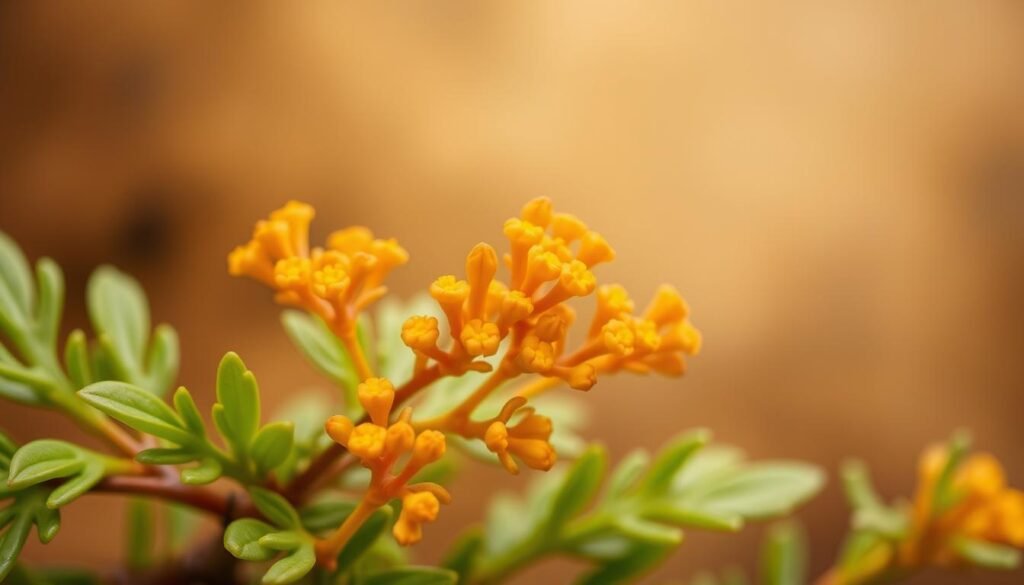
Some small studies suggest improvements in fatigue-related outcomes. However, the NCCIH review of rhodiola concludes that reliable evidence is insufficient to establish its usefulness for any health-related purpose.
What to Look for in a Rhodiola Product
Look for the exact botanical name, Rhodiola rosea, and clearly identified extract ingredients. Products may describe compounds called rosavins and salidroside, but standardization alone does not guarantee a clinical benefit.
Gaia Herbs Rhodiola Rosea comes in a 60-capsule format using rhodiola root extract. It offers a convenient form for someone specifically exploring rhodiola rather than a multi-herb blend. Keep expectations modest because research has not established dependable improvements in focus or fatigue.
- DAILY STRESS SUPPORT: Organic Rhodiola Rosea root extract acts as an energizing adaptogen that helps support the body's healthy response to occasional stress.*
- SIBERIAN ROOT EXTRACT: Featuring 6 mg of rosavins traditionally used to help support physical stamina, mental endurance, and overall well-being for active adults.*
- EASY TO TAKE: Each easy-absorb vegan liquid capsule delivers Rhodiola Rosea extract for convenient once-daily support, giving you 60 servings per bottle.*
- QUALITY YOU CAN TRUST: Gluten-Free, Dairy-Free, Soy-Free and Vegan, with no artificial sweeteners, colors, or flavors added.* Independently tested by SuppCo for identity and potency against label claims.
Rhodiola may cause headache, dizziness, dry mouth, or insomnia. Morning use may be more practical for someone sensitive to sleep disruption, although an ideal dosing time has not been firmly established. An interaction with the blood pressure medicine losartan has been reported.
Ginseng: For General Fatigue and Cognitive Performance
Two commonly discussed types are Asian ginseng (Panax ginseng) and American ginseng (Panax quinquefolius). Both contain compounds called ginsenosides, but their chemical profiles and research findings differ.
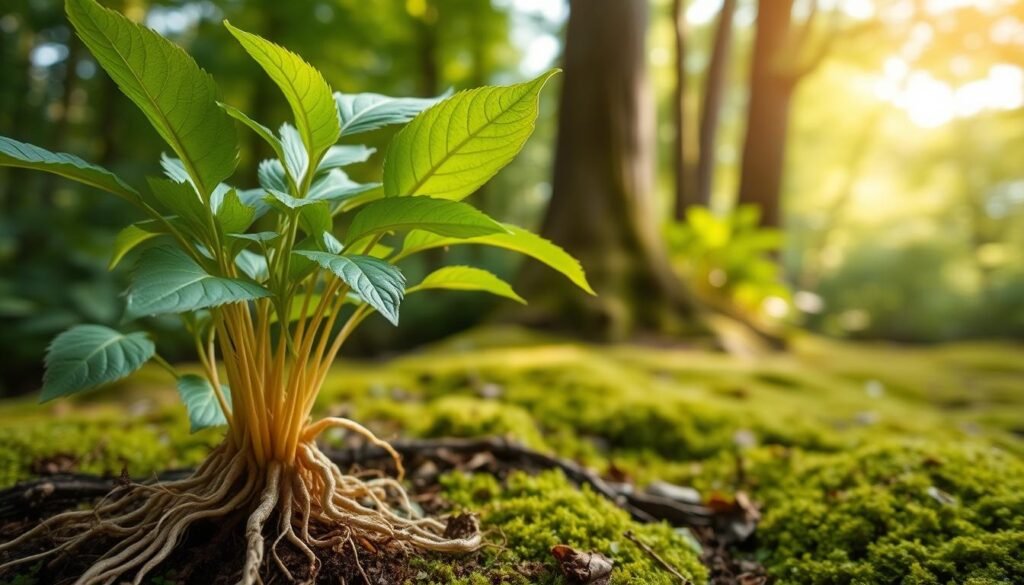
A review discussed by NCCIH suggests Asian ginseng may provide a small benefit for general fatigue. Some studies also report improvements in specific thinking tasks, but findings are not consistent across age groups or outcomes. Most research does not support improved athletic performance.
- Panax ginseng: More directly studied for general fatigue and certain cognitive tasks.
- American ginseng: Studied for cognition and immune-related outcomes, but it is not proven to be a better choice for everyday stress.
Ginseng can cause insomnia, affect blood sugar, and interfere with certain medications, including drugs affecting blood clotting. People managing diabetes or taking prescription medicines should check interactions before use.
Tulsi (Holy Basil): For Everyday Emotional Stress
Tulsi (Ocimum tenuiflorum, also called Ocimum sanctum) is widely used in Ayurvedic traditions. It is available as tea, powder, and concentrated extracts.
In a 2022 randomized trial involving 100 adults, a particular standardized tulsi extract improved self-reported stress and some sleep measures compared with placebo over eight weeks. The results are encouraging, but one preparation’s findings cannot prove that ordinary tulsi tea or every supplement works the same way.
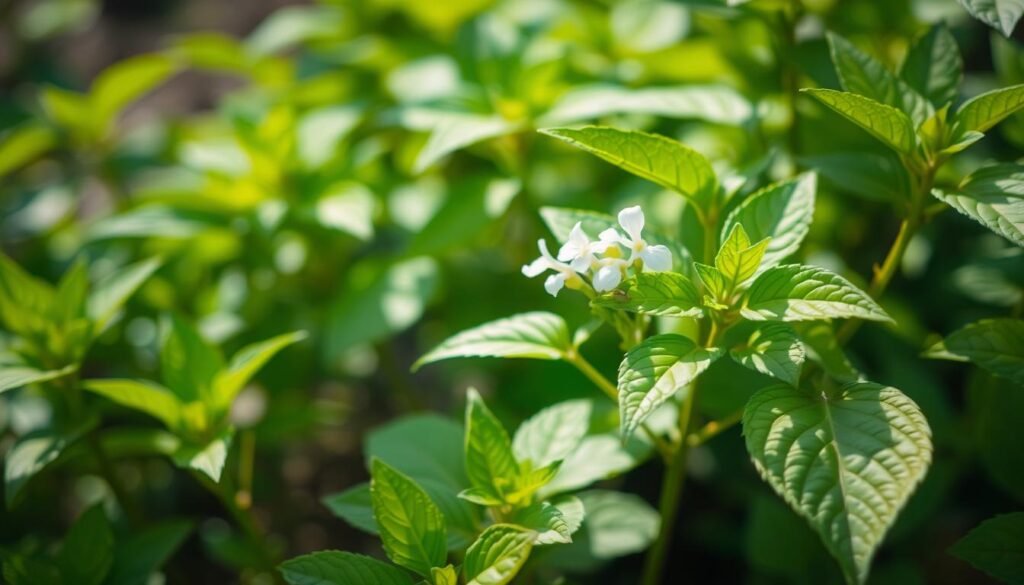
A cup of tulsi tea can also be part of a relaxing midday routine. That simple ritual may be worthwhile even without expecting a measurable medicinal effect.
Early research has explored possible effects on blood sugar and blood pressure, but tulsi is not an established treatment for either condition. Anyone taking related medication should check for possible interactions before using concentrated extracts.
Schisandra Chinensis: For Stamina and Working Capacity
Schisandra chinensis produces berries traditionally called the five-flavor fruit. It has been used in Chinese herbal medicine for vitality, fatigue, and liver-related conditions.
Laboratory and animal studies suggest antioxidant and other biological effects. However, according to Memorial Sloan Kettering Cancer Center, human studies are too limited to establish most claimed benefits.
A small study in older adults suggested possible improvements in muscle strength during exercise, but this is not enough to recommend schisandra as a proven endurance supplement.
Safety matters: Schisandra can affect how the body processes certain medications, including some immunosuppressants. Its traditional use for liver health does not make it a proven liver treatment.
Reishi and Other Adaptogenic Herbs Worth Knowing
Reishi mushroom, eleuthero, astragalus, licorice, and cordyceps also appear in adaptogen discussions. Each has different traditional uses, and their supporting human evidence varies considerably.
- Reishi: Often marketed for sleep and immune health, but reliable evidence for sleep improvement is limited. It can increase bleeding risk with blood thinners and may cause insomnia or liver problems.
- Eleuthero: Traditionally used for stamina and resilience, with insufficient strong evidence for everyday fatigue.
- Astragalus: Studied for immune-related effects, but people with autoimmune conditions should avoid it, and interactions with immunosuppressants are possible.
- Cordyceps: Promoted for exercise performance, although convincing evidence for dependable stamina benefits remains limited.
- Licorice root: Sometimes promoted for adrenal support, but it is not a routine stress supplement. Glycyrrhizin-containing licorice can increase blood pressure, lower potassium, and cause dangerous heart complications.
More herbs do not necessarily provide stronger results. Products containing several adaptogens can make it harder to identify which ingredient is helping or causing side effects.
How to Choose and Use Adaptogens More Safely
1. Choose a Goal and Check the Evidence
Start with one concern, such as sleep quality, fatigue, or concentration. Review whether an herb has been studied for that outcome in people, not just in laboratory experiments.
2. Compare Forms and Doses
Capsules, powders, tinctures, and teas are common options. Their strength can differ greatly. For example, 500 mg of dried herb is not automatically equivalent to 500 mg of concentrated extract.
There is no universal adaptogen dose. Research doses depend on the herb, formulation, and standardized compounds. Follow guidance specific to the product and your health rather than applying one dose range to every plant.
3. Avoid Starting Several Herbs Together
Pairings such as rhodiola in the morning and ashwagandha at night are often promoted online. However, evidence that these combinations are more effective or safer than single herbs is limited.
A clinician or pharmacist can help review interactions before you combine products. Automatic cycling every few weeks to prevent tolerance is also not supported by a reliable general rule.
4. Track Changes Without Ignoring Warning Signs
If a supplement is appropriate and you decide to try it, keep a simple record of:
- Sleep duration and how rested you feel.
- Daytime energy and concentration.
- Stress and mood changes.
- Digestive problems, headaches, or sleep disruption.
- Any new symptoms after starting the product.
Review the results over the period appropriate for that particular herb and formulation. Stop and seek medical advice if concerning side effects appear. Persistent or worsening symptoms deserve medical assessment rather than repeated supplement changes.
5. Look for Quality, Not Just Marketing Claims
Check the botanical name, plant part, ingredient amounts, standardized extract details, and independent testing information. Organizations such as NSF and USP offer supplement quality programs.
The NIH Office of Dietary Supplements explains that quality seals can help assess manufacturing and contents, but they do not prove a product is safe or effective.
Frequently Asked Questions
Which adaptogen has the strongest evidence for stress?
Ashwagandha has more supportive clinical research for stress and sleep than several other popular adaptogens. However, the studies vary in quality and formulation, and its safety restrictions can make it unsuitable for some people.
How long does it take adaptogens to work?
There is no single timeline. Some trials measure outcomes after several weeks, while others study shorter periods. Results depend on the herb, preparation, and person. A lack of improvement does not mean you should automatically increase the dose.
Can adaptogens lower cortisol?
Some studies of specific ashwagandha and tulsi preparations have reported changes in cortisol measures. This does not mean every adaptogen lowers cortisol or that lower cortisol is always desirable. Normal cortisol levels change throughout the day.
Can I take adaptogens with prescription medications?
Some herbs can change medication effects or increase side effects. Important concerns include blood thinners, diabetes and blood pressure medicines, thyroid medication, sedatives, and immunosuppressants. Ask a pharmacist or clinician to check the exact ingredients and medicines involved.
Who should be especially careful with adaptogens?
Pregnant or breastfeeding people, children, and anyone with chronic conditions or taking regular medication need extra caution. Some herbs should be avoided entirely in specific circumstances, rather than simply used at a lower dose.
Conclusion: Which Adaptogen Is Right for You?
Your stress pattern can help you identify which herbs are relevant to research, but it cannot tell you which supplement will work or be safe for you. Ashwagandha has some evidence for stress and sleep, ginseng may modestly help general fatigue, and tulsi shows early promise. Claims about rhodiola, schisandra, and several other adaptogens still need stronger clinical support.
Start with the problem you want to solve, not the supplement you want to buy. Improve sleep habits, movement, and stress-management routines first. Then weigh the evidence, safety considerations, and potential medication interactions before deciding whether an herbal product belongs in your routine.