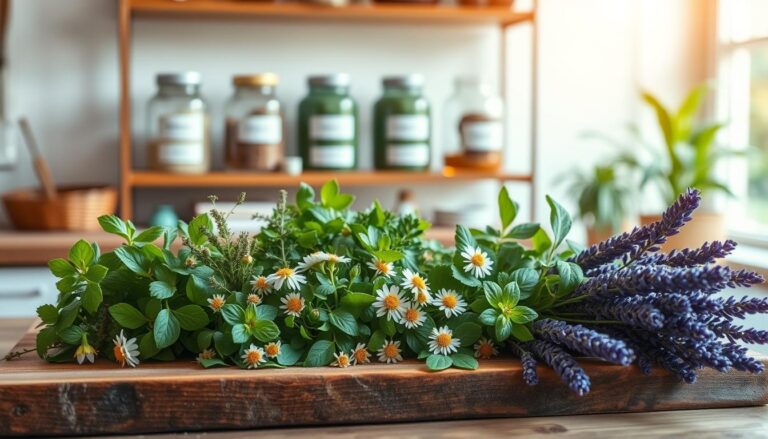


Ashwagandha, Tulsi, and Bacopa are often grouped together as Ayurvedic herbs for stress, but the human evidence is not equally strong for all three. Ashwagandha has the clearest direct evidence for reducing measured cortisol in some human trials. Tulsi has promising cortisol and stress data from specific standardized preparations, but the research base is much smaller. Bacopa is better supported for cognition than for directly lowering cortisol.
That distinction matters because feeling tired, stressed, foggy, or unable to sleep does not automatically mean your cortisol is abnormally high. Research results also depend on the exact extract, dose, study population, and duration used. These herbs are better viewed as optional tools within a broader stress-management plan, not as treatments for a self-diagnosed cortisol disorder.
Key Takeaways
- Ashwagandha has the strongest direct cortisol evidence of these three herbs, although results cannot be generalized to every supplement.
- Tulsi has encouraging human stress and cortisol findings from a specific standardized extract, but evidence remains limited.
- Bacopa is more convincingly supported for cognitive outcomes than as a cortisol-lowering supplement.
- Improvement in perceived stress, sleep, or focus does not automatically mean cortisol has normalized.
- Supplement quality matters because research may use a specific extract that differs from products sold under the same herb name.
- Safety, medications, pregnancy, health conditions, and individual tolerance should be considered before using herbal supplements.
Helpful Products at a Glance
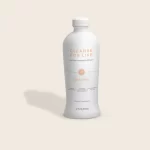
Ashwagandha option with clearly identified KSM-66 root extract: Jarrow Ashwagandha provides a named Ashwagandha root extract with a declared amount, making the label easier to compare with research than a product that only lists a large generic herb quantity.
- Ashwagandha Supplements: One 120 count bottle of Jarrow Ashwagandha Capsules featuring KSM-66 Ashwagandha, an extract from the root of the Ashwagandha plant that has been used in the Indian tradition of Ayurveda
- 300 mg Supplement: 300 mg of the adaptogen Ashwagandha KSM-66 in each serving of this supplement supports normalized resistance to fatigue, physical and mental stress(1)

Cortisol, Stress, and What “Lowering Cortisol” Actually Means
Cortisol is not simply a harmful “stress hormone.” It is an essential hormone produced by the adrenal glands and involved in metabolism, immune regulation, blood-pressure control, and the body’s response to physical and psychological demands. Cortisol also follows a daily rhythm, usually rising around waking and falling later in the day.
During stress, the hypothalamus, pituitary gland, and adrenal glands communicate through the hypothalamic-pituitary-adrenal, or HPA, axis. Cortisol is one part of that response. Repeated or prolonged stress can affect this system, but that does not mean every stressed person has persistently elevated cortisol.

Symptoms such as fatigue, poor sleep, cravings, difficulty concentrating, or an afternoon slump are nonspecific. They can occur for many reasons and do not diagnose abnormal cortisol or an HPA-axis disorder. The Endocrine Society’s guidance on adrenal fatigue also notes that “adrenal fatigue” is not an established medical diagnosis and that tests marketed specifically for it are not supported by good scientific evidence.
That is why studies of these herbs should be read carefully. A reduction in perceived stress is useful, but it is not the same outcome as a measured reduction in cortisol. Likewise, a cortisol change in one clinical trial does not prove that a supplement treats an endocrine disorder.
Ashwagandha vs Tulsi vs Bacopa: What Human Research Actually Shows
| Herb | Direct cortisol evidence | Other human outcomes studied | Main limitation | Practical interpretation |
|---|---|---|---|---|
| Ashwagandha | Measured in multiple human trials and reviews, with an overall cortisol-lowering signal | Perceived stress, anxiety-related symptoms, and sleep | Different extracts, doses, populations, and study designs | Most relevant of the three for a cortisol-focused evidence discussion |
| Tulsi | Measured in at least one randomized human trial using a specific standardized extract | Perceived stress and insomnia-related outcomes | Much smaller and more extract-specific evidence base | Promising, but ordinary tea or any Tulsi supplement cannot be assumed to reproduce the trial |
| Bacopa | Direct cortisol evidence remains unclear and insufficient for equal billing | Memory, attention, cognition, stress, and fatigue measures | Research is more cognition-focused than cortisol-focused | Better viewed as a cognitive herb than a proven cortisol-lowering option |
A systematic review of human HPA-axis trials found that evidence across plant interventions was heterogeneous, with Ashwagandha showing the most consistent morning cortisol-lowering signal among the reviewed interventions. That supports a hierarchy of evidence rather than treating all adaptogens as interchangeable.
Ashwagandha: Evidence for Stress, Cortisol, and Sleep
Ashwagandha, or Withania somnifera, has the strongest cortisol-focused human evidence among these three herbs. A 2024 meta-analysis of Ashwagandha trials found statistically significant pooled effects on perceived stress measures and serum cortisol compared with placebo.
That is meaningful, but it does not mean every Ashwagandha supplement produces the same result. Trials have used different extracts, amounts, treatment periods, and participant groups. The size of an effect seen in pooled research should not be transferred directly to a retail bottle simply because both products contain Ashwagandha.

There is also some evidence that certain Ashwagandha preparations may help stress-related symptoms and sleep. The National Center for Complementary and Integrative Health describes the evidence as promising for stress and insomnia while also noting that studies are often small and use different preparations.
This is an important distinction for shoppers. “Ashwagandha” on the front of a bottle is not enough to tell you whether the product resembles an intervention used in a study. Look for the botanical identity, plant part, named extract when applicable, and the actual amount per serving.
Where the Evidence Stops
Ashwagandha should not be described as repairing the adrenal glands, normalizing hormones, treating anxiety, correcting HPA-axis dysfunction, or guaranteeing better sleep. Research supports a narrower statement: some preparations have produced favorable stress and cortisol outcomes in controlled human studies.
That makes Ashwagandha a reasonable herb to investigate if your interest is specifically stress and cortisol research, but it is still an optional supplement rather than a diagnosis or treatment plan.
Tulsi (Holy Basil): What We Know About Stress and Cortisol
Tulsi, also called Holy Basil or Ocimum tenuiflorum, has a smaller but notable human evidence base. An eight-week randomized Holy Basil trial in 100 stressed adults tested a standardized extract at 125 mg twice daily.
The study reported improvements in perceived stress and insomnia scores. It also measured cortisol directly, finding lower hair cortisol after eight weeks and a reduced salivary cortisol response during an experimental stress challenge.

That is more meaningful than simply saying Tulsi “supports stress,” because the trial actually included cortisol measurements. However, it was still one specific standardized extract used at a defined dose in a particular study population. The result should not be generalized to ordinary Tulsi tea, a different capsule, or every Holy Basil product on the market.
Tulsi can still be enjoyed as part of a calming routine if you like the taste and ritual, but a tea ritual and a standardized clinical extract should not be treated as equivalent interventions.
Bacopa (Brahmi): Stronger for Cognition Than Cortisol?
Bacopa, or Bacopa monnieri, is traditionally known in Ayurveda as a medhya rasayana associated with memory and mental performance. Modern human research also focuses heavily on cognition, making Bacopa a poor fit for claims that all three herbs have equally strong cortisol evidence.
A 12-week randomized Bacopa trial in adults aged 40 to 70 with self-reported memory or attention concerns evaluated cognitive performance along with subjective stress, fatigue, and selected blood biomarkers. Cortisol was not the central endpoint described in the study abstract.

That means Bacopa can reasonably remain in this comparison, but for a different reason: it shows how easily “studied for stress” can be confused with “shown to lower cortisol.” Those are not the same claim.
If your main goal is cognition or mental performance, Bacopa research may be relevant. If your main goal is specifically a supplement with direct human cortisol evidence, current support is less convincing than it is for Ashwagandha and more limited than the specific Tulsi trial described above.
Which Herb May Fit Which Goal?
| Goal | Research direction | What to keep in mind |
|---|---|---|
| Cortisol-focused research | Ashwagandha has the broadest direct evidence of these three | Results depend on the extract, dose, population, and study duration |
| Stress plus limited direct cortisol data | Tulsi has promising evidence from a specific standardized extract | Do not generalize a clinical extract to ordinary tea or every Tulsi supplement |
| Memory and cognitive performance | Bacopa has a more established cognition-focused research role | Do not reinterpret cognitive data as proof of cortisol reduction |
| General everyday stress management | Lifestyle habits may be more relevant than adding a supplement | A supplement is optional, especially when symptoms have not been medically evaluated |
The practical question is not “Which herb is strongest?” in every sense. It is whether the outcome you care about matches the outcome that researchers actually measured. Someone interested in cognition is asking a different question from someone looking specifically at cortisol research.
How to Choose a Quality Supplement
The NIH Office of Dietary Supplements guidance on supplement labels and quality is a useful starting point because it focuses on information you can actually verify on a label.
- Check the botanical identity. The label should identify the herb clearly, ideally including its scientific name.
- Look for the plant part. Root, leaf, or whole-plant products are not automatically interchangeable.
- Check the amount per serving. Avoid assuming a very large milligram number automatically means a stronger or better product.
- Look for a named extract when research depends on one. A named extract makes it easier to compare a retail product with a published intervention.
- Be cautious with proprietary blends. They can make it difficult to determine how much of each individual ingredient you are actually getting.
- Do not overvalue the word “standardized.” Standardization alone does not prove purity, safety, clinical effectiveness, or equivalence to a research product.
- Look for credible testing and manufacturing information. Quality testing can improve confidence in identity and contaminants, but it still does not prove the supplement will produce a clinical benefit.
One Ashwagandha Example With Clear Extract Identification
Jarrow Ashwagandha is a useful example of what clearer label information can look like. The current Amazon listing identifies KSM-66 Ashwagandha root extract and states 300 mg per serving. That gives the reader more useful information than a generic front-label claim with no named extract.
The main reason to consider this product in this article is transparency, not a promise that it will lower your cortisol. Clinical Ashwagandha research includes multiple formulations and study designs, so the presence of KSM-66 does not mean the bottle automatically reproduces the results of every trial or meta-analysis.
It may suit an adult who has already decided, after reviewing safety considerations, that Ashwagandha is an appropriate supplement to consider and who prefers a clearly identified root extract in capsule form. Someone primarily interested in non-supplement stress management may not need a product at all.
It may also be a poor fit for people who are pregnant or breastfeeding, have relevant medical conditions, use medications that could interact with Ashwagandha, or need evaluation for symptoms they are attributing to cortisol. In those situations, the more important step is medication and health-condition review rather than choosing between supplement brands.
- Ashwagandha Supplements: One 120 count bottle of Jarrow Ashwagandha Capsules featuring KSM-66 Ashwagandha, an extract from the root of the Ashwagandha plant that has been used in the Indian tradition of Ayurveda
- 300 mg Supplement: 300 mg of the adaptogen Ashwagandha KSM-66 in each serving of this supplement supports normalized resistance to fatigue, physical and mental stress(1)
- Clean Ingredients: These gluten-free, vegan ashwagandha 300mg capsules are supplements you can feel good about adding to your wellness routine with other supplements
- Daily Use: Take one KSM 66 Ashwagandha 300 mg capsule two times each day by mouth with water to support your cognitive health, endurance, and muscle recovery (1)
Safety, Interactions, and Who Should Be Cautious
Herbal supplements can have meaningful physiological effects, so “natural” should not be treated as a synonym for universally safe.
For Ashwagandha, NCCIH reports possible gastrointestinal effects and drowsiness, along with rare reports of liver injury. Its guidance also recommends avoiding Ashwagandha during pregnancy and breastfeeding and notes that it may be inappropriate for some people with autoimmune or thyroid disorders or those preparing for surgery.
NCCIH also identifies possible interactions with medicines used for diabetes, blood pressure, thyroid conditions, seizures, sedation, and immune suppression. These are reasons to review the supplement with a clinician or pharmacist when relevant, not proof that every person taking those medicines will experience an interaction.
The Tulsi and Bacopa safety evidence supplied for this article is less detailed. That is a reason to be more cautious with claims, not to copy Ashwagandha’s warning list onto the other two herbs. If you use prescription medication, have a chronic condition, are pregnant or breastfeeding, or are considering a supplement for a child, individualized professional guidance is more appropriate than a generic internet dosing plan.
Children in particular should not be given these supplements routinely for stress based on adult studies. Pediatric stress, sleep problems, concentration difficulties, or persistent fatigue deserve age-appropriate assessment and behavioral support before adding an herbal product.
Ayurvedic Context Without Confusing Tradition With Clinical Proof
Ayurveda has traditionally used concepts such as vata, pitta, rasayana, and medhya rasayana to describe patterns of constitution, resilience, cognition, and balance. Ashwagandha, Tulsi, and Bacopa all have long histories within this traditional framework.
Those concepts can provide useful cultural and historical context, but they should not be treated as laboratory explanations of the HPA axis or as proof that an herb lowers cortisol. Traditional use and modern clinical evidence answer different questions.
Lifestyle Habits Still Matter More Than a “Cortisol Stack”
If your main concern is everyday stress rather than a diagnosed endocrine disorder, the foundation does not need to begin with supplements. Consistent sleep, regular movement, manageable exercise, relaxation practices, time away from constant notifications, social support, and practical changes to recurring stressors can all be more important than assembling an “adaptogen stack.”
Breathing practices, yoga, meditation, and outdoor walking may help some people reduce perceived stress and create regular pauses in the day. Their value does not depend on proving that each session directly lowers cortisol.

A simple approach is to change one or two variables at a time. For example, keep your wake time more consistent, take a short walk most days, create a screen-free wind-down period, or use a relaxation practice that you can realistically repeat. That makes it easier to tell whether the routine is helping without attributing every improvement to a supplement.
Sleep quality, mood, concentration, and day-to-day stress can be useful subjective signals to track. They should not be treated as proof that cortisol has moved into a “normal” range.
Bottom Line
Ashwagandha, Tulsi, and Bacopa should not be described as three equally proven cortisol-lowering herbs. Ashwagandha has the clearest direct human cortisol evidence of the three. Tulsi has promising but narrower data from a specific standardized extract. Bacopa fits more naturally into a cognition-focused discussion than a cortisol-lowering one.
If you decide to try a supplement, match the product to the evidence as closely as practical: check the botanical identity, plant part, extract, amount, and label transparency. Just as important, review safety factors and avoid using stress symptoms alone to diagnose a cortisol problem.
For many readers, the most useful first step is not choosing an adaptogen at all. It is improving sleep, movement, recovery, and stress-management habits while seeking medical evaluation when symptoms are persistent, severe, or suggest something more than ordinary stress.
FAQ
Do all three herbs actually lower cortisol?
No. The evidence is not equally strong. Ashwagandha has the clearest direct human cortisol evidence. Tulsi has direct cortisol findings from at least one specific randomized trial, but the research base is smaller. Bacopa is better supported for cognitive outcomes than for direct cortisol reduction.
How quickly should I expect an effect?
There is no universal timeline. Clinical trials differ by herb, extract, dose, population, and duration. A study lasting eight or twelve weeks does not mean every user should expect a noticeable result within that period, and subjective improvements do not prove that cortisol has changed.
Which form is best: capsule, powder, tincture, or tea?
Form alone does not determine effectiveness. What matters more is whether the product clearly identifies the herb, plant part, extract or preparation, and amount per serving. A tea and a concentrated standardized extract should not be assumed to deliver the same exposure simply because they contain the same plant.
Can I take more than one adaptogen together?
Combination use should not be assumed to provide extra benefit. The evidence discussed here does not establish that combining Ashwagandha, Tulsi, and Bacopa produces better cortisol or stress outcomes than using one intervention. Using multiple products also makes it harder to identify side effects or interactions.
What are the main Ashwagandha safety concerns?
Ashwagandha can cause gastrointestinal symptoms or drowsiness, and rare liver-injury reports have been described. NCCIH advises against its use during pregnancy and breastfeeding and notes cautions involving thyroid disease, autoimmune conditions, surgery, and several medication categories. A clinician or pharmacist can help assess whether those concerns apply to you.
Is “adrenal fatigue” the same thing as high cortisol?
No. “Adrenal fatigue” is not recognized by the Endocrine Society as an established medical diagnosis. Symptoms often attributed to it, such as tiredness, sleep trouble, or poor concentration, are nonspecific and can have many causes.
Should I test my cortisol because I feel stressed?
Usually, feeling stressed by itself is not enough reason to assume you have abnormal cortisol. Cortisol testing can be useful in specific medical situations, but interpretation depends on the type of test, timing, clinical context, and the disorder being investigated. If symptoms raise concern for an endocrine problem, testing is best guided by a healthcare professional rather than used as a general wellness score.
How can I tell whether a supplement is helping?
Track the outcome you actually care about, such as sleep quality, perceived stress, concentration, or tolerance. Keep expectations realistic and avoid assuming that feeling better means cortisol has normalized. If symptoms are significant, persistent, worsening, or related to a medical condition, objective assessment should be guided by a healthcare professional.
Can children use these herbs for stress?
Routine pediatric use is difficult to justify from the adult evidence discussed here. For children, sleep routines, supportive structure, play, counseling or behavioral strategies when appropriate, and medical evaluation of persistent symptoms are safer starting points than self-directed herbal supplementation.