

What does a holistic nutritionist eat in a day? You might picture green smoothies, expensive supplements, and perfectly planned meals. But a practical holistic approach is much simpler: balanced food, regular movement, enough sleep, and habits that fit everyday life.
A typical routine might include Greek yogurt with berries for breakfast, a colorful quinoa bowl for lunch, and salmon with roasted vegetables for dinner. The goal is not to follow a perfect diet. It is to choose foods that support your health while leaving room for flexibility.
This guide walks through an illustrative day inspired by holistic nutrition principles, not the documented routine of one particular practitioner. You will also learn how to balance nutrients, prepare three easy recipes, shop efficiently, and adjust the routine to your needs.
Key Takeaways
- Start with balanced meals: Combine vegetables, whole grains, protein, and healthy fats instead of following restrictive food rules.
- Build simple daily habits: Hydration, movement, mindful eating, and enough sleep support overall health.
- Choose variety: Colorful produce, legumes, nuts, seeds, and different protein sources help cover important nutrient needs.
- Prepare food ahead: Batch-cooking a few ingredients makes balanced meals easier on busy days.
- Stay flexible: Adjust portions, meal timing, and food choices to your activity, appetite, preferences, and medical needs.
Helpful Products at a Glance
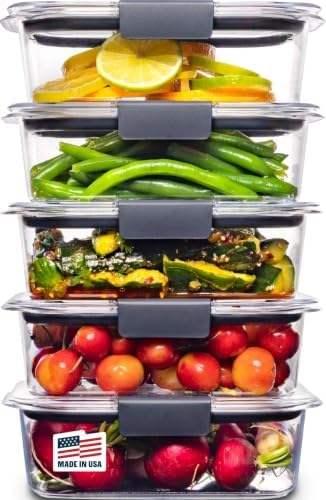
For packing prepared lunches and storing leftovers, Rubbermaid Brilliance 3.2-cup containers offer stackable storage with secure lids. Larger meals may need separate containers.
- 100% Leak-proof: Guaranteed no-spill seal and secure latches
- Crystal-clear Tritan Built: Stain-resistant and odor-resistant material for a clear view of contents
What Does Holistic Nutrition Mean?
Holistic nutrition looks at eating habits alongside sleep, activity, stress, and personal health needs. Rather than focusing only on calories or individual nutrients, it considers how your everyday choices work together.
Most practical holistic eating plans share familiar principles: eat a variety of nutritious foods, include enough protein and fiber, and make room for foods you enjoy. This approach does not require detox diets, expensive ingredients, or eliminating entire food groups.
A useful starting point is the Harvard Healthy Eating Plate. It suggests filling about half your plate with vegetables and fruits, one-quarter with whole grains, and one-quarter with healthy protein sources, along with healthy oils and water.
These proportions are a guide, not a strict prescription. A physically active person may need more food than someone with a mostly seated routine. Food allergies, medical conditions, culture, and budget also influence what works.
A Day in the Life of a Holistic Nutritionist: Sample Daily Routine
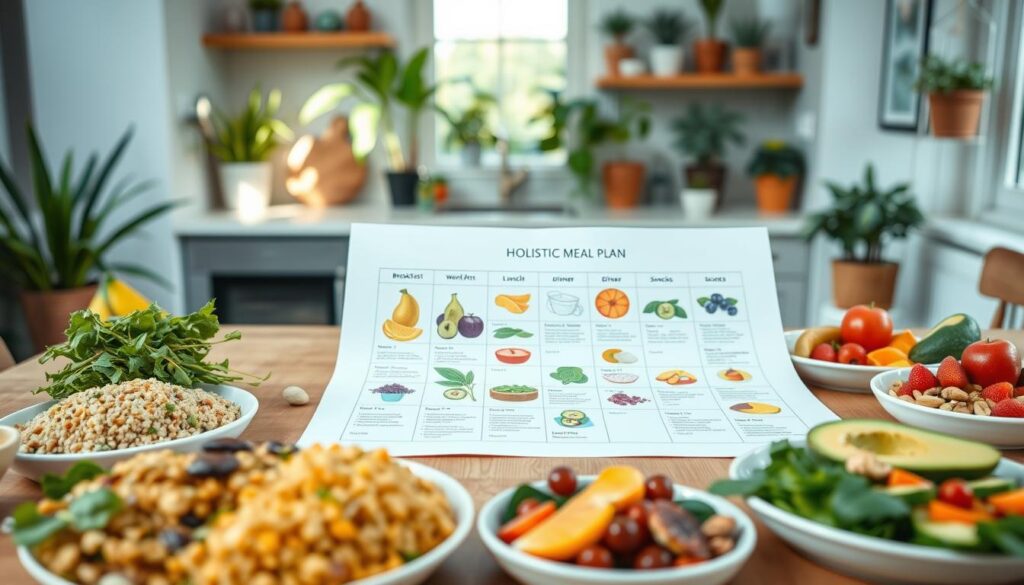
The following sample day shows how a nutrition-focused routine can fit around work, family, and everyday responsibilities. Meal times are flexible, and snacks depend on hunger and activity.
Morning: Hydration, Movement, and a Balanced Breakfast
Start your morning with a glass of water if you feel thirsty. Plain water is enough; lemon water, herbal tea, or special morning drinks are optional rather than necessary for digestion or detoxification.
Next, spend a few minutes stretching, walking, or simply enjoying some natural light. If mornings feel rushed, even five minutes of movement can be a practical beginning.
Sample breakfast: Plain Greek yogurt topped with berries, chia seeds, and walnuts. This combines protein, fiber-containing carbohydrates, and healthy fats. Eggs with whole-grain toast and fruit offer another balanced option.
Midmorning: Work, Hydration, and Hunger Awareness
During work, keep water available and take short movement breaks when possible. You do not need to eat a snack simply because the clock says it is time.
If you are hungry, try an apple with almond butter, carrots with hummus, or cottage cheese with berries. These combinations provide more nutritional variety than a snack made mostly from added sugar.
Lunch: A Colorful, Filling Meal
A quinoa-and-greens bowl makes a convenient lunch. Combine cooked quinoa, spinach, chickpeas, cucumber, bell peppers, and an olive oil dressing. Add tofu, chicken, or another protein source if needed.
Eat at a comfortable pace and notice your hunger and fullness. Mindful eating can help you pay attention to satisfaction, although it does not guarantee better digestion or weight loss.

Afternoon: A Short Walk and an Optional Snack
Afternoons can bring tiredness, especially after long periods of sitting. A brief walk, stretching break, or time away from your screen may help you feel more alert.
For a snack, try turmeric chia yogurt or a piece of fruit with nuts. Choose a portion that matches your hunger rather than relying on rigid snack rules.
Evening: A Balanced Dinner and Time to Unwind
Dinner might be citrus-olive oil salmon with roasted vegetables and brown rice. This meal supplies protein, carbohydrates, unsaturated fats, and several vitamins and minerals.
After dinner, take a gentle walk if you enjoy it. Later, reduce bright light, limit caffeine close to bedtime, and aim for a regular sleep schedule. Most adults need at least seven hours of sleep, according to the CDC.
How to Balance Macronutrients for Steady Energy
Macronutrients are nutrients your body needs in relatively large amounts: carbohydrates, proteins, and fats. Each has an important role, so a balanced diet usually includes all three.
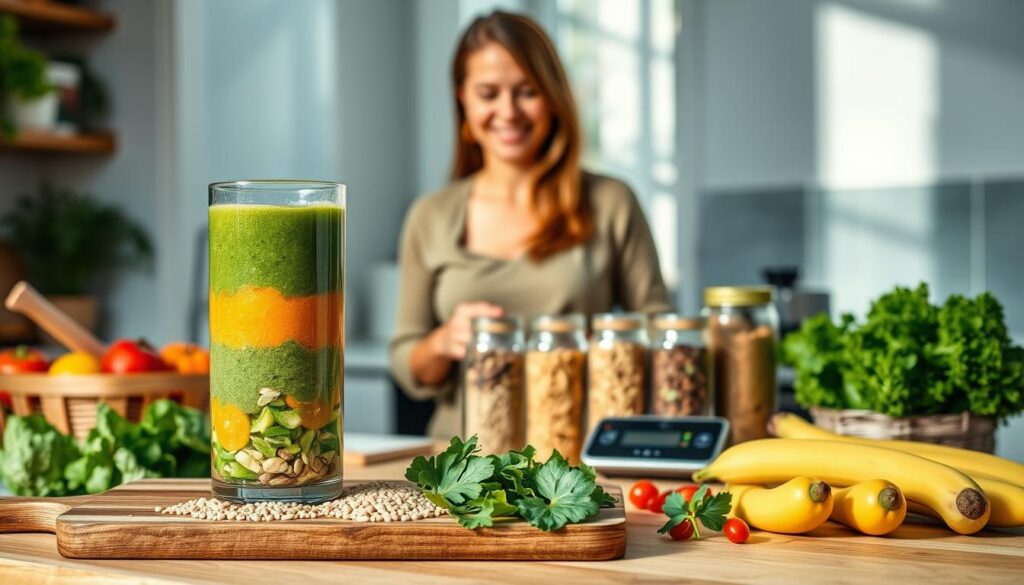
| Nutrient | Main Role | Food Examples |
|---|---|---|
| Complex carbohydrates | Supply energy; fiber supports digestive health | Oats, quinoa, lentils, sweet potatoes |
| Protein | Supports tissue repair, muscle maintenance, and fullness | Fish, eggs, chicken, Greek yogurt, tofu, beans |
| Healthy fats | Provide essential fatty acids and help absorb certain vitamins | Olive oil, avocado, walnuts, seeds |
Combining carbohydrates with protein, fiber, and fat may help moderate the rise in blood sugar after a meal. For example, oatmeal with Greek yogurt and nuts provides a different nutrient balance than plain oatmeal.
Meal timing matters most when it supports your schedule, appetite, and physical activity. People who exercise intensely may benefit from arranging carbohydrate and protein intake around training, while others can focus on regular, satisfying meals.
Micronutrients: Why Variety and Color Matter
Micronutrients include vitamins and minerals. They support normal body functions, including immune health, metabolism, and thyroid function. Eating different foods helps you obtain a wider range of these nutrients.
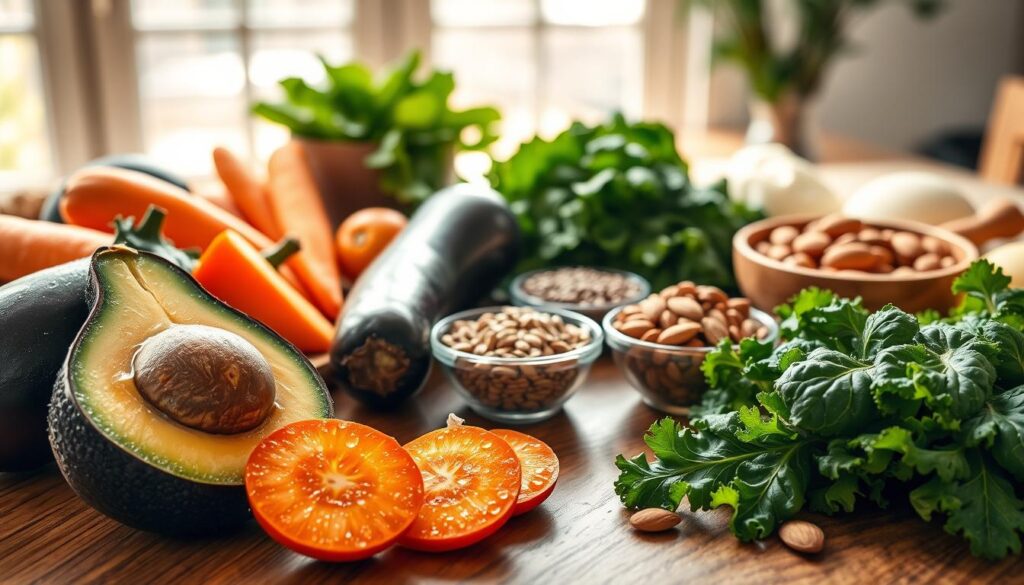
- Orange vegetables: Carrots and sweet potatoes contain beta-carotene, which your body can convert into vitamin A.
- Leafy greens: Spinach and kale provide nutrients such as folate and vitamin K.
- Berries: Blueberries and strawberries provide fiber and plant compounds called polyphenols.
- Nuts and seeds: Many provide magnesium, zinc, and healthy fats.
- Fish, eggs, and dairy: Depending on the food, these can supply iodine, selenium, vitamin B12, and other nutrients.
Some food pairings are particularly useful. Vitamin C from bell peppers or citrus fruit improves absorption of iron from plant foods such as lentils. A little olive oil with vegetables can help your body absorb fat-soluble nutrients.
Steaming, brief sautéing, and roasting are convenient cooking methods. Cooking can reduce some heat-sensitive vitamins, but it can also make certain nutrients easier to absorb. There is no need to eat every vegetable raw.
3 Go-To Holistic Nutrition Recipes
These three simple recipes use familiar ingredients and work well with a flexible meal plan. Portion sizes can be adjusted to your needs.
1. Citrus-Olive Oil Salmon
Servings: 2 | Preparation: About 10 minutes | Cooking: Approximately 12–18 minutes
Ingredients:
- 2 salmon fillets, approximately 4–6 ounces each
- 1 tablespoon extra-virgin olive oil
- 1 tablespoon lemon juice
- 1 garlic clove, minced
- Black pepper, dried herbs, and a little salt
- Broccoli, carrots, or other vegetables for serving
Instructions:
- Preheat the oven to 400°F and prepare a baking sheet.
- Mix the olive oil, lemon juice, garlic, and seasonings.
- Brush the mixture over the salmon and place the fillets on the baking sheet.
- Bake until the thickest part reaches 145°F, checking with a food thermometer. Cooking time varies with thickness.
- Serve with roasted vegetables and quinoa or brown rice.
Salmon provides protein and omega-3 fats. You can use tofu or another suitable protein for a different meal, adjusting the cooking method as needed. Follow the FDA’s safe cooking temperatures for animal proteins.
2. Quinoa-and-Greens Power Bowl
Servings: 2 | Preparation: About 10 minutes with cooked quinoa
Ingredients:
- 1 cup cooked quinoa
- 1 cup cooked chickpeas, rinsed and drained
- 2 cups spinach or mixed greens
- 1 small cucumber, chopped
- 1 bell pepper, chopped
- 1 tablespoon olive oil and 1 tablespoon lemon juice
- Fresh herbs and seasonings to taste
Instructions:
- Divide the quinoa and greens between two bowls.
- Add chickpeas, cucumber, and bell pepper.
- Mix olive oil, lemon juice, and seasonings.
- Drizzle over the bowls and toss gently.
This meal provides fiber, plant protein, and several micronutrients. Add grilled chicken, tofu, or another protein if you want a larger meal. For more ideas, see these simple healthy food swaps.
3. Turmeric Chia Yogurt
Servings: 1 | Preparation: About 5 minutes, plus chilling if desired
Ingredients:
- 3/4 cup plain Greek yogurt
- 1 tablespoon chia seeds
- 1/4 teaspoon ground turmeric
- A pinch of cinnamon
- 1/2 cup fresh berries
- Optional: a small drizzle of honey
Instructions:
- Stir the yogurt, turmeric, and cinnamon together.
- Add chia seeds and mix thoroughly.
- Top with berries and optional honey.
- Eat immediately or refrigerate briefly to allow the chia seeds to soften.
This combination offers protein, fiber, and unsaturated fats. Turmeric adds flavor, but a normal food serving should not be treated as a medical treatment or a substitute for prescribed medication.
Smart Shopping and Batch Prep for Busy Days
Healthy meals become easier when you already have useful ingredients at home. You do not need to prepare an entire week’s meals in one session. Cooking a few versatile foods is often enough.

Build a Practical Grocery List
Start with seasonal or affordable produce, protein sources, whole grains, and pantry staples. Frozen vegetables, canned beans, and canned fish can be convenient options with good nutritional value.
When comparing packaged foods, check fiber, protein, sodium, and added sugars. A short ingredient list does not automatically mean a product is healthier. For more ideas, use this nutrient-dense grocery list.
Prepare a Few Ingredients Ahead
A simple preparation routine might look like this:
- Cook one grain, such as quinoa or brown rice.
- Prepare one or two protein sources, such as chickpeas, chicken, or tofu.
- Wash vegetables and chop those you plan to use soon.
- Roast a tray of vegetables for quick lunches and dinners.
- Store ingredients in covered containers and label leftovers with their preparation dates.
Clear containers can help you see which ingredients are ready to use. Keeping grains, proteins, and vegetables separate also gives you more flexibility to assemble different meals instead of eating the same combination repeatedly.
If you regularly carry prepared lunches, the Rubbermaid Brilliance Tritan 3.2-Cup Food Storage Containers, Set of 5 may be useful. The containers have transparent bodies, secure latches, and a stackable design. They are intended for refrigerator, freezer, and microwave use when the manufacturer’s instructions are followed.
The 3.2-cup size is practical for many prepared portions, although a large salad or a complete meal with several separate ingredients may need more space. Ordinary clean, food-safe containers are also perfectly suitable; buying a dedicated set is optional.
- 100% Leak-proof: Guaranteed no-spill seal and secure latches
- Crystal-clear Tritan Built: Stain-resistant and odor-resistant material for a clear view of contents
- Lightweight & Sturdy: Easy to carry, yet durable for everyday use
- Built-in Vents: Convenient microwave heating without removing the lid
Food safety matters during batch prep. Refrigerate perishable foods within two hours of cooking, or within one hour when temperatures exceed 90°F. Store leftovers in shallow containers at 40°F or below, and generally use refrigerated cooked leftovers within three to four days. Freeze portions you will not use in time.
These practices follow FoodSafety.gov’s food safety guidance and help make meal preparation safer as well as more convenient.
Lifestyle Habits That Support Healthy Eating
Nutrition is important, but it works alongside other everyday habits. Sleep, physical activity, hydration, and stress management can influence appetite, energy, and general well-being.
- Sleep: Keep a consistent bedtime and allow enough time for rest.
- Movement: Include walking, stretching, and strength-building activities that suit your ability.
- Hydration: Drink regularly according to thirst, activity, weather, and individual needs.
- Stress management: Try journaling, gentle breathing exercises, or relaxing activities you enjoy.
- Mindful eating: Reduce distractions when possible and pay attention to hunger, taste, and satisfaction.
Choose one or two habits rather than changing everything at once. If time or money is limited, this budget-friendly wellness guide offers additional everyday ideas.
Personalizing Nutrition for Weight, Energy, and Recovery
A healthy eating pattern is not identical for everyone. Your body size, age, activity level, health conditions, and goals all influence your food and energy needs.

If weight management is a goal, total daily energy expenditure (TDEE) is an estimate of the calories your body uses during a day. It includes resting energy needs and physical activity. Equations such as Mifflin-St Jeor can help estimate resting needs, but the results are not exact.
For adults considering weight changes, the NIH Body Weight Planner offers a personalized starting estimate. Calorie targets should be adjusted to individual circumstances rather than treated as rigid limits.
Protein needs also vary. The general adult recommended dietary allowance is approximately 0.36 grams per pound of body weight each day. Many active adults may benefit from around 0.5–0.7 grams per pound, while some athletes require more. Kidney disease and other medical conditions can change appropriate targets.
The familiar 80/20 approach can provide a flexible mindset: choose nutritious foods most of the time while making room for favorite meals. It is a planning idea, not a scientifically required percentage.
Notice more than your weight. Hunger, energy, sleep, exercise performance, and recovery can all help you recognize whether your routine is working for you.
When to Seek Professional Nutrition Guidance
A holistic routine should complement appropriate medical care, not replace it. For diabetes, kidney disease, heart conditions, digestive disorders, pregnancy, food allergies, or major dietary restrictions, individualized advice may be important.
A registered dietitian nutritionist (RDN) can assess your medical history, medications, nutritional needs, and goals. In the United States, the RDN credential identifies a professional with standardized nutrition education and training; the title “holistic nutritionist” alone does not establish equivalent qualifications.
Be cautious about programs promising detoxification, rapid hormone balancing, guaranteed weight loss, or cures through specific foods. Strong nutrition advice should reflect the quality of the evidence and explain who may benefit, as well as its limitations.
Learn more about how registered dietitians support healthy eating and medical nutrition needs.
Frequently Asked Questions
Can a holistic nutrition plan be vegetarian or vegan?
Yes. A plant-based approach can include legumes, tofu, whole grains, vegetables, nuts, and seeds. People following a vegan diet need a reliable vitamin B12 source and should pay attention to nutrients such as iron, calcium, iodine, and vitamin D.
Do I need supplements to follow holistic nutrition?
Not necessarily. Supplements may be useful for specific deficiencies, dietary patterns, or medical needs, but more is not always better. Food-first planning and professional guidance are preferable to taking multiple supplements without a clear reason.
How long should I follow a meal plan before making adjustments?
Start with a manageable routine and observe how it fits your appetite, schedule, and well-being over a week or two. Adjust portions and food choices as needed. Do not ignore ongoing fatigue, digestive problems, or other concerning symptoms simply because you are following a nutrition plan.
Conclusion
A day inspired by holistic nutrition does not have to be complicated. A balanced breakfast, a colorful lunch, a satisfying dinner, regular movement, and enough rest provide a useful foundation.
Choose meals you enjoy, keep preparation realistic, and make adjustments as your needs change. There is no single perfect schedule or food combination that works for everyone.
Start with one practical change today: add protein to breakfast, prepare tomorrow’s lunch, or include another vegetable with dinner. Build on what works rather than trying to transform your entire routine overnight.