


Can a few smart food swaps reset your appetite, energy, and waistline after 30?
Many women feel stalled by cravings, low energy, or slow weight shifts. This guide turns complex endocrine science into clear, usable steps you can try this week.
We explain which hormones drive hunger, metabolism, and fat storage, and why proteins, fiber, and healthy fats matter for steady blood sugar and better energy.
You’ll get a realistic three-day meal plan, grocery shortcuts, and meal-build rules that fit busy lives without cutting entire food groups.
Key Takeaways
- Simple swaps can reduce sugar spikes and support steady energy.
- Focus on whole-food proteins and fiber to help steady blood sugar.
- Small, consistent changes beat short-term fixes for lasting results.
- Recognize quick wins like fewer cravings and better sleep.
- Personalize portions and seek medical advice when symptoms persist.
Why This How-To Guide Matters Right Now for Women Over 30
Many women notice bigger swings in appetite and energy after age 30 — and food choices can make those swings easier to manage. This guide focuses on realistic, whole-food habits that reduce sugar-driven crashes and support steady daily rhythms.
Biology and modern life collide in your thirties. Chronic stress, sedentary routines, medications, and aging changes like perimenopause raise the odds of metabolic shifts. High sugar and refined carbohydrates can push insulin and glucose levels into patterns that cause cravings and afternoon slumps.
Choosing whole fruits, vegetables, legumes, lean protein, whole grains, and healthy fats helps stabilize blood glucose and daily energy. These choices lower the risk of long-term issues tied to insulin resistance and make weekdays feel less reactive.
Personalization matters. Activity, sleep, and workload change what works best for each woman. This section’s food-focused rules aim to reduce common hormonal imbalances with simple swaps and easy meal-building tactics you can stick with.
- Timing matters: After 30, meal structure influences appetite and sleep.
- Practicality wins: Batch cooking and quick builds improve adherence.
- Clarity over extremes: No food groups are off-limits—focus on consistent, nutrient-dense choices.
Hormones 101: What They Do and How Food Affects Them
Your body’s signaling network controls hunger, mood, and where fat collects—food can nudge those signals. Simple meal choices change how glands talk to cells, which alters appetite, sleep, and energy.
Key players and their jobs
Insulin moves glucose from the blood into cells. Leptin says “full,” while ghrelin triggers hunger. Growth hormone repairs tissue and supports metabolism. Estrogen shapes fat distribution and energy use.
Why women over 30 are more vulnerable
With age and ongoing stress, small shifts in estrogen rhythms and stress responses make metabolic swings more likely. Changes in activity, sleep, and recovery also matter.
Signs your plate may be affecting signals
- Intense afternoon cravings and energy crashes.
- Poor sleep onset or stubborn abdominal fat.
- Mood swings or rapid hunger after meals.
Quick wins: Start with a balanced breakfast to steady appetite hormones. Track meals for a week to see which carbohydrates and proteins help you feel best. For more structured guidance, check a practical hormone-balancing diet.
Hormone Balancing Diet Plan: Core Principles and Macros
Start with simple macro targets and a clear plate model to stabilize blood sugar and steady energy across the day. These core principles make it easier to choose meals that support appetite control and long-term health without extreme restrictions.
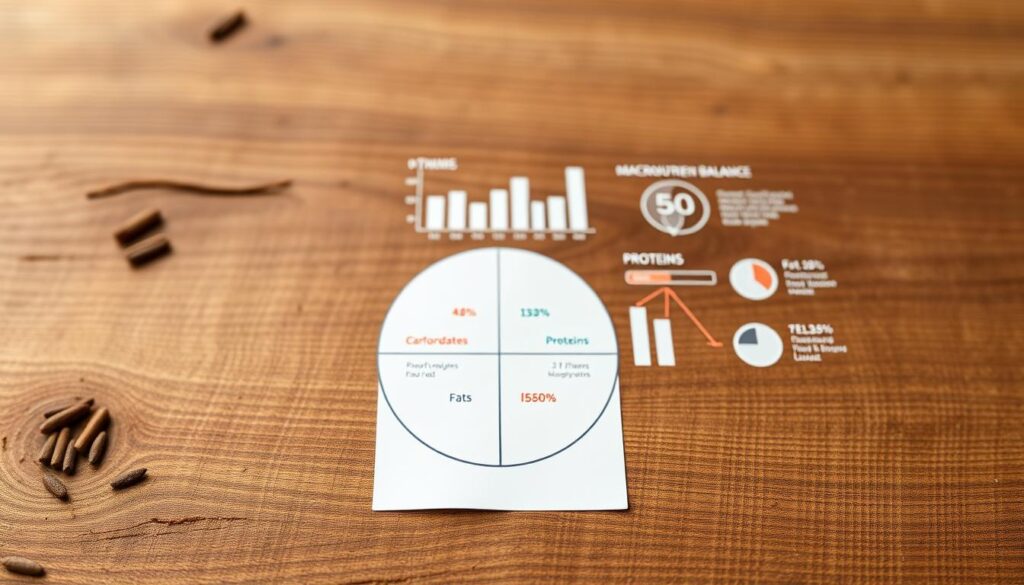
Macronutrient ranges to stabilize blood sugar and energy
Aim for: 45–65% carbohydrates, 10–35% protein, and 20–35% fats.
This spread keeps blood sugar levels steady and prevents big insulin swings that often trigger cravings. Adjust within these ranges based on activity and hunger.
Carbohydrates for steady insulin
Favor fiber-rich whole grains, vegetables, fruits, and legumes. These carbs digest more slowly, blunt insulin spikes, and supply vitamins and fiber for gut and metabolic health.
Protein for satiety and synthesis
Center each meal on a solid protein source. Protein supports satiety and provides amino acids needed for hormone synthesis and tissue repair. Include complete proteins like poultry, fish, eggs, or soy and quinoa for plant options.
Healthy fats to reduce inflammation
Include olive oil, avocado, nuts, seeds, and fatty fish. These fats lower inflammation, help absorb fat-soluble nutrients, and add satisfaction to a meal.
The healthy plate method for daily meals
Use a simple plate: ~30% vegetables, 20% fruit, 25% protein, 25% grains, plus a thumb of healthy fat. If you skip fruit, increase vegetables or grains to keep the plate balanced.
“Small, consistent shifts in macros and food quality often yield the biggest wins in appetite control and steady energy.”
| Macro | Target Range | Role |
|---|---|---|
| Carbohydrates | 45–65% | Steady blood sugar, fiber, micronutrients |
| Protein | 10–35% | Satiety, amino acids for synthesis |
| Fat | 20–35% | Reduces inflammation, supports nutrient absorption |
The Best Foods to Support Hormonal Balance
Prioritize colorful foods and healthy fats to protect glands and steady blood glucose through the day. These choices support detox pathways, reduce inflammation, and feed the gut—small shifts that add up.
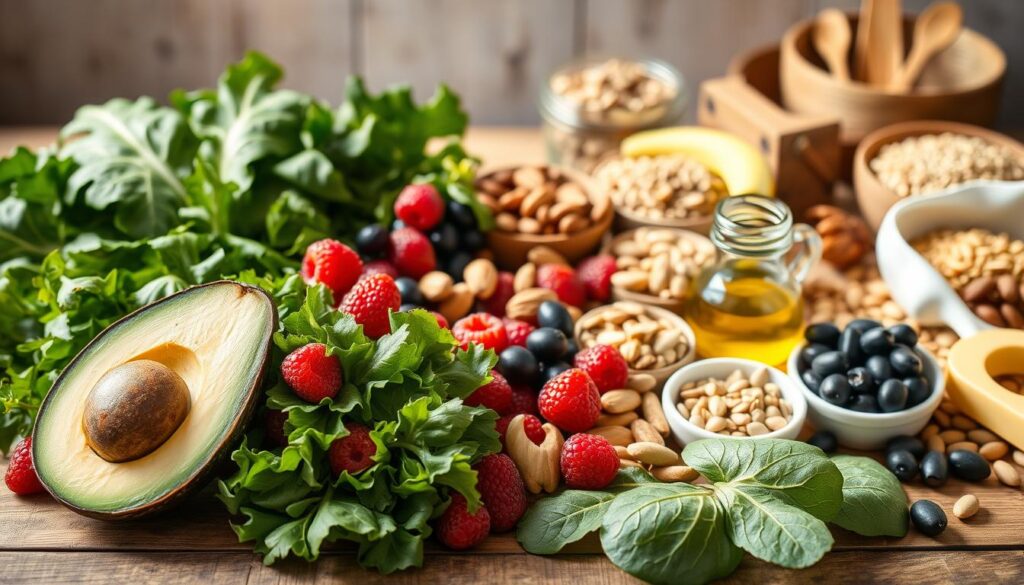
Crucifers and leafy greens
Rotate broccoli, kale, bok choy, and Brussels sprouts to deliver glucosinolates that help detox and modulate estrogen activity. Pair spinach or Swiss chard with a squeeze of lemon to boost iron absorption and support thyroid function.
Berries, fatty fish, nuts, and seeds
Berries add antioxidants that protect adrenal tissue. Include salmon or sardines twice weekly for EPA/DHA to reduce inflammation and support cell signaling. Snack on almonds, walnuts, chia seeds, or ground flax for fiber, minerals, and lasting satiety.
Gut, grains, roots, and oils
Layer prebiotic foods (onion, oats, asparagus) with probiotics like yogurt or kimchi to nourish a diverse gut microbiome. Choose low-GI whole grains such as quinoa or farro to steady carbohydrates. Roast sweet potatoes or squash for beta carotene that aids thyroid and sex hormone tissues. Finish dishes with extra-virgin olive oil for monounsaturated fats that help absorb fat-soluble nutrients.
- Tip: Keep variety high—rotate vegetables, proteins, nuts, and seeds weekly to broaden nutrient coverage.
Foods and Drinks to Limit for Better Hormone Health
Cutting a few common items from your routine can lower inflammation and steady appetite signals. Focus on swaps that reduce fast glucose spikes and inflammatory fats to protect insulin response and sleep rhythms.

Curb added sugar first: Frequent hits of added sugar drive rapid rises in blood sugar and keep insulin elevated, which worsens cravings and afternoon crashes.
- Limit refined carbohydrates: White bread, pastries, and sugary cereals digest fast and strain metabolic control.
- Rethink ultra-processed foods: Packaged snacks with hydrogenated oils and emulsifiers link to higher inflammation and poorer health outcomes.
- Time caffeine wisely: Late coffee or energy drinks can raise cortisol and suppress melatonin, making sleep and recovery harder.
- Respect alcohol: Even modest intake can reduce insulin sensitivity and interfere with protein-based signaling—choose alcohol-free nights or stick to recommendations for women.
- Avoid fried and processed meats: High saturated fat and nitrates increase inflammatory pathways that can worsen hormonal imbalances.
- Be cautious with artificial sweeteners: They may affect appetite regulation for some people—try fruit or a touch of honey as alternatives.
Practical swap: Trade sweetened drinks for sparkling water with citrus, and choose intact whole grains over white carbs. For snack ideas that fit a cleanse or low-sugar approach, see approved snacks.
How to Build Balanced Meals and Snacks That Keep Hormones Steady
Use a simple assembly rule: pair a protein with fiber-rich carbohydrates and a touch of healthy fats to support steady blood sugar and lasting energy. Small, repeatable meal choices make it easier to manage appetite, recovery, and daily focus.
Start by treating meals as mini-systems: each one should satisfy, stabilize, and nourish.
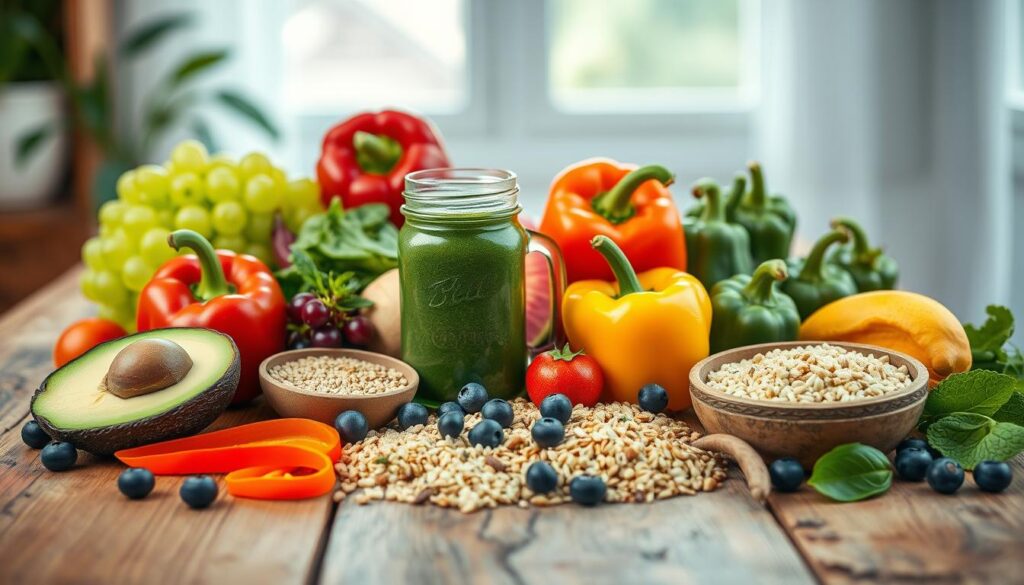
Breakfasts that balance protein, fiber, and healthy fats
Aim for protein plus fiber at the first meal. Try Greek yogurt with berries and seeds.
Or choose avocado toast with eggs for a quick, satisfying start that keeps insulin and cravings in check.
Lunches and dinners with vegetables, lean protein, and whole grains
Make half your plate vegetables, add a lean protein like salmon or tofu, and include a serving of whole grains.
Grain bowls, lentil soup, or a salmon-quinoa mix stabilize carbohydrate intake and support gut health.
Smart snacks that curb cravings and stabilize energy
Pick combos that pair protein and fiber: apple with nut butter, carrots with hummus, or Greek yogurt with chia seeds.
Hydration guidelines and low-sugar beverage swaps
Sip toward roughly nine cups of water daily. Replace sweet drinks with sparkling water, unsweetened tea, or herbal infusions to protect insulin response and hydration levels.
“Small, consistent meal choices often produce the biggest improvements in appetite, recovery, and steady energy.”
Make prep easy: keep pre-cooked grains, canned beans, and pre-washed greens on hand. For quick recipes and ways to supercharge your curves, stock seeds, nuts, and simple proteins like eggs or tuna.
A Practical Three-Day Hormone-Balancing Meal Plan
Try this compact three-day menu to prioritize satisfying protein, fiber-rich carbohydrates, and a small amount of healthy fat. Each day balances meals and snacks so energy and appetite stay steady without extreme restrictions.

Day one
Breakfast: Greek yogurt with berries, chia seeds, hemp, and walnuts — protein plus fiber to start the day.
Lunch: Mediterranean farro salad with chickpeas, cucumber, tomato, olives, feta, and hard-boiled eggs dressed in olive oil and lemon.
Dinner: Vegetable-rich lentil soup finished with extra-virgin olive oil.
Snacks: Dates with dark chocolate and almonds; apple with peanut butter.
Day two
Breakfast: Avocado toast topped with fried eggs and seasonal persimmon for sweetness.
Lunch: Brown rice bowl with grilled salmon, cucumber, edamame, and mango — steady carbs and omega-3s.
Dinner: Tofu ginger stir-fry with asparagus, mushrooms, and bell pepper over brown rice.
Snacks: Parmesan with whole-grain crackers and figs; pear with almond butter and cinnamon.
Day three
Breakfast: Green smoothie with spinach, banana, mango or pineapple, avocado, hemp seeds, and your preferred protein powder or collagen.
Lunch: Grilled chicken, kale, and quinoa salad with avocado, pomegranate, and pumpkin seeds; balsamic vinaigrette.
Dinner: Sesame-seared tuna with roasted Brussels sprouts and sweet potato.
Snacks: Carrots with hummus; Brazil nuts with blueberries.
- How to use this three-day sequence: Follow the days straight through or mix and match meals across the week. Each meal pairs protein with whole grains, vegetables, seeds, and healthy fats to support steady insulin and lasting energy.
- Smart add-ons: Keep cooked grains on hand, sprinkle seeds for texture, and use extra-virgin olive oil in dressings and roasting.
- Make it yours: Adjust portion sizes based on hunger or activity. Swap proteins like shrimp, tempeh, or lean beef while preserving the same macro pattern.
“Small, planned meals and simple snacks often create the biggest, most sustainable gains in appetite control and daytime focus.”
For a full guide tailored to women who want longer-term structure, see this three-day starter resource.
Shopping and Meal Prep Tips to Make Your Plan Stick
Stocking the right foods and prepping them ahead changes how easily you eat well. Simple habits make balanced meals fast and lower decision fatigue across the week.
Grocery staples to keep on rotation
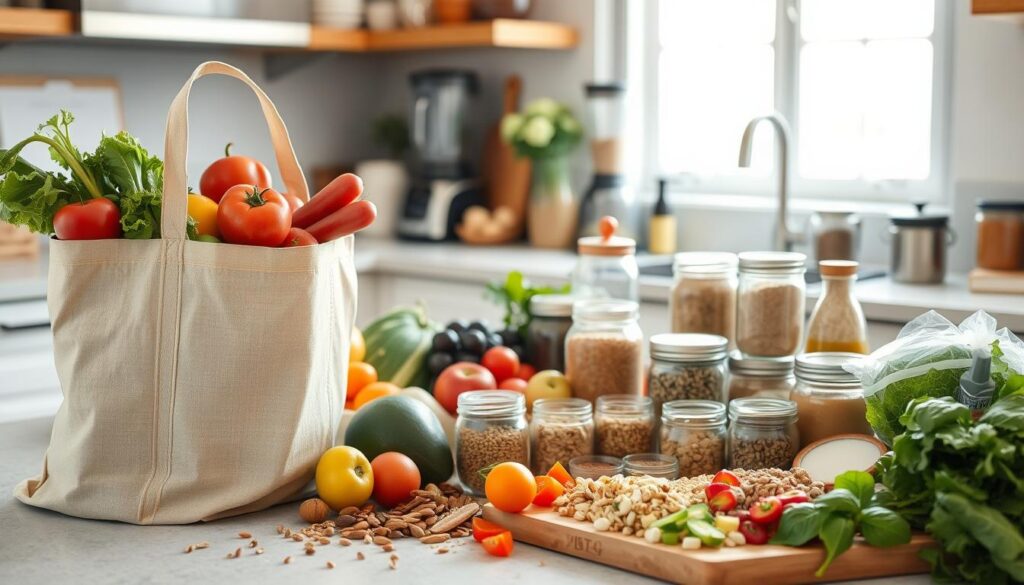
Fill your cart with a mix of vegetables and fruit. Add brown rice, quinoa, farro and other whole grains. Pick lean protein like chicken, salmon, tofu, Greek yogurt, and eggs.
Keep pantry fats and snacks such as avocados, almonds, a few Brazil nuts, chia and hemp seeds, and dark chocolate. These items support quick, satisfying meals and better long-term health.
Batch cooking, quick swaps, and flavor boosters
Prep once, eat all week: roast trays of vegetables, cook a pot of grains, and batch-cook chicken, lentils, or tofu. Hard-boil a dozen eggs so snacks and breakfasts assemble in minutes.
Stock smart snacks — Greek yogurt, hummus, whole-grain crackers, nuts, and seeds — to curb cravings and keep intake steady between meals.
- Flavor tips: Use citrus, spice blends, fresh herbs, vinegars, pesto, or tahini to transform leftovers.
- Swap confidently: If salmon is unavailable, use tuna or chicken; trade quinoa for farro while keeping macros similar.
- Organize: Pre-portion nuts and seeds, label containers, and keep cut vegetables visible for easy grabs.
If you have allergies, metabolic goals, or performance needs, consult a registered dietitian to tailor portions and weekly cadence to your schedule and health.
When to Seek Professional Guidance
If symptoms don’t ease with smart eating and routine changes, seek clinical input. Timely evaluation can uncover medical causes and tailor nutrition to your life.
Personalizing your approach with a registered dietitian
A registered dietitian can match macros, fiber types, and meal timing to your schedule and goals. They translate lab results into food choices and help manage intake around workouts, shift work, or recovery.
RDs also adapt menus to culture, budget, and taste so you actually follow the plan.
Symptoms that warrant a medical check-in
Book a medical visit if you notice unexplained weight change, persistent fatigue, new bowel shifts, tingling or numbness, or mood changes like anxiety or depression.
Also seek evaluation for heat/cold intolerance, sudden hair or skin changes, extreme thirst with frequent urination, or darkened skin folds. These signs can point to thyroid disorders, PCOS, or diabetes — conditions that need testing, possible medication, and specialist input.
“Early testing and tailored nutrition prevent small symptoms from becoming bigger problems.”
- Know when to get help: Persistent or worsening symptoms merit labs and follow-up.
- Rule out medical drivers: Diagnosis guides safe, effective treatment.
- Integrate gut support: For bloating or irregularity, a specialist can tune prebiotic and probiotic choices.
- Monitor and adjust: Track sleep, hunger, and symptoms and iterate with your care team.
| Provider | When to see | What they offer |
|---|---|---|
| Primary care / Endocrinologist | Abnormal lab levels, severe symptoms | Diagnosis, medication, hormone level testing |
| Registered dietitian | Personalized nutrition, gut or intake issues | Macro tuning, meal timing, practical grocery lists |
| Specialist (e.g., endocrinology) | Complex disorders like PCOS or diabetes | Advanced testing, long-term medical management |
If you want practical tools for tailored weight or carb approaches, read a focused custom keto review to compare options and next steps.
Conclusion
Consistent, whole-food choices support steady blood sugar and lower inflammation so your energy and weight goals feel achievable.
Focus on simple, repeatable meals rather than quick fixes to create lasting change.
Your next step is simple: Build each plate from whole-food protein, fiber-rich carbs, and a thumb of healthy fat to steady blood sugar and lift daily energy.
Keep the big picture: Use batch prep, smart snacks, and flexible swaps so the routine fits your life. Rotate vegetables, whole grains, fruits, and seeds — try chia seeds or ground flax — and include oily fish weekly to help reduce inflammation.
Track and tweak: Notice how meals affect sleep, focus, and cravings. Adjust carbs and portions for activity and recovery. If symptoms persist, seek personalized support and use structured guidance at this resource.
FAQ
What is the best way for women over 30 to support balanced hormones through food?
Focus on steady blood sugar and lower inflammation by prioritizing fiber-rich vegetables, whole grains with a low glycemic index, lean protein at each meal, and healthy fats like extra-virgin olive oil, avocado, nuts, and seeds. Regular meals and snacks that combine protein, fiber, and fats help control insulin and hunger hormones such as leptin and ghrelin.
How often should I eat to keep insulin and energy stable?
Aim for consistent meals every 3–5 hours with protein, fiber, and healthy fats. This pattern supports even blood glucose and reduces cortisol-driven cravings. Include a balanced breakfast, a mid-day meal, and an afternoon snack if needed to prevent energy dips.
Which specific foods help reduce inflammation and support estrogen metabolism?
Choose cruciferous vegetables (broccoli, Brussels sprouts), fatty fish high in omega-3s (salmon, sardines), berries rich in antioxidants, nuts and seeds like chia and flax for alpha-linolenic acid and fiber, and extra-virgin olive oil for monounsaturated fats. These foods support detox pathways and lower systemic inflammation.
Are carbohydrates off-limits if I want to balance hormones and lose weight?
No. Carbohydrates are important for energy and serotonin production. Prefer whole grains, legumes, root vegetables, and fruit rather than refined sugar and ultra-processed carbs. Pair carbs with protein and healthy fats to blunt insulin spikes and improve satiety.
How much protein should I eat each day to support hormone synthesis?
Aiming for 20–30 grams of protein per meal is a practical guideline for many women over 30, which supports satiety and the building blocks for hormones. Total daily needs vary by activity level and body size; a registered dietitian can personalize targets.
Which beverages should I avoid or limit to protect my hormones?
Limit added sugars, high-sugar juices, and frequent alcohol—these impair insulin sensitivity and liver detox of sex hormones. Be mindful of caffeine timing; late-afternoon caffeine can disrupt cortisol and melatonin rhythms. Favor water, herbal tea, and low-sugar beverages.
Can probiotics or prebiotic foods help with hormonal balance?
Yes. A healthy gut microbiome supports estrogen metabolism and systemic inflammation. Include probiotic foods such as yogurt and kefir and prebiotic fibers from onions, garlic, leeks, asparagus, and whole grains to nourish beneficial microbes.
What are quick snack ideas that curb cravings and stabilize blood sugar?
Pairings such as Greek yogurt with berries and chopped nuts, apple slices with almond butter, hummus with raw veggies, or a small handful of walnuts and a clementine provide protein, fiber, and healthy fat to prevent energy slumps.
How should women adjust their eating as they approach menopause?
Shift toward more anti-inflammatory foods, maintain adequate protein to preserve muscle mass, prioritize calcium- and vitamin D-rich foods for bone health, and work with a clinician on symptom management. Small, consistent adjustments to sleep, stress management, and activity also matter.
When should I see a registered dietitian or healthcare provider about symptoms?
Seek professional advice if you have persistent irregular periods, unexplained weight changes, severe fatigue, hair loss, or mood shifts. A registered dietitian and your healthcare provider can run targeted testing, review medications, and personalize dietary and lifestyle interventions.
Are nuts and seeds safe daily additions, and which are most beneficial?
Yes—nuts and seeds are nutrient-dense sources of fiber, minerals, and healthy fats. Chia and flax seeds offer omega-3s and lignans for hormone support; walnuts and almonds provide polyunsaturated and monounsaturated fats. Keep portions moderate (a small handful or 1–2 tablespoons) to control calories.
What grocery staples should I always keep on hand for balanced meals?
Stock leafy greens, cruciferous vegetables, berries, whole grains (oats, quinoa), legumes, eggs, fatty fish, lean poultry, extra-virgin olive oil, avocados, nuts, seeds, and plain Greek yogurt. These staples make it easy to prepare meals that support stable blood sugar and lower inflammation.
How does stress affect hormones and what dietary steps help blunt that impact?
Chronic stress raises cortisol, which disrupts insulin, appetite hormones, and sleep. Eating regular balanced meals, avoiding excessive caffeine and sugar, staying hydrated, and including magnesium-rich foods (leafy greens, nuts) can help. Pair dietary steps with stress-reduction practices like sleep hygiene and movement.




Don’t Miss These Picks