


Can gentle, guided movement actually help the body let go of long-held tension and reshape stress responses? This question challenges simple ideas about recovery and invites a practical, science-backed look at how connective tissue and the nervous system interact.
The fascial web wraps muscles, joints, and organs across the body. Over time, repetitive movement, long periods of sitting, or injury can create stiffness that limits range and comfort.
In this guide, you’ll learn how mindful routines and gradual joint mobility may support release and healing without forcing end range. We explain how the tissue adapts, how it talks to the nervous system, and how to build safe, real-life practices that protect your health.
Expect clear signs of progress, steps to personalize your practice, and guidance on when to seek professional care. We also link to research that explores how manual work can calm the parasympathetic response and ease muscle tension: mechanisms of fascial response.
Key Takeaways
- Gentle, regular movement helps maintain flexible connective tissue and improve function.
- Mindful awareness and breath support safer, more effective release.
- Changes happen over time—consistency beats force.
- Watch for easier motion, steadier breathing, and reduced baseline tension as signs of progress.
- Consult a licensed clinician when pain or complex trauma history affects your practice.
Understanding Fascia: The Body’s Dynamic Connective Tissue System
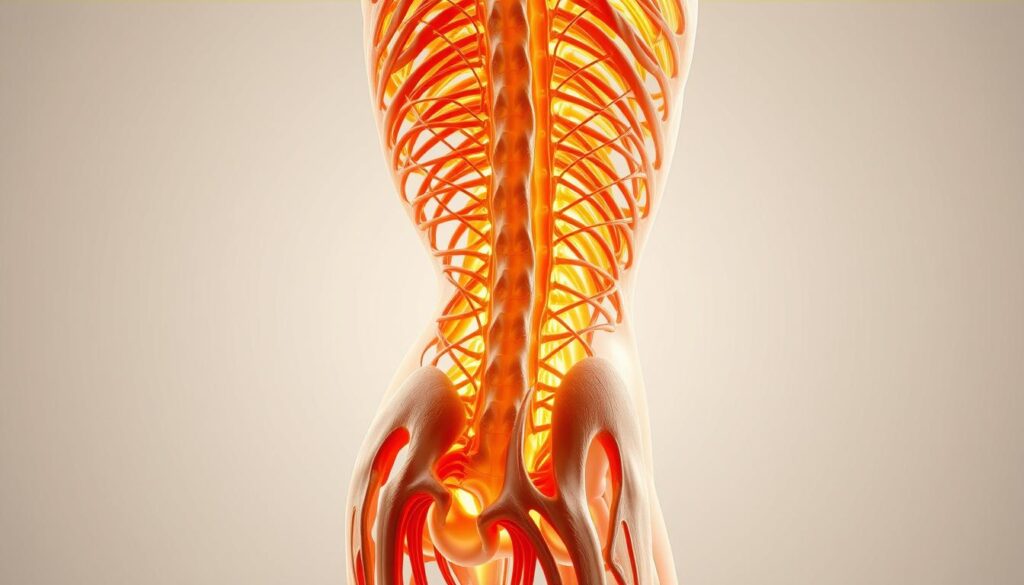
Fascia is a continuous, dynamic connective tissue network that wraps your whole body—muscles, joints, and organs included.Because it links everything, small changes in one area can affect posture, mobility, and pain elsewhere.
A living mesh of tissue lies beneath skin and muscle, so force and information travel across the whole body. This network surrounds and threads between muscles and organs to coordinate smooth motion.
Where this network lives
The web sits around muscles, joints, and organs. It forms sheets and cords that help the body move as a unit.
When hydrated and healthy, the connective tissue lets layers glide. That slide reduces friction and keeps motion easy.
Why it shapes posture and pain
Because the system ties distant areas together, tightness in one spot can load another. Overuse, long sitting, or injury can stiffen tissue and limit mobility.
Mechanoreceptors in the network send nerve signals that shape balance, posture, and the sense of where the body is in space. Targeted, gentle work helps restore glide and reduce discomfort.
How Trauma Interacts with Fascia and the Nervous System
Stress can trigger sympathetic arousal and bracing that feel like body-wide holding. Over time, these patterns may limit movement options until the system has a chance to settle and re-pattern.
When the body encounters repeated alarm, tissues adopt guarded patterns. These shows of protection come with breath-holding, jaw tension, and tight posture as the nervous system prioritizes immediate survival.
Different connective layers have distinct nerve supplies. Superficial layers share touch and temperature sensors with skin. Deep layers help with joint position and balance. Visceral layers carry autonomic fibers that link to internal states.

| Layer | Primary innervation | Typical change with stress |
|---|---|---|
| Superficial | Mechanoreceptors, thermoreceptors | Heightened touch, guarded tension |
| Deep | Proprioceptive nerve endings | Reduced glide, limited range |
| Visceral | Autonomic fibers | Altered organ tone, referred tightness |
Slow, steady input to mechanoreceptors often calms arousal and improves interoception. With repeated strain, mild inflammation can lead to adhesions and loss of glide. Gentle, paced movement can support the phase transition from stiff to soft.
- Notice: micro-adjustments, warmth, and subtle lengthening are signs the system is shifting.
- Emotional content: feelings may surface; practice awareness without forcing recall to keep the process safe.
Safety First: Contraindications, Emotional Readiness, and When to See a Professional
Start any body-based routine by checking medical and emotional readiness first.Simple pacing and early consultation prevent setbacks and support steady progress.
If you have injuries or muscle pain that doesn’t improve, talk to a healthcare provider. They can evaluate causes and suggest treatment such as massage, physical therapy, injections, heat, acupuncture, or myofascial techniques.
When to consult a clinician
If pain persists, worsens, or includes red flags (numbness, marked weakness, unexplained weight loss, fever), check in with your clinician.
See a doctor for recent injury, ongoing pain, or sharp pain during practice. Licensed therapists can also help if strong emotions arise during body work.
Grounding, titration, and pacing
- Grounding: feel your feet, lengthen your exhale, and orient to the room to lower stress.
- Titration: use short sessions and increase time slowly; set a timer and stop while you still feel good.
- Pause cues: breath-holding, jaw clench, or rising anxiety signal you should pause and return to grounding.
Creating a safe practice space and intention
Choose a quiet area with stable supports like a wall or chair. Set an intention such as “move gently” or “stay curious.”
| Concern | Suggested action | When to seek help |
|---|---|---|
| New or worsening pain | Scale back range; rest; try heat or gentle movement | Persistent pain or sharp sensations |
| Previous injury site flare | Modify or skip that area; ask about tailored exercises | Instability or sudden weakness |
| Strong emotions during practice | Return to grounding; shorten sessions; have support | Overwhelming feelings or panic |
| No improvement over time | Consider professional treatment like massage or physical therapy | After several weeks despite conservative care |
Skilled bodywork can complement at-home routines and support long-term health. If you want to explore mind-body therapy pathways, see this short primer on somatic approaches: somatic therapy overview.

Fascia Stretching for Trauma: A Gentle, Step-by-Step Routine
Begin by tuning inward—scan from toes to jaw and note where the body holds tightness. Move slowly and let sensation guide depth; keep breaths steady and curious.

Warm-up and sensory check-in
Stand or sit and take five slow breaths. Notice weight, breath, and any pull in the neck or back. This short check sets a calm pace before the first position.
Heel sit
Kneel, curl toes under, and sit back on your heels. Align the ankle with the big toe. Lean forward or back to adjust intensity. Hold up to 3 minutes and repeat 1–3 times to help the foot line soften and encourage release.
Downward-Facing Dog
From tabletop, spread the fingers and press evenly. Lift hips, keep slight bends in knees, and lengthen the spine. Hold up to 1 minute while steady exhales create ease through the back and shoulders.
Standing hip flexor and figure-four
Use a wall for support. For the hip flexor position, bend one knee, grasp the ankle, stack ribs, and draw the knee slightly toward midline. Hold up to 1 minute per side.
For the figure-four position, cross the outside ankle over the opposite thigh, sit into a gentle squat, and keep hips square. Hold up to 1 minute and switch sides to balance muscles.
Extended Side Angle and cool-down
Step wide, bend the front knee over the ankle, hinge, and place a hand to a block or thigh. Reach through the top fingertips and hold up to 1 minute per side. Optionally rotate the neck gently with breath.
Finish lying supine with knees bent. Breathe slowly for 1–2 minutes and note which positions merit repeat in future practice.
- Summary: Move slowly, prioritize sensation over depth, and keep breaths steady. This sequence targets feet, hips, and spine to encourage whole-body release without strain.
“Small, consistent movements often produce more lasting ease than forceful work.”
Fascial Unwinding: Listening to the Body’s Innate Release Mechanisms
Unwinding is a subtle, body-led process—spirals, pulses, and micro-shifts that often signal the start of release. The aim is to listen, not to force; a calm state lets natural patterns emerge and reorganize toward ease.

What this emergent movement feels like
You may notice small spirals, micro tremors, or a warm spreading feeling. These signs point to tissues shifting from stiff to soft.
Such sensations give a clear sense that the body is doing the work. Allow curiosity to stay present without chasing more feeling.
How to invite movement without forcing
Lie or sit comfortably. Soften your gaze and follow any gentle urges to move. Keep motions tiny and slow.
“Small, consistent movements often produce more lasting ease than forceful work.”
Hydration through gentle motion
Think of the network like a sponge: slow, rhythmic movements help fluids circulate and support suppleness. If you sense a protective wall or rising stress, scale back and rest.
| Signal | Likely meaning | Action |
|---|---|---|
| Spiral or pulse | Emergent reorganization | Observe and follow |
| Warmth or spread | Increased circulation | Stay present, gentle breath |
| Tremor or shake | Release in progress | Set brief timer; rest when it pauses |
Breathing and the Nervous System: Techniques to Support Release
Breath is a direct line to the nervous system. Slow nasal inhales with longer, unforced exhales help the body let go and create space for softening and ease.
A steady nasal rhythm can shift the nervous system toward quiet and ease. Use breath to guide gentle motion, not to force deeper ranges. Small changes in breathing often change how nerves signal the body.
How can slow nasal breathing downshift arousal?
Slow, quiet inhales through the nose and longer exhales lower heart rate and calm the brain’s alert circuits. Try a 4-in/6-out pattern through the nose for 2–5 minutes.
- Keep shoulders soft and jaw relaxed.
- Stop if breathing feels strained.
What vagus-friendly practices support relaxation?
Lengthening the exhale and adding gentle humming can engage vagal pathways. These actions influence nerve tone and steady the body’s baseline.
“A longer, unforced exhale often signals safety to the whole system.”
How do you pair breath with movement to enhance softening?
Move into position on an exhale, pause, and stay for 3–5 slow cycles. Notice when tissues soften and let that guide depth.
- If breath gets choppy, ease back and return to a longer exhale.
- Begin and end your routine with 1–2 minutes of focused breathing to frame the practice.
Over time, consistent breath work may aid healing and help maintain a more easeful baseline between sessions.
Self-Myofascial Tools: Foam Rolling for Upper and Lower Back
A foam roller can help you notice small gains in mobility while easing muscle guarding. Use it as a safe, breath-led tool to reduce tension and support gentle tissue change without forcing depth.

Upper back setup: alignment, breath, and relaxation
Lie lengthwise on the roller so your head, spine, and tailbone are supported. Bend knees and plant feet to create a stable base.
Open your arms with palms up and breathe into the ribs. Relax on the roller for up to 1 minute and repeat 1–3 times.
Focus: soften the front body so the upper back can drape. If any discomfort arises, adjust the position or reduce time.
Lower back lateral rocking: gentle, side-to-side release
Place the roller horizontally under the low back and draw knees to your chest. Hold behind the thighs or on the shins.
Shift slowly to the right, lift the left side slightly off the roller, pause, then roll to the left. Continue for about 1 minute and repeat 2–3 times.
Keep motions small and pain-free; the goal is to calm tissue tone, not to press into sensitive spots.
- Quick summary: Use the foam roller to support alignment and easy breathing first, then explore gentle side-to-side rocking for a soothing release. Keep movements small and comfortable.
- If direct low-back pressure feels intense, move the roller under the pelvis or work above/below the area and try again another day.
- Finish by lying flat without the roller for 30–60 seconds to notice changes in contact and ease.
| Area | Recommended position | Key cue |
|---|---|---|
| Upper back | Lengthwise support under head, spine, tailbone | Open arms, breathe into ribs, 1 min × 1–3 reps |
| Lower back | Roller horizontal under low back; knees to chest | Slow lateral rocking, 1 min × 2–3 reps; stop if pain |
| Alternative | Roller under pelvis or work above/below | Reduce direct pressure; return when comfortable |
| Follow-up | Lie flat without roller | Observe contact, ease, and any residual discomfort |
“Use smooth, quiet breaths to guide pacing and stop sooner if tension increases or breath becomes shallow.”
Integrating Movement, Therapy, and Lifestyle for Lasting Change
Lasting change comes when gentle body work meets consistent everyday habits. Pairing clinical options with small, repeatable daily actions helps keep tissues mobile and reduces chronic irritation.

How to combine body work and psychotherapy
Pair physical practice with supportive talk therapy to create a fuller toolkit. When emotions or memories surface, coordinated care helps process what arises and prevents setbacks.
Consider scheduled sessions with a licensed therapist alongside periodic hands-on care like massage or physical therapy. A targeted approach such as an active release protocol can complement counseling; learn more about an innovative method here.
Daily movement, posture awareness, and rest
Small habits win: brief posture resets, a short joint-mobility snack, and consistent sleep preserve gains from longer sessions.
- Use a weekly rhythm: one or two longer sessions plus short movement breaks on busy days.
- Schedule posture checks—stand, roll shoulders, soften the jaw, and breathe—especially after long work periods.
- Watch inflammation inputs like long sitting and poor recovery; gentle movement and rest help nudge the system back toward balance.
- When needed, add professional bodywork to refine technique and reduce persistent tightness; a guided plan keeps work safe and effective. For flexibility tools and routines you can try at home, see this program: get more flexible with hyperbolic stretching.
“Pair physical practices with supportive talk therapy for a fuller toolkit.”
Tracking Progress: Signs of Healthy Fascia and Trauma Resolution
Look for clear, small wins that show tissue is moving toward ease and resilience. Simple markers help you stay consistent and adjust practice safely over time.
Small, measurable shifts often mark the start of meaningful change in how your body moves. Keep a brief log of daily notes so subtle trends don’t get lost.
Mobility, ease, and reduced pain as objective cues
Look for smoother mobility, less pain, and more ease in daily tasks. Track range markers like forward fold reach or turning the head to check shoulder and back rotation.
Note how quickly baseline pain calms after activity. Short soreness that fades in a day or two usually means your dosing is appropriate.
Emotional shifts, sleep quality, and stress resilience
Emotions and sleep often change as the body softens. Pay attention to greater calm, fewer spikes in reactivity, and steady sleep with fewer wake-ups.
Watch posture during routine tasks. Reduced bracing and easier standing or lifting reflect improved body response and growing awareness of tension patterns.
- Track simple markers: reach, rotation, and ease getting out of bed.
- Reassess if progress stalls: adjust intensity, check technique, or consult a clinician.
- Celebrate small wins: steady, patient work produces lasting healing.
“Small, consistent improvements in mobility and sleep often signal deeper recovery.”
For clinical context and evidence-based guidance, see an evidence-backed review. If you explore tools or gadgets, review practical reports like this tool study and weigh how they fit your experience.
Conclusion
A calm, consistent approach helps the fascia adapt and the body feel more integrated. Gentle practices open the door to release without strain.
You now have a clear way to begin: understand the connective web, move with patience, breathe steadily, and let sensation guide depth.
Keep what works and leave the rest. Over weeks, steady work and simple tools can lighten daily load and support a more easeful life.
For readers who want clinical context, see this evidence review — evidence review on tissue stiffness and.
FAQ
What is the role of connective tissue in movement and pain?
Connective tissue forms a continuous network around muscles, joints, organs, and nerves that helps transmit force, maintain posture, and support mobility. When this network becomes restricted by tension, adhesions, or inflammation it can limit range of motion and contribute to pain signals. Gentle, guided work that respects the nervous system can help restore glide and ease, improving movement and reducing discomfort.
How does chronic stress or emotional injury affect the body’s holding patterns?
Chronic stress activates the sympathetic nervous system and can produce long-term muscular contraction and protective bracing. Over time those holding patterns change tissue tone and nerve sensitivity, increasing stiffness and pain. Practices that combine slow movement, breath regulation, and awareness help downshift arousal and allow tissues to soften safely.
Can manual therapy and movement change the physical structure of connective tissue?
Targeted manual therapy, therapeutic movement, and progressive loading influence tissue hydration, collagen remodeling, and the organization of fibers. These approaches reduce adhesions and improve mobility when applied consistently and with proper progression. Work with licensed clinicians such as physical therapists or massage therapists when there’s significant injury or nerve involvement.
What signs indicate I should see a doctor or licensed therapist before trying a routine?
Seek professional evaluation if you have acute injury, unexplained swelling, sharp or radiating nerve pain, recent surgery, systemic disease, or severe emotional reactivity during bodywork. A clinician can rule out red flags like fractures, herniated discs, or vascular issues and tailor a safe program that incorporates pacing and medical guidance.
How do grounding and titration reduce the risk of emotional overwhelm during movement work?
Grounding practices—like slow breath, stable positioning, and noticing sensations—anchor the nervous system. Titration means introducing small, manageable stimuli and pausing to check in. This gradual approach prevents flooding of memory or emotion and makes therapeutic change tolerable and sustainable.
What does an effective warm-up and sensory check-in look like?
A brief warm-up includes joint mobility, gentle diaphragmatic breaths, and a body scan to note tight or sensitive areas. The goal is to increase circulation and interoceptive awareness so you move from a place of information rather than force. That awareness reduces compensatory muscle patterns and guides safer practice.
Are there low-risk positions to start with if I have lower back or hip pain?
Start with supported, non-weight-bearing positions—lying or seated—with soft micro-movements and breath. Standing hip flexor or figure-four variations can follow when you have reliable control and minimal radiating pain. Progress slowly and stop if you notice sharp nerve pain or increased numbness.
What is “unwinding” and how should I respond when it happens?
Unwinding describes spontaneous, gentle movements—spirals, pulses, or tremors—that reflect the body releasing long-held tension. Encourage the movement by staying curious, breathing, and avoiding attempts to force it. If emotions surface, use grounding and pacing; if reactions are intense, consult a trauma-informed therapist.
How does breath influence the nervous system and tissue release?
Slow, nasal breathing and longer exhales activate the parasympathetic pathways and the vagus nerve, lowering sympathetic tone. Pairing breath with slow movement increases mechanoreceptor input and can help tissues transition from stiff to more pliable states, reducing pain and improving mobility.
What precautions should I take when using foam rollers or self-myofascial tools?
Use tools with controlled pressure, avoid rolling directly over acute inflammation, bony areas, or varicose veins, and favor short durations with attentive breath. Focus on alignment, move slowly, and stop if sharp pain or tingling appears. When in doubt, consult a physical therapist for technique guidance.
How do I combine bodywork and psychotherapy for lasting change?
Integrating somatic approaches with psychotherapy allows emotional material to be processed alongside physical release. Coordinate care—share goals and observations between providers—and maintain daily movement, rest, and posture awareness to reinforce new patterns outside sessions.
What objective signs show progress in mobility and trauma resolution?
Improvements include increased range of motion, reduced baseline pain, clearer sleep, steadier mood, and better stress resilience. Objective tests like improved reach or balance are useful, but subjective markers—less reactivity and greater ease in daily tasks—often indicate meaningful change.
How important is hydration and gentle motion for tissue health?
Hydration and regular, low-load movement help maintain the extracellular matrix and nutrient flow within connective tissues. Small, frequent motion breaks during the day prevent stiffness, reduce inflammation, and keep the system responsive to therapeutic work.
How often should I practice gentle release or mobility work to see benefits?
Consistency matters more than duration—short, daily sessions (10–20 minutes) often produce better results than infrequent long sessions. Adjust frequency based on joint comfort, workload, and life demands, and prioritize rest and sleep for recovery.




Don’t Miss These Picks