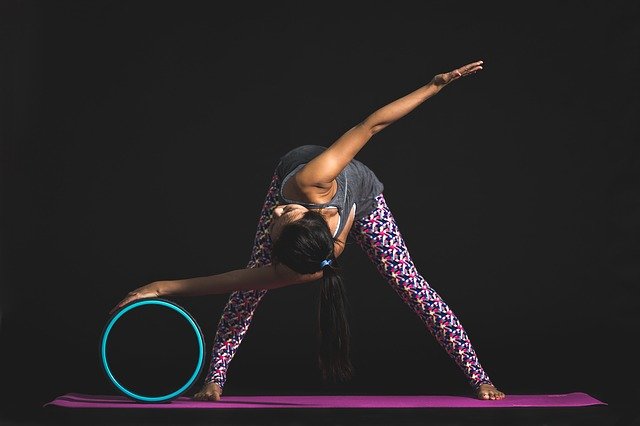

Hyperbolic stretching gets attention because it promises fast flexibility gains, looser hips, and a more energized body in just a few minutes a day. The useful part is not the hype. It is the underlying method: a PNF-style approach that combines stretching with brief muscle contractions.
The honest answer is this: hyperbolic stretching may help improve flexibility and make movement feel easier for some people, but it is not a proven shortcut to unstoppable energy. If you try it, the best results are likely to come from consistency, careful technique, and knowing when not to push.
Quick verdict
Hyperbolic stretching is best understood as a branded or marketing-friendly name for a PNF-inspired flexibility routine. PNF methods have a practical place in mobility training, especially for people working on hamstrings, hips, and end-range control.
The energy claim is less certain. Some people may feel lighter, looser, or more awake after stretching because tension drops and movement feels less restricted. That is different from proving that the routine creates a dramatic physical energy boost.
Bottom line: Hyperbolic stretching can be a useful flexibility tool, but it should be treated as a controlled mobility method, not a guaranteed energy hack.
Key takeaways
- Hyperbolic stretching is not a formal scientific category. It is usually described as a PNF-style stretching routine.
- Flexibility is the strongest reason to try it. Energy benefits are more subjective and should be viewed with caution.
- Pain is not progress. Mild stretch discomfort can be normal, but sharp pain, joint pain, numbness, or pinching is a reason to stop.
- Tools can help with setup, not results by themselves. A strap or roller may support consistency, but technique matters more.
- People with injuries, chronic pain, hypermobility, recent surgery, or major mobility limits should get professional guidance before aggressive stretching.
Helpful products at a glance
These are the main support tools mentioned in this article for readers who want a simpler home setup. They are optional, not required.
Best for controlled assisted stretching because the loop design supports steadier positioning
- Top Choice Stretching and Physical Therapy Strap: The same US-made construction and durable materials as the Original OPTP Stretch Out Strap, the first stretching strap on the market in 1993.
- Stretch Out Strap Pro with Centered 11th Loop: Stretch strap features an 11th loop that provides a centered anchor point to improve body symmetry, exercise versatility, and user safety. Use as a yoga strap, for Pilates, or as an exercise strap. Also ideal for knee rehabilitation exercise.

Best for warm-up and recovery support because the firm roller fits simple mobility routines
- High-density foam roller in Blue Speckled
- Ideal for balance, strengthening, and flexibility exercises

What exactly is hyperbolic stretching?
Hyperbolic stretching is commonly presented as a short daily flexibility routine built around contraction-and-relaxation patterns. In plain English, that means you move into a stretch, create a brief controlled muscle contraction, relax, and then ease into a slightly more comfortable range.
How it connects to PNF stretching
PNF stands for proprioceptive neuromuscular facilitation. It is a stretching approach often used to improve range of motion by pairing a stretch with a short muscle contraction. The idea is to work with the nervous system, not force the body into a position.
That distinction matters. A PNF-style routine can be useful, but calling it “hyperbolic” can make it sound more mysterious than it is. The routine may be intense if done carelessly, especially when people chase splits or deep hip positions too quickly.
How it differs from regular static stretching
Traditional static stretching usually means holding one position for a set time. Hyperbolic or PNF-style stretching adds active contraction. That extra step can make the stretch feel more targeted, but it also requires better body awareness.
- Static stretching focuses on holding a position.
- Dynamic stretching uses controlled movement through range.
- PNF-style stretching uses a stretch, a brief contraction, and a controlled release.
What the science can and cannot say
The most reasonable way to evaluate hyperbolic stretching is to separate the method from the marketing. PNF-style stretching has a real training logic. Claims about dramatic energy output, hormone spikes, or guaranteed rapid splits need much more caution.
Range of motion is the clearest benefit
PNF-style routines may help some people improve range of motion when practiced consistently. This does not mean the muscle permanently becomes longer overnight. Flexibility often improves because the nervous system becomes more tolerant of a position and the person learns to relax into range more effectively.
Energy may be more about perception
Stretching does not create energy in the same way food, sleep, and cellular metabolism do. Still, a person may feel more energetic after a session if tightness eases, breathing slows, and movement feels less restricted. That is a valid experience, but it should not be confused with a guaranteed measurable energy increase.
Safety depends on control
The same method that makes PNF-style stretching effective can also make it easy to overdo. Strong contractions at end range are not ideal for everyone. Keep the contraction light to moderate, breathe normally, and never use the routine to force a position.
Potential benefits and realistic limits
The benefits below are best read as practical possibilities, not promises. Results depend on your starting mobility, training history, joint structure, consistency, and how gently you progress.
| Possible benefit | Why it may happen | Realistic expectation |
|---|---|---|
| Better flexibility | PNF-style contraction and release may help the body tolerate a greater range | More likely with consistent, pain-free practice over several weeks |
| Looser hips or hamstrings | Targeted positions may reduce the feeling of stiffness in commonly tight areas | Useful for some people, but not a cure for pain or structural limits |
| Improved movement comfort | Better control near end range may make daily movement feel smoother | Often subjective and dependent on technique |
| Perceived energy lift | Reduced tension, easier breathing, and a lighter body feeling may improve alertness | Possible, but not the same as a proven energy-output boost |
| Better mind-body awareness | Slow contractions require attention to position, breath, and intensity | Helpful when the routine is done calmly rather than aggressively |
Hyperbolic stretching vs dynamic and static stretching
No single stretching style wins every situation. The better question is when to use each one.
| Stretching style | Best use | Main advantage | What to watch for |
|---|---|---|---|
| Hyperbolic / PNF-style stretching | Targeted flexibility work after warming up or after training | Can help build controlled range of motion | Too much force at end range can irritate tissues |
| Dynamic stretching | Warm-ups before workouts, sports, or active movement | Prepares the body through motion | Should stay controlled, not rushed or ballistic |
| Static stretching | Cooldowns, gentle mobility, or relaxation-focused sessions | Simple and easy to learn | Long intense holds before maximal strength work may not be ideal |
How to try hyperbolic stretching safely
Start smaller than you think you need to. The goal is to teach your body control, not to win a flexibility contest on day one.
Before you begin
- Warm up for 3 to 5 minutes with light movement.
- Choose one or two target areas, such as hamstrings or hip flexors.
- Use a stretch intensity around mild to moderate, not painful.
- Breathe normally during each contraction.
- Stop if you feel sharp pain, tingling, numbness, joint pinching, or dizziness.
A simple beginner hamstring routine
- Lie on your back with one leg raised comfortably.
- Hold behind the thigh, or use a strap if reaching is difficult.
- Move only until you feel a mild hamstring stretch.
- Press the leg gently against your hand or strap for about 5 to 6 seconds.
- Relax and breathe for 10 to 15 seconds.
- Ease slightly deeper only if the body allows it without pain.
- Repeat 2 to 4 times per side.
Progress should feel controlled, not dramatic. If every session turns into a battle against your own body, the routine is too intense.
Helpful tools for a safer home setup
You do not need special equipment to start. A clear floor space, comfortable clothing, and a gentle plan are enough for many people. Still, a simple tool can make the setup easier if you struggle to hold a position without pulling, twisting, or rounding your back.
Stretching strap for controlled positioning
For readers trying hamstring or hip-flexor work at home, a looped stretching strap can make positioning easier while still keeping the focus on gentle, pain-free control. The OPTP Stretch Out Strap Pro has an eleven-loop design, woven nylon construction, and includes a stretching exercise book. Readers who want to compare the listing can view the OPTP Stretch Out Strap Pro on Amazon.
This type of tool is most useful when it helps you avoid yanking or bouncing. It should not be used to force a deeper position, and it does not replace coaching or physical therapy when pain or injury is involved.
- Top Choice Stretching and Physical Therapy Strap: The same US-made construction and durable materials as the Original OPTP Stretch Out Strap, the first stretching strap on the market in 1993.
- Stretch Out Strap Pro with Centered 11th Loop: Stretch strap features an 11th loop that provides a centered anchor point to improve body symmetry, exercise versatility, and user safety. Use as a yoga strap, for Pilates, or as an exercise strap. Also ideal for knee rehabilitation exercise.
- Eleven Loops with Strong Stitching: Unlike imitation bands for stretching, this woven stretching strap is made of nylon, with eleven durable loops that will not wear or tear even with heavy use.
- Stretch Out Strap Health Benefits: Perform stretching and mobility exercises for better flexibility, muscle recovery, range of motion, mobility training, reduced risk of injury, and more.
Foam roller as optional warm-up support
A basic foam roller can fit as an optional warm-up or recovery accessory, but it should stay secondary to safe stretching technique and gradual progression. The Amazon Basics High Density Foam Roller is a firm, lightweight home fitness accessory that may support general mobility preparation and recovery routines for some users. You can check this foam roller listing on Amazon if you want a simple option.
Use a roller gently. Avoid aggressive pressure on painful areas, joints, injuries, or the lower back unless a qualified professional has shown you how to do it safely.
Common myths about hyperbolic stretching
Myth: stretching must hurt to work
Pain is a warning sign, not a badge of progress. Mild stretch tension can be normal, but sharp pain can cause guarding and make the body resist the position even more.
Myth: everyone can reach full splits in 30 days
Some people improve quickly, but hip structure, training history, age, genetics, and daily consistency all matter. Full splits are not a realistic or necessary goal for every body.
Myth: hyperbolic stretching burns belly fat
Flexibility training is not fat-loss training by itself. It may support movement consistency, but body composition changes depend on a much wider set of habits.
Myth: static stretching is always bad before workouts
Static stretching is not “bad.” The issue is timing and intensity. Long, intense static holds immediately before maximal strength or power work may not be ideal, while gentle mobility work can still have a place.
Who should be careful or skip it
Hyperbolic stretching is not automatically unsafe, but it is not the best starting point for every person. Be extra cautious if you have:
- current muscle, tendon, ligament, hip, knee, or back injuries
- chronic pain or unexplained pain during movement
- recent surgery or medical restrictions
- hypermobility or a history of joint instability
- pregnancy-related mobility or pelvic concerns
- numbness, tingling, or nerve-like symptoms
In these situations, it is better to get individualized guidance instead of following an aggressive online routine. A good stretch should feel like controlled tension, not a threat response.
What about supplements and nutrition?
Nutrition can support training recovery and general energy, but supplements should not be treated as the missing key to flexibility. For this topic, the basics matter more: enough sleep, hydration, protein, regular movement, and a stretching plan that you can repeat without pain.
If you use supplements for broader fitness goals, choose them based on your needs and medical context. Do not add omega-3, collagen, magnesium, creatine, or any other supplement just because a stretching routine claims to increase energy. That is a separate decision and should be handled carefully, especially if you take medications or have a health condition.
FAQ
Is hyperbolic stretching safe for beginners?
It can be safe for some beginners if the intensity is low and the routine is done without pain. Start with gentle ranges, short contractions, and fewer repetitions before attempting deeper positions.
How soon will I feel more flexible?
Some people feel looser after a few sessions, but lasting flexibility usually takes consistent practice over weeks. Fast changes can happen, but they should not be forced.
Can hyperbolic stretching increase energy?
It may help some people feel lighter or more alert after stretching, but strong energy claims are not guaranteed. Better movement comfort can improve how the body feels, but that is not the same as proving a major energy-output boost.
Can I combine it with weight training?
Yes, but timing matters. Many people do better using dynamic movement before lifting and saving deeper PNF-style flexibility work for after training or separate mobility sessions.
Do I need equipment?
No, equipment is not required. A strap may make some leg stretches easier to control, and a foam roller may support warm-up or recovery routines, but neither one is essential.
Will it help lower-back pain?
Do not rely on hyperbolic stretching as a treatment for lower-back pain. Hip mobility work may feel helpful for some people, but chronic, sharp, radiating, or recurring back pain should be evaluated by a qualified professional.
What if I cannot stretch every day?
You can still make progress with a few consistent sessions per week. A realistic routine done safely is better than daily stretching that leaves you sore, irritated, or discouraged.
Final verdict
Hyperbolic stretching is most useful when you strip away the dramatic promises and treat it as controlled PNF-style mobility training. It may help improve flexibility, especially around the hips and hamstrings, and it may make movement feel easier for some readers.
The “unstoppable energy” idea needs a softer interpretation. Feeling looser, calmer, and more comfortable in your body can be valuable. But it is not a guaranteed performance transformation, and it should not be sold as one.
For most people, the smartest approach is simple: warm up first, use mild to moderate intensity, progress slowly, avoid pain, and keep the routine consistent. That is where hyperbolic stretching has the best chance to be useful.