


Which green powder fits your goals: one that calms and boosts focus, or one that fills micronutrient gaps without caffeine? This question matters if you want simple, evidence-based food choices that match your routine.
Both powders are nutrient dense, but they feel different in daily life. One is a shade-grown green tea you whisk and drink; the other is a dried leaf you add to smoothies, soups, or dressings.
Matcha delivers concentrated antioxidants like EGCG and L-theanine, which can support calm focus and metabolism. Moringa brings vitamins A, C, and E plus all nine essential amino acids and is naturally caffeine free.
We’ll define how each is made, why the whole-leaf form matters for antioxidants, and how dietitians link them to exercise and blood-sugar support. If you want a quick comparison of greens powder choices, see this practical guide for context: greens powder and the truth behind the.
Key Takeaways
- Matcha offers caffeine-linked focus and antioxidant density.
- Moringa supplies broad micronutrients and is caffeine free.
- Choose by goal: performance, steady energy, or nutrient topping.
- Both can complement each other rather than compete.
- Prep, flavor, and safety matter—start small and observe effects.
Why this comparison matters right now
Demand for simple, effective plant powders is climbing as people look for daily tools that fit busy lives.
This piece helps you choose what to sip or stir based on schedule, caffeine sensitivity, and taste.
Interest in functional greens has grown because readers want clear, usable results: alertness, steady nutrition, or a better evening routine. Quick rituals that fit breakfast or a smoothie bowl matter more than ever for overall health.
Matcha offers a caffeine-linked lift for morning focus and sustained attention, while moringa supplies stimulant-free micronutrients you can add any time of day. Many people layer both—matcha in the a.m., moringa later—to avoid overlap and tailor energy by task.
Flavor expectations are practical to manage: think grassy umami versus earthy greens when pairing powders with food. That lowers trial-and-error and helps you buy less and use more.
- Need morning alertness? Choose matcha for a focused start.
- Want daily nutrition without caffeine? Use moringa mid-day or post-workout.
- Save money: pick one based on your main goal, then add the other if gaps remain.
For a deeper look at relative caffeine effects, see this caffeine showdown to decide on timing and sleep impact.
What are moringa and matcha, really?
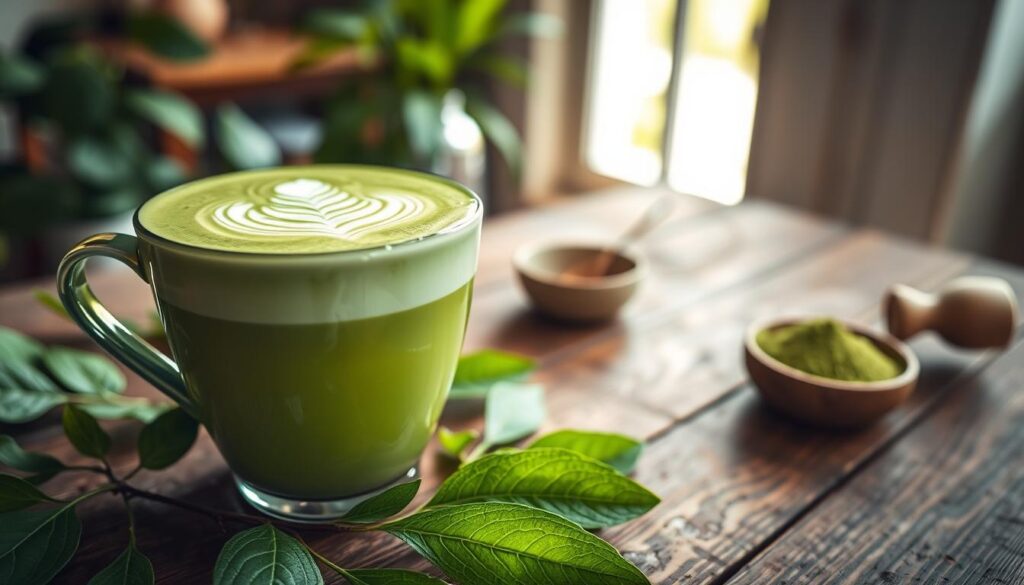
Both are green powders, but they start and behave very differently. One is a shade-grown tea leaf turned into a fine powder. The other is a dried tree leaf milled into a powder you stir into food.
Origins and plants: Moringa oleifera compared to Camellia sinensis
Camellia sinensis is the tea plant used to make traditional green tea and matcha. Matcha comes from leaves grown in shade to boost chlorophyll and L-theanine. Moringa oleifera is a fast-growing tree native to India, often called the miracle tree for its broad nutrient content.
How processing shapes nutrient content
Matcha is stone-ground so you consume the whole leaf. That concentrates antioxidants and some caffeine versus steeped tea.
Dried tree leaves are milled into a powder that mixes into smoothies and soups. The simple drying process preserves many vitamins and minerals and keeps preparation flexible.
Caffeine or caffeine-free: what that means for daily use
Because matcha contains leaf material, it supplies caffeine alongside bioactives. Use it in the morning or before focused tasks.
The dried tree leaf powder is naturally caffeine free, so you can add it any time without affecting sleep.
“Processing—from shade-growing to stone-grinding or simple drying—directly determines what you drink and why you might pick it each day.”
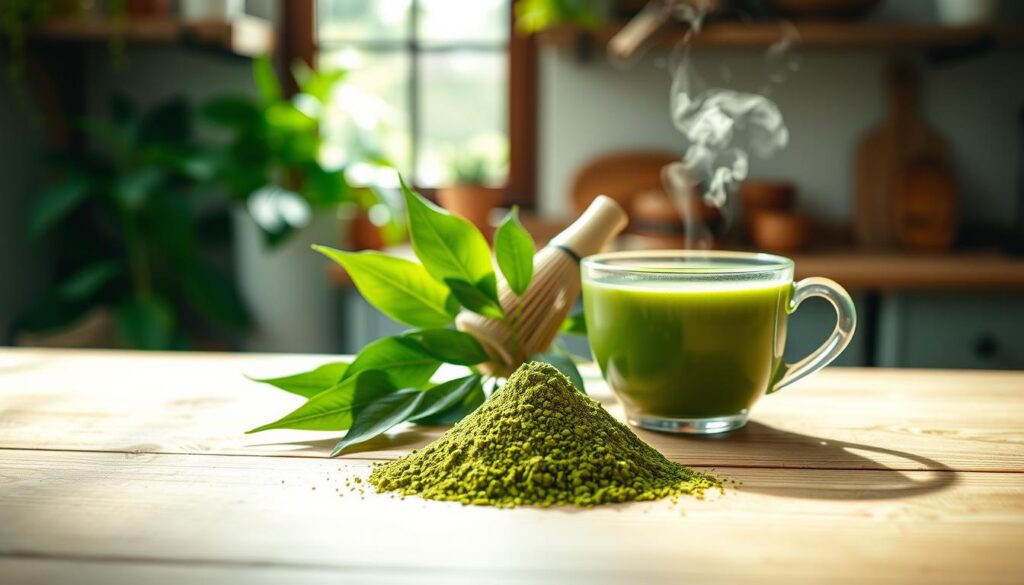
- Quick prep: matcha with hot water (not boiling) for whisking.
- Easy add-in: dried leaf powder stirred into foods or drinks.
- Daily use: pick by whether you want caffeine or broader nutrients.
| Feature | Shade-grown tea powder | Dried tree leaf powder |
|---|---|---|
| Plant | Camellia sinensis | Moringa oleifera |
| Caffeine | Contains caffeine | None |
| Typical use | Whisk with hot water for focus | Stir into smoothies, soups, or dressings |
For a practical comparison and sourcing tips, see this matcha vs moringa guide.
Nutritional profiles compared: vitamins, minerals, protein, and antioxidants
Short summary: Look at real serving sizes, not 100 g tables. Two bold sentences: the practical scoop matters more than raw numbers. Choose by what a teaspoon or tablespoon will actually add to your day.
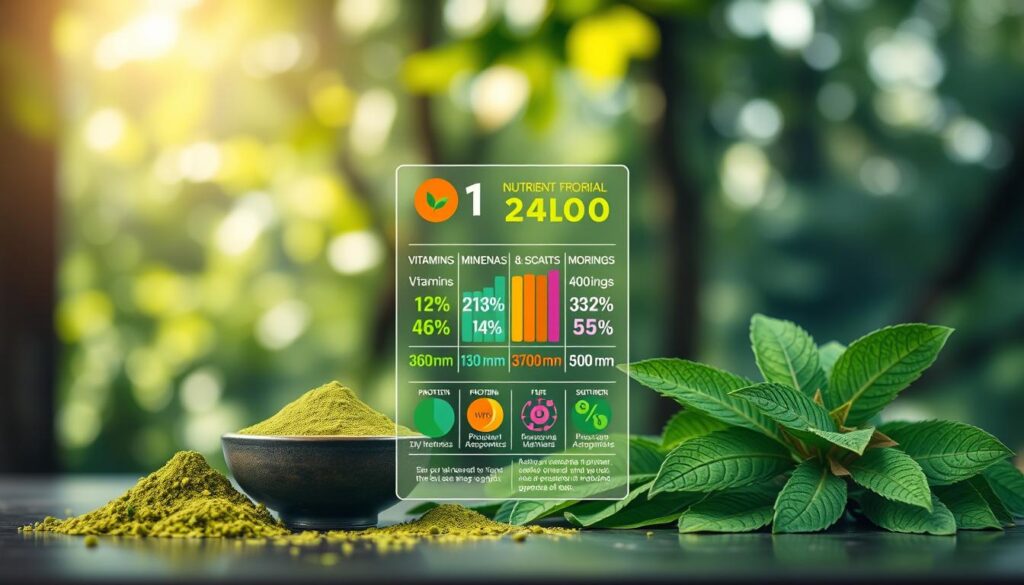
A quick serving-size view shows how these powders differ in day-to-day impact. Per tablespoon, one powder tends to supply more vitamin C and plant iron, while the other delivers concentrated tea antioxidants and L-theanine for calm alertness.
Macros and protein per typical serving
- Per tablespoon: the leaf powder gives about 3 g protein; the tea powder is roughly 2 g.
- Per-100 g comparisons flip the numbers, but most people use teaspoons—so focus on spoonful estimates.
Vitamins and minerals
The leaf form packs vitamins A, C, and E plus notable iron, calcium, and potassium per spoonful. The shade-grown tea powder contributes calcium and potassium and small amounts of vitamin C.
Antioxidant and functional compounds
The tea powder is rich in catechins like egcg and supplies L-theanine for focused calm. The tree leaf supplies a broader mix of polyphenols and all nine essential amino acids in a single plant-based form.
| Per tablespoon | Leaf powder | Tea powder |
|---|---|---|
| Protein (g) | ~3 | ~2 |
| Iron (mg) | ~1.4 | ~0.7 |
| Vitamin C (mg) | Notable | Low |
| Antioxidant focus | Diverse polyphenols | EGCG, catechins |
Pair plant iron with vitamin C in the same meal to improve absorption.
For a deeper product-level look at the leaf nutrient profile see the science behind moringa. For a side-by-side retail guide, check this moringa health profile.
Evidence-backed health benefits: where each powder stands out
Research shows these two powders act on different pathways: one leans on stimulatory neurochemistry, the other on micronutrient and anti-inflammatory support. This helps you pick by goal rather than hype.
Focus and calm energy: caffeine plus L-theanine
The tea delivers a blend of caffeine and L-theanine that supports alertness without usual jittery side effects. That combo can improve attention during demanding tasks and fits a morning ritual.
For practical timing and sleep considerations see this caffeine comparison.
Metabolism and fat oxidation
Small trials link catechin-rich tea intake to higher fat oxidation during exercise. That suggests synergy between polyphenols and movement for metabolic support.
Inflammation and oxidative stress
Both powders supply polyphenols and antioxidants that may lower markers of oxidative stress. These effects can help long-term cardiometabolic risk when paired with healthy habits.
Cardio-metabolic support: lipids and blood sugar
The leaf powder adds micronutrients and essential amino acids that support overall nutrient status, while green tea catechins—like EGCG—have been linked in studies to modest improvements in lipids and glucose control.
“Pairing with vitamin C-rich foods helps offset tannin-related iron absorption effects.”
Use both strategically: a morning tea for focus and a stimulant-free leaf powder later can target energy, recovery, and nutrient gaps in one day. For a practical primer on the tea’s nutrition and uses, consult this matcha guide.
Side effects, safety, and quality considerations
Safety is about dose, timing, and sourcing — not just which green powder you choose. Read this section to learn how to reduce risk and use each powder sensibly.
How caffeine affects timing, jitters, and sleep
If you are caffeine sensitive, take matcha earlier in the day, start with a small serving, and have it with food to reduce jitteriness and stomach upset. Limit late-afternoon use to protect sleep quality.
Tannins, GI upset, and iron interactions
Both powders contain tannins that can irritate the stomach at high doses and acutely lower iron absorption. Space them away from iron supplements or iron-rich meals to preserve iron uptake.
Medications, pregnancy, and liver safety
Avoid moringa during pregnancy and check with your clinician about interactions with blood thinners, thyroid meds, or diabetes drugs. Very high intakes of tea catechins have been linked to rare liver issues; keep servings moderate.
Contaminants, sourcing, and storage
Choose tested, reputable vendors that screen for heavy metals and pesticide residues. Store powders in a sealed, opaque container away from heat and moisture to protect delicate leaf acids and compounds.
“Start low and observe how your body responds — small changes prevent most problems.”
- Practical tip: introduce powder gradually and monitor tolerance.
- Quality tip: prefer brands with third-party testing and clear sourcing information.
- Timing tip: use caffeinated tea in the morning; reserve caffeine-free leaf powder for later.
Learn more about timing andcalm
Taste, formats, and the best ways to drink or eat them
Flavor often decides what ends up in your cup or smoothie bowl. Two short points: choose by taste and by how you want to use a powder. This section shows practical prep and pairings so you can start small and tune the strength.
What the flavor and taste profiles look like
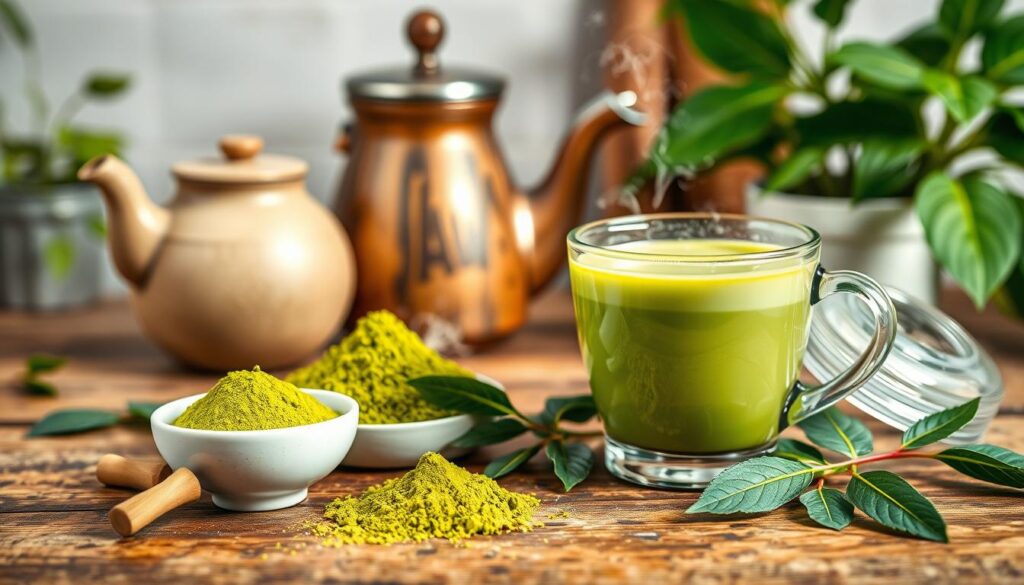
The tea has an umami-grassy profile that shines in simple brews and lattes. Ceremonial grades taste softer and balanced; culinary grades are bolder.
The leaf powder leans earthy and spinach-like and blends into savory or fruit recipes without dominating.
Easy preparation and classic ways to drink
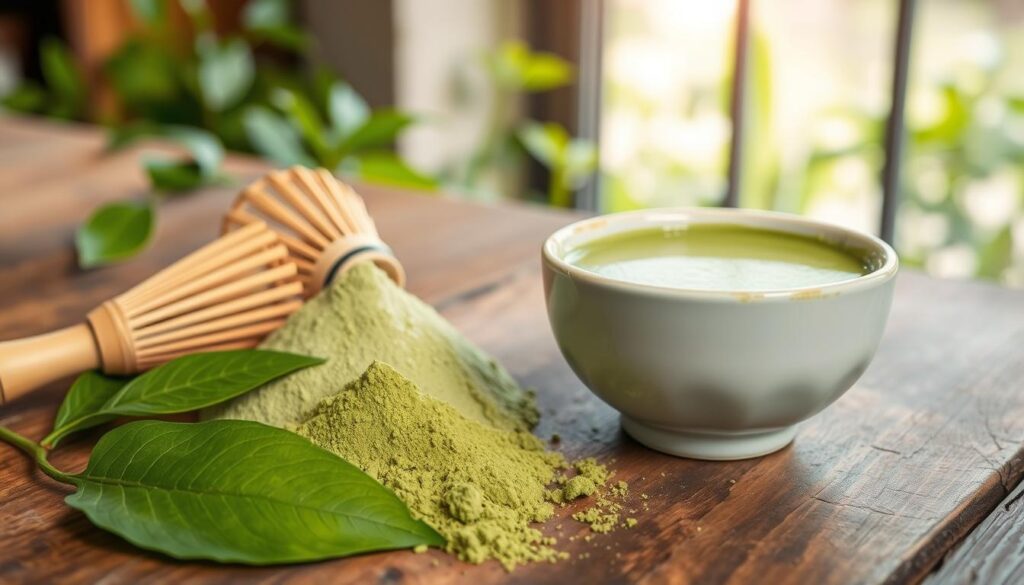
For a clear cup: whisk about 1 tsp of tea with hot water (not boiling) into a smooth suspension.
For a latte: blend tea with warmed milk or a milk alternative and a pinch of cinnamon or vanilla.
For the leaf powder: start with ½–1 tsp, stir into warm water or herbal tea, or fold into smoothies, soups, and dressings.
Recipes, pairings, and quick tips
- Smoothies: mix tea with protein, banana, and milk for post-workout recovery.
- Breakfast: stir either powder into yogurt or overnight oats to boost protein and micronutrients.
- Savory uses: add leaf powder to hummus, broths, or dressings; a pinch of salt improves depth.
- Flavor hacks: balance grassy notes with honey or vanilla sparingly; pair earthy greens with citrus or tropical fruits.
“Start small and adjust — a half teaspoon can be the easiest way to find your preferred taste.”
To compare sourcing and formats, see a practical guide that helps you compare these powders: compare these powders.
Which one fits your goals? Matching moringa or matcha to your lifestyle
Choose by the role you want a green powder to play in your day. One option is a morning performance tool; the other is a flexible nutrition booster you can add to food any time.
If you want calm focus and a morning energy lift
Pick matcha when you need steady mental energy for work or workouts. Caffeine plus L‑theanine helps attention without sharp crashes.
Use a small scoop as a hot tea or a latte before a busy block of work or a training session. If weight support is a goal, try it before exercise for potential fat‑oxidation synergy.
If you prefer stimulant-free nutrition any time of day
Choose moringa for vitamins, minerals, and plant protein without stimulants. It fits into smoothies, soups, or savory food and won’t disturb sleep.
Start with half to one teaspoon in a blender. For simple ideas, try it in a post-workout shake or in a savory dressing.
See practical smoothie recipes for quick pairings that boost nutrient intake.
Stacking smart: matcha in the morning, moringa later for recovery
Layering both powders gives complementary function across the day. A matcha latte at breakfast supports focus; a moringa scoop in an afternoon smoothie supports recovery and nutrient gaps.
“Pre-portion powders into small jars so you use the right one at the right time without thinking.”
- If stimulant-sensitive, favor the stimulant-free option and limit matcha to select days or lower doses.
- For busy routines, pre-portion servings into single-use containers to save time.
- Personalize by taste: creamy lattes suit matcha; savory dishes welcome moringa.
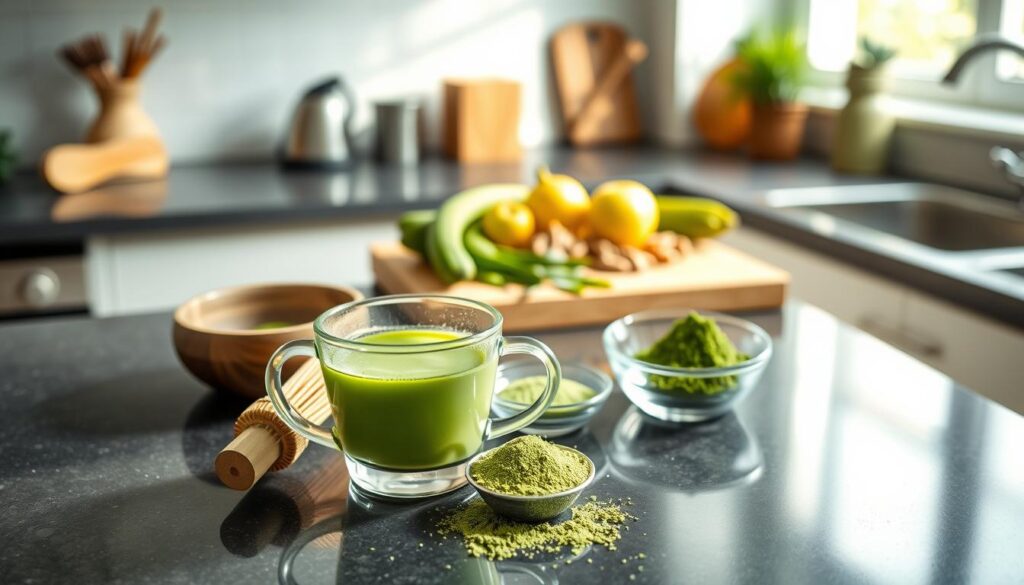
| Goal | Morning | Afternoon/Evening |
|---|---|---|
| Calm focus | matcha (pre-task or latte) | Avoid late use |
| Nutrient top-up | Optional | moringa in smoothies, soups, or dressings |
| Exercise support | matcha before workout | moringa for recovery and vitamins |
Moringa vs Matcha Benefits: a clear, at-a-glance verdict
Quick verdict: one powder shines for focused, caffeinated energy and metabolism support; the other wins for micronutrient density and flexible, caffeine-free use. Use them by goal: task-driven energy or daily nutrition.
Head-to-head highlights by use case
- Focus: matcha leads with caffeine plus L‑theanine for calm alertness; moringa supplies steady nutrition without a stimulant effect.
- Metabolism: matcha’s catechins support fat oxidation around workouts; moringa complements overall dietary quality and recovery.
- Immunity & micronutrients: moringa often provides more vitamins A, C, and E and minerals per serving; matcha adds concentrated tea antioxidants.
- Evening use: choose moringa for late-day nutrient topping; reserve matcha earlier to protect sleep.
What a dietitian would stock in the pantry—and why
Pantry strategy: keep both. A dietitian recommends matcha for morning focus and pre-workout energy, and moringa for smoothies, soups, or post-workout recovery to fill vitamin and mineral gaps.
| Use | Best pick | Why |
|---|---|---|
| Start-the-day energy | matcha | caffeine + L‑theanine for calm focus |
| Daily nutrient boost | moringa | vitamins, minerals, and amino acids without caffeine |
| Evening or sleep-sensitive | moringa | stimulant-free and easy to mix into food |
Conclusion
The simplest rule: use the stimulant option for focused mornings and the caffeine-free powder for broad nutrient support later in the day. Both deliver antioxidants and meaningful micronutrients, but they work differently—one through tea catechins and L‑theanine, the other through vitamins, minerals, and plant protein.
Match your choice to your goals: pick matcha when you want calm, focused energy; pick moringa for nutrient density without stimulants. Keep safety in mind: moderate caffeine, time powders away from iron-rich meals, and buy tested, reputable products.
Practical next step: start with one teaspoon daily, track how you feel for a week, then adjust timing or serving. For a deeper product-level look, see this guide on moringa matcha health profiles.
FAQ
Is moringa the same as matcha and can I use them interchangeably?
No — they come from different plants and serve different nutritional roles. Moringa oleifera is a nutrient-dense leaf powder rich in vitamins, minerals and plant protein, while matcha is a powdered green tea (Camellia sinensis) valued for caffeine plus L‑theanine and high catechin content. You can combine them in recipes, but they are not exact substitutes when you want caffeine-driven focus or specific micronutrients like iron.
Which one gives more antioxidants per serving?
Both provide antioxidants but of different types. Matcha is especially high in catechins such as EGCG, which are potent polyphenols linked to metabolic and cardiovascular benefits. Moringa offers a broader mix of antioxidants (vitamin C, quercetin, chlorogenic acid) and antioxidant enzymes. The “more” answer depends on which antioxidant class you value: catechins (matcha) versus mixed micronutrient antioxidants (moringa).
How does the caffeine content compare and what does that mean for timing?
Matcha contains moderate caffeine similar to a weak cup of coffee (about 30–70 mg per teaspoon, depending on grade), and L‑theanine moderates the stimulant effect for calm focus. Moringa is naturally caffeine‑free, making it suitable any time of day and for people sensitive to stimulants. Use matcha in the morning or before focused work; reserve moringa for afternoons, evenings, or postworkout recovery.
Which powder has more protein and essential amino acids?
Moringa contains more plant protein and a wider range of essential amino acids than matcha, so it’s a better option for adding protein and nitrogenous nutrients to smoothies or meals. Matcha contributes some amino acids—most notably L‑theanine—yet it’s not a significant protein source compared with moringa powder.
Do either affect iron absorption or interact with medications?
Yes. Tannins and polyphenols in matcha can reduce non-heme iron absorption when consumed with iron-rich meals. Certain compounds in moringa may also influence iron metabolism but generally provide iron as a nutrient. Both can interact with medications: matcha’s caffeine can affect stimulants or sleep medications, while moringa may interact with anticoagulants, diabetes drugs, or blood pressure medications. Consult your clinician if you take prescription drugs or are pregnant.
Are there safety concerns or contaminant risks with these powders?
Contaminant risk depends on sourcing and processing. Matcha and moringa powders can contain heavy metals (lead), pesticides, or filler if poorly sourced. Choose third‑party tested, organic or reputable brands that publish lab results. Pregnant or breastfeeding people and those with liver disease should discuss use with a healthcare provider before regular consumption.
How do taste and culinary uses differ between them?
Matcha tastes umami, grassy, and slightly astringent — ideal for hot water whisking, lattes, baking, or smoothies where you want a green‑tea note. Moringa tastes earthy and green, closer to spinach or sea vegetables; it blends well into savory dishes, soups, dressings, or smoothies for nutrient density. Both work in lattes and smoothies but choose based on flavor and functional goals.
Can I stack matcha and moringa together? If so, how?
Yes. Stacking taps complementary strengths: matcha for focused energy and catechins, moringa for micronutrients and protein. Try a morning latte with matcha and a half teaspoon of moringa in an afternoon smoothie for recovery. Start with small amounts to test taste and tolerance, and avoid doubling overall stimulant intake.
Which is better for metabolism, weight management, or exercise support?
Matcha’s catechins (EGCG) and caffeine are more directly studied for short‑term increases in fat oxidation and metabolic rate, particularly alongside exercise. Moringa may support recovery and nutrient replenishment through vitamins, minerals and protein. Use matcha for pre‑workout focus and mild metabolic boost; use moringa for postworkout recovery or as a daily nutrient booster.
How should I choose a high‑quality powder when shopping?
Prioritize suppliers with transparent sourcing, organic farming, and third‑party testing for heavy metals and pesticides. For matcha, look for ceremonial or culinary grades from reputable Japanese regions and check for bright green color and aroma. For moringa, choose cold‑dried, finely milled powders from reputable producers that list nutrient content and lab screening.
Are there ideal serving sizes and daily limits?
Typical matcha servings are 1–2 grams (about ½–1 teaspoon) per serving; avoid excessive daily caffeine by keeping total matcha intake moderate. Moringa servings commonly range from 1–3 teaspoons (2–9 grams); follow product guidance and start low to assess GI tolerance. For both, don’t replace whole foods—use powders as complements to a balanced diet.
Will either powder improve immunity or reduce inflammation?
Both contain compounds associated with anti‑inflammatory and immune‑supporting effects: matcha’s catechins and moringa’s vitamins, quercetin and chlorogenic acid. Evidence suggests modest benefits as part of a healthy diet, but neither is a cure‑all. Expect supportive, incremental effects rather than dramatic changes.
Can children or pregnant people use these powders?
Use caution. Matcha’s caffeine makes it less suitable for young children and may be limited or avoided during pregnancy. Moringa leaf powder is used traditionally but safety data in pregnancy are mixed for concentrated extracts; consult a pediatrician or obstetrician before giving either to children or using during pregnancy or breastfeeding.
How quickly will I notice effects like energy, focus, or improved nutrients?
Matcha’s caffeine and L‑theanine can produce noticeable focus and alertness within 30–60 minutes. Nutrient effects from moringa (iron, vitamins, protein) appear gradually over days to weeks as part of consistent dietary changes. Expect immediate functional effects (energy, calm focus) from matcha and slower, cumulative benefits from moringa’s nutrient profile.
What are practical ways to add them to my daily routine?
Use matcha in morning beverages or preworkout drinks for alertness; add moringa to smoothies, soups, yogurt, or savory dressings for nutrient density. Both work in lattes, baked goods, and bowls. Start with small doses to assess flavor and tolerance, then adjust based on goals like focus, recovery, or nutrition support.


Don’t Miss These Picks