


If you want a stronger, faster caffeine lift, coffee usually wins. If you prefer a lower-caffeine drink with green tea catechins and L-theanine, matcha may fit better. Neither is automatically healthier for everyone; serving size, timing, added sugar, sleep, and your personal response to caffeine matter more than the label on the cup.
Coffee generally provides more caffeine per serving, while matcha combines caffeine with L-theanine and catechins such as EGCG. Research on caffeine plus L-theanine suggests possible short-term benefits for attention, but it does not prove that matcha always delivers a “crash-free” six-hour energy curve. The better choice is the one you enjoy, tolerate, and can fit into a healthy routine.
Key Takeaways
- Coffee usually contains more caffeine per serving and may feel more stimulating.
- Matcha provides catechins and L-theanine in addition to caffeine.
- Caffeine supports alertness, while caffeine plus L-theanine may modestly help some measures of attention.
- Neither drink should be treated as a solution for weight loss, skin concerns, dental problems, or metabolic disease.
- Watch total caffeine, late-day timing, and sugar-heavy add-ins.
- A simple one-week comparison can tell you more about your own response than broad “matcha vs. coffee” claims.
Helpful Products at a Glance
For quick matcha, lattes, and other mixed drinks, the Zulay handheld frother is fast and compact, although it is battery-powered and has only one speed.
- CREAMY VELVETY FROTH IN SECONDS: Making coffee-shop-style recipes at home is as simple as it can be with this milk frother. The 13,000 RPM motor and 25 spiral rings on the whisk let you whip up rich foam in no time. Level up your everyday warm or cold coffee, latte, cappuccino, hot chocolate, matcha, or powdered drinks with this frother.
- SIMPLE COFFEE MAKING EXPERIENCE: We have designed this matcha whisk with a comfortable grip and a simple on/off button. From your morning latte to whisking eggs for omelets, this electric whisk can do it all. Carry this portable milk frother to make coffee anytime, anywhere.

For traditional whisking, the YIBO Matcha Whisk Set combines the main tools in one kit, but it requires more washing and storage than a simple frother or shaker.
- 【Meet Your Whisking Wonder】With its comfy handle, this whisk is a breeze to use. It coaxes out matcha's rich foam and deep flavor for a smooth, clump-free sip. Because great matcha should be effortless.
- 【Goodbye, drips! Hello, perfect pours】Our matcha bowl set is thoughtfully designed with a thickened eagle-beak spout for a clean, controlled pour. Plus, the exquisite glaze makes every whisking session a beautiful ritual.

What Is Matcha, and How Is It Different From Coffee?
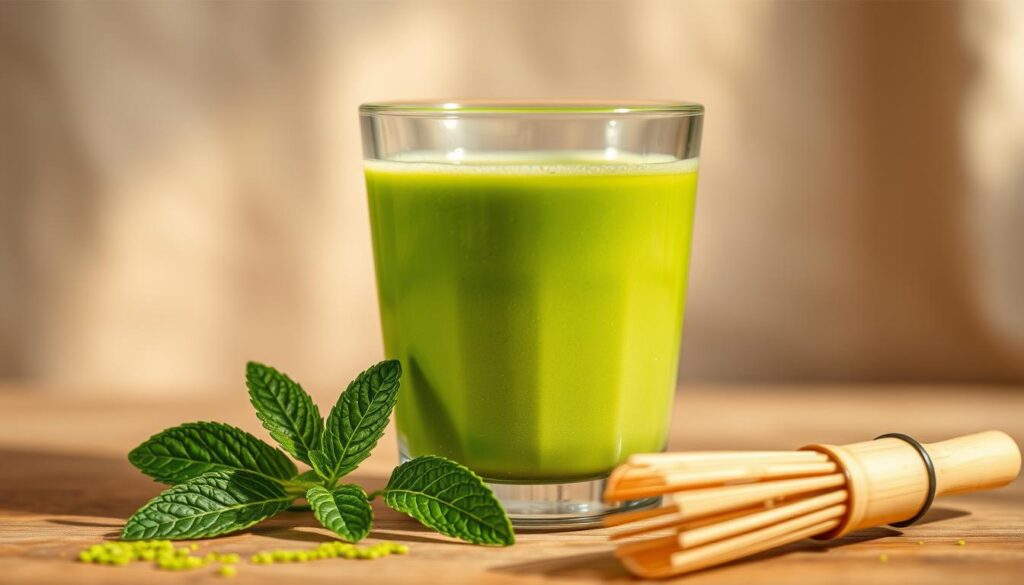
Matcha is powdered green tea made from Camellia sinensis leaves. Instead of steeping leaves and discarding them, you whisk the powder into water and drink the suspended leaf material. That gives matcha its concentrated green-tea flavor and a different mix of plant compounds from brewed coffee.
Coffee is made by extracting roasted coffee beans with water. Drip coffee, espresso, French press, and cold brew can differ considerably in flavor and caffeine, so comparing “one cup” of each drink is not always straightforward.
Matcha vs. Coffee Caffeine: Which Gives More Energy?
Coffee usually delivers the larger caffeine dose. The FDA notes that an 8-ounce cup of coffee commonly contains about 80–100 mg of caffeine, although larger or stronger servings can contain considerably more. Matcha is harder to standardize because its caffeine content depends on the powder and how much you use.

That dose difference helps explain why coffee can feel more intense. However, the common claim that L-theanine simply “slows caffeine absorption” is too simplistic. Human trials instead suggest that L-theanine and caffeine taken together may modestly improve certain measures of attention and cognition. The size and consistency of those effects still vary across studies.
For most healthy adults, the FDA cites 400 mg of caffeine per day as an amount not generally associated with negative effects. Individual sensitivity can be much lower, and too much caffeine may contribute to jitters, headache, nausea, upset stomach, or sleep problems.
Antioxidants and Long-Term Health
Matcha is rich in green-tea catechins, including EGCG, while coffee supplies chlorogenic acids and other polyphenols. Those are different antioxidant profiles, not evidence that one beverage automatically wins.
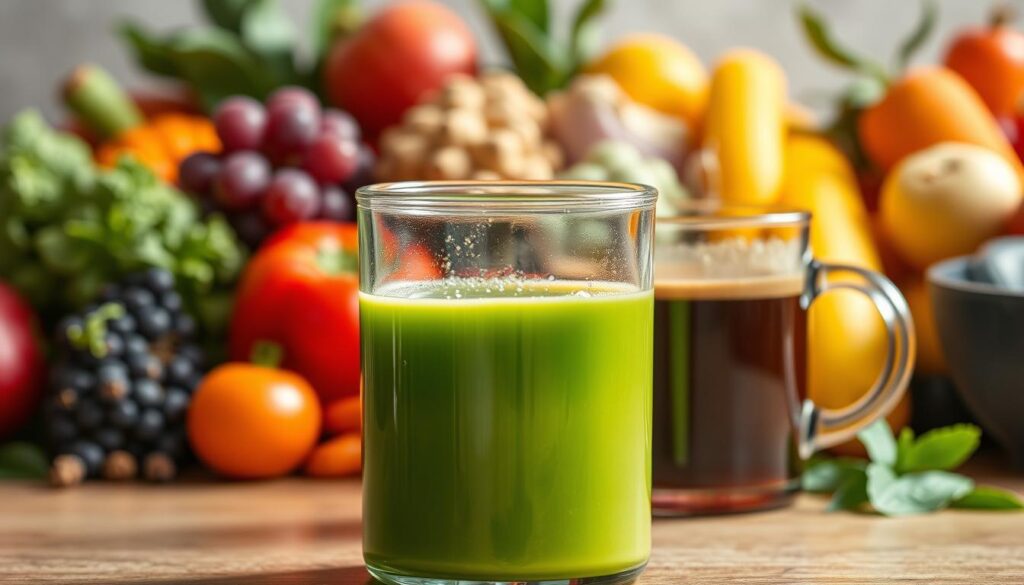
| Feature | Matcha | Coffee |
|---|---|---|
| Main plant compounds | Catechins including EGCG | Chlorogenic acids and other polyphenols |
| Caffeine | Usually lower in common servings | Usually higher in common servings |
| L-theanine | Present | Not a meaningful source |
Coffee has been associated in large observational reviews with lower risks of several health outcomes, including type 2 diabetes and some cardiovascular and liver conditions. These associations do not prove that coffee itself prevents disease, but they are a good reason not to treat coffee as an unhealthy default.
Green-tea research also suggests potential cardiometabolic benefits, but long-term clinical evidence specifically for matcha is less extensive. Both drinks are better viewed as parts of an overall dietary pattern rather than as treatments.
Focus, Mood, and the “Caffeine Crash” Question
Caffeine can improve alertness and attention in the short term. Some people experience a sharper rise in stimulation with coffee because they consume a larger dose quickly. Others can drink coffee without noticeable jitters or an afternoon crash.

Matcha contains L-theanine, and controlled trials of L-theanine plus caffeine suggest small-to-moderate improvements in some attention outcomes. That gives some scientific basis to matcha’s “calmer focus” reputation, but it does not justify promising everyone a fixed three-to-six-hour energy curve or a guaranteed absence of a crash.
If you want to compare the drinks, keep the experiment simple. Use them at roughly the same time of day, avoid changing breakfast or sleep habits at the same time, and note your focus, jitters, headache, afternoon fatigue, and sleep for several days.
Oral Health: Useful Green-Tea Compounds, but No Miracle
Green-tea catechins have antimicrobial properties, and clinical studies have explored green tea for plaque, gingivitis, and oral bacteria.
A systematic review found encouraging results but concluded that evidence was insufficient to recommend green tea as a first-choice treatment for gingivitis, periodontitis, or cavities. Matcha can complement normal oral hygiene, but it does not replace brushing, flossing, or dental care.
It is also inaccurate to describe matcha as essentially stain-free. The American Dental Association notes that pigmented beverages including coffee and tea can contribute to external tooth staining. Drinking water afterward and maintaining good oral hygiene matter more than choosing one drink specifically for whiter teeth.
Skin and Aging: Keep Expectations Modest
Green-tea catechins have been studied for UV-related skin effects, but results are mixed. Some trials have found changes in selected skin measures, while others found no meaningful reduction in UV-induced redness or broader photoaging outcomes.
That means matcha should not be presented as an anti-aging treatment or substitute for sun protection. Sunscreen, shade, adequate sleep, and a nutrient-dense diet remain much more practical foundations for skin health.
Weight Management and Workouts
Caffeine can improve endurance or reduce perceived fatigue for some people, but matcha is not a weight-loss shortcut. Research into green-tea catechins and fat oxidation has produced relatively modest effects, while meaningful weight change still depends mainly on overall calorie intake, activity, sleep, and long-term adherence.
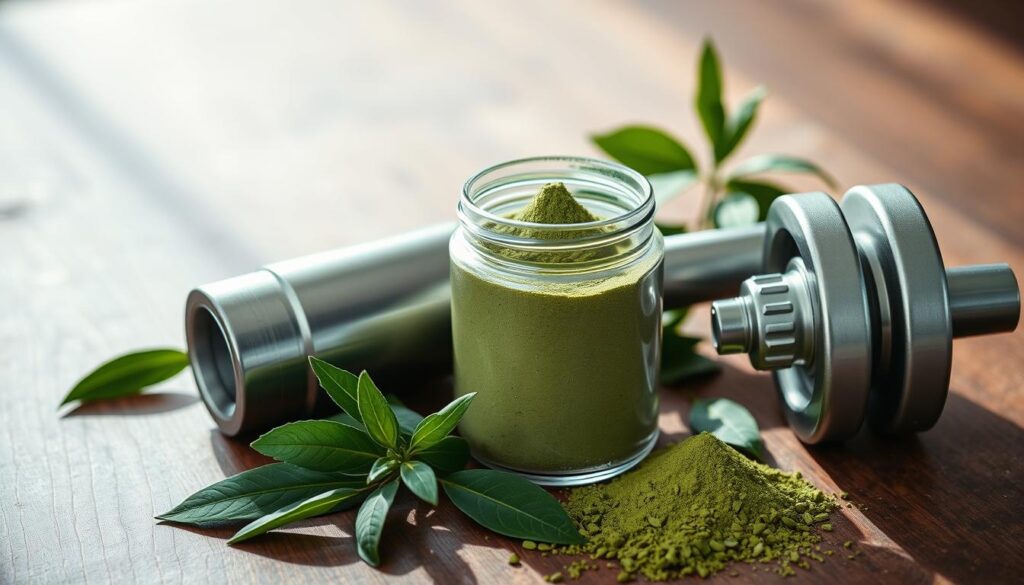
If you already use caffeine before training, dose and tolerance matter more than whether the caffeine comes from coffee or matcha. More caffeine is not automatically better, and high intake can interfere with sleep or cause unwanted stimulation.
Taste, Ritual, and Matcha Quality
Matcha is typically grassy, vegetal, and umami-forward. Coffee can range from chocolatey and nutty to fruity, smoky, or bitter depending on the beans, roast, and brewing method. Personal preference matters: there is little benefit in forcing yourself to drink a beverage you dislike.
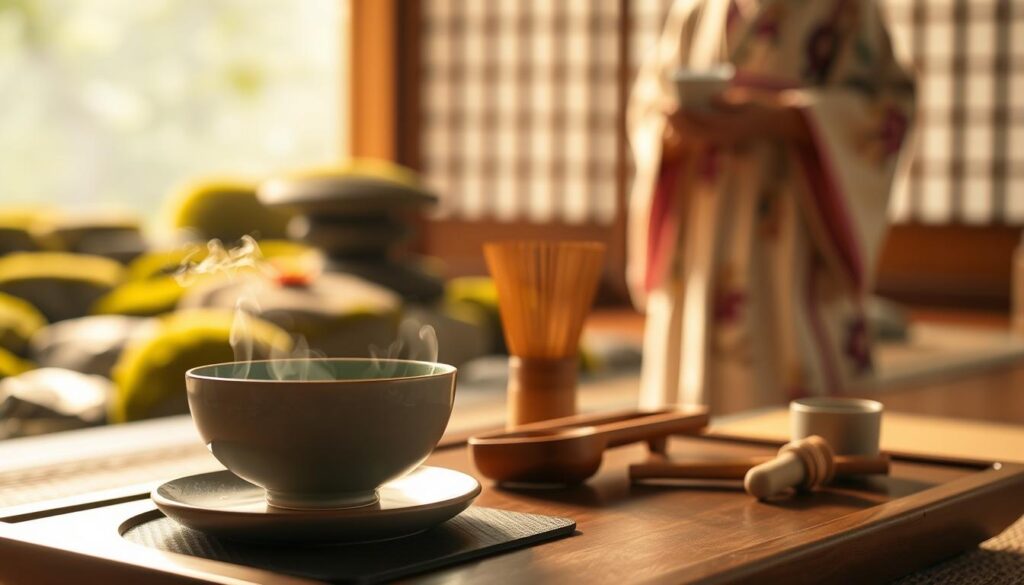
For matcha, freshness matters. Look for a fine powder with a vibrant green appearance and packaging that limits exposure to light and air. Higher-quality powders are often more pleasant when whisked with water, while more robust culinary-style matcha can work well in lattes, smoothies, and recipes.
How to Prepare Matcha Without Clumps
For a hot cup, sift about 1–2 grams of matcha into a wide bowl or cup. Add a small amount of hot, but not aggressively boiling, water and whisk until the powder is evenly suspended and lightly frothy. Add more water to taste. For a latte, make this concentrated matcha base first and then add milk.
You do not need traditional equipment. A sealed jar or shaker bottle works for cold matcha, while a small electric frother is convenient when speed matters.
The Zulay Powerful Milk Frother is one practical shortcut for frequent lattes or quick matcha. Its current Amazon listing identifies it as a handheld, battery-powered, single-speed mixer intended for drinks including matcha and lists two batteries with the unit. It is easy to store, but anyone already happy using a jar or shaker can skip the extra gadget.
- CREAMY VELVETY FROTH IN SECONDS: Making coffee-shop-style recipes at home is as simple as it can be with this milk frother. The 13,000 RPM motor and 25 spiral rings on the whisk let you whip up rich foam in no time. Level up your everyday warm or cold coffee, latte, cappuccino, hot chocolate, matcha, or powdered drinks with this frother.
- SIMPLE COFFEE MAKING EXPERIENCE: We have designed this matcha whisk with a comfortable grip and a simple on/off button. From your morning latte to whisking eggs for omelets, this electric whisk can do it all. Carry this portable milk frother to make coffee anytime, anywhere.
- LIFETIME FROTHING ACCESSORY: This drink mixer, with rust-resistant stainless steel and a sleek nylon body, is built to be your coffee accessory for years. Powered by 2 included Duracell batteries, this coffee stirrer works on all types of milk, such as oat, soy, almond, and other dairy items like cream.
- EASY TO CLEAN AND STORE: To clean this hand frother, simply place the whisk under water and briefly turn it on to get rid of any residue; wipe the handle with a damp cloth. Our electric whisk can easily fit in your bag or in your kitchen drawer when not in use.
A traditional bamboo whisk offers a different experience. A wide bowl gives the whisk room to move, a sifter helps break up clumps, and a whisk holder can help the bamboo whisk keep its shape between uses. None of these tools is essential for getting caffeine or antioxidants from matcha; they mainly make preparation and the ritual more convenient.
If you want the traditional setup without buying each piece separately, the YIBO Matcha Whisk Set is a practical option. The verified Amazon listing includes a ceramic bowl, bamboo whisk, whisk holder, sifter, measuring scoop, measuring cup, and chashaku-style scoop. The tradeoff is obvious: it takes more counter space, washing, and storage than a handheld frother.
- 【Meet Your Whisking Wonder】With its comfy handle, this whisk is a breeze to use. It coaxes out matcha's rich foam and deep flavor for a smooth, clump-free sip. Because great matcha should be effortless.
- 【Goodbye, drips! Hello, perfect pours】Our matcha bowl set is thoughtfully designed with a thickened eagle-beak spout for a clean, controlled pour. Plus, the exquisite glaze makes every whisking session a beautiful ritual.
- 【From First-Time Whisk to Tea Mastery】This is your all-in-one matcha set kit. All the tools, zero guesswork. Designed for beginners and pros alike to create the perfect bowl. Find your calm, one bowl at a time.
- 【We Keep It Natural, So You Can Keep It Zen】Made from good-for-you materials: lead-free glaze that won’t stain + earth-friendly bamboo that’s totally handmade. Easy-clean, easier living.
How to Switch From Coffee to Matcha
If you regularly drink several coffees a day, replacing everything at once can leave you with caffeine-withdrawal headache, fatigue, or irritability. A gradual approach is easier: replace one serving first, maintain that change for several days, and reduce again only if you feel comfortable.
Keep caffeine earlier in the day if it interferes with sleep. Most importantly, compare total caffeine rather than drink names. A heavily prepared matcha and a small weak coffee can narrow—or sometimes reverse—the usual difference between the two.
Matcha vs. Coffee: Which Should You Choose?
Choose coffee if you enjoy the flavor, tolerate a higher caffeine dose, and want stronger immediate stimulation.
Choose matcha if you prefer green-tea flavor, want a lower-caffeine option in many common preparations, or like the combination of catechins, caffeine, and L-theanine.
You do not need to choose a permanent winner. Coffee in the morning, matcha on another day, or simply smaller servings of either can all fit a healthy routine.
Frequently Asked Questions
Is matcha healthier than coffee?
Not automatically. Matcha and coffee contain different plant compounds, and both can fit a healthy diet. Total caffeine, serving size, added sugar, sleep, and your overall dietary pattern matter more than declaring one universally healthier.
Does matcha give energy without a crash?
It may feel smoother to some people, but a “no crash” effect is not guaranteed. Matcha still contains caffeine, and your response depends on dose, tolerance, food intake, sleep, and individual sensitivity.
How much caffeine is in matcha compared with coffee?
An 8-ounce coffee commonly contains about 80–100 mg according to the FDA. Matcha varies more because its caffeine level depends on the product and amount of powder used.
Does L-theanine make matcha better for focus?
L-theanine combined with caffeine has shown modest benefits in some attention tests. It is more accurate to say the combination may support attention than to promise prolonged calm energy.
Can matcha help with weight loss?
Any effect is likely to be small. Matcha does not replace an appropriate diet, exercise, sleep, or other established weight-management habits.
Is matcha better for teeth?
Green-tea compounds have been studied for oral bacteria, but evidence is not strong enough to use matcha as a dental treatment. Both tea and coffee can contribute to tooth staining.
What is the easiest way to make matcha?
Sift 1–2 grams into a cup or bowl, add a little hot water, whisk or froth until smooth, and then dilute with more water or milk. For iced matcha, a sealed jar or shaker bottle is an easy no-special-tools option.
Should I quit coffee completely when switching to matcha?
No. If you enjoy and tolerate coffee well, there is no general reason to eliminate it. If you want less caffeine or fewer jitters, replace one serving at a time and compare how you feel.


Don’t Miss These Picks