


Bone broth can provide collagen-derived gelatin and protein, along with amino acids such as glycine. But there is no reliable universal amount of collagen, glycine, protein, or minerals in a cup. The final nutrition depends on the animal parts used, how concentrated the broth is, the cooking method, serving size, and whether you are looking at a homemade recipe or a commercial product.
That variability matters when health claims enter the picture. Research on hydrolyzed collagen supplements or isolated glycine cannot automatically be used as proof that ordinary bone broth improves joints, skin, sleep, inflammation, or exercise recovery. Bone broth can still be a useful food; it simply needs to be judged as broth rather than treated like a standardized supplement.
This guide separates what has actually been measured in bone broth from evidence involving collagen peptides and isolated glycine, then shows how to compare homemade broth, commercial broth, and measured collagen-peptide products.
Key Takeaways
- Bone broth can contain gelatin, collagen-derived amino acids, protein, fat, sodium, and small amounts of minerals, but the amounts vary substantially.
- Studies using hydrolyzed collagen supplements should not be treated as direct evidence that ordinary bone broth produces the same effects.
- Human sleep-related research on glycine has used measured doses of isolated glycine, not an unspecified serving of bone broth.
- Bone broth should not automatically be described as mineral-rich; measured calcium and magnesium contributions in studied broths have often been modest.
- Bone broth makes sense when you want a culinary food, while collagen peptides offer a more predictable stated serving when dose consistency matters.
Helpful Products at a Glance
For Standardized Collagen-Peptide Intake
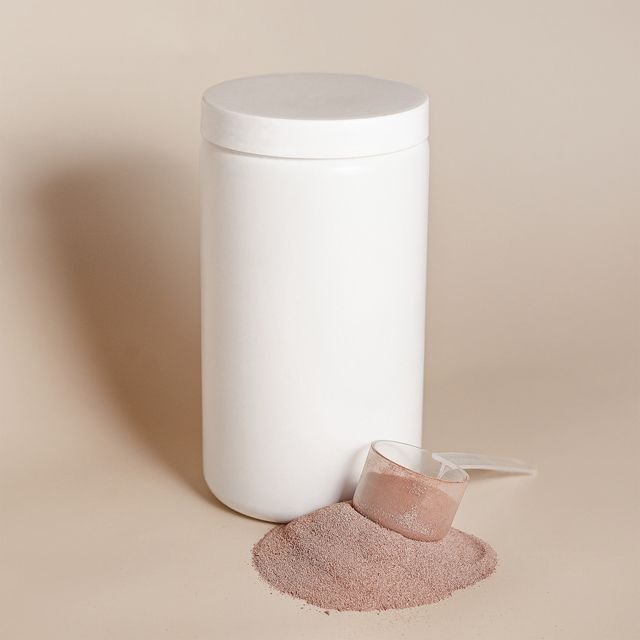
For readers who want a measured collagen-peptide serving rather than the variable collagen-derived amino-acid content of broth, this is one verified example of an unflavored collagen-peptide powder.
- RADIANT SKIN, STRONG JOINTS & DAILY WELLNESS SUPPORT*: Support beauty and mobility from within with this powerful collagen peptides powder designed for women and men.* Each serving delivers hydrolyzed collagen peptides that promote a radiant, youthful appearance, while also supporting joint health, muscle recovery, and skin elasticity.* Whether you're supporting hair, skin, and nails or post-workout recovery, this trusted collagen powder has you covered.*
- WHAT’S INSIDE: Every scoop delivers 11g of low molecular weight Type I & III collagen peptides, with a full spectrum of 18 amino acids, including glycine, proline, and hydroxyproline—critical for maintaining skin hydration, promoting and connective tissue support.* With 10g of protein and just 40 calories per serving, this is a great way to enhance your daily protein intake without added sugars or carbs.*

What Is Actually in Bone Broth?
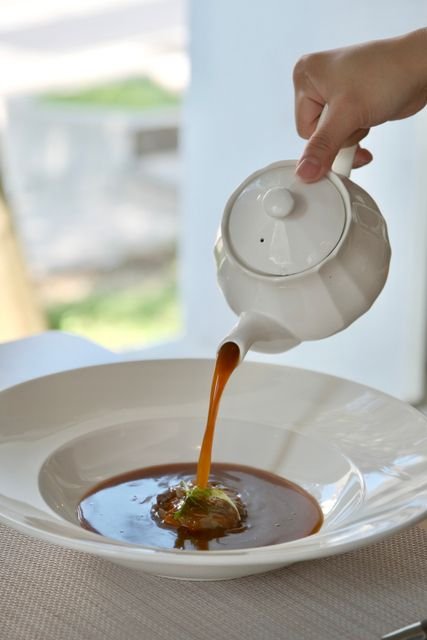
Bone broth is made by simmering animal bones along with varying amounts of connective tissue, skin, meat, and other ingredients. During cooking, collagen-rich tissues soften and contribute gelatin and amino acids to the liquid. The result may be thin and lightly flavored or thick enough to gel when chilled, depending on the ingredients and concentration.
The terms broth, stock, and bone broth overlap in everyday cooking. Stock generally emphasizes bones and connective tissue and is often used as a cooking base. Broth may contain more meat and seasoning and may be intended to drink or eat directly. “Bone broth” usually refers to a long-cooked, bone-focused preparation, but there is no single recipe that guarantees a particular nutrient profile.
That is why a fixed statement such as “one cup contains 9 grams of protein” is misleading when applied to bone broth as a category. One product or recipe may reach that amount, while another may provide much less. Dilution alone can dramatically change the number.
What You Can Reasonably Expect
- Water: The main component of any broth.
- Protein and gelatin: Amounts depend heavily on the quantity of connective tissue, skin, meat, and concentration.
- Amino acids: Collagen-rich tissues contribute amino acids including glycine, proline, and hydroxyproline.
- Fat: This varies with animal parts, trimming, skimming, and preparation.
- Sodium: Homemade broth can be lightly salted or heavily salted; packaged products can also vary widely.
- Minerals: Bone broth can contain calcium, magnesium, and other minerals, but it should not automatically be described as a major mineral source.
Collagen, Gelatin, Glycine, and Digestion
Collagen is a structural protein found throughout connective tissues such as skin, tendons, cartilage, ligaments, and bone. When collagen-rich tissue is cooked in water, heat changes its structure and produces gelatin, which contributes the body and gel-like texture associated with a concentrated stock.
Once eaten, collagen and gelatin are not delivered intact to a knee, tendon, or patch of skin. Digestion breaks proteins into amino acids and smaller peptides that can be absorbed and reused by the body. This distinction is important because marketing sometimes makes collagen-containing foods sound as if they directly “replace” collagen in a target tissue.
Hydrolyzed collagen peptides are processed differently. They are broken into smaller peptide fragments before consumption and are typically sold with a defined serving size. That makes the intake easier to standardize than homemade broth, even though both ultimately contribute collagen-derived amino acids and peptides.
Where Glycine Fits In
Glycine is one of the major amino acids in collagen. Bone broth can contain glycine, but the amount in a serving is not standardized. A study comparing bone broth amino acids with collagen supplements found substantial variability among broths and showed why it is difficult to assume that a cup of broth provides the same collagen-related amino-acid exposure as a defined collagen-supplement dose.
This becomes especially important when discussing sleep. A human study examining sleep-restricted healthy volunteers used 3 grams of isolated glycine before bedtime. That tells us something about a specific glycine intervention. It does not show that a cup of bone broth provides the same dose or produces the same sleep-related effect.
How Much Collagen, Glycine, Protein, and Minerals Can Bone Broth Provide?
The most accurate answer is that it depends on the broth. Unlike a standardized supplement, homemade broth usually does not come with laboratory measurements for total collagen-derived peptides or individual amino acids. Even commercial products may list total protein without specifying how much comes from collagen or how much glycine is present.
A broth made with skin, feet, joints, necks, or other connective tissue may become more gelatinous than one made mostly from clean bones. Concentrating the broth by reducing water can also increase protein per cup. Adding more water does the opposite.
Commercial processing adds another layer of variation. Some products are concentrated, some are diluted, some contain meat, and others are formulated primarily for flavor. This is why the Nutrition Facts panel is more useful than relying on a generic “bone broth” nutrient estimate.
Minerals Are Often Overstated
Long cooking and acidity can influence mineral extraction, but that does not necessarily make the finished broth a major source of minerals. A study measuring essential and toxic metals in animal bone broths found that lower pH and longer cooking could increase calcium and magnesium extraction under the tested conditions. Even so, the measured contributions of those minerals from typical servings remained relatively small in the samples studied.
So adding vinegar may change extraction somewhat, but it should not be sold as a trick that turns broth into a concentrated calcium or magnesium supplement.
Why Bone Broth Nutrition Varies So Much
- Animal parts: Skin, feet, joints, necks, and connective tissue can contribute more gelatin-forming material than bare bones alone.
- Water ratio: A concentrated broth contains more nutrients per cup than the same batch diluted with additional water.
- Cooking method: Time, temperature, pressure cooking, and reduction can influence extraction and concentration.
- Acidity: Lower pH can change mineral extraction, although the final nutritional importance may remain modest.
- Fat removal: Skimming or chilling and removing hardened fat changes calories and fat content.
- Commercial formulation: Ready-made broths differ in protein, sodium, serving size, ingredients, and concentration.
- Labeling: A product may advertise “collagen-rich” without listing an exact collagen or glycine amount.
This variability is not a flaw in broth as a food. It simply means broth is a poor fit for claims that require a precise dose unless the product has been specifically measured and labeled for that purpose.
Claim vs. Evidence: Bone Broth, Collagen Peptides, and Glycine
| Claim or Goal | Where the Evidence Mainly Comes From | What You Can Reasonably Conclude |
|---|---|---|
| Provides collagen-derived amino acids | Direct bone-broth composition research | Yes, but concentrations vary substantially between broths. |
| Improves skin or joint outcomes | Mostly hydrolyzed collagen-supplement research | Supplement studies cannot automatically be transferred to ordinary bone broth. |
| Improves sleep because it contains glycine | Isolated-glycine human studies | Bone broth glycine content is too variable to assume the same intervention or dose. |
| Provides large amounts of calcium and magnesium | Bone-broth mineral analyses | Extraction occurs, but tested servings have often provided modest amounts. |
| Reduces inflammation | Indirect, mechanistic, or ingredient-based evidence | There is not enough direct evidence to present ordinary bone broth as an anti-inflammatory treatment. |
| Speeds exercise recovery | General protein and supplement research | Bone broth should not be treated as equivalent to a complete recovery protein without supporting evidence. |
What the Evidence Says About Skin, Joints, Sleep, Recovery, and Inflammation
Skin and Joints
There is a substantial research literature on oral collagen supplements. An umbrella review of collagen-supplement research examined evidence involving skin and musculoskeletal outcomes. That matters because it shows collagen supplementation has been studied in humans.
It does not, however, establish that bone broth produces the same results. Supplement trials use defined preparations, doses, schedules, and study populations. Homemade broth may provide collagen-derived amino acids, but the quantity can vary too much to treat a cup of broth as interchangeable with a measured supplement intervention.
Sleep
Glycine research is another example of evidence being stretched beyond the actual intervention. The human trial identified in the research pack used a measured 3-gram dose of isolated glycine before bedtime. Unless you know how much glycine is actually in a particular broth serving, you cannot assume that drinking broth reproduces that exposure.
A warm broth may still be enjoyable before bed, but that is different from claiming bone broth has been shown to improve sleep.
Exercise Recovery
Bone broth contributes fluid and can contribute protein, but collagen-rich protein has a different amino-acid profile from conventional complete proteins commonly used for muscle protein synthesis. The available evidence here does not justify presenting broth as a superior post-workout recovery drink or prescribing a special timing window.
Inflammation
Bone broth is often marketed using anti-inflammatory language because individual amino acids and nutrients participate in biological pathways related to inflammation. That is not the same as showing that ordinary servings of bone broth produce a clinically meaningful anti-inflammatory effect in people. Mechanism-based claims should not be turned into treatment claims without direct human evidence.
Bone Broth vs. Collagen Peptides: Which Fits Which Goal?
The most useful distinction is not that one is “better.” It is that they solve different problems.
| Feature | Bone Broth | Collagen Peptides |
|---|---|---|
| Main role | Culinary food, soup base, or drink | Measured dietary supplement |
| Dose consistency | Highly variable unless specifically labeled | Usually stated per serving |
| Collagen-related evidence | Limited direct clinical evidence | Much larger supplement research base |
| Sodium | Can vary substantially | Depends on formulation; often not broth-like |
| Use in recipes | Excellent for soups, stews, sauces, and sipping | Usually mixed into drinks or foods |
| Best fit | Readers wanting a food with flavor and culinary function | Readers wanting a more predictable stated collagen-peptide serving |
If your goal is flavor, cooking, or simply enjoying broth as part of your diet, there is little reason to force it into supplement-style dosing. Check the protein and sodium on a commercial label and use it as a food.
If your goal is to know approximately how much collagen peptide you consume each day, a labeled collagen powder is more practical because the serving is standardized. That convenience does not mean supplementation is necessary, and it does not make supplement research proof that every commercial collagen product will produce a specific health outcome.
A Verified Example for Measured Collagen-Peptide Intake
Sports Research Collagen Peptides Protein Powder is an example of the standardized-supplement side of this comparison. The verified 16-ounce unflavored listing states 11 grams of grass-fed collagen per scoop and 41 servings. That makes the stated collagen amount easier to track than the unknown collagen-derived amino-acid content of a homemade broth.
The reason to consider a product like this is dose consistency and convenience, not because it has been proven to reproduce every result reported in collagen research. Clinical studies use defined preparations and protocols, and those findings should not be treated as guaranteed outcomes for this specific product.
It may fit readers who specifically want a measured collagen-peptide serving and prefer an unflavored powder. Readers who only want broth for cooking, already meet their dietary goals without supplements, or simply do not want a collagen supplement can skip it.
- RADIANT SKIN, STRONG JOINTS & DAILY WELLNESS SUPPORT*: Support beauty and mobility from within with this powerful collagen peptides powder designed for women and men.* Each serving delivers hydrolyzed collagen peptides that promote a radiant, youthful appearance, while also supporting joint health, muscle recovery, and skin elasticity.* Whether you're supporting hair, skin, and nails or post-workout recovery, this trusted collagen powder has you covered.*
- WHAT’S INSIDE: Every scoop delivers 11g of low molecular weight Type I & III collagen peptides, with a full spectrum of 18 amino acids, including glycine, proline, and hydroxyproline—critical for maintaining skin hydration, promoting and connective tissue support.* With 10g of protein and just 40 calories per serving, this is a great way to enhance your daily protein intake without added sugars or carbs.*
- TRADEMARKED PERFORMANCE & VERSATILE USAGE: Designed for convenience, this unflavored collagen peptides supplement mixes seamlessly into coffee, smoothies, or water, making it an easy part of your routine. Whether you’re fueling a busy morning or recovering post-gym, this collagen powder for active lifestyles supports your wellness goals—without clumping or aftertaste.*
- CERTIFICATIONS YOU CAN TRUST: This collagen protein powder is proudly Keto Certified, Certified Paleo Friendly, Non-GMO, and 3rd party tested for quality and potency. Free from artificial flavors, sweeteners, dairy, soy, and gluten—only effective ingredients with no hidden fillers.
How to Make Bone Broth Safely
You do not need a complicated recipe. Bones plus connective tissue, water, and aromatics such as onion, celery, carrot, garlic, pepper, or herbs are enough to make a flavorful broth. Simmer until you get the flavor and texture you want, then strain it.
Using more skin, feet, joints, necks, or other connective tissue can increase the gelatinous quality of the final broth. Marrow-rich bones contribute richness and fat but should not be assumed to create a higher-protein broth by themselves.
Adding vinegar or another mild acid can influence mineral extraction under experimental conditions, but it is optional for cooking. Use it for flavor if you like it; do not rely on it to transform broth into a major mineral source.

Cooling, Refrigeration, and Reheating
Food safety matters more than chasing the longest possible simmer. Follow USDA leftover-storage guidance: cool cooked food promptly, divide large amounts into shallow containers so they cool more quickly, and refrigerate without unnecessary delay.
Use refrigerated leftovers within about 3 to 4 days. Freeze portions you will not use in that window. When reheating leftovers, USDA guidance recommends reaching 165°F.
How to Read a Commercial Bone Broth Label
A package can use attractive terms such as “slow simmered,” “collagen rich,” or “protein packed,” but the Nutrition Facts panel and ingredient list tell you more.
- Check serving size: Compare products on the same volume before comparing protein or sodium.
- Look at protein: Do not assume all bone broths contain the same amount.
- Check sodium: This can vary considerably between products and matters if you are trying to limit sodium intake.
- Read the ingredient list: Look for added flavors, sweeteners, oils, or other ingredients you may not want.
- Do not assume “collagen-rich” equals a measured collagen dose: Unless the company states a specific measured amount, the phrase may not tell you how much collagen-derived material is actually in one serving.
- Treat testing claims carefully: A third-party-testing statement is most useful when the company explains what was tested and what standard was used.
What About Heavy Metals?
Bone-broth studies have measured metals in prepared samples, but those findings should not be turned into sweeping statements that all bone broth is either dangerous or automatically safe. Results can depend on the animal source, preparation, cooking conditions, serving size, and which contaminants were measured.
Likewise, it is not appropriate to reassure readers by saying that choosing bones from a “reputable farm” guarantees low contaminant exposure. Without product-specific testing, that conclusion goes beyond the available evidence.
FAQ
Is bone broth the same as collagen peptides?
No. Bone broth is a food made by cooking animal tissues in water, and its protein and amino-acid content can vary widely. Collagen peptides are processed collagen sold in measured servings. Both can provide collagen-derived amino acids, but their concentration, standardization, and research evidence are different.
Does bone broth provide enough glycine to copy sleep-study dosing?
You generally cannot assume that it does. Human sleep-related research discussed here used 3 grams of isolated glycine. Because ordinary bone broth does not provide a standardized glycine amount, a cup should not be treated as equivalent to that intervention.
How long does homemade bone broth keep in the refrigerator?
Follow general USDA leftover guidance and use refrigerated broth within about 3 to 4 days. Freeze extra portions if you will not use them during that period, and reheat leftovers to 165°F.
Does vinegar pull more minerals from bones?
Acidity can increase extraction of minerals such as calcium and magnesium under experimental conditions. However, measured amounts in tested broths have still been relatively modest, so vinegar should not be viewed as a way to turn broth into a concentrated mineral supplement.
What should I check when buying commercial bone broth?
Start with serving size, protein, sodium, and the ingredient list. Then consider whether the product gives any meaningful information about concentration, added ingredients, or testing. Those details are more useful than vague claims such as “premium,” “healing,” or “collagen rich.”
Will bone broth improve my skin or joints?
Human research exists for oral collagen supplements, including skin and musculoskeletal outcomes, but that evidence should be identified as collagen-supplement research. It does not prove that ordinary bone broth will produce the same results.
Final Takeaway
Bone broth can be a useful food and a source of gelatin, protein, glycine, and other collagen-derived amino acids, but its composition is too variable to support universal nutrient numbers or supplement-style dosing claims. Its mineral content is also often more modest than marketing suggests.
Use broth when you want flavor, cooking versatility, or a savory source of some protein and collagen-derived amino acids. Choose a measured collagen-peptide product only when standardized intake and convenience are important to you. Most importantly, keep the evidence categories separate: research on collagen supplements or isolated glycine should not automatically be treated as proof that ordinary bone broth produces the same effects.



Don’t Miss These Picks