

Can one tree provide valuable nutrients while also helping with blood sugar, heart health, and inflammation? That is the promise behind moringa, a plant often called a nutritional powerhouse.
Moringa oleifera is rich in vitamins, minerals, and protective plant compounds. However, many of its advertised health benefits remain unproven in humans. Its value as a nutritious food is better established than its ability to treat health conditions.
This guide explains what moringa contains, what recent human studies reveal, how different forms compare, and how to use it safely. We will also cover important supplement recalls that make product quality especially relevant.
Key Takeaways
- Rich in nutrients: Moringa leaves contain plant protein, iron, calcium, vitamins, and antioxidants.
- Blood sugar and heart health: Human studies show mixed results. Benefits are not yet established.
- Antioxidant activity: Laboratory findings are promising, but they do not prove protection from disease.
- Whole leaves vs. powders: Processing changes nutrient concentrations, particularly vitamin C.
- Safety matters: Moringa supplements may interact with medications, and several moringa products were recalled for Salmonella concerns in 2025–2026.
What Makes Moringa Oleifera a Nutritional Powerhouse?
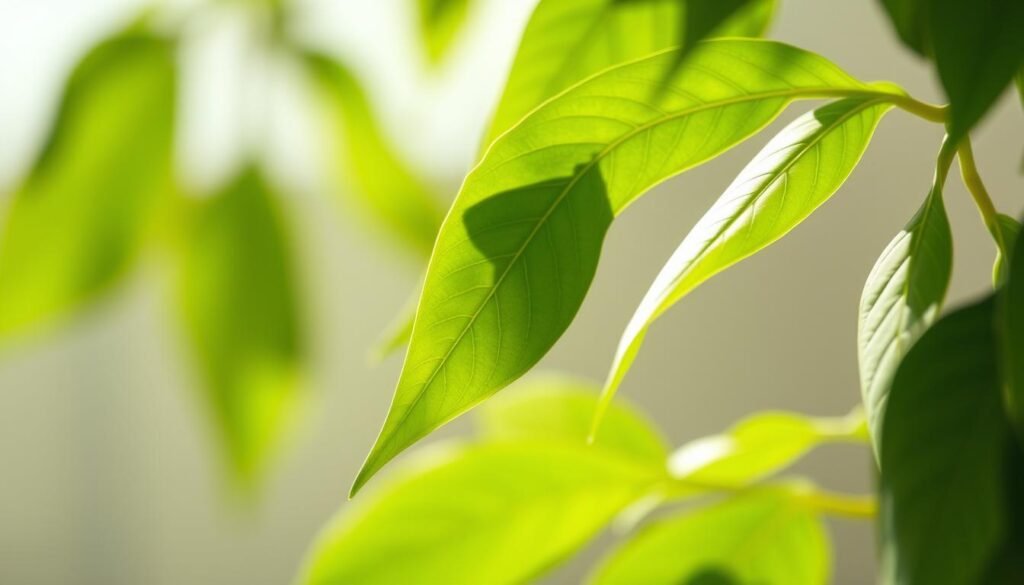
Moringa is a fast-growing tree found in tropical and subtropical regions, particularly across Asia and Africa. Its leaves and young seed pods, sometimes called drumsticks, have been eaten for generations.
Unlike many trendy superfoods, moringa has genuine nutritional value. Its leaves provide several important nutrients alongside naturally occurring plant compounds.
Important nutrients in moringa leaves
- Vitamin A precursors: Carotenoids help the body produce vitamin A, supporting vision and immune function.
- Vitamin C: Supports collagen production, immune function, and iron absorption.
- Iron: Helps transport oxygen through the blood.
- Calcium and magnesium: Support bones, muscles, and nerve function.
- B vitamins: Help the body release energy from food.
- Plant protein: Supplies amino acids needed for normal tissue maintenance and repair.
Moringa leaves contain essential amino acids, but a normal serving is not a substitute for protein-rich foods such as beans, eggs, dairy, tofu, or meat.
For example, one cup of fresh chopped leaves, approximately 21 grams, provides around 2 grams of protein. That is useful, but not enough to meet daily protein needs by itself.
Fresh leaves, pods, and powder: What changes?
Different parts and preparations provide different nutrients.
- Fresh leaves: Provide vitamins, minerals, protein, fiber, and plant compounds. Use them in cooked vegetable dishes, soups, or other meals.
- Young pods: Are particularly useful sources of vitamin C and can be prepared like other vegetables.
- Dried leaf powder: Concentrates some nutrients by removing water, but drying and storage can reduce heat-sensitive nutrients, especially vitamin C.
- Capsules and extracts: Offer convenience, although their nutritional value depends on the ingredients, processing method, and serving size.
Remember that a large nutrient value per 100 grams of powder does not mean a teaspoon delivers the same amount. Actual serving size matters.
Moringa also contains phytates and oxalates, which can limit the absorption of some minerals. Cooking and eating a varied diet help make it a more practical source of nutrition.
For more information about its composition, see this scientific review of moringa’s nutritional properties.
Moringa Health Benefits: What Does Human Research Actually Show?
Moringa contains flavonoids, phenolic acids, carotenoids, and isothiocyanates. Researchers have studied these compounds for possible effects on inflammation, blood glucose, and cardiovascular health.
However, showing a biological effect in laboratory cells is different from proving a health benefit in people.
What recent research tells us
A 2025 meta-analysis of nine randomized controlled trials found no reliable improvement in most measured outcomes, including blood glucose, cholesterol, and body weight. A possible reduction in diastolic blood pressure was not consistent across analyses.
A broader 2026 review of 20 clinical studies reported promising reductions in blood sugar and blood pressure among people with metabolic conditions. However, its authors warned that study quality and differences between trials made these findings preliminary.
These reviews do not provide a firm answer because they included different studies and used different methods. Larger, better-controlled trials are still needed.
Evidence at a glance
- Nutrition: Well established. Leaves and pods contribute useful nutrients to a balanced diet.
- Blood sugar: Mixed human evidence. Benefits remain uncertain.
- Blood pressure: Some encouraging clinical findings, but results are not yet dependable.
- Cholesterol: Small studies report improvements, while pooled results remain inconsistent.
- Skin, liver, and infection protection: Mostly laboratory or animal evidence.
- Weight loss and exercise performance: Insufficient convincing human evidence.
1. Antioxidant and Anti-Inflammatory Properties
Oxidative stress happens when unstable molecules called free radicals overwhelm the body’s protective systems. Over time, excessive oxidative stress can contribute to cell damage.
Moringa contains antioxidants such as quercetin, myricetin, vitamin C, and carotenoids. These compounds can interact with free radicals and influence cellular pathways involved in inflammation.

In laboratory experiments, moringa extracts have reduced certain markers of oxidative damage and inflammation. Some small human studies have also examined antioxidant markers, but the results are not strong enough to establish a clinical benefit.
Practical takeaway: Moringa can contribute antioxidants to your diet, but eating it has not been proven to prevent cancer, reverse aging, or treat inflammatory diseases.
2. Blood Sugar Control and Type 2 Diabetes
Moringa has attracted attention as a possible natural way to improve glucose control. Researchers have studied leaf powders and extracts for their effects on fasting blood sugar, insulin function, and HbA1c.

What the research shows
Compounds such as chlorogenic acid, quercetin, and isothiocyanates may influence glucose metabolism in experimental models.
Animal studies often report lower glucose levels. Human studies, however, have produced mixed findings. Some report improvements, while others show little difference from control groups.
Researchers believe the differences may involve:
- Whether participants have diabetes, prediabetes, or normal blood glucose
- The amount and preparation of moringa used
- Study duration and participant numbers
- Existing medications, diet, and physical activity
Important: Moringa is not an established diabetes treatment. If you take insulin or glucose-lowering medication, speak with your clinician before adding concentrated moringa supplements. Continue prescribed treatment and routine glucose monitoring.
3. Heart Health, Blood Pressure, and Cholesterol
Heart health depends on several factors, including blood pressure, cholesterol, activity, sleep, and dietary habits.
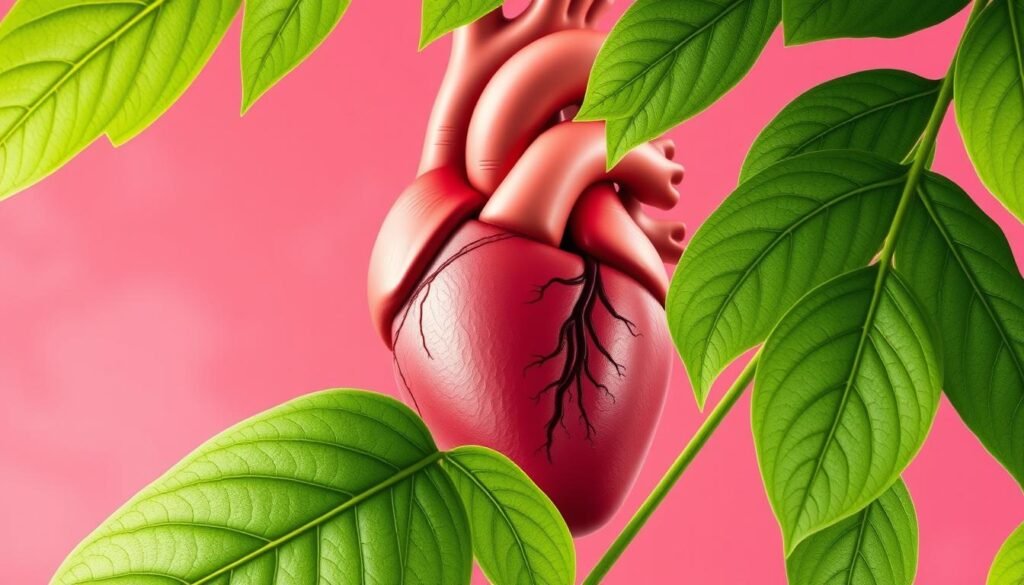
Moringa contains plant compounds that researchers believe may influence blood vessel function and fat metabolism. But whether these changes lead to fewer heart attacks or strokes has not been demonstrated.
Potential effects on blood pressure
A few small studies found short-term blood pressure reductions after participants consumed moringa preparations, including cooked leaves.
Some 2026 pooled analyses also found reductions in blood pressure. However, the studies varied in quality, treatment length, and participant health, making it difficult to predict benefits for an individual.
What about cholesterol?
Some trials have observed lower LDL cholesterol or triglycerides, but randomized-trial evidence has not consistently confirmed these effects.
For reliable cardiovascular protection, prioritize proven habits such as:
- Eating vegetables, fruits, beans, and whole grains regularly
- Replacing some saturated fats with unsaturated fats
- Staying physically active
- Monitoring blood pressure and cholesterol when recommended
- Taking prescribed medications consistently
Moringa can be part of a heart-conscious diet, but it should not replace blood pressure medicines or statins.
4. Liver Health, Fat Metabolism, and Detox Claims
Moringa is sometimes promoted as a natural liver detox supplement. The science behind this claim is much weaker than the advertising suggests.
Laboratory studies suggest certain leaf compounds may affect fat accumulation in liver cells and processes involved in oxidative stress.
Animal experiments have also investigated protection against harmful exposures, including arsenic. These findings do not establish that moringa detoxifies the human body or treats fatty liver disease.
Likewise, laboratory research involving compounds such as niazimicin does not prove that moringa prevents or treats cancer.
Better approach: Protect liver health by limiting alcohol, maintaining a healthy weight, managing metabolic conditions, and avoiding unsafe supplements. If arsenic contamination is a concern, testing and removing the exposure source matter far more than taking a plant extract.
5. Digestion, Gut Health, and Antibacterial Properties
As a leafy vegetable, moringa supplies fiber that can contribute to healthy digestion. Eating it alongside other plant foods supports dietary variety.
Laboratory experiments have found that certain moringa extracts inhibit bacteria, including some strains of E. coli and Staphylococcus aureus.
That does not mean eating moringa prevents food poisoning or treats bacterial infections. Laboratory extracts and ordinary food servings are not equivalent.
If you want to introduce moringa into your diet:
- Begin with a small culinary serving.
- Increase gradually if you tolerate it comfortably.
- Wash fresh leaves and cook them hygienically.
- Stop using it if you develop a suspected allergic reaction or significant digestive symptoms.
6. Weight Management, Energy, and Exercise Recovery
Can moringa help you lose weight or improve workout performance? There is not enough convincing human evidence to recommend it for either purpose.
Animal studies suggest possible effects on fat metabolism and inflammatory markers. However, human trials have not consistently shown meaningful reductions in body weight or body mass index.
Moringa’s contribution to a fitness diet is more straightforward:
- Micronutrients: Its vitamins and minerals help support normal body functions.
- Plant protein: Adds a small amount of protein, although a typical powder serving is not a substantial muscle-building protein source.
- Dietary variety: Adds another vegetable or plant ingredient to meals.
- Convenience: Leaf powder can be mixed into foods without much preparation.
It is not a proven fat burner, energy booster, or recovery supplement. A balanced calorie intake, enough protein, regular exercise, and adequate sleep remain more important.
7. Skin, Hair, and Wound Healing
Moringa seed oil and leaf extracts also appear in skin and hair products.
Early laboratory and animal studies suggest possible anti-inflammatory effects and changes in wound-healing processes. However, strong human evidence for faster wound healing, UV protection, or improved hair growth is missing.
Moringa oil may be useful as a cosmetic moisturizer, depending on its formulation. Patch-test unfamiliar products, and do not replace sunscreen or prescribed skin treatments with moringa preparations.
How to Use Moringa in Everyday Meals
For most people interested in its nutrients, using moringa as food is a more straightforward choice than taking concentrated extracts.
Simple ways to eat moringa
- Cook fresh leaves: Add washed leaves to soups, stews, vegetable dishes, or lentils.
- Prepare young pods: Cook them in curries, soups, or other vegetable recipes.
- Mix leaf powder into food: Add a small amount to yogurt, oatmeal, or a smoothie when appropriate.
- Try moringa tea: Steep dried leaves in hot water for a herbal drink, remembering that strained tea does not provide the same fiber or nutrient amount as eating the leaves.
Because powders vary, there is no established daily dose for achieving particular health benefits. Follow appropriate food-serving guidance rather than treating research doses as personal recommendations.
Moringa Safety: Side Effects, Medication Interactions, and Product Quality
Moringa leaves have a long history of use as food, but concentrated supplements require greater caution. Safety depends on the plant part, amount, processing, contamination risks, and individual health conditions.
Who should be especially careful?
- Pregnant or breastfeeding people: Avoid medicinal moringa preparations and concentrated extracts unless a qualified clinician specifically advises otherwise. Safety evidence is insufficient, and some plant extracts have shown reproductive effects in animals.
- People with diabetes: Discuss supplements with your clinician because of possible glucose-related effects and uncertainty about interactions.
- People taking blood pressure medicine: Seek guidance before adding concentrated preparations.
- People with thyroid disorders or taking thyroid medication: Discuss supplement use with your care team because reliable interaction data are limited.
- Children: Age-appropriate, properly prepared food servings differ from concentrated supplements. Avoid giving children medicinal doses without pediatric guidance.
Roots, root bark, and concentrated extracts should not be treated as interchangeable with edible leaves. Some plant parts contain compounds with additional safety concerns.
Important: Moringa product recalls in 2025–2026
Product safety is a real concern, not just a theoretical one. The CDC and FDA investigated multiple Salmonella outbreaks linked to moringa-containing powders and capsules.
One outbreak investigation, closed in July 2026, involved 131 reported illnesses and 36 hospitalizations across 38 states. A separate investigation also linked MOGO moringa capsules to infections.
On September 4, 2026, Foods Alive recalled certain 8-ounce packages of organic moringa leaf powder because of possible Salmonella contamination.
Check the FDA’s moringa outbreak and recall information and the September 2026 Foods Alive recall notice before using products you already own. Do not consume a recalled product, even if it looks and smells normal.
How to evaluate a moringa supplement
The FDA regulates dietary supplements, but it generally does not approve them for safety or effectiveness before they are sold.
When comparing products, look for:
- Clear identification: The label should identify Moringa oleifera and the plant part used.
- Transparent amounts: Check the serving size, ingredient quantity, and whether the preparation is leaf powder or a concentrated extract.
- Independent testing: Look for credible testing for microorganisms and contaminants, including heavy metals.
- Verified certifications: Confirm any claimed NSF or USP certification for the exact product rather than trusting a logo or general company statement.
- Recall history: Check FDA safety notices and compare batch or lot numbers with any recalls.
- Realistic claims: Avoid products promising rapid weight loss, diabetes reversal, cancer prevention, or guaranteed detoxification.
A USDA Organic label addresses specific agricultural production standards; it does not guarantee that a product is free of Salmonella or independently proven to improve health.
Frequently Asked Questions
Is moringa actually a superfood?
Moringa is a nutritious plant food containing vitamins, minerals, protein, and antioxidants. However, “superfood” is a marketing term, not a medical classification. Its benefits depend on how much you eat and the rest of your diet.
Can I take moringa every day?
Moringa leaves are traditionally eaten as part of regular meals. However, there is no established safe and effective daily supplement dose for all adults, and long-term studies are limited. Consider your health conditions, medication use, and product quality.
Is moringa powder better than fresh leaves?
Not necessarily. Dried powder concentrates some nutrients per gram because water has been removed, but processing can reduce vitamin C and change other compounds. Fresh leaves provide a less processed food option.
Can moringa lower HbA1c?
Some small studies and pooled analyses have reported improvements, but others have found no meaningful change. The evidence is not consistent enough to recommend moringa as a treatment for elevated HbA1c.
Does moringa help hair grow faster?
There is no strong clinical evidence that moringa increases hair growth. Its oil may have cosmetic uses, but laboratory findings do not establish treatment benefits for hair loss.
Can moringa prevent cancer?
No human clinical evidence establishes moringa as a cancer-prevention or cancer-treatment method. Some extracts affect cancer cells in laboratory studies, but those findings cannot be applied directly to people.
Where can I find reliable information about moringa?
Useful sources include Memorial Sloan Kettering Cancer Center’s moringa overview, peer-reviewed research indexed in PubMed, and FDA safety notices. Give greater weight to controlled human trials than animal experiments or product advertising.
Conclusion: Is Moringa Worth Adding to Your Diet?
Moringa is worth considering as another nutritious leafy food, but it is not a proven treatment for diabetes, high blood pressure, obesity, or other medical conditions.
Its vitamins, minerals, and plant compounds give it genuine nutritional value. Research into blood sugar and cardiovascular benefits is interesting, but clinical findings remain inconsistent.
If you enjoy moringa, start with properly prepared leaves or pods as part of a varied diet. Be more cautious with supplements, verify product safety and recalls, and discuss concentrated preparations with your clinician when medications or health conditions are involved.
The most useful approach is simple: enjoy moringa for its food value, keep expectations realistic, and rely on proven treatments for managing health conditions.