Ditch the Pills: How to Get Your Daily Vitamins From Real, Whole Foods

Get your essential Vitamins from Whole Foods with our expert guide. Find out which foods are rich in the vitamins you need for better health.

Can a simple grocery cart beat a bottle of pills for daily nutrition? This guide shows you how food-first choices meet most needs and when targeted supplements make sense.

Table of Contents show

By Emily Carter, certified health and wellness writer – Fact-checked and reviewed by our editorial team.

Think of this as a practical roadmap. You’ll learn which nutrients to prioritize, easy food pairings that boost absorption, and how to read labels so you shop with confidence.

We’ll focus on key micronutrients — vitamin A, C, D, E, K, B-complex, and minerals like iron, calcium, magnesium, and zinc. You’ll get actionable tips for everyday meals, plus when to consider reliable supplements and how to match form and dose to your needs.

Retail context matters. For example, many stores stock trusted options — from D3 softgels and C powders to B12 sprays and chelated minerals — that can fill gaps when food isn’t enough. Learn to spot quality and third-party testing as you build a smarter cart.

Ready to rethink routine and shop with purpose? Follow along and turn science into simple kitchen steps. For more on how supplements and whole food choices work together, see this practical overview: supplements and whole-food synergy.

Key Takeaways

  • Prioritize nutrient-dense whole foods for most daily needs; they deliver cofactors that aid absorption.
  • Focus on vitamins A, C, D, E, K, B-complex, and minerals like iron, calcium, magnesium, and zinc.
  • Use targeted supplements when life stage, diet, or test results show a gap.
  • Read labels for form (D3, K2, methylfolate) and third-party testing to ensure quality.
  • Build practical meals and pairing tips for better bioavailability and real-world shopping.

Why Whole Foods Come First for Daily Vitamins

Real meals pair micronutrients with cofactors that improve uptake and overall metabolic function. Choosing food-based sources usually gives you fiber, protein, healthy fat, and phytonutrients in one simple plate.

Food delivers nutrients as working teams, not isolated doses. That synergy helps your gut absorb and use what you eat. It also supports metabolic health and steady energy.

Food synergy: vitamins plus fiber, protein, and phytonutrients

Think of a meal as a toolkit — each part helps the rest perform better. Vitamin C in peppers or citrus improves iron uptake in beans and greens. Fats in eggs or olive oil help your body use fat-soluble vitamin A, D, E, and K.

Informational intent: what you’ll learn in this guide

This guide maps top foods for key nutrients, shows timing and pairings for better bioavailability, and flags common gaps like low sun for vitamin D or vegan B12 limits. You’ll get label tips and a simple meal template to get most of your nutrition and protein via whole foods, with smart supplement support when needed.

Nutrient Food example Why it helps
Vitamin C Bell peppers Boosts plant iron absorption
Fat-soluble vitamins Eggs, olive oil Fats increase uptake
Protein carrier Legumes, lean meat Helps repair and nutrient transport

Vitamins from Whole Foods: What It Really Means

A meal that mixes colorful produce, protein, and healthy fat often beats an isolated pill for everyday nutrient needs. This section defines terms and explains how meal choices alter nutrient uptake.

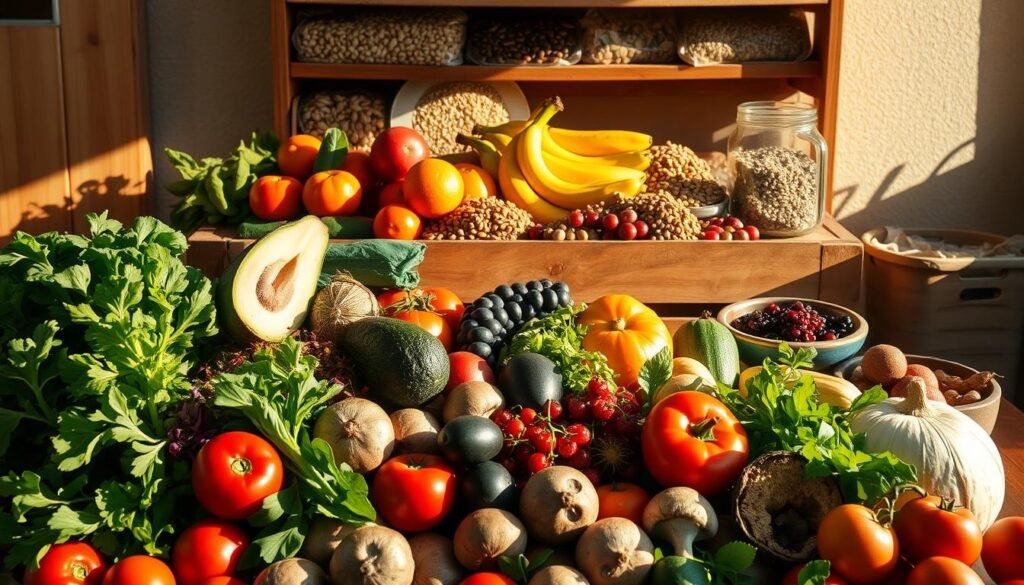
A sun-dappled still life of a diverse array of whole foods, bathed in warm, golden light. In the foreground, a cornucopia of vibrant, freshly harvested produce: crisp leafy greens, ruby-red tomatoes, plump avocados, and earthy mushrooms. In the middle ground, a wooden crate overflows with an abundance of seasonal fruits - juicy oranges, ripe bananas, and succulent berries. In the background, a rustic wooden shelf displays an assortment of whole grains, legumes, and nuts, casting intriguing shadows. The scene conveys a sense of natural abundance, vitality, and the joy of nourishing oneself with real, whole foods.

Defining real food versus labeled supplements

Whole foods are minimally processed fruits, vegetables, legumes, nuts, seeds, whole grains, eggs, dairy, and responsibly sourced meats and seafood. They deliver nutrients in a natural matrix with fiber and cofactors.

Whole food vitamins are supplements marketed as food-derived. Their potency can vary due to soil, harvest timing, storage, extraction, and preservation methods. “Natural” labels do not guarantee consistent potency.

Bioavailability basics in everyday meals

Bioavailability means how much of a nutrient your body absorbs and uses. Meal pairings change that number. For example, vitamin C helps plant iron absorb better, while fats help carotenoids and fat-soluble vitamin uptake.

Topic Practical tip Why it matters
Cooking method Lightly steam vegetables Preserves water-soluble nutrients better than long boiling
Fat pairing Add olive oil to carrots or greens Boosts beta-carotene and fat-soluble uptake
Label trust Check third-party testing and COAs Confirms content and potency

Rule of thumb: build meals around colorful plants, a protein, and a healthy fat to broaden nutrient exposure and aid absorption. When testing or life stage shows a gap, use targeted supplements chosen for verified forms and testing.

Balanced meals support digestive function and long-term health.

The Limits of “Whole Food” Vitamins, Explained

Choosing the right form of a nutrient often determines whether it actually raises your blood levels. Labels that say “natural” or “whole food” don’t guarantee consistent potency or absorption.

Form matters more than marketing. A product labeled as food-derived can vary because raw material, harvest timing, and processing affect potency. Independent testing is the only reliable way to confirm content.

Which chemical forms work best?

D3 beats D2 for raising serum levels, and K2 (menaquinone) is often preferred for bone and calcium metabolism over K1. Methylfolate is the active folate many need, while methylcobalamin or adenosylcobalamin are generally better-used B12 forms than cyanocobalamin.

How reliable is potency and consistency?

Food-derived supplements may show batch variability. Look for third-party seals and COAs to verify label claims. Capsules, powders, and liquids each affect stability and user tolerance, so pick the format that fits your digestion and routine.

What role does digestive health play?

Low stomach acid, GI conditions, or interacting medications can lower uptake of many nutrients. Non-heme iron absorbs less well than heme iron; pair it with vitamin C and avoid tea or coffee at meals for better uptake.

Issue What to watch for Recommended action
Form differences D3 vs D2, K2 vs K1, methylfolate vs folic acid Choose bioavailable forms (D3, K2, methylfolate)
Potency Variable content in food-derived products Check third-party testing and COAs
Digestive factors Low acid, GI disorders, meds Use gentle forms, timed dosing, or medical advice
Delivery format Capsules, powders, liquids Match format to tolerance and consistency needs

Use supplements as precise tools. Pick the right form at an appropriate potency, verify quality, and consider your digestive health before assuming a single “whole food” pill will meet the need.

Vitamin A, C, D, E, and K: Top Food Sources and Smart Pairings

Smart food combos help key nutrients absorb better and support day-to-day health. Use simple plates—color, fat, and a protein—to cover more needs without supplements most days.

Smart food combos turn common ingredients into better sources of A, C, D, E, and K.

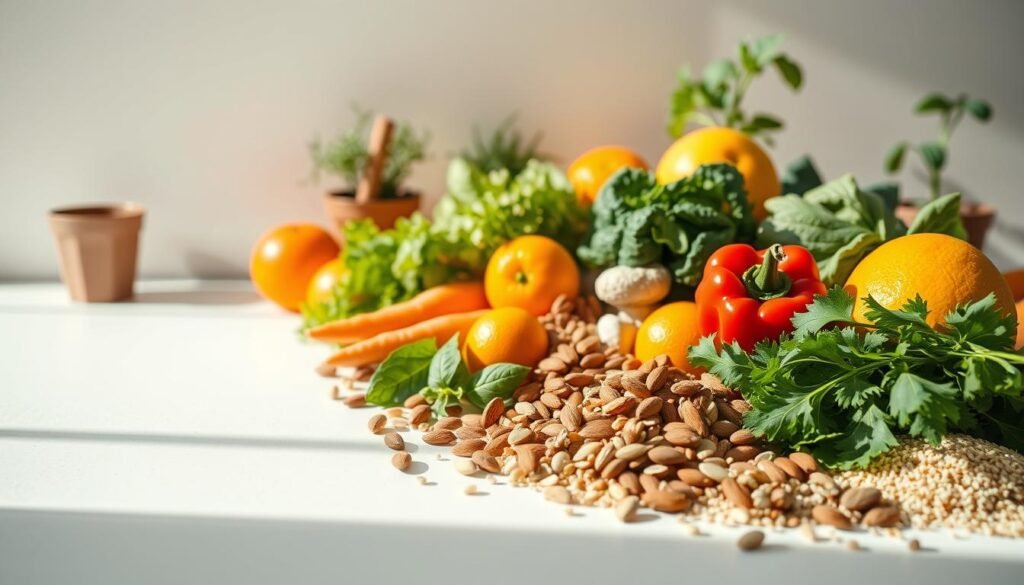
A still life arrangement of various vitamin-rich whole foods, showcased in natural sunlight against a minimalist, off-white backdrop. In the foreground, an assortment of vibrant produce such as leafy greens, carrots, oranges, and red peppers, artfully arranged to highlight their colors and textures. The middle ground features nuts, seeds, and grains like almonds, sunflower seeds, and quinoa, complementing the fresh fruits and vegetables. In the background, a few potted herbs, like basil and parsley, add a verdant touch, evoking a sense of a well-stocked, nourishing kitchen. The lighting is soft and diffused, creating a warm, inviting atmosphere that emphasizes the natural goodness of these wholesome, vitamin-packed ingredients.

Vitamin A tips

Orange and dark-green produce—sweet potatoes, carrots, and spinach—provide beta-carotene. Eggs supply retinol.

Add a fat like olive oil, avocado, or nuts to boost absorption.

Vitamin C pairings

Citrus, bell peppers, strawberries, and broccoli are top choices. Pair them with beans, lentils, or spinach to improve non-heme iron uptake.

Vitamin D strategies

Prioritize sensible sun exposure and fatty fish such as salmon or sardines. Eggs also help.

When sunlight is limited, use fortified options—like 365 Orange Juice with Calcium and Vitamin D—to fill gaps.

Vitamins E and K—why fat matters

Almonds, sunflower seeds, and hazelnuts offer E. Kale and spinach give K1; fermented cheeses add K2.

Enjoy these with healthy fats so they absorb well. Build a spinach salad with strawberries, walnuts, and grilled salmon to hit C, E, K, and D while adding protein.

  • Rotate colorful foods weekly to diversify intake.
  • Focus on patterns—color, fat for fat-soluble nutrients, and C with plant iron—rather than perfection.

B Vitamins and Energy: Eating for B12, B6, Folate, and More

Think of B vitamins as metabolic helpers that thrive when paired with protein and colorful plants. Small menu shifts can stabilize energy, protect nerves, and support mood without defaulting to pills.

Think about food choices that deliver active forms and practical dosing. Vitamin B12 is concentrated in meat, fish, dairy, and eggs, so omnivores usually meet needs through diet.

Vegans and many vegetarians should use fortified items or a reliable supplement. 365 offers convenient options like B12 Lozenges (500 mcg) and a B12 Spray (1000 mcg) for daily support.

Folate is rich in leafy greens, legumes, and avocado. Methylfolate is the supplemental form that bypasses common conversion limits and is useful in preconception after clinician guidance.

B6 helps neurotransmitters and metabolism. Find it in poultry, fish, potatoes, bananas, and chickpeas. A balanced plate with quality protein, greens, and whole grains covers much of the B spectrum.

“Protein at each meal helps carry and utilize B vitamins for steady energy.”

  • Consider a B-50 Complex or B Complex Liquid during stress or erratic appetite.
  • Track focus and energy; improvements often show when intake and timing are right.

Iron, Calcium, Magnesium, and Zinc: Mineral-Rich Whole Foods

Minerals support energy, bone strength, sleep, and immune function when you choose the right foods. Smart pairings and attention to digestion boost how well minerals absorb and work in the body.

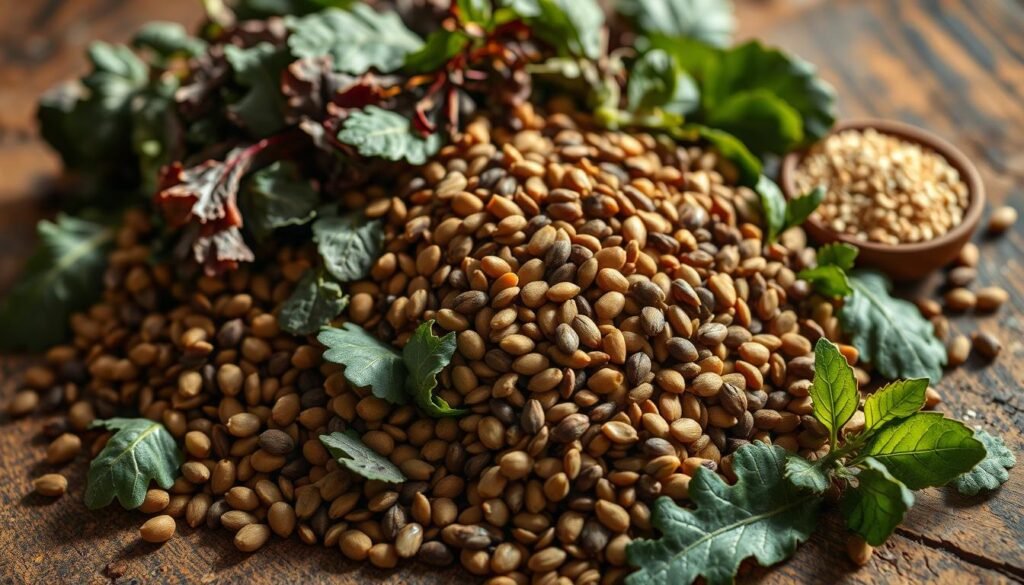
A close-up view of a pile of iron-rich whole foods, including dark leafy greens, lentils, and sesame seeds, arranged on a rustic wooden table. Warm, natural lighting illuminates the scene, casting soft shadows and highlighting the rich, earthy tones of the ingredients. The composition is balanced and inviting, conveying the abundance and nutritional value of these mineral-dense, plant-based superfoods. The image suggests a sense of health, vitality, and the importance of incorporating these whole food sources of essential minerals into one's diet.

How does heme differ from non heme iron, and what helps absorption?

Heme iron in meat and seafood absorbs best. Non heme iron in beans and spinach absorbs less well.

Pair plant-based iron with vitamin C-rich peppers or citrus at meals to lift uptake.

Where can I find calcium beyond dairy and why does K2 matter?

Calcium also comes in tofu set with calcium, canned salmon with bones, and fortified beverages.

K2 works with D3 and calcium to guide calcium into bone. Include fermented foods or consider a K2 option when needed.

Which magnesium foods help with relaxation and sleep?

Pumpkin seeds, almonds, black beans, and leafy greens are rich in magnesium.

These choices support muscle function and calmer sleep when eaten regularly.

What are practical zinc sources for immune and skin support?

Zinc concentrates in oysters, beef, chicken, pumpkin seeds, and chickpeas.

Digestive health affects mineral uptake, so balance fiber and avoid tea or coffee near iron-rich meals.

Mineral Top foods Practical tip
Iron Oysters, beef, lentils, spinach Pair plant iron with citrus or bell peppers
Calcium Tofu (calcium-set), canned salmon, fortified beverages Combine with D3 and K2 for bone support
Magnesium Pumpkin seeds, almonds, black beans, spinach Consume in evening snacks to aid sleep
Zinc Oysters, beef, chicken, pumpkin seeds Rotate sources weekly for steady intake

If diet falls short, 365 options can help: Iron Chelated 18 mg, Calcium with Vitamin D3, Magnesium Gummies, and Chelated Zinc (with or without copper). Choose chelated forms for gentler digestion and better tolerance.

Protein as a Nutrient Carrier: Better Absorption From Balanced Meals

Protein builds the meal foundation that slows digestion and helps steady absorption of key nutrients. Pairing protein with produce and healthy fats carries fat-soluble A, D, E, and K and keeps blood sugar even.

Think of protein as the delivery vehicle in your plate—it holds, times, and supports nutrient release.

Choose lean meats, eggs, dairy or yogurt, tofu, tempeh, beans, and lentils as primary protein sources. These options add iron, zinc, and B nutrients while slowing digestion so vitamins and minerals absorb steadily.

Collagen can complement protein intake for connective tissue support. Pair collagen with citrus or bell peppers to aid synthesis through vitamin C-rich produce.

Practical combos work: eggs with spinach and avocado at breakfast boost satiety and fat-soluble uptake. At lunch, add beans or grilled fish to a mixed-vegetable salad with olive oil. For dinner, try a salmon and quinoa bowl with colorful veggies and tahini.

Snacks matter too. Greek yogurt with berries or hummus with peppers delivers protein plus vitamin C in a convenient combo that supports ongoing absorption and overall health.

  1. Prioritize whole foods as protein sources to gain additional micronutrients.
  2. Adjust portions to activity level while keeping the absorption-friendly plate pattern consistent.

Whole Foods Shopping Guide: Building a Vitamin-Rich Cart

Start each trip with a simple plan: choose colorful produce, key staples, and a few fortified picks to cover gaps. This keeps shopping focused and helps you build balanced meals all week.

Fill your cart by color. Reds (tomatoes, strawberries), oranges (sweet potatoes, carrots), greens (kale, spinach), purples (berries), and whites (mushrooms, onions) broaden nutrient coverage. Rotate colors weekly to capture different phytonutrients.

Produce picks by color for a complete spectrum

Buy both fresh and frozen. Frozen berries retain vitamin C well and can lower cost. Pick seasonal produce to maximize flavor and nutrient value.

Pantry staples: beans, nuts, seeds, whole grains

Keep canned beans, lentils, chickpeas, oats, brown rice, and quinoa on hand. Nuts and seeds supply vitamin E and minerals. These staples make it easy to build balanced plates fast.

Dairy and fortified options: milk, yogurt, orange juice with calcium and vitamin D

Choose dairy or fortified alternatives to boost calcium and D. 365 Orange Juice Calcium and Vitamin D (52 fl oz) is a convenient breakfast option that adds dietary insurance.

A well-lit, airy interior of a Whole Foods Market, showcasing its abundance of fresh, organic produce. The foreground displays a bountiful display of vibrant fruits and vegetables, their colors and textures capturing the eye. In the middle ground, customers browse the aisles, selecting from a wide variety of healthy, wholesome ingredients. The background features the store's signature wooden shelves, stocked with an array of nutritious, whole food items. Soft, natural lighting bathes the scene, creating a warm, inviting atmosphere that evokes a sense of wellness and vitality. The overall composition emphasizes the store's commitment to providing a comprehensive selection of high-quality, vitamin-rich whole foods.

Section What to buy Why it helps Quick tip
Colorful produce Tomatoes, carrots, kale, berries Diverse carotenoids and vitamin C support absorption Mix fresh salad + one frozen fruit for smoothies
Pantry staples Canned beans, oats, brown rice, quinoa, nuts Protein, fiber, vitamin E, magnesium Batch-cook grains and beans for weeknight meals
Fortified dairy & juice Milk, yogurt, 365 Orange Juice Calcium and Vitamin D Easy sources of calcium and D for bone health Compare labels for added sugar
Protein choices Salmon, sardines, tofu, eggs D and B12 support plus complete protein Plan two fish meals and two plant-protein meals weekly
  • Snack ideas: Greek yogurt, citrus, peppers, and trail mix with almonds and pumpkin seeds.
  • Label check: Compare products for added sugar and sodium; choose simple ingredient lists.
  • Weekly plan: Aim for 5–7 vegetables and 3–5 fruits to keep your intake varied.

Shopping at Whole Foods Market can be cost-managed by choosing 365 by Whole Foods Market basics for nuts, beans, grains, and fortified beverages. Keep an “always” list—greens, beans, nuts, citrus, and eggs or tofu—to simplify repeat trips and support long-term health.

Decoding Labels at Whole Foods Market

A quick label scan tells you whether a product actually matches your needs or just clever marketing. Read the facts panel, serving math, and warnings before you buy.

What does “fortified” mean vs “enriched”?

Fortified means nutrients were added to a food (for example, vitamin D in juice). Enriched usually restores nutrients lost during processing, like B nutrients in grains.

How to read supplement descriptors

IU refers to international units (common for A, D, and E). mg and mcg show weight-based doses. “High potency” signals doses above typical daily values — check if that level fits your needs.

Label note What to check Practical example
Serving & count Days per bottle 365 Vitamin D3 2000 IU, 250 ct → ~125 days at 2/day
Form & dose IU vs mg/mcg Vitamin D3 1000 IU (100/250 ct); 5000 IU (120 ct) for clinician guidance
Format Tablet vs powder Vitamin C 500 mg (250 ct); High Potency C Powder 8 oz; Effervescent C 7.8 oz

Plan by the month: divide bottle count by daily dose to estimate how many months it lasts. Always read warnings — packaging may change. If unsure, ask store staff about third-party tested brands or check a brand’s testing disclosures online.

When Real Food Isn’t Enough: Evidence-Based Supplement Backups

Use supplements as targeted insurance when diet, life stage, or environment create gaps. Focus on forms and testing, not megadoses, to get safe, measurable support.

Who often needs a backup plan?

Pregnancy and preconception increase demand for folate, iron, and calcium—so many women choose a Prenatal One Daily Multi and a methyl folate product before conception to lower risk to baby.

Vegans and strict vegetarians commonly need reliable B12. Low sun exposure or winter months make D3 testing and supplementation sensible. Limited appetite or restrictive eating also raises the chance of deficits.

A neatly arranged still life showcasing a variety of health supplements against a clean, minimalist background. In the foreground, various capsules, tablets, and powders are displayed in an orderly fashion, representing a diverse range of vitamins, minerals, and herbal remedies. The middle ground features a few carefully selected fresh produce items, such as leafy greens and berries, to suggest the importance of combining supplements with a nutrient-dense diet. The background is softly lit, with gentle shadows and highlights that create a sense of depth and balance. The overall mood is one of simplicity, professionalism, and the idea that supplements can serve as valuable support when a healthy, whole-food diet alone is not enough.

Which forms absorb best?

Choose D3 over D2, K2 for bone pathways, methylfolate instead of folic acid, and methylcobalamin for B12. For minerals, chelated options ease digestion and often absorb better.

Practical product notes and timing

  • Consider Prenatal One Daily Multi (90 tablets) plus methyl folate (100 count) for planned pregnancy.
  • B12 Lozenges (500 mcg) or Spray (1000 mcg) give easy daily coverage for vegans.
  • Vitamin D3 softgels (1000–5000 IU) or Liquid D3 1000 IU can restore levels—test to personalize dose.
  • Chelated Iron (18 mg, 100 vegetable capsules365 whole) and Chelated Zinc (120 ct) are gentler; take iron away from coffee or tea.

Remember: supplements augment meals, not replace them. Whole Foods Market stocks many of these one-daily options so you can match form to function while keeping food central to long-term health.

How to Choose Between Gummies, Capsules, Powders, and Liquids

Pick a format that matches your taste, dose needs, and daily routine. Practicality and adherence often determine real-world benefit more than theoretical superiority.

Format matters for dose precision, sugar content, and how gentle a product is on digestion.

Gummies: tasty but check sugar and dose

Gummies are easy to take and pleasant for kids or adults who dislike pills. They can add sugars and often give lower active dose per chew.

Check serving counts and whether a product is labeled as high potency to ensure it meets your needs.

Capsules, chewables, and sprays for targeted support

Capsules deliver precise dosing and stable forms. A single use of capsules is a reliable default if you tolerate swallowing pills.

Chewables and B12 sprays suit people with absorption issues or pill fatigue. They help when you need quick titration or daily convenience.

Powders and liquids for flexible dosing and gentle digestion

Powders work well for vitamin C and magnesium in drinks. The 8 oz High Potency C Powder and 7.8 oz effervescent option allow flexible serving sizes.

Liquids like 1 Fl Oz D3 are easy for families and can be split across a month for tailored dosing.

Format Best use Pros
Gummies Daily multivitamin or kids’ doses Palatable, easy; watch sugar and dose per serving
Capsules / softgels Precise dosing (B-50 Complex, D3) Stable, accurate, good for sustained support
Powders Vitamin C, magnesium mixes (oz365 whole options) Flexible dose, gentle on digestion, good for training days
Liquids / sprays B12 sprays, liquid D3 Easy to dose, useful for families and sensitive digestion

Shop smart at Whole Foods Market and compare 365 format options side-by-side. Pick the one you’ll use daily—consistency beats theory.

Spotlight on Common 365 by Whole Foods Market Options

These are practical, store-available backups that pair well with a food-first approach. Pick the form and potency that fits your labs, routine, and digestion.

This quick guide lists popular 365 whole picks so you can match dose and format to needs without guessing.

A carefully arranged still life composition depicting 365 whole Vitamin E supplements against a clean, bright background. The supplements are neatly displayed in rows, showcasing their natural, unprocessed appearance. Soft, diffused lighting illuminates the capsules, highlighting their rich, golden hue and creating a sense of quality and authenticity. The scene conveys a message of wellness, wholeness, and the versatility of natural, plant-based nutrition options available at Whole Foods Market.

Vitamin D3 choices

  • Softgels: 1,000; 2,000; and 5,000 IU options (100, 250, and 120 ct) let you tailor dose — consider vitamin 2000 IU if testing supports it.
  • Liquid D3: 1 Fl Oz citrus format supports family dosing and easy splitting.

Vitamin C lineup

  • 500 mg tablets (250 ct), chewables (100 ct), and 1,000 mg bioflavonoid complexes (100 ct).
  • High-potency powder (8 oz) and effervescent stick pack (7.8 oz) for flexible dosing and training days.

B vitamins and folate

  • B12 lozenges (500 mcg; 50 & 100 count) and a 1000 mcg spray; B-50 Complex (90 capsules) and B Complex liquid (2 Fl Oz).
  • Methyl Folate (100 count) offers the active folate form many clinicians prefer.

Minerals and multis

  • Chelated Iron 18 mg in 100 vegetable capsules365 and Chelated Zinc (120 ct) or Zinc + Copper (60 ct).
  • Calcium with D3 (120 count), Magnesium Gummies (60 ct), Adult One Daily Multi (90 tablets), plus men’s and women’s gummy multis.
Product Common counts Why pick it
Vitamin D3 softgels 100 / 250 / 120 Adjust IU to test results and sun exposure
Iron chelated 100 vegetable capsules365 Gentler on digestion, take away from coffee
Multis (adult/men/women) 90 / 120 Simple daily coverage—check label for life-stage needs

Tip: Compare count365 whole on the label to your daily dose so you know how long a bottle lasts—120 ct can span a month or two depending on serving size.

Life Stages and Goals: Women, Men, and Kids

Nutrient priorities shift as people move through life, so a simple, stage-specific plan helps you stay well nourished. This section lays out practical food-first steps and targeted 365 options that match common needs.

Women’s needs: iron, folate, D3, and K2

Women benefit most from iron-rich meals and methylfolate in reproductive years. Pair a Prenatal One Daily Multi (90 tablets) with iron foods and clinician-led add-ons during pregnancy or postpartum.

Bone support matters across life. Combine calcium-rich meals with D3 and consider K2 (30 or 90 count) when advised.

Men’s needs: zinc, B-vitamins, magnesium

Men often focus on zinc for immune and hormonal balance. A Men’s One Daily Multivitamin (90 count), chelated zinc (120 ct), and B-50 Complex help energy and recovery.

Kids and babies: D3 gummies plus balanced meals

Children need consistent whole plates, and Kid’s Vitamin D3 Gummies (60 count) can fill low-sun gaps. Keep meals colorful and protein-rich; use an Adult Multivitamin Gummy or daily multi only when a clinician suggests it.

  • Practical tip: one daily formats simplify routines—confirm forms and doses match your stage.
  • Reassess annually or after major life changes to keep your plan current and effective.
  • Availability: Whole Foods Market stocks many 365 options, making it easy to align choices with goals and support daily needs.

Meal Planning Made Easy: A Whole-Food, Vitamin-Dense Day

Build a one-day template that makes nutrient-dense choices simple to repeat. Small, consistent patterns beat perfection — rotate colors, proteins, and healthy fats each day.

Here’s a compact, realistic day of meals designed to cover key needs while keeping prep easy.

Breakfast: protein + vitamin C + whole grains

Greek yogurt with berries, chia, and oats delivers vitamin C, minerals, and protein in one bowl.
Or try eggs with sautéed spinach and whole-grain toast for vitamin A and K plus steady energy.

Lunch: leafy greens, legumes, nuts, and seeds

A kale and arugula salad with chickpeas, bell peppers, sunflower seeds, and olive oil pairs vitamin C with non-heme iron and adds vitamin E.
Use a lemon‑olive oil dressing to boost fat‑soluble uptake.

Dinner: fatty fish or tofu, colorful veggies, whole grains

Salmon or tofu with roasted sweet potatoes and broccoli over quinoa supports vitamin A, C, and D (if fish is chosen) and adds magnesium.
Rotate proteins — fish, poultry, tofu, beans — to vary B vitamins, iron, and zinc.

Snacks: citrus, berries, yogurt, trail mix

Citrus wedges, bell pepper strips with hummus, or trail mix with almonds and pumpkin seeds supply vitamin C, E, zinc, and magnesium.
Add a vitamin C-rich smoothie with a scoop of collagen powder to support joint and skin synthesis.

Practical habits: batch-cook grains and legumes on weekends, hydrate with water or herbal tea, and avoid coffee or tea near iron-rich meals. Keep two produce colors per meal for steady nutrition across the day.

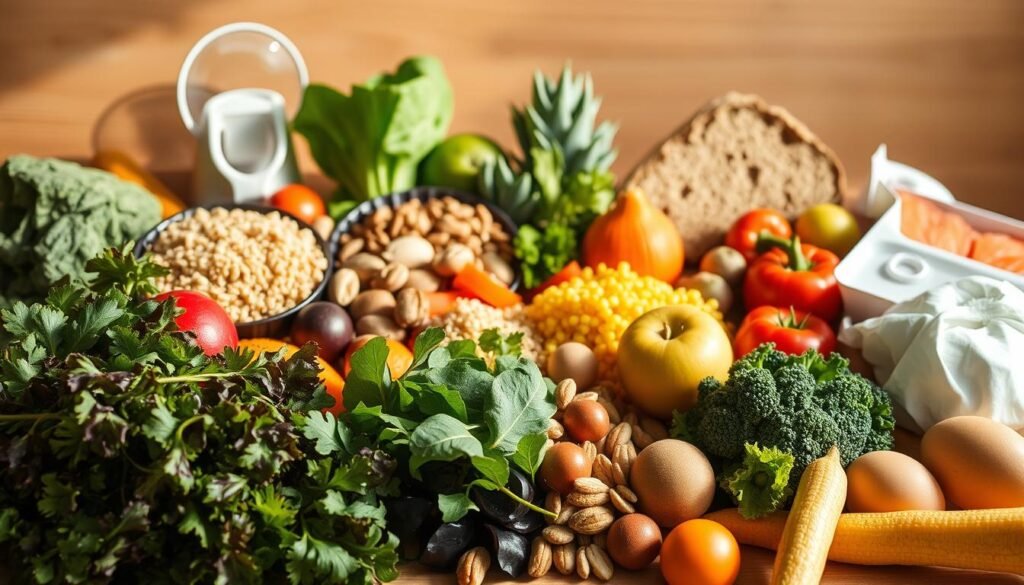
A vibrant still life of nutrient-dense whole foods arranged for a balanced meal plan. In the foreground, an array of fresh produce - leafy greens, colorful vegetables, juicy fruits. In the middle ground, whole grains like quinoa, brown rice, and whole wheat bread. Garnished with a variety of nuts, seeds, and lean protein sources like fish, eggs, and legumes. The scene is bathed in warm, natural lighting, casting a soft glow and gentle shadows. The overall composition conveys a sense of wholesome nourishment, wellness, and the ease of planning a vitamin-rich daily diet.

For a ready weekly template, try this 7-day whole-food meal plan to adapt and repeat.

Seasonality, Storage, and Cooking Tips for Maximum Potency

Choose the right produce, store it smart, and cook gently to keep more nutrients on your plate. Small habits—like picking seasonal items and limiting water—add up to higher potency and better health outcomes.

Pick seasonal or frozen options for peak nutrient value and use canned goods when they make meals easier.

Choose seasonally fresh produce for peak flavor and vitamin content. When a fruit or vegetable is out of season, frozen often retains vitamin C and texture well. Canned tomatoes and beans are budget-friendly and convenient; rinse canned beans to cut sodium and preserve flavor.

Cook with minimal water and time. Light steaming, quick sautéing, or roasting preserves vitamin C and B nutrients better than long boiling. Use lids to shorten cook time and keep steam—and water-soluble nutrients—in the pan. Reserve cooking liquids for soups to recover lost nutrients.

Store leafy greens dry and cold, and use citrus and berries within a few days to capture peak vitamin potency. Cut fruits and vegetables just before eating to limit exposure to air and light, which speeds nutrient loss. For meal prep, keep dressings separate until serving to preserve crisp textures and nutrients.

Choice Why it helps Practical tip
Fresh, seasonal produce Highest flavor and many micronutrients Shop local markets and rotate colors weekly
Frozen Locked-in vitamin C and texture when out of season Use for smoothies and quick stir-fries
Canned Convenient, long shelf life, good for cooked dishes Rinse beans; choose low-sodium tomatoes
Storage habits Protects B vitamins and vitamin C Keep greens dry; cut produce close to serving

Rotate storage and cooking methods: fresh for salads, frozen for smoothies, canned for soups and chilis. Small, consistent changes help you keep meals high potency without extra hassle.

Safety, Labels, and Responsible Use

Safe supplement use starts with clear label reading and a plan that matches your labs and lifestyle. Treat supplements as targeted support for diet and testing—not as substitutes for a balanced eating pattern.

Read labels and warnings; don’t rely solely on marketing claims

Always check the supplement facts panel, serving size, and warnings. Packaging and formulations can change, so read the label every time you buy.

Front-of-package claims can mislead. Verify active forms such as D3, K2, methylfolate, and methylcobalamin to match your goals. If a product lists an unfamiliar form, pause and research or ask a clinician.

Consult your clinician and look for third‑party testing

Ask your clinician before starting supplements, especially in pregnancy, with medications, or for chronic health conditions. Tests like 25(OH)D for vitamin D help personalize dose and avoid overuse.

Look for third-party seals or a Certificate of Analysis to confirm potency and purity. When shopping, staff can help, and you can verify specifics on a brand site or through independent labs.

  • Start with the lowest effective dose and retest when applicable.
  • Track side effects and adjust timing or forms (for example, choose chelated minerals for gentler digestion).
  • Store products cool, dry, and away from light; keep out of reach of children.
  • At the store, ask about brand testing and be aware that prices and availability can change.
What to check Why it matters Action
Supplement facts & serving size Determines true daily dose Calculate days per bottle and confirm intended intake
Ingredient form (D3, K2, methylfolate) Impacts absorption and effect Choose bioavailable forms that match clinical advice
Third‑party testing / COA Confirms potency and purity Prefer products with independent verification
Warnings & drug interactions Protects safety with meds or conditions Consult clinician and pharmacist before use

Remember: combine any supplement plan with a whole‑food eating pattern for best long‑term health. For store policies and quality standards, check this quality and ingredient standards page at whole foods market for reference; packaging may differ and this is not medical advice.

About the Author

Emily Carter is a certified health and wellness writer with over 7 years of experience in evidence-based fitness, nutrition, and lifestyle content. As the lead author of Go4HealthnFitness.com, she’s passionate about simplifying science-backed wellness advice for everyday readers. When she’s not writing, you’ll find her strength training, hiking, or exploring natural supplements that actually work.

Editorial Process Note

Our Commitment to Accuracy: This article was medically reviewed for accuracy and fact-checked by our editorial team.

Medical Disclaimer: The information in this article is for informational purposes only and is not intended to be a substitute for professional medical advice, diagnosis, or treatment. Always seek the advice of your physician or other qualified health provider with any questions you may have regarding a medical condition.

Conclusion

Practical plate habits solve more than a single pill can. Start with a simple, repeatable meal pattern—colorful produce, a protein, and a bit of healthy fat—and you’ll cover most daily needs.

A whole food approach pairs nutrients with cofactors that aid uptake and long-term energy. Use fortified items or a targeted supplement when testing or life stage calls for it.

Read labels for form, dose, and third‑party testing, shop a colorful cart with pantry staples, and pick formats you will use consistently. Reassess with seasons and clinician guidance so your plan stays aligned with your goals.

Begin now: upgrade one meal this week and add one well‑chosen supplement only if it fills a real gap.

FAQ

What does “whole food” vitamin mean and how is it different from a standard supplement?

“Whole food” vitamin describes nutrients derived directly from food sources rather than synthetic isolates. These products often include the food matrix—fiber, phytonutrients, and cofactors—that can improve absorption and offer broader nutritional value compared with single isolated compounds. Whole-food extracts may be gentler on digestion and provide complementary compounds that support nutrient action.

Can a balanced diet really cover my daily needs or do I still need a supplement?

Many people can meet needs with a varied diet rich in vegetables, fruits, whole grains, lean protein, nuts, seeds, and dairy or fortified alternatives. However, specific life stages and conditions—pregnancy, strict vegan diets, limited sun exposure, certain chronic illnesses, or low appetite—often require targeted supplements such as vitamin D3, methylcobalamin (B12), methylfolate, iron, or chelated minerals. Talk to your clinician and test when unsure.

How should I choose between vitamin D2 and D3, or different forms of B12?

Choose D3 when possible; it raises and sustains blood levels more effectively than D2. For B12, methylcobalamin and cyanocobalamin are common—methylcobalamin is an active form preferred by some clinicians, especially for neurological support. If you have absorption issues, sublingual lozenges, sprays, or injectable forms may be recommended.

Are fortified foods a reliable alternative to supplements?

Fortified foods are useful—fortified orange juice or milk with vitamin D and calcium can fill gaps. They’re a practical way to add key nutrients in a familiar format. Still, check labels for amounts per serving and added sugars. Fortified foods complement a whole-food approach but may not replace targeted supplementation when deficiencies exist.

What should I look for on a label when shopping at Whole Foods Market or choosing 365 by Whole Foods Market products?

Look for the active form (D3, K2, methylfolate, methylcobalamin), clear dose units (IU, mg, mcg), third-party testing seals, ingredient transparency, and whether capsules are vegetable-based if you prefer plant-derived excipients. For 365 by Whole Foods Market lines, check potency, count (e.g., 100 count or 120), and any “high potency” claims for accuracy.

How important is third-party testing and potency consistency?

Very important. Third-party testing verifies that what’s on the label matches the bottle and screens for contaminants. Potency consistency ensures you receive reliable doses—especially critical for iron, vitamin D, and B-complex formulas used long term. Choose brands that publish certificates of analysis or use independent labs.

Can I get enough iron, calcium, magnesium, and zinc from food alone?

Often yes, with intentional meal planning: heme iron from meat and fish, non-heme iron paired with vitamin C from citrus or peppers, calcium from dairy, leafy greens, and fortified options, magnesium from nuts and whole grains, and zinc from seafood and seeds. Vegetarians and vegans may need to pay closer attention and consider a low-dose supplement if intake or blood tests suggest deficiency.

Which foods help improve absorption of fat-soluble vitamins A, D, E, and K?

Pair these vitamins with healthy fats—olive oil, avocado, nuts, seeds, or fatty fish. For example, beta-carotene in sweet potatoes and carrots is better absorbed when eaten with a drizzle of oil or a handful of nuts. This simple pairing increases bioavailability and nutritional benefit.

Are gummies a good choice for daily multi or specific nutrients like vitamin C and D?

Gummies are convenient and palatable, which improves adherence, but they can contain added sugars and often offer lower potency per serving. For high-dose needs or strict dosing—for example, vitamin D3 at 2000 IU or specific therapeutic amounts—capsules, softgels, or liquids may be more appropriate. Read labels and consider sugar content when choosing gummies.

What forms of magnesium and iron are best for digestion and absorption?

Chelated magnesium forms (glycinate, citrate) are generally better tolerated and absorbed than oxide. For iron, ferrous bisglycinate or other chelated forms reduce gastrointestinal side effects versus ferrous sulfate. Pair iron with vitamin C to boost non-heme absorption and avoid taking calcium at the same meal when iron uptake is a priority.

How should I take B12 if I follow a vegan or vegetarian diet?

Vegans and many vegetarians should supplement B12 regularly because reliable natural food sources are limited. Methylcobalamin sublingual lozenges, sprays, fortified foods, or capsules are effective. Check blood levels annually and follow clinician guidance on dosing to maintain adequate status.

When is a multivitamin “one daily” appropriate versus a targeted single-nutrient supplement?

A daily multivitamin suits people seeking broad nutritional insurance with balanced, moderate doses. Targeted supplements are better when a specific deficiency or higher therapeutic dose is needed—pregnancy (folate/methylfolate), confirmed vitamin D deficiency (D3 at higher IU), or iron-deficiency anemia. Use lab data and clinician advice to choose.

How can I protect vitamins during cooking and storage?

Use minimal water and short cook times for vegetables to preserve water-soluble vitamins like vitamin C and B vitamins. Steam or sauté instead of boiling when possible. Store produce cool and dry, and use frozen options—frozen fruit and vegetables retain nutrients well when fresh isn’t available.

Are there safety concerns with taking high-potency supplements from retail brands?

High-potency products can be safe when used appropriately but risk exceeding recommended upper limits for some nutrients. Always check label doses, avoid unnecessary multi-product overlap, consult a clinician before high-dose use, and prefer brands that disclose third-party testing and batch certificates.

How do I balance meals to make protein a nutrient carrier for better absorption?

Combine lean protein (fish, poultry, legumes, tofu) with colorful vegetables, healthy fats, and whole grains. Protein supports absorption of certain minerals and contributes to sustained energy. For example, a salmon salad with mixed greens, avocado, and citrus pairs protein with vitamin C and healthy fat for optimal nutrient uptake.

Which 365 by Whole Foods Market products are commonly recommended for everyday needs?

Popular, evidence-backed options include vitamin D3 softgels (1000–5000 IU), vitamin C powders or chewables with bioflavonoids, B12 lozenges or sprays, chelated minerals like magnesium and zinc, and adult one-daily multis. Choose forms and potencies that match your needs and look for clear labeling and testing information.

When should I consult a clinician or get blood testing before supplementing?

Consult a clinician before starting supplements if you are pregnant, breastfeeding, taking medications, have chronic conditions, or plan to use high-dose nutrients. Blood tests for vitamin D, B12, iron studies, and other markers can guide precise dosing and prevent unnecessary or potentially harmful supplementation.

Emily Carter
Emily Carter

Emily Carter is a certified health and wellness writer with over 7 years of experience in evidence-based fitness, nutrition, and lifestyle content. As the lead author of Go4HealthnFitness.com, she’s passionate about simplifying science-backed wellness advice for everyday readers. When she’s not writing, you’ll find her strength training, hiking, or exploring natural supplements that actually work.

Articles: 428